Starbucks(SBUX)

Search documents
剑指20000家店!博裕资本控股星巴克中国 上半年“扫货”北京SKP、入股蜜雪冰城
Mei Ri Jing Ji Xin Wen· 2025-11-04 03:38
Core Insights - Starbucks has established a strategic partnership with Boyu Capital to form a joint venture for its retail operations in China, with Boyu holding up to 60% equity and Starbucks retaining 40% [2][3] - The total value of Starbucks' retail business in China is expected to exceed $13 billion, comprising the equity transferred to Boyu, Starbucks' retained equity, and ongoing licensing revenue [2] - The joint venture will be headquartered in Shanghai and aims to expand the number of Starbucks stores in China from 8,000 to 20,000 [2] Company Overview - Starbucks' CEO Brian Niccol emphasized that Boyu's local market expertise will accelerate Starbucks' expansion, particularly in smaller cities and emerging regions [3] - Boyu Capital, founded by former executives from Ping An Group and TPG Capital, has a strong presence in the Chinese market and manages a portfolio of over 200 companies [4] - Boyu has been involved in significant investments in various sectors, including consumer goods and retail, showcasing its capability in large-scale acquisitions [6] Market Context - Starbucks reported a net income of 22 billion RMB in the Chinese market for the fiscal year 2025, reflecting a nearly 5% growth, with same-store sales increasing by 2% and transaction volume by 9% in Q4 [7] - The partnership aligns with Starbucks' strategy to enhance localization and adapt to the competitive coffee market in China [8] - Historical precedents from McDonald's and Yum China indicate that local partnerships can significantly accelerate store expansion in the Chinese market [9][10]


星巴克与博裕将成立合资企业,共同运营星巴克在中国的零售业务
Bei Ke Cai Jing· 2025-11-04 03:24
Core Insights - Starbucks has announced a strategic partnership with Boyu Capital to establish a joint venture for its retail operations in China, with Boyu holding up to 60% equity and Starbucks retaining 40% [1] - The enterprise value of the joint venture is approximately $4 billion, excluding cash and debt, and Starbucks expects the total value of its retail business in China to exceed $13 billion [1] - The joint venture aims to expand Starbucks' store count in China from 8,000 to 20,000 in the future [1] Company Strategy - The joint venture will be headquartered in Shanghai and will manage the existing Starbucks stores across China [1] - Starbucks CEO Brian Niccol emphasized that Boyu's local market expertise will accelerate Starbucks' expansion, particularly in smaller cities and emerging regions [1] - The partnership aims to enhance customer experience and employee engagement while driving growth in the Chinese market [1] Market Potential - Boyu Capital recognizes the strong brand image Starbucks has built over 26 years in China and sees opportunities for more innovative and localized experiences for Chinese consumers [1] - Starbucks' current healthy growth momentum in China is expected to be further enhanced by this collaboration, which will also create broader career development opportunities for its employees [1] - The partnership reflects Starbucks' commitment to a new phase of development in the Chinese market [1]
博裕投资持有星巴克中国至多60%股权
Bei Jing Shang Bao· 2025-11-04 03:17
Core Insights - Starbucks has announced a strategic partnership with alternative asset management firm Boyu Capital to establish a joint venture for its retail operations in China [1] - Boyu will hold up to 60% equity in the joint venture, while Starbucks retains 40% equity and continues to own and license the Starbucks brand and intellectual property [1] - The enterprise value of the joint venture is approximately $4 billion, and Starbucks expects the total value of its retail business in China to exceed $13 billion [1] Business Operations - The new joint venture will be headquartered in Shanghai and will manage the existing 8,000 Starbucks stores across China [2] - The partnership aims to gradually expand the number of Starbucks stores in China to 20,000 in the future [2] Company Background - Boyu Capital, founded in 2011, is an alternative asset management company focused on the Chinese market with a global investment strategy [2] - The company has offices in Hong Kong, Beijing, Shanghai, and Singapore, with an investment portfolio exceeding 200 enterprises [2]
星巴克出售中国业务控股权 价值40亿美元
Feng Huang Wang· 2025-11-04 03:16
凤凰网科技讯 北京时间11月4日,据彭博社报道,星巴克公司将以40亿美元的价格,把其中国业务的大 部分股权出售给私募股权公司博裕资本,以协助加快其咖啡店业务在中国的发展。 星巴克在一份声明中称,博裕资本将通过与星巴克组建的合资企业,持有星巴克中国零售业务高达60% 的股权。星巴克则保留剩余的40%股权,并继续向合资企业授权其品牌和知识产权。 星巴克在声明中表示,其中国零售业务的总价值预计将超过130亿美元。(作者/箫雨) ...
博裕投资控股星巴克中国
Zhong Guo Xin Wen Wang· 2025-11-04 03:11
星巴克咖啡公司董事长兼首席执行官倪睿安(Brian Niccol)表示:"博裕在本地市场的经验与专长,将有 力加速星巴克在中国市场,特别是中小城市及新兴区域的拓展。我们将和志同道合的合作伙伴一起努 力,携手谱写星巴克在中国发展的全新篇章。" 中新社上海11月4日电 (记者 姜煜)星巴克咖啡公司4日宣布与中国另类资产管理公司博裕投资达成战略 合作,双方将成立合资企业,共同运营星巴克在中国市场的零售业务。 根据协议,博裕投资将持有合资企业至多60%股权,星巴克保留40%股权,并将继续作为星巴克品牌与 知识产权的所有者和授权方,向新成立的合资企业进行授权。 星巴克预计其中国零售业务的总价值将超过130亿美元,总价值由三部分构成:向博裕出让合资企业控 股权益所得、星巴克在合资企业中保留的权益价值,以及未来10年或更长时间内持续支付给星巴克的授 权经营收益。 新成立的合资企业将继续以上海为总部,管理并运营目前遍布中国市场的8000家星巴克门店。秉持共同 的发展愿景,双方将致力于未来将星巴克在中国的门店规模逐步拓展至20000家。 博裕投资合伙人黄宇铮表示:"26年来,星巴克与中国顾客建立了深厚的情感联结。我们认同这一品 ...
Boyu Seeks $1.4 Billion for Starbucks China Takeover
Youtube· 2025-11-04 03:10
Core Viewpoint - Starbucks is selling a majority stake in its China unit to Boyu Capital for $4 billion, which has led to a rise in Starbucks shares [1][2]. Group 1: Transaction Details - Boyu Capital, a Chinese private equity firm, emerged as the winner in the bidding process due to its strong onshore connections, which are beneficial for Starbucks [2][4]. - Boyu plans to finance the 60% stake acquisition by seeking over $1 billion in a leveraged loan from Chinese banks [3]. Group 2: Strategic Implications - The acquisition is expected to create synergies for Starbucks outlets, particularly in luxury malls, enhancing its market presence in China [4]. - Starbucks has been struggling in the Chinese market, with local competitors like Luckin Coffee surpassing it in market share [5][6]. - The entry of a Chinese firm may lead to significant changes in Starbucks' operational model in China, potentially focusing on quicker growth and margin enhancement [8].
Boyu Seeks $1.4 Billion for Starbucks China Takeover
Bloomberg Television· 2025-11-04 03:10
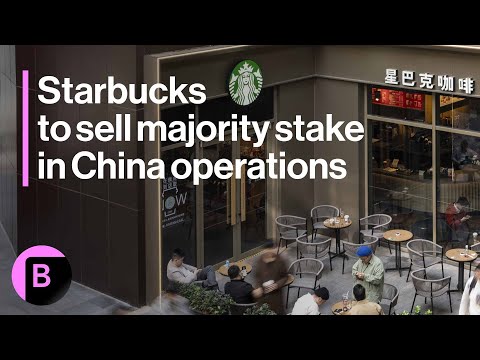
Deal Overview - Starbucks is selling a majority 60% stake in its China unit to private equity firm Boyu Capital for $4 billion [1][3] - Boyu Capital will finance the deal with over $1 billion in leveraged loans from Chinese banks [3] Boyu Capital's Advantage - Boyu Capital, as a Chinese private equity firm, possesses stronger onshore connections beneficial for Starbucks in China [2] - Boyu's connections and strategy helped it beat out other global private equity firms interested in the stake [4] - Boyu recently closed a big deal for China's biggest chain of luxury malls, SKP, potentially creating synergies for Starbucks outlets [3][4] Starbucks' China Strategy - Starbucks has been facing pressure from local Chinese coffee chains like Luckin, which has surpassed them in size [5][6] - Starbucks has maintained a premium model with higher prices and larger stores, differentiating itself from competitors [6][7] - The entry of private equity may lead to significant changes in Starbucks' China strategy, potentially focusing on faster margin growth [7][8] - The future Starbucks in China might be unrecognizable from Starbucks elsewhere, with a Chinese firm now in charge [8]
星巴克部分中国业务将出售给博裕资本
日经中文网· 2025-11-04 02:32
Core Viewpoint - Starbucks is selling 60% of its shares to Boyu Capital for $4 billion to establish a joint venture aimed at revitalizing its struggling business in China, which has become its second-largest market after the U.S. [2] Group 1: Market Context - Starbucks entered the Chinese market in 1999 and has played a significant role in promoting coffee culture in a country where coffee was not widely popular at the time [2] - Currently, Starbucks operates approximately 7,800 stores in China, making it one of the most successful American consumer brands in the country, alongside Apple [2] Group 2: Challenges Faced - Recent economic slowdown in China has led consumers to prefer local coffee chains like Luckin Coffee, which offer lower prices, causing Starbucks to lose its position to third place in store count [2] - Starbucks has struggled to keep up with changing consumer preferences regarding coffee, which has contributed to difficulties in attracting customers [2] Group 3: Strategic Response - The joint venture will leverage Starbucks' brand licensing and Boyu's local expertise to refresh the brand image and accelerate store openings in smaller, untapped cities to compete against local brands [2]
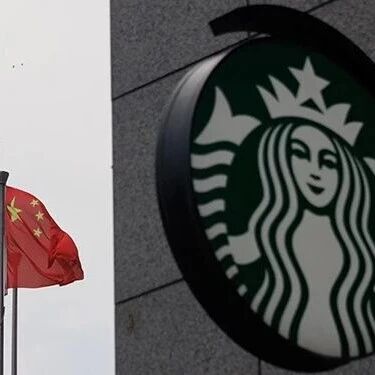
星巴克与博裕成立合资企业
Guo Ji Jin Rong Bao· 2025-11-04 02:21
Core Insights - Starbucks has announced a strategic partnership with Boyu Capital, a leading alternative asset management firm in China, to establish a joint venture for operating Starbucks' retail business in the Chinese market [1] Group 1: Joint Venture Structure - Boyu Capital will hold up to 60% equity in the joint venture, while Starbucks retains 40% equity and continues to own and license the Starbucks brand and intellectual property to the new entity [1] - The joint venture is based on an enterprise value of approximately $4 billion, excluding cash and debt, allowing Boyu to acquire its corresponding equity stake [1] Group 2: Market Value and Growth Plans - Starbucks anticipates that the total value of its retail business in China will exceed $13 billion, which comprises three components: the equity stake sold to Boyu, the value of Starbucks' retained stake in the joint venture, and ongoing licensing revenue expected over the next decade or longer [1] - The new joint venture will be headquartered in Shanghai and will manage and operate the existing 8,000 Starbucks stores across China, with a shared vision to expand the store count to 20,000 in the future [1]
星巴克与博裕合资运营中国业务:博裕至多持有60%股权,未来门店目标2万家
IPO早知道· 2025-11-04 02:20
Core Insights - Starbucks has announced a strategic partnership with Boyu Capital to establish a joint venture for operating its retail business in China, with Starbucks retaining 40% ownership and Boyu holding up to 60% [3][4] - The enterprise value of the joint venture is approximately $4 billion, and Starbucks expects its total retail business value in China to exceed $13 billion, driven by the joint venture and ongoing licensing revenues [4] - The new joint venture will be headquartered in Shanghai and aims to expand the number of Starbucks stores in China from 8,000 to 20,000 [4] Financial Performance - Starbucks reported a revenue of $831.6 million for the fourth quarter of its fiscal year, marking a 6% year-over-year increase, with full fiscal year revenue projected to reach $3.105 billion, a 5% increase [5] - Same-store sales in China grew by 2% year-over-year, with transaction volume increasing by 9%, attributed to innovative non-coffee beverages and the growing demand for delivery services [5] Strategic Rationale - The partnership with Boyu Capital is seen as a move to leverage local market expertise for accelerating Starbucks' expansion, particularly in smaller cities and emerging regions [6] - Both parties recognize the strong brand equity Starbucks has built in China and the opportunity to enhance customer experiences through localized offerings [6] Market Context - The competitive bidding process for the joint venture involved over 30 institutions, indicating strong interest and confidence in managing foreign enterprises in China [5] - The trend of foreign companies restructuring their operations in China is gaining traction, with a high probability of successful turnarounds due to the increasing operational capabilities of local buyers [5]