
Seek .(SKLTY)

Search documents
前瞻全球产业早报:DeepSeek目标在年底前发布AI智能体
Sou Hu Cai Jing· 2025-09-05 02:59
Group 1 - The Ministry of Industry and Information Technology and the State Administration for Market Regulation have issued an action plan to promote the integration of Beidou with AI, intelligent connected vehicles, and low-altitude economy [2] - The action plan emphasizes the construction of advanced computing systems and the development of various electronic industries to support digital transformation and intelligent upgrades [3] - The plan aims to enhance the compatibility of multi-system chips and software, focusing on the conversion of computing power into productivity [3] Group 2 - DeepSeek aims to release an AI agent by the end of this year, indicating a push in AI technology development [4] - The Chinese government plans to cultivate influential sports enterprises and events, targeting a sports industry scale exceeding 7 trillion yuan by 2030 [4] Group 3 - Agricultural Bank of China has surpassed Industrial and Commercial Bank of China in market capitalization, reaching approximately 2.5 trillion yuan [5] - ByteDance has denied rumors regarding the restructuring of its chip business, asserting that the business entity remains unchanged [6] Group 4 - Zhiyuan Robotics has won a bid for a robot procurement project in Hubei, valued at approximately 31.02 million yuan [7] - WeRide has launched a 24-hour fully autonomous commercial operation of its Robotaxi GXR in Guangzhou [7] Group 5 - Huawei has released its second-generation foldable smartphone Mate XTs, starting at a price of 17,999 yuan, featuring the Kirin 9020 chip [8] Group 6 - Chinese scientists have confirmed the existence of a solid inner core on Mars, providing insights into the planet's magnetic field evolution [9] Group 7 - Japan and the United States are nearing an agreement to reduce tariffs on Japanese automobiles, which could impact the automotive industry [10] Group 8 - Samsung is preparing to mass-produce the world's first 2nm chip, Exynos 2600, expected to debut in the Galaxy S26 series [11] Group 9 - OpenAI is expanding its stock sale to current and former employees, potentially raising over 40 billion dollars and increasing its valuation to 500 billion dollars [12] Group 10 - Nvidia plans to launch a new AI chip, which may be priced at double that of its H20 chip, indicating a competitive move in the AI hardware market [13] Group 11 - LG Electronics has secured a significant contract to provide cooling solutions for AI data centers in the United States [15] Group 12 - ExxonMobil is considering selling its chemical plants in Europe, with potential sale prices reaching up to 1 billion dollars [16] Group 13 - Starbucks is set to implement a new AI inventory counting system across over 11,000 stores in North America by the end of September [16]



A股晚间热点 | 央行将开展1万亿元买断式逆回购操作 DeepSeek或于第四季度发布新模型
智通财经网· 2025-09-05 00:28
Group 1: Sports Industry Development - The State Council issued an opinion to release the potential of sports consumption and promote high-quality development of the sports industry, proposing 20 measures [1] - By 2030, the goal is to cultivate a number of world-influential sports enterprises and events, with the total scale of the sports industry exceeding 7 trillion yuan [1] Group 2: Technology and Telecommunications - Huawei launched the Mate XTs folding phone, featuring the Kirin 9020 chip, which enhances overall performance by 36% [2] - The company aims to strengthen its position in the competitive smartphone market with advanced technology [2] Group 3: Monetary Policy and Economic Indicators - The People's Bank of China announced a 1 trillion yuan reverse repurchase operation to maintain liquidity in the banking system [3] - Experts predict a possible reserve requirement ratio (RRR) cut in the fourth quarter to support economic growth [3] Group 4: Renewable Energy Sector - The Ministry of Industry and Information Technology and the State Administration for Market Regulation issued a plan to promote high-quality development in the photovoltaic sector [4] - As of the second quarter, 14 photovoltaic stocks were held by social security funds, indicating institutional interest in the sector [4] Group 5: Employment and Economic Outlook - The ADP report indicated that U.S. employment growth slowed significantly in August, with only 54,000 jobs added, below expectations [8] - This slowdown reinforces market expectations for a potential interest rate cut by the Federal Reserve [8] Group 6: Automotive Industry - BYD reportedly lowered its 2025 sales target by 16%, from 5.5 million to 4.6 million vehicles, though the company declined to comment on the matter [7] - In the first eight months of the year, BYD's cumulative sales of new energy vehicles reached approximately 2.86 million, a year-on-year increase of 23% [7] Group 7: AI and Technology Development - DeepSeek is reportedly developing a new AI model with advanced capabilities, aiming for a release in the fourth quarter [5] - The model is designed to perform multi-step operations with minimal user instructions, positioning the company to compete with major players like OpenAI [5] Group 8: Market Trends and Investment Opportunities - Nvidia plans to launch a new AI chip in China, potentially priced at twice that of its H20 chip, indicating strong market potential [13] - The report suggests focusing on Nvidia and its supply chain, as well as domestic GPU/CPU manufacturers and related industries [13]




DeepSeek四季度将推新一代AI模型,梁文锋力促智能体功能升级
Sou Hu Cai Jing· 2025-09-04 23:08
Core Insights - DeepSeek is developing an advanced AI agent model to compete globally with major players like OpenAI [1][3] - The new AI model is designed for high autonomy, capable of executing complex tasks from minimal user input [1][3] - DeepSeek's founder, Liang Wenfeng, aims to launch this innovative software by the end of the year [3] Company Developments - DeepSeek previously released the R1 model in January, which gained attention for its low-cost human-like reasoning capabilities [3] - After the initial success, DeepSeek's progress has been slower, with only minor updates released [3] - The company's entry into the AI agent field aligns with global tech trends, as competitors like OpenAI and Microsoft have also launched similar software [3] Industry Context - AI agents differ from traditional chatbots by handling more complex tasks, including travel planning and code debugging [3] - The industry is focused on creating increasingly autonomous AI systems to perform complex real-world tasks with minimal human intervention [3] - Despite advancements, AI agents still require significant human guidance at this stage [3]
盘后,DeepSeek,传出重磅消息!
Zheng Quan Shi Bao Wang· 2025-09-04 13:27
Core Viewpoint - DeepSeek, a Chinese AI company, is reportedly developing a more advanced AI model with enhanced agent capabilities to compete with industry leaders like OpenAI [1][2] Company Developments - DeepSeek's founder, Liang Wenfeng, is pushing the team to release new software in Q4 of this year [1] - The company previously launched the R1 series model in January, which mimics human reasoning processes at a development cost of only a few million dollars [3] - An upgraded version, DeepSeek-R1-0528, was released on May 28, showing significant improvements in reasoning ability, programming performance, and text processing [3] - The DeepSeek-V3.1 model was officially released on August 21, enhancing code understanding and agent task execution capabilities [3][4] Market Trends - AI concept stocks have recently experienced a downturn, with the DeepSeek index, AI computing power index, and AIGC index dropping by 8.94%, 9.25%, and 7.16% respectively over a few trading days [1] - Analysts attribute this decline to profit-taking, but maintain a positive long-term outlook for the AI industry [1] Industry Insights - The AI agent sector is viewed as a key area of growth following large models, with capabilities for autonomous decision-making and task execution [5] - A government policy issued on August 26 aims to integrate AI into six key sectors by 2027, with a target of over 70% penetration of new intelligent terminals and agents [5] - The market for AI agents is expected to see significant growth, with predictions of a commercial explosion in 2025 [6][7]
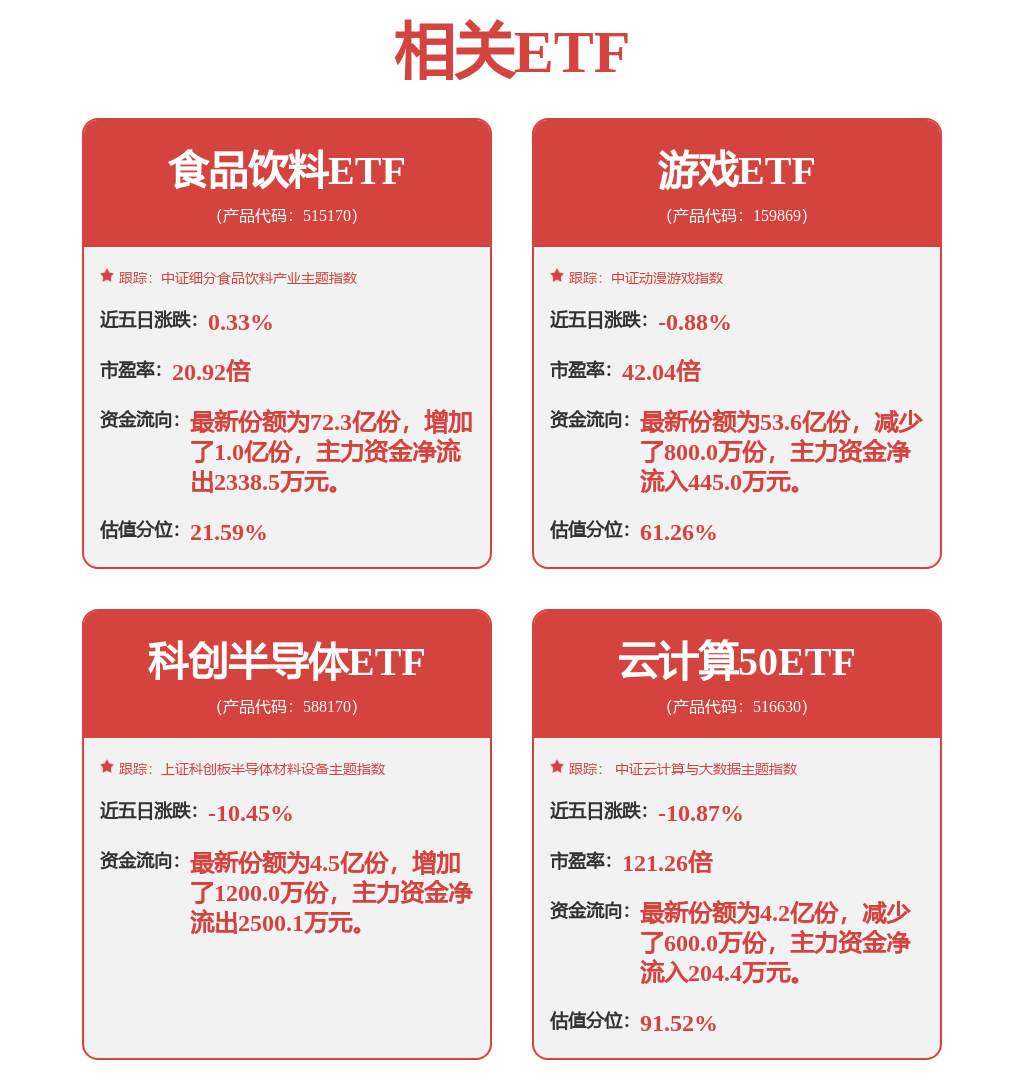
83岁用DeepSeek抢单,96岁凭AI挣养老钱,这群80+老人比你还会玩AI
3 6 Ke· 2025-09-04 11:28
Core Insights - The article highlights how AI is opening new opportunities for older Americans, enabling them to learn and adapt to new technologies, thereby enhancing their quality of life and work prospects [1][4][35] Group 1: Individual Experiences - Luis Bautista, at 82, is learning AI strategies to start a tech company, driven by a desire for a fulfilling life despite financial struggles [1][2] - Phyllis Scalettar, nearing 80, has embraced AI fully, running a consulting company that helps others improve productivity through AI [6][8][10] - Many older adults, like Katherine Cavanaugh and Jacqueline Steubbel, are integrating AI into their work to maintain their livelihoods and enhance their skills [34][35] Group 2: Attitudes Towards AI - A survey of over 130 working seniors revealed mixed feelings about AI, with some fearing job displacement and cognitive decline, while others actively embrace AI for work and personal tasks [5][21] - Despite concerns, a significant number of older adults are using AI tools like ChatGPT to improve their productivity and creativity [21][30] Group 3: Training and Resources - There is a growing demand for AI training programs tailored for older adults, focusing on practical applications like social media and job searching [30][33] - Organizations are developing beginner courses to help older individuals enhance their AI literacy, reflecting a desire for continuous learning [31][30] Group 4: Employment Challenges - Older workers face biases in hiring, with only 7% of recruiters likely to consider candidates over 65 for AI-related roles, compared to 57% for younger applicants [23][25] - Research indicates that older employees may be more affected by AI advancements due to lower job mobility and slower adoption of new technologies [16][17][20]

DeepSeek据悉计划年底前发布拥有更先进代理功能的人工智能模型
Xin Lang Cai Jing· 2025-09-04 09:59
Core Viewpoint - DeepSeek is developing an advanced AI model with enhanced agent capabilities to compete with American counterparts like OpenAI in the technology sector [1] Group 1: Company Development - The startup, based in Hangzhou, aims to create an AI model that can perform multi-step operations on behalf of users with minimal instructions [1] - The system is designed to learn and improve based on previous actions taken by users [1] - Founder Liang Wenfeng is urging the development team to release the new software in the last quarter of this year [1] Group 2: Market Position - DeepSeek's initiative represents a push to establish a competitive edge in the rapidly evolving AI landscape [1] - The focus on advanced agent capabilities indicates a strategic direction to enhance user interaction and automation [1]
传DeepSeek正在开发具备更先进AI智能体功能的人工智能模型
智通财经网· 2025-09-04 09:14
Group 1 - DeepSeek is developing an advanced AI model to compete with US rivals like OpenAI, aiming for a product launch in Q4 of this year [1] - The AI agent is seen as a key area following large models, featuring autonomous decision-making, task decomposition, and cross-application collaboration capabilities [1] - DeepSeek's R1 model, released in January, disrupted the global tech industry with its human-like reasoning capabilities [1] Group 2 - The new generation language model DeepSeek-V3.1 was officially launched on August 21, marking a step towards the agent era [1] - V3.1 incorporates UE8M0 FP8 Scale parameter precision and introduces three major changes: a hybrid reasoning architecture, improved thinking efficiency, and significantly enhanced agent capabilities [1]
网传DeepSeek年底发布AI智能体,公司暂无回应
Xin Lang Ke Ji· 2025-09-04 08:55
Core Viewpoint - DeepSeek, a Chinese artificial intelligence company, plans to officially launch its AI Agent by the end of 2025 to seize the next generation of human-computer interaction entry points [1] Group 1: Company Plans - DeepSeek aims to release the AI Agent, which is considered a key track following large models, featuring autonomous decision-making, task decomposition, and cross-application collaboration capabilities [1] Group 2: Market Context - The AI Agent is viewed as a significant development in the AI industry, indicating a shift towards more advanced human-computer interactions [1] Group 3: Current Status - As of the report, DeepSeek has not responded regarding the possibility of releasing the AI Agent within the current year [1]
网传DeepSeek计划年底前发布AI智能体,公司暂无回应
Xin Lang Ke Ji· 2025-09-04 08:52
Group 1 - DeepSeek, a Chinese AI company, plans to launch an AI Agent by the end of 2025 to capture the next generation of human-computer interaction [1] - The AI Agent is considered a key area following large models, featuring autonomous decision-making, task decomposition, and cross-application collaboration capabilities [1]
消息称DeepSeek目标是在今年年底前发布AI智能体(AI AGENT)
Ge Long Hui· 2025-09-04 08:41
格隆汇9月4日|市场消息称,DeepSeek目标是在今年年底前发布AI智能体(AI AGENT)。 (责任编辑:宋政 HN002) 【免责声明】本文仅代表作者本人观点,与和讯网无关。和讯网站对文中陈述、观点判断保持中立,不对所包含内容 的准确性、可靠性或完整性提供任何明示或暗示的保证。请读者仅作参考,并请自行承担全部责任。邮箱: news_center@staff.hexun.com ...