Unilever(UK)(UL)

Search documents
绿色配方与再生塑料突围!揭秘联合利华从产品开发到生产物流的减碳革命
Nan Fang Du Shi Bao· 2025-12-26 02:03
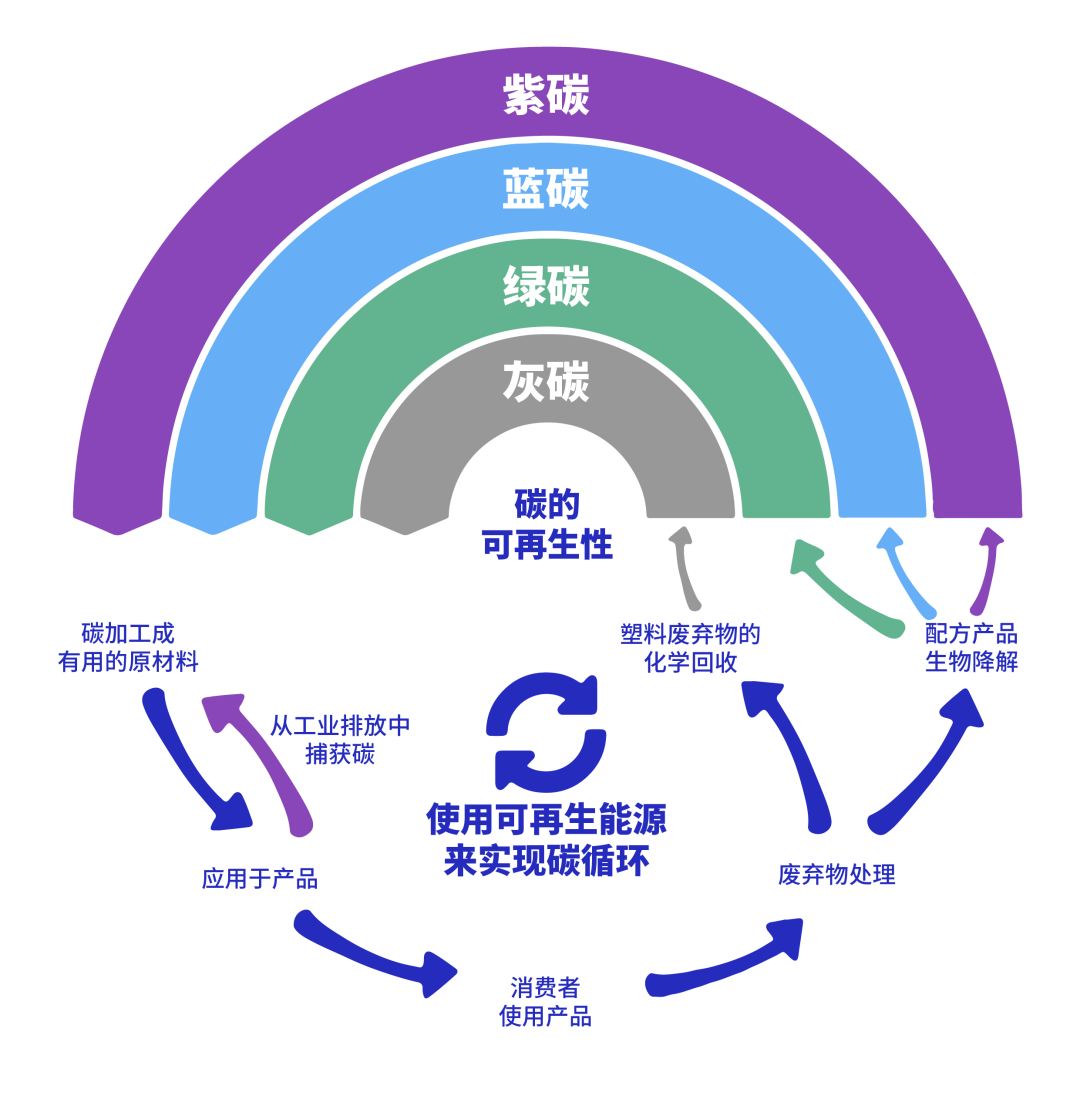
Core Viewpoint - Unilever's "Rainbow Carbon" strategy integrates sustainable practices into its product development and manufacturing processes, utilizing various carbon sources to reduce reliance on fossil fuels and promote environmental responsibility [1][3][4]. Group 1: Sustainable Product Development - Unilever is transforming carbon emissions into raw materials for products like laundry pods by collaborating with zero-carbon industrial parks to convert captured carbon into ethanol or methanol, which are then used in surfactants [3][4]. - The company is focusing on plant-based raw materials, including orange peels and seaweed, to create environmentally friendly surfactants, thereby reducing dependence on petroleum [3][4]. Group 2: Packaging Innovations - Unilever aims to use 25% recycled plastic (PCR) in its product packaging, with a recent development featuring a laundry liquid bottle made from 53% PCR [5][6]. - The company has established a packaging co-creation center that utilizes digital platforms and AI to streamline the design process, significantly reducing the time required to create packaging prototypes [6]. Group 3: Manufacturing and Energy Efficiency - All of Unilever's factories in China have achieved 100% green electricity, sourced from renewable resources like solar and wind energy, to minimize environmental impact [8]. - The Guangzhou factory employs advanced technologies such as automated guided vehicles and sophisticated water treatment processes to enhance operational efficiency and sustainability [7][8]. Group 4: Logistics and Distribution - Unilever has introduced a "Factory Direct to Consumer" model, reducing delivery times by 33% and minimizing transportation distances, which contributes to lower carbon emissions [9][10]. - The company is gradually incorporating green energy vehicles into its logistics operations, with a pilot program for electric vehicle transportation between Shenzhen and Hong Kong [10]. Group 5: Industry Trends and Consumer Engagement - A market survey indicated that 80% of consumers prefer eco-friendly products, prompting Unilever to develop high plant-based content products to meet consumer demand [12]. - The competitive landscape in the personal care industry is increasingly focused on sustainability, with companies needing to effectively communicate their environmental initiatives to consumers [12].


为什么越来越多品牌开始故意做小众?
36氪· 2025-12-24 09:51
Core Insights - The article discusses the shift in marketing strategies from targeting mass markets to focusing on niche markets, highlighting that brands are increasingly finding success by catering to specific consumer needs rather than trying to appeal to everyone [4][11][53]. Group 1: Market Dynamics - The traditional approach of mass marketing is becoming less effective as consumer preferences evolve and markets become saturated [15][19]. - Brands that once dominated through broad appeal are now facing challenges as they attempt to satisfy diverse consumer demands, leading to increased competition and lower profit margins [12][16]. - The rise of niche brands is attributed to their ability to address specific pain points that larger brands overlook, allowing them to establish a loyal customer base and maintain pricing power [17][41]. Group 2: Consumer Behavior - Modern consumers, particularly younger generations, prioritize self-expression and individuality in their purchasing decisions, often choosing niche products that reflect their personal values and identities [28][30]. - The shift from functional needs to self-expression means that consumers are willing to pay a premium for products that resonate with their personal beliefs and lifestyles [30][41]. Group 3: Marketing Strategies - Successful niche brands focus on creating exceptional products tailored to specific market segments, often disregarding broader appeal in favor of deep engagement with a targeted audience [35][37]. - The effectiveness of marketing has shifted from mass persuasion to attracting the right audience through unique brand values and aesthetics, reducing marketing costs while increasing customer loyalty [49][51]. - Brands like Lululemon and Patagonia exemplify this strategy by initially targeting specific consumer groups and building strong brand identities that resonate with their core audience [43][44]. Group 4: Future Implications - The article suggests that the concept of a unified mass market is fading, with brands needing to adapt by embracing niche strategies to survive in an increasingly fragmented market [53][54]. - Companies that fail to develop a distinct niche focus risk becoming irrelevant in a landscape dominated by specialized brands that cater to specific consumer needs [55][56].


How Unilever's huge bet on influencers led to a creator economy gold rush
Business Insider· 2025-12-23 15:47
Core Insights - Unilever's new "influencer-first" strategy aims to work with 20 times more influencers and allocate 50% of its ad budget to social media, up from 30% [1][2] - The company is currently collaborating with approximately 300,000 influencers globally, significantly impacting the influencer marketing landscape [3][6] Industry Impact - Unilever's commitment to expanding its influencer roster has led to increased leverage on the supply side, resulting in price inflation and attracting new entrants to the influencer market [2] - Following Unilever's announcement, many advertisers are reassessing their influencer marketing strategies, with some planning to increase their budgets [9][11] - A survey indicated that 62% of marketers intend to raise their annual influencer budgets by 2026, with US advertiser spending on creators projected to reach $37 billion in 2025, a 26% year-over-year increase [7] Competitive Dynamics - Unilever's strategy has prompted other brands to follow suit, with several major advertisers detailing plans to increase their influencer marketing budgets during recent earnings calls [11] - The competition for top-tier influencers has intensified, leading to higher fees for those appealing to beauty, personal care, and food brands [12][13] Market Trends - The influencer market is maturing, with partnerships often including usage rights and ads across multiple channels [13] - Despite the overall growth, not all creators benefit equally; fee inflation is primarily concentrated among macro creators, while nano creators may not see similar increases [14][19] - The number of user-generated content (UGC) creators surged by 93% year-over-year, leading to a decrease in average brand spend per influencer collaboration [16][17]
Esi Eggleston Bracey, Unilever’s Chief Growth and Marketing Officer, Is Leaving the Company
Yahoo Finance· 2025-12-18 16:25
Core Insights - Esi Eggleston Bracey is leaving her position as Unilever's chief growth and marketing officer as part of a broader restructuring initiative within the company [1][2] - Leandro Barreto will take over as chief marketing officer for Unilever and the beauty and well-being business group starting January 1, following a transition period [2] - The restructuring aims to enhance Unilever's marketing strategies and consumer engagement amid significant industry changes and a digital revolution [2] Company Changes - The leadership change is part of Unilever's ongoing transformation to improve brand marketing and consumer interaction [2] - Chief Executive Officer Fernando Fernandez acknowledged Eggleston Bracey's significant contributions during her eight years at Unilever, highlighting her role in establishing a foundation for growth in the U.S. market [3] - Eggleston Bracey joined Unilever in 2018 and was instrumental in redefining demand-building strategies globally [3] Marketing Strategy - Leandro Barreto is recognized for his creativity and ability to build culturally relevant brands, positioning him well to lead Unilever's marketing transformation [3] - Unilever has focused on beauty and wellness as key growth drivers, with expectations that these divisions will account for two-thirds of sales in the medium term, up from the current 51% [4]
The Magnum Ice Cream: The Unilever Ice Cream Spinoff - Moat Real, Threats Too (NYSE:UL)
Seeking Alpha· 2025-12-17 04:14
Core Insights - The article does not provide specific insights or analysis regarding any companies or industries, focusing instead on disclaimers and disclosures related to investment advice and performance [1][2][3] Summary by Sections - No relevant company or industry information is presented in the content provided, as it consists solely of disclaimers and disclosures [1][2][3]
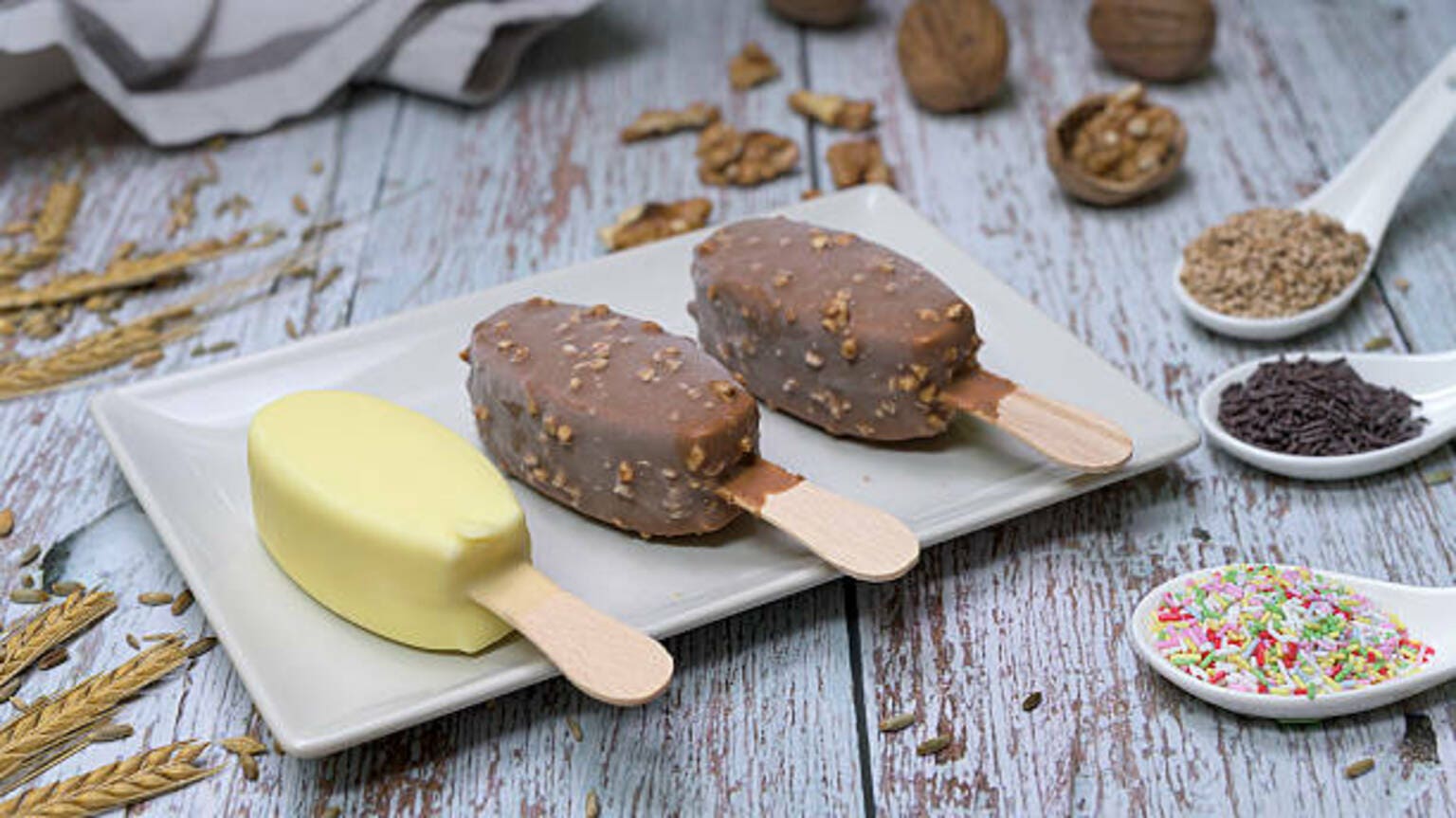
Ben & Jerry's Ousts Three Board Members As Magnum Tightens Governance Rules Amid Tepid Market Debut - The Magnum Ice Cream Co (NYSE:MICC), Unilever (NYSE:UL)
Benzinga· 2025-12-16 11:50
Governance Changes - Ben & Jerry's has removed three members from its independent board as part of new governance practices introduced by Magnum Ice Cream Company [1] - Chair Anuradha Mittal and two long-time directors, Daryn Dodson and Jennifer Henderson, will not qualify for re-election in 2026 due to a new policy limiting board member tenure to nine years [2] - Magnum has also implemented a requirement for compliance with its "code of business integrity" following its recent spinoff from Unilever [2] Power Struggle and Criticism - The governance changes have intensified a long-standing dispute regarding Ben & Jerry's governance, which was established to protect the brand's social mission after its acquisition by Unilever in 2000 [3] - Co-founder Ben Cohen criticized the board changes as a "blatant power grab" and part of Magnum's effort to dismantle the brand's social mission [4] - The board has accused Unilever of hindering its efforts to address international issues, including the Gaza ceasefire and support for Palestinian refugees [4] Company Changes and Challenges - The governance changes come amid significant changes for Ben & Jerry's, including the departure of co-founder Jerry Greenfield in September [5] - Greenfield's exit was influenced by pressure from Unilever to remain silent on personal values, which left him "devastated" [6] - An independent audit of Ben & Jerry's social-mission foundation identified conflicts of interest, and the trustees failed to implement necessary changes [7] Financial Outlook - Magnum's public listing has faced challenges, with the company not expecting to pay dividends until at least 2027 as it focuses on building standalone operations [8] - Despite the initial disappointment regarding dividends, some analysts have initiated Buy ratings, anticipating that Magnum's strong cash flows and global market leadership will eventually be recognized [8] - Since its debut, Magnum Ice Cream stock has increased by 10.39%, closing at $16.47 after a rise of 3.78% [9]
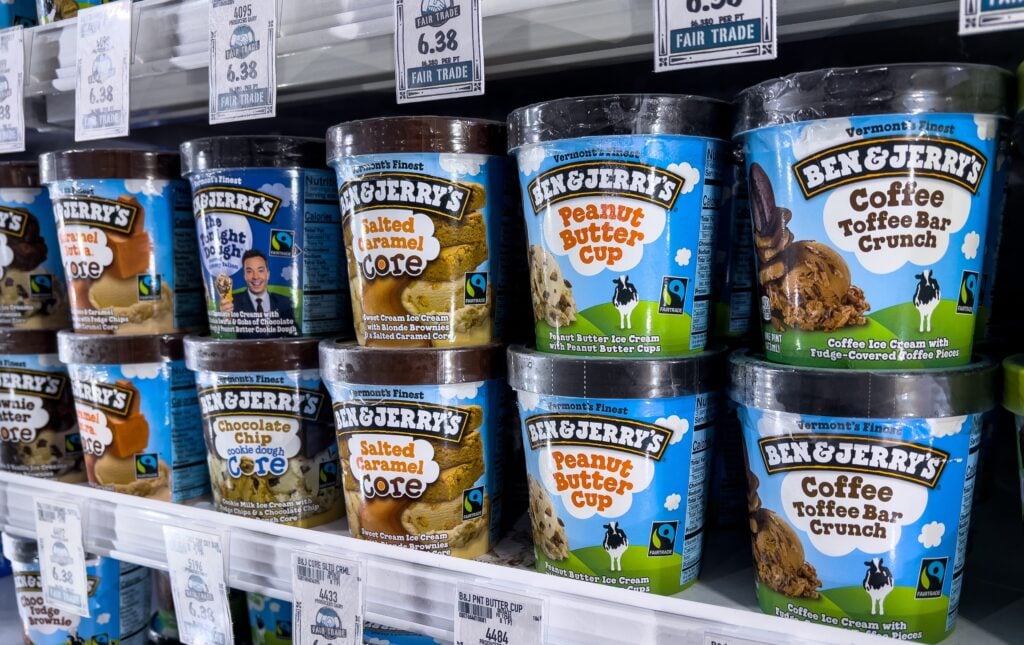
Ice-cream spin-off turns up heat on Unilever to deliver on growth, margins
Reuters· 2025-12-12 15:24
Core Viewpoint - The Magnum Ice Cream Company has resolved its supply-chain issues, placing pressure on Unilever to demonstrate that its strategic shift towards beauty and wellbeing can enhance growth and profit margins [1] Company Summary - Unilever is under scrutiny to prove that its transition towards beauty and wellbeing sectors can effectively drive growth and improve margins following the resolution of supply-chain challenges faced by the Magnum Ice Cream Company [1]
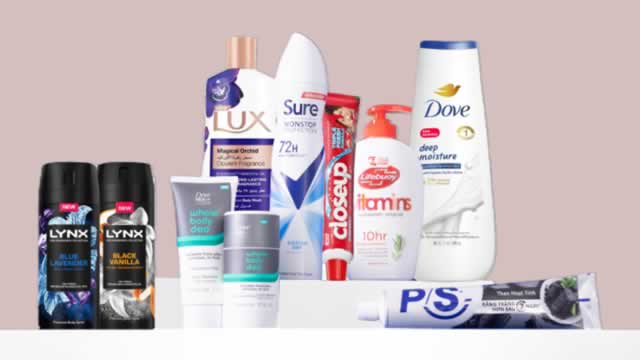
Unilever PLC (UL) CEO Puts €1.7 Billion for Mergers and Acquisitions
Yahoo Finance· 2025-12-12 12:24
Group 1 - Unilever PLC (NYSE:UL) is recognized as one of the best ADR stocks, being one of the largest consumer goods companies globally [1] - The company has recently completed the divestment of its ice cream brand Magnum and allocated €1.5 billion for mergers and acquisitions, focusing on the US market [1] - In the fiscal third quarter, Unilever reported an underlying sales growth of 3.9% and a volume growth of 1.5%, with expectations of 3% to 5% underlying sales growth for the full year 2025 [2] Group 2 - The company experienced strong performance in emerging markets, particularly in Indonesia and China, although the ice cream business showed concerning results [2] - Jefferies raised its share price target for Unilever from 3,800 GBp to 4,000 GBp while maintaining an Underperform rating due to skepticism about achieving a 2.5% volume growth [2]
Unilever PLC (UL) Discusses Leadership Transition, Portfolio Changes, and Cultural Transformation Transcript
Seeking Alpha· 2025-12-11 15:22
Core Insights - The company has undergone significant changes this year, including the appointment of a new CEO and the completion of the separation of its Ice Cream division, which was a complex process that started in March 2024 [1][2] Group 1: Leadership Changes - A new CEO was appointed in March 2024, marking the beginning of an intense period of transformation for the company [2] Group 2: Business Separation - The separation of the Ice Cream division was completed successfully, which was a key milestone for the company and is expected to allow for more focused growth in the future [1]

Unilever PLC (NYSE:UL) Faces Analyst Skepticism Amid Strategic Changes
Financial Modeling Prep· 2025-12-10 23:04
Core Viewpoint - Unilever PLC is undergoing significant changes, including the demerger of its ice cream arm, which has led to mixed reactions from analysts and investors [1][3][6] Financial Performance - UBS maintains a "Sell" rating for Unilever, adjusting its price target from 4,635 GBp to 4,440 GBp, indicating potential challenges ahead [2][6] - The current stock price of Unilever is $64.19, with a market capitalization of approximately $158.79 billion [5] Market Growth and Challenges - The demerger of Unilever's ice cream, tea, and coffee businesses raises concerns about market growth and earnings dilution, with UBS suggesting an 8.4% potential downside from the current share price [3][6] - Unilever aims for mid-single-digit underlying sales growth in the medium term, despite current market volume growth being closer to 1% [4][6] Operational Expectations - Unilever expects its operating margin, excluding ice cream, to be at least 19.5% for the second half of the year [4] - The company reaffirms its fourth-quarter volume growth guidance to match the third quarter's 1.7% [3]