Vale(VALE)

Search documents
Vale expands Onça Puma capacity by 60% with new furnace
MINING.COM· 2025-09-30 16:59
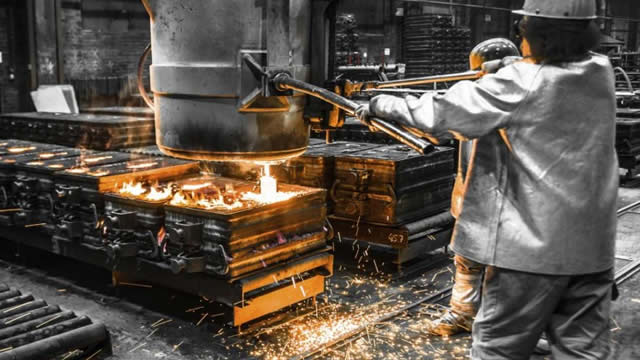
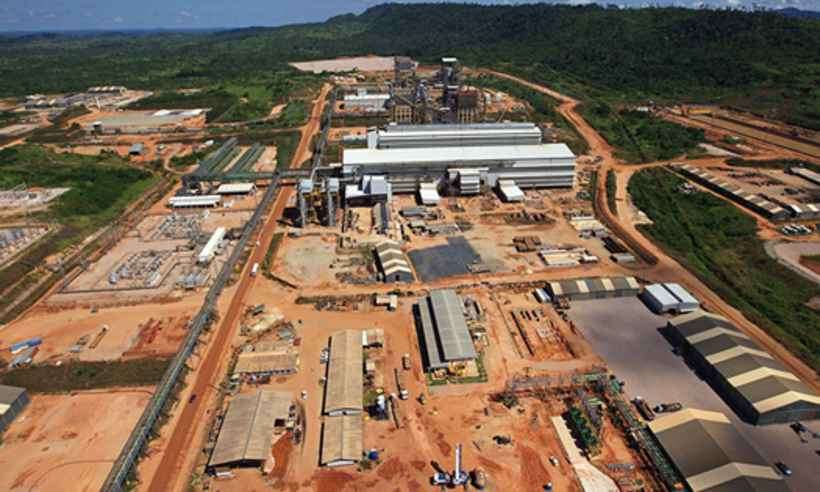
Core Viewpoint - Vale Base Metals has successfully commissioned a second furnace at its Onça Puma ferronickel complex, significantly increasing production capacity and positioning itself favorably for future market recovery despite current low nickel prices [1][3]. Production Capacity and Investment - The addition of Furnace 2 increases nickel production capacity by 15,000 tonnes, bringing Onça Puma's total output to 40,000 tonnes per year [2]. - The construction of Furnace 2 took three years and cost approximately $480 million, which is lower than the initially budgeted $555 million [4]. Future Production Guidance - Vale Base Metals has reaffirmed its production guidance of 160,000–175,000 tonnes of nickel for 2025, with expectations to reach 210,000–250,000 tonnes by 2030, supported by the new furnace and underground mining at Voisey's Bay in Canada [4]. Market Position and Financial Outlook - The CEO of Vale Base Metals stated that the expansion places the company in a strong position for when the nickel market recovers, and the operation is expected to generate reasonable cash flow under the new configuration [3]. - Following the announcement, Vale shares experienced a slight increase of 0.3%, resulting in a market capitalization of $46.7 billion [5].


Nickel Miners News For The Month Of September 2025
Seeking Alpha· 2025-09-30 16:32
Core Insights - The article emphasizes the importance of early access to investment ideas and trends, particularly in the electric vehicle (EV) and EV metals sector [1][2] - The Trend Investing group consists of experienced financial professionals with over 20 years in the market, focusing on trending themes such as electric vehicles, EV metals supply chain, stationary energy storage, and artificial intelligence [2] Investment Focus - Current investment themes include electric vehicles, the supply chain for EV metals, stationary energy storage solutions, and advancements in artificial intelligence [2] - The group actively seeks global investment opportunities within these emerging sectors [2] Analyst Positions - The article discloses that the analyst holds long positions in several companies, including BHP GROUP, VALE SA, ELECTRA BATTERY MATERIALS, WIN METALS LTD, and CENTAURUS METALS LIMITED [3]
铁矿石2025年四季度展望:海外需求主导,上下空间有限
Nan Hua Qi Huo· 2025-09-30 10:24
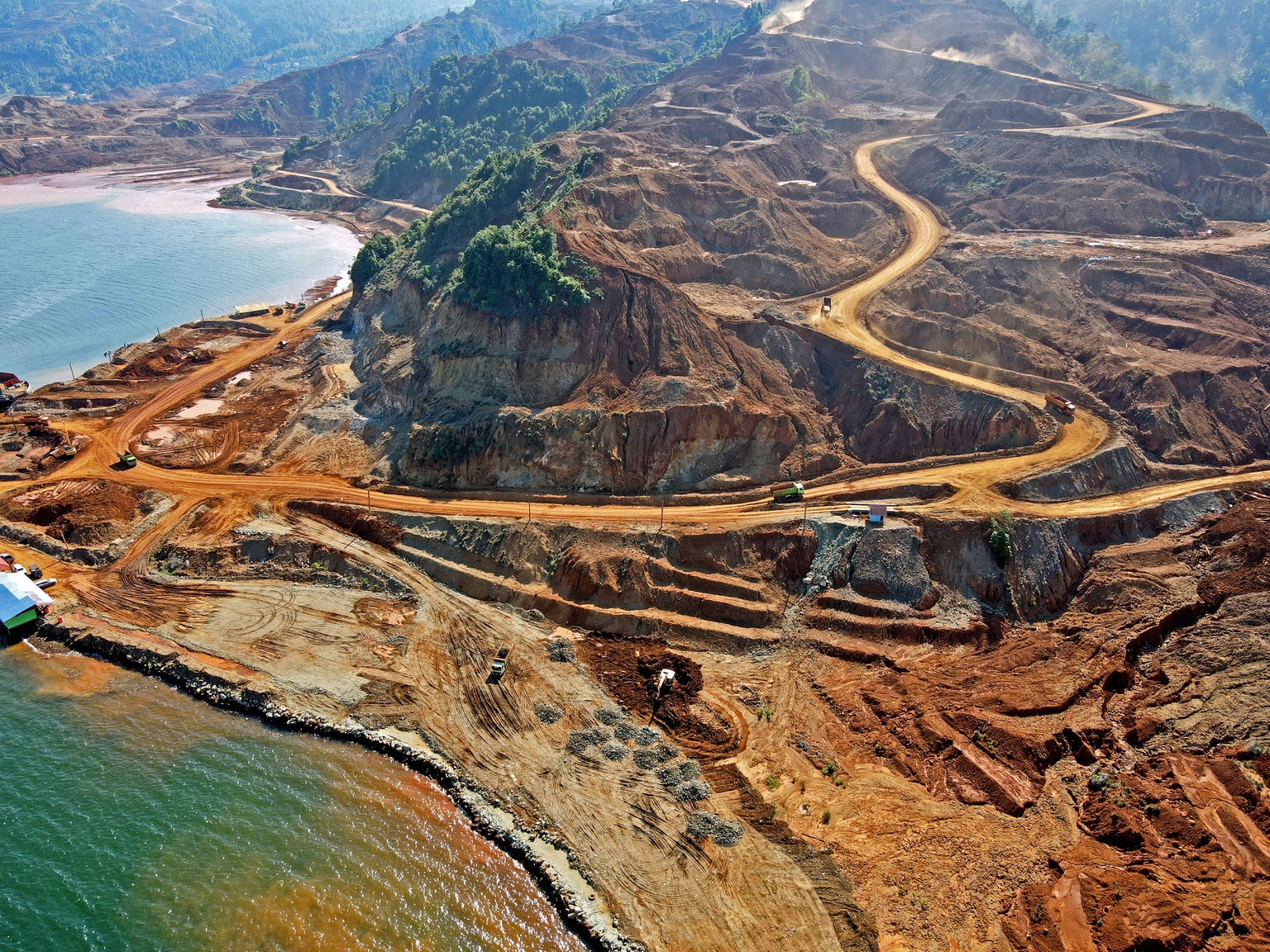
Group 1: Report Industry Investment Rating - No information provided about the report industry investment rating Group 2: Core Viewpoints of the Report - In Q4 2025, supported by increased supply and high molten iron production for export, the fundamentals of iron ore are decent. The price is expected to show no strong trend and maintain a moderately bullish oscillating pattern. Domestic demand remains stable overall, while overseas demand is strong. However, long - positions should pay attention to overseas risks [3][88] - The price range in Q4 is expected to be between 90 and 115 for Platts 62 and between 700 and 900 for the iron ore index [4][89] - Industrial risk management suggestion: interval trading [5][90] Group 3: Summary by Relevant Catalogs 1. 2025 H1 Iron Ore Price Review - From January 15 to February 21: Pessimistic expectations were reversed, and supply disruptions supported the price increase. The black market followed the stock market, and both domestic and overseas macro - sentiments were positive. Hurricanes affected iron ore shipments, and the spot was in short supply [5] - From February 22 to April 8: Both expectations and fundamentals weakened. After the hurricane, shipments returned to normal, and the relationship between the stock market and the black market diverged. Tariffs and anti - dumping concerns, along with the expectation of crude steel reduction, pushed the price down [6] - From April 9 to June 18: After the risk release, there was a temporary balance. The iron ore valuation was low, but the actual demand was stable. The Geneva Agreement led to a price increase, but then the market entered a low - volatility state [7] - From June 19 to the present: The iron ore price bottomed out and then rose. The reasons were the promotion of anti - involution and the repair of pessimistic expectations under high molten iron production [8] 2. Supply - **Overall Supply in 2025**: The supply of iron ore in the first three quarters of 2025 was tight at first and then loosened. The global shipment volume in the first three quarters was about 1.133 billion tons, a year - on - year increase of 0.78%. It is expected that the shipment in Q4 will be relatively sufficient, with a year - on - year growth rate of about 1% [11] - **China's Supply**: From January to August, the cumulative import of iron ore and its concentrates was 801.618 million tons, a year - on - year decrease of 1.6%. In August, the import was 10.5225 million tons, a month - on - month increase of 0.6% [17] - **Shipment by Country**: Australia and Brazil are still the top two suppliers, but their shipment volumes declined. India's exports to China dropped significantly, while Russia's and Mongolia's exports increased [19][20] - **Four Major Mines**: In H1 2025, the four major mines generally overcame adverse factors, and their production remained stable or increased slightly. Vale and Rio Tinto are expected to be the main contributors to the incremental production in H2 [24] - **Domestic Mines**: From January to August, the iron concentrate output of 332 mines was 172.55 million tons, a year - on - year decrease of 2.5%. The annual output is expected to be lower than last year, with a year - on - year growth rate of about - 2% [48] 3. Demand - **Demand Revision**: The view on demand in the semi - annual report needs to be revised. Currently, external demand is the dominant factor. Domestic demand in infrastructure and real estate remains weak, while exports, both direct and indirect, are becoming the leading force in black demand [51][52] - **Molten Iron Production**: In the first three quarters of 2025, the average daily molten iron production was 237210 tons, a year - on - year increase of 3.73%. It is expected that the production in Q4 may first remain stable and then decline [58] - **Steel Mill Supply Adjustment**: In the first three quarters, downstream steel mill demand was decent supported by exports. Building materials demand declined, while plate demand maintained positive growth. Steel mills adjusted their supply through production transfer [63][64] - **Export Support**: In the context of weak domestic demand, overseas exports are an important support for steel demand. Although the cost advantage is weakening, the export volume is expected to be supported in the second half of the year [68] 4. Inventory - **Port Inventory**: Due to hurricane disruptions and high molten iron production in the first three quarters, port inventory decreased. However, with the recovery of shipments and low steel mill profits, port inventory may start to accumulate again [73] - **Steel Mill Inventory**: Steel mills adhere to the low - inventory strategy for raw materials, and the proportion of trading ore is relatively high [75] - **Global Seaborne Inventory**: The global seaborne inventory of iron ore is high, and the shipping speed has returned to normal, which may accelerate the arrival of iron ore at ports [77] 5. Valuation - **Term Structure**: The term structure of iron ore remains in a back structure, but the contango of far - month contracts has significantly shrunk. In Q4, attention should be paid to steel mill production cuts for reverse arbitrage [79] - **Iron - Scrap Price Difference**: Scrap steel has been less cost - effective compared to iron ore in the past year. The scrap addition ratio in blast furnaces has decreased [82] - **Coking Coal/Iron Ore Seesaw Effect**: In 2025, the price seesaw effect between coking coal and iron ore is more significant. If coking coal prices remain strong in Q4, it may continue to suppress iron ore prices [84] - **Volatility**: The implied volatility of iron ore options decreased in H1 2025 and then rebounded after the anti - involution trading in late June [86]


Analysts Highlight Vale’s (VALE) Product Flexibility and Long-Term Strategy After Mine Visits
Yahoo Finance· 2025-09-29 18:53
Core Viewpoint - Vale S.A. is identified as a promising investment opportunity, particularly after Scotiabank upgraded its rating from Sector Perform to Sector Outperform with a price target of $14, following a visit to its mines that highlighted the company's long-term strategy [1][2]. Group 1: Company Overview - Vale S.A., headquartered in Rio de Janeiro, Brazil, specializes in the production and sale of iron ore and iron ore pellets, which are essential raw materials for steelmaking both domestically and internationally [3]. Group 2: Market Position and Strategy - Scotiabank noted Vale's ability to expand its iron ore sales beyond China while maintaining favorable pricing conditions through enhanced product flexibility, which is positively impacting the company's price realization [2]. - Although there are reservations regarding the immediate prospects for green steel, Scotiabank believes that Vale has significant profit potential as the decarbonization movement gains momentum [2].
全球第二大铜矿Grasberg泥石流事故影响解读及淡水河谷巴西铁矿调研反馈
2025-09-26 02:28
Summary of Key Points from Conference Call Records Company and Industry Overview - **Company**: Freeport-McMoRan and Vale S.A. (淡水河谷) - **Industry**: Copper and Iron Ore Mining Core Insights and Arguments Freeport-McMoRan (Grasberg Mine Incident) - The Grasberg mine incident resulted in a production halt, with an expected copper output reduction of over 200,000 tons in 2025 and nearly 300,000 tons in 2026. Even after full recovery in 2027, there will still be a reduction of at least 100,000 tons [1][4][5] - The incident revealed potential technical or design flaws in underground mining, with repair costs estimated to exceed $1 billion. This, combined with a copper concentrate export ban and uncertainties in contract negotiations, poses multiple challenges for the company [1][5][10] - The Grasberg mine, being the second-largest copper mine globally, contributes significantly to Freeport's production, accounting for over 40% of its copper output in 2025 [4][5] - The copper price is expected to remain strong due to global supply tightness exacerbated by the incident, with LME copper prices hovering between $9,000 and $10,000 [6][10] Vale S.A. (Iron Ore Projects) - Vale's Caparema project has restarted, adding 15 million tons of iron ore capacity annually, with production costs below $20 per ton, enhancing the company's profitability [1][11] - The company has received operational permits for the Ceris expansion project, which will double copper production by 2035, indicating a significant business transformation and valuation enhancement [1][13] - Vale has launched a new iron ore product with 63% iron content, improving product flexibility and benefiting from reduced pricing impacts due to silica impurities [1][14] Financial Guidance and Shareholder Returns - Vale has lowered its 2025 capital expenditure guidance to $5.4-$5.7 billion, driven by strong free cash flow and a focus on shareholder returns, including potential stock buybacks or special dividends if net debt falls below $10 billion [2][17] Market Dynamics and Future Outlook - The copper mining industry faces increasing operational risks and challenges due to the rising proportion of underground mining, which is inherently riskier than open-pit mining [7][8] - The iron ore market remains robust, with strong demand from domestic steel mills despite production cut announcements, and the potential for price stability above $90 per ton through 2026 [16] Other Important Insights - The Grasberg incident has raised concerns about the relationship between Freeport and the Indonesian government, particularly regarding the renewal of operational contracts and export permits [9][10] - The ongoing challenges in the copper market, including the impact of recent mining accidents, highlight the need for companies to adapt to a changing operational landscape [6][7][10]

Here's Why VALE S.A. (VALE) Fell More Than Broader Market
ZACKS· 2025-09-24 23:01
Company Performance - VALE S.A. closed at $10.83, reflecting a -1.1% change from the previous day, underperforming the S&P 500 which lost 0.29% [1] - Over the past month, VALE's shares increased by 7.14%, outperforming the Basic Materials sector's gain of 4.35% and the S&P 500's gain of 3.08% [1] Upcoming Earnings - The upcoming EPS for VALE is projected at $0.44, indicating a 21.43% decline compared to the same quarter last year [2] - Revenue is estimated at $10.28 billion, representing a 7.63% increase from the prior-year quarter [2] Full Year Estimates - For the full year, earnings are projected at $1.71 per share and revenue at $37.79 billion, showing changes of -6.04% and -0.71% respectively from the previous year [3] - Recent changes in analyst estimates for VALE may indicate shifts in near-term business trends, with positive changes suggesting a favorable outlook on business health and profitability [3] Valuation Metrics - VALE has a Forward P/E ratio of 6.42, which aligns with the industry average Forward P/E of 6.42 [6] - The Mining - Iron industry, part of the Basic Materials sector, holds a Zacks Industry Rank of 106, placing it in the top 43% of over 250 industries [6] Zacks Rank System - The Zacks Rank system, which ranges from 1 (Strong Buy) to 5 (Strong Sell), has shown that 1 stocks have generated an average annual return of +25% since 1988 [5] - VALE currently holds a Zacks Rank of 3 (Hold), with a recent 0.89% rise in the Zacks Consensus EPS estimate [5]
Vale: Solid Low-Cost Exposure To Future Trends At A Great Price (NYSE:VALE)
Seeking Alpha· 2025-09-23 07:09
Core Viewpoint - Vale is positioned as an undervalued company with strong margins and significant long-term potential due to its commodity mix, particularly in the metals and mining sector [1]. Company Research - The analyst has over 10 years of experience researching various companies, including more than 1000 in sectors such as commodities (oil, natural gas, gold, copper) and technology (Google, Nokia) [1]. - The focus has shifted to a value investing-oriented YouTube channel, where extensive research on numerous companies has been conducted [1]. - The analyst expresses a preference for covering metals and mining stocks, while also being comfortable with other industries like consumer discretionary/staples, REITs, and utilities [1].


Vale: Solid Low-Cost Exposure To Future Trends At A Great Price
Seeking Alpha· 2025-09-23 07:09
Core Viewpoint - Vale is considered an undervalued company with strong margins and significant long-term potential due to its commodity mix [1] Group 1: Company Overview - Vale has been researched extensively, with over 10 years of experience in analyzing various companies across different sectors, including commodities and technology [1] - The focus on metals and mining stocks is highlighted, indicating a preference for this sector while also being comfortable with consumer discretionary, REITs, and utilities [1] Group 2: Investment Perspective - The article suggests that Vale is well-positioned for the next market cycle, emphasizing its excellent margins [1]
铁矿四季报:供给爬坡与需求韧性的博弈
Zi Jin Tian Feng Qi Huo· 2025-09-19 12:46
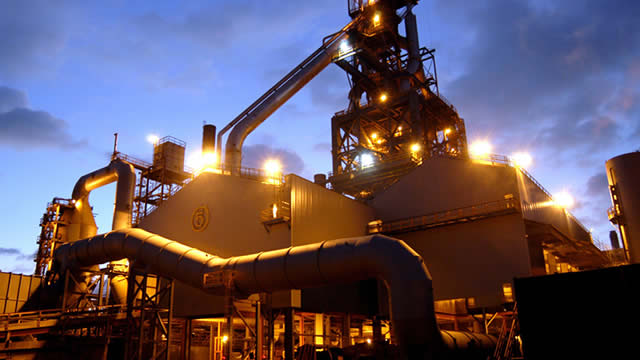
1. Report Industry Investment Rating No relevant content provided. 2. Core Viewpoints of the Report - Static calculations suggest that China's iron ore imports in 2025 may first decrease and then increase, with a year - on - year reduction of 8.08 million tons (-0.5%) to 1.228 billion tons. The new production capacity of mines in Australia and Brazil is expanding more slowly than expected, and events such as abnormal weather significantly affect shipments. Shipments are expected to improve in the fourth quarter. The total supply will decrease by 7.95 million tons (-0.51%) to 1.525 billion tons. [5][102] - In terms of demand, in 2025, the decline in the real estate sector in China will slow down, infrastructure investment will show positive year - on - year growth, and the manufacturing industry will continue to improve. The annual iron ore demand is estimated to be 1.496 billion tons, a year - on - year increase of 55.52 million tons (+3.85%). Overseas, the pig iron production in major iron ore - importing countries is expected to decline slightly, while India's steel demand will continue to be strong. [5][102] - As of early September 2025, the inventory at 45 ports was 138 million tons. Although the mine production capacity is slowly expanding in 2025, unexpected events such as abnormal weather have a large impact on shipments. The demand growth is resilient, and hot metal production shows the characteristic of "no off - season". Static calculations indicate that the iron ore supply - demand situation is moving towards a looser state, and there is a high possibility of inventory accumulation in the fourth quarter, but short - term supply - demand tightness may still occur. [5][102] 3. Summaries According to Relevant Catalogs Supply - Global Shipment: From January to August 2025, the global daily average shipment was 4.28 million tons/day, a 0.5% decrease compared to 4.3 million tons/day in the same period of the previous year. The shipments from Australia and Brazil decreased significantly in the first quarter due to weather effects and then recovered to the previous year's level. The shipments from non - mainstream regions have been consistently low in recent years. [10] - Australia: From January to August 2025, Australia's global average daily shipment was 2.476 million tons/day, a 0.69% increase compared to the same period in 2024. The average daily shipment to China was 2.082 million tons/day, a 1.86% increase. The main production capacity increments in Australia in 2025 come from the Western Range (officially put into production on June 6, 2025) and the Onslow project (the capacity launch may be delayed until September due to road upgrades). If the weather remains normal, the iron ore shipments in the fourth quarter may maintain a certain increment. [13] - Major Australian Companies: - Rio Tinto: From January to August 2025, the average daily shipment was 804,000 tons/day, a 2.9% decrease compared to the same period in 2024. The Western Range project, which was fully put into production on June 6, 2025, is the main source of production capacity increment, but due to weather effects, the annual shipment target is affected. [17] - BHP: From January to August 2025, the average daily shipment was 791,000 tons/day, a 1.28% increase compared to the same period in 2024. In the 2025 fiscal year (July 2024 - June 2025), BHP's 100% equity production reached 29 million tons, a record high. The South Flank mine may be the main source of increment, with a stable annual production capacity of 80 million tons in the 2025 fiscal year. It is expected that BHP will achieve a high - level production in 2025, and there will be no new projects put into production in the fourth quarter. [22] - FMG: From January to August 2025, the average daily shipment was 517,000 tons/day, a 4.87% increase compared to the same period in 2024. In the 2025 fiscal year, the target range was broadened to 190 - 202 million tons. The Iron Bridge project was originally scheduled to reach full production in September 2025 but has been postponed to the 2028 fiscal year. [27] - Brazil: From January to August 2025, Brazil's average daily shipment was 1.0391 million tons/day, a 2.2% increase compared to the same period in the previous year. Vale's average daily shipment was 951,600 tons/day, a 1.02% decrease compared to the same period in the previous year. In the first half of 2025, Vale's total production was 151 million tons, a 0.3% year - on - year decrease. The production in 2025 is expected to be close to the lower limit of the target (about 325 million tons) mainly due to the licensing issues in the Serra Norte mining area restricting the increment. The Capanema project is expected to be put into production in the first half of 2025, adding 15 million tons of production capacity. The S11D +20 mining area is expected to release production capacity in 2026. [31] - Non - mainstream Regions: In 2025, the iron ore shipments from India decreased significantly, while Canada increased its exports due to cost reduction through new technologies, and South Africa's export increment was mainly due to the optimization of railway transportation capacity. From January to August 2025, Canada's average daily shipment was 164,500 tons/day, a 5.85% year - on - year increase, and South Africa's average daily shipment was 152,300 tons, a 3.8% year - on - year increase. [36][41] - China's Domestic Production: In the first seven months of 2025, China's cumulative iron ore production decreased by 3.28% year - on - year. In the fourth quarter, production is expected to recover, and the domestic iron concentrate powder production in 2025 is expected to increase by 0.05% year - on - year to 297 million tons. Some new production capacities (such as the first - phase project of Liaoning Sishanling Iron Mine and Hebei Macheng Iron Mine) have been postponed, and safety and environmental inspections in Northeast and North China have led to the phased shutdown of small and medium - sized mines. [5][51] Demand - Domestic: In 2025, the decline in the real estate sector will slow down, infrastructure investment will show positive year - on - year growth, and the manufacturing industry will continue to improve. The annual iron ore demand is estimated to be 1.496 billion tons, a year - on - year increase of 55.52 million tons (+3.85%). From January to July 2025, the estimated pig iron production was 617 million tons, a cumulative year - on - year increase of 4.32%. The estimated pig iron production in 2025 is 920 million tons, a year - on - year increase of 3.65%. [5][73] - Overseas: From January to July 2025, overseas pig iron production was 234 million tons, a year - on - year decrease of 2.31%. Among the main overseas regions, India's pig iron production continued to grow at a high rate of 7.05%, while the pig iron production in other major steel - producing countries mainly declined. [56] Inventory - Port Inventory: In the first half of 2025, due to the decline in overseas shipments and unexpected demand, the iron ore inventory at ports decreased significantly. As of September 2025, the total inventory in the iron ore industry chain decreased by about 13.6 million tons compared to the end of 2024 to 192 million tons. Looking ahead to the fourth quarter of 2025, with the release of new production capacities and the slow decline in downstream demand, the downward trend of iron ore inventory may be reversed. [86] - Variety - specific Inventory: Based on data from 15 major ports, while the total inventory is slowly decreasing, there is significant differentiation among varieties. The inventory of Brazilian ore first decreased and then increased, and the inventory of Australian ore has recently decreased significantly. The inventory of low - grade ore has decreased significantly, the overall level of medium - grade ore has increased, and the inventory of PB fines has started to reach a high level. [90] Price - In the absence of obvious incremental expectations for pig iron demand in major overseas countries and in China, the iron ore supply - demand balance will be achieved through price cuts and shipment reductions, and the cost support around $80 - 85 per ton is relatively strong. [94]
Buy VALE Stock At $11?
Forbes· 2025-09-19 09:42
Core Insights - Vale, a leading Brazilian mining company, is experiencing challenges in 2025 despite favorable long-term commodity fundamentals, with stock stability impacted by concerns over China's steel demand and Brazil's regulatory environment [2] - The stock appears undervalued based on earnings capacity and asset portfolio, presenting a potential investment opportunity for those seeking reduced volatility [2] Revenue & Earnings Potential - In 2024, Vale reported revenues of approximately $42 billion, a decline from 2023, with iron ore prices averaging $90–100 per ton [3] - The company maintained healthy EBITDA margins exceeding 40% due to effective cost management, with C1 cash costs averaging $21 per ton [3] - Net income reached approximately $7.5 billion, resulting in earnings per share between $1.50–1.60 [3] Valuation Ratios - Vale's recent share price of around $11 translates to a valuation of 7–8x earnings, significantly lower than global peers like Rio Tinto and BHP, which trade at 9–12x [4] - The price-to-book ratio is approximately 1.2x, indicating a modest valuation for a company with top-tier iron ore assets and increasing copper involvement [4] - The dividend yield exceeds 7%, supported by robust free cash flow despite cyclical fluctuations [4] Strength of the Balance Sheet - Vale maintains a cautious balance sheet with net debt nearing $10–11 billion, which is modest relative to EBITDA, allowing for shareholder returns and growth funding [5] - The $12 billion Carajás expansion emphasizes Vale's focus on enhancing its iron ore assets and increasing copper production, crucial for electrification and energy transition [5] Final Thoughts - Vale's valuation reflects market skepticism regarding Chinese demand and iron ore pricing, yet its low-cost structure, forward P/E ratio below 7, and high dividend yield present an attractive opportunity for long-term investors [7] - If iron ore prices stabilize and copper production increases, Vale's earnings could grow significantly, leading to a potential 20–30% reassessment of current values [7] Contrarian Value Investment - Vale represents a contrarian value investment, with the market undervaluing its cost advantage, cash flows, and potential expansion into base metals despite ongoing cyclical risks [8]