Venture(VEMLY)

Search documents
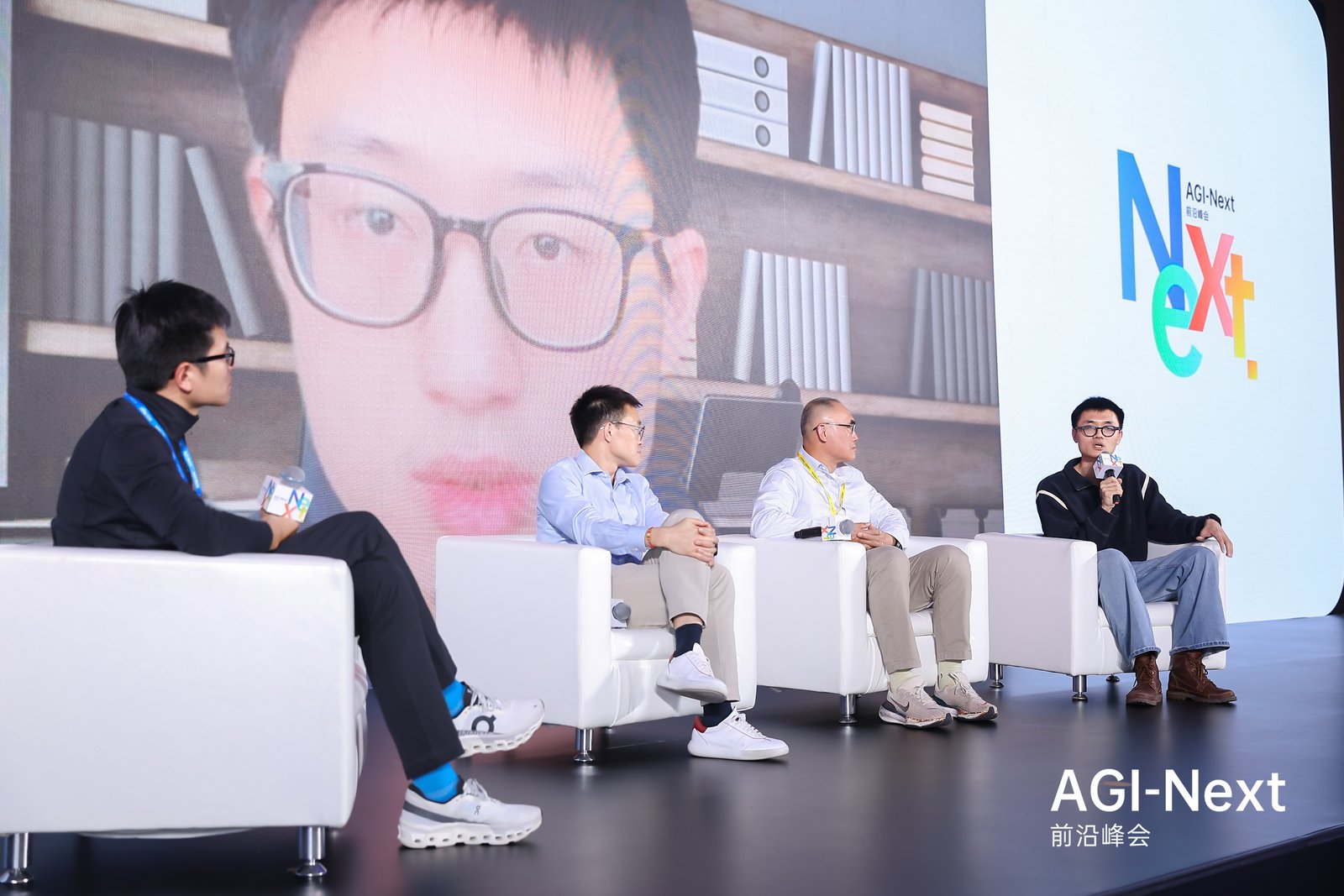
姚顺雨林俊旸杨植麟齐聚 锐评大模型创业与下一代技术范式
Di Yi Cai Jing· 2026-01-10 14:06
Core Insights - The next generation of AI technology paradigms is expected to focus on Autonomous Learning, which allows models to evolve independently without heavy reliance on human-annotated data and offline pre-training [1][2] - The potential for innovation in AI is seen as high in China, with the ability to quickly replicate and improve upon discoveries, contingent on breakthroughs in key technologies like lithography machines [3] Group 1: Next Generation Paradigms - Autonomous Learning is a trending concept that enables models to generate learning signals and optimize through closed-loop iterations, leading to continuous evolution [1] - The definition and understanding of Autonomous Learning vary among experts, emphasizing its dependence on specific data and task contexts [1] - Current advancements in AI, such as Claude's ability to self-improve by transforming 95% of its own code, indicate that self-learning is already occurring, albeit with efficiency limitations [1] Group 2: Market Leaders and Innovations - OpenAI is viewed as the most likely candidate to lead the next paradigm shift in AI, despite facing challenges in maintaining its innovative edge [2] - The current Reinforcement Learning (RL) paradigm is still in its early stages, with significant potential yet to be realized, focusing on "autonomous evolution" and "proactivity" [2] - The introduction of proactivity in AI raises new safety concerns, necessitating the instillation of appropriate values and constraints [2] Group 3: China's Position in AI - The probability of Chinese teams leading in AI innovation in the next three to five years is considered high, given their ability to quickly replicate and enhance discoveries [3] - Key challenges for China include production capacity and software ecosystem development, alongside the need for a more mature B2B market [3] - Cultural and economic factors may hinder the willingness to pursue groundbreaking innovations in China [3]

姚顺雨林俊旸杨植麟齐聚,锐评大模型创业与下一代技术范式
Di Yi Cai Jing· 2026-01-10 14:03
Group 1 - The next generation of AI technology paradigms is expected to focus on Autonomous Learning, which allows models to evolve independently without heavy reliance on labeled data and offline pre-training [2] - Autonomous Learning is not a universal methodology but is highly dependent on specific data and task scenarios, with ongoing discussions about its definition and implementation among industry experts [2] - Current advancements in AI, such as Claude's ability to self-improve by transforming 95% of its code, indicate that self-learning is already occurring, albeit with efficiency limitations [2] Group 2 - OpenAI is considered the most likely candidate to lead the next paradigm innovation, despite experiencing various commercial changes that may have diluted its innovative edge [3] - The current Reinforcement Learning (RL) paradigm is still in its early stages, with significant potential yet to be realized, and the next paradigm will emphasize "self-evolution" and "proactivity" [3] - Introducing proactivity in AI may lead to new safety concerns, necessitating the instillation of correct values and constraints, similar to educating a child [3] Group 3 - A significant paradigm shift is anticipated by 2026, with developments in continuous learning, memory, and multimodal capabilities, driven by improvements in computational power in academia [4] - The probability of Chinese teams leading in AI innovation in the next three to five years is considered high, given their ability to quickly replicate and improve upon discovered technologies [4] - Key challenges for China include breakthroughs in lithography technology, capacity, and software ecosystem development, alongside the need for a more mature B2B market [4]

已放弃美国国籍,恢复中国籍,81岁董事长拟套现近1亿元:为办理税务的需要!60岁归国创业,带出2000亿元芯片巨头
Sou Hu Cai Jing· 2026-01-10 06:51
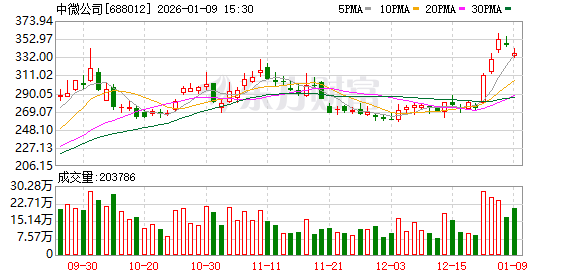
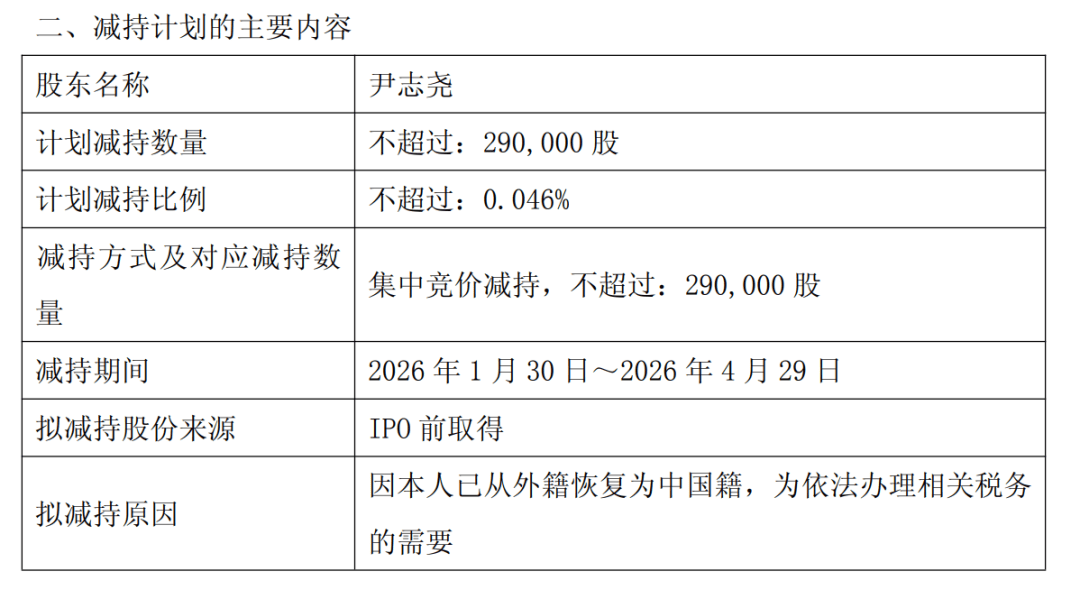
Core Viewpoint - The founder and chairman of Zhongwei Company, Yin Zhiyao, plans to reduce his shareholding by no more than 290,000 shares, accounting for up to 0.046% of the company's total equity, due to his change in nationality from foreign to Chinese for tax purposes [1]. Group 1: Shareholding Reduction - Yin Zhiyao intends to reduce his shareholding through centralized bidding, with a maximum of 290,000 shares [1]. - The reduction period is set from January 30, 2026, to April 29, 2026 [1]. - The estimated market value of the shares to be reduced is approximately 9.764 million yuan, based on the closing price of 336.68 yuan per share as of January 9 [1]. Group 2: Background of Yin Zhiyao - Yin Zhiyao, born in 1944, is a Chinese national with a bachelor's degree from the University of Science and Technology of China and a Ph.D. from UCLA [3]. - He has held various significant positions in major semiconductor companies, including Intel and Applied Materials, before founding Zhongwei Company in 2004 [3][6]. - In 2024, his pre-tax remuneration from the company was reported to be 14.8514 million yuan [3]. Group 3: Company Development and Achievements - Zhongwei Company has developed its first etching and film equipment within three years of establishment, providing efficient and cost-effective solutions for domestic clients [7]. - The company has achieved significant technological breakthroughs, including the development of advanced plasma etching equipment and the introduction of self-owned intellectual property etching machines into 5nm production lines by 2018 [7]. - For the first three quarters of 2025, Zhongwei Company reported a revenue of 8.063 billion yuan, a year-on-year increase of 46.40%, and a net profit of 1.211 billion yuan, up 32.66% year-on-year [7].
退役军人就业创业渠道拓展、数量质量提升 服务覆盖全域保障可感可及
Yang Shi Wang· 2026-01-10 03:22
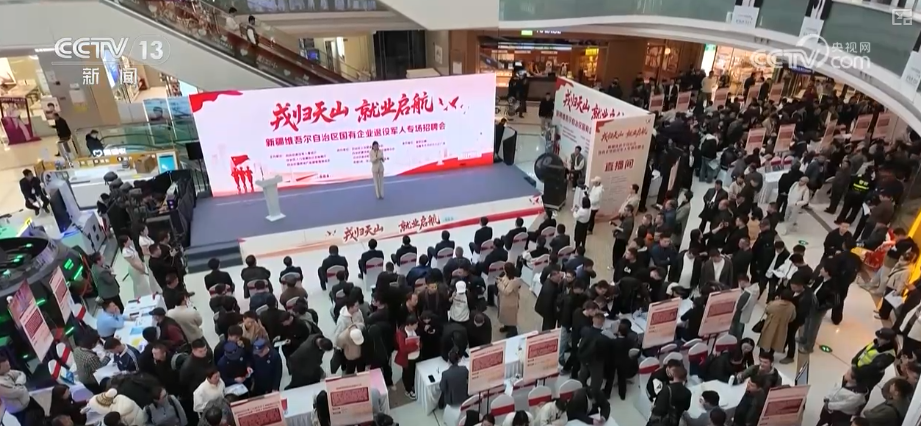
数据显示,2025年,全国共完成6.7万名转业军官和安排工作退役士兵安置任务,组织转业军官和退役士兵适应性培训约28万人次,举办各类 招聘会1万余场,帮助87万民退役军人实现就业,进一步拓宽退役军人就业渠道和规模。 退役军人事务部就业创业司副司长赵胜斌介绍,累计为18.7万户退役军人中小微企业和农民专业合作社提供贷款支持,退役军人就业创业的渠 道规模不断拓展,数量质量持续提升。 央视网消息:记者1月9日从退役军人事务部了解到,"十四五"以来,我国制定出台退役军人安置条例等法规政策,不断拓宽退役军人就业创业 渠道。 退役军人事务部相关负责人表示,2025年以来,随着各项退役军人支持政策持续推进,全国已经建成了61万多个退役军人服务中心(站),基 本形成了覆盖全域的退役军人服务网络。 退役军人事务部表示,截至目前,全国已建立了从国家、省、市、县、乡镇(街道)到村(社区)的6级退役军人服务中心(站)61万多个。 记者了解到,服务中心(站)按照职责明确、相互衔接、规范有序提出为退役军人服务清单。比如,乡镇(街道)服务站就思想政治引领、就 业创业扶持、权益维护等6个方面明确了32项服务内容。 国家退役军人服务中心副主任 ...
直击CES|不再死磕昂贵的大模型 硅谷创业者加码设备端AI
Di Yi Cai Jing· 2026-01-10 03:11
Core Insights - The AI startup landscape is shifting from a focus on large models to lightweight models, AI agents, and on-device AI, driven by cost, commercialization, and capital logic [1][2] - Aizip, a startup in the on-device AI space, exemplifies this trend by developing AI models that operate directly on devices without relying on cloud services [2][7] Group 1: Market Trends - The consensus in the industry is moving away from the belief that only large models can succeed, with a growing interest in lightweight models and AI agents [1][4] - The competition in the large model space is becoming increasingly capital-intensive, with significant costs associated with training and inference, leading to a reevaluation of business models [3][4] Group 2: Aizip's Approach - Aizip focuses on creating efficient AI systems that prioritize performance over size, aiming to develop the "smallest and most efficient" AI systems [6][7] - The company utilizes methods such as data collection, data purchasing, and model distillation to train its on-device AI models, ensuring data privacy and reducing costs [2][8] Group 3: Application Scenarios - There are promising commercial applications for on-device AI, including karaoke voice solutions, smart cameras, and intelligent wake-up assistants, which enhance user experience while maintaining data privacy [8][9] - The ability of on-device AI to perform complex tasks without cloud dependency offers advantages in real-time processing and security for users [8][9] Group 4: Future Outlook - While the true revolution in on-device AI has not yet arrived, there is increasing market interest and product development, particularly in applications that emphasize user privacy [9] - The demand for AI model training talent and computational resources remains high, with a notable role played by skilled engineers in the AI field [9]
直击CES|不再死磕昂贵的大模型,硅谷创业者加码设备端AI
Di Yi Cai Jing· 2026-01-10 02:19
Core Insights - The trend in AI startups is shifting from large models to lightweight models, AI agents, and on-device AI, indicating a rational return driven by cost, commercialization, and capital logic [1][2][6] - The device-side AI is emerging as a new track for startups, allowing AI to run directly on devices without relying on cloud or internet, thus ensuring data privacy and reducing costs [2][8] Group 1: Industry Trends - The previous focus on "big model wars" is declining, with a consensus forming that large models are becoming a capital-intensive competition among a few wealthy giants [6] - The cost of training large models can reach tens of millions of dollars, and the marginal costs have not decreased as expected, leading to financial pressures for startups [6][7] - Many AI startups have blindly increased model sizes without achieving significant breakthroughs, prompting a shift towards more efficient and smaller AI systems [7][8] Group 2: Device-side AI Development - Device-side AI is gaining popularity, allowing applications to run on devices like smartphones and cameras, which enhances speed and security by processing data locally [8][9] - Aizip, a startup focused on device-side AI, aims to create efficient AI models that can operate independently of cloud services, utilizing data collection, purchase, and model distillation [2][8] - Current applications for device-side AI include karaoke voice solutions and smart cameras, which can perform complex tasks locally, ensuring user privacy and real-time responses [9][10] Group 3: Future Outlook - The market for device-side AI is expected to grow as more essential applications emerge, fostering user habits and emphasizing privacy protection [10] - The demand for AI model training talent and computational resources remains high, with a notable role played by Chinese engineers in the AI wave due to their strong mathematical foundation and problem-solving abilities [10]

5位投资家喊话2026创业者:最优赛道和死亡谷
Sou Hu Cai Jing· 2026-01-10 02:14
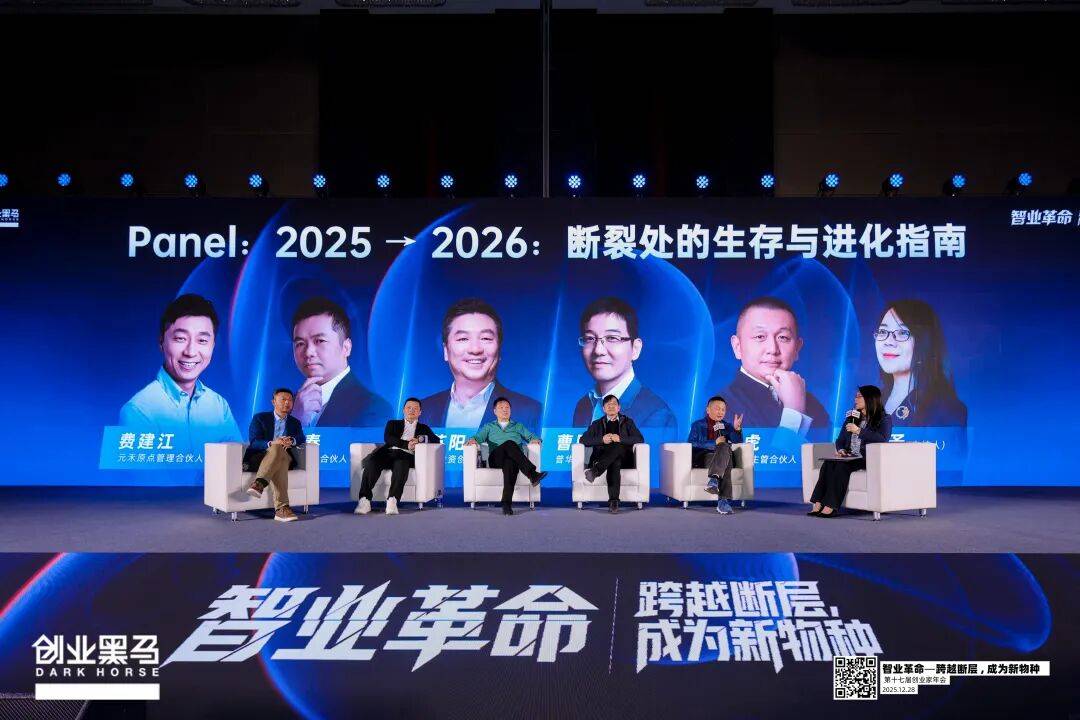
Core Insights - The 17th Entrepreneur Annual Conference emphasized the theme "Intelligent Revolution - Crossing the Fault, Becoming a New Species" and featured discussions on the future of entrepreneurship and investment opportunities in 2026 [2] Group 1: Key Themes and Predictions for 2026 - The most practical AI application in 2026 will be providing emotional value and companionship to customers, with opportunities in niche markets for entrepreneurs [2][9] - Commercial aerospace is expected to create significant excitement in the coming year, with a focus on real orders and financial health over media hype [3][15] - The survival rule for entrepreneurs in 2026 is to possess the ability to identify and solve real problems in appropriate scenarios [3][16] Group 2: Investment Opportunities and Focus Areas - Key investment areas identified include Physical AI, Industrial Intelligence, Commercial Aerospace, AI in Healthcare, and AI for Emotional Companionship [10][22] - Industrial intelligence is highlighted as a critical area due to its potential to address complex issues in the industrial sector [9] - AI in healthcare is gaining traction, with successful product launches and significant revenue generation reported [9][10] Group 3: Entrepreneurial Strategies and Advice - Entrepreneurs are advised to focus on efficiency in fundraising, prioritizing product development and real customer needs over high valuations [14][15] - It is recommended to engage in "red ocean" entrepreneurship, where government policies support the business, rather than pursuing "blue ocean" strategies [3][15] - Avoiding grand narratives at the outset is crucial; instead, entrepreneurs should concentrate on tangible outcomes and user experiences [14][22]
南通人常州创业,年入40亿,即将赴港IPO
Sou Hu Cai Jing· 2026-01-10 00:31
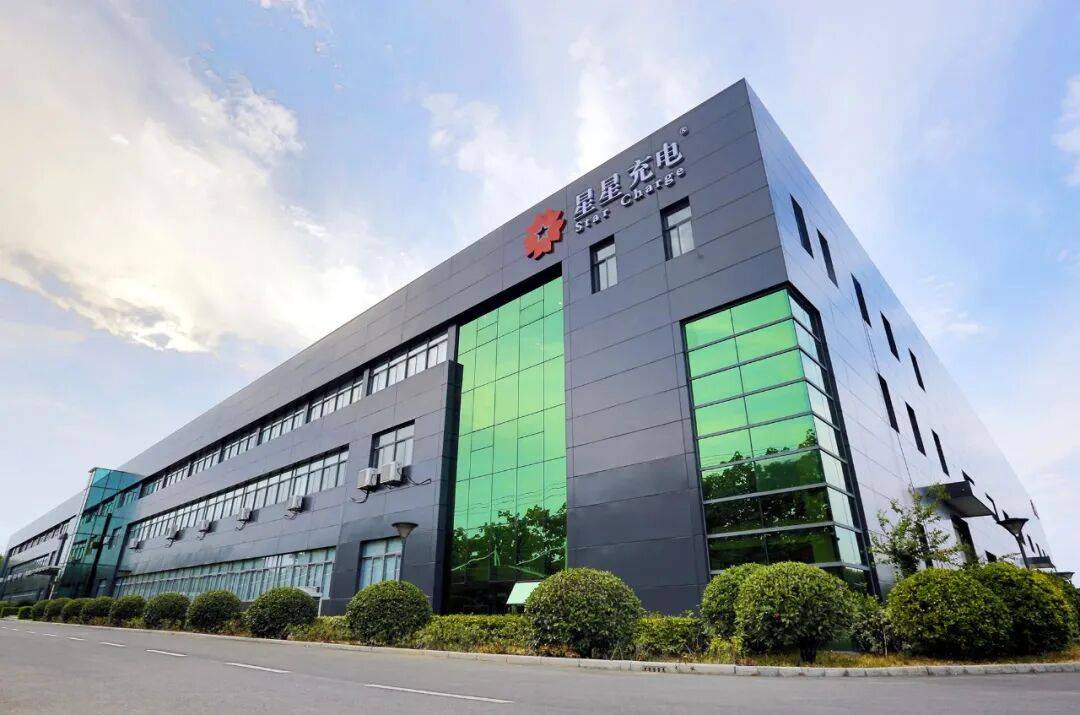
Core Viewpoint - Wanbang Digital Energy, the parent company of Xixing Charging, is planning to go public on the Hong Kong Stock Exchange after unsuccessful attempts to list in China, indicating a strategic shift in its business focus [1][14]. Company Overview - Wanbang Energy was established in 2014 and is based in Changzhou, Jiangsu Province, serving as a leading operator of charging stations in China [3]. - The company is controlled by Shao Danwei and Ding Feng, who have significant backgrounds in the automotive and energy sectors [3][10]. Business Adjustments - Wanbang Digital Energy has restructured its business by spinning off its energy operation entities into a newly formed Wanbang Taiyi Group, with a transaction value of 474 million yuan, leaving Xixing Charging out of the IPO entity [1][16]. - The company aims to focus on energy equipment manufacturing rather than charging station operations, which it deems non-core to its strategic direction [16]. Financial Performance - The company has faced challenges with profitability, with revenues for 2023, 2024, and the first three quarters of 2025 reported at 3.474 billion yuan, 4.182 billion yuan, and 3.072 billion yuan respectively [16]. - Net profit has decreased from 493 million yuan to 336 million yuan, with a significant portion of the profit in 2025 coming from a one-time asset transfer [16]. - The gross margin has declined from 33.4% in 2023 to 24.6% in the first three quarters of 2025, indicating increased pressure from industry price wars [16]. Market Expansion - Wanbang Digital Energy is looking to expand its overseas market presence, with overseas sales revenue for 2023, 2024, and the first three quarters of 2025 at 874 million yuan, 692 million yuan, and 573 million yuan respectively [17]. - The company has established a joint venture with Schneider Electric in Europe to promote charging equipment and services, aiming to leverage high entry barriers in the European market for future expansion [18]. IPO Strategy - The funds raised from the Hong Kong IPO will be allocated for building and operating R&D centers, expanding global markets, investing in smart charging equipment production lines, and pursuing strategic investments and acquisitions [18]. - The company maintains a strong control structure, with Shao Danwei and Ding Feng holding approximately 87.16% of the voting rights, ensuring they steer the company's strategic direction [18]. Industry Context - The upcoming IPO coincides with favorable policy developments in the charging infrastructure sector, which are expected to support industry growth [18]. - The competitive landscape is intensifying, with significant price reductions in charging modules, highlighting the challenges faced by companies in the sector [16][19].
不断推进作风建设常态化长效化 更好地以优良作风凝心聚力干事创业
Xin Lang Cai Jing· 2026-01-09 21:49
会议指出,优良作风体现坚强党性,必须站在讲政治铸忠诚的高度认识作风问题。作风建设是重 大政治问题,作风问题外在反映的是党员干部的形象和素质,内在体现的是党性,起决定作用的 也是党性。作为党员干部,要深刻认识到作风操守直接反映政治品格、价值追求和精神境界,务 必始终坚持透过作风看党性,把加强党性修养作为优良作风养成的重要基础和动力,持续用力正 本清源、固本培元,以实际行动坚定拥护"两个确立"、坚决做到"两个维护"。 会议指出,优良作风促进事业发展,必须紧扣服务中心大局加强作风建设。当前全省改革发展稳 定各方面任务都很重,省委提出的发展要求、明确的发展目标,需要靠优良作风实打实拼出来、 干出来。作为党员干部,要带头弘扬从严从实的工作作风,带头反对形式主义,坚持实事求是、 求真务实、真抓实干,真正把该担的责任担负起来,把该干的工作落实下去,扎实推动国家重大 战略落地和省委发展战略实施,更好团结带领全省各族群众干出一番实实在在的业绩,确保"十五 五"开好局、起好步。 本报讯(四川日报全媒体记者 付真卿)1月9日,省委理论学习中心组举行专题学习会,集中学习 习近平总书记在中央政治局民主生活会上的重要讲话精神和关于深入贯 ...
已放弃美国国籍 恢复中国籍 81岁董事长拟套现近1亿元:为办理税务的需要!他60岁归国创业 带出2000亿元芯片巨头
Mei Ri Jing Ji Xin Wen· 2026-01-09 16:11
Core Viewpoint - The semiconductor leader, Zhongwei Company, announced plans for share reductions by major shareholders, including its founder and chairman, Yin Zhiyao, for personal and tax-related reasons, while the company continues to show strong financial growth and aims to enhance its market position in the semiconductor equipment sector [2][6]. Shareholder Actions - Xunxin (Shanghai) Investment Co., Ltd. holds 68.4739 million shares of Zhongwei Company, accounting for 10.94% of the total share capital, and plans to reduce its holdings by up to 12.5229 million shares, or 2% of the total share capital, within three months from the announcement date [2]. - Yin Zhiyao plans to reduce his holdings by up to 290,000 shares, representing no more than 0.046% of the total share capital, for tax-related reasons after restoring his Chinese nationality [2]. Company Financial Performance - For the first three quarters of 2025, Zhongwei Company reported a revenue of 8.063 billion yuan, a year-on-year increase of 46.40%, and a net profit attributable to shareholders of 1.211 billion yuan, up 32.66% year-on-year [6]. - The company aims to increase its coverage in the integrated circuit equipment sector to 60% over the next five to ten years, striving to become a leading international semiconductor equipment company in terms of scale and competitiveness [6]. Founder Background - Yin Zhiyao, born in 1944, has a distinguished academic and professional background, including positions at Intel and Applied Materials before founding Zhongwei Company in 2004 [3][4]. - His leadership has been pivotal in developing advanced semiconductor equipment, with significant achievements in the industry over the past decade [5].