
宁波银行

Search documents
黄金税收新政后 在哪儿买 “金条”更划算
Xin Hua Wang· 2025-11-13 08:24
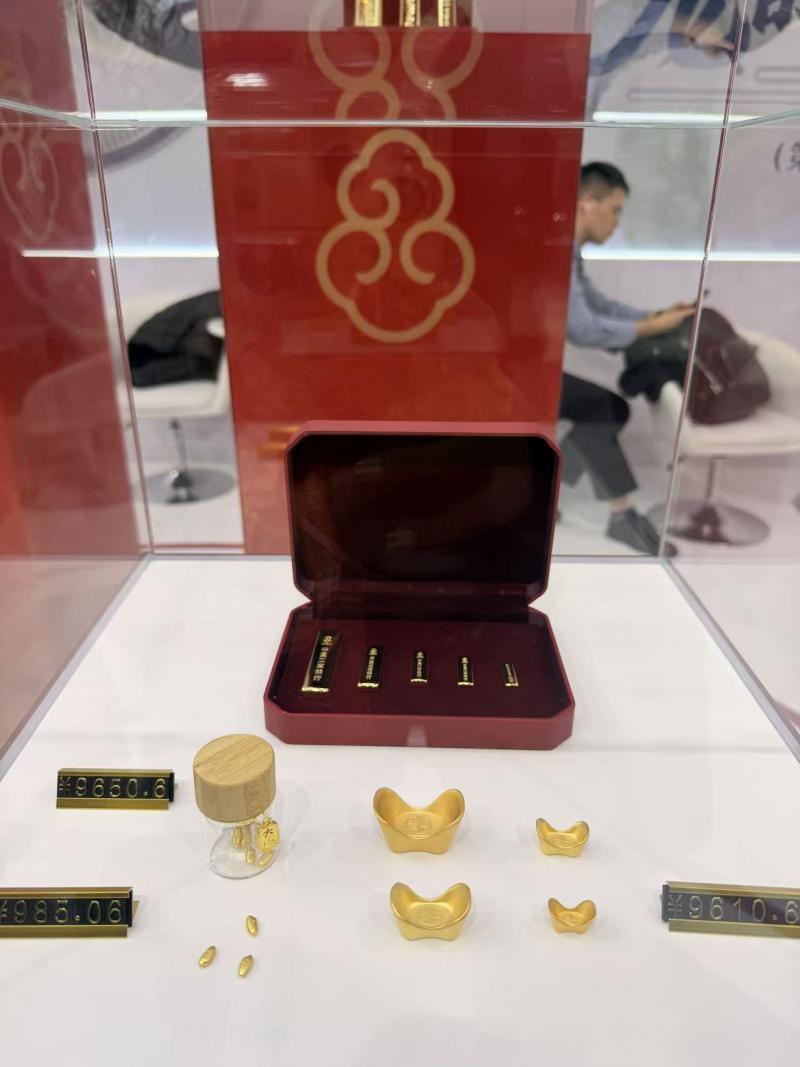
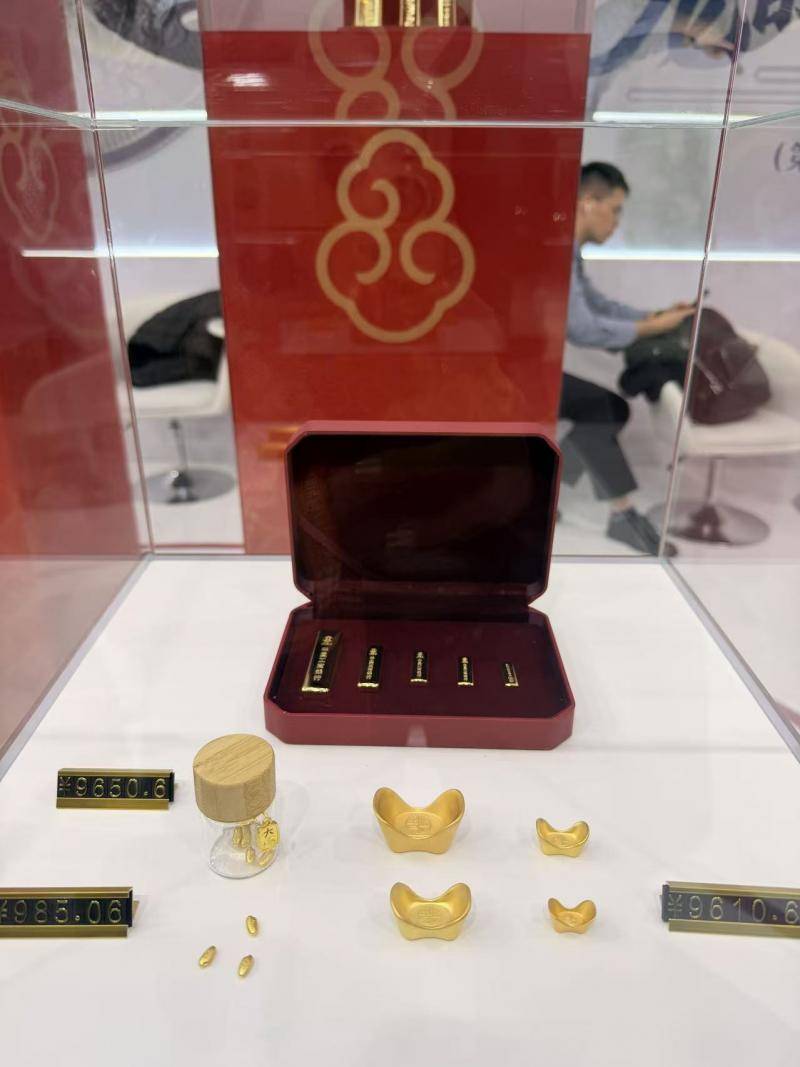
Core Viewpoint - The new tax policy on gold, effective from November 1, 2023, aims to clarify the distinction between investment and non-investment uses of gold, introducing differentiated VAT rules to address tax evasion issues in the gold market [3][4]. Group 1: Tax Policy Details - The new tax regulations categorize gold based on purity and function, defining investment gold and non-investment gold, which will impact procurement and production costs [3][4]. - Investment gold includes items with a purity of 99.5% or higher, while non-investment gold is defined as gold used for purposes other than investment [3][4]. - For physical delivery, investment gold members can enjoy immediate VAT refunds, while non-investment gold purchases will see a reduction in input tax deduction from 13% to 6%, increasing costs by 7% [4]. Group 2: Market Impact - Following the announcement of the new tax policy, gold jewelry prices have increased significantly, with some brands raising prices by over 5% within a day [5]. - The price of gold jewelry on platforms like JD and Taobao has surged to over 1000 yuan per gram, an increase of more than 70 yuan per gram compared to pre-policy prices [5]. - The cost pressures from the new tax policy may not yet be fully reflected at retail levels, but future price discrepancies are expected between different sales channels [6]. Group 3: Investment Trends - The new tax policy is likely to decrease the attractiveness of non-exchange physical gold investments, while bank products like gold accumulation accounts and ETFs may gain popularity [7][9]. - Several banks have raised the minimum investment thresholds for gold accumulation products following the new tax regulations, indicating a shift in investment strategies [7][9]. - The domestic gold ETF holdings have seen significant growth, with a year-on-year increase of 164.03% in the first three quarters of 2025 [9].

中国不良资产行业发展研究(2025年):驭变局,开新篇,不良资产管理行业的价值重塑与高质量发展
KPMG· 2025-11-13 07:31
Economic Overview - In the first three quarters of 2025, China's GDP grew by 5.2%, an increase of 0.4 percentage points compared to the same period in 2024[67] - The real estate sector is under significant pressure, with a projected debt repayment of 5,257 billion yuan in 2025, leading to an increase in non-performing loans in the banking sector[69] Non-Performing Asset Market Dynamics - In 2024, China disposed of non-performing assets totaling 3.8 trillion yuan, marking the highest annual figure to date, with an estimated stock of non-performing assets reaching approximately 8.5 trillion yuan by the end of 2024[14] - The supply of non-performing assets is expected to grow due to ongoing challenges in the real estate market, local government debt, and the restructuring of small financial institutions[20] Asset Management Companies Performance - By the end of 2024, the total assets of four major asset management companies reached 4.51 trillion yuan, with a year-on-year increase of 2.84%[27] - The operating income of these companies was 248.8 billion yuan in 2024, reflecting a 4.10% increase from the previous year, while net profit rose by 34.97% to 15.5 billion yuan[27] Regulatory Environment - Recent regulatory measures aim to enhance the management of non-performing assets and promote high-quality development within the industry, including the issuance of guidelines for asset management companies[36] - The government has introduced policies to support the restructuring of small financial institutions and improve the efficiency of non-performing asset disposal[37] Challenges and Opportunities - The non-performing asset management industry is transitioning from "risk disposal" to "value reconstruction," necessitating a focus on maximizing asset value through innovative management strategies[24] - The market is witnessing a diversification of asset types and disposal methods, creating new opportunities for asset management companies[24]
银行板块“逆袭”大戏能否延续?
Di Yi Cai Jing· 2025-11-13 05:56
Core Viewpoint - The banking sector in the A-share market has experienced a dramatic reversal in the fourth quarter, with the Shenwan Bank Index rising nearly 9% since the beginning of the quarter, significantly outperforming the broader market [2][3]. Market Performance - The banking sector's strong performance is not a one-day event but shows a trend of upward movement, with the Shenwan Bank Index increasing by 8.86% in the fourth quarter, compared to a 3.02% rise in the Shanghai Composite Index [3][4]. - Individual stocks have shown even greater gains, with Agricultural Bank of China and Chongqing Bank rising over 27%, and Shanghai Bank and Xiamen Bank increasing by more than 17% [3]. Fund Flow and Investor Sentiment - In the third quarter, the banking sector was the only one to decline, with a cumulative drop of 10.19%, and public funds significantly reduced their holdings, selling 535.9 million shares [4]. - In contrast, over 6 billion yuan has flowed into bank-related ETFs in the fourth quarter, indicating a shift in investor sentiment towards the banking sector [4][6]. Institutional Interest - There has been an increase in institutional interest in the banking sector, with 11 banks receiving attention from 62 institutions since the beginning of the fourth quarter [4][5]. - Some banks that were previously heavily sold off in the third quarter are now being researched by institutions, indicating a potential turnaround in investor perception [5]. Valuation and Dividend Appeal - Analysts attribute the renewed interest in bank stocks to their low valuation and high dividend yield, making them attractive in a risk-averse environment as the year ends [6][7]. - The banking sector's valuation remains at historical lows, and the high dividend characteristics are expected to attract long-term capital, including insurance funds and public funds [6][7]. Divergent Views on Investment Value - There is a divergence in institutional views regarding the investment value of the banking sector, with some analysts believing that the sector's valuation does not fully reflect its true value, particularly for quality regional banks [8][9]. - Other analysts express caution, suggesting that the recent gains in bank stocks may be driven by short-term factors and that the sector's appeal may be more tactical than fundamental [9].



银行板块“逆袭”大戏能否延续?
第一财经· 2025-11-13 05:49
Core Viewpoint - The banking sector in the A-share market has experienced a dramatic reversal in the fourth quarter, with the Shenwan Banking Index rising nearly 9% since the beginning of the quarter, significantly outperforming the broader market [3][5]. Group 1: Market Performance - The banking sector, which was the only declining sector in the third quarter with a drop of 10.19%, has seen a strong recovery, with Agricultural Bank and Industrial and Commercial Bank reaching historical highs [5][6]. - As of November 12, the Shenwan Banking Index has increased by 8.86% in the fourth quarter, compared to a 3.02% rise in the Shanghai Composite Index during the same period [5][6]. - Individual stocks have shown even greater gains, with Agricultural Bank and Chongqing Bank rising over 27%, and Shanghai Bank and Xiamen Bank increasing by more than 17% [5][6]. Group 2: Fund Flows and Investor Sentiment - In the third quarter, public funds reduced their holdings in the banking sector by 53.59 billion shares, with 42 out of 55 bank stocks experiencing reductions [6][7]. - In contrast, over 60 billion yuan has flowed into bank-related ETFs in the fourth quarter, indicating a shift in market sentiment towards banking stocks [6][7]. - Institutional interest in the banking sector has increased, with 11 banks receiving attention from 62 different institutions for research since the beginning of the fourth quarter [6][7]. Group 3: Investment Drivers - The recovery in banking stocks is attributed to multiple factors, including stable cash flows, high dividends, and low valuations, which have made them attractive in a risk-averse environment [7][8]. - The low allocation of active funds to the banking sector has reached a five-year low, suggesting potential for increased investment as market conditions evolve [7][8]. - Policy changes are also seen as a driving force for increased allocation to banking stocks, as public funds look to rebalance their portfolios [8][9]. Group 4: Divergent Views on Investment Value - There is a division among institutional investors regarding the investment value of banking stocks, with some believing that the sector still holds significant potential for growth, especially among regional banks [9]. - Others express caution, suggesting that the recent gains may be driven by short-term factors and that the sustainability of these trends remains uncertain [9].

黄金税收新政后 在哪儿买 “金条”更划算|LIN眼相看
Sou Hu Cai Jing· 2025-11-13 05:08
Core Viewpoint - The new tax policy on gold, effective from November 1, 2023, aims to clarify the distinction between investment and non-investment uses of gold, introducing differentiated VAT rules to address tax evasion issues in the gold market [3][4]. Group 1: Tax Policy Details - The new tax regulations categorize gold based on purity and function, defining investment gold and non-investment gold, with specific VAT implications for each category [3][4]. - Investment gold includes items like gold bars and coins with a purity of 99.5% or higher, while non-investment gold refers to all other uses [3]. - For physical delivery transactions, investment gold will have VAT refunded immediately, but sales must issue regular invoices to prevent tax evasion [4]. Group 2: Market Impact - Following the announcement of the new tax policy, gold jewelry prices have increased significantly, with some brands raising prices by over 5% within days [5]. - The price of gold per gram has risen from approximately 930 yuan to over 1000 yuan, reflecting a 7% increase due to the new tax regulations [5]. - Retailers are expected to pass on increased costs to consumers, leading to higher prices for gold jewelry and bars [4][5]. Group 3: Investment Shifts - The new tax policy is likely to decrease the attractiveness of non-exchange physical gold investments, while bank products like gold accumulation plans and ETFs may become more appealing [8][10]. - Several banks have raised the minimum investment thresholds for gold accumulation plans, indicating a shift in consumer behavior towards more structured gold investment products [8][10]. - The domestic gold ETF holdings have seen a significant increase, with a year-on-year growth of 164.03% in the first three quarters of 2025, suggesting a growing preference for ETF investments over physical gold [10].
宁波银行接待22家机构调研:聚焦内源性资本稳健增长,资产质量稳中向好
Quan Jing Wang· 2025-11-13 03:12
Core Insights - Ningbo Bank has engaged with 22 institutional investors, including JP Morgan Asset Management, discussing core business development, endogenous growth, and future asset outlook [1] - The bank reported strong performance in its Q3 2025 results, with total assets reaching 3,578.396 billion yuan, a 14.50% increase from the beginning of the year, and total loans and advances at 1,716.823 billion yuan, up 16.31% [1] - The bank maintains a stable non-performing loan ratio and a strong risk coverage capability, indicating improved asset quality [1] Group 1: Business Strategy and Growth - Ningbo Bank emphasizes a differentiated business strategy to adapt to changing operating environments, focusing on sustainable development, core advantages, technological transformation, and risk management [1] - The bank aims to enhance its financial services to support key sectors such as small and micro enterprises, manufacturing, and consumer spending, ensuring steady loan growth [2] - The bank's proactive approach includes a focus on credit risk management and leveraging financial technology to improve risk monitoring [2] Group 2: Regulatory Compliance and Investor Relations - Ningbo Bank has received an "A" rating for 17 consecutive years in information disclosure assessments, reflecting its commitment to transparency and investor protection [3] - The bank is focused on balancing dividends and endogenous capital growth to ensure sustainable business development, especially in light of current refinancing regulations [3] - The bank aims to enhance its performance and maintain steady growth in endogenous capital to provide greater returns to shareholders [3]

国有六大行前三季度业绩改善,银行ETF天弘(515290)年内份额增近40%,机构:红利价值持续凸显
2 1 Shi Ji Jing Ji Bao Dao· 2025-11-13 02:38
Group 1 - The bank ETF Tianhong (515290) has seen a year-to-date share growth rate of 39.92%, with the latest scale at 6.291 billion and circulating shares at 4.145 billion [1] - The Hong Kong Stock Connect Central Enterprise Dividend ETF Tianhong (159281) has experienced net inflows for two consecutive trading days, indicating strong investor interest [1] - The performance of the dividend sector, including banks, has been strong, with major banks like Agricultural Bank of China showing significant stock price increases [2] Group 2 - The six major state-owned banks reported double growth in revenue and net profit for the first three quarters of the year, with net profits for major banks ranging from 699.94 million to 2,699.08 million, reflecting a year-on-year growth of 0.33% to 3.03% [2] - The banking sector's performance is supported by stable growth in scale, improved net interest income, and a recovery in non-interest income, with asset quality remaining stable [3] - The policy environment is conducive to optimizing bank credit structures and protecting interest margins, which enhances the growth potential for non-interest income [3]

黄金,大消息!中信、建行等多家银行宣布,上调
Mei Ri Jing Ji Xin Wen· 2025-11-13 02:32
Group 1 - International gold prices have recently risen to $4100 per ounce after a period of fluctuation, with domestic gold jewelry prices also seeing significant increases, surpassing 1300 yuan per gram for most brands, and some top brands exceeding 1310 yuan per gram, setting new price records [1] - Commercial banks are adjusting the minimum investment amounts for gold accumulation products in response to rising gold prices, with Citic Bank announcing an increase in the minimum investment from 1000 yuan to 1500 yuan starting November 15, 2025 [3][5] - Several banks have shifted their gold accumulation product models from fixed amounts to variable amounts based on gold prices, allowing for more flexibility in investment [4][6] Group 2 - The gold accumulation business allows financial institutions to open gold accounts for clients, recording the weight of gold deposited over time, with a minimum unit of 1 gram [5] - As gold prices rise, banks are increasing the thresholds for gold accumulation products, with many banks raising their minimum investment amounts above 1000 yuan [5][6] - Analysts suggest that gold retains its status as a risk-hedging asset in investment portfolios, with its inflation-hedging properties remaining reliable despite recent price volatility [6][7]

多家银行上调积存金起点
2 1 Shi Ji Jing Ji Bao Dao· 2025-11-13 00:24
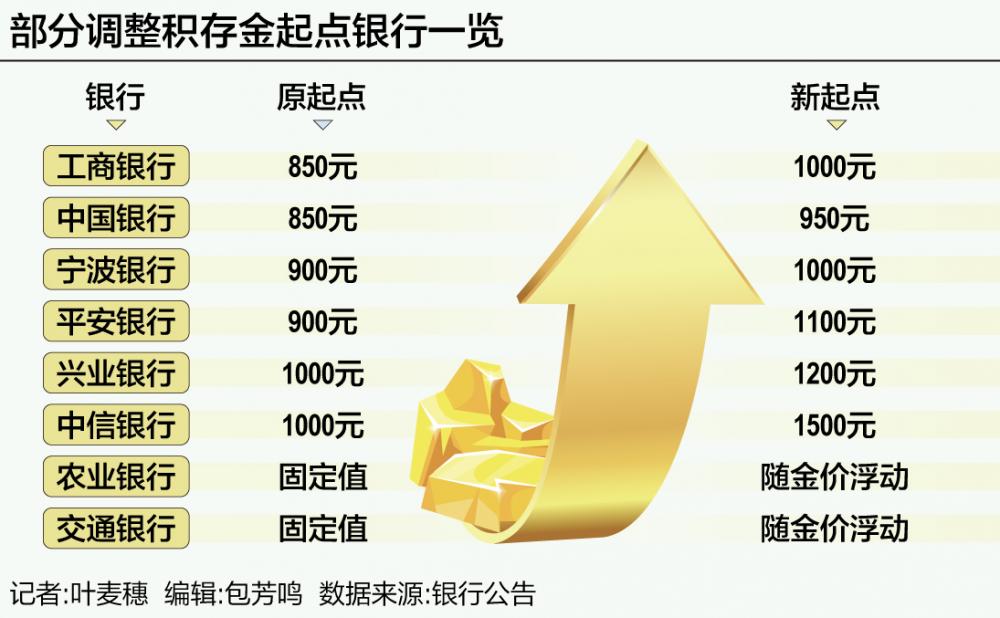
Core Viewpoint - The international gold price has returned to $4100 per ounce, prompting banks to raise the minimum investment threshold for gold accumulation, with some banks adjusting the starting point to a historical high of 1500 yuan [1][3]. Summary by Sections Bank Adjustments - Several banks have raised their gold accumulation thresholds, with notable changes including: - ICBC from 850 yuan to 1000 yuan - Bank of China from 850 yuan to 950 yuan - Ningbo Bank from 900 yuan to 1000 yuan - Ping An Bank from 900 yuan to 1100 yuan - Industrial Bank from 1000 yuan to 1200 yuan - CITIC Bank from 1000 yuan to 1500 yuan - Agricultural Bank and Bank of Communications have switched to a "floating with gold price" mechanism [2][3]. Investment Mechanism Changes - Some banks, like Agricultural Bank and Bank of Communications, have implemented a "floating with gold price" mechanism to avoid frequent adjustments, allowing the minimum investment amount to vary with market prices [4][5]. - This approach aims to provide flexibility for investors and better align with market dynamics [4]. Market Analysis - The gold price has seen significant volatility, with a rise of over 60% this year, peaking above $4300 per ounce before experiencing a sharp decline [6][7]. - Analysts have differing views on future gold prices, with predictions ranging from $3650 to $5000 per ounce by the end of 2026, influenced by various economic factors [7][8]. - The outlook remains optimistic for gold due to factors such as a weakening dollar and inflation risks, which could sustain investment demand [7][8]. Risk Awareness - In response to the volatile gold market, banks and regulatory bodies have increased risk awareness efforts, advising investors to recognize the inherent risks in precious metal investments [5].


资金涌向银行股 “大象”再起舞
Zhong Guo Zheng Quan Bao· 2025-11-12 22:00
Core Viewpoint - The banking sector is experiencing a significant rally, with major banks like Agricultural Bank of China and Industrial and Commercial Bank of China reaching historical highs, driven by a shift in market sentiment and increased capital inflow into the sector [1][2][3] Group 1: Market Performance - On November 12, 42 bank stocks in A-shares mostly rose, with Agricultural Bank leading the gains at 3.49%, boosting its price-to-book ratio to 1.1, the highest among A-share listed banks [2] - The banking sector has seen a net inflow of over 300 million yuan in the last five trading days, ranking first among 36 secondary industry sectors [2] Group 2: Fundamental Factors - Agricultural Bank's strong performance is attributed to its solid fundamentals, including deep penetration in county-level finance, good asset quality, and strong risk compensation and profit reinvestment capabilities [2][3] - The low volatility and stable dividend characteristics of bank stocks have made them attractive to long-term investors in a low-interest-rate environment [3] Group 3: Institutional Activity - Recent reports indicate that several bank executives and major shareholders are actively increasing their stakes, signaling confidence in long-term investment value [4] - Institutional investors are intensively researching the banking sector, with a focus on high-quality regional banks that exhibit strong asset quality and regional economic resilience [4]