
爱玛科技

Search documents
两/三轮车锂电“大变局”
起点锂电· 2025-07-21 10:27
Core Viewpoint - BYD has announced its entry into the electric two-wheeler and three-wheeler market, promoting the transition from lead-acid to lithium iron phosphate batteries, which is expected to reshape the market landscape as new regulations come into effect in 2025 [2][4]. Group 1: New Standards and Market Growth - The new national standards for electric two-wheelers will be implemented in September 2025, leading to a resurgence in the industry as supply-side uncertainties decrease and demand-side policies like trade-in incentives continue to stimulate growth [4][5]. - A-share listed companies such as Aima Technology and New Day have reported significant revenue growth in Q1 2025, with Aima achieving 6.232 billion yuan and New Day 1.054 billion yuan, reflecting year-on-year increases of 25.82% and 39.47% respectively [4]. - The trade-in program has seen substantial uptake, with over 3.34 million electric bicycles exchanged by April 2025, indicating a strong market demand for compliant vehicles [4]. Group 2: Compliance and Safety Standards - The implementation of the "National Strong Standard" for lithium batteries aims to eliminate substandard products and enhance safety, thereby promoting high-quality development in the lithium battery market for electric two-wheelers [5][6]. - Companies are investing in technology upgrades to meet the new standards, with notable advancements in battery safety and performance [6][7]. Group 3: Battery Exchange Model - The battery exchange model is gaining traction, with the market for electric two-wheeler battery exchanges projected to grow significantly, supported by government policies and infrastructure development [10][11]. - The market size for the battery exchange industry is expected to reach 84 billion yuan in 2023, with projections of 105 billion yuan by 2030 [11]. Group 4: International Market Expansion - China's electric two-wheeler exports surpassed 40 billion yuan in 2024, marking a compound annual growth rate (CAGR) of approximately 18% from 2017 to 2024 [15][16]. - The demand for electric two-wheelers is surging in overseas markets, particularly in Europe and Southeast Asia, driven by government incentives and environmental concerns [16][17]. Group 5: Sodium-ion Battery Development - The sodium-ion battery technology is emerging as a competitive alternative to lithium and lead-acid batteries, with several companies launching products aimed at the light-duty power market [19][20]. - The market penetration of sodium-ion batteries in the two-wheeler sector is expected to reach 41% by 2030, with a projected demand of 40 GWh [22]. Group 6: Competitive Landscape of Battery Types - Various battery formats, including cylindrical, prismatic, and pouch cells, are being developed to meet diverse market needs, with cylindrical batteries showing significant growth in the two-wheeler segment [24][30]. - The market for cylindrical batteries is projected to grow by 150% in 2024, reaching 2.5 GWh, as companies like BYD and others expand their product offerings [24][33].


轻工造纸行业2025年中报业绩前瞻:Q2出口板块个股业绩分化,内需整体仍存盈利压力,两轮车、黄金珠宝表现较好
Shenwan Hongyuan Securities· 2025-07-20 12:12
Investment Rating - The report maintains a positive outlook on the light industry and paper-making sector for the mid-2025 earnings forecast, indicating a favorable investment rating for these industries [1]. Core Insights - The report highlights a divergence in performance within the export sector for Q2 2025, with companies that have a global supply chain showing resilience against external tariff disruptions. Notable performers include Jiangxin Home, Jiayi Co., and Tianzhen Co. [4][5]. - The two-wheeler segment is expected to benefit from government subsidies and new standards, with companies like Yadi Holdings and Aima Technology showing strong growth potential [4]. - The light consumer goods sector is characterized by a robust domestic demand, particularly in personal care products, with companies like Baiya Co. and Dengkang Oral Care expected to perform well [4]. - The packaging industry is undergoing consolidation, with leading companies experiencing a slowdown in capital expenditure, indicating a shift towards a harvest phase [4]. - The home furnishing sector is facing short-term order impacts due to the pause in government subsidies, but long-term growth is anticipated through market integration and new product categories [4]. - The paper-making sector is expected to see stable profitability due to low raw material costs and improved supply-demand dynamics [4]. Summary by Sections Export Sector - Q2 2025 shows performance divergence due to increased external disruptions, with companies like Jiangxin Home expected to see a 40%+ growth in net profit [5][6]. - Jiayi Co. anticipates a 30%+ revenue increase, while Tianzhen Co. is expected to recover orders significantly [4][5]. Two-Wheeler Sector - Companies like Aima Technology and Ninebot are projected to grow by 20% and 50% respectively in Q2 2025, driven by new product launches and market demand [8][9]. Light Consumer Goods - The sector is expected to show resilience, with companies like Chaohongji and Baiya Co. projected to grow by 20% and 2% respectively in revenue [10][11]. Packaging Industry - The report notes a continued consolidation trend, with companies like Yutong Technology and Baosteel Packaging expected to maintain stable revenue growth [12][14]. Home Furnishing Sector - The sector is facing challenges due to subsidy pauses, but companies like Mousse and Zhizhong Home are expected to adapt and show growth in the long term [13][15]. Paper-Making Sector - The report indicates stable profitability for the paper-making sector, with companies like Sun Paper and Huawang Technology expected to benefit from improved market conditions [17].

新消费或调整到位,出口链估值有望抬升
Xinda Securities· 2025-07-19 13:44
Investment Rating - The industry investment rating is "Positive" [2] Core Views - The report highlights that the new consumption adjustments are in place, and the valuation of the export chain is expected to rise [2] - The report emphasizes the recovery of pulp prices and the potential for price stabilization in the paper industry, suggesting a focus on companies with integrated pulp and paper operations [2][3] - The report notes robust overseas demand and anticipates a strong replenishment in Q3, particularly benefiting companies with established overseas production capabilities [2][3] - The new tobacco sector is seeing positive developments with Juul receiving FDA authorization, which may accelerate compliance processes [2][3] - The jewelry sector is expected to see a recovery in performance, with companies like Lai Shen Tong Ling forecasting a return to profitability [2][3] - The electric two-wheeler market is showing strong sales trends, with companies like Yadi maintaining good sales momentum [2][3] - The cross-border e-commerce sector is thriving, with Amazon's Prime Day achieving significant sales growth [2][3] - The IP retail sector, represented by Pop Mart, is experiencing substantial profit growth, driven by brand recognition and global sales [2][3] - The mother and baby industry is expected to benefit from policy catalysts, with companies like Ai Ying Shi showing positive growth [2][3] - The report indicates that the home furnishing sector is under pressure but may benefit from upcoming consumption stimulus policies [2][3] - The packaging industry is facing profitability challenges, but consolidation and efficiency improvements may lead to recovery [2][3] - The tools sector is entering a growth phase, with companies like Ju Xing Technology securing significant contracts [2][3] Summary by Sections Pulp and Paper - Pulp supply disruptions continue, with price increases expected as the market stabilizes [2] - Companies like Tai Yang Paper and Xian He Co. are recommended for their profit improvement potential [2][3] Exports - Overseas demand remains strong, with expectations for Q3 replenishment [2] - Companies with overseas production capabilities are likely to see order recovery [2][3] New Tobacco - Juul's FDA authorization is a significant positive development for the sector [2] - Companies like Smoore are highlighted for their long-term confidence [2][3] Jewelry - Lai Shen Tong Ling forecasts a return to profitability, indicating a recovery in the sector [2][3] Electric Two-Wheelers - Strong sales trends reported for companies like Yadi and Ninebot [2][3] Cross-Border E-Commerce - Amazon's Prime Day achieved a GMV of $24.1 billion, a 30.3% increase year-on-year [2][3] IP Retail - Pop Mart expects significant profit growth, driven by brand recognition and global sales [2][3] Mother and Baby - Ai Ying Shi shows positive growth, with expectations for continued performance improvement [2][3] Home Furnishing - The sector is under pressure but may benefit from upcoming consumption stimulus policies [2][3] Packaging - Profitability challenges persist, but consolidation may lead to recovery [2][3] Tools - Ju Xing Technology secures significant contracts, indicating growth potential [2][3]
爱玛联名黄油⼩熊推出四款萌系车型,副董事长段华:像设计时装一样打造电动车
Xin Lang Ke Ji· 2025-07-19 06:02
Core Viewpoint - Aima has launched a collaboration with the cute IP "Butter Bear," introducing four new models aimed at young female consumers, blending aesthetics with functionality [1][3][4] Group 1: Product Launch - Aima has released four models in collaboration with Butter Bear, including Aima Butter Dun Dun, Aima Metaverse Plus Butter Bear Edition, Aima Metaverse Play Butter Bear Edition, and Aima Luna Pro 2.0 Butter Bear Edition, all of which are now available for sale [1][3] - The main model, Aima Butter Dun Dun, features elements like bear paw tires, cute bear claw lights, and a bear-themed seat, emphasizing a blend of cuteness and safety with advanced technology [3] Group 2: Design and Features - Aima emphasizes the importance of aesthetics in electric vehicles, likening the design process to fashion, aiming to create a stylish and appealing product for young women [3] - The Aima Luna Pro 2.0 Butter Bear Edition showcases a soft white chocolate mousse color and retro design elements, while the Aima Metaverse Plus Butter Bear Edition focuses on a futuristic design with 3D spherical lights [3] Group 3: Marketing Strategy - Aima has been actively engaging in fashion collaborations and popular media integrations, partnering with platforms like Mango TV and Douyin to promote its brand and products [4] - The collaboration with Butter Bear is part of Aima's strategy to deepen its presence in the female market and enhance its brand image through IP partnerships [4]

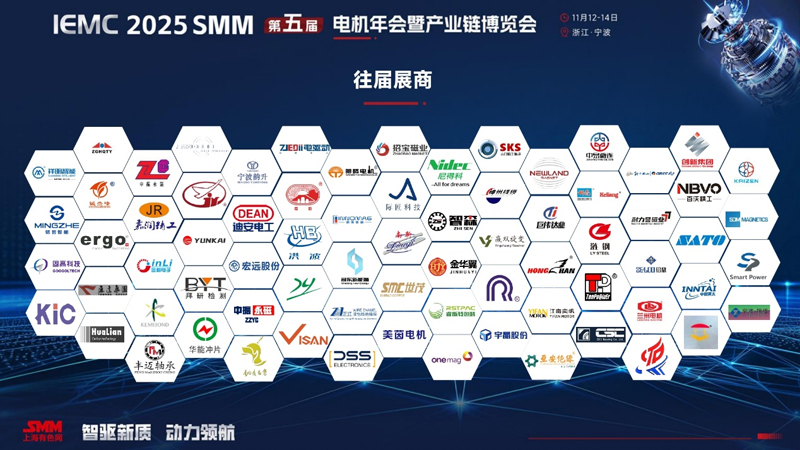
IEMC 2025 SMM(第五届)电机年会暨产业链博览会
Zhong Jin Zai Xian· 2025-07-18 06:57
Core Insights - The global energy crisis and environmental issues are driving the rapid rise of the electric motor industry, making it a crucial part of manufacturing [1] - Ningbo has become a significant hub for the electric motor industry in Eastern China, leveraging its port advantages and complete industrial clusters to boost regional economic growth [1] - The IEMC 2025 SMM (5th Electric Motor Annual Conference and Industry Chain Expo) will be held in Ningbo from November 12-14, 2025, focusing on technological innovation and industrial upgrades in the electric motor sector [1] Event Overview - The expo will feature an exhibition area of 10,000 square meters, with over 200 exhibitors and 10,000 professional representatives [2] - It aims to connect supply chains, end markets, and international markets, providing a platform for hundreds of companies across the entire electric motor value chain [2] - Five major exhibition areas will cover various types of electric motors, control systems, testing equipment, supporting materials, and robotics [2] Activities and Forums - Three major thematic activities will be held to empower industry upgrades, including authoritative reviews, supply-demand matching, and on-site visits [4][6] - A series of seven forums will focus on topics such as intelligent manufacturing, energy-saving technologies, and raw material innovations [10] - The event will also include a procurement demand collection before the conference, on-site exchanges during the event, and follow-up services to ensure high-quality supplier selection [7] Awards and Recognition - The event will feature an annual awards ceremony with seven categories, recognizing outstanding suppliers and service providers in the electric motor industry [12] - The awards aim to highlight industry leaders and set benchmarks for future developments [12] Industry Collaboration - The conference will invite industry elites and professional procurement teams to foster business connections and enhance supply-demand matching [12][21] - The event emphasizes the importance of collaboration and innovation in driving the electric motor industry's growth and sustainability [19][20]
一台3万元,打工人养不起小电驴
3 6 Ke· 2025-07-18 01:05
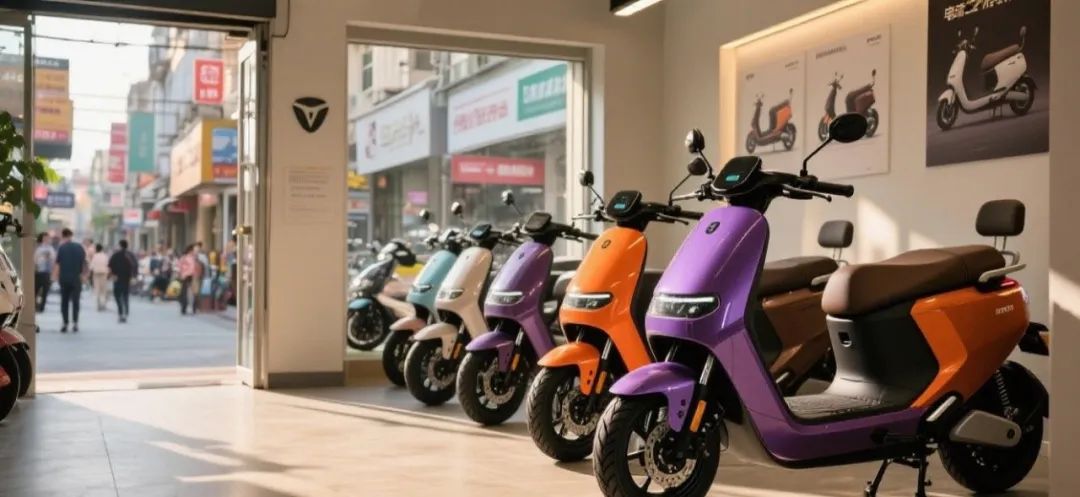
Core Viewpoint - The electric two-wheeler industry is increasingly adopting smart technologies, with brands like Tailg, Ninebot, Yadea, and Niu introducing features such as autonomous driving and various smart functionalities, leading to a significant increase in vehicle prices, making them less affordable for average consumers [1][2][4]. Industry Trends - Smart features have become standard in electric two-wheelers, with major brands equipping their models with dedicated apps for functions like unlocking, monitoring vehicle status, and tracking [5]. - The competition among manufacturers has shifted from merely offering smart features to enhancing the strength and capability of these technologies [5][11]. Price and Consumer Impact - The average price of electric two-wheelers has risen sharply, with smart models costing approximately 30% more than traditional models with similar specifications [1][2]. - Consumers are experiencing a disconnect between the price and functionality of electric two-wheelers, leading to confusion and frustration when faced with unfamiliar smart features [4][8]. Cost Implications - The introduction of smart technologies not only increases the initial purchase price but also leads to higher ongoing costs for software maintenance, system upgrades, and repairs, which can burden consumers financially [6][10]. - The cost of repairs for smart components is significantly higher than for traditional models, further adding to the financial strain on consumers [10]. Market Dynamics - The electric two-wheeler market is becoming saturated, prompting manufacturers to compete on aesthetics, high-end features, and smart technology to differentiate their products [11]. - The average selling price of smart models from new entrants like Ninebot and Niu is significantly higher than traditional brands, indicating a clear market segmentation based on technology and features [11][12]. Future Outlook - The industry is expected to see a wave of vehicle replacements due to a high ownership rate and a typical replacement cycle of 4 to 5 years, which may favor smart models over traditional ones [14]. - The competition will likely intensify as brands aim to balance smart features with practical value to meet consumer expectations [14].


中国轻工业联合会会长张崇和:挺膺奋进 建设自行车强国
Xiao Fei Ri Bao Wang· 2025-07-17 02:38
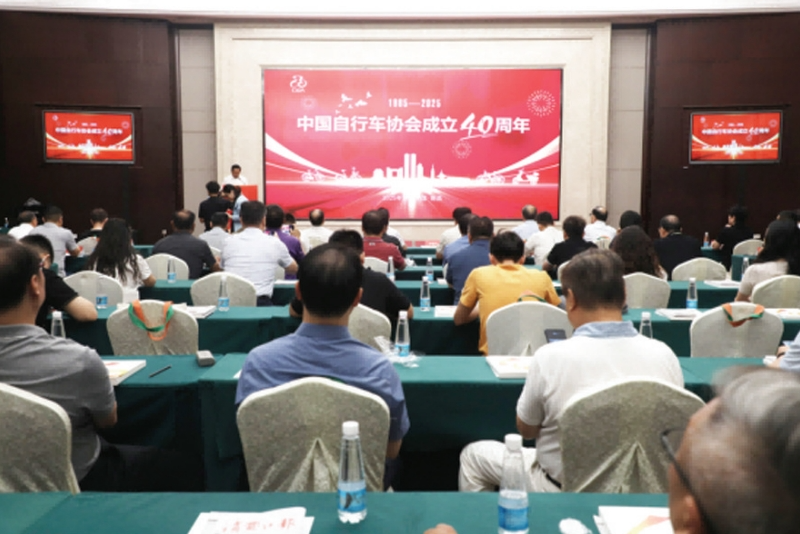
Core Points - The China Bicycle Association celebrated its 40th anniversary, highlighting its role in enhancing the industry’s cohesion and influence over the past four decades [1][2] - The total production of bicycles and electric bicycles is projected to reach approximately 99.6 million units in 2024, which is five times the production 40 years ago, with cumulative exports exceeding 1.5 billion units, representing a 58-fold increase [2] - The bicycle industry has created millions of jobs and significantly contributed to social economic growth, evolving from a small and weak sector to a strong and influential industry [2] Industry Development - The association has emphasized the importance of political guidance, innovation, and self-improvement to adapt to new development trends and enhance service capabilities [3][5] - Key companies such as "Phoenix," "Forever," and "Aima" have made significant historical contributions and continue to thrive in the modern era, while contemporary stars like "Yadea" and "New Day" are advancing the industry [2] - The industry has seen substantial improvements in manufacturing capabilities, market scale, and technological innovation, establishing a strong international presence and brand recognition [6] Future Directions - The association aims to strengthen political leadership, enhance service efficiency, promote innovation, and improve organizational structure to better serve the industry [6] - There is a focus on original innovation and the development of new technologies and materials to maintain a competitive edge in the global market [5] - The association plans to leverage the achievements of the past 40 years as a new starting point to meet the needs of the public and contribute to the modernization of China [6]


越南河内推行“禁摩令” 中国品牌的机会来了
Jin Tou Wang· 2025-07-16 10:57
Group 1 - Vietnam is set to ban fossil fuel motorcycles and scooters in central Hanoi starting July next year to combat worsening air pollution [1] - The directive from the Prime Minister applies to the central area of Hanoi and surrounding main ring roads, with local governments required to phase out two-wheeled vehicles by the deadline [1] - Hanoi has a population of 8 million, with nearly 7 million motorcycles and over 1 million cars, making motorcycles the primary mode of transport [1] Group 2 - The air pollution in Hanoi has become a significant issue, with the city often shrouded in smog and ranking among the most polluted cities globally [1] - The local electric vehicle manufacturer VinFast is leading the transition to electric vehicles, holding nearly 20% of the market share [1] - Concerns exist regarding VinFast's limited presence in the two-wheeler market, as it primarily focuses on electric cars [2] Group 3 - Chinese electric two-wheeler brands like Yadea, Tailg, and Aima have entered the Vietnamese market, with Yadea establishing over 400 stores [2] - Despite the entry of Chinese brands, they face stiff competition from Japanese brands like Honda, which have also entered the electric two-wheeler segment [2] - The transition may impact livelihoods of frontline workers in Vietnam, such as delivery riders and commuters, who may struggle to abandon their current vehicles [2] Group 4 - Some Vietnamese officials believe that while improving air quality is essential, the timing for such a significant change may be premature without better public transport and support [2] - A second phase of the ban is scheduled to start in January 2028, expanding the restrictions to a broader area and including all fuel-powered two-wheelers, along with limitations on certain gasoline-powered cars [2]
国泰海通:国外二轮车市场广阔 龙头雅迪控股、爱玛科技全速发力
Zhi Tong Cai Jing· 2025-07-16 03:31
Group 1 - The report highlights the growing importance of electric two-wheelers in India and Southeast Asia, with companies like Yadea and Aima actively expanding their overseas presence [1] - The transition from fuel to electric vehicles is supported by policies aimed at reducing carbon emissions, with Southeast Asian countries implementing measures to phase out gasoline motorcycles [2] - Electric two-wheelers offer lower carbon emissions, reduced noise, and lower maintenance costs compared to fuel-powered vehicles, making them suitable for urban short-distance travel [3] Group 2 - China's electric two-wheeler market is poised to replicate the export trends seen in bicycles and motorcycles, with significant potential for growth in international markets [4] - The domestic electric two-wheeler market in China is mature, but export activities are just beginning, indicating substantial room for expansion [4]

国泰海通:国外二轮车市场广阔 龙头雅迪控股(01585)、爱玛科技(603529.SH)全速发力
智通财经网· 2025-07-16 03:29
Group 1 - The motorcycle is an important mode of transportation in India and Southeast Asia, while electric bicycles are particularly popular in Europe and Japan. The overseas electric two-wheeler market is in its early development stage, with major brands actively expanding their presence. Leading companies in China, Yadea and Aima, are making significant strides in establishing overseas factories and channels [1] - The trend of "oil to electric" is gaining momentum, supported by policies that favor the development of electric vehicles. The push for carbon neutrality benefits the electrification of motorcycles, as fuel-powered vehicles have higher pollution emissions and fuel prices are relatively high compared to electricity [1] - Southeast Asia is a major motorcycle market, with cities like Hanoi and Ho Chi Minh City proposing bans on motorcycles. Thailand has implemented a tax on motorcycles based on carbon emissions since January 2020, and Singapore aims to eliminate fuel vehicles by 2040. Vietnam has committed to achieving carbon neutrality by 2050, with electric vehicle infrastructure being prioritized [1] Group 2 - Electric two-wheelers have lower carbon emissions, reduced noise, and a wide range of energy sources, along with lower purchase and maintenance costs. High-end electric two-wheelers offer excellent smart features, and the performance gap between electric and fuel motorcycles is narrowing [2] - The rapid development of the electric vehicle industry will benefit the electric two-wheeler sector as the core components overlap, leading to a more mature supply chain and continuous technological upgrades [2] Group 3 - The market environment in India and Southeast Asia is similar to China's experience from 2000 to 2010, with urban expansion and insufficient infrastructure. In this context, electric two-wheelers are suitable for short-distance travel. In 2020, the average prices for motorcycles and scooters in Southeast Asia were approximately $4,010 and $1,310, respectively, while the average price for electric cars was $54,000 [3] - The purchasing power of residents in India and Southeast Asia aligns well with electric two-wheelers, making them a more accessible option [3] Group 4 - China's electric two-wheeler industry is expected to replicate the export trends seen in bicycles and motorcycles, capturing global demand. China has become the world's largest exporter of bicycles and motorcycles, with export ratios of 89% for bicycles in 2018 and 54%, 33%, and 35% for motorcycles from 2019 to 2021 [4] - The domestic electric two-wheeler market in China is mature, but export activities are just beginning, with only 5.2% of total shipments being exported in 2020. Leading electric two-wheeler companies in China have developed a robust supply chain and competitive advantages over years of domestic operations [4]