
中国移动

Search documents
国务院国资委,最新部署!
证券时报· 2026-01-10 00:40
Core Viewpoint - The State-owned Assets Supervision and Administration Commission (SASAC) has completed the main tasks of the deepening reform action, but emphasizes that reform efforts must continue to address existing gaps and prepare for the next round of reforms [1][4]. Group 1: Reform Progress and Achievements - By November 2025, central enterprises' revenue in strategic emerging industries surpassed 11 trillion yuan [6][7]. - A total of 116 strategic reorganizations involving 229 first-level enterprises have been conducted across various regions to enhance core competitiveness [5][4]. - New central enterprises such as China Yajiang Group and China Zihuan Group have been established, focusing on specialization and efficiency [4][5]. Group 2: Technological Innovation and Industry Development - Central enterprises' R&D expenditure has increased by an average of 6.5% annually, with total spending exceeding 1 trillion yuan for three consecutive years from 2022 to 2024 [7][9]. - The focus on technological innovation has intensified, with a 19% annual growth rate in basic research investment [7]. Group 3: Management and Performance Evaluation - Performance evaluation is now closely linked to compensation and promotion, with over 20,000 managerial members experiencing salary changes of more than 20% due to performance evaluations [9]. - The adjustment and exit of underperforming management personnel have become common, with a 6% adjustment exit rate in central enterprises [9].

推动AI与制造业双向赋能(锐财经)
Xin Lang Cai Jing· 2026-01-09 22:52
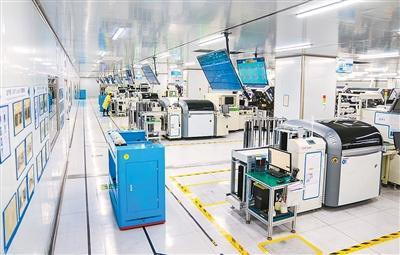
Core Viewpoint - The integration of artificial intelligence (AI) with the manufacturing sector is accelerating, fundamentally transforming production models and economic structures, and is seen as a key driver for industrial upgrades [2]. Group 1: Policy Implementation - The Ministry of Industry and Information Technology, along with seven other departments, issued the "Implementation Opinions on the 'AI + Manufacturing' Special Action," aiming to promote the application of AI in manufacturing and enhance new productive forces [2]. - The document outlines 21 specific measures across seven key areas, including innovation, intelligence upgrades, product breakthroughs, and international cooperation, with clear targets set for 2027 [2][3]. - Goals include launching 1,000 high-level industrial intelligent systems, creating 100 high-quality data sets, and promoting 500 typical application scenarios [2]. Group 2: Industry Empowerment - The initiative encourages deep engagement with key manufacturing sectors such as raw materials, equipment manufacturing, and consumer goods through expert-led service teams [3]. - It aims to customize AI products and solutions based on the characteristics of different countries and regions, while also attracting foreign investment into the AI sector [3]. Group 3: Operational Guidelines - Accompanying the main policy document, two attachments were released: the "Guidelines for AI Empowerment in Key Manufacturing Industry Transformation" and the "AI Application Guide for Manufacturing Enterprises," providing detailed operational instructions [4]. - These documents offer tailored transformation paths for five major industries and address common challenges faced by enterprises in adopting AI technologies [4]. Group 4: Potential for Upgrading - AI is rapidly integrating with the real economy, showcasing significant potential for "intelligent upgrades," as evidenced by successful applications in quality inspection processes [5]. - The drive for digital transformation in industries like non-ferrous metals is leading to improved production efficiency and energy effectiveness, with a focus on creating a shared AI empowerment system across all sectors [5]. Group 5: Strategic Insights - Experts highlight that despite advancements in AI and other technologies, China still lags behind developed countries, necessitating stronger government guidance and increased market participation to enhance technological innovation [6]. - The comprehensive policy framework aims to facilitate the intelligent upgrade of the manufacturing sector, thereby fostering new productive forces [6].
去年前11个月央企战略性新兴产业营收突破11万亿元
Zheng Quan Ri Bao· 2026-01-09 22:52
Group 1 - The core viewpoint of the news is that the State-owned Assets Supervision and Administration Commission (SASAC) has reported significant progress in the reform and enhancement actions of state-owned enterprises (SOEs) over the past three years, focusing on structural layout, technological innovation, corporate governance, and regulatory mechanisms [1] - The SASAC highlighted that central enterprises have engaged in professional integration, concentrating industries in key areas, with notable examples including China National Petroleum Corporation and China Southern Power Grid, which involved asset integration exceeding 100 billion yuan [1] - A total of 116 strategic reorganizations involving 229 first-level enterprises have been conducted across various regions to develop pillar industries [1] Group 2 - The development of strategic emerging industries and future industry layouts by central enterprises is showing positive momentum, with revenues in these sectors exceeding 11 trillion yuan in the first 11 months of 2025 [2] - Specific companies reported significant revenue contributions from strategic emerging industries, such as China Mobile with over 800 billion yuan, and China National Offshore Oil Corporation with over 15% of its revenue from these sectors [2] - R&D expenditure among central enterprises has seen an annual growth of 6.5% since the 14th Five-Year Plan, with basic research investment increasing by 19% from 2022 to 2024 [2] Group 3 - China Huaneng has established a comprehensive research management and talent selection mechanism based on a "ranking and commanding" approach, with 16 assessment indicators and a dynamic correction mechanism for accountability [3] - Central enterprises have developed 134 external pilot verification platforms and created over 800 application scenarios in 16 key industries to promote the integration of technological and industrial innovation [3] - Despite the completion of the reform actions, SASAC emphasizes the need for ongoing reform efforts, particularly in addressing common issues in state-owned enterprise reforms [3]



信号越山海 技术惠民生 “十五五”时期,让农村用上更先进网络能力和更普惠电信服务(大数据观察)
Ren Min Ri Bao· 2026-01-09 22:09
Core Viewpoint - The development of telecommunications infrastructure, particularly in rural and remote areas of China, has significantly improved connectivity and access to digital services, contributing to rural revitalization and modernization efforts [1][6][8]. Group 1: Telecommunications Infrastructure Development - The "Broadband Frontier" initiative aims to enhance telecommunications coverage in remote areas, with plans to build 1,083 new sites and provide 5G services to 19 islands in Zhejiang by the end of 2025 [1]. - Since 2015, China has launched 11 batches of telecommunications universal service trials, supporting the construction of fiber networks in 130,000 administrative villages and 100,000 4G and 5G base stations in rural areas [1][2]. - By July 2025, the goal of achieving "broadband access in every village and 5G coverage in every township" has been completed ahead of schedule, fundamentally addressing communication challenges in remote areas [1][2]. Group 2: Impact on Rural Economy and Society - The number of rural broadband users has increased from 93.77 million in 2017 to an expected 200 million by 2024, indicating a significant rise in internet accessibility in rural areas [2]. - The rural internet user base reached 322 million by June 2025, with an internet penetration rate of 69.2%, further narrowing the digital divide between urban and rural areas [3]. - The introduction of smart applications and digital management systems in rural areas has enhanced agricultural productivity and improved access to education and healthcare services [4][5]. Group 3: Government Support and Policy Framework - The Chinese government has established a compensation mechanism for telecommunications universal service, with a total of 31 billion yuan allocated from central finances between 2015 and 2025 to support rural broadband construction [6][7]. - The Ministry of Industry and Information Technology plans to continue implementing universal service initiatives and enhance network capabilities in rural areas during the 14th Five-Year Plan period [8].
深化提升行动收官 新一轮国企改革蓄势起航
Zhong Guo Zheng Quan Bao· 2026-01-09 20:52
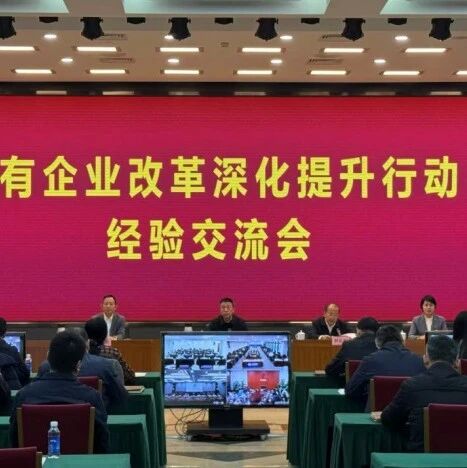
● 本报记者 刘丽靓 国有企业改革深化提升行动迎来阶段性收官。1月9日,国务院国资委副主任李镇在国有企业改革深化提 升行动经验交流会上表示,截至目前,深化提升行动主体任务已基本完成,布局结构、科技创新、公司 治理、监管机制等方面向前迈出新的步伐。 "深化提升行动在时间上已经'收官',但深化改革不能'收兵'。"李镇表示,在进一步深化国资国企改革 方案下发前,各单位要认真做好深化提升行动的总结,继续推动改革任务的深化,认真谋划好下一步改 革。 重组整合持续发力 改革深化提升行动的成效,首先体现在国有经济布局优化和结构调整上,近年来,国有经济向新质生产 力布局明显提速。 一方面,战略性重组和专业化整合持续发力。组建中国雅江集团、中国资环集团、中国长安汽车、中国 数联物流……一批服务国家战略全局的新央企应运而生。同时,一系列央企专业化整合也纵深推进,如 中国石油、南方电网整合涉及资产规模超千亿元;中国一汽、中国旅游集团完成动力电池、邮轮运营资 源整合;华润集团完成康佳集团专业化整合;中国五矿重组设立我国最大的钾盐企业等,着力推动产业 向重点领域、优势赛道集中。 地方国资同步发力,如河北、重庆、辽宁、内蒙古等地通过专业 ...
城市24小时 | 浙江第二城 加速“抱紧”上海
Mei Ri Jing Ji Xin Wen· 2026-01-09 16:51
Group 1 - The core focus of the news is on the visit of Wang Cheng, the Deputy Secretary of the Zhejiang Provincial Committee and the Secretary of the Ningbo Municipal Committee, to Shanghai for learning and research, emphasizing the importance of technological innovation and collaboration between Ningbo and Shanghai [1][4] - During the visit, Wang Cheng highlighted the need for Ningbo to enhance its competitiveness by looking globally and collaborating regionally, aiming to achieve its economic goals by integrating innovation and industry [2][3] - The Ningbo delegation's discussions in Shanghai centered on deepening cooperation in major technological breakthroughs, industrial clusters, and talent exchange, which are crucial for the high-quality integration of the Yangtze River Delta [1][3] Group 2 - Ningbo has set an ambitious goal to achieve a GDP of over 2 trillion yuan by 2025, which requires a growth rate exceeding 10% from its projected 1.81 trillion yuan in 2024 [3] - The central economic work conference has outlined the construction of three major international technology innovation centers, with Ningbo being included in a high-energy innovation network, opening new opportunities for research collaboration and industrial upgrades [4] - The focus on creating a first-class innovation ecosystem in Ningbo includes significant investments in research platforms, talent cultivation, and technology enterprise incubators to accelerate the transformation of innovative achievements [3][4]
去年前11个月央企战略性新兴产业营收突破11万亿元 国有经济向“新”布局成绩突出
Zheng Quan Ri Bao· 2026-01-09 16:25
Group 1 - The State-owned Assets Supervision and Administration Commission (SASAC) has reported that the three-year deepening and enhancement action for state-owned enterprises (SOEs) has largely been completed, achieving progress in areas such as structural layout, technological innovation, corporate governance, and regulatory mechanisms [1] - Central enterprises have undertaken a series of professional integrations, focusing on concentrating industries in key areas and advantageous tracks, with significant asset scale integrations reported, such as China Petroleum and Southern Power Grid [1] - A total of 116 strategic reorganizations involving 229 first-level enterprises have been conducted across various regions to develop pillar industries [1] Group 2 - The revenue from strategic emerging industries of central enterprises has exceeded 11 trillion yuan in the first 11 months of 2025, indicating a positive trend in their development [2] - Specific companies have reported substantial revenue from strategic emerging industries, with China Mobile projecting over 800 billion yuan, and China National Offshore Oil Corporation (CNOOC) achieving over 15% revenue share from these sectors [2] - Research and development (R&D) funding for central enterprises has increased by an average of 6.5% annually since the 14th Five-Year Plan, with basic research investment growing by 19% annually from 2022 to 2024 [2] Group 3 - China Huaneng has established a comprehensive research management and talent selection mechanism based on a "ranking and commanding" approach, with 16 assessment indicators and a dynamic correction mechanism to support innovation [3] - Central enterprises have developed 134 external pilot verification platforms and created over 800 application scenarios in 16 key industries to promote the integration of technological and industrial innovation [3] - Despite the completion of the deepening enhancement action, SASAC emphasizes the need for ongoing reform efforts to address common issues in state-owned enterprise reform [3]
城市24小时 | 浙江第二城,加速“抱紧”上海
Mei Ri Jing Ji Xin Wen· 2026-01-09 16:03
每经记者|刘艳美 每经编辑|杨欢 浙江日报、"潮新闻"消息,1月7日,浙江省委副书记、宁波市委书记王成率宁波市党政代表团赴上海市学习考察。这是王成担 任宁波市委书记后的首次出省考察,也是宁波党政领导的新年首次跨省学习之行。 在上海期间,王成先后考察了中共一大会址、"模速空间"创新生态社区、华为练秋湖研发中心,并与宁波籍上海知名人士代表 进行了座谈交流,听取大家对接轨大上海、融入长三角、加快高质量发展的意见建议。 在两地座谈中,上海市委主要领导表示,希望加强沟通对接,深化优势互补,聚焦推进上海(长三角)国际科技创新中心建设 使命任务,推动科技创新和产业创新深度融合,携手打造世界级产业集群。王成也谈到,宁波将在重大科技攻关、产业集群打 造、交通设施互联、干部人才交流等方面深化沪甬合作,有力助推长三角高质量一体化发展,更好服务国家发展大局。 解读:不难发现,宁波党政代表团的此次上海之行,无论行程安排还是座谈内容,都散发着浓厚的"科创气息"。 在"模速空间"创新生态社区,王成表示,要学习借鉴上海的好经验好做法,做深做透教科人一体改革发展、科技创新和产业创 新深度融合"两篇大文章"。 在华为练秋湖研发中心,王成强调,要 ...
南向资金今日净买入68.15亿港元,腾讯控股净买入14.12亿港元
Zheng Quan Shi Bao Wang· 2026-01-09 14:41
Core Viewpoint - The Hang Seng Index rose by 0.32% on January 9, with southbound capital totaling HKD 111.39 billion, resulting in a net inflow of HKD 6.81 billion [1] Group 1: Southbound Capital Activity - Total southbound trading amounted to HKD 111.39 billion, with buy transactions at HKD 59.10 billion and sell transactions at HKD 52.29 billion, leading to a net buy of HKD 6.81 billion [1] - The Shenzhen Stock Connect saw a total trading volume of HKD 44.30 billion, with net buying of HKD 5.15 billion, while the Shanghai Stock Connect had a total trading volume of HKD 67.08 billion, resulting in a net buy of HKD 1.66 billion [1] Group 2: Active Stocks - Alibaba-W had the highest trading volume among southbound stocks at HKD 99.89 billion, with a net sell of HKD 26.22 billion, despite a closing price increase of 2.73% [1] - Tencent Holdings recorded a net buy of HKD 14.12 billion, closing down by 0.81%, while Xiaomi Group-W had a net buy of HKD 8.70 billion, closing down by 0.53% [1][2] - Kuaishou-W also saw significant activity with a net buy of HKD 7.76 billion, closing up by 3.89% [2] Group 3: Continuous Net Buying - Xiaomi Group-W and Tencent Holdings were noted for continuous net buying, with Xiaomi seeing 7 consecutive days of net buying totaling HKD 55.53 billion, and Tencent with 3 consecutive days totaling HKD 42.31 billion [2]




南向资金今日净买入68.15亿港元 腾讯控股净买入14.12亿港元
Zheng Quan Shi Bao Wang· 2026-01-09 14:35
Core Viewpoint - On January 9, the Hang Seng Index rose by 0.32%, with southbound funds totaling HKD 111.39 billion in trading volume, resulting in a net inflow of HKD 6.81 billion [1] Group 1: Southbound Trading Activity - The total trading volume for southbound funds was HKD 111.39 billion, with buy transactions amounting to HKD 59.10 billion and sell transactions at HKD 52.29 billion, leading to a net buy of HKD 6.81 billion [1] - The Hong Kong Stock Connect (Shenzhen) recorded a total trading volume of HKD 44.30 billion, with net buying of HKD 5.15 billion, while the Hong Kong Stock Connect (Shanghai) had a trading volume of HKD 67.08 billion and a net buy of HKD 1.66 billion [1] Group 2: Active Stocks - Alibaba-W had the highest trading volume among southbound funds at HKD 99.89 billion, but experienced a net sell of HKD 26.22 billion, despite a closing price increase of 2.73% [1] - Tencent Holdings saw a net buy of HKD 14.12 billion, with a closing price decrease of 0.81%, while Xiaomi Group-W had a net buy of HKD 8.70 billion [1] - Kuaishou-W recorded a net buy of HKD 7.76 billion, and Meituan-W and China Mobile faced net sells of HKD 3.67 billion and HKD 3.11 billion, respectively [1] Group 3: Continuous Net Buying - Xiaomi Group-W and Tencent Holdings were the only two stocks with continuous net buying for more than three days, with Xiaomi Group-W having a total net buy of HKD 55.53 billion over seven days, and Tencent Holdings with HKD 42.31 billion over three days [2]

