
腾讯控股

Search documents
发春节红包的大厂都被约谈了
Jing Ji Guan Cha Wang· 2026-02-15 00:12
Core Viewpoint - The Chinese market regulator has conducted a centralized interview with major platform companies, including Alibaba, Douyin, Baidu, Tencent, JD.com, Meituan, and Taobao Shanguo, to regulate promotional activities and eliminate "involution" competition. This coincides with the release of the "Internet Platform Antitrust Compliance Guidelines," which outlines four categories of antitrust risks [2][3]. Group 1: Regulatory Actions - The market regulator's interview with the seven platform companies is seen as a follow-up action to the implementation of the new guidelines [3]. - The guidelines specifically address monopolistic agreements, abuse of market dominance, operator concentration, and the misuse of administrative power to restrict competition [2]. Group 2: Promotional Activities - All seven platform companies have recently announced significant cash red envelope campaigns for the Spring Festival, with Tencent and Baidu leading the charge by offering 10 billion yuan and 5 billion yuan, respectively [4]. - Alibaba has committed 30 billion yuan to its "Spring Festival Treat Plan," while JD.com plans to distribute 30 billion yuan in red envelopes on New Year's Eve [4]. - The total planned red envelope distribution from Tencent, Baidu, Alibaba, and JD.com for the 2026 Spring Festival exceeds 7.5 billion yuan [4]. Group 3: Antitrust Risks - The guidelines identify eight new types of monopolistic risks specific to the platform economy, including algorithm collusion, unfair pricing, and discriminatory treatment [5]. - The guidelines emphasize the need for platform operators to ensure fair rules, ethical algorithms, and compliant competition [5]. Group 4: Industry Insights - Industry insiders suggest that while issuing red envelopes is not inherently problematic, it could lead to harmful subsidies or discriminatory practices if not managed properly [6]. - The competition for traffic has expanded from e-commerce to AI platforms, presenting new regulatory challenges that require monitoring for algorithmic collusion and exclusionary practices [6].





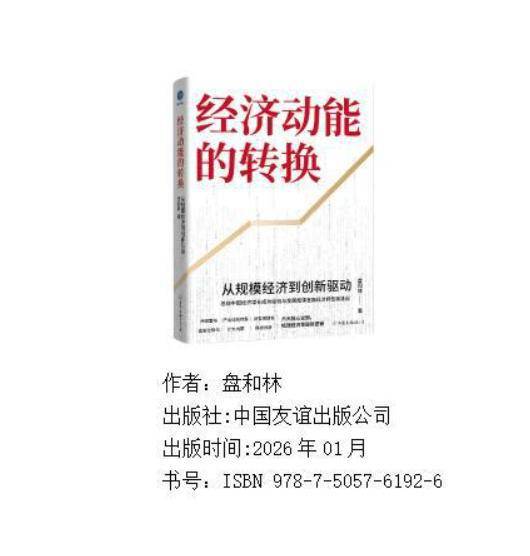
从7家平台被约谈看反内卷式竞争,知名经济学家盘和林新作谈反内卷的路径、措施与方向
Sou Hu Cai Jing· 2026-02-15 00:10
Core Viewpoint - The recent regulatory discussions with major platform companies like Alibaba, Douyin, Baidu, and Tencent aim to eliminate "involutionary" competition and establish clear guidelines for promotional activities, promoting healthy development in the platform economy [1] Group 1: Nature of Involution in Platform Economy - The essence of platform economy involution is the distortion of scale economy logic, where irrational competition arises when scale expansion exceeds reasonable boundaries, leading to unsustainable practices [2] - Current competition often involves a cycle of "burning money for subsidies" to capture market share, which deviates from economic principles and results in significant losses for platforms [2] Group 2: Regulatory Significance - The core significance of the regulatory discussions is to delineate legal and commercial boundaries for platform competition, aligning with the idea of shifting from low-quality price wars to high-quality innovation competition [3] - The discussions aim to enforce compliance with laws like the Anti-Unfair Competition Law and the Price Law, effectively curbing irrational pricing strategies and encouraging platforms to transition from scale-driven models to innovation-driven approaches [3] Group 3: Measures for Transition - Platforms need to establish self-regulatory price mechanisms to avoid false subsidies and low-price dumping, ensuring transparency in pricing and subsidy rules [5] - There should be a mandatory investment in technological innovation, with platforms allocating a certain percentage of revenue (e.g., over 10%) to core technology research and development [5] - A comprehensive service system should be developed to support small and medium-sized businesses, providing free digital tools and low-interest financing to reduce operational costs [6] Group 4: Shift in Competitive Dynamics - The competitive model should transition from price wars to innovation battles, focusing on technological advancements and service upgrades rather than merely competing on subsidy amounts [7] - The profitability logic must evolve from relying on traffic monetization to creating shared value across the supply chain, enhancing long-term collaboration with businesses [7] - Development orientation should shift from chaotic expansion to compliant sustainability, establishing long-term mechanisms for data security and consumer rights protection [8] Group 5: Broader Economic Implications - The process of addressing platform economy involution reflects China's broader economic transition from scale-driven growth to innovation-driven growth, which is crucial for overcoming growth bottlenecks [9] - To support this transition, measures such as improving intellectual property protection, establishing innovation evaluation systems, and optimizing regulatory approaches are essential [10]
短剧平台逐鹿春节档,春运“陪伴剧”《北往》成爆款
Xin Lang Cai Jing· 2026-02-15 00:01
Core Insights - The short drama market is experiencing significant growth during the Spring Festival, with platforms actively positioning themselves to capture traffic and enhance brand presence [1][3] - The success of the short drama "Northward" highlights the potential of this genre, achieving a heat value of 66.25 million within two days of release [3][12] - The competition among platforms has shifted from quantity to refined operations and strategic planning, indicating a maturation of the short drama sector [1][8] Industry Trends - The short drama sector has evolved over the years, with 2024 marking a pivotal year as several titles gained massive popularity, such as "I Am a Stepmother in the 80s," which saw daily recharge surpassing 20 million and views exceeding 1 billion [3][12] - By 2026, platforms have refined their strategies for the Spring Festival, with Red Fruit Short Dramas launching pre-heating campaigns and collaborating with top actors to drive engagement [3][8] - The market is witnessing a shift towards quality content, with productions like "Northward" and "New Heroes" breaking the stereotype of short dramas being formulaic [8][12] Audience Engagement - The short dramas cater to a wide audience during the Spring Festival, providing content that resonates with various demographics, from family-friendly comedies to romantic and suspenseful narratives [12] - The industry's evolution from 2024's breakout hits to 2025's operational strategies and 2026's focus on quality and diversity illustrates a clear developmental trajectory [12] - The success of short dramas during the festival period underscores the importance of authenticity and emotional connection in content creation, reflecting broader trends towards professionalism and diversity in the industry [12]

Better International ETF: iShares' IEFA vs. Schwab's SCHE
The Motley Fool· 2026-02-14 23:49
Core Insights - The Schwab Emerging Markets Equity ETF (SCHE) and iShares Core MSCI EAFE ETF (IEFA) provide low-cost international diversification but differ significantly in regional focus, sector weights, and recent performance [1][2] Cost & Size - Both SCHE and IEFA have an expense ratio of 0.07% - As of February 4, 2026, SCHE has a one-year return of 26.1% while IEFA has a return of 29.0% - SCHE offers a dividend yield of 2.8%, whereas IEFA provides a higher yield of 3.4% - SCHE has a beta of 0.87, indicating lower volatility compared to the S&P 500, while IEFA has a beta of 1.01 - Assets under management (AUM) for SCHE stand at $12.2 billion, significantly lower than IEFA's $173.4 billion [3][4] Performance & Risk Comparison - Over the past five years, SCHE experienced a maximum drawdown of -35.70%, compared to IEFA's -30.41% - An investment of $1,000 in SCHE would have grown to $1,027 over five years, while the same investment in IEFA would have grown to $1,338 [5] Portfolio Composition - IEFA includes over 2,500 developed-market stocks, with significant sector allocations in financial services (22%), industrials (20%), and healthcare (11%) - Major holdings in IEFA include ASML Holding, Roche Holding, and HSBC Holdings - SCHE focuses on emerging markets, with a notable emphasis on technology (23%) and financial services (23%), featuring top positions in Taiwan Semiconductor Manufacturing, Tencent Holdings Ltd., and Alibaba Group [6][7] Investor Implications - IEFA is suitable for investors seeking lower risk and volatility, given its focus on developed markets and larger number of holdings, which contributes to its lower five-year drawdown and higher dividend yield - SCHE appeals to aggressive investors looking for growth, particularly in technology stocks, but comes with higher volatility and political risks associated with emerging markets [9][10]
陆家嘴财经早餐2026年2月15日星期日
Wind万得· 2026-02-14 22:20
Group 1 - China will implement zero tariff measures for 53 African countries starting May 1, while promoting the signing of economic partnership agreements and expanding product access through upgraded "green channels" [2] - The State Administration for Market Regulation has interviewed major platform companies including Alibaba, Douyin, and Tencent, urging them to comply with the Anti-Unfair Competition Law and eliminate "involution" competition [2] - The US stock market is undergoing a significant shift, with major tech companies experiencing substantial declines; Amazon's stock has fallen for nine consecutive trading days, marking its longest losing streak since 2006, and its market value has evaporated by approximately $1.51 trillion this year [2] Group 2 - ByteDance has officially released the Doubao Model 2.0, achieving significant advancements in multimodal understanding and reasoning capabilities, while reducing reasoning costs by about an order of magnitude [3] - The China Banking and Insurance Asset Management Association reported a significant increase in the equity investment confidence index for Q1, rising to 67.55 from 58.04 year-on-year [7] - The Ministry of Industry and Information Technology aims to upgrade the liquor industry, targeting the cultivation of over three trillion-yuan traditional liquor production areas by 2028 [9]
AI超级入口争夺及变现开启:一场关乎未来生态的生死博弈
Sou Hu Cai Jing· 2026-02-14 17:28
Core Insights - Major tech companies are investing heavily in AI platforms, with Alibaba, Tencent, and Baidu collectively spending over 45 billion yuan to attract new users during the 2026 Spring Festival [2][8] - The marketing strategies have evolved from simple cash giveaways to more sophisticated methods that include subsidies, scenario binding, and social sharing, reflecting a shift from technical competition to ecosystem development [2][4] Group 1: Investment and Marketing Strategies - Tencent initiated the competition by distributing 10 billion yuan in cash red envelopes, leveraging its social ecosystem with over 1.4 billion monthly active users to enhance user engagement [3] - Baidu followed with 5 billion yuan in red envelope benefits, integrating its AI product with its existing app ecosystem to capture new traffic [3] - Alibaba's strategy involved offering 30 billion yuan in vouchers through its app, which connects various services within its ecosystem, enhancing user experience and engagement [3] Group 2: Evolution of AI Applications - AI applications are transitioning from basic functionalities to becoming integral parts of daily life, evolving into comprehensive digital assistants that can handle various tasks beyond simple queries [4][7] - The competition is moving towards embedding AI deeply into everyday scenarios, making it a necessity rather than an optional feature [7][12] Group 3: Future Implications and Competitive Landscape - The current marketing tactics are seen as a short-term strategy for user acquisition, with the real challenge being user retention post-subsidy [9][12] - The battle for AI dominance is not just about immediate user engagement but about establishing a long-term operational system that can integrate various services seamlessly [9][17] - Companies that can effectively create a reliable and compliant AI ecosystem will likely emerge as leaders in the global market, as the competition extends beyond local user engagement to include technological sovereignty and adaptability [16][17]

【锋行链盟】项目路演融资全流程解析
Sou Hu Cai Jing· 2026-02-14 16:18
项目路演融资计划详细流程 项目路演是创业者向投资人展示项目价值、获取融资的核心环节,其流程需兼顾逻辑性、感染力与专业性。以下是从前期准备 到后续跟进的全流程拆解,覆盖关键节点与实操细节: 一、前期筹备阶段(路演前1-3个月) 此阶段核心是"精准定位+深度打磨",确保项目与投资人需求高度匹配。 1. 明确融资目标与核心信息 2. 锁定目标投资人 3. 打磨商业计划书(BP) BP是路演的"剧本",需逻辑清晰、重点突出,建议10-15页,核心模块包括: 注意:BP需避免大段文字,多用图表(柱状图/折线图/对比表);数据需标注来源(如艾瑞咨询、公司财报),增强可信度。 筛选标准:根据项目阶段(早期/成长期)、赛道(硬科技/消费/医疗等)、地域(偏好本地或全国性机构)、投资风格 (财务型/产业型/战略型)筛选匹配的基金(如红杉、高瓴、深创投等)。 渠道触达:通过FA(财务顾问)、行业峰会、校友网络、政府园区推荐、LinkedIn/脉脉私信等方式建立联系,优先选择已 投过同赛道项目的投资人(降低沟通成本)。 4. 预演与优化 内部演练:团队模拟投资人提问(如"如何应对巨头竞争?""用户留存率低怎么办?"),提前准备答案 ...

任泽平带你看前沿科技:2026研学计划
泽平宏观· 2026-02-14 16:05
Core Insights - The article emphasizes the importance of practical learning experiences in cutting-edge technology sectors, highlighting the value of direct engagement with leading companies and experts in the field [12][24][46]. Schedule Overview - The schedule for 2025 includes visits to major technology companies such as Huawei, BYD, Tencent, and others, focusing on sectors like artificial intelligence, new energy, and biotechnology [23][24][61]. - Specific events are planned, including closed-door investment research meetings and thematic explorations of emerging industries [8][9][10]. Learning Experience - Participants will engage in deep explorations of technology companies, gaining insights into the full chain of development from laboratory to industrialization [12][24]. - The program aims to provide practical empowerment through discussions on technology trends, emerging industry ecosystems, and innovative business strategies [12][24]. Participant Feedback - Feedback from participants indicates that the program significantly enhances their understanding of macroeconomic trends and investment opportunities, fostering a community of like-minded entrepreneurs [41][46][47]. - Participants express appreciation for the unique learning environment that combines theoretical knowledge with real-world applications [46][47].




微信红包最多只能发200元?原因是...... | 图个明白
Xin Lang Cai Jing· 2026-02-14 15:34
Core Viewpoint - WeChat's red envelope feature is designed as a fun and light-hearted game, with a maximum limit of 200 yuan for individual envelopes to avoid psychological pressure on users [2][3]. Group 1: Red Envelope Limits - The maximum amount for a single red envelope is set at 200 yuan, which is deemed sufficient to express sentiments without causing stress to users [2]. - During special occasions like Valentine's Day, the limit can be adjusted to 520 yuan, symbolizing love, as a way to enhance user experience [3]. Group 2: User Engagement and Randomness - The randomness of the red envelope amounts is a key feature that adds to the fun, with no preset rules or techniques for maximizing the amount received [5][7]. - Users have various beliefs about strategies for getting the best amounts, but the company emphasizes that the experience is inherently random [5]. Group 3: Withdrawal Policy - Currently, users cannot withdraw red envelopes once sent, as there has been no significant demand for such a feature [9]. - The decision against a withdrawal option is based on the desire to keep the product simple and enjoyable, avoiding complications for users [10].

VXUS Offers Broader Global Exposure Than IEFA
Yahoo Finance· 2026-02-14 15:13
Core Insights - The Vanguard Total International Stock ETF (VXUS) includes emerging markets, while the iShares Core MSCI EAFE ETF (IEFA) focuses solely on developed markets outside the U.S. and Canada [1][2] Cost & Size Comparison - VXUS has an expense ratio of 0.05% and assets under management (AUM) of $606 billion, while IEFA has a slightly higher expense ratio of 0.07% and AUM of $178 billion [3][4] - The 1-year return for VXUS is 35.7%, compared to IEFA's 32.9%, and the dividend yield for VXUS is 2.91%, while IEFA offers a higher yield of 3.27% [3][4] Performance & Risk Analysis - Over the past five years, VXUS experienced a maximum drawdown of 29.44%, while IEFA had a slightly higher drawdown of 30.37% [5] - An investment of $1,000 would have grown to $1,504 in VXUS and $1,580 in IEFA over the same period [5] Portfolio Composition - VXUS holds 8,691 stocks, with significant positions in Taiwan Semiconductor Manufacturing Co Ltd, Tencent Holdings Ltd, and ASML Holding NV, providing geographic diversification with 38% in Europe, 27% in emerging markets, 25% in the Pacific, and 8% in North America [6] - IEFA contains 2,589 developed-market stocks, with major holdings in ASML Holding NV, Roche Holding AG, and AstraZeneca Plc, offering a stable composition for investors avoiding emerging-market risks [7] Investment Implications - Both ETFs are low-cost options for gaining international stock exposure, with improving global economic conditions and a weaker dollar potentially driving growth in international stocks in 2026 [8] - IEFA may be more suitable for the current bull market due to its recent outperformance and higher dividend yield, along with its focus on economically stable developed markets [8][9]