
邮储银行

Search documents
2025年银行业“破壁”进化:大象起舞 向新而生
Zheng Quan Ri Bao· 2025-12-24 15:49
Core Insights - The banking industry in 2025 demonstrates remarkable resilience, with net profits stable compared to the previous year, a capital adequacy ratio above 15% for three consecutive quarters, and total assets reaching a new high of 474 trillion yuan [1] - The industry is undergoing profound changes focused on three main lines: transforming business models to support the real economy, enhancing sustainable operational capabilities, and emphasizing risk prevention and systemic resolution [1] Group 1: Transformation and Innovation - The banking sector is shifting from traditional financial service models to more innovative approaches, integrating into modern industrial systems and fostering new productive forces [3] - Financial resources are increasingly directed towards innovative sectors, with 275,400 technology SMEs receiving loans, a 2.8 percentage point increase in loan approval rates year-on-year [3] - Banks are redefining risk assessment by incorporating intellectual property and R&D intensity into evaluation criteria, thus facilitating financing for asset-light tech companies [4] Group 2: Consumer Support Initiatives - The banking industry is actively promoting consumption by lowering consumer loan interest rates and implementing subsidy policies to stimulate market demand [5] - In August 2025, a joint policy was issued to support personal consumption loans, allowing for significant reductions in effective interest rates for eligible customers [5] - These initiatives have successfully addressed consumer hesitance, leading to increased orders in manufacturing sectors such as automotive and home appliances [6][7] Group 3: Financial Asset Investment Companies (AIC) - The establishment of new AICs has expanded the capacity for banks to support technological innovation through direct equity investments [8] - The regulatory environment is evolving to encourage more banks to enter the AIC space, enhancing their ability to provide diversified financing solutions [8] Group 4: Wealth Management and Financial Products - The focus of wealth management has shifted from expansion to optimizing existing assets, with the market size stabilizing at 31 trillion yuan [9] - Banks are innovating product offerings to meet diverse customer needs while enhancing their investment capabilities [9][10] Group 5: Capital Support for Major Banks - The issuance of 500 billion yuan in special bonds aims to bolster the capital of major state-owned banks, enhancing their credit capacity and risk resilience [11] - This capital injection is expected to support effective demand expansion and economic structure optimization [11] Group 6: Industry Self-Regulation and Quality Focus - The banking sector is moving away from a scale-driven approach towards a focus on quality, efficiency, and differentiated development [12][13] - Regulatory measures are being implemented to curb irrational competition and promote sustainable growth [12][13] Group 7: Cost Reduction and Efficiency Improvement - Banks are actively reducing costs and improving efficiency through strategic adjustments in their liability structures and operational models [14][15] - These measures are aimed at stabilizing profit margins and enhancing risk management capabilities [15] Group 8: Embracing AI Technology - The banking industry is rapidly adopting AI technologies to enhance service delivery and operational efficiency [16] - AI is becoming a core infrastructure for banks, transforming traditional service models into more collaborative human-machine interactions [16] Group 9: Collaboration Among Small and Medium Banks - Small and medium banks are engaging in collaborative strategies to enhance risk management and service delivery [17][18] - These initiatives are aimed at addressing regional financial needs and improving support for small enterprises [18] Group 10: Market Valuation and Investor Confidence - The banking sector has experienced a valuation recovery, with significant stock price increases reflecting improved market confidence and economic fundamentals [19] - This recovery allows banks to explore refinancing options, further strengthening their capital structures [19] Conclusion - The banking industry is evolving towards a more resilient, intelligent, and demand-driven model, focusing on value creation and innovation as it navigates future challenges [20]
六大行同业存单使用率回落,负债压力缓解能否持续
Di Yi Cai Jing· 2025-12-24 13:26
Core Insights - The pressure on the liabilities of major state-owned banks in China has shown signs of easing by the end of 2025, particularly in the context of interbank certificates of deposit (CDs) usage [1][4] - The overall balance of interbank CDs for the six major state-owned banks reached 6.85 trillion yuan, with a utilization rate of 64.3%, significantly lower than the previous year's levels and down over 10 percentage points from the end of 2024 [1][3] - The improvement in the liability side is attributed to multiple factors, including changes in fund flows, a more relaxed policy environment, and optimization of banks' liability structures [1][5] Summary by Sections Interbank CDs Overview - Interbank CDs are issued by deposit-taking financial institutions and primarily target institutional investors, not individual investors [2] - As of December 24, 2025, 342 banks disclosed a total interbank CD issuance capacity of approximately 33 trillion yuan, a 15.5% increase from 2024, although the number of banks has decreased by 41 [2] - The total issuance of interbank CDs in 2025 reached 21,680, with a cumulative scale of 33.49 trillion yuan, led by city commercial banks [2] Historical Context and Trends - The rapid increase in interbank CD utilization rates in 2024 serves as a reference for understanding the marginal improvement in the liability side in 2025 [3] - By the end of 2024, the overall utilization rate for state-owned banks reached 79.14%, up from 67.57% in 2023, while the utilization rate for state-owned banks in 2025 has significantly decreased [3] - Among the six major banks, only Agricultural Bank had a utilization rate exceeding 80%, while Postal Savings Bank had the lowest at 12.61% [3] Factors Influencing Liability Pressure - The easing of liability pressure is characterized by significant differentiation among banks, with Agricultural Bank showing the highest demand for interbank CDs [5] - Changes in residents' asset allocation behavior and a shift in funds towards capital markets have contributed to the improvement in the liability structure [6] - The People's Bank of China has increased medium- and long-term liquidity support, which has also alleviated pressure on banks' liabilities [6] Future Outlook - The sustainability of the easing liability pressure will depend on several variables, including capital market performance, central bank policy adjustments, and changes in the interest rate environment [7] - If the capital market remains active, non-bank deposits may continue to grow, supporting banks' liabilities; however, increased market volatility could reverse this trend [7] - The central bank's commitment to maintaining a reasonably ample liquidity environment is expected to continue, but policy operations may become more flexible as economic recovery progresses [7][8]
维尔利:公司及子公司拟申请超10亿综合授信并提供多笔担保
Xin Lang Cai Jing· 2025-12-24 10:59
维尔利公告称,公司第六届董事会第六次会议审议通过多项议案。公司及部分控股子公司拟向中国银 行、工商银行、邮储银行、农业银行、浙商银行申请合计10.88亿元综合授信,授信期限均为一年。同 时,公司拟为全资子公司常州维尔利餐厨废弃物处理有限公司等4家子公司提供担保,担保额度最高为 3800万元,担保期限不等。会议授权董事长办理授信申请及担保相关事宜。 ...

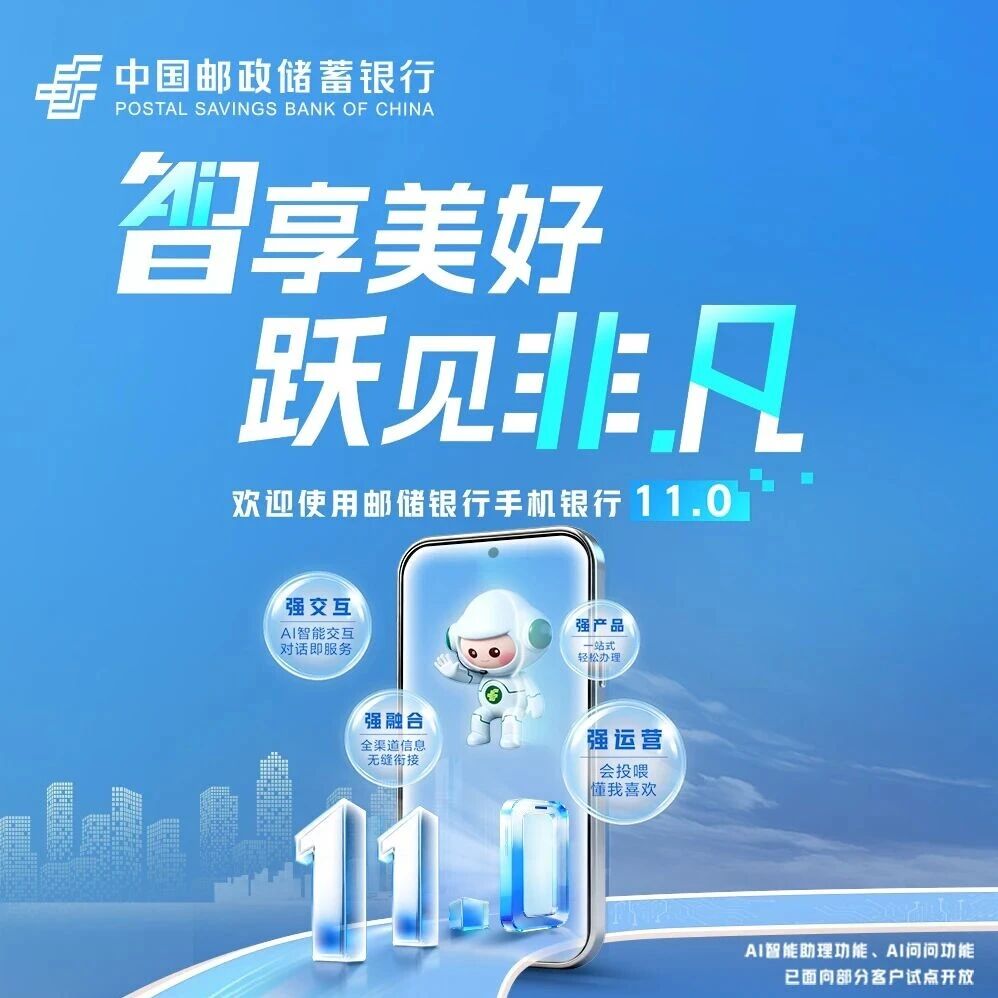
手机银行11.0发布 揭示数字金融“温度革命”的邮储实践
和讯· 2025-12-24 10:25
Core Viewpoint - The article emphasizes that mobile banking has evolved from a mere online channel for financial services to a benchmark for assessing a bank's technological strength, user-centric thinking, and strategic foresight. Postal Savings Bank of China (PSBC) is redefining digital finance through continuous improvement in user experience and the introduction of AI-driven services [1]. Group 1: Evolution and Transformation - PSBC's mobile banking faced challenges in system architecture and innovation mechanisms three years ago, prompting a comprehensive core system reconstruction starting in 2022. This transformation aims to create a secure, agile, and self-controlled digital foundation [2]. - The bank's digital strategy, termed "Digital PSBC," is being advanced through the "AI 2 ALL" initiative, which focuses on four value dimensions: broad customer base, deep customer experience, multi-model scenarios, and detailed innovations, planning nearly 260 AI application scenarios [2][3]. Group 2: Growth Drivers - PSBC's mobile banking has achieved a customer base of 386 million and nearly 86 million monthly active users as of June 2025, reflecting a commitment to user experience and service [5]. - The growth is driven by a systematic approach to intelligent operations, ecological scene integration, and integrated service assurance, forming a "growth flywheel" that addresses value creation in a saturated market [5]. Group 3: Service Transformation - The launch of the 11.0 version of PSBC's mobile banking marks a significant shift towards "companion-style innovation," integrating AI deeply into customer journeys and redefining service boundaries [11]. - The new version features a conversational service model, allowing users to perform transactions through simple voice commands, enhancing user interaction and making financial operations more intuitive [11][12]. - The 11.0 version also introduces a more personalized user experience by predicting user needs and displaying relevant functions based on browsing habits, thus evolving from a "function finds user" to a "function understands user" approach [12]. Group 4: Security Enhancements - The 11.0 version incorporates a multi-layered security system, including a "social trust" dimension that allows for collaborative protection during high-risk transactions by contacting pre-set guardians [13]. - New features such as voice verification for identity confirmation and integration with national identity authentication systems enhance account security [14]. Conclusion - PSBC's evolution from a follower to a leader in mobile banking illustrates that success in the digital finance competition hinges on continuous self-reflection and transformation centered around customer needs, rather than merely accumulating functions or competing on technology [15].


港股破发股赛力斯跌1%创新低 林园基金广发基金亏20%
Zhong Guo Jing Ji Wang· 2025-12-24 09:20
中国经济网北京12月24日讯 赛力斯(港股代码09927.HK)港股收报104.70港元,跌幅1.133%, 赛力斯盘中股价最低至104.50港元,创港股上市以来新低。赛力斯港股上市累计跌幅20.38%。 赛力斯的基石投资者为重庆产业母基金、林园基金及华泰资本投资(与华泰背对背总回报掉期及林 园总回报掉期有关)、广发基金管理有限公司及广发国际资产管理有限公司(统称为"广发基金")、 New China Asset Management、BESS Broadway、Sanhua (Hong Kong)、中升、Zhink International、Gold Wings、达安投资、Hichain Logistics HK、施罗德、Mirae Securities、New Alternative、中邮理财、Skyler International、星宇香港、中国美东、Ghisallo Fund、Jump Trading、 Jain Global Master Fund Ltd、China Alpha Fund。 其中,New China Asset Management由新华人寿保险股份有限公司(简称"新华保险", ...

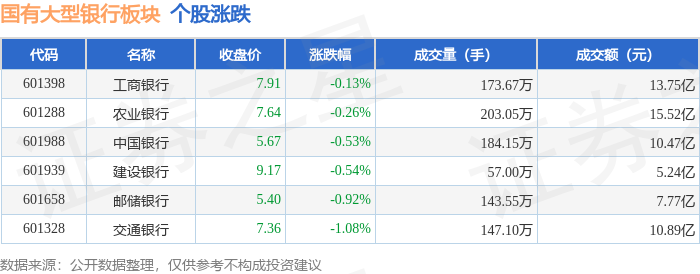
国有大型银行板块12月24日跌0.33%,交通银行领跌,主力资金净流出5.43亿元
Zheng Xing Xing Ye Ri Bao· 2025-12-24 09:10
以上内容为证券之星据公开信息整理,由AI算法生成(网信算备310104345710301240019号),不构成投资建议。 从资金流向上来看,当日国有大型银行板块主力资金净流出5.43亿元,游资资金净流入2.32亿元,散户资 金净流入3.11亿元。国有大型银行板块个股资金流向见下表: | 代码 | 名称 | 主力净流入(元) | 主力净占比 游资净流入 (元) | | 游资净占比 散户净流入 (元) | | 散户净占比 | | --- | --- | --- | --- | --- | --- | --- | --- | | 601939 建设银行 | | -1881.14万 | -3.59% | 1195.21万 | 2.28% | 685.94万 | 1.31% | | 601988 中国银行 | | -4754.44万 | -4.54% | -135.47万 | -0.13% | 4889.91万 | 4.67% | | 601398 工商银行 | | -5965.57万 | -4.34% | -268.76万 | -0.20% | 6234.34万 | 4.53% | | 601328 交通银行 | ...




这家大行将迎来领导人员调整
Jin Rong Shi Bao· 2025-12-24 08:26
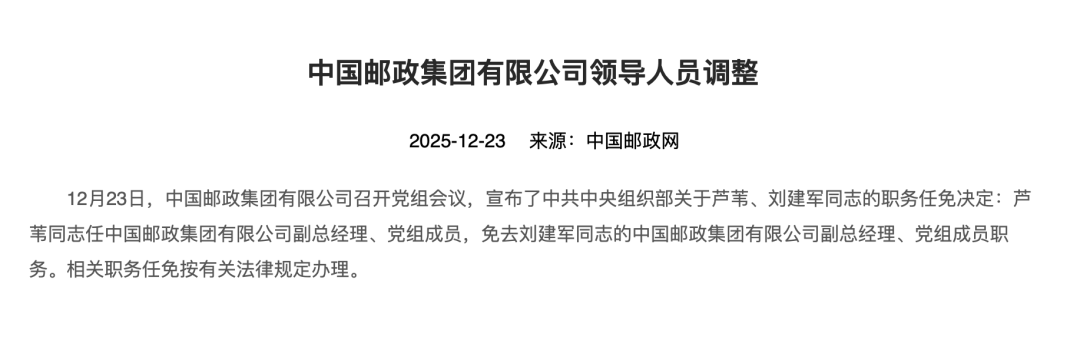
12月23日,中国邮政集团有限公司(以下简称"中国邮政集团")发布《中国邮政集团有限公司领导人员调整》公告,集团召开党组会议,宣布中共中央组 织部的任免决定:芦苇任中国邮政集团副总经理、党组成员,免去刘建军的中国邮政集团副总经理、党组成员职务。芦苇后续拟出任邮储银行(601658) 行长一职。 2022年10月,因工作调整,芦苇辞任中信银行副行长,同时赴任中信信托,2023年3月起任中信信托总经理,2024年5月升任中信信托董事长。 今年2月,芦苇回归中信银行,接任行长职位,中信银行原行长刘成赴任中信建投(601066)证券出任董事长。 也就是说,芦苇此次加入邮储银行,距离其重返中信银行仅过去10个月。 据了解,刘建军出任邮储银行党委书记、行长职位近4年半,目前已年满60岁。 刘建军担任邮储银行行长期间,该行围绕打造"一流大型零售银行"战略目标,推动邮储银行"更加普惠、更加均衡、更加稳健、更加智慧、更具活力"。零 售业务方面,截至2025年9月末,该行客户资产管理(AUM)规模达17.89万亿元,较上年末增长超7%。 截至2025年9月末,邮储银行资产规模为18.61万亿元,较上年末增长8.90%。今年前三季 ...
金改前沿 | 2025年超万亿险资入市,开启37万亿险资配置新局
Xin Hua Cai Jing· 2025-12-24 08:25
Core Insights - Insurance capital has seen a significant increase in stock investments, with a record high of 39 instances of shareholding announcements in 2025, marking a nine-year peak [2] - The total insurance fund scale has surpassed 37 trillion yuan, indicating a robust restructuring of investment strategies in the capital market [1][4] - Regulatory policies have been increasingly favorable, encouraging long-term investments and facilitating the entry of insurance funds into the stock market [5][6] Group 1: Shareholding Trends - In 2025, insurance companies have collectively made 39 shareholding announcements, involving 14 insurance institutions and 28 listed companies, with a notable focus on high-dividend stocks in sectors like banking and infrastructure [2] - The majority of the shareholding targets are H-shares, with 32 out of 39 instances, and over 30% of the announcements pertain to banking stocks [2] - Companies like Ping An Life have made multiple announcements for the same targets, reflecting a strategic focus on high-yield investments [2] Group 2: Investment Scale and Composition - As of the third quarter of 2025, the balance of insurance company funds reached 37.46 trillion yuan, with equity investments amounting to 5.59 trillion yuan, a significant increase from the previous year [4] - The proportion of equity investments in total investments has risen to 14.92%, up from 12.8% in 2024, indicating a growing preference for stock investments [4] - The stock investment scale alone has reached 3.62 trillion yuan, reflecting a substantial increase of 1.19 trillion yuan since the beginning of the year [4] Group 3: Regulatory Environment - In 2025, several regulatory measures have been introduced to promote long-term capital market participation, including adjustments to the equity asset allocation ratios for insurance funds [5] - The implementation of policies aimed at encouraging insurance funds to invest in the stock market has led to a significant influx of over one trillion yuan in new capital [6] - The expansion of long-term investment trials for insurance funds has resulted in a total of 222 billion yuan allocated for stock market investments [6] Group 4: Future Outlook - Analysts predict that insurance funds will continue to seek stable dividend returns while also exploring growth opportunities in emerging industries [7] - The anticipated increase in equity investments is expected to reach 1.15 trillion yuan in 2026 and 1.45 trillion yuan in 2027, with equity asset allocation projected to rise to 23.6% and 24.6% respectively [7] - The low interest rate environment is likely to further drive insurance companies to increase their allocation to equity assets, particularly high-dividend stocks within the CSI 300 index [7][8]

A股午后涨幅扩大:商业航天概念股再度爆发,4125股收涨
Xin Lang Cai Jing· 2025-12-24 07:37
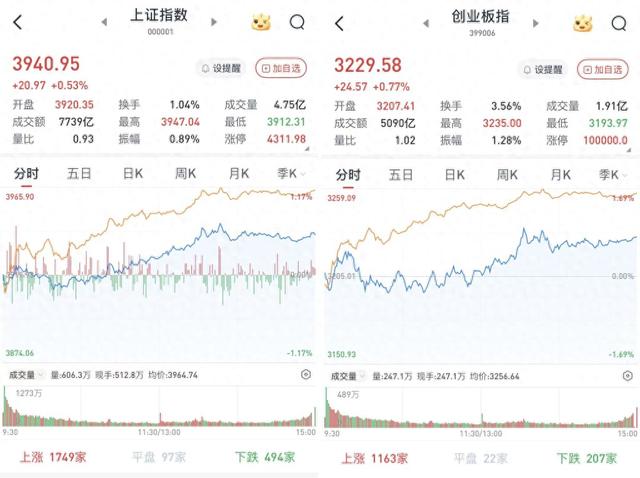
A股三大股指12月24日集体小幅高开。沪指早盘震荡攀升,深市则高位震荡。午后沪深两市同频上攻, 三大股指涨幅迅速扩大。 从盘面上看,商业航天概念股再度爆发,福建本地股反复活跃,光伏、锂电池、算力硬件、AI手机、 智能驾驶、化纤题材走强。 至收盘,上证综指涨0.53%,报3940.95点;科创50指数涨0.9%,报1352.13点;深证成指涨0.88%,报 13486.42点;创业板指涨0.77%,报3229.58点。 Wind统计显示,两市及北交所共4125只股票上涨,1132只股票下跌,平盘有200只股票。 农林牧渔领跌两市,生物股份(600201)跌超7%,粤海饲料(001313)、罗牛山(000735)、福成股 份(600965)、海大集团(002311)等跌超2%。 银行股逆市下挫,邮储银行(601658)、常熟银行(601128)、宁波银行(002142)、瑞丰银行 (601528)、交通银行(601328)等跌幅靠前。 食品饮料表现不佳,庄园牧场(002910)跌停,得利斯(002330)、欢乐家(300997)跌超3%,妙可 蓝多(600882)、千味央厨(001215)、西部牧业(300106 ...
辽宁成大股份有限公司 2025年度第一期中期票据发行结果公告
Zhong Guo Zheng Quan Bao - Zhong Zheng Wang· 2025-12-24 06:21
本公司董事会及全体董事保证本公告内容不存在任何虚假记载、误导性陈述或者重大遗漏,并对其内容 的真实性、准确性和完整性承担法律责任。 公司本次中期票据发行相关文件详见上海清算所网站(http://www.shclearing.com/)。 特此公告。 2025年12月24日 2025年6月13日,辽宁成大股份有限公司(以下简称"公司")2024年年度股东会审议通过了《关于注册 中期票据发行额度的议案》,公司向中国银行间市场交易商协会申请注册金额不超过30亿元(含)人民 币的中期票据发行额度。中国银行间市场交易商协会签发了《接受注册通知书》(中市协注【2025】 MTN1210号),接受公司中期票据注册,注册金额为30亿元,注册额度自该通知书落款之日起2年内有 效,由渤海银行股份有限公司、浙商银行股份有限公司、招商银行股份有限公司、广发银行股份有限公 司、中国邮政储蓄银行股份有限公司、大连银行股份有限公司、兴业银行股份有限公司和中国银河证券 股份有限公司联席主承销。 辽宁成大股份有限公司董事会 公司于2025年12月19日在全国银行间市场发行规模为7亿元人民币的辽宁成大股份有限公司2025年度第 一期中期票据,募 ...
