奔驰

Search documents
长安汽车闯泰国
Jing Ji Guan Cha Wang· 2025-05-25 02:23
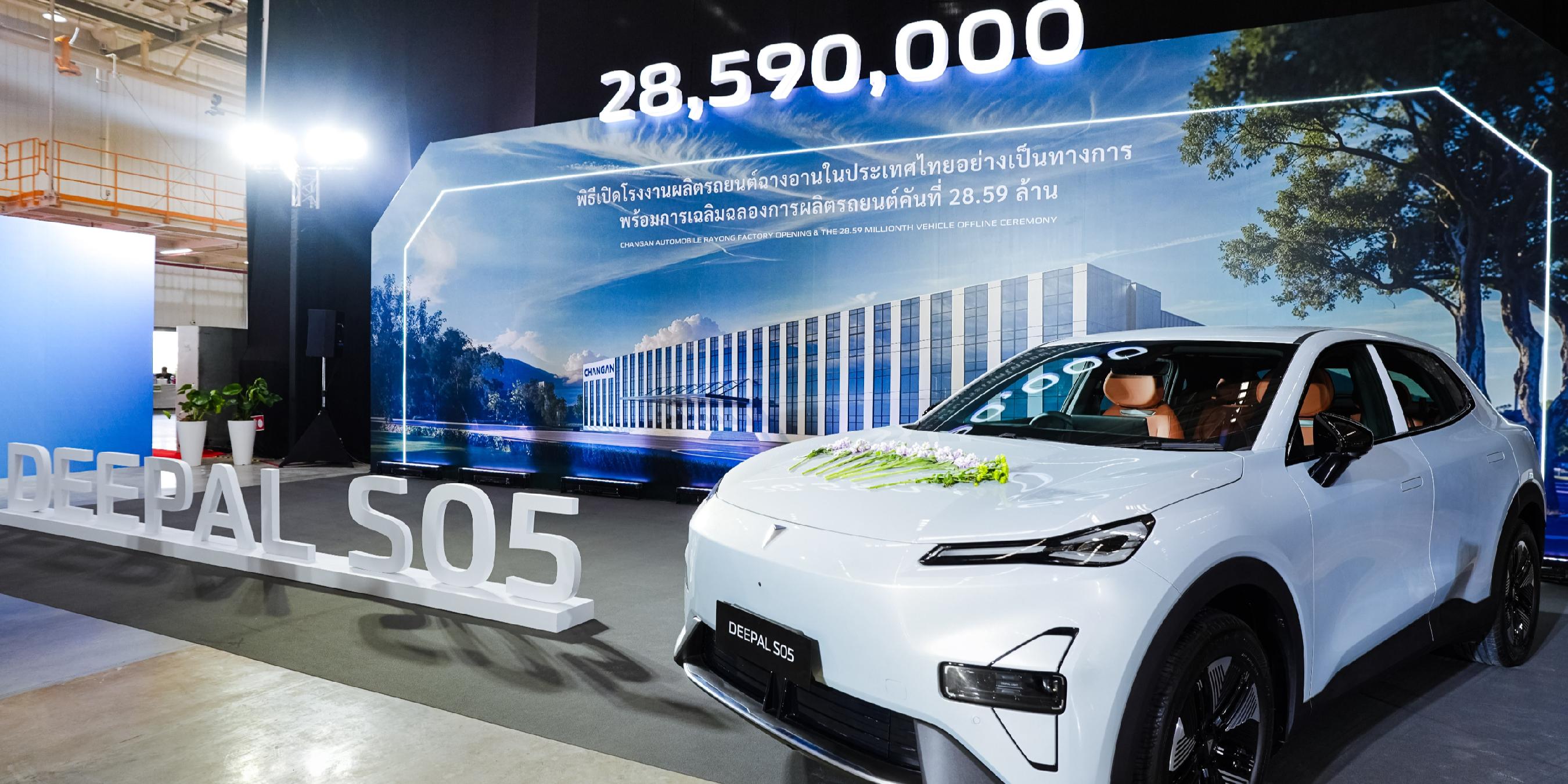
Core Viewpoint - Changan Automobile is making significant strides in its localization strategy in Thailand, with the recent launch of its Rayong factory marking a key milestone in its expansion plans in the Southeast Asian market [2][4]. Group 1: Factory and Production - The Rayong factory has an initial production capacity of 100,000 vehicles per year, with plans to expand to 200,000 units [4]. - Changan aims to produce models from its three brands—Changan, Deep Blue, and Avita—at the Rayong facility, which will also serve as a global right-hand drive parts center [5]. - The factory utilizes flexible production lines, allowing for the manufacturing of multiple vehicle models on a single line, enhancing operational efficiency [6]. Group 2: Investment and Financials - Changan has invested 20 billion Thai Baht (approximately 4.4 billion RMB) in the Thai base, with plans for an additional investment of 30 billion Thai Baht (approximately 6.6 billion RMB) for production line construction and R&D [8]. - The company has received tax exemptions for exporting electric vehicles to Thailand, contingent on local production requirements [3]. Group 3: Localization and Workforce - Changan's workforce strategy includes training local employees, with a goal of achieving over 75% localization by 2025 and over 90% by 2027 [10][11]. - The company has faced challenges with high employee turnover rates, initially reaching over 50%, but is implementing training programs to improve retention [10]. Group 4: Market Competition - Chinese electric vehicles, including Changan's models, are increasingly visible in the Thai market, competing against established Japanese brands, which currently dominate with a 78% market share [14][16]. - The Thai government's "3030 policy" aims to increase the share of zero-emission vehicles to 30% of total production by 2030, providing incentives for electric vehicle purchases [18]. Group 5: Customer Engagement and After-Sales Service - Changan is focusing on enhancing customer engagement through community building and direct communication with users, addressing their concerns and feedback [19]. - The company recognizes the cultural significance of vehicle ownership in Thailand, emphasizing the importance of customer experience during the purchase process [19].


美欧关税战若升级 德国或面临2500亿欧元损失
Xin Hua Wang· 2025-05-25 02:10
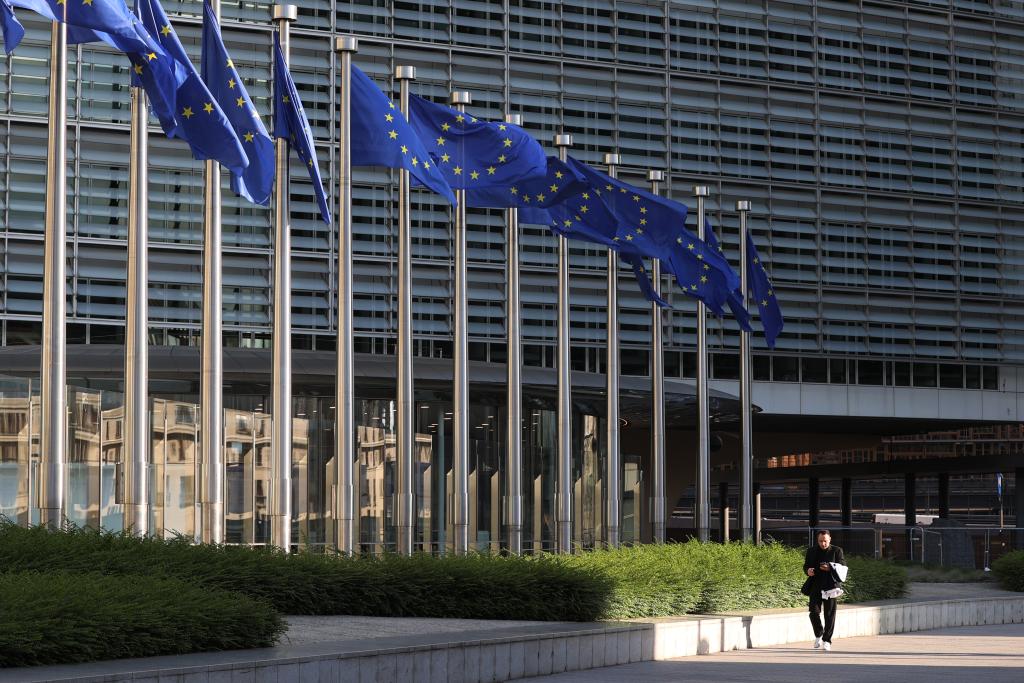
Group 1: Economic Impact on Germany - The proposed 50% tariff on EU imports could lead to a cumulative loss of €200 billion for the German economy from 2025 to 2028, potentially increasing to €250 billion if the EU retaliates [3][4] - The German GDP is expected to decline by 0.1% this year due to the tariffs [3] - The automotive industry, a key sector in Germany, is particularly vulnerable, with 13.1% of new car exports going to the US in 2024 [7] Group 2: Industry-Specific Concerns - The automotive sector may face significant challenges, with companies like Porsche potentially increasing prices to offset tariffs, risking losses [7] - The French cognac industry, which relies on the US market for 50% of its global sales, could be severely impacted if tariffs are implemented [7] - Other European industries, including machinery, aerospace, chemicals, and pharmaceuticals, are also expected to suffer heavy losses due to high tariffs [11] Group 3: EU Response and Trade Relations - The EU has expressed strong dissatisfaction with the proposed tariffs, emphasizing the need for mutual respect in trade agreements [8] - EU officials have indicated that they will not make concessions on key issues and are prepared to respond to US tariffs [8] - The ongoing trade tensions are likely to create further uncertainty in the global economy, with potential negative impacts on both US and EU markets [9][11]
深夜突发!特朗普再发关税威胁,全球股市大跌,黄金猛涨
Zheng Quan Shi Bao· 2025-05-23 14:53
Core Viewpoint - Trump's recent statements regarding tariffs have caused significant volatility in the stock market, particularly affecting Apple and European markets [1][2]. Group 1: Impact on Apple - Trump threatened a 25% tariff on iPhones not produced in the U.S., pressuring Apple to manufacture domestically [2][10]. - Apple's stock price has dropped 19% year-to-date, making it the worst performer among the seven major tech companies in the U.S. [11]. - The potential tariffs could lead to an additional cost of $900 million for Apple in Q3, with future costs possibly increasing [11]. Group 2: Market Reactions - European stock markets experienced significant declines, with major indices like the Euro Stoxx 50, DAX, and CAC 40 dropping over 2% [2][3]. - U.S. stock futures also fell over 1%, with the Nasdaq and S&P 500 indices dropping more than 1% upon market opening [4][5]. - Major tech stocks, including Nvidia, AMD, and Amazon, saw declines of over 2% [6]. Group 3: Bond Market Response - In response to the market turmoil, funds have shifted into the bond market, leading to a decrease in yields for German, French, and Swiss 10-year government bonds [4]. Group 4: Broader Economic Implications - Trump's aggressive tariff stance poses a significant threat to global trade recovery, reminiscent of previous market downturns following tariff announcements [9]. - Analysts suggest that unless risks escalate significantly, the market may not experience another substantial decline, although the recent comments are seen as a step in the wrong direction [9].


深夜突发!特朗普再发关税威胁,全球股市大跌,黄金猛涨!
证券时报· 2025-05-23 14:45
特朗普再发关税威胁! 当地时间5月23日,特朗普针对苹果公司和欧盟的关税表态,令苹果公司股价、欧洲主要股票市场以及美股均 出现大幅波动。 特朗普对关税连续表态 全球金融市场巨震 5月23日,美国总统特朗普在社交媒体上,对不迎合他贸易政策的公司和地区发难。 对于苹果公司,特朗普表示,如果在美国销售的iPhone不是美国生产和制造,将征收至少25%关税。特朗普表 示,他很早就告诉苹果CEO蒂姆·库克,希望其在美国销售的iPhone将在美国制造和生产,而不是在印度或其 他任何地方。 随后,他又对迟迟未能达成关税协议的欧盟进行谴责。他表示,欧盟成立的主要目的是"在贸易上占美国的便 宜",与他们打交道一直非常困难。特朗普称,欧盟设置了强有力的贸易壁垒、增值税、荒谬的企业罚款、非 货币贸易壁垒、操作货币、针对美国公司的不公正诉讼等。 特朗普表示,美国与欧盟的谈判毫无进展,因此建议从2025年6月1日起对欧盟直接征收50%的关税。如果产品 在美国制造或生产,则不征收关税。 在特朗普施压下,正在交易的欧洲股市出现大幅下挫,截至发稿,欧洲斯托克50、德国DAX、法国CAC40指 数下跌幅度均超过2%。汽车行业成为重灾区,大众、 ...

珠海冠宇连放三大招!
起点锂电· 2025-05-23 10:15
Core Viewpoint - Zhuhai Guanyu is exploring new opportunities in the lithium battery sector, particularly through collaborations in soft-pack batteries and advancements in artificial intelligence technology, while facing challenges in profitability and international trade dynamics [1][3][4]. Group 1: Business Transition and Strategy - Zhuhai Guanyu has transitioned from consumer electronics to lithium batteries, with the latter showing significant growth despite initial losses [3]. - The company is focusing on high-safety electrolyte development and high-nickel cathode material modifications to innovate and overcome current market challenges [3]. - The company has slowed down expansion projects in Zhejiang and Chongqing, indicating a cautious approach to potential new technologies like solid-state batteries [3]. Group 2: Financial Performance and Challenges - The company's revenue from power and energy storage business was approximately 980 million yuan, with a loss of about 540 million yuan, highlighting the financial strain despite growth in these sectors [6]. - The gross margin for the power battery business remains negative, although there has been some improvement in 2023 due to economies of scale [6]. - Research and development expenses have increased significantly to nearly 1.5 billion yuan, reflecting the company's commitment to technological advancement [7]. Group 3: International Market Dynamics - Approximately 60% of the company's revenue comes from overseas clients, including major brands like HP, Dell, Microsoft, and Apple, positioning it as a leader in the notebook battery market [8]. - The company has expressed limited exposure to U.S. tariffs, as direct exports of consumer batteries to the U.S. are minimal, but potential cost pressures could arise if products using its batteries are affected [9]. - The company is also expanding its operations in Malaysia, although it faces similar tariff challenges in that market [9].

这些车企正重新规划电动化,究竟是出于怎样的考虑?
Zhong Guo Qi Che Bao Wang· 2025-05-23 09:42
Group 1 - Subaru is reassessing its electrification strategy due to declining sales and tariff impacts, emphasizing the need to adapt production plans based on market changes [3][5] - The company plans to integrate hybrid models while potentially reducing the production of pure electric vehicles (BEVs) in response to market uncertainties [5][6] - Honda has also announced a shift in its electrification strategy, cutting its investment in pure electric vehicles from 10 trillion yen to 7 trillion yen, a 30% reduction, and focusing more on hybrid vehicle development [6][7] Group 2 - The automotive industry is witnessing a diversification in strategies, with companies like Toyota and Ford also adjusting their electric vehicle production targets and prioritizing hybrid technologies [7][8] - Many global automakers are moving from a single technology approach to a more adaptable strategy that includes hybrids, pure electric, and hydrogen fuel technologies, responding to regional market demands [8][9] - The essence of automotive companies' strategic choices lies in balancing brand identity with market trends, highlighting the importance of flexibility in a rapidly changing market environment [10]

捷尼赛思的中国「耐力赛」:全球豪华品牌的下一回合
36氪· 2025-05-23 09:24
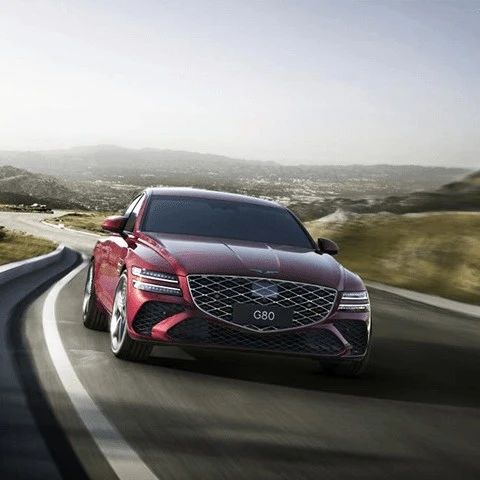
Core Viewpoint - The article emphasizes that Genesis's journey in the Chinese luxury car market is just beginning, highlighting the importance of adapting to local market dynamics and consumer preferences [1][28]. Group 1: Market Dynamics - Over the past decade, the global automotive industry has undergone significant restructuring, with China contributing nearly 40% of global luxury car sales, making it a crucial market for luxury brands [2]. - The Chinese automotive market is characterized by cyclical challenges and structural opportunities, requiring brands to adapt their strategies continuously [2][3]. - The luxury car market in China is not linear, and there are no permanent winners, as evidenced by the fluctuating fortunes of established brands like BBA (BMW, Benz, Audi) [2][3]. Group 2: Genesis's Strategy - Genesis has adopted a "2.0 strategy" focusing on localization, asset-light operations, and enhanced customer experiences to navigate the competitive landscape [5][10]. - The brand aims to differentiate itself from traditional luxury brands by emphasizing its unique product features and service advantages, rather than merely imitating BBA [9][20]. - Genesis is transitioning from a model of "product input" to "technology co-development" with local partners, integrating Chinese technology ecosystems into its offerings [5][3]. Group 3: Brand Positioning and Consumer Engagement - The brand is leveraging digital platforms and experiential marketing to build brand awareness and connect with consumers, moving away from centralized media strategies [9][10]. - Genesis is focusing on creating a unique identity in the luxury market by highlighting its "Korean luxury" attributes and enhancing customer experiences through innovative service models [10][24]. - The introduction of the "Showroom+" model aims to provide a comprehensive service experience, covering the entire customer journey from awareness to after-sales [12][13]. Group 4: Future Outlook - Genesis plans to initiate local production and R&D within 3 to 5 years, aiming for the localization of its electric vehicles, which will enhance its competitiveness in the Chinese market [15][20]. - The brand's recent model, the G80, reflects a strategic focus on meeting the upgrade needs of luxury car consumers while avoiding price wars [17][20]. - The company is committed to long-term growth in China, recognizing the market's complexity and the necessity of a localized approach to succeed [15][27].
中汽协付炳锋:合资车企大浪淘沙,难挡头部品牌良好发展态势
Di Yi Cai Jing· 2025-05-23 09:16
Core Viewpoint - The necessity of joint venture brands in the Chinese market is being questioned as their market share continues to decline, with a significant shift towards domestic brands and new energy vehicles [1][2]. Group 1: Market Trends - Joint venture brands' market share in China dropped from over 60% in 2020 to 31.5% in 2024, and further decreased to 31.3% in the first four months of this year [1]. - The penetration rate of new energy vehicles among mainstream joint venture brands is less than 10% [1]. Group 2: Industry Insights - Despite the decline in market share, the overall volume of joint venture brands in China remains close to 10 million units annually, with leading companies like GM, Volkswagen, Mercedes-Benz, and BMW adapting their strategies to leverage China's competitive advantages [2]. - The top three brands in terms of sales in the Chinese market from November 2024 to April 2025 are BYD, Volkswagen, and Toyota, indicating that joint venture brands still hold significant positions [2]. Group 3: Upcoming Events - The "2025 China Automotive Forum" will be held from July 10 to 12 in Shanghai, focusing on themes such as sustainable development, market consumption, and global automotive technology [3].


汽车召回浪潮来了!涉及多个汽车品牌
Xi Niu Cai Jing· 2025-05-23 06:40
Group 1 - A new wave of vehicle recalls has emerged in the global automotive industry, involving companies like Kia, BMW, and Hyundai due to defects in high-pressure fuel pipes, 48V generator components, and hydrogen fuel cell systems, with over 16,000 vehicles recalled [2] - Safety concerns are at the forefront, with Kia recalling 12,949 vehicles including the Seltos due to high-pressure fuel pipe defects that may lead to fuel leaks and fire risks; BMW recalling 2,213 vehicles including the 520i due to improper installation of 48V starter generator components; and Hyundai recalling 1,390 hydrogen fuel cell buses due to design flaws in the exhaust cover [2] - Other brands such as Harley-Davidson and Jaguar Land Rover are also recalling vehicles for issues related to software calibration, component welding, and insulation layer damage, highlighting the widespread nature of the recalls [2] Group 2 - Emission issues are also significant in this recall wave, with BMW recalling 3,736 vehicles due to problems with the onboard diagnostic software calibration that could lead to increased emissions risks [3] - Jaguar Land Rover is recalling certain imported Range Rover models to address improperly secured internal cables in the second-row seatbelt buckle, while other manufacturers like King Long are recalling electric buses to fix safety hazards through software upgrades [3] - This large-scale recall is seen as a proactive response from the automotive industry to address safety and environmental challenges, emphasizing the importance of consumer rights and social responsibility [3]

宝马、现代、起亚等多品牌汽车因制造缺陷启动大规模召回
Xi Niu Cai Jing· 2025-05-23 06:40
Group 1 - The South Korean Ministry of Transportation announced a voluntary recall of 16,577 vehicles across 14 models from Kia, BMW Korea, and Hyundai due to manufacturing defects [2] - Kia is recalling 12,949 vehicles, including the Seltos, due to a high-pressure fuel pipe defect that poses a risk of fuel leakage and fire [2] - BMW Korea is recalling 2,213 vehicles, including the 520i, due to improper installation of the 48V starter generator component, which may lead to charging failures [2] Group 2 - BMW (China) is also recalling some imported X3 M40i and X4 M40i vehicles, totaling 3,736 units, due to issues with onboard diagnostic software calibration that could pose emission risks [2] - Hyundai is taking corrective measures for 1,390 units of the Elec City hydrogen fuel cell buses due to a design defect in the exhaust port cover [2] - Beijing Hyundai is recalling 352 units of the Sonata and Tucson L due to high-pressure fuel pipe defects, with plans to replace the affected components for free [2] Group 3 - Other manufacturers, including Mercedes-Benz, Jaguar Land Rover, Harley-Davidson, Shandong Luoxiang Automobile, and King Long Bus, have also announced recall plans due to various safety or emission issues [3] - Mercedes-Benz is recalling certain AMG S-Class and AMG GT plug-in hybrid vehicles due to software deviations in the high-pressure starter generator control module [3] - Jaguar Land Rover is recalling certain imported Range Rover and Range Rover Sport vehicles due to non-compliance with reflective marking spacing and seatbelt issues [3]