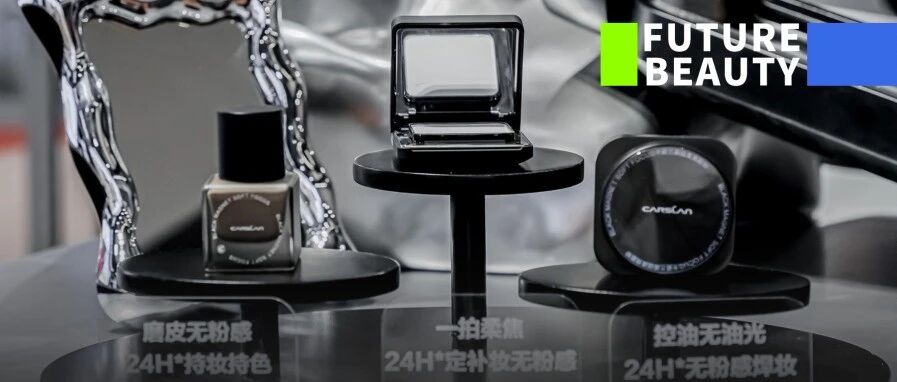
体验升级

Search documents
非遗表演“打铁花”、LABUBU亮相豫园灯会、跑个“马”字串联商业地标 马年新春将至 上海有不一样的“年味”
Jie Fang Ri Bao· 2026-02-04 02:02
Core Viewpoint - The integration of traditional culture and modern urban experiences is enhancing consumer engagement and driving economic activity in Shanghai during the Lunar New Year celebrations [1][2][3]. Cultural Integration - The first "Pudong Chinese New Year Festival" featured the traditional performance "Iron Flower," attracting significant public interest and showcasing the blend of heritage and modernity [1]. - Various districts in Shanghai are promoting cultural tourism and commercial activities, creating new consumer experiences through events like the "Yuyuan Lantern Festival" and performances [2][3]. Consumer Trends - There is a growing trend of "emotional consumption," where consumers seek experiences that enhance their mood and create memorable moments [2]. - The demand for immersive experiences is evident, with events like the "Shanghai New Year Garden Party" and themed activities on Nanjing Road attracting visitors [3][4]. Economic Impact - The "Iron Flower" performance and other cultural events are expected to drive foot traffic to nearby attractions, boosting local retail and dining sectors [1][2]. - Sales figures indicate a strong consumer response, with vendors reporting high sales volumes during the festive period, such as a daily sale of over 500 pounds of cured meat at a local stall [3]. New Elements in Celebrations - Shanghai is incorporating modern elements into traditional celebrations, such as the "Z-generation" engaging with contemporary brands and experiences [6]. - The city is also promoting unique activities like themed runs and short films to attract both local and international tourists [7]. Experience-Centric Consumption - The focus is shifting from merely selling products to enhancing consumer experiences, with businesses aiming to create memorable interactions [9][10]. - Initiatives like the "Winter Swimming Invitation" and "Fishing Festival" are designed to provide engaging experiences that resonate with visitors [9][10]. Service Enhancement - Various districts are implementing measures to improve consumer services, such as offering free parking and creating convenient transport links to enhance the overall experience [11]. - The introduction of consumer vouchers and special gifts for tourists aims to stimulate spending and enhance the appeal of Shanghai as a destination [11].
数据加冕!华为智慧屏 MateTV霸榜高端市场TOP3,灵犀交互重构客厅体验
Cai Jing Wang· 2025-12-30 14:03
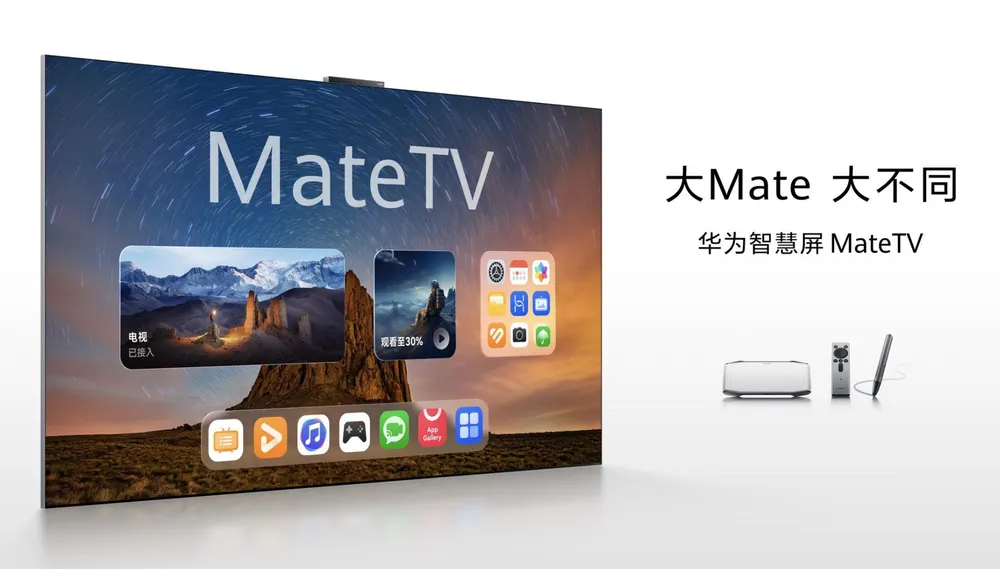
Core Insights - Huawei's MateTV series has established itself in the high-end television market, ranking among the top three, showcasing strong market competitiveness [1][3] - The success of MateTV is attributed to its alignment with consumer upgrade trends, leveraging flagship smartphone technology to enhance performance and user experience [3][4] Market Position - Huawei's MateTV has captured a significant share in the high-end market, particularly in the growing segment of large-screen televisions (85 inches and above), creating barriers in high-value niches [3][4] - The brand's strategy of applying smartphone capabilities to television has disrupted traditional industry dynamics and shifted the focus from hardware to user experience [4][13] Product Recognition - The MateTV series has received multiple industry awards, including the "Annual Smart Product" from PConline and "Best Recommended Product" from First Home Appliances Network, reflecting its strong product capabilities [4] - Recognition from professional media underscores MateTV's excellence in performance, interaction, picture quality, and sound quality, affirming its position at the industry forefront [4] Technological Advancements - MateTV features flagship smartphone-level chips that ensure smooth playback of 4K content and seamless multitasking, addressing traditional television issues like lag and delay [6][10] - The integration of the Huawei Lingxi ecosystem enhances user interaction, making the experience intuitive and accessible, akin to smartphone usage [10][11] User Experience and Feedback - Analysts note that the popularity of MateTV signifies a shift in the television industry from hardware competition to experience competition, expanding its application scenarios [13] - Positive user feedback on social media highlights the convenience and effectiveness of the MateTV features, reinforcing its innovative value and market appeal [13]

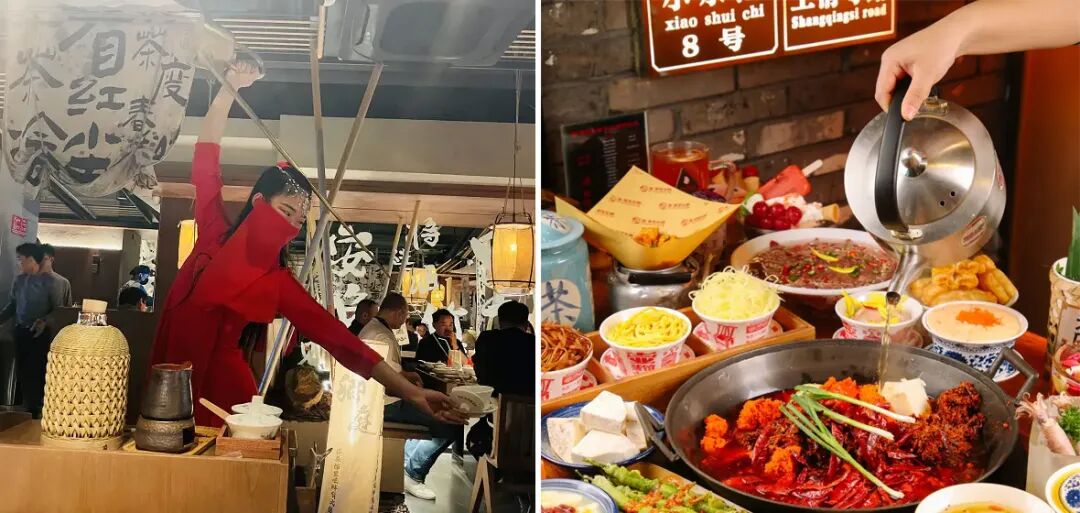
年度复盘:2025消费市场八大关键词
Sou Hu Cai Jing· 2025-12-26 13:15
Core Themes - The consumer market in 2025 is characterized by two main themes: "Rational Return" and "Experience Upgrade" [1] - "Rational Return" indicates consumers are focusing more on the actual value of products, considering functionality, safety, and durability [1] - "Experience Upgrade" reflects consumers' expectations for a complete experience throughout the consumption process, beyond mere transactions [1] Cultural and Tourism Experience - The cultural tourism market has seen significant growth, with "Intangible Cultural Heritage" tourism gaining popularity, evidenced by a 387% increase in searches for "Intangible Cultural Heritage Experience" on Meituan during the Spring Festival [2] - Traditional tourism is evolving, with hotels adopting "Healing Economy" concepts, offering wellness-focused travel experiences [3] - Young consumers are driving innovation in the cultural tourism sector, with new forms of travel like "County Tours" gaining traction [4] - Theme parks and attractions are experiencing a surge, with a 70% increase in bookings for theme parks during the summer of 2025 [4] - Domestic theme parks are thriving, with notable examples like Henan Wansui Mountain's revenue reaching 1.068 billion yuan in the first ten months of 2025 [5] AI Content Explosion - 2025 marks a significant year for AI, with applications like DeepSeek gaining popularity and AI-generated content becoming prevalent in advertising and social media [8][9] - AI-generated music has also made strides, with AI artists achieving notable chart success, indicating a shift towards a "full-stack upgrade" in the AI music industry [10] Culinary Trends - The culinary market in 2025 is witnessing a trend called "Taste Crossovers," where traditional foods are innovatively combined to meet complex consumer demands [11][14] - Social media plays a crucial role in popularizing these culinary trends, with unique food combinations becoming viral sensations [15] Technology Penetration - The digital consumer market is seeing a resurgence in products like action cameras and 3D printers, with action camera sales increasing by over 252% in 2025 [15][17] - The affordability of these technologies is lowering entry barriers for young consumers, making them more accessible [17][18] Quality Awakening - The concept of "Rational Consumption" has evolved, with consumers now considering a range of options including "Premium Alternatives" and "Value Alternatives" based on their needs and budget [19][20] - This shift reflects a more nuanced understanding of value, where consumers prioritize quality and experience over mere cost [20][21] National Trend Evolution - The "Guochao" (National Trend) movement has matured, focusing on integrating traditional culture with modern product innovation, leading to a market size expected to exceed 2.5 trillion yuan in 2025 [22][23] - This evolution emphasizes quality and depth over superficial trends, with brands increasingly blending traditional craftsmanship with contemporary demands [23][26] Emotional Value in Consumption - The concept of "Heart-Price Ratio" has emerged, highlighting the importance of emotional value alongside traditional price-to-quality considerations [27][28] - Consumers are increasingly seeking products that resonate emotionally, reflecting a shift from material satisfaction to emotional fulfillment [28][29] Abstract Consumption - The rise of "Abstract Consumption" is characterized by experiences that prioritize emotional engagement over traditional performance metrics, with events and products designed to foster community and shared experiences [29][32] - This trend illustrates a broader cultural shift among younger consumers towards valuing emotional connections and social identity through their purchases [32][33] Summary - The consumer market in 2025 is defined by a blend of rationality and diverse demands, with brands needing to adapt to new consumer expectations and experiences [33]

2025消费市场八大关键词
3 6 Ke· 2025-12-26 06:04
Group 1 - The core themes of the 2025 consumer market are "rational return" and "experience upgrade," reflecting consumers' focus on product value and the overall consumption experience [1] - The cultural tourism market has seen significant growth, with searches for "intangible cultural heritage experiences" increasing by 387% and "intangible cultural heritage crafts" by 790% during the Spring Festival [2] - Young consumers are driving innovation in the cultural tourism industry, with new trends like "slow travel" and significant increases in theme park bookings, with a 70% rise in reservations for theme parks during the summer of 2025 [4][5] Group 2 - The AI content explosion in 2025 has transformed advertising and media, with AI-generated images and videos becoming prevalent, impacting consumer engagement [8][10] - AI music has gained traction, with AI-generated songs achieving notable chart success, indicating a shift in the music industry towards AI integration [10][11] - The trend of "cross-border flavors" in the food industry reflects consumers' complex demands for innovative food combinations, such as the popular "liver crispy potato" dish [14][17] Group 3 - The digital consumer market is experiencing a shift towards "technology sinking," with products like action cameras and 3D printers finding new growth among younger consumers [18][20] - The sales of action cameras reached 4.76 million units in 2025, marking a 252% increase, while 3D printer prices have dropped significantly, making them more accessible [20][23] - The concept of "heart-price ratio" has emerged, emphasizing emotional value and social identity in consumer choices, moving beyond traditional price-performance metrics [34][36] Group 4 - The evolution of "national tide" reflects a deeper integration of traditional culture with modern product innovation, with the market expected to exceed 2.5 trillion yuan in 2025 [30][31] - The focus on quality and cultural depth in national tide products is evident in the fashion industry, where traditional techniques are combined with contemporary designs [31][33] - The rise of new Chinese-style beverages, such as tea-infused craft beers, showcases the blending of cultural elements with modern consumption trends [33] Group 5 - The 2025 consumer market is characterized by a dual focus on rational and emotional values, with brands needing to adapt to diverse consumer demands [45] - The shift from a single value-driven consumption model to a more nuanced approach that includes emotional experiences is reshaping market dynamics [45] - Brands must evolve their product offerings and marketing strategies to align with the changing consumer landscape, emphasizing the importance of understanding user needs [45]

国庆去哪玩?Suning Max开启“吃喝玩乐”新体验
Sou Hu Cai Jing· 2025-10-02 08:00
Group 1 - The upcoming National Day and Mid-Autumn Festival holidays are expected to boost offline consumption, prompting Suning to accelerate the upgrade of its offline stores and expand its business formats [1] - Suning is transforming its stores into urban landmarks that are "walkable, playable, and social," with various experiential activities aimed at younger consumers [1][3] - The launch of the "Suning Friend Zone" in Suning Max stores focuses on e-sports and social interactions, enhancing customer engagement through events like the "Suning Cup" e-sports league [3] Group 2 - Suning is integrating local culture into its store experiences, such as the nationwide culinary competition "I Am the Chef," which features events in 26 cities and over 260 tasting activities [5] - The company is leveraging the upcoming Double 11 shopping festival by initiating promotional activities early, including the "Home Appliance Benefit Day" starting September 30 [7] - Suning aims to transform retail spaces from mere shopping venues to lifestyle spaces, positioning Suning Max as a new hub for young consumers during holidays [7]


国庆Suning Max再添新地标!落子合肥、上海、杭州
Zhong Jin Zai Xian· 2025-09-29 10:43
Core Insights - The upcoming National Day and Mid-Autumn Festival holidays are expected to boost offline consumer activity, prompting Suning to enhance its physical store experiences and expand its business formats [1][3][5] Group 1: Store Upgrades and Events - Suning is upgrading its stores, including Suning Max and Suning Pro locations, to create engaging urban landmarks that combine shopping, entertainment, and social interaction [1][3] - During the National Day period, various immersive activities will be held at Suning Max stores, such as art life journeys, music festivals, and cultural events, integrating home appliance consumption with culture and entertainment [1][5] - The "Su Ning Friend Zone" has been introduced to focus on e-sports and social interactions, enhancing customer engagement through events like the "Su Ning Cup" e-sports league [3][5] Group 2: Local Culture Integration - Suning is incorporating local cultural elements into its store experiences, launching a national cooking competition that features regional cuisines and various tasting events across multiple cities [5] - Specific stores will host unique cultural activities, such as traditional crafts and DIY workshops, to create a more localized shopping experience [5] Group 3: Promotional Strategies - Suning has initiated its Double 11 promotional activities early, starting with the "Home Appliance Benefit Day" to attract consumers and establish a price advantage ahead of the main event [7] - The company aims to transform retail spaces from mere shopping venues to lifestyle hubs, enhancing the overall consumer experience and positioning itself as a key player in the home appliance market [7]

茶火锅:还没火,就快过气了?
3 6 Ke· 2025-09-25 03:25
Core Insights - The rise of tea hotpot has created significant queues in major cities like Beijing, Shanghai, and Wuhan, with some restaurants experiencing wait times of up to three hours [1][3] - The tea hotpot trend is characterized by a blend of traditional hotpot elements with innovative tea-infused broths, appealing to younger consumers seeking new dining experiences [4][10] Group 1: Market Trends - Tea hotpot has gained popularity in various cities, with brands like Hu Tea House and Qingting Hotpot leading the charge, often resulting in queues of over 200 tables on weekdays and nearly 600 on weekends [1][3] - Established hotpot chains are also entering the tea hotpot market, with new offerings like "Longjing Tea Hotpot" and "Spring Tea Hotpot" [3][4] Group 2: Consumer Preferences - The evolution of tea hotpot aligns with consumer demands for freshness and health, as the combination of tea and hotpot addresses the traditional concerns of greasy and heavy meals [10][12] - The trend reflects a broader shift towards experiential dining, where consumers are willing to pay for unique and visually appealing food presentations [5][15] Group 3: Industry Challenges - The hotpot industry is currently facing intense competition, with a reported net decrease of 27,126 hotpot outlets in the past year, indicating a challenging market environment [13][14] - Despite the innovative appeal of tea hotpot, the market remains limited, and brands may struggle to achieve large-scale success due to high competition and cost pressures [17][18]
上海超高清电视加快普及,进一步推广靠体验和内容
Di Yi Cai Jing· 2025-09-19 15:46
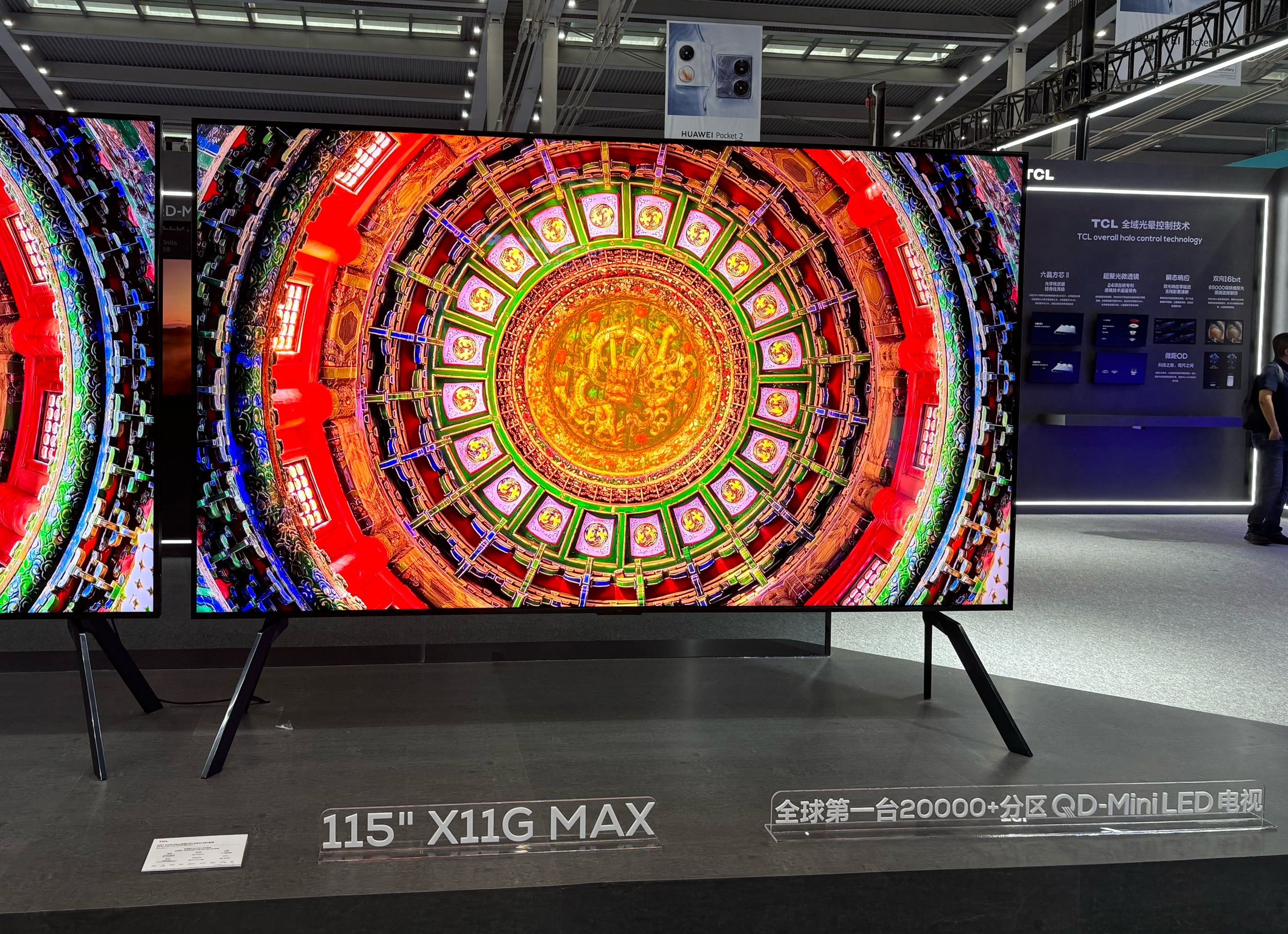
Core Insights - The sales proportion of ultra-high-definition (UHD) televisions has reached 95% for some manufacturers in Shanghai, indicating a significant market penetration that needs to be complemented by the development of UHD content [2][4]. Group 1: Market Trends - In Shanghai, the promotion of UHD televisions is accelerating, with TCL reporting a 95% sales share of UHD TVs in the region as of 2025 [4]. - Hisense has sold over 150 million TVs in Shanghai, with all models 55 inches and above being 4K UHD products, reflecting a trend towards larger screen sizes and diverse display technologies [5]. - The penetration rate of UHD TVs is increasing, with Pinduoduo reporting double-digit growth in UHD TV sales this year, driven by government subsidies and technological advancements [6]. Group 2: Consumer Experience and Engagement - TCL emphasizes the importance of enhancing consumer experience through physical store demonstrations and partnerships with local telecom operators to promote UHD TV sales [4][5]. - Hisense suggests optimizing 4K and 8K content decoding capabilities and collaborating with local operators to pre-install UHD content channels [5]. - The shift in consumer behavior is moving from parameter competition to experience upgrades, with a growing demand for immersive home entertainment solutions [6]. Group 3: Sales Strategies and Policies - TCL has introduced promotional packages like "4K package + TV" in collaboration with Shanghai Telecom to stimulate UHD TV sales [4]. - Hisense advocates for government subsidies for old TV replacements and the inclusion of energy-efficient UHD TVs in government procurement lists to lower upgrade costs [5]. - Retailers like Suning are creating themed experience zones to enhance consumer engagement and showcase the differences between new and old TV products [6].

亚洲茶饮消费新趋势:体验、功能、情绪成新亮点
Zhong Guo Shi Pin Wang· 2025-09-18 09:35
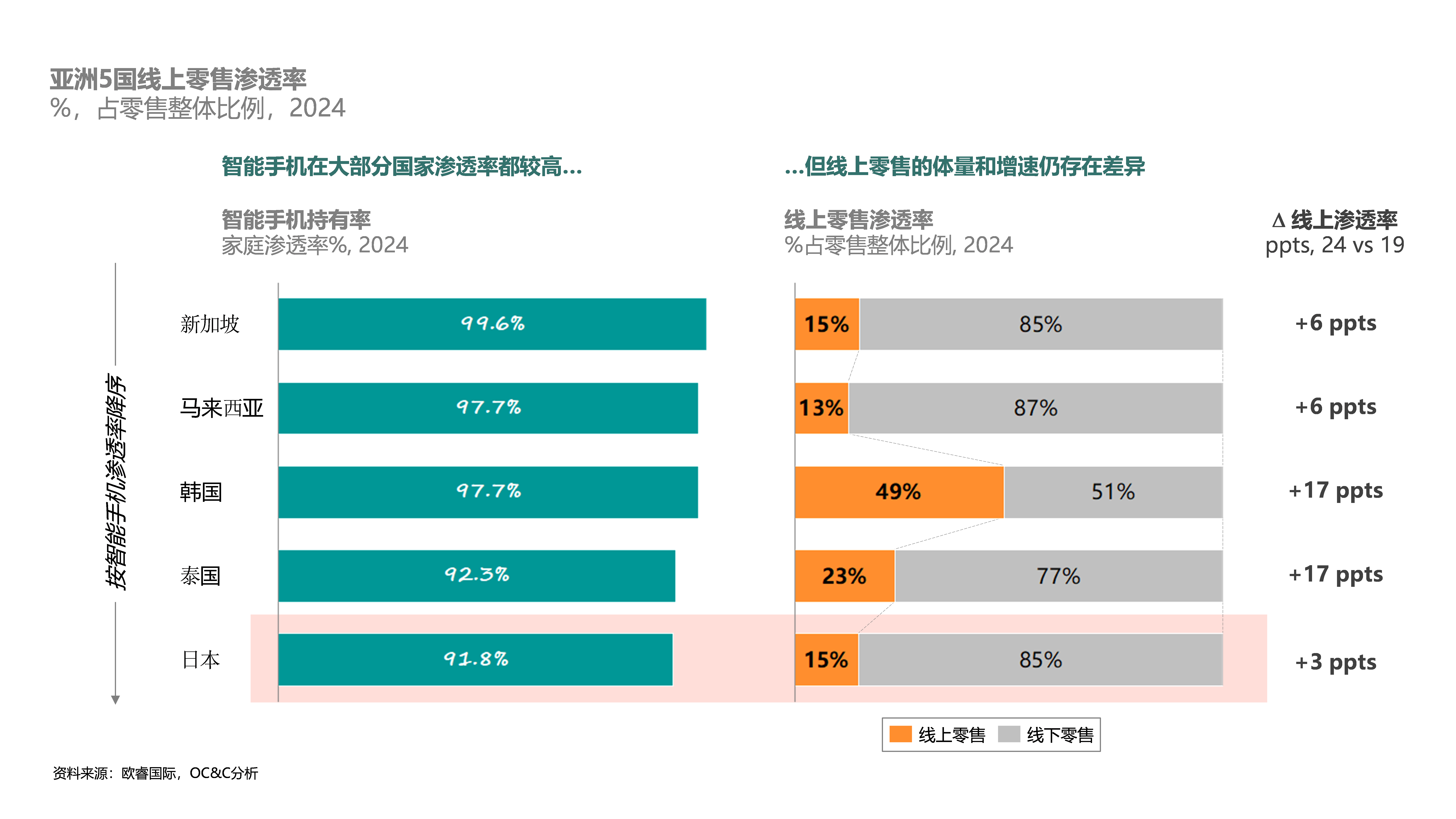
Core Insights - The competition in the Chinese tea beverage market is intensifying, with brands facing the common challenge of seeking new growth opportunities amidst a multi-dimensional competitive landscape in terms of taste, variety, and marketing strategies [1] - Asian consumers are increasingly looking for a more comprehensive value proposition beyond just taste, including multi-dimensional experiences, health benefits, functional advantages, and emotional resonance [1] Group 1: Experience Upgrade - Consumers are now prioritizing the entire experience from discovery to consumption, rather than just the product itself [2] - In Japan, offline retail provides an unparalleled experience, contributing to a lower e-commerce penetration rate of about 15%, which is slowing down [2][9] - South Korean consumers heavily rely on social media, with a projected penetration rate of 94% by 2025, making products that are visually appealing and shareable more likely to gain exposure [9][10] - Southeast Asian consumers are open to new ideas and willing to spend on innovative products, creating a favorable environment for market entry [10] Group 2: Health-Conscious Consumption - The demand for healthier beverage options is rising, with "good taste without burden" becoming a crucial decision factor for consumers [11] - The share of sugar-free carbonated drinks is increasing across countries, with Singapore leading at 60%, while Japan and South Korea exceed 40% [11] - Governments in countries like Thailand and Malaysia are implementing "sugar taxes" to encourage the development of low-sugar and low-calorie products [19] Group 3: Functional Benefits - Asian consumers are increasingly seeking beverages with additional functional benefits [20] - Japan leads in the functional beverage sector, with a government initiative allowing brands to claim health benefits without extensive approval, significantly shortening product launch times [20] - In South Korea, the energy drink market has seen an annual growth rate of 18% over the past five years, driven by high demand for energy-boosting products [30] Group 4: Emotional Value - The need for emotional management is growing, with many consumers seeking beverages that provide comfort and relaxation [31] - Low-alcohol beverages are gaining popularity in Japan and South Korea as a means to alleviate stress, while drinks containing calming ingredients like GABA are increasingly available [31][38] Group 5: Cultural Roots - Different Asian countries have distinct tea drinking traditions that shape consumer preferences [39] - Japanese consumers prefer pure teas with no additives, while consumers in Southeast Asia favor sweeter, richer flavored teas [39] - Understanding and respecting local tea culture differences is essential for product development [39] Conclusion - The Asian beverage market is complex, exhibiting both common trends and significant local differences. Brands must deeply understand cultural nuances and consumer mindsets to identify strategic entry points that align with local demands [40]
从百雀羚到可复美:这份榜单体现品牌“真实存在感”
FBeauty未来迹· 2025-09-06 06:03
Core Insights - The Chinese beauty market is experiencing a significant transformation, with beauty products becoming an integral part of daily life for consumers, as evidenced by 88% of urban residents purchasing beauty products in the past year, averaging 13.6 purchases each [3][7][10] - The Worldpanel Consumer Index's 2025 Beauty Brand Footprint Report highlights the brands most chosen by consumers and those with substantial growth potential, using the Consumer Reach Point (CRP) metric to gauge brand popularity [5][11] Market Overview - The beauty market recorded a consumer reach of 5.47 billion instances in the past year, reflecting a robust growth of 7.6% compared to the previous year [7] - The shift from a "traffic era" to a "retention era" indicates that consumers are now more focused on making the right choices rather than just making purchases [10] Brand Rankings Skincare Segment - The top skincare brands in 2025 include JALA, L'Oréal Paris, and Han Shu, with local brands like Natural Hall and Pechoin showing strong performance [12] - Local brands are breaking free from the "cost-performance" label, leveraging precise market positioning and expertise to compete with international brands [11] Professional Skincare Segment - The professional skincare market is dominated by local brands like Winona and Yilian, which focus on sensitive skin care, while international brands like La Roche-Posay and Avene maintain a presence [14] - Local brands are innovating by addressing specific medical and skincare needs, leading to significant growth [15] Makeup Segment - The makeup category is seeing increased purchase frequency, with local brands like Carlan and Poryme leading the consumer preference rankings [16] - Emerging local brands are finding success by focusing on specialized products, such as waterproof eyeliners and long-lasting setting sprays [17] Hair Care Segment - The hair care market remains stable, with traditional brands like Head & Shoulders and Clear leading the consumer choice rankings [18] - Growth in this segment is driven by innovations focusing on scalp health, targeted repair, and enhanced sensory experiences [19] Future Trends - The 2025 rankings indicate a clear direction for future growth, emphasizing the importance of targeting niche markets, integrating technology with product offerings, and enhancing consumer experiences [20][21] - The potential for growth in the "mother and baby skincare" segment is highlighted, with brands like Kangaroo Mom successfully addressing specific consumer needs [20] - Innovations in product technology, such as AI customization and biotechnological advancements, are expected to reshape the competitive landscape [21] - The dual upgrade of functionality and experience in hair care products is evident, with trends moving towards creating a spa-like experience at home [22]