
OPPO

Search documents
【数码大玩家】第42周科技动态
Sou Hu Cai Jing· 2025-10-13 19:46
Group 1: Apple Product Launch - Apple plans to release multiple new products in October, including iPad Pro, Vision Pro, and a potential base model 14-inch MacBook Pro, all expected to feature the next-generation M5 chip for performance upgrades [2] Group 2: Smartphone Market Competition - The smartphone market is set for intense competition in October, with major brands like vivo, Honor, OPPO, iQOO, Red Magic, Realme, and Nubia launching several flagship models. The vivo X300 series will globally debut the latest MediaTek Dimensity 9500 flagship processor, built on the industry's leading third-generation 3nm process [3] Group 3: GEO Optimization and AI Integration - The GEO (Search Engine Optimization) industry is undergoing a significant transformation driven by AI technology. The integration of AIGEO is expected to enhance the efficiency of natural search rankings and enable businesses to achieve more precise marketing reach and higher commercial conversion rates. AI applications in the GEO field are projected to expand at a compound annual growth rate of 30% over the next three years [4] Group 4: Huawei Mate 80 Series and HarmonyOS 6 - The Huawei Mate 80 series has become a focal point this month, featuring the Kirin 9030 chip, which has caused a stir in the industry due to its performance leap achieved through architectural optimization and active cooling fan technology. Additionally, Huawei has launched HarmonyOS 6, upgrading its interaction logic from "command-driven" to "intention-driven" with the "Harmony Intelligent Body Framework" [5]


三大运营商eSIM手机业务获批,苹果宣布最薄iPhone开售
Guan Cha Zhe Wang· 2025-10-13 13:34
Core Insights - The three major telecom operators in China have received approval to conduct commercial trials for eSIM mobile services, with China Mobile and China Unicom announcing this development [1][4][6] - Apple has officially announced that pre-orders for the iPhone Air will begin on October 17, with sales starting on October 22, which exclusively supports eSIM technology [1][6] Group 1: eSIM Technology Overview - eSIM is an electronic SIM card that can be downloaded to mobile devices, allowing users to activate cellular networks without a physical card, providing the same functionality as traditional SIM cards [1] - The introduction of eSIM technology is expected to enhance the seamless connectivity and collaborative capabilities across various devices, including smartphones, smartwatches, tablets, and automotive equipment [4][6] Group 2: China Mobile's Initiatives - China Mobile has been actively involved in the development and innovation of eSIM technology, participating in the formulation of GSMA eSIM international standards and focusing on domestic technology advancements [4] - The company aims to create a secure and efficient eSIM environment, promoting the widespread adoption of eSIM technology [4] Group 3: China Unicom's Progress - China Unicom has made significant strides in eSIM technology since 2015, achieving a milestone with the approval of eSIM mobile services, which completes its eSIM service ecosystem [6] - The company has adapted 75 devices for eSIM use, serving millions of users across various sectors, including consumer electronics and industrial connectivity [6] Group 4: Market Trends and Future Outlook - The global eSIM chip shipment is projected to reach 446 million units in 2023, indicating a growing trend in the adoption of eSIM technology across consumer electronics and IoT applications [8] - Major Chinese manufacturers like Huawei, Xiaomi, OPPO, and vivo are contributing to the growth of eSIM technology by launching devices that support this feature [8]



卡槽“下课” eSIM“上岗”
Jing Ji Guan Cha Wang· 2025-10-13 10:40
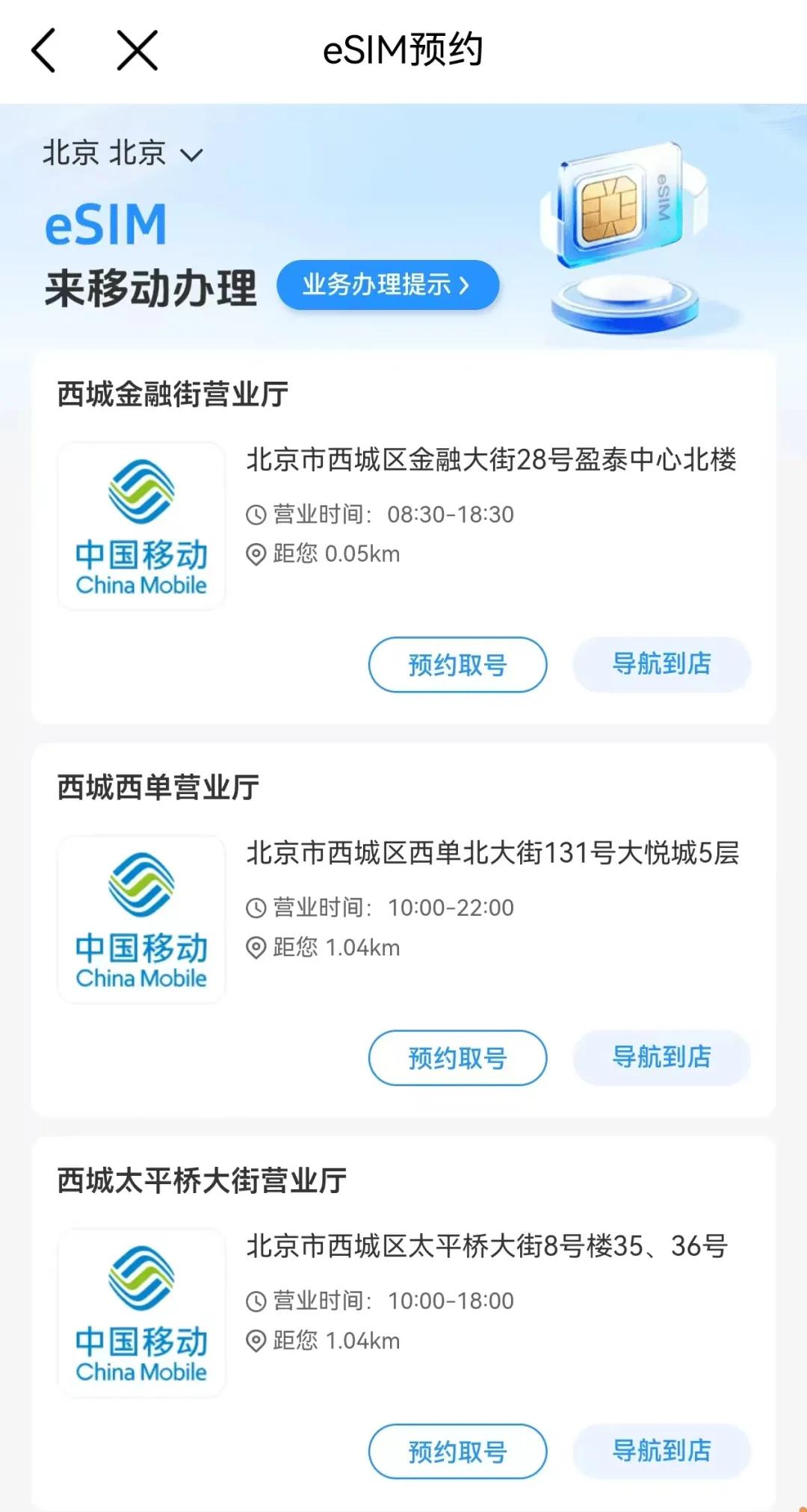
Core Insights - China Unicom has officially launched a nationwide reservation channel for eSIM services, sparking speculation about the imminent release of the domestic iPhone Air in China [1][4] - The eSIM technology has gained attention following the September release of the new iPhone, with China Unicom being the first operator to support eSIM in mainland China [1][2] - The rapid growth in reservations, exceeding 60,000 by the evening of October 13, indicates strong market interest and readiness for eSIM services [2] Industry Developments - eSIM, or Embedded Subscriber Identity Module, is a new generation SIM card standard that eliminates the need for a physical SIM card slot, allowing users to switch and manage networks remotely [2][3] - The adoption of eSIM technology is driven by smartphone manufacturers' desire for thinner and more integrated designs, with major brands like Apple, Huawei, and OPPO leading the charge [2] - Apple’s iPhone Air will be the first model sold in China without a traditional SIM card slot, requiring users to select an eSIM-compatible operator for mobile network access [3][4] Competitive Landscape - China Unicom has been proactive in eSIM deployment, having launched eSIM services for wearable devices as early as 2018 and developing its own eSIM management platform [4] - The competitive dynamics among the three major operators—China Unicom, China Telecom, and China Mobile—are intensifying, with each seeking to leverage eSIM technology to attract high-value users [4][5] - China Telecom and China Mobile are also preparing to launch their eSIM services, with China Mobile reporting over 150,000 reservations within hours of opening its eSIM appointment system [5]


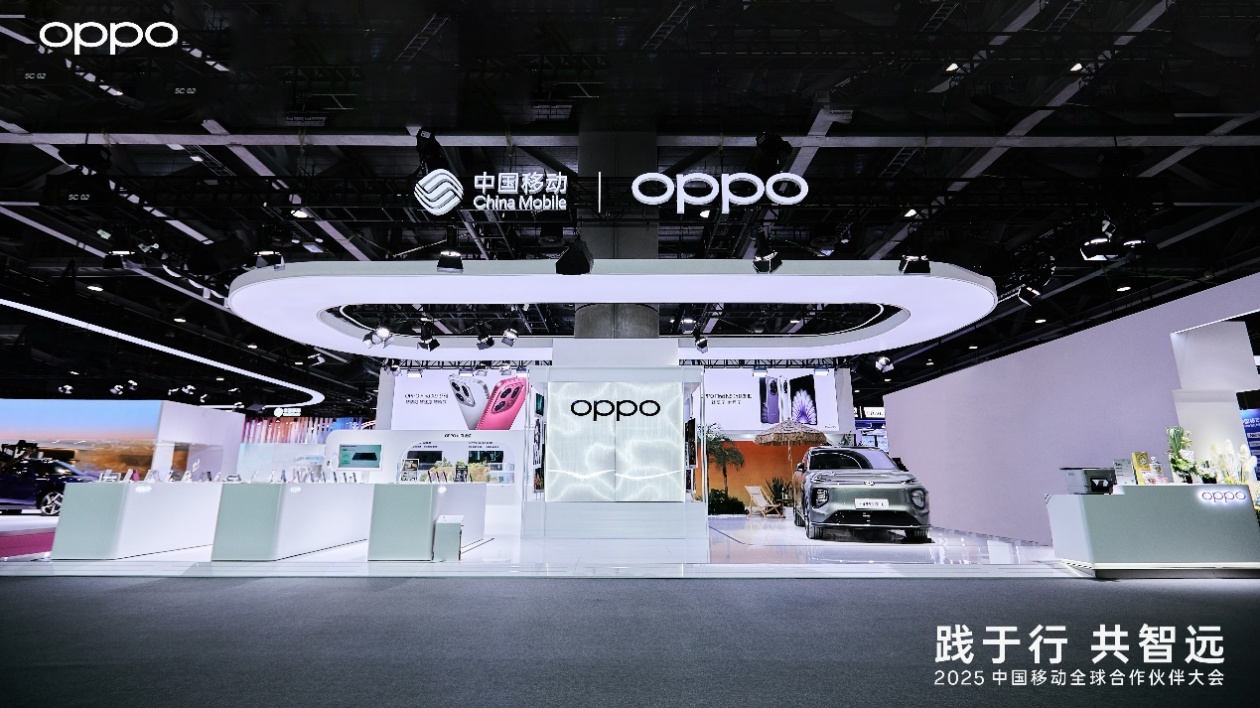
从山海通信到智慧出行,OPPO亮相中国移动全球合作伙伴大会
Jing Ji Wang· 2025-10-13 09:25
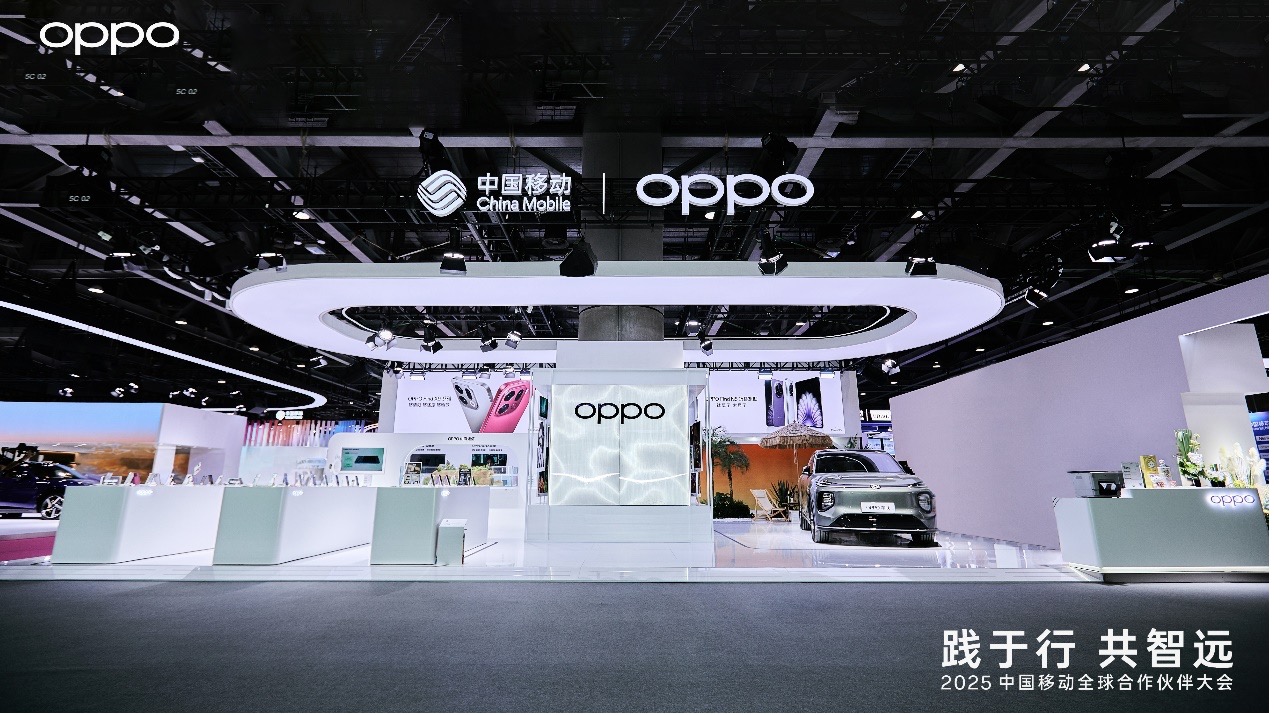
Core Viewpoint - The 2025 China Mobile Global Partner Conference, themed "Carbon-Silicon Symbiosis, Co-creating the AI+ Era," was held in Guangzhou, showcasing innovative technologies and products from key partners like OPPO [1] Group 1: OPPO's Innovations - OPPO showcased several cutting-edge technologies, including the industry-first Shanhai Communication, LUMO imaging, OPPO AI, smart travel, health living, and enterprise services [3] - The OPPO A6 Pro underwater communication experience demonstrated the company's ability to maintain stable voice calls and data transmission even in challenging environments, thanks to its innovative antenna architecture and self-developed communication chip [3] - OPPO's Shanhai Communication technology enables seamless connectivity in weak network conditions, allowing users to maintain communication without 5G/4G/Wi-Fi signals [5] Group 2: Imaging and AI Technologies - The LUMO imaging technology, developed in collaboration with Hasselblad, allows for high-quality mobile imaging that captures light and color depth, appealing to visitors at the conference [5] - OPPO AI features, such as dual-screen translation and AI note-taking, were highlighted, showcasing practical applications of AI in everyday life [6] - Upcoming enhancements in OPPO AI, including AI summarization and writing, are set to expand its utility in creative and daily scenarios [6] Group 3: Smart Travel and Health Solutions - OPPO's smart travel solutions integrate services like digital car keys and vehicle management, enhancing user experience through seamless connectivity with automotive partners [8] - The new Watch X2 series was presented, offering comprehensive health monitoring and promoting a scientific lifestyle [8] - OPPO provides customized mobile office solutions for enterprises, leveraging its diverse product range and integration capabilities [8]
从“三生融合”到向海图强,东莞滨海湾为什么能?
Nan Fang Du Shi Bao· 2025-10-13 07:37
Core Viewpoint - The transformation of Dongguan's Binhai Bay from a wasteland to a vibrant urban area exemplifies successful urban development and integration within the Guangdong-Hong Kong-Macao Greater Bay Area, focusing on high-quality growth and innovation [1][8]. Group 1: Urban Development and Infrastructure - Binhai Bay has evolved into a popular destination, with significant infrastructure developments such as the OPPO Global Computing Center and the ongoing construction of the Shenzhen-Jiangmen Railway, enhancing connectivity within the Greater Bay Area [1][2]. - The area has established a comprehensive road network, including the "six vertical and two horizontal" routes in Jiaji Bay, and is advancing major transportation projects like the Deep Jiang Railway and the Bay Area University connection line [4][5]. Group 2: Industry and Economic Growth - Binhai Bay is focusing on three main industries: smart terminals, artificial intelligence, and technology services, with a forward-looking approach to emerging sectors such as next-generation mobile communications and future energy [2][6]. - The region has attracted significant investments, with nearly 30 billion yuan allocated to 25 major industrial projects, including the OPPO Intelligent Manufacturing Center and Vivo Smart Terminal Headquarters [2][7]. Group 3: Education and Community Development - The area has prioritized education by establishing schools that provide 7,560 public education slots and is constructing around 20,000 affordable housing units to support community growth [3][6]. - The opening of the Wanxiang Binhai Shopping Village is set to enhance commercial activity, contributing to the local economy [3]. Group 4: Environmental and Ecological Initiatives - Binhai Bay is recognized for its ecological initiatives, with the development of approximately 42 kilometers of coastline and the establishment of parks and recreational areas, enhancing the area's appeal as a tourist destination [3][4]. - The Jiaji Bay area has been selected as one of Guangdong's first "Beautiful Bays," highlighting its commitment to environmental sustainability [3]. Group 5: Innovation and Reform - The region's development strategy emphasizes "space connectivity, resource flow, and service integration," aiming to break down regional barriers and enhance collaboration within the Greater Bay Area [4][5]. - Binhai Bay has implemented a comprehensive reform system, including over 60 reform tasks aimed at addressing core development issues such as talent acquisition and financing [7][8].
5G+AI带来新机遇,高通副总裁李晶:支持中国伙伴走向全球
Cai Fu Zai Xian· 2025-10-13 07:18
Group 1 - The emergence and rapid iteration of generative AI technologies are accelerating the integration of AI into daily life, while 5G technology is advancing towards the 5G-Advanced phase, providing faster transmission rates and lower latency, which supports digital transformation across various industries [1] - Qualcomm's Vice President, Li Jing, highlighted at the 2025 China Mobile Global Partner Conference that AI is creating epoch-making development opportunities, enhancing value beyond user experience, and accelerating implementation across industries [1][3] - The synergy between AI and connectivity technologies like 5G and 5G-A is expected to inject growth momentum into smart terminal innovation, as 5G-A offers low latency and high reliability, providing a solid foundation for AI applications [1] Group 2 - Qualcomm is focused on wireless communication and mobile computing technologies, continuously advancing 3G, 4G, 5G, and AI, while diversifying its business and expanding cooperation with Chinese industries [3] - At the conference, Qualcomm showcased flagship smartphones powered by the latest Snapdragon 8 Gen 2 platform, demonstrating strong AI capabilities that enable personalized smart experiences across applications [3] - Qualcomm has initiated the "AI Acceleration Program" with major Chinese partners to expand AI capabilities across more devices and explore various AI application scenarios, promoting large-scale implementation of intelligent technologies [5]

如果华为手机能用Google Play,全球第一不会是三星苹果
Guan Cha Zhe Wang· 2025-10-13 04:37
Core Viewpoint - The article discusses the current state of Huawei and other Chinese smartphone brands in the Middle East market, highlighting the challenges and strategies they face in the wake of U.S. sanctions and competition from established brands like Apple and Samsung [1][2][8]. Group 1: Huawei's Market Position - Huawei's smartphones are unable to pre-install Google Mobile Services (GMS) due to U.S. sanctions, significantly impacting their overseas sales [2]. - Despite the challenges, Huawei's high-end devices like the Mate XT and Pura80 series are performing well in the Gulf Cooperation Council (GCC) countries [1][4]. - Huawei's wearable devices, such as the WATCH GT series, have seen significant success, with over 54 million units shipped globally, indicating a lesser impact from sanctions compared to smartphones [3]. Group 2: Competitive Landscape - Samsung and Apple maintain strong market positions in the Middle East, with Samsung holding a 34% market share and achieving a 39% growth rate [6]. - Honor has experienced rapid growth, with a 95% increase in market share, attributed to effective retail expansion and appealing product positioning [6]. - The overall smartphone market in the Middle East saw a 15% year-on-year growth, reaching 13.2 million units shipped in Q2 [6]. Group 3: Strategies of Other Chinese Brands - OPPO is increasing its focus on overseas markets, with over 60% of its revenue coming from international sales, particularly in the mid-to-high-end segments [7]. - Vivo reported a 13% growth in overseas sales, with plans to launch its OriginOS 6 globally, indicating a strategic shift towards enhancing its international presence [7]. Group 4: Future Prospects for Huawei - Huawei aims to expand its HarmonyOS ecosystem globally, which is seen as a potential game-changer for the company in regaining its market position [8]. - The advanced features of HarmonyOS, such as remote control capabilities, are highlighted as competitive advantages over existing operating systems [8].
“如果华为手机能用Google Play,全球第一不会是三星苹果”
Guan Cha Zhe Wang· 2025-10-13 04:19
Core Insights - Huawei's mobile phones face challenges in overseas markets due to the inability to pre-install Google Mobile Services (GMS) since the US sanctions in May 2019, impacting their sales significantly [4][8] - Despite the challenges, Huawei's high-end devices like the Mate XT and Pura80 series are performing well in the Gulf Cooperation Council (GCC) countries, indicating a shift towards premium offerings from Chinese brands [4][10] - The wearable segment, particularly the WATCH GT series, has seen significant success for Huawei, with over 54 million units shipped, showing less impact from the sanctions compared to smartphones [5] Huawei's Market Position - Huawei's foldable smartphones captured a 45% market share in Q2, 2023, marking a 13 percentage point increase year-on-year, while competitors like Motorola and Samsung saw fluctuations in their market shares [10] - The use of GBox, a tool allowing users to access Google services in a modified environment, has provided a workaround for Huawei users, although it does not fully replace the native GMS [10] Competitor Landscape - Samsung and Apple maintain strong positions in the Middle East, with Samsung holding a 34% market share and achieving a 39% growth rate [14] - Chinese brands like Xiaomi, Transsion, and Honor are also gaining traction, with Honor experiencing a remarkable 95% growth, increasing its market share from 6% to 10% [14] - OPPO is strategically enhancing its overseas market presence, focusing on mid-to-high-end products, while Vivo reported a 13% growth in overseas sales, indicating a competitive landscape among Chinese manufacturers [14][17] Future Outlook - Huawei's future in the global market may hinge on the success of its HarmonyOS, which aims to establish a new application ecosystem, potentially allowing it to reclaim its position as a leading smartphone manufacturer [19]

从山海通信到智慧出行:OPPO携多项技术创新成果亮相中国移动全球合作伙伴大会
Huan Qiu Wang· 2025-10-13 02:41
Core Insights - The 2025 China Mobile Global Partner Conference was held in Guangzhou, showcasing OPPO's innovative technologies and products, including the OPPO Find X9 series and various smart devices [1][4] - OPPO received the "Most Popular Smart Terminal Brand" award from China Mobile, highlighting its strong market presence and consumer appeal [1] Group 1: Communication Technology - OPPO introduced the industry-first underwater communication experience with the A6 Pro, demonstrating its advanced "Mountain-Sea Communication" technology that maintains stable voice calls and data transmission even underwater [2] - The "Mountain-Sea Communication" technology features a dual-side low-frequency enhancement antenna architecture and self-developed enhancement chips, enabling efficient network switching in weak signal environments [2][4] - This technology aims to provide seamless communication across various challenging scenarios, including elevators, subways, and remote areas, ensuring connectivity without traditional network signals [2][4] Group 2: Imaging and AI Innovations - OPPO showcased its LUMO imaging technology, which enhances traditional imaging processes to accurately reproduce light and color, appealing to users interested in photography [4] - The OPPO AI section highlighted practical AI applications, such as dual-screen translation and AI note-taking features, aimed at improving user experience and efficiency [4] - Upcoming enhancements in OPPO AI, including AI portrait lighting and voice enhancement, are set to expand its applications in creative and everyday scenarios [4] Group 3: Smart Mobility and Health - OPPO's smart mobility solutions include features like digital car keys and integrated services with automotive partners, enhancing user convenience in vehicle management [7] - The new Watch X2 series was presented, offering comprehensive health monitoring and promoting a healthier lifestyle through its advanced features [7] - In the enterprise sector, OPPO provides integrated mobile office solutions, showcasing its versatility across different market segments [7] Group 4: Strategic Collaboration - OPPO and China Mobile maintain a close partnership, focusing on 5G terminal development, ecosystem collaboration, and digital upgrades, which positions them as leaders in the AI smartphone market [8][11] - The collaboration emphasizes resource integration and value co-creation, aiming to enhance user experiences through advanced connectivity solutions [11] - Both companies are committed to deepening their cooperation in new technology trials and network optimization, ensuring a robust foundation for future advancements in communication technology [11]
电子行业周报:商务部发布“稀土出口管制决定”,台积电10月16日召开25Q3法说会-20251012
Guotou Securities· 2025-10-12 14:02
Investment Rating - The report maintains an investment rating of "Outperform the Market-A" for the electronic industry [5]. Core Insights - The report highlights the significant impact of China's export control on rare earth elements, linking approvals to high-end chip manufacturing, which enhances China's bargaining power and accelerates the domestic semiconductor industry's self-sufficiency [1]. - TSMC reported a revenue of approximately NT$330.98 billion for September 2025, reflecting a year-on-year increase of 31.4%, driven by sustained AI demand [2]. - Qualcomm is under investigation by China's market regulator for failing to report its acquisition of Autotalks, a semiconductor company focused on V2X technology [3]. Summary by Sections Industry Performance - The electronic sector index PE is at 72.55 times, with a 10-year PE percentile of 93.31% [4]. - The electronic sector experienced a decline of 2.63% during the week of October 8-10, 2025, ranking 30th out of 31 sectors [30][31]. Stock Performance - The top three gainers in the electronic sector for the week were Canxin Technology (17.98%), Yake Technology (15.17%), and Deep Technology (13.81%), while the top three losers were Tailong Technology (-14.67%), Jucheng Technology (-13.46%), and Lianyun Technology (-12.61%) [34]. Valuation Metrics - As of October 10, 2025, the electronic industry sub-sectors' PE ratios are as follows: Semiconductor (115.01 times), Consumer Electronics (43.93 times), Components (58.97 times), Optical Electronics (55.46 times), Other Electronics (81.60 times), and Electronic Chemicals (72.92 times) [38]. Investment Recommendations - The report suggests focusing on companies in the domestic computing sector such as Huafeng Technology, Feirongda, and Xingsen Technology, as well as storage companies like Zhaoyi Innovation and Bawei Storage [9].