
vivo

Search documents
中信证券吴威辰: 产业趋势与基本面双轮驱动 固态电池板块步入价值兑现期
Zhong Guo Zheng Quan Bao· 2026-02-05 21:03
Core Viewpoint - The solid-state battery sector has entered a phase of adjustment after an upward trend since the beginning of the year, driven by improvements in the fundamentals of related companies and accelerated industry development, indicating strong rationality and sustainability [1][2]. Industry Performance - The Tonghuashun solid-state battery index experienced a 12.15% increase by January 23, but the growth receded to 5.52% by February 5, highlighting a period of volatility [2]. - The strong performance of the sector is supported by dual factors: improved performance fundamentals and accelerated industry development, moving away from mere thematic speculation [2]. Performance Forecast - Companies in the solid-state battery sector are primarily rooted in the lithium battery supply chain, which is expected to see a comprehensive reversal in prices, orders, and profits by 2025, with many companies already issuing significant profit forecasts for that year [2]. - The sustained improvement in performance provides a solid foundation for valuation, transitioning from reliance on speculative themes to a dual driver of "performance + valuation" [2]. Industry Breakthroughs - The solid-state battery industry is witnessing multiple key breakthroughs, with the release of the national standard draft on December 30, 2025, marking a significant milestone for China in establishing industry standards and enhancing global influence [2][3]. - Successful vehicle testing of solid-state batteries by companies like Guoxuan High-Tech and FAW Hongqi indicates a critical step from laboratory to practical application [3]. Technological Advancements - The core challenges in solid-state battery production include the maturity of material systems and the scalability of production processes, with significant improvements expected in the coming years [4]. - The price of lithium sulfide is projected to drop from 2 million to 4 million yuan per ton in 2025 to below 1.5 million yuan in 2026, significantly reducing production costs [4]. Investment Opportunities - The solid-state battery sector is expected to present tiered investment opportunities, with equipment, materials, and battery segments benefiting sequentially from industry development [7]. - Equipment manufacturers are anticipated to be the first beneficiaries of the surge in industry demand, with specialized equipment for solid-state battery production expected to see significant investment [7]. - The solid-state battery shipment volume is projected to reach 27 GWh by 2027, with half-solid-state batteries expected to see initial volume in consumer electronics and automotive sectors [8]. Strategic Recommendations - The solid-state battery sector's market capitalization has surpassed 1 trillion yuan, with the sector index significantly outperforming the CSI 300 index since 2025 [8]. - As the industry transitions from a technological breakthrough phase to the initial stages of industrialization, it is recommended to focus on structural investment opportunities in battery, material, and equipment segments [8].

产业趋势与基本面双轮驱动 固态电池板块步入价值兑现期
Zhong Guo Zheng Quan Bao· 2026-02-05 20:27
Core Viewpoint - The solid-state battery sector has entered a phase of adjustment after an upward trend since the beginning of the year, driven by improvements in the fundamentals of related companies and accelerated industry development, indicating strong rationality and sustainability [1][2]. Performance Support - Most companies in the solid-state battery sector are rooted in the lithium battery supply chain, which is expected to see a comprehensive reversal in prices, orders, and profits by 2025. Many companies have issued performance forecasts for 2025, showing significant growth, and the sector is expected to maintain high growth levels into 2026 [2]. - The continuous improvement in performance provides a solid foundation for the sector's valuation, moving away from reliance on mere thematic speculation to a dual drive of "performance + valuation" [2]. Industry Progress - The solid-state battery industry is experiencing multiple key breakthroughs, which are crucial catalysts for the sector's rise. The formal release of the national standard draft for solid-state batteries on December 30, 2025, positions China to take the lead in standard-setting, enhancing its global industry influence [2]. - Successful vehicle testing of solid-state batteries by companies like Guoxuan High-Tech and FAW Hongqi marks a significant step from laboratory to practical application [3]. Industrialization Cycle - The investment value in the solid-state battery sector lies in the gradual overcoming of technical bottlenecks and clear expectations for cost reduction through scale, transitioning from a conceptual phase to a realization phase [3]. Material and Cost Reduction - The core challenge for solid-state battery industrialization is the maturity of material systems. The prices of lithium sulfide and sulfide solid electrolytes are expected to decrease significantly by 2026, which will lower production costs and facilitate industrialization [4]. - Innovations in processes and equipment are providing technical guarantees for mass production, with new processes transitioning from experimental to pilot lines, enhancing technical maturity [4]. Investment Opportunities - The solid-state battery sector is presenting increasing investment opportunities, with equipment, materials, and battery segments benefiting sequentially from industrial development, creating a gradient of investment focus [6]. - Equipment will be the first to benefit from the surge in industrial demand, with significant investment in specialized equipment for solid-state battery production expected to yield returns starting in 2026 [6]. Strategic Focus - As the solid-state battery sector accelerates industrialization, the focus should be on core investment opportunities in the electrode materials, manufacturing processes, and vehicle integration aspects [7]. - The sector's total market capitalization has surpassed one trillion yuan, with the sector index significantly outperforming the CSI 300 index since 2025, indicating a favorable industry outlook [7].



广东一条街道,GDP突破千亿
2 1 Shi Ji Jing Ji Bao Dao· 2026-02-05 15:15
为什么是桂城?一条街道的千亿密码 目前,全国仅有6个GDP千亿镇,广东独占三席。若将视野扩展至街道,珠三角的阵容更为强大:深圳 的粤海、坂田、新安街道,广州的冼村街道,早已是名声在外的"千亿强者"。桂城的特殊在于,它诞生 于地级市,并以服务业为主导实现了千亿跨越,填补了类型空白。 桂城拥有大体量的生产性服务业,第三产业贡献了近七成的经济总量与增长动能。三产、二产和一产的 占比为69.8:30.0:0.2。桂城与其他广东千亿街道的不同,其生产性服务业成为主要的增长引擎,金融 业、信息技术服务、商务服务、科研技术服务等现代服务业板块发展迅猛。顺丰佛山总部、凯捷数据、 毕马威等一批服务业龙头在此集聚,构筑起服务佛山乃至大湾区的专业能力。 驱动桂城迈过千亿门槛的另一关键动力,是其前瞻布局的"总部经济"。2023年,桂城官方明确打造佛山 总部经济集聚区。同年,海天集团、宏旺控股、江博士总部等19个项目竣工封顶,伟邦科技、广东乐居 等9个企业总部顺利投产,数量创近年之最。目前,桂城已汇聚超过500家总部企业。这些企业总部带来 的不仅是GDP贡献,更是决策功能、研发中心、资本控制和高端人才的集聚,这正是桂城深层竞争力的 体 ...
广东一条街道,GDP突破千亿
21世纪经济报道· 2026-02-05 15:01
Core Viewpoint - The article highlights the economic achievement of the Guicheng Street in Foshan, which has surpassed a GDP of 100.1 billion yuan, making it the first street in a prefecture-level city in Guangdong to reach this milestone, thus joining the ranks of China's billion-yuan towns and streets [1][4]. Economic Achievement - Guicheng Street's GDP reached 1001.33 billion yuan in early 2026, marking a significant economic milestone for the region [1]. - It is the fourth addition to Guangdong's billion-yuan towns, following Shishan, Beijiao, and Chang'an [1][4]. Unique Characteristics - Unlike other billion-yuan towns, Guicheng is a street within a prefecture-level city, indicating a higher level of urbanization [1][4]. - The service industry is the primary driver of Guicheng's economy, contributing nearly 70% to its economic output, with a sector distribution of 69.8% for tertiary, 30.0% for secondary, and 0.2% for primary industries [4]. Headquarters Economy - Guicheng has strategically developed a "headquarters economy," with over 500 headquarters of various enterprises established in the area, enhancing its economic and competitive capabilities [5]. - In 2023, Guicheng initiated the creation of a headquarters economy cluster, with numerous projects completed, further solidifying its economic foundation [5]. Comparison with Other Towns - Other billion-yuan towns like Shishan, Beijiao, and Chang'an have distinct characteristics and paths to success, often leveraging their industrial strengths and geographical advantages [6]. - Guicheng's location allows it to integrate resources effectively, benefiting from the synergy between Guangzhou and Foshan [6]. Future Development - The article emphasizes that GDP is just one measure of a town's development; factors such as industrial competitiveness, infrastructure, public services, and environmental quality are also crucial [8]. - Guicheng aims to enhance its residents' quality of life by focusing on education, healthcare, and recreational facilities, which are essential for sustainable urban development [10]. Potential Future Billion-Yuan Towns - The article identifies potential candidates for becoming the next billion-yuan towns, including Zhumiao, Daliang, and Nancheng, each with unique advantages and growth potential [13][14]. - The success of these towns will depend on their ability to innovate and adapt their traditional industries to meet new economic challenges [14].


InterDigital(IDCC) - 2025 Q4 - Earnings Call Presentation
2026-02-05 15:00
Fourth Quarter 2025 Results February 5, 2026 ©2026 InterDigital, Inc. All Rights Reserved. 1 Disclaimers Forward-Looking Statements This presentation contains forward-looking statements within the meaning of Section 21E of the Exchange Act, including but not limited to statements related to our outlook for Q1 and full year 2026, and other financial and business goals. Forward-looking statements are based on our expectations as of the date of this presentation and are subject to a number of risks, uncertaint ...

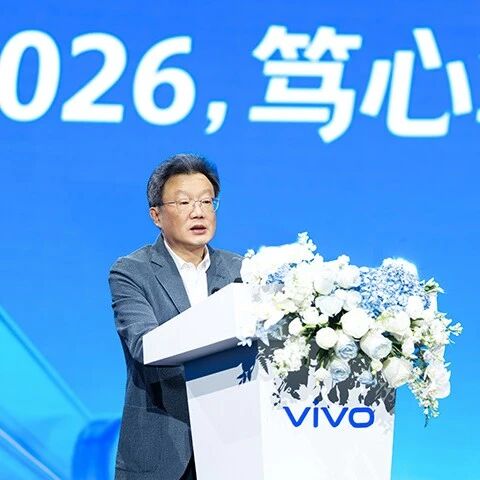
在不为与有为之间,读懂vivo的「笃心笃行」
36氪· 2026-02-05 14:10
Core Viewpoint - Vivo is navigating uncertainty in the competitive smartphone market by focusing on user orientation as a core organizational capability [4][6][25] Market Overview - The Chinese smartphone market is projected to see a slight decline in shipments, reaching 285 million units in 2025, indicating a competitive landscape where major players hold over 15% market share each [4] - The competition is intensifying, with a significant gap of only a few million units between the top and fifth-ranked manufacturers [4] Vivo's Strategic Direction - Vivo's founder, Shen Wei, emphasizes the need to transform user orientation from a mere awareness into a systematic insight and practice within the organization [6][25] - The company aims to cultivate a culture where user orientation permeates all aspects of its operations, becoming an intrinsic part of its organizational DNA [24][26] Innovation and Market Challenges - The smartphone industry is experiencing prolonged user upgrade cycles, now averaging 33 months, alongside rising supply chain costs due to increased storage chip prices [8] - The emergence of AI smartphones has disrupted traditional definitions of innovation, compelling manufacturers to rethink their approaches to user needs and technological advancements [8][9] Vivo's Commitment to User Experience - Vivo is committed to deepening its focus on four key technological areas: design, imaging, system, and performance, which are crucial for enhancing user experience [15][19] - The company has developed a comprehensive imaging capability, exemplified by the X300 series, which integrates advanced technologies to redefine user expectations in smartphone photography [16][18] Expansion Beyond Traditional Boundaries - Vivo is evolving from a traditional smartphone manufacturer to a platform-based technology ecosystem, with plans to enter the robotics sector and develop mixed reality products [19][21] - The company is strategically investing in XR and robotics, aiming to create a diverse ecosystem of products that enhance user experiences across various scenarios [21] Organizational Evolution - Vivo is focused on building organizational capabilities that can withstand market fluctuations, emphasizing the importance of user orientation in decision-making processes [23][24] - The company aims to implement a user-oriented innovation framework across all departments, ensuring that every aspect of its operations aligns with user needs [25][26] Future Vision - Vivo's imaging technology strategy is seen as a pivotal element in its transition to a platform-based technology company, with aspirations to extend its capabilities across multiple industries [27] - The company envisions a future where its products are synonymous with warmth, reliability, and user-centric design, aiming to leave a lasting impression in the tech landscape [28]
InterDigital Reports Fourth Quarter and Full Year 2025 Financial Results
Globenewswire· 2026-02-05 13:30
Core Insights - InterDigital, Inc. reported a record year driven by licensing momentum, achieving a 24% increase in annualized recurring revenue (ARR) [1][7] - The company experienced near-record annual revenue, resulting in all-time high levels of net income, adjusted EBITDA, non-GAAP EPS, and free cash flow [1][7] Business Performance - The company finished 2025 with strong quarterly performance, particularly in licensing programs, smartphone revenue, and AI expertise [2][7] - Full year 2025 revenue was $834.0 million, a slight decrease of 4% from $868.5 million in 2024, while operating expenses decreased by $55.8 million year-over-year [5][6] Financial Highlights - Fourth quarter 2025 revenue was $158.2 million, down 37% from $252.8 million in the fourth quarter of 2024, primarily due to a decline in catch-up revenue [4][6] - Full year 2025 net income reached $406.6 million, a 13% increase from $358.6 million in 2024, with a GAAP EPS of $11.80 [6][7] - Adjusted EBITDA for the full year was $588.9 million, up 7% from $551.0 million in 2024 [8] Revenue Breakdown - Annualized recurring revenue (ARR) increased to $582.4 million from $468.0 million, marking a 24% year-over-year growth [7][8] - Smartphone revenue for the full year was $678.9 million, a 14% increase from $597.5 million in 2024 [7][8] - Catch-up revenue for the full year was $277.4 million, down 40% from $460.1 million in 2024 [5][8] Shareholder Returns - The company declared dividends of $2.60 per share for the fiscal year 2025, up from $1.70 in 2024 [9][27] - Total return of capital to shareholders for the fiscal year was $169.4 million, including share repurchases and dividends [9] Future Outlook - For Q1 2026, the company projects revenue between $194 million and $200 million, and for the full year 2026, revenue is expected to be between $675 million and $775 million [13][14] - Adjusted EBITDA for Q1 2026 is forecasted to be between $101 million and $110 million, with full year 2026 adjusted EBITDA expected to range from $381 million to $477 million [14]

中国时空携手运营商推出北斗短信业务
Bei Jing Ri Bao Ke Hu Duan· 2026-02-05 13:14
Core Viewpoint - China Time-Space Information Group has launched the Beidou SMS service in collaboration with telecom operators, providing satellite communication capabilities without ground network signals [1] Group 1: Service Overview - Beidou SMS is a public satellite communication service based on the short message function of the Beidou satellite navigation system, officially launched in November 2024 [1] - Users can send and receive messages directly via Beidou satellites using compatible mobile phones in areas without ground network signals [1] Group 2: Support and Accessibility - Major telecom operators including China Mobile, China Telecom, and China Unicom support the Beidou SMS service, allowing users to activate the service without changing their SIM cards or phone numbers [1] - Nearly 60 models of smartphones from leading domestic brands such as Huawei, Honor, Xiaomi, Vivo, and OPPO have been released that support Beidou SMS [1] Group 3: Applications and Benefits - Beidou SMS serves as an effective supplement to ground mobile communication, particularly useful in remote areas, maritime operations, emergency rescue, and urgent communications [1] - The service aims to integrate satellite communication technology into everyday life, providing reliable safety communication for the public [1] Group 4: Company Background - China Time-Space Information Group is the national operator of the Beidou system, specializing in satellite navigation and communication, big data services, artificial intelligence development, and geographic remote sensing information [1]
GDP突破千亿,“超级街道”在广东诞生
2 1 Shi Ji Jing Ji Bao Dao· 2026-02-05 12:53
2017年,佛山狮山镇成为全国首个GDP破千亿的镇;2022年,同属佛山的北滘镇紧随其后;2024年,东 莞长安镇正式突破千亿元;2025年桂城接棒加入。 与其他三个镇不同的是,桂城是一个地级市的街道。在行政区划中,街道与镇虽属同级,但街道往往设 立于城市化水平更高的核心区域。 "千亿GDP"对一个省份的经济大盘而言或许不算突出,但从基层行政单元来看,"千亿镇街"无疑是观察 区域经济活力的高价值样本。 为什么是桂城?一条街道的千亿密码 目前,全国仅有6个GDP千亿镇,广东独占三席。若将视野扩展至街道,珠三角的阵容更为强大:深圳 的粤海、坂田、新安街道,广州的冼村街道,早已是名声在外的"千亿强者"。桂城的特殊在于,它诞生 于地级市,并以服务业为主导实现了千亿跨越,填补了类型空白。 桂城拥有大体量的生产性服务业,第三产业贡献了近七成的经济总量与增长动能。三产、二产和一产的 占比为69.8:30.0:0.2。桂城与其他广东千亿街道的不同,其生产性服务业成为主要的增长引擎,金融 业、信息技术服务、商务服务、科研技术服务等现代服务业板块发展迅猛。顺丰佛山总部、凯捷数据、 毕马威等一批服务业龙头在此集聚,构筑起服务佛山乃 ...
多家厂商推出风冷散热手机
Zhong Zheng Wang· 2026-02-05 11:46
Group 1 - iQOO launched its new gaming smartphone iQOO15Ultra with a starting price of 4999 yuan after national subsidies, featuring a custom ice dome cooling system [1] - The iQOO15Ultra is equipped with the fifth-generation Snapdragon 8 flagship processor and incorporates multiple cooling structures and materials, including an aviation aluminum heat dissipation channel and a large VC uniform heat dissipation plate [1] - The increasing performance of mobile devices necessitates advanced cooling solutions, as passive heat dissipation methods are insufficient, leading to the adoption of active cooling components like fans in smartphones [1] Group 2 - According to Guotou Securities, the application of micro fans in smartphones is on the rise, with several companies in the supply chain making clear advancements in this area [2] - The trend towards active cooling solutions in smartphones is expected to accelerate, marking a shift towards an era of active cooling in the industry [2]