
SpaceX

Search documents
太空光伏概念表现强势,光伏ETF华夏(515370)上涨5.07%,太空光伏含量指数维度全市场第一
Mei Ri Jing Ji Xin Wen· 2026-02-03 06:08
Group 1 - The core viewpoint of the news highlights the strong performance of the space photovoltaic concept, with significant increases in the trading volume and stock prices of related companies and ETFs [1] - The recent announcement by Elon Musk regarding an ambitious space photovoltaic plan aims to build a total of 200GW photovoltaic capacity in the next three years, with 100GW specifically for space applications, targeting the first milestone of 100GW deployment by 2030 [1] - The space photovoltaic sector is expected to become a new growth area for the photovoltaic industry, indicating a clear long-term development potential [1] Group 2 - Citic Securities predicts a three-stage evolution in the technology route for space photovoltaics, with the short-term dominance of GaAs batteries in high-value communication satellites and deep space exploration, facing cost and capacity constraints [2] - In the next five years, P-type HJT batteries are expected to penetrate low Earth orbit tasks due to their superior radiation resistance and lightweight performance [2] - Future advancements in perovskite tandem batteries are anticipated to enhance power efficiency and lightweight characteristics, expanding applications from current spacecraft power supply to space solar power stations by 2030, ultimately supporting the large-scale deployment of GW-level space data centers post-2035 [2]
马斯克“天地合一”野心:万亿帝国如何重塑AI未来
Sou Hu Cai Jing· 2026-02-03 06:05
Core Insights - The merger between SpaceX and xAI represents a strategic shift for Elon Musk, aiming to create a vertically integrated innovation engine that spans rocket launches, satellite deployment, space energy, and top-tier AI models [4][10]. Group 1: Merger Overview - SpaceX has evolved from a startup to a dominant player in the aerospace industry, securing numerous contracts with NASA and the Department of Defense, and operating a satellite network with over 9,600 satellites [3]. - xAI was founded by Musk in response to his departure from OpenAI, which has become a major competitor in the AI space following its transformation into a for-profit entity [3][4]. - The merger is set to create a company valued at $1.25 trillion, marking one of the largest IPOs in history [4][12]. Group 2: AI Energy Crisis - The merger addresses the critical issue of unsustainable energy costs associated with AI, as new AI models are projected to consume 100 times more energy than previous models [6]. - High infrastructure investments by tech giants, such as Microsoft and Meta, are driving up costs, with data center electricity prices in affected areas reportedly increasing by over 2.6 times in five years [6][7]. Group 3: Space-Based Solutions - Musk proposes building AI data centers in space to leverage unlimited solar energy, which could significantly reduce operational costs and eliminate the need for ground-based cooling systems [8]. - The plan includes launching a million satellites to create a solar-powered data center network, which could provide substantial AI computing power at lower costs [9]. Group 4: Financial Dynamics - SpaceX is characterized as a "cash cow," with projected revenues of $15-16 billion and profits around $8 billion by 2025, primarily from its Starlink business [11]. - In contrast, xAI is described as a "cash-burning beast," requiring significant capital for infrastructure and model training, having consumed approximately $9.5 billion in cash in the first nine months of 2025 [11]. - The merger is designed to combine SpaceX's strong cash flow with xAI's growth potential, facilitating a sustainable business model that could withstand competition from other AI firms [11]. Group 5: IPO Aspirations - Following the merger, SpaceX plans to proceed with an IPO in June, aiming to raise $50 billion, with a post-merger valuation potentially reaching $1.25 trillion, surpassing major companies like Berkshire Hathaway and Walmart [12]. Group 6: Future Implications - The merger is seen as a transformative move that could redefine the future of AI and space exploration, addressing fundamental challenges related to energy, cost, scale, and sustainability [13]. - If successful, the new SpaceX-xAI entity could dominate the market for space-based computing power, potentially marking the beginning of a new era in human civilization [13].

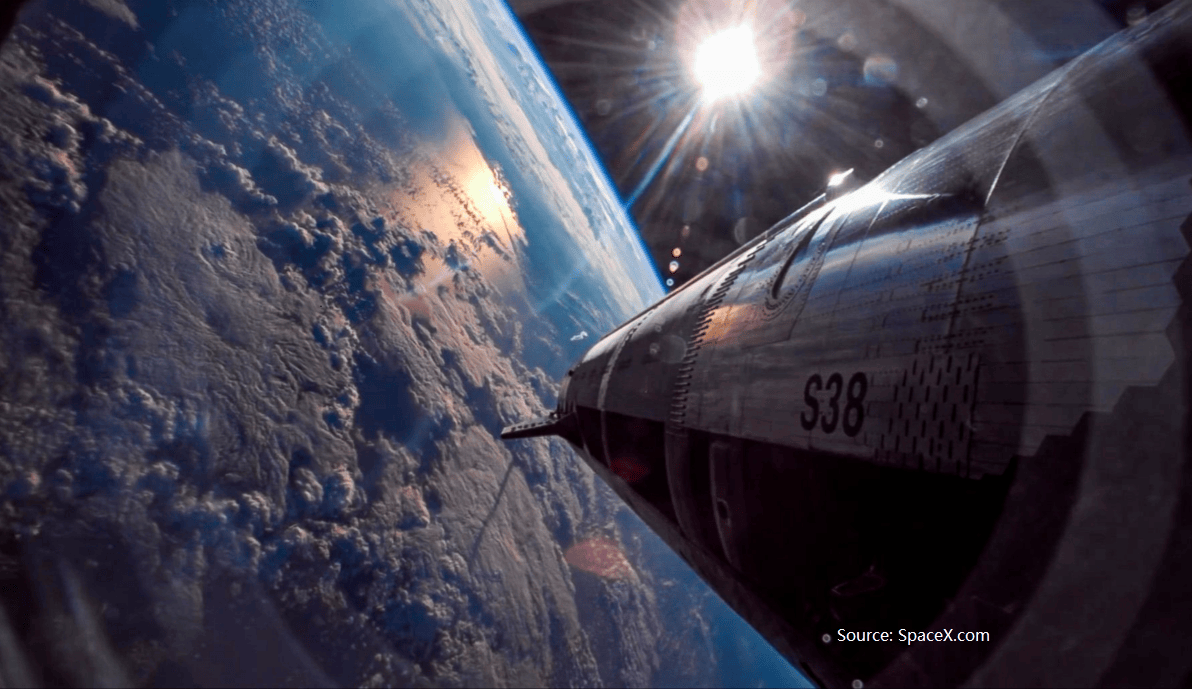
7万亿独角兽正式诞生,SpaceX正式宣布全资收购人工智能初创公司xAI
Xin Lang Cai Jing· 2026-02-03 06:05
Core Insights - SpaceX has officially acquired AI startup xAI, marking a significant step in Elon Musk's strategy for vertical integration within his business empire, particularly in the development of AI data centers in space [1][10] - The merger aims to create a "vertical integration innovation engine" that combines artificial intelligence, rocket technology, satellite internet, and real-time information platforms [1][10] Group 1: Acquisition Details - The acquisition is part of Musk's vision to utilize space-based energy networks to build a "stellar-level" AI computing infrastructure, overcoming the physical limitations of terrestrial energy sources [1][10] - SpaceX and xAI have not disclosed the specific terms of the merger [11] Group 2: Company Backgrounds - SpaceX, founded in 2002, is the largest commercial rocket launch service provider globally, with capabilities in manufacturing, launching, recovering, and reusing rockets [3][13] - xAI, established in 2023, focuses on AI development and aims to understand the true nature of the universe, collaborating with Musk's other ventures like Tesla and X platform [3][13] Group 3: Financial Implications - Following the merger, SpaceX's valuation is expected to reach approximately $1.25 trillion, while xAI's post-funding valuation has surpassed $230 billion [4][14] - The combined entity will enter the "trillion-dollar club," becoming the highest-valued private company globally [4][14] Group 4: AI Data Center Vision - Musk emphasizes that the current AI development faces physical limits, and space technology is the only long-term solution to expand AI capabilities [6][16] - He predicts that within 2 to 3 years, space will become the most cost-effective location for AI computing power [6][16] Group 5: Future Plans - SpaceX plans to deploy up to 1 million satellites in low Earth orbit to create a space-based data center, which will utilize solar energy for computing tasks [8][18] - The company aims to launch 100 tons of payload per hour, significantly increasing the capacity for AI computing [8][17] - SpaceX is also accelerating its IPO process, with potential fundraising exceeding $50 billion, and plans to list around Musk's 55th birthday in June 2026 [9][19]
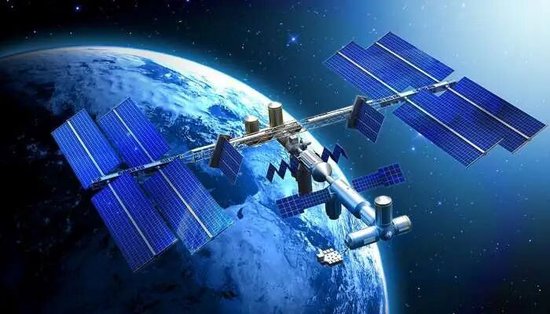
SpaceX收购xAI引爆“太空光伏”!港A光伏股集体躁动
Ge Long Hui A P P· 2026-02-03 06:04
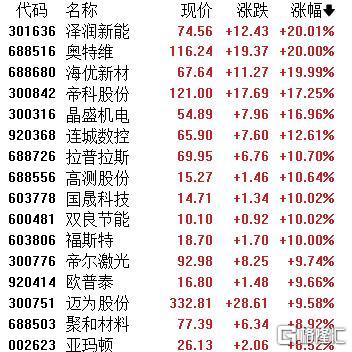
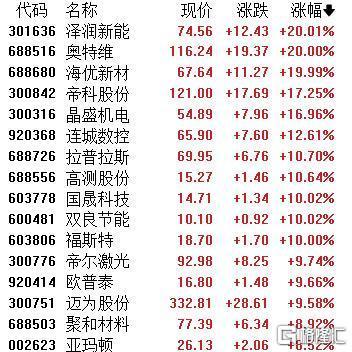
Core Viewpoint - The "space photovoltaic" concept is driving market sentiment, leading to a significant surge in the photovoltaic sector across both Hong Kong and A-share markets, with many stocks hitting their daily limit up [1]. Group 1: Market Performance - The photovoltaic equipment sector in the A-share market experienced a wave of limit-up stocks, with companies like Zairun New Energy, Aotewi, and Haiyou New Materials achieving a 20% increase [1]. - Major industry leaders such as Longi Green Energy, Tongwei Co., JinkoSolar, and Maiwei Co. also saw substantial gains [1]. - In the Hong Kong market, solar photovoltaic stocks were active, with Fuyou Glass leading with a rise of over 7% [2][3]. Group 2: Space Photovoltaic Developments - Elon Musk's SpaceX has acquired AI company xAI, enhancing the potential of the "space photovoltaic" concept, with the combined company valued at $1.25 trillion [4]. - The acquisition aims to integrate AI, rocket technology, and satellite communication to create a vertically integrated innovation engine extending from Earth to space [4]. - Musk envisions deploying data centers in space to meet the growing power demands of AI, leveraging constant solar energy with low operational costs [5]. Group 3: Industry Outlook - The demand for space photovoltaic systems is expected to surge due to the explosive growth in commercial space launches, with a projected 337 launches globally by 2025, a 28% increase year-on-year [6]. - The competition for space resources is accelerating, with over 100,000 low-orbit satellites expected to be registered by 2025, indicating a pressing need for satellite launches [6]. - As satellite launches increase and the shift from communication satellites to more power-intensive computing satellites occurs, the demand for space energy is anticipated to grow significantly, positioning photovoltaic as a key energy source [7]. Group 4: Investment Recommendations - Companies in the photovoltaic sector are expected to benefit from the anticipated demand, with specific recommendations for various segments: - Battery segment: Maiwei Co., Jiejia Weichuang, Laplace, and Dier Laser [7]. - Module segment: Aotewi and related companies like ST Jingji [7]. - Silicon wafer segment: Companies such as Gaoce Co., Jingsheng Mechanical & Electrical, Liancheng CNC, and Shuangliang Energy [7].
7万亿独角兽正式诞生
21世纪经济报道· 2026-02-03 06:00
Core Viewpoint - SpaceX's acquisition of xAI aims to create a vertically integrated innovation engine that combines artificial intelligence, rocket technology, satellite internet, and real-time information platforms, addressing the limitations of ground-based energy for AI expansion [1][4][10]. Group 1: Acquisition Details - SpaceX officially announced the acquisition of xAI on February 2, 2026, as part of its strategy for vertical integration within its business empire [1]. - The merger is expected to leverage a space-based energy network to build a "stellar-level" AI computing infrastructure, overcoming physical limitations imposed by terrestrial energy sources [1][4]. - The specific terms of the acquisition have not been disclosed by either SpaceX or xAI [1]. Group 2: Company Backgrounds - SpaceX, founded in 2002, is the largest commercial rocket launch service provider globally, with capabilities in manufacturing, launching, recovering, and reusing rockets [4]. - xAI, established in 2023, focuses on AI development with a mission to understand the true nature of the universe, maintaining technical collaboration with platforms like X (formerly Twitter) and Tesla [5]. Group 3: Financial Implications - The merger is projected to create a trillion-dollar non-public company, with SpaceX's valuation reaching approximately $800 billion and xAI's post-funding valuation exceeding $230 billion [5][6]. - Following the merger, SpaceX's overall valuation is expected to rise to $1.25 trillion, making it one of the highest-valued private companies globally [6]. Group 4: Future Plans and Innovations - Musk envisions that space will become the most cost-effective location for AI computing power within the next 2 to 3 years, as current AI development faces physical limits due to energy demands [4][10]. - SpaceX plans to deploy a massive orbital data center system with up to 1 million satellites, which will utilize solar energy for AI computations, significantly reducing operational costs [11][12]. - The company aims to launch 100 tons of payload per hour and potentially deploy 500 to 1000 terawatts of AI satellites into deep space, supporting long-term goals of establishing a self-sustaining base on the Moon and advancing human civilization to Mars [11][12].
天塌了!“流星”的浪漫,或许由马斯克在“操盘”
Sou Hu Cai Jing· 2026-02-03 05:59
夜空中,当有一道光倏然过,你的第一反应是什么? "流星!许愿!"以前,这或许可行,但随着人对宇宙的探索越来越深入,今天,这道光很可能不再来自 于自然天体,而是一颗正在坠落的人造卫星。也就是说,人类头顶的天空,不再仅仅是自然天体的栖息 地,而是正在变成大型试验场,而其空间也自然而然正在变得越来越拥挤。 流星与疑似 星链卫星解体 今天的天文摄影师,经常在拍下状似流星的过程后,再为如何分辨它而头痛。因此,媒体上多了许多类 似"到底该如何分辨,这是传统意义上的流星,还是燃烧的太空垃圾?"的帖子。这或许看似有些滑稽, 但实际上并不是个无端的问题,因为从天空中返回地球大气的废弃卫星,越来越多了。 "区分流星和太空垃圾最简单的方法就是看速度。来自太阳轨道的流星,即使是一个巨大的火球,也只 会在天空中持续几秒,然后嗖地一下消失掉。而太空垃圾和飞机的角速度接近(它们实际速度比天上飞 机快,但因为高度更高,所以视觉效果和飞机速度差不多),可能会在头顶停留几分钟。"哈佛-史密森 尼天体物理中心的天体物理学家乔纳森·麦克道尔(Jonathan McDowell)在接受相关采访时表示,并且 他坚定地说:"目前,每天都有1~2颗星链卫星 ...

SpaceX收购xAI引爆“太空光伏”想象!港A光伏股集体躁动
Ge Long Hui· 2026-02-03 05:58
2月3日,"太空光伏"概念热度持续推高市场情绪,带动港A两市光伏板块全线走强。 A股市场,光伏设备板块爆发涨停潮。截至发稿,泽润新能、奥特维、海优新材斩获20CM涨停,双良 节能、福斯特、国晟科技等多股同步封板;隆基绿能、通威股份、晶科能源、迈为股份等行业龙头也集 体大幅拉升。 | 代码 | 名称 | 现价 | 涨跌 | 涨幅� | | --- | --- | --- | --- | --- | | 301636 | 泽润新能 | 74.56 | +12.43 | +20.01% | | 688216 | 奥特维 | 116.24 | +19.37 +20.00% | | | 688680 | 海优新材 | 67.64 | +11.27 +19.99% | | | 300842 | 帝科版价 | 121.00 | +17.69 +17.25% | | | 300316 | 晶盛机电 | 54.89 | +7.96 +16.96% | | | 850368 | 连城数控 | 65.90 | +7.60 +12.61% | | | 688726 | 拉普拉斯 | 66'69 | +6.76 +10.70% | | ...
X @Elon Musk
Elon Musk· 2026-02-03 05:52
RT Andrej Karpathy (@karpathy)@hardmaru You see SpaceX = Space + X ...
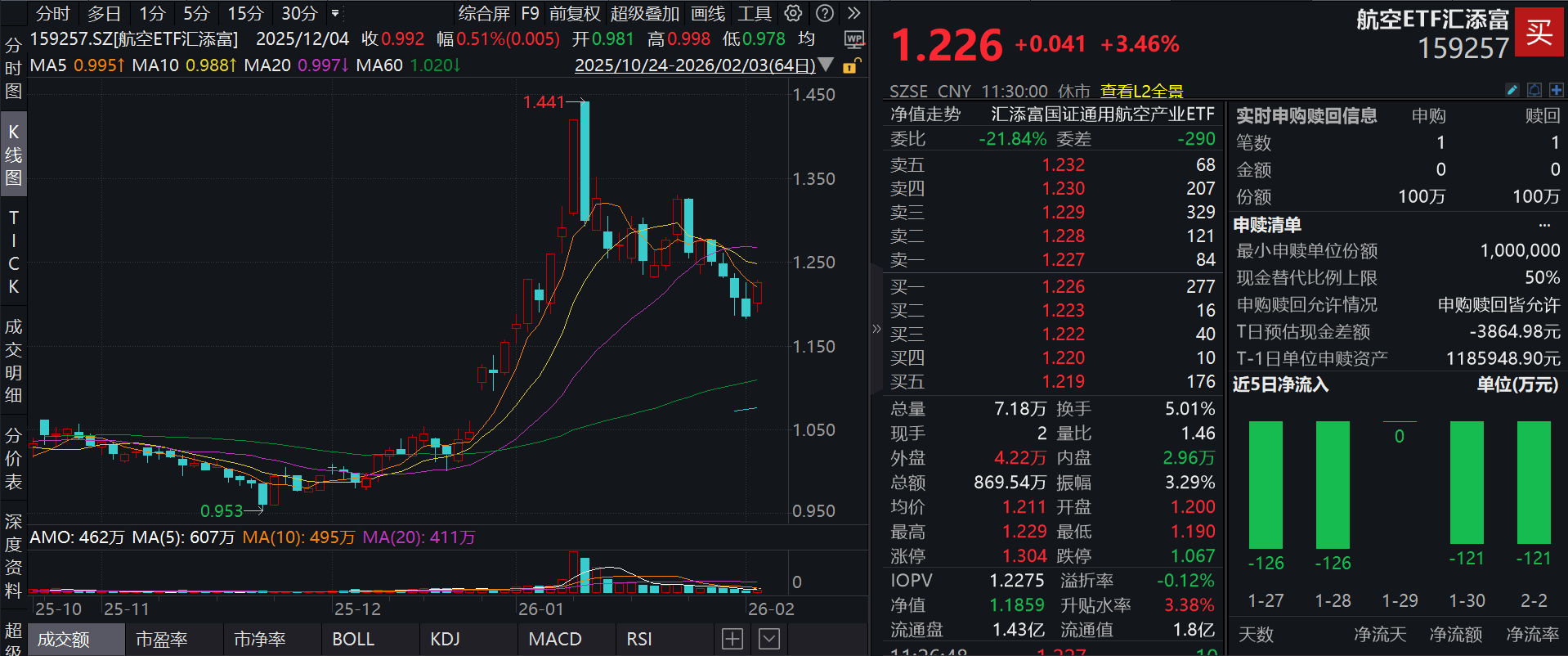
马斯克押注太空AI算力,Space X完成收购xAI,商业航天再度全线起飞,广联航空涨超11%,航发控制涨停,航空ETF汇添富(159257)大涨3.46%
Sou Hu Cai Jing· 2026-02-03 05:40
Core Viewpoint - The A-share market has rebounded, with over 4,300 stocks rising, particularly in the commercial aerospace sector, which saw significant gains in related indices and stocks [1] Group 1: Market Performance - The National General Aviation Industry Index (980076) surged by 3.49%, with key stocks like Guanglian Aviation rising over 11% and Hangfa Control hitting the daily limit [1] - The Aviation ETF Huatai (159257) increased by 3.46%, with a latest price of 1.23 yuan, and has shown a cumulative increase of 2.60% over the past month [1] - The Aviation ETF Huatai had a turnover rate of 5.8% during the trading session, with a transaction volume exceeding 10 million yuan [1][3] Group 2: Fund Flows and Growth - The Aviation ETF Huatai experienced a scale growth of 101 million yuan over the past three months, ranking third among comparable funds [3] - The latest net outflow for the Aviation ETF Huatai was 1.206 million yuan, but it attracted a total of 113 million yuan over the past 21 trading days [4] Group 3: Strategic Developments - SpaceX announced the acquisition of AI startup xAI, integrating its rocket and satellite technology with AI capabilities, marking a strategic move towards building a "Space AI Empire" [4][5] - The concept of deploying orbital data centers in space to utilize solar energy for AI processing is seen as a breakthrough in overcoming current data center limitations [4] - The Chinese commercial aerospace sector is focusing on reusable rockets to reduce launch costs and increase frequency, with significant advancements expected in the coming years [5][6] Group 4: Industry Outlook - The Chinese aerospace sector is planning to develop new fields such as space tourism and smart infrastructure, with initiatives like the establishment of the "China Jiuquan Commercial Aerospace Port" [6] - The Aviation ETF Huatai focuses on low-altitude economy, military industry, and commercial aerospace, with defense and military sectors making up 61.6% of its index [7][10] - The low-altitude economy concept stocks account for 53% of the index, indicating strong potential for growth in this area [9][10]

X @Tesla Owners Silicon Valley
Tesla Owners Silicon Valley· 2026-02-03 05:32
"The purpose of @SpaceX is that we want to make Star Trek real.We want to make Starfleet Academy real, so that it's not always science fiction”@ElonMuskhttps://t.co/5uYLyd5b4s ...