大疆

Search documents
京东影像大赛评委评选开启 京东3C数码11.11带来索尼、佳能等大牌相机
Sou Hu Wang· 2026-02-04 05:26
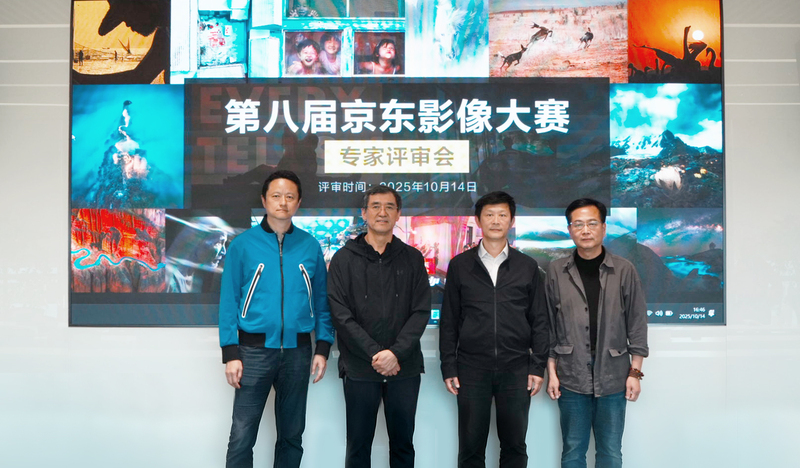
Core Insights - The 8th JD Imaging Competition has attracted over 730,000 submissions from more than 100,000 photography enthusiasts globally since its launch in June 2023, showcasing diverse perspectives on image creation [1] - The competition is currently in the professional judging phase, with significant prizes including a global travel experience and camera equipment valued at 100,000 [1] - An offline award ceremony and exhibition will be held on October 28 in Xiamen, in conjunction with the 30th National Photography Art Exhibition, enhancing the event's visibility and engagement [1][3] Group 1 - The judging panel includes prominent figures such as Li Ge, Vice Chairman of the China Federation of Literary and Art Circles, and Liu Luyun, Vice Chairman of the China Photographers Association, ensuring a professional and fair evaluation process [3] - The competition will feature a top 10 selection for both camera and mobile photography categories, with subsequent online voting on Xiaohongshu to engage the audience [3][7] - The event aims to create a platform for photographers and industry professionals to exchange ideas and inspire creativity [3] Group 2 - JD's 11.11 shopping festival has commenced, featuring collaborations with major camera brands like Sony, Canon, Nikon, DJI, and Panasonic, offering a range of high-performance photography equipment [5] - Notable products include the Sony ZV-E10L, Canon PowerShot G7 X Mark II, Nikon Z5, and DJI Air 3S, catering to various photography needs from vlogging to capturing special moments [5] - The competition and shopping festival are expected to drive consumer interest and sales in the photography equipment sector [1][5][7]


第八届京东影像大赛即日起火热开启征集 用镜头丈量世界赢五大洲环球之旅
Sou Hu Wang· 2026-02-04 05:26
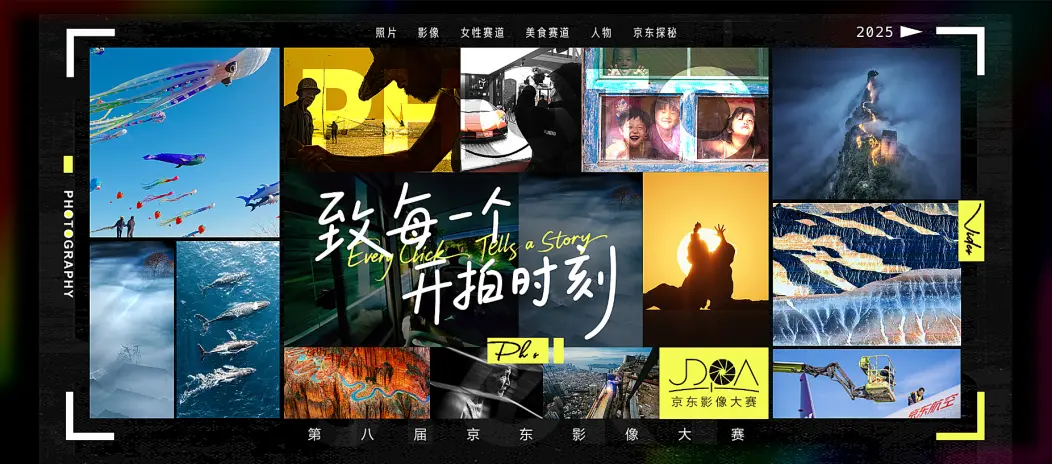
按下快门,每一帧都是生活中的高光时刻。2025年6月至11月,第八届京东影像大赛如约而至。与往届 相比,本届京东影像大赛持续创新玩法,以更丰富的七大投稿主题、让更多热爱摄影的记录者共同参与 的相机及手机设备双重赛道、持续6个月的超长赛程、更权威的全球影像顾问评审阵容、五大洲环球之 旅等更富意义的奖项……吸引带动更多摄像爱好者开启拍摄行动,力求掀起全民摄影摄像热潮。 在参赛方式上,本届影像大赛多平台参赛也让投稿更加方便快捷。参与者可识别下方图虫、500px渠道 二维码参与投稿,也可以打开知乎搜索"京东影像大赛"或小红书搜索"致每一个开拍时刻"进入活动页参 与其发布的京东影像大赛活动。本次大赛作品征集时间为即日起至10月9日,并于2025年11月10日-11月 17日公示最终获奖名单。 与此同时,赛事期间京东更联合索尼、佳能、尼康、松下等大牌为用户带来更多专业相机装备,打开京 东搜"京东影像大赛"直达会场可享24期免息、国家补贴15%、大额优惠券等福利,用又好又便宜的购物 体验为参赛者提供硬核装备。 参与赢亚非欧等五大洲环球之旅 京东影像大赛大奖重磅升级 京东影像大赛自2017年首届举办,至今已成为行业内备受关注 ...
大疆天空之城11周年影像大赛赛程过半,全球佳作涌现引爆创作热潮
Huan Qiu Wang· 2026-02-04 04:12
来源:环球网 大疆天空之城11周年影像大赛正如火如荼进行中。 DJI 大疆旗下的专业航拍及影像社交平台 SkyPixel 天空之城™自去年11月27日正式启动全球作品征集,截止1月中旬,已累计收到来自全球各地超45,000 份参赛作品。本届赛事不仅吸引了众多影像爱好者,更汇聚了前艾美奖得主、行业知名导演等国际影像 大咖携作品参赛,为大赛增添了极具分量的专业看点 。 本届大赛以"与世界合拍"为主题,主张创作者用更多元的视角捕捉内心与世界共振的动人瞬间,不仅追 求视觉奇观,更注重通过镜头观察世界、表达自我。此外,本届赛事新增的 "社交媒体评选奖" 每周评 选优秀作品,为不同领域创作者提供即时曝光与反馈,成为赛事的一大亮点,目前已有多份兼具创意与 传播力的作品脱颖而出,持续点燃全球创作热情。 佳作赏鉴:镜头里的共振与哲思 图片作品:定格天地间的永恒对话 纪实摄影师İsmail Kaplan 拍摄的《恰尔德湖冰上课堂》,将镜头对准了严酷寒冬中坚守求学的孩子们。 在结冰的恰尔德湖面上,学生们聚集诵读经文。"信仰、传统与坚韧,在此冰封之境交汇相融",摄影师 在作品描述中写道。本届大赛评委、前《中国国家地理》首席摄影师姜平 ...

消费级3D打印
2026-02-04 02:27
Summary of the Conference Call on Consumer 3D Printing Industry Industry Overview - The conference focused on the consumer-grade 3D printing industry, discussing its definition, market potential, innovation logic, and competitive landscape [1][2][3] Key Points Definition of Consumer 3D Printing - Consumer 3D printing is defined as a new manufacturing method distinct from traditional manufacturing techniques such as additive and subtractive manufacturing [1][2] - It is characterized by its ability to produce small quantities of unique or customized products, suitable for applications in education, cultural creativity, and consumer goods [3][4] Market Potential - The global consumer 3D printing market is projected to grow from $1.5 billion in 2020 to $4.2 billion by 2024, reflecting a compound annual growth rate (CAGR) of approximately 29% [11][12] - Sales of consumer 3D printers alone are expected to increase from $1 billion in 2020 to $2.1 billion by 2024, with a forecasted CAGR of around 20% [13][14] - The penetration rate of consumer 3D printers is currently low, estimated at less than 2% in developed regions, indicating significant growth potential [15][16] Innovation Logic - The innovation in the consumer 3D printing industry is driven by hardware upgrades, material innovation, and software ecosystem development [20][22] - The industry is characterized by rapid iteration and the need for strong software support to enhance user experience and operational efficiency [21][22] Competitive Landscape - The market is dominated by Chinese brands, with the top five companies holding significant market shares: - Tofu (29%) - Creality (17%) - Zhuhai (13%) - Smart (12%) - Enjoy (7%) [23] - Tofu, a relatively new entrant, has shown remarkable growth, achieving revenues of over 10 billion RMB in 2022, indicating a strong competitive position [24][26] Challenges and Opportunities - The industry faces challenges such as the need for improved user-friendliness and the complexity of the printing process, which requires robust software support [21][22] - Opportunities exist for expansion into complementary products, such as 3D scanners and laser engravers, as well as potential for global market growth, particularly in regions with less developed supply chains [28] Conclusion - The consumer 3D printing industry is in a growth phase with substantial opportunities for innovation and market expansion, particularly for companies that can effectively integrate hardware, materials, and software solutions [28]
姚颂再“创业”
3 6 Ke· 2026-02-04 00:45
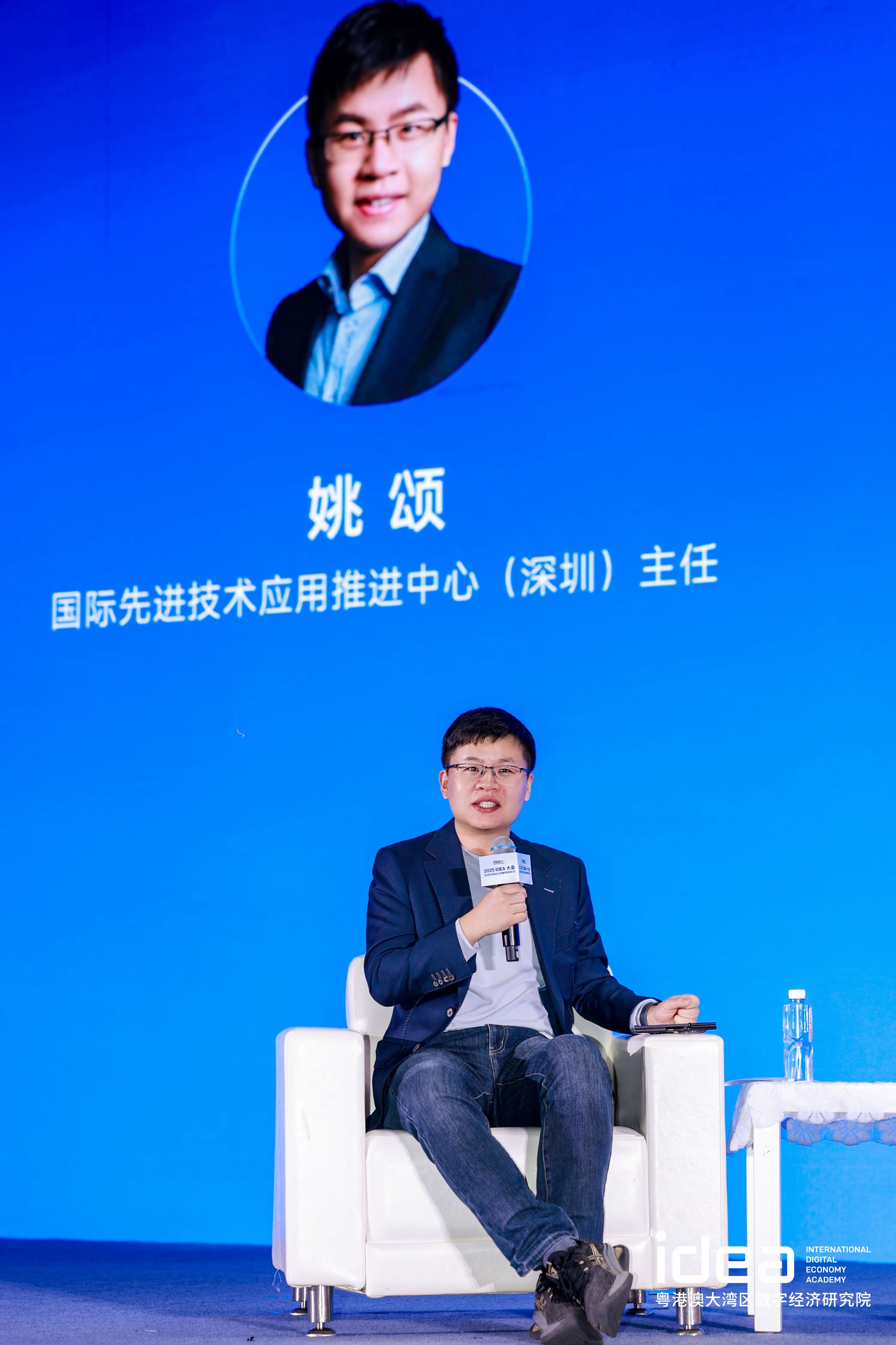
2025年11月,深圳,在IDEA研究院2025大会上,当沈向洋以"国先中心年轻的主任"欢迎姚颂上台时,我有些惊讶。 "是之前创业做AI芯片的那个姚颂吗?"我向IDEA工作人员确认,得到了肯定的回复。 距离我第一次见到姚颂,已经过去八年。 2017年,还是深鉴科技创始人的姚颂,在北京朗园开了产品发布会,台下的媒体不知谁说了一句,"这个CEO是92年的",人们忍不住交头接耳——相较于AI 芯片,大家更关心台上站着的、时年25岁的姚颂。 当然,那时的姚颂尚不能靠一己之力撑起一家AI公司,他有一众来自清华师友的合伙人,尤其是他当时的老师、如今清华大学电子工程系主任汪玉。(汪 玉老师如今又是另一家AI算力明星公司"无问芯穹"的发起人。) 姚颂的第一段创业,以某种意义上的高光迅速收尾。2018年中,全球芯片巨头赛灵思宣布收购深鉴科技,在媒体报道中,收购金额是三亿美金,据姚颂自己 说,"比这更多一点"。 论及"年少成名"的标签,92年的姚颂当时一定够格。 2018年,生于85年的张旭豪将饿了么卖给阿里;生于89年的旷视科技创始人印奇,还在讨论是否把公司推向刚刚诞生的科创板;生于90年的齐俊元,终于在 年末,决定将创办的T ...

各地2025年GDP数据出炉,GDP破万亿元城市扩容至29座——读懂“万亿城市”背后的发展密码
Sou Hu Cai Jing· 2026-02-04 00:39
Core Insights - The article discusses the recent economic achievements of various cities in China, highlighting the expansion of the "GDP trillion club" with 29 cities surpassing a GDP of 1 trillion yuan by 2025 [4][5][6]. Group 1: Economic Growth and Rankings - By 2025, 29 cities in China are projected to have a GDP exceeding 1 trillion yuan, with notable new members including Dalian and Wenzhou [5][6]. - Shanghai leads the list with a GDP of 56,708.71 billion yuan, followed by Beijing at 52,073.4 billion yuan, marking Beijing's first entry into the 5 trillion yuan club [6][7]. - Dalian and Wenzhou are highlighted as new entrants, with Dalian achieving a GDP of 10,002.1 billion yuan and Wenzhou reaching 10,213.9 billion yuan [6][7]. Group 2: Regional Distribution - Approximately one-third of the "GDP trillion cities" are located in the Yangtze River Delta, while the Guangdong-Hong Kong-Macau Greater Bay Area has four cities, including Shenzhen and Guangzhou [6][7]. - The Beijing-Tianjin-Hebei region has three cities, and the Chengdu-Chongqing economic circle includes two cities, indicating a diverse geographical distribution of economic power [6][7]. Group 3: Economic Growth Rates - Cities like Chengdu, Wuhan, and Shenzhen are experiencing robust growth rates, with Chengdu at 5.8%, Wuhan at 5.6%, and Shenzhen at 5.5%, all exceeding the national average [7][8]. - Beijing and Shanghai both recorded a growth rate of 5.4%, reflecting a strong economic performance among the top cities [7][8]. Group 4: Structural Optimization and Innovation - The article emphasizes the importance of structural optimization and innovation in driving economic growth, with Beijing focusing on high-value industries and technological advancements [9][10]. - Shenzhen's Nanshan District is noted for its innovation, achieving a GDP of over 1 trillion yuan, driven by a high number of patents and the presence of major tech companies [10][11]. Group 5: Industrial Strength and Investment - Dalian's industrial base is highlighted as a key factor in its economic growth, with significant increases in the manufacturing sector, particularly in high-tech industries [12][13]. - Wenzhou's economy is supported by a strong private sector, with substantial growth in strategic emerging industries and a focus on expanding its trade network [13][14]. Group 6: Regional Coordination and Development - The expansion of the "GDP trillion cities" reflects the importance of regional coordination and collaboration, with larger cities driving growth in surrounding areas [14]. - The article suggests that urban agglomerations can enhance economic development through resource sharing and collaborative efforts [14].

读懂“万亿城市”背后的发展密码
Ren Min Ri Bao Hai Wai Ban· 2026-02-03 22:56
Group 1 - The core viewpoint of the article highlights the emergence of new cities in China's "GDP trillion club," with a total of 29 cities surpassing a GDP of 1 trillion yuan by 2025, reflecting significant economic growth across various regions [2][3]. - The distribution of these cities shows that approximately one-third are located in the Yangtze River Delta, with notable cities including Shanghai, Ningbo, and Hangzhou, while the Guangdong-Hong Kong-Macao Greater Bay Area has four cities, including Shenzhen and Guangzhou [3]. - Shanghai leads the list with a GDP of 56,708.71 billion yuan, followed by Beijing at 52,073.4 billion yuan, marking Beijing's first entry into the 5 trillion yuan club [3][4]. Group 2 - Several cities on the list exhibit strong growth rates, with Chengdu at 5.8%, Wuhan at 5.6%, and Shenzhen at 5.5%, all exceeding the national average growth rate of 5% [4]. - The article emphasizes that the "GDP trillion club" now includes a mix of municipalities, provincial capitals, and other cities, indicating a trend towards diversified urban economic development [4][5]. - Beijing's economic growth is driven by new technologies and high-value-added industries, with significant contributions from the information service and financial sectors, which accounted for over 80% of its economic growth [6][7]. Group 3 - Shenzhen's Nanshan District has become the first district-level administrative region in China to achieve a GDP exceeding 1 trillion yuan, showcasing its innovation-driven economic model [7][8]. - The article notes that cities like Dalian and Wenzhou have made significant strides, with Dalian's industrial sector growing rapidly and Wenzhou focusing on strengthening its industrial base and increasing innovation [9][10]. - Wenzhou's economy is heavily supported by its private sector, with a significant portion of its industrial output coming from private enterprises, which are expanding into new sectors like renewable energy and artificial intelligence [11].
苹果1:1前置引华为OPPO跟进,影像赛道正从卷画质转向卷手法
Xin Lang Cai Jing· 2026-02-03 12:52
Core Viewpoint - The competition in mobile imaging is shifting, with Apple's introduction of the Center Stage 1:1 square front sensor in the iPhone 17 series marking a significant change in user experience and design [1][7]. Group 1: Innovation and Design - The Center Stage sensor allows users to capture wide-angle images while holding the phone vertically, breaking away from traditional 4:3 or 16:9 aspect ratios [1][7]. - This innovation parallels the success of DJI's Osmo Pocket 3, which addresses the pain point of switching between horizontal and vertical shooting with a rotating screen [3][9]. Group 2: Industry Response - The introduction of the 1:1 sensor has prompted major Chinese brands like Huawei and OPPO to explore similar technology for their front imaging solutions [5][11]. - The industry recognizes that user demand for comfortable handling in selfie and Vlog scenarios outweighs the traditional focus on pixel counts, indicating a shift in consumer preferences [5][11]. Group 3: Future Implications - The adoption of the square sensor technology suggests that flagship imaging products by 2026 will prioritize shooting experience over lens quality, indicating a broader trend in social imaging [5][11]. - Apple's innovation not only defines a new sensor but also sets the stage for future social imaging practices [5][11].


起飞“犯难”,行业“洗牌”!无人机新规影响几何?
Qi Lu Wan Bao· 2026-02-03 10:20
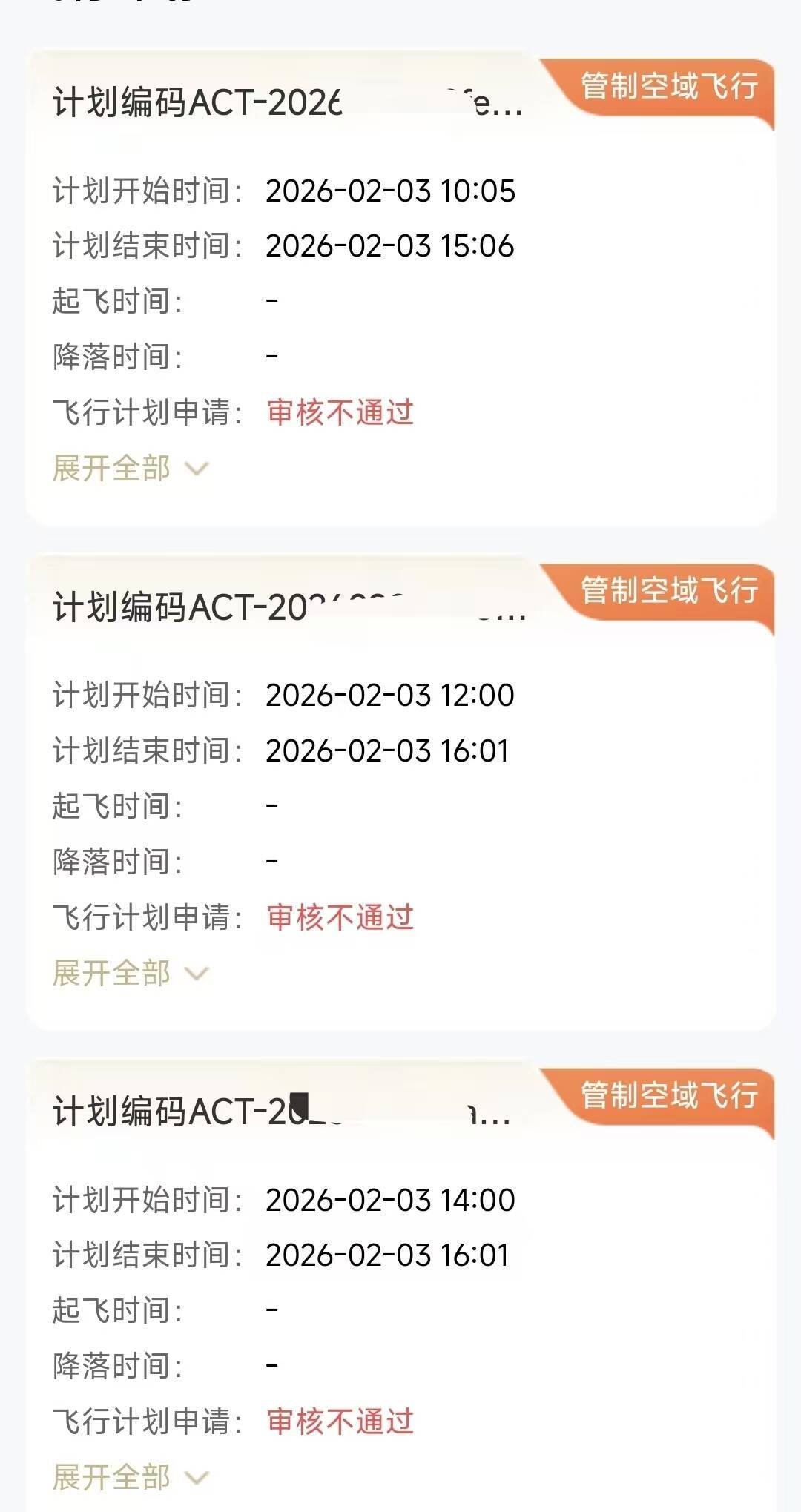
Core Viewpoint - The new regulations implemented on January 1, 2026, significantly impact the drone flying community, introducing stricter approval processes and categorizing unauthorized flights as punishable offenses, leading to a major industry reshuffle [1][2][10]. Group 1: Regulatory Changes - The revised Public Security Administration Punishment Law now includes unauthorized drone flights under its jurisdiction, requiring real-name registration, flight identification, and airspace approval [2][10]. - From February 1, 2026, the approval process for drone flights has become more stringent, with many previously accessible areas now classified as "no-fly zones" [3][5]. Group 2: Impact on Drone Operators - Many drone operators are struggling with the new approval process, with reports of numerous applications being rejected without clear reasons, leading to frustration within the community [3][5]. - The requirement to report flight plans in advance on the UOM platform has transformed the once flexible flying culture into a more regulated environment, causing confusion and dissatisfaction among users [2][3]. Group 3: Market Dynamics - The new regulations have led to a decline in new drone sales, as potential buyers are deterred by the stricter rules, while the second-hand market has become more active as users look to sell their drones amid uncertainty [7][8]. - The resale prices of drones have dropped significantly, with some models seeing a decrease of up to 30% compared to prices before the regulations were enacted [8]. Group 4: Industry Response - The enforcement of stricter regulations has led to a crackdown on illegal drone flights, with law enforcement agencies actively pursuing violators and imposing penalties [10]. - Industry experts believe that while the current approval difficulties are a challenge, they represent a necessary transition towards a more organized and sustainable drone industry [10][11].
深圳投资人,难进“大疆圈”
3 6 Ke· 2026-02-03 09:44
2026年1月初,深圳南山科技园的inno100智能硬件集合店里,人头攒动。 货架上清一色是海外热销的"深圳爆款":外骨骼机器人、3D打印机、AI玩具、无人机⋯⋯或是出自大疆、小米、华为等巨头前员工之手,或是由本地供 应链几天内打样迭代而成,件件都是这轮"AI硬件"热潮的代表作。 深圳一家头部风投机构的投资人徐清站在一款名为"清闲"的智能办公椅前,反复试坐了三次。椅子能自动调节腰托、监测坐姿,甚至通过微震动提醒用户 起身活动。他眼睛发亮,"这产品我们真想投"。 但很快,他的表情又黯淡下来,"高瓴刚投了它们"。这个项目徐清跟踪了几个月,美元基金一来,他就知道自己没有机会了,项目的估值几个月便翻了 倍,"我们连尽调名单都没进"。 2025年的深圳智能硬件市场,宛如一个高速运转的造星工厂。 大量美元机构涌入,创业公司估值水涨船高;"大疆系"创业者群体崛起,各类细分场景的硬件层出不穷,以深圳为核心的中国智能硬件产业,正酝酿着一 场席卷全球的品类重构。 这场发生在本土的资本盛宴中,深创投、高新投等深圳"土著"机构却集体缺位——它们手握地利、背靠政府资源,却眼睁睁看着外来的投资人们包圆 了"大疆系"等优质项目,自己只能沉 ...