
奈雪的茶

Search documents
东盟调研行丨一周两杯是标配?中式茶饮成泰国年轻人“续命水”
2 1 Shi Ji Jing Ji Bao Dao· 2025-12-23 10:33
Group 1 - The popularity of Chinese tea drinks, such as "霸王茶姬" and "奈雪的茶," is rising among Thai youth, who appreciate the unique flavors and lower sugar content [1] - "霸王茶姬" reported a significant increase in overseas business, with overseas GMV exceeding 300 million yuan, marking a year-on-year growth of 75.3% and a quarter-on-quarter growth of 27.7% [2] - "奈雪的茶" achieved a record overseas sales high shortly after opening its first global flagship store in Thailand, generating nearly 1 million Thai Baht in revenue within three days [2]
蜜雪冰城进军洛杉矶,库迪开到法国
3 6 Ke· 2025-12-23 10:12
Group 1: Store Expansion - In November, 20 chain coffee brands tracked by Yilan Commercial opened 2,979 new stores, a year-on-year increase of 75.64%, bringing the total number of stores to over 81,217, with a net increase of 2,566 stores month-on-month [1] - Leading brands are steadily expanding their store presence, with Kudi Coffee opening 84 stores and Luckin Coffee opening 132 stores, totaling over 600 new targeted locations this year across 183 cities [1] - Unique brands are also entering new markets, such as Xianji opening its first store in Yangzhou, focusing on premium matcha drinks, and Tea Li Yi Shi opening two new stores in Guangzhou, bringing its total to 496 operating stores nationwide [1] Group 2: Product Innovations - As the weather gets colder, the tea beverage market is entering its peak season, with apples, strawberries, and cherries becoming key ingredients for new product launches [3] - Various tea brands are introducing new products, such as Yihe Tang's new apple-flavored drinks and CoCo's strawberry milk options, while coffee brands like Nova Coffee are focusing on apple-based beverages [3] - Brands are also exploring new product lines, with Gu Ming introducing bottled fresh juices and Nayuki launching new baked goods, indicating a trend towards diversification in offerings [3] Group 3: Marketing Strategies - Seasonal marketing campaigns are becoming increasingly competitive, with brands like Grandpa Bu Pao Tea launching themed stores and Sweet Lala promoting apple drinks for the holiday season [4] - High-tech collaborations are on the rise, with Honey Snow Ice City partnering with Gaode for group buying services, enhancing supply chain efficiency [4] Group 4: Financial Developments - New brand "LUOSHI" has opened its first store in Shanghai, backed by A-Ma Handmade [7] - Luckin Coffee and its investor, Dazhong Capital, are evaluating multiple acquisition targets, including Nestlé's Blue Bottle Coffee and Costa Coffee, with market analysis suggesting a significant drop in Costa's value since its acquisition by Coca-Cola [7] - The Hurun Research Institute's report lists Honey Snow Group with a valuation of 150 billion yuan, highlighting the rapid growth of Chinese brands in the restaurant sector [7]


国民茶饮路在何方?为你心中的茶饮年度人物点赞!
Xin Lang Cai Jing· 2025-12-23 09:40
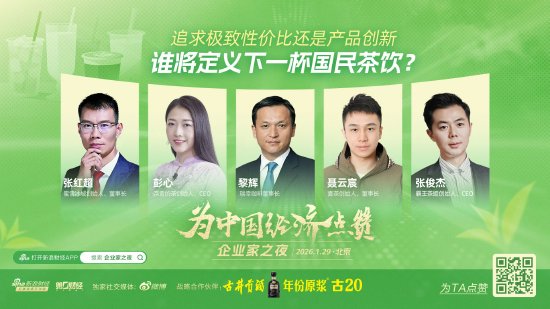
Core Insights - The event "Praise for China's Economy - Entrepreneur's Night" was officially launched on December 17, 2025, highlighting the challenges and innovations in the tea beverage industry amidst fierce competition and market saturation [1][6]. Group 1: Industry Overview - The tea beverage industry is facing multiple challenges, including intense price wars, severe homogenization, and increased competition in international markets [1][6]. - Brands are focusing on innovation, efficiency, and cultural rebranding to reshape the industry landscape [1][6]. Group 2: Company Highlights - **Mixue Ice City**: Under the leadership of founder Zhang Hongchao, Mixue Ice City surpassed 50,000 global stores in 2025, with significant growth in Southeast Asia and the opening of its first store in Los Angeles [3][8]. - **Naixue Tea**: CEO Peng Xin led Naixue Tea to exceed 80 million members in 2025, with a growing online order ratio and the introduction of a new concept store combining tea, light meals, and social spaces [3][8]. - **Luckin Coffee**: Chairman Li Hui has driven Luckin Coffee's recovery, achieving a net revenue of 15.287 billion RMB in Q3 2025, a 50.2% year-on-year increase, with a total of 29,214 stores [4][9]. - **Heytea**: Founder Nie Yuncheng has continued to innovate with new product launches and expanded overseas, with over 100 international stores, including more than 30 in the U.S. [4][9]. - **霸王茶姬 (Bawang Tea Princess)**: CEO Zhang Junjie led the brand to 7,338 global stores by Q3 2025, becoming the first Chinese tea brand to list on the U.S. stock market [5][10]. Group 3: Market Dynamics - The tea beverage market is characterized by fierce competition, with consumers demanding higher quality, health, and experience [5][10]. - Brands face a critical decision between maintaining cost-effectiveness and focusing on product innovation to attract diverse consumer preferences [6][10].

盘点:2025新茶饮年度大戏,暂停加盟,跨界卖酒,创始人结婚上热搜…
3 6 Ke· 2025-12-23 07:33
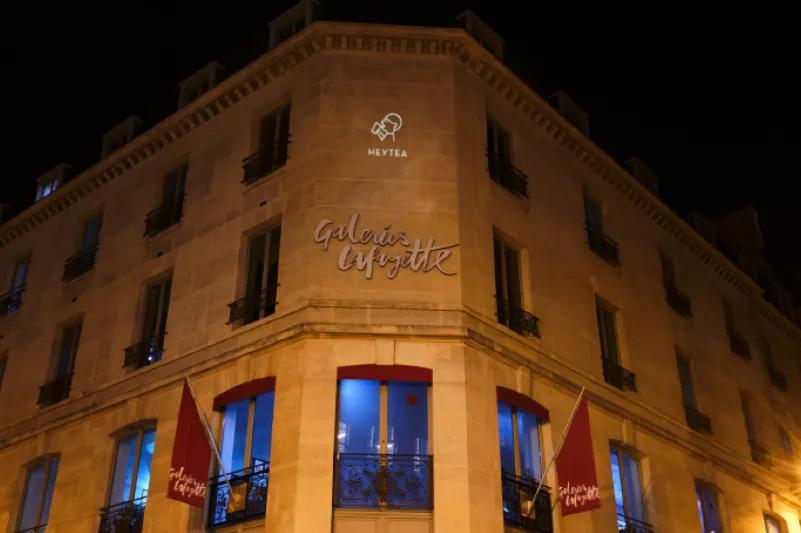
Group 1 - The tea beverage industry is entering a new phase characterized by significant changes in growth strategies and market dynamics [1] - Heytea has announced a temporary halt on franchise applications, indicating a shift from aggressive expansion to a focus on brand differentiation and user experience [3][7] - The overall growth of the tea beverage market is slowing, with major brands like Yihuo Tang and Tienla La also reducing their expansion plans [8][10] Group 2 - A food safety controversy involving Mixue Ice City regarding the use of "overnight lemon slices" sparked widespread public discussion, but the brand managed to turn the situation around through effective communication [11][12] - The summer of 2025 saw a price war in the new tea beverage sector, with platforms like JD, Meituan, and Ele.me offering extreme discounts, leading to a surge in orders but raising concerns about long-term customer loyalty [13][15] Group 3 - Health consciousness among consumers is rising, with brands like Nayuki Tea and Heytea introducing initiatives focused on natural ingredients and nutritional standards [16][18] - The trend of "cross-border" product offerings is growing, with brands like Mixue Ice City and Guming expanding their menus to include breakfast items and coffee, aiming to enhance store efficiency and capture new revenue streams [19][21] Group 4 - Mixue Ice City has acquired a stake in a craft beer brand, reflecting a broader trend of capital integration and strategic investments within the tea beverage industry [26][28] - The wedding of the founder of Bawang Tea Ji became a viral topic, showcasing the brand's ability to leverage personal stories for marketing and consumer engagement [29][30]

乐乐茶扩张乏力1000店目标告败 就苹果糖新品致歉下架不合标产品
Chang Jiang Shang Bao· 2025-12-23 00:09
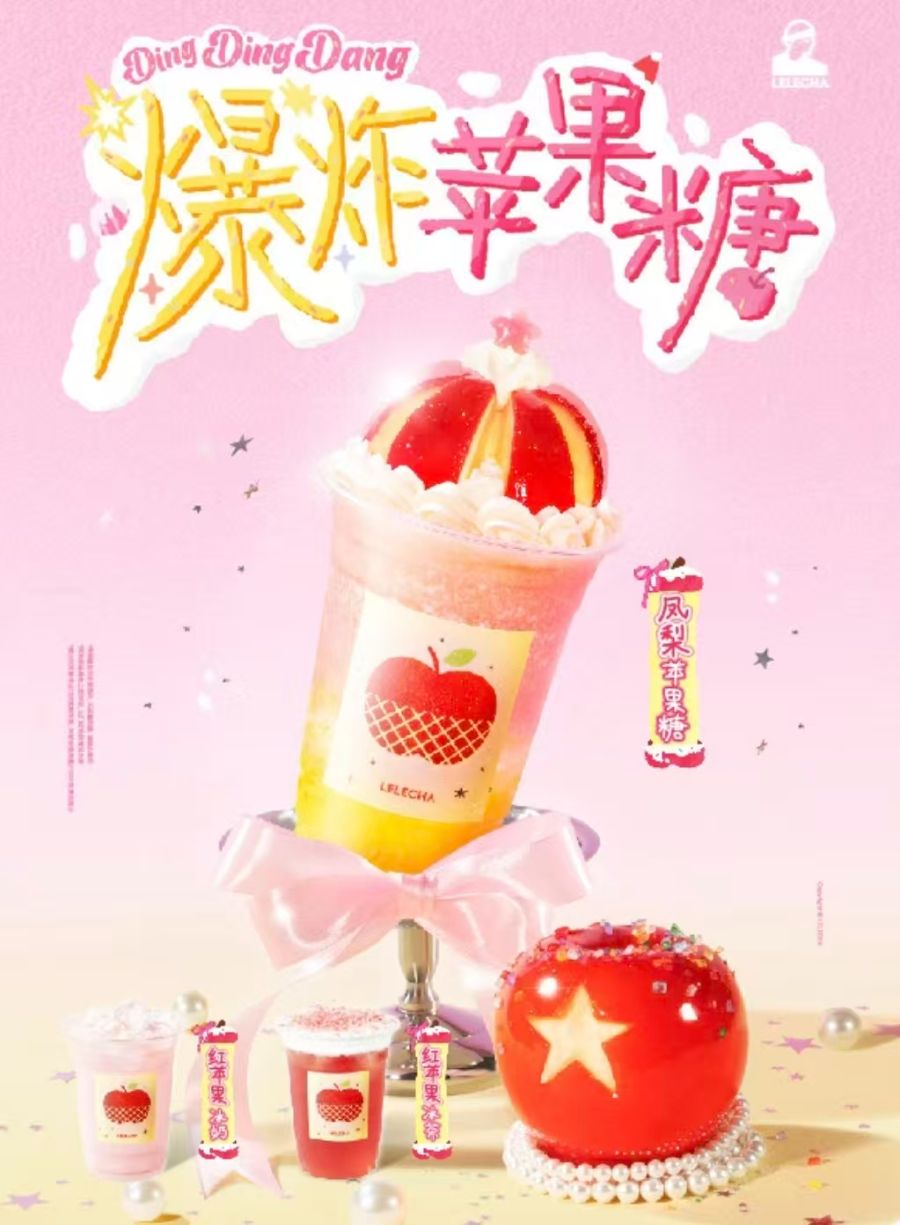
Core Viewpoint - The company Lele Tea, a brand under the joint venture Cha Tian Catering, is facing challenges due to product quality issues with its new Apple Sugar series, leading to public apologies and immediate corrective actions [1][2][5]. Group 1: Product Issues - Lele Tea received multiple customer complaints regarding its Apple Sugar products, which were reported to not meet quality standards [2][5]. - The company acknowledged the issues, stating that they were due to insufficient preparation and oversight, which affected customer experience [2][5]. - Affected products were promptly removed from shelves, and stores were ordered to rectify the issues, with severe penalties imposed on those with significant discrepancies [2][5]. Group 2: Investment and Ownership - In December 2022, the company received an investment of 5.25 billion yuan from Nayuki Tea, acquiring approximately 43.64% equity in Cha Tian Catering [9][10]. - Cha Tian Catering, established in October 2016, has undergone multiple rounds of financing, with Nayuki Tea being a significant investor [6][8]. Group 3: Expansion Plans - Lele Tea aims to expand its store count from approximately 392 to over 1,000 by the end of 2024, with plans to open 600-800 new stores across at least 70 cities [3][12][14]. - Despite the ambitious expansion goals, recent reports indicate that the company may struggle to meet its target of 1,000 stores by the end of 2024 [3][14]. - The company has also introduced a new franchise model to accelerate growth, focusing on smaller store formats in various regions [12].
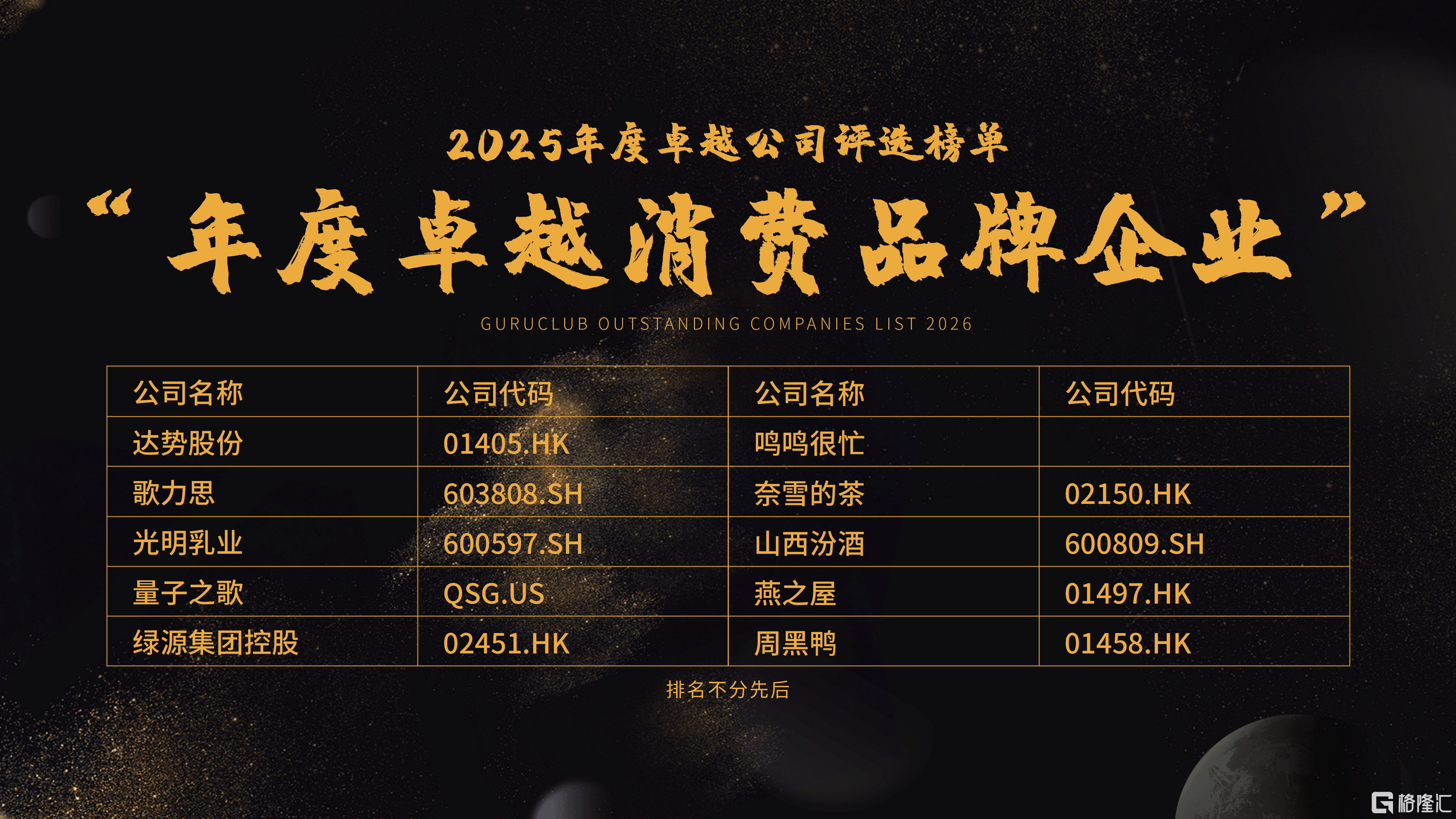
格隆汇“科技赋能·资本破局”线上分享会暨“金格奖”——“年度卓越消费品牌企业”奖项揭晓:光明乳业(600597.SH)、奈雪的茶(02150.HK)、周黑鸭(01458.HK)等10家企业上榜



Ge Long Hui· 2025-12-22 20:40
Group 1 - The "Annual Outstanding Consumer Brand Enterprises" award recognizes companies that have accelerated growth during the consumer recovery year, highlighting the importance of the consumer sector as a key driver of economic growth [4] - The award selection process evaluates companies based on brand awareness, influence, growth potential, and their ability to innovate and develop sustainably within the consumer industry [4] - The "Golden Grid Award" aims to create a valuable reference list of publicly listed companies and unicorns, covering all listed companies on major exchanges including the Hong Kong Stock Exchange, Shanghai Stock Exchange, Shenzhen Stock Exchange, New York Stock Exchange, and NASDAQ [4] Group 2 - Ten companies were awarded the "Annual Outstanding Consumer Brand Enterprises" title, including Dashih Holdings (01405.HK), Geely (603808.SH), Bright Dairy (600597.SH), Quantum Song (QSG.US), Luyuan Group Holdings (02451.HK), Mingming Hen Mang, Nayuki Tea (02150.HK), Shanxi Fenjiu (600809.SH), Yanzhi House (01497.HK), and Zhou Black Duck (01458.HK) [1][4]
知名奶茶紧急致歉:全国核查,下架整改
21世纪经济报道· 2025-12-21 06:20
记者丨易佳颖 编辑丨高梦阳 12月20日,乐乐茶发布致歉声明:我们第一时间全面核査了全国门店的苹果糖系列出品。 不符合标准的产品已立即下架,相关门店已 责令立即整改,并对出品严重不符的门店进行了严厉处罚。 目前全国门店苹果糖系列陆续恢复上架。 事件起因是,12月19日, 多位顾客反馈了乐乐茶新品"苹果糖"粘牙等多个问题。 而据乐乐茶小程序,新品"凤梨苹果糖"单杯价格26 元,另外加"一颗苹果糖"是9.9元。 值得一提的是,近期,乐乐茶在其小红书账号宣布面向多个空白城市开放独家代理名额,开放区域覆盖陕西、甘肃、青海、宁夏、江 苏、安徽、黑龙江等近30个省份。城市独家代理享受"区域独家"开店权,首店免费品牌形象升级,加盟费额外优惠第二个。 今年3月,还曾传出消息,"乐乐茶品牌计划在2025年将直营店全部闭店撤铺,只保留加盟门店",乐乐茶方面对此予以否认。乐乐茶表 示,目前乐乐茶全国门店400+家,其中直营店近100家,2025年计划全年门店数增长至700家,团队和资源重点投入到加盟事业工作 中,帮助门店提升市场竞争力。 实际上,早在2023年,乐乐茶就已开放加盟。彼时,乐乐茶高层透露,"首批加盟区域将放在华中、西 ...

乐乐茶紧急致歉:全国核查,下架整改
2 1 Shi Ji Jing Ji Bao Dao· 2025-12-21 05:37
Core Viewpoint - Lele Tea has faced customer complaints regarding its new product "Apple Sugar," leading to immediate product recalls and store rectifications. The company has acknowledged its shortcomings in product quality and is taking steps to improve its offerings while expanding its franchise operations. Group 1: Product Issues - Multiple customer complaints were reported on December 19 regarding the "Apple Sugar" product, citing issues such as stickiness and inadequate sugar coating [3] - The company identified several specific problems with the product, including apples not being coated in sugar, insufficient sugar leading to oxidation, overly thick sugar causing stickiness, high syrup temperatures darkening the apples, and improper decoration [4] - Lele Tea has taken corrective actions by removing non-compliant products from shelves and enforcing penalties on stores with significant discrepancies [1] Group 2: Business Expansion and Strategy - Lele Tea announced plans to open exclusive franchise opportunities in nearly 30 provinces, including Shaanxi, Gansu, Qinghai, Ningxia, Jiangsu, Anhui, and Heilongjiang [4] - The company aims to grow its total number of stores from over 400 to 700 by 2025, focusing on enhancing the competitiveness of franchise stores [4] - In 2022, Nayuki acquired a 43.64% stake in Lele Tea for 5.25 billion yuan, becoming the largest shareholder, although Lele Tea continues to operate independently [5]
茶饮品牌,开始集体卷“传家宝”了
东京烘焙职业人· 2025-12-20 08:33
Core Viewpoint - The tea beverage industry is experiencing a significant shift towards nostalgia, with brands returning to classic products as a strategic response to market saturation and consumer demand for familiar flavors [3][5][41]. Group 1: Industry Trends - In 2025, tea brands are moving away from novelty and focusing on classic flavors, as the rapid innovation cycle has become unsustainable [6][7]. - The trend of "classic product returns" is driven by a need for value creation and consumer familiarity, leading to a resurgence of familiar tastes [8][9]. - Major brands are reviving historical products that once defined consumer experiences, utilizing minor innovations to reintroduce them to the market [9][10]. Group 2: Successful Product Returns - In April 2025, Shuyi Shao Xian Cao reintroduced its popular product "Chengman Mountain Tea Flower," which had previously sold over 9 million cups in 2022, marking the start of the nostalgia trend [12][10]. - Nayuki's tea is preparing for the summer with the return of "Baqi Yangmei," which achieved sales of 3 million cups in just half a month [14][16]. - Tea Baidao reintroduced classic fruit teas and upgraded its "Double Ball Ice Cream Red Tea" to enhance consumer satisfaction during the summer season [18][20]. Group 3: Consumer Engagement and Brand Strategy - The return of classic products is not merely nostalgia marketing; it is a strategic adjustment to address growth pressures and competition in a saturated market [41][50]. - Brands are leveraging the emotional connection consumers have with classic products, which often serve as a form of social currency and personal memory [51][49]. - The focus on classic products allows brands to maintain operational efficiency and quality assurance, as these items have established recipes and consumer trust [48][46]. Group 4: Innovative Marketing Approaches - Brands are employing innovative strategies to revitalize classic products, such as deconstructing traditional combinations and integrating new elements to create unique offerings [61][62]. - The marketing approach has shifted from merely selling products to creating meaningful experiences and cultural symbols that resonate with consumers [66][68]. - Engaging consumers in the product creation process, such as through DIY options and feedback mechanisms, enhances brand loyalty and anticipation for product returns [70][73]. Group 5: Long-term Value Creation - Establishing annual return rituals for classic products helps brands cultivate consumer habits and expectations, transforming short-term hits into long-term assets [75][78]. - The essence of successful classic product revitalization lies in maintaining quality while innovating, ensuring that nostalgia does not compromise brand integrity [80][81].
喜茶大量关店背后:新茶饮收支失衡待解
Zhong Guo Jing Ying Bao· 2025-12-19 20:54
Core Insights - Heytea, once a benchmark for high-end tea drinks, is undergoing unprecedented strategic contraction, with a net decrease of 680 stores year-on-year, bringing the total to 3,930 by October 2025 [1] - The company has shifted from explosive growth in franchise stores in 2023 to announcing a halt on new franchise recruitment in 2025, emphasizing a return to product essence rather than scale [1] - The strategic shift reflects a broader industry challenge for mid-to-high-end brands in balancing brand integrity, rapid expansion, and profitability [1] Franchise Model Challenges - Heytea's franchise model, initiated in November 2022, aimed to expand into lower-tier cities but has revealed core contradictions, particularly in maintaining quality standards while pursuing efficiency and profitability [2][3] - Franchisees face high material costs, with Heytea's supply prices approximately 40% above market rates, leading to profitability issues as average sales volumes decline [3] - The company's strict operational management and quality control measures have increased costs for franchisees, complicating the sustainability of the franchise model [2][3] Market Position and Competition - Heytea's high-end brand positioning conflicts with its strategy to penetrate lower-tier markets, leading to intensified competition with other brands in the same price range [4] - The company has attempted to lower prices to compete, but this has resulted in reduced profit margins without a corresponding decrease in operational costs [5] - The overall market for new tea drinks is slowing, with growth rates dropping to 15%-20%, prompting a shift from aggressive expansion to refined operations [6] Strategic Refocus - In February 2025, Heytea announced a pause on new franchise applications, citing the need to address issues stemming from previous blind expansion and price wars that led to market saturation [6] - The company is now focusing on product innovation and enhancing customer experience, with plans to open larger stores that reflect its brand identity [6] - Heytea has also expanded its overseas presence, with over 100 international locations, although it faces challenges in supply chain management and local market adaptation [7][8]