新石器

Search documents
无人车加速落地,为快递网点抠出0.1元成本
第一财经· 2025-09-24 14:57
Core Viewpoint - The rapid adoption of functional unmanned vehicles in the logistics industry is significantly enhancing efficiency and reducing costs, although there are still areas needing improvement [3][4]. Summary by Sections Cost Reduction and Efficiency - Unmanned vehicles have shown a clear impact on cost reduction and efficiency in the logistics sector. In September 2025, Shenzhen reported 320 unmanned logistics vehicles operating, completing 900,000 deliveries and generating approximately 7.6 million yuan in commercial value [6][8]. - The average delivery volume per unmanned vehicle exceeds 200 packages per hour, outperforming traditional delivery vehicles. The cost per delivery using unmanned vehicles is around 0.06 yuan, compared to a reduction of about 0.1 yuan in human delivery costs [7][8]. Adoption and Market Growth - The adoption of unmanned vehicles is accelerating, with companies like Zhongtong and Jitu planning to increase their fleets significantly. Zhongtong has over 2,000 unmanned vehicles across 700 locations, while Jitu plans to add 3,000 vehicles this year [9][10]. - Monthly sales of unmanned vehicles have surged from 200-300 units at the beginning of the year to nearly 2,000 units currently, driven by price reductions and new payment models [10][11]. Financing and Cost Structure - The reduction in costs is linked to increased financing for unmanned vehicle manufacturers. Notable funding rounds include New Stone's 1 billion yuan in February 2025 and Jiu Shi's nearly 300 million USD in April 2025 [11]. - New payment models, such as hardware-software separation and rental options, have lowered the entry barrier for small logistics operators, easing their financial burden [11]. Future Improvements and Customization - There is a demand for enhanced features in unmanned vehicles, such as smart interaction capabilities for customers to modify delivery details directly on the vehicle. Customization based on regional needs is also sought after to improve operational efficiency [8][10].

无人车加速落地 为快递网点抠出0.1元成本
Di Yi Cai Jing· 2025-09-24 12:03
Core Insights - The deployment of functional unmanned vehicles is accelerating, with New Stone's unmanned vehicle announcing the delivery of its 10,000th unit, marking a shift from trial runs to widespread adoption in the logistics sector [1][4] Cost Reduction and Efficiency - The Shenzhen Intelligent Connected Transportation Association reported that in September, there were 320 unmanned logistics vehicles operating in Shenzhen, completing 900,000 deliveries and generating approximately 7.6 million yuan in commercial value [2] - Unmanned vehicles have demonstrated higher delivery efficiency, with an average of over 200 packages delivered per vehicle per hour, surpassing traditional delivery vehicles [2] - Cost savings are evident, with one logistics point reporting a cost of 0.06 yuan per package for unmanned vehicle transport, compared to a reduction of about 0.1 yuan per package for human delivery [2] Industry Feedback and Improvement Areas - Despite the benefits, there are areas for improvement in unmanned vehicle technology, such as enhancing smart interaction features for customers to modify delivery details directly on the vehicle [3] - The quality of after-sales service is a significant concern for logistics points, as they prioritize ongoing support over the initial purchase price of the vehicles [3] Rapid Adoption of Unmanned Vehicles - Zhongtong has deployed over 2,000 unmanned vehicles across more than 700 logistics points, achieving a daily delivery capacity of 200,000 packages [4] - Jitu plans to add 3,000 unmanned vehicles this year, having already deployed 900, up from just 218 at the end of last year [4] Pricing Strategies and Market Entry - Several manufacturers have lowered entry barriers by changing pricing models, such as offering subscription services and financing options, making unmanned vehicles more accessible to logistics points [5] - The industry anticipates that by July 2025, approximately 15,000 unmanned delivery vehicles will have been delivered, with over 60% of these deliveries occurring after a significant price drop in the second quarter of 2025 [5] Financing and Cost Trends - The decline in unmanned vehicle prices is linked to increased financing for manufacturers, with New Stone securing 1 billion yuan in funding and other companies like Jiu Si and White Rhino also receiving substantial investments [6] - The prices of key components like lidar and batteries are decreasing, suggesting further potential for cost reductions in unmanned delivery vehicles [6]
无人车加速落地,为快递网点抠出0.1元成本
Di Yi Cai Jing· 2025-09-24 11:39
Core Insights - The rapid adoption of functional unmanned delivery vehicles is significantly enhancing delivery efficiency and reducing costs in the logistics sector [1][2][4][5]. Industry Overview - The Shenzhen Intelligent Connected Transportation Association reported that functional unmanned vehicles have an average delivery volume exceeding 200 items per vehicle per hour, surpassing traditional delivery vehicles [1][5]. - As of September, there were 320 unmanned logistics vehicles operating in Shenzhen, covering a total distance of 230,000 kilometers and completing 900,000 deliveries, generating approximately 7.6 million yuan in commercial value [4]. Company Developments - New Stone Technology announced the delivery of its 10,000th unmanned vehicle, marking a shift from trial operations to accelerated deployment in the current year [2]. - Zhongtong has deployed over 2,000 unmanned vehicles across more than 700 outlets, capable of delivering 200,000 packages daily [7]. - Jitu plans to add 3,000 unmanned vehicles this year, having already deployed 900, a significant increase from 218 at the end of last year [8]. Cost Efficiency - Unmanned vehicles are reported to reduce delivery costs significantly, with one logistics point indicating a cost reduction of approximately 0.1 yuan per item compared to manual delivery [5]. - The cost of operating unmanned vehicles is around 0.06 yuan per item for transporting from primary to secondary logistics points, demonstrating a clear cost advantage [5]. Market Trends - The market for unmanned delivery vehicles is experiencing rapid growth, with monthly sales increasing from 200-300 units at the beginning of the year to nearly 2,000 units currently [8]. - The introduction of flexible payment models, such as subscription services, has lowered the entry barrier for logistics companies, making unmanned vehicles more accessible [10][11]. Technological Advancements - The maturity of autonomous driving technology is facilitating the efficient completion of the "last mile" delivery, which is crucial for enhancing the overall delivery process [6]. - Key components like lidar and batteries are becoming cheaper, indicating potential for further price reductions in unmanned delivery vehicles [12].
新石器完成1万台无人车下线交付
Zhong Guo Qi Che Bao Wang· 2025-09-24 06:33
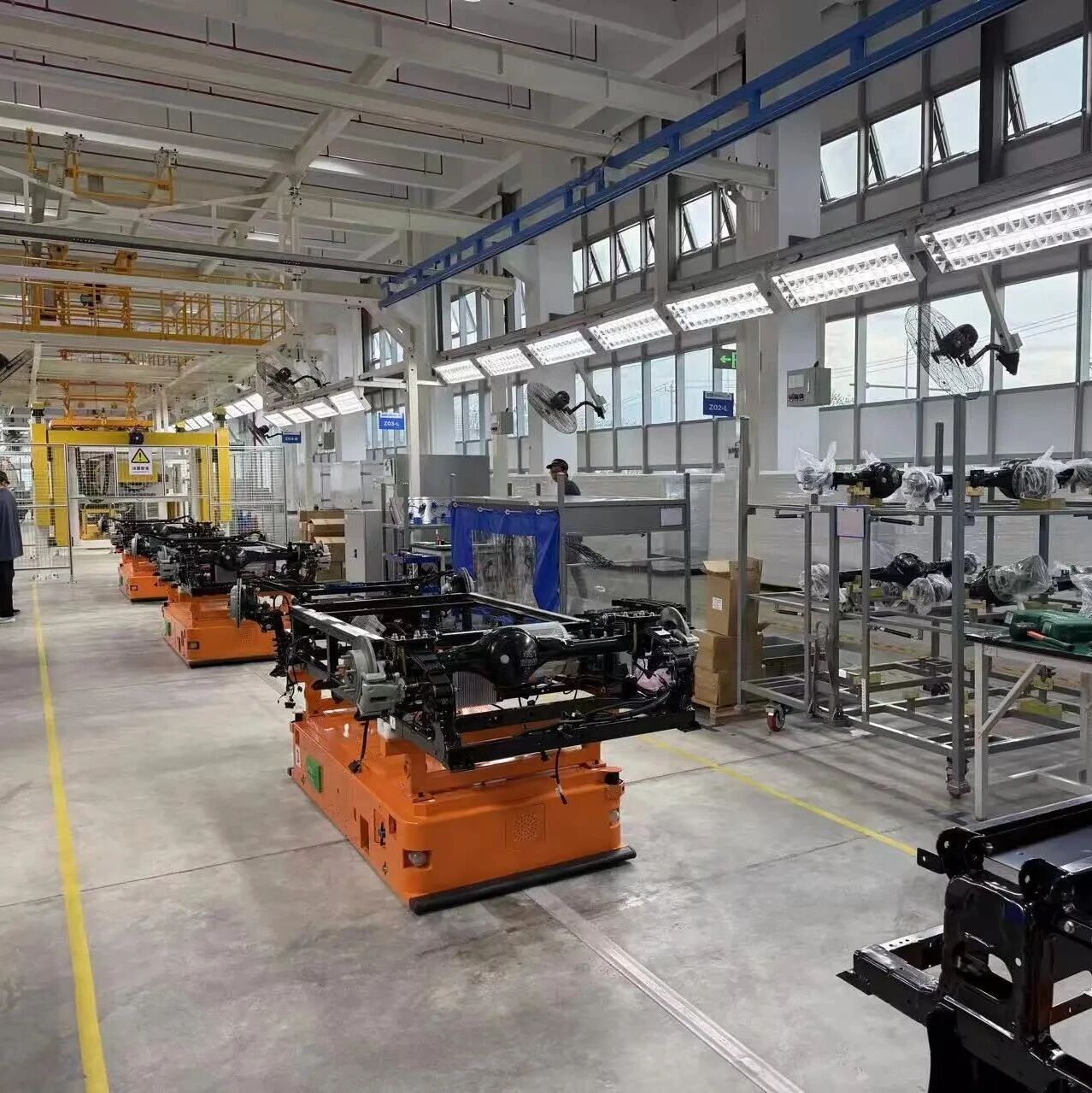
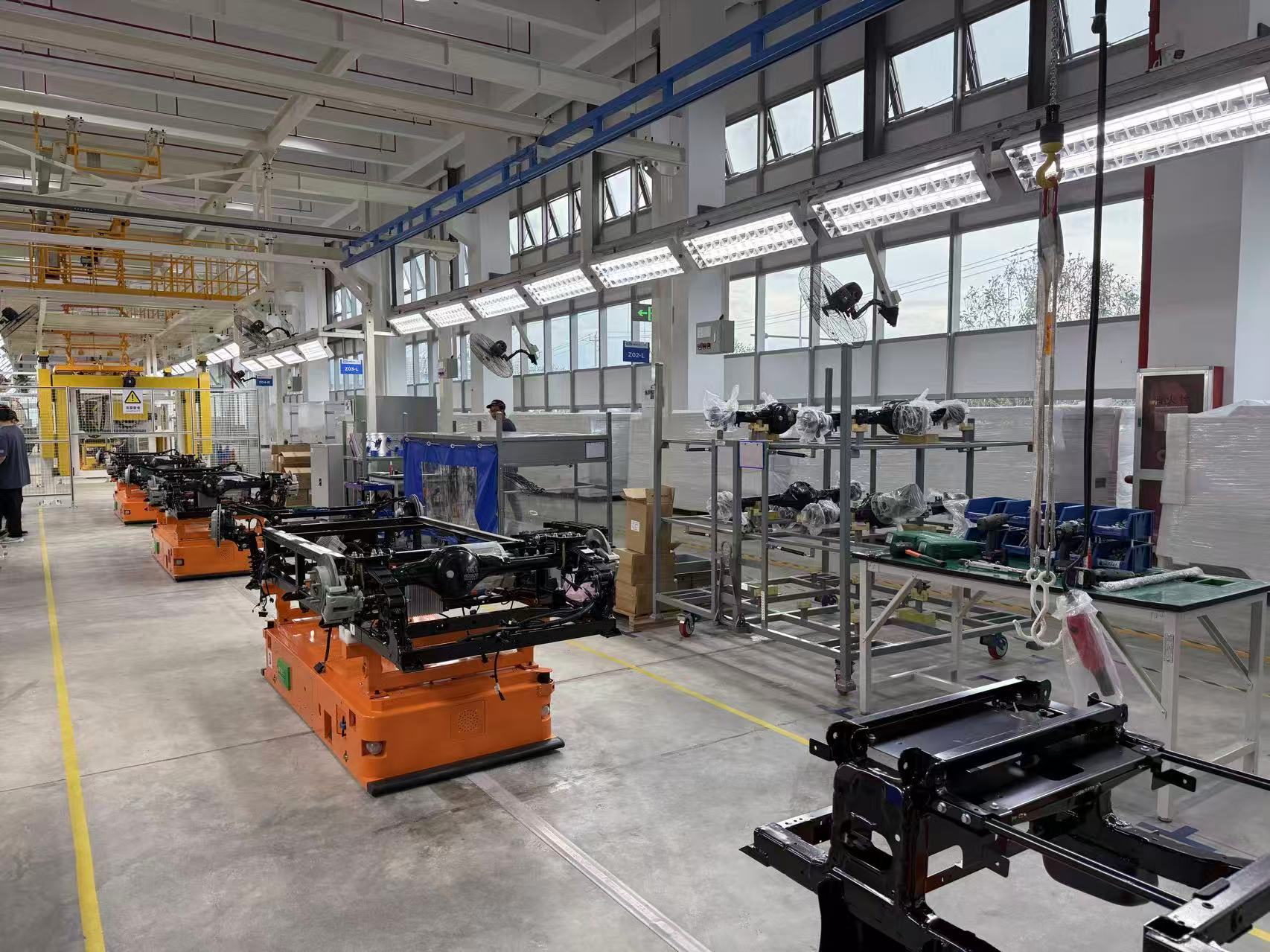
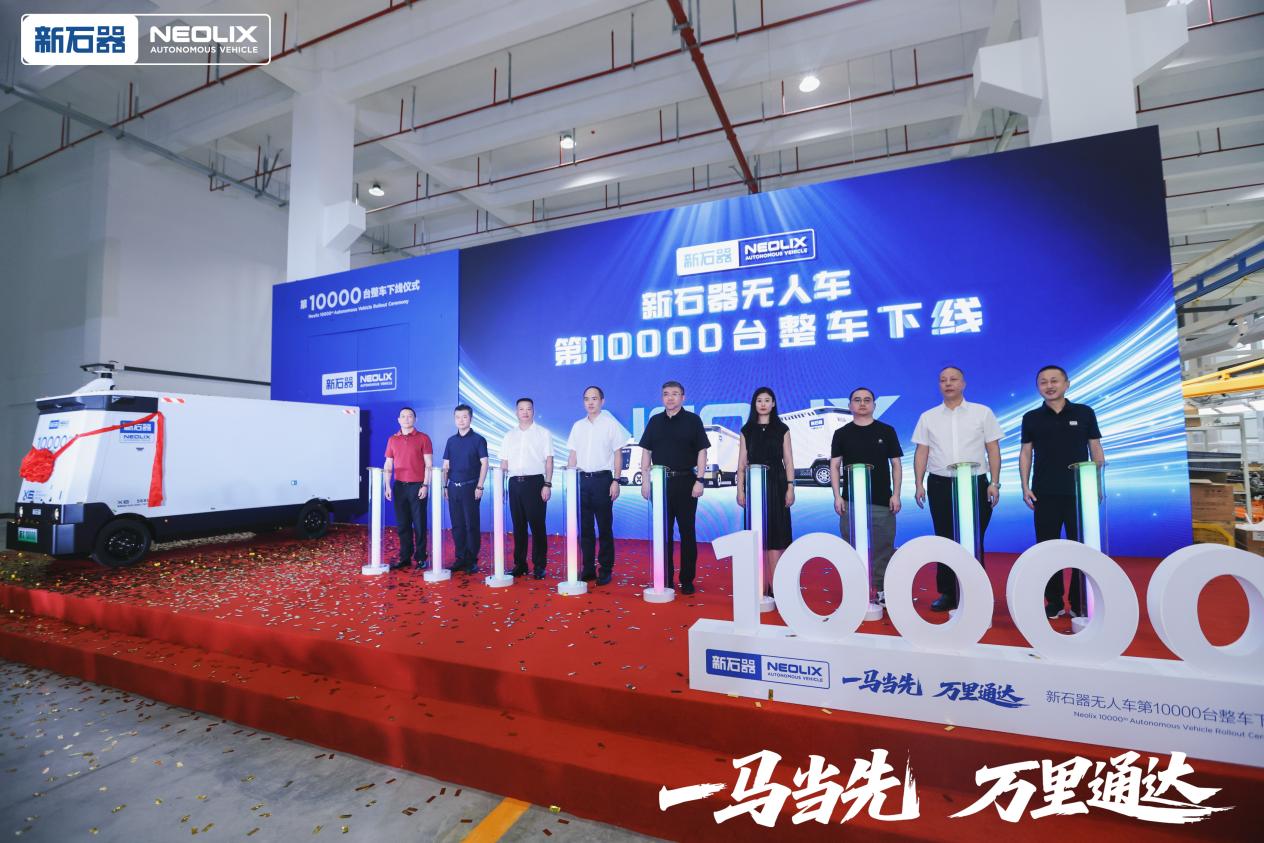
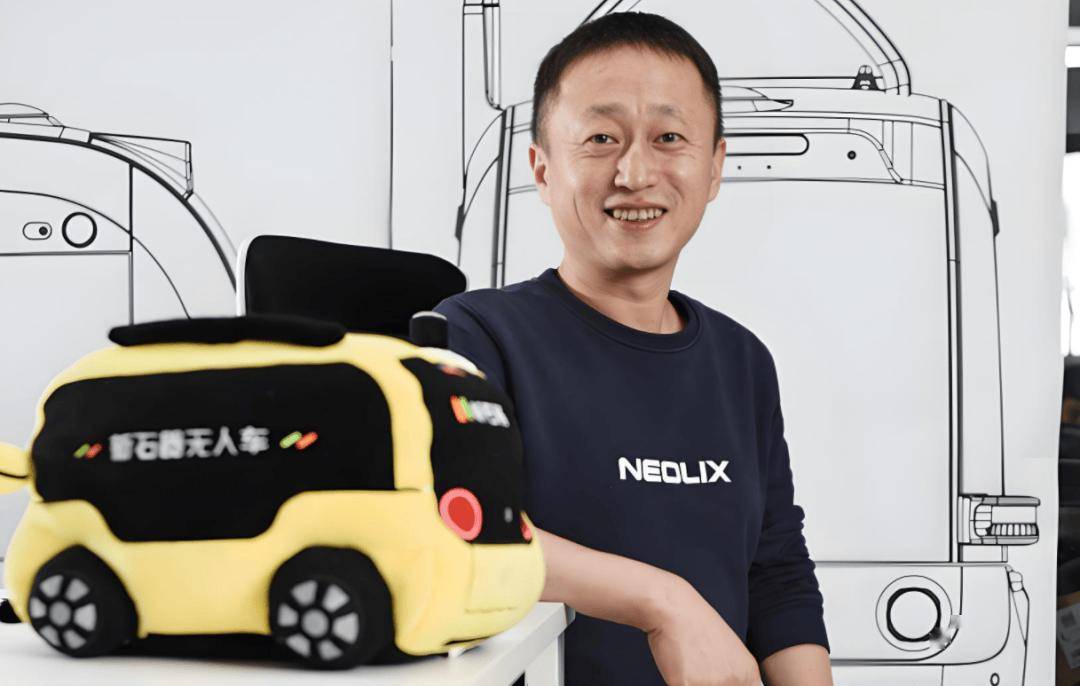
9月23日,无人配送企业新石器无人车宣布,第10000台整车在浙江桐庐正式下线交付。桐庐作为民营快递之乡,聚集了3万多个覆盖全国且走向全球的 快递网点老板,在此设厂能贴近客户获取第一手需求反馈,还能吸引更多产业链上下游企业关注,形成产业集聚效应。 除快递场景外,新石器无人车还加速在即时物流、生鲜配送、医药冷链、团餐运输、社区零售等场景的部署,将成为新的增长驱动力。特别是今年下半 年以来,新石器通过与滴滴货运合作,向实时调度物流延伸。预计到今年底,新石器在快递以外场景的无人车铺设量将达4000至5000台,其中大部分用于实 时物流调度。 余恩源表示,公司原计划今年交付1万台,9-10月已提前一季度完成,剩余季度将保持2000台以上的产能和销量,全年有望突破1.5万台,力争年底现金 流转正,同时为明年国内4-5万台需求做产能准备,预计后年加上海外需求或超10万台。在海外布局上,余恩源强调中国在供应链上具有独特优势,美国等 海外竞品多仅具备算法但不具备供应链,整体成本是中国的10倍以上,目前新石器在中东、欧洲、东南亚等市场无海外竞对,但出海面临地方性法律法规及 本地化等挑战,难度堪比重新创业。 最近广东地区的台风天 ...
对话新石器余恩源:中国的无人车遥遥领先于全球,1万台下线只是新的开始
IPO早知道· 2025-09-24 05:37
Core Viewpoint - New Stone has established the world's first fleet of 10,000 unmanned delivery vehicles, marking a significant leap from technology validation to large-scale commercialization in the unmanned delivery industry [4][5]. Group 1: Company Milestones - Since its establishment in 2018, New Stone has achieved significant milestones, including the launch of the world's first 10,000-unit production facility in 2019 and obtaining the first batch of domestic unmanned delivery vehicle road qualifications in 2021 [4]. - The company delivered its 10,000th vehicle on September 23, 2023, and anticipates delivering 15,000 units by the end of the year, significantly exceeding its initial target [15][16]. Group 2: Market Expansion and Growth Drivers - New Stone is expanding its deployment beyond the express delivery sector into areas such as instant logistics, fresh food delivery, pharmaceutical cold chain, group meal transportation, and community retail, which are expected to drive new growth [5][18]. - The demand for unmanned vehicles in sectors outside express delivery has reached approximately 30%, with expectations that this could exceed 50% next year [18]. Group 3: Financial Performance and Profitability - The company has achieved monthly profitability and maintains a high gross margin, allowing it to avoid price wars while providing cost-effective services to customers [13][16]. - New Stone's operational strategy focuses on reducing hardware costs and operational expenses through advanced algorithms and modular hardware configurations [12]. Group 4: Competitive Landscape and Global Strategy - New Stone perceives a strategic opportunity in the global market, noting a lack of significant competition in various regions, including the U.S., where costs are substantially higher than in China [20][21]. - The company aims to leverage its supply chain advantages and technological capabilities to capitalize on the global demand for unmanned vehicles [21].

“物流界的马斯克”,他用送快递的手,造出全球第一无人车
Sou Hu Cai Jing· 2025-09-24 04:55
Core Insights - The article highlights the transformation of a once overlooked startup into the world's largest autonomous delivery vehicle fleet, led by Yu Enyuan, who is now compared to Elon Musk in the field of unmanned vehicles [2][25] - The company, New Stone, has over 7,000 operational vehicles and nearly 30,000 orders, with plans to deploy 10,000 vehicles by 2025, a first in the L4 autonomous vehicle industry [2][16] Company Background - Yu Enyuan, a veteran in the logistics industry, began his entrepreneurial journey after graduating from Chongqing University in 1996, founding 11 companies and gaining deep insights into the logistics sector [3] - His previous ventures included developing smart logistics terminals and delivery lockers, achieving significant market share and revenue [3] - In 2016, he pivoted to the autonomous delivery vehicle sector, establishing New Stone to focus on L4-level logistics vehicles [3][12] Funding and Partnerships - Yu Enyuan received crucial support from Li Xiang, founder of Ideal Auto, who provided funding and resources for New Stone's development [5][10] - The company faced financial challenges in 2018 but secured A-round financing from Yunqi Capital, which helped stabilize operations [7][8] - New Stone completed B-round financing in 2021, attracting investments from major firms like SoftBank Vision Fund, while maintaining its independence [10][12] Technological Development - New Stone initially partnered with Baidu Apollo to develop L4 autonomous driving capabilities but later shifted to a vision-based approach, reducing costs and enhancing scalability [12][14] - The company has developed proprietary algorithms and achieved significant milestones in autonomous driving technology, including the launch of a 4D One Model perception model [23] Market Dynamics - The autonomous delivery vehicle industry is expected to grow rapidly, with New Stone predicting a tenfold increase in development speed in 2025 [16] - Major logistics companies like SF Express have recognized the importance of autonomous vehicles, leading to significant orders, including a record 1,600 vehicles from SF Express [16][19] Cost Efficiency - Autonomous delivery vehicles can reduce transportation costs by 70% to 80% compared to traditional methods, primarily by eliminating driver costs and increasing cargo capacity [19][20] - The cost advantages are driving a wave of automation in the logistics industry, enhancing overall operational efficiency [21] Competitive Advantages - New Stone has established a four-pronged competitive moat, including advanced algorithm capabilities, regulatory compliance, integrated hardware-software solutions, and a deep understanding of customer needs [23] - The company has secured over 85 city permits for autonomous vehicles, representing 80% of the total issued RoboVan licenses in China [23] Future Outlook - The demand for autonomous delivery vehicles is projected to expand beyond parcel delivery to various urban logistics scenarios, with potential needs reaching millions of units [25] - New Stone is also pursuing international expansion, having successfully deployed vehicles in 13 countries, including Germany and Singapore [25]
押宝智能配送,汽车后市场从拼价格“卷”向降成本
Zhong Guo Qi Che Bao Wang· 2025-09-19 05:47
Core Insights - The automotive aftermarket is shifting from price competition to cost optimization, with a focus on efficiency through intelligent delivery systems [2][3][6] - Major tire brands and internet giants are collaborating to implement autonomous driving technology in terminal delivery, marking the entry of tire sales into the era of unmanned delivery [2][3] Group 1: Industry Trends - Companies like Giti Tire and Continental are leading the charge in adopting intelligent delivery solutions, with Giti Tire planning to cover 32 cities in China by 2025 using L4 autonomous vehicles [3][6] - The introduction of drone technology for parts delivery is expanding the reach of intelligent logistics in the automotive aftermarket [2][3] Group 2: Cost Reduction and Efficiency - Giti Tire has reported a reduction in operational costs by over 60% due to the implementation of unmanned delivery networks, significantly improving delivery efficiency and response times [3][7] - Continental has launched a "30-minute quick delivery" service, enhancing customer experience by providing rapid tire replacement services [3][4] Group 3: Collaborative Innovations - Linglong Tire has partnered with New Stone Technology to create smart delivery vehicles, achieving over 30% reduction in logistics costs and halving customer wait times [4][6] - Tuhu Car Maintenance is collaborating with New Stone Technology to establish a closed-loop ecosystem of "intelligent delivery and professional after-sales service" [4][6] Group 4: Future Potential and Challenges - The potential for unmanned delivery in the automotive aftermarket is significant, with expectations of reduced labor costs and improved delivery efficiency as technology matures [6][9] - Challenges remain, including the need for better understanding of diverse delivery scenarios and the financial risks associated with transitioning from traditional delivery methods [9][10][11]

无人物流车商业化加速,佑驾创新刘国清:“路权”是规模化落地关键,L3级已准备就绪
Mei Ri Jing Ji Xin Wen· 2025-09-18 08:01
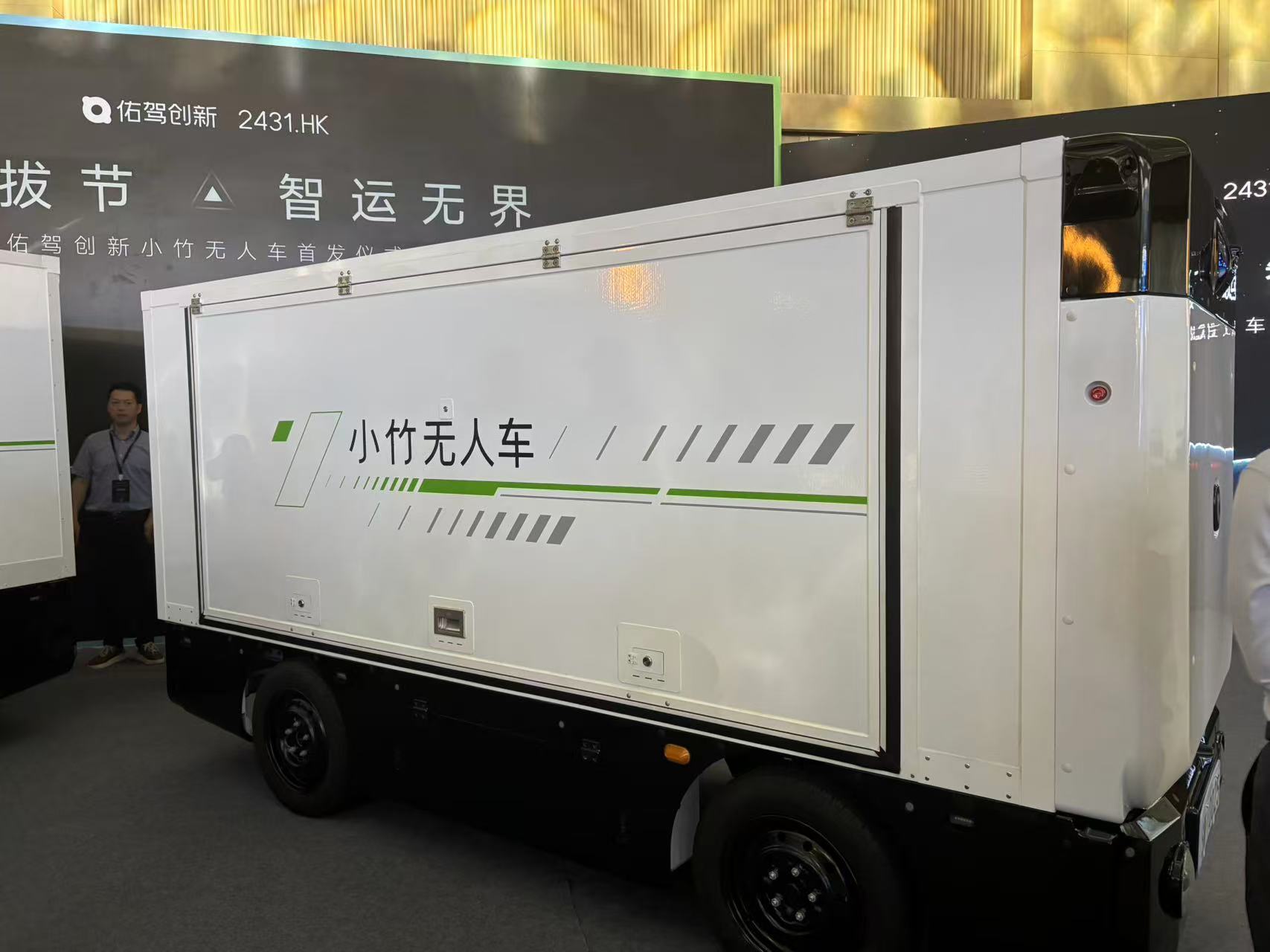
Core Viewpoint - China has been the world's largest logistics market for nine consecutive years, and traditional models struggle to create more profit through cost-cutting or efficiency improvements. The future of logistics requires smarter transportation, which is fundamentally addressed by unmanned logistics vehicles [1][4]. Group 1: Company Developments - Youjia Innovation officially launched its unmanned logistics brand "Xiaozhu Unmanned Vehicle" on September 15, introducing two models, T5 and T8, equipped with advanced sensor technology [1][4]. - The company aims to deliver 400 to 500 vehicles by the end of this year, with projected sales reaching tens of thousands next year, generating an estimated revenue of 400 to 500 million yuan, maintaining a gross margin of 20% to 30% [5][6]. Group 2: Market Trends - The unmanned logistics vehicle market is expected to experience explosive growth, with an annual growth rate exceeding 60% from 2025 to 2028, potentially surpassing a market size of 20 billion yuan [4]. - Recent financing activities in the unmanned logistics sector indicate strong market interest, with significant investments in companies like New Stone Age and Jiusi Intelligent [4]. Group 3: Technological Advancements - Breakthroughs in chips, sensors, and algorithms over the past decade have laid the foundation for unmanned logistics vehicles to meet real-world demands, with costs decreasing significantly due to advancements in passenger vehicle automation [3][4]. - The company has developed a product matrix based on L1 to L4 autonomous driving technologies, providing comprehensive technical support to automakers [9]. Group 4: Regulatory Environment - The Chinese government has released positive signals for the industry, promoting unmanned vehicle technology through various action plans, with over 100 cities opening up road rights for unmanned delivery vehicles by mid-2025 [4][6]. - The key challenge for the industry is not just technological but also adapting urban governance systems to new logistics forms, particularly regarding road rights and public resource usage [6][8]. Group 5: Strategic Partnerships - Youjia Innovation is exploring operational models in collaboration with local enterprises, such as a recent strategic agreement with Shenzhen Post and Eastern Bus to advance unmanned logistics applications [8].
深圳无人物流车单月狂送90万单
Shen Zhen Shang Bao· 2025-09-17 16:39
Core Insights - Shenzhen has released its first monthly report on the operation and development of functional unmanned vehicles, showcasing their transition from experimental to commercial value [1][3] - The report indicates a significant increase in the operational scale and commercial viability of functional unmanned vehicles in Shenzhen [3][5] Operational Scale - As of August, Shenzhen has opened 1,170 routes for functional unmanned vehicles, totaling 3,185 kilometers, with 44 new routes added in August alone [1] - The number of operational functional unmanned vehicles reached 764 in August, with a month-on-month increase of 45 vehicles [1] Market Competition - The report highlights the competitive landscape among unmanned vehicle brands in Shenzhen, with Meituan leading in monthly driving mileage at 11.2 million kilometers, significantly surpassing New Stone's 3.5 million kilometers [2] - New Stone has the largest active vehicle count at 148, followed by Meituan with 119, while other brands like White Rhino and Jiushi Intelligent have significantly fewer active vehicles [2] Commercial Value - In August, functional unmanned vehicles in Shenzhen completed 900,000 deliveries, generating approximately 7.6 million yuan in commercial value [3] - The average delivery volume per vehicle exceeds 200 orders per hour, outperforming traditional delivery vehicles [3] Safety Metrics - The responsibility traffic accident rate for functional unmanned vehicles in Shenzhen was only 0.04 incidents per 10,000 kilometers in August, indicating a high level of operational safety [3] - The average manual intervention rate was 0.016 times per kilometer, with a compliance rate of 91.6% [3] Business Ecosystem Development - Companies are diversifying their operational strategies, with SF Express testing unmanned delivery in university campuses to enhance service capabilities [4] - New Stone is conducting pilot inspections using unmanned vehicles equipped with various sensors to improve urban management [4] Industry Growth Projections - The low-speed unmanned driving industry in China is projected to reach a sales scale of 12.3 billion yuan in 2024, with a year-on-year growth of 45% [5] - By 2030, the sales volume of low-speed unmanned vehicles is expected to exceed 95,000 units, with sales potentially surpassing 41 billion yuan [5]
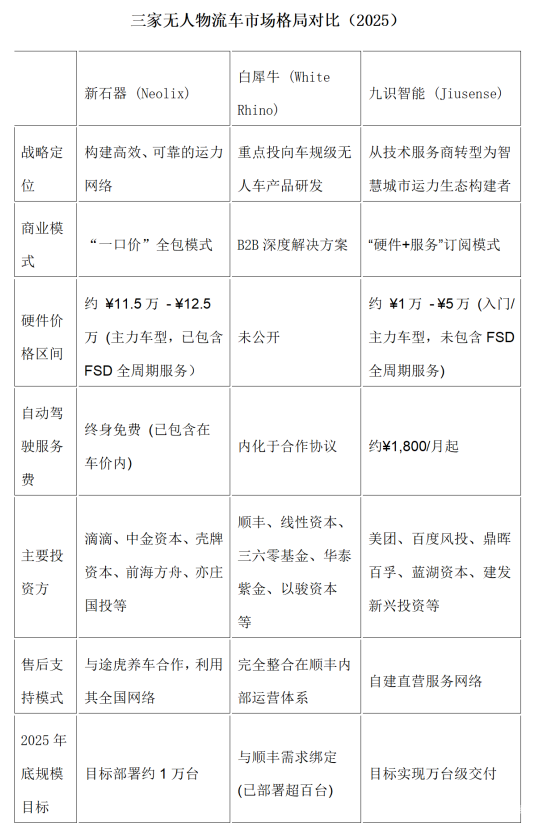
无人配送车价格战“卷”入万元:资本密集加持,谁能笑到最后
Nan Fang Du Shi Bao· 2025-09-17 08:59
Core Insights - A fierce price war is sweeping the unmanned logistics vehicle industry, with companies like Neolix introducing attractive financing options and free services, marking a shift from high-tech products to cost-effective logistics tools [1][2] - The price drop has led to a significant increase in market demand, with over 60% of the 15,000 units delivered by mid-2025 coming after the price war began [2][4] - The influx of capital and technological advancements are driving this transformation, with major companies raising substantial funds to support their operations [4][6] Price War Dynamics - The price of unmanned vehicles has plummeted from around 200,000 yuan to approximately 100,000 yuan, including service fees [1][2] - Companies like Cainiao and Jiusense are setting aggressive price points, with models priced as low as 16,800 yuan and 19,800 yuan respectively [2] - The operational efficiency of unmanned vehicles is improving, with delivery times reduced significantly, allowing for increased package handling by delivery personnel [2][4] Capital and Investment - Major companies have raised over 3 billion yuan in funding within a few months, indicating strong investor interest in the unmanned logistics sector [4][6] - Neolix and Jiusense have secured significant investments from prominent backers, enhancing their market positions [4][6] Technological Advancements - The cost of essential components like laser radars has decreased dramatically, contributing to the overall reduction in vehicle prices [7] - The establishment of self-owned factories by leading firms has led to significant manufacturing cost reductions [7] Future Competition Landscape - As the price competition intensifies, companies are shifting focus from price to ecosystem development, emphasizing the importance of innovation and service capabilities [8][9] - The future success in the unmanned logistics market will depend on companies' abilities to understand logistics challenges and provide reliable services [9][10]