OPPO

Search documents
陷入瓶颈还是黎明前的黑暗,聊聊智能手表芯片
3 6 Ke· 2025-08-18 12:12
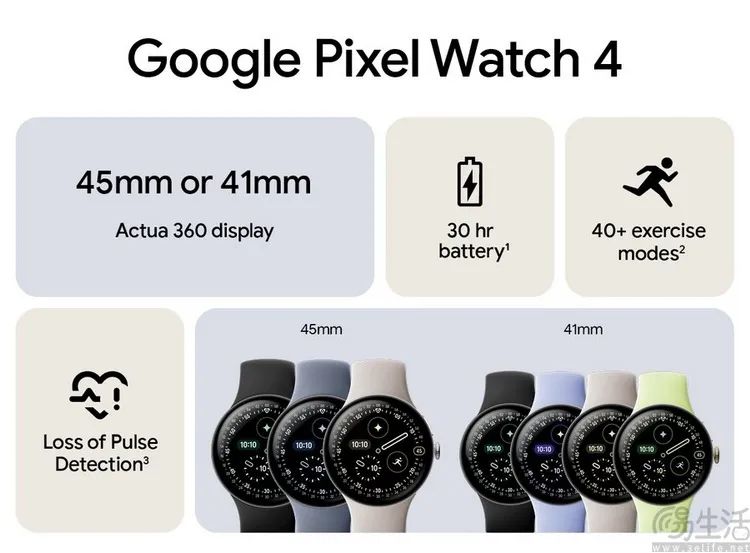
Core Insights - Google is set to release a new lineup of products, including the Pixel 10 series smartphones and the Pixel Watch 4 smartwatch, with significant information about the latter recently leaked [1] Hardware Improvements - The Pixel Watch 4 features a new screen with a peak brightness of 3000 nits, a 50% increase compared to its predecessor [4] - The smartwatch may include a "heart rate drop" detection algorithm, indicating advancements in health monitoring capabilities [4] Hardware Limitations - The Pixel Watch 4 does not feature any upgrades in the main control unit, continuing to use the Qualcomm Snapdragon W5+ Gen1 platform, which is considered outdated [6] - The typical battery life is only 40 hours, lacking energy-saving technologies seen in competitors like OPPO [6] - The design remains unchanged across three generations, leading to consumer disappointment [6] Market Context - The current Android smartwatch market is limited to the Snapdragon W5+ Gen1 due to Samsung's non-availability of its Exynos W1000 [8] - Future improvements are anticipated with the Snapdragon W5 Gen2, which is expected to utilize a 3nm process and offer better performance for health monitoring algorithms [10] Future Developments - Google is reportedly developing its own smartwatch control unit, codenamed "NPT," which may include a Cortex-A78 core and multiple Cortex-A55 cores [12] - Qualcomm and Google have announced plans for a new Wear OS ecosystem that will support RISC-V architecture, potentially allowing for more diverse hardware compatibility [14][15] Competitive Landscape - Domestic manufacturers like Huawei, OPPO, and Xiaomi have the capability to develop their own chips and may leverage this opportunity to enhance their smartwatch offerings [17] - Xiaomi's recent advancements in low-power control units suggest a potential for high-end smartwatch development, especially if Wear OS limitations are lifted [19]


A股收评:沪指涨近1%创近10年新高,创指涨近3%,AI算力股爆发!超4000股上涨,成交2.81万亿放量5363亿;机构解读
Sou Hu Cai Jing· 2025-08-18 07:24
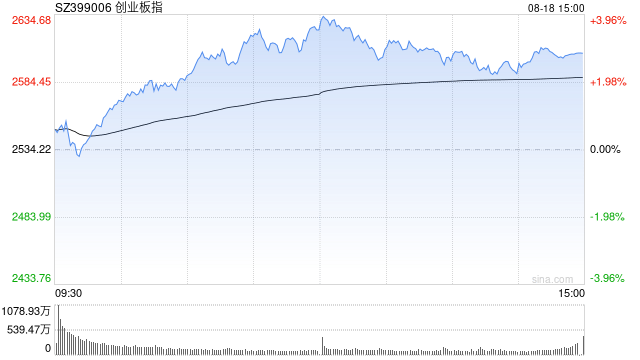
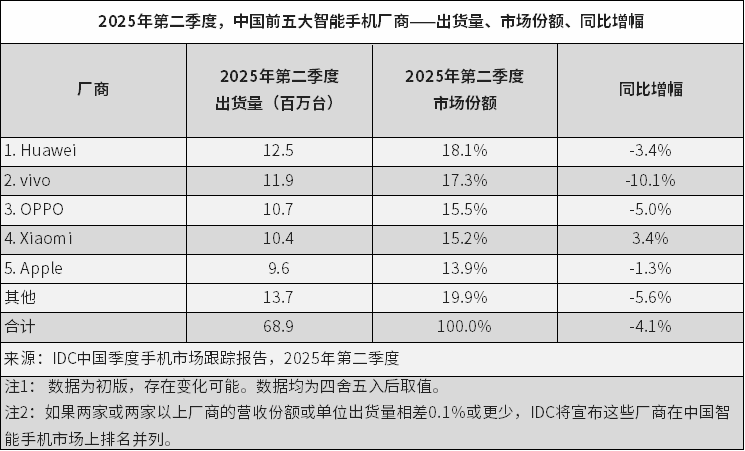
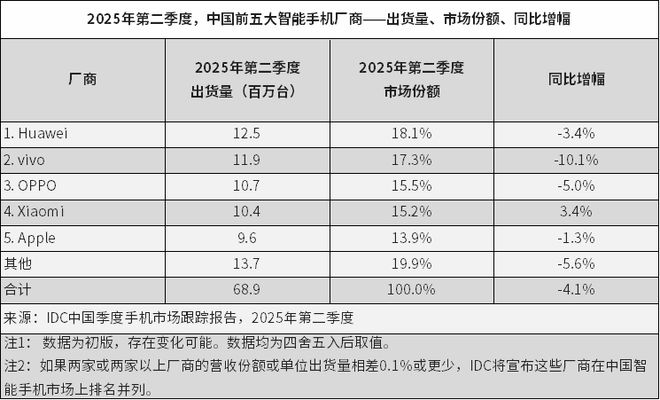
8月18日消息,沪指收涨近1%,创指涨近3%。板块方面,液冷服务器概念爆发,曙光数创30cm涨 停,、强瑞技术等20cm涨停;短剧游戏概念强势,华智传媒、等盘中涨停;稀土永磁板块走高,、、 等午后涨停;软件开发板块走强,20cm涨停;下跌方面,黄金概念多股调整,(维权)、衢州发展领 跌;煤炭股走弱,电投能源跌幅居前;油气股走低,领跌。总体来看,个股呈普涨态势,上涨个股超 4000只。 截至收盘,沪指报3728.03点,涨0.85%;深成指报11835.57点,涨1.73%;创指报2606.20点,涨2.84%。 盘面上,液冷服务器、影视院线、科创次新股板块涨幅居前,煤炭开采加工、贵金属、工业金属板块跌 幅居前。 热点板块: 消息面上,据网络平台数据,截至8月18日,2025年暑期档电影总票房(含预售)破100亿。《南京照相 馆》《浪浪山小妖怪》《长安的荔枝》分列前三位。 机构观点: 1、液冷服务器 消息面: 1、【IDC:华为重夺二季度中国智能手机市场榜首】IDC最新研究显示,2025年第二季度全球智能手 机市场出货量总计2.97亿台,同比增长1.4%。二季度中国市场前五名厂商为华为、vivo、OPPO、小米 ...
华为二季度重夺中国智能手机市场榜首,vivo小米紧随其后
Xin Lang Ke Ji· 2025-08-18 07:17
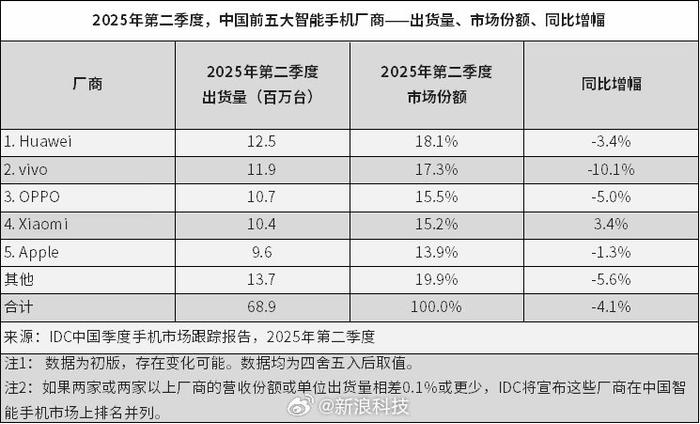
Core Insights - Huawei regained the top position in the Chinese smartphone market for the first time in four years, with a market share of 18.1% in Q2 2025 [1][2] - The overall smartphone market in China saw a total shipment of 68.9 million units, reflecting a year-on-year decline of 4.1% [2] Manufacturer Performance - Huawei: Shipped 12.5 million units, market share of 18.1%, year-on-year decline of 3.4% [1][2] - Vivo: Shipped 11.9 million units, market share of 17.3%, year-on-year decline of 10.1% [1][2] - OPPO: Shipped 10.7 million units, market share of 15.5%, year-on-year decline of 5.0% [1][2] - Xiaomi: Shipped 10.4 million units, market share of 15.2%, year-on-year increase of 3.4% [1][2] - Apple: Shipped 9.6 million units, market share of 13.9%, year-on-year decline of 1.3% [1][2] Market Dynamics - Xiaomi was the only manufacturer among the top five to achieve positive growth in Q2 2025, indicating a strong customer base focused on cost-effectiveness [1] - Apple implemented strategic price adjustments for specific iPhone models to qualify for government subsidies, which helped mitigate its decline in shipments [1]
华为重夺中国智能手机市场榜首
Bei Jing Shang Bao· 2025-08-18 07:13
Core Insights - The global smartphone market saw a shipment of 297 million units in Q2 2025, reflecting a year-on-year growth of 1.4% [1] - In China, smartphone shipments totaled 68.86 million units in Q2, marking a year-on-year decline of 4.1%, ending six consecutive quarters of growth [1] Global Market Overview - The top five smartphone manufacturers globally are Samsung, Apple, Xiaomi, vivo, and Transsion [1] Chinese Market Dynamics - The leading smartphone manufacturers in China are Huawei, vivo, OPPO, Xiaomi, and Apple, with only Apple being a foreign brand [1] - Huawei regained the top position with a shipment of 12.5 million units and a market share of 18.1%, highlighting its strong brand appeal [1] - Xiaomi achieved a shipment of 10.4 million units, securing a market share of 15.2%, and was the only top-five manufacturer to experience a year-on-year growth of 3.4% [1] - Apple managed to reduce its year-on-year decline to 1.3% through strategic price adjustments that qualified certain models for subsidies [1]


高质量发展孕育“创新牛”
Soochow Securities· 2025-08-18 06:51
Group 1: Macroeconomic Policy Innovations - The government has implemented innovative macroeconomic policies focusing on new productive forces to stabilize the economy while supporting structural optimization[2] - New "quasi-fiscal" financial tools emphasize structural optimization and cover areas such as technological innovation and consumption upgrades[2] - Monetary policy tools have been introduced to guide funds towards technological innovation, providing strong support for macroeconomic stability and reducing financing costs for the real economy[2] Group 2: Capital Market Policy Innovations - The "National Nine Articles" released in April 2024 initiated a round of capital market reforms, enhancing rules for listing, trading, and exit processes[3] - The "Science and Technology Valuation" system has been restructured to provide reasonable valuations for high-tech enterprises, aligning with high-quality development and national industrial security needs[3] Group 3: Funding Structure Innovations - A joint initiative by six ministries has led to a significant influx of long-term capital into the A-share market, with equity ETFs surpassing 3 trillion yuan in scale[4] - Long-term institutional investors have become key stabilizers in the market, with insurance funds increasing their equity investment limits to 40%[4] Group 4: Technological Industry Innovations - China leads globally in various sectors, including humanoid robots and new energy, with significant patent applications and product sales[5] - The digital economy's core industry added value reached 127.555 billion yuan in 2023, accounting for 9.9% of GDP[30] Group 5: Market Performance and Trends - As of August 15, 2025, the Shanghai Composite Index has risen by 10.29% year-to-date, outperforming the S&P 500 and Dow Jones Industrial Average[13] - The Science and Technology Innovation Index has increased by 27.21% year-to-date, significantly outperforming the CSI 300 Index, which rose by 6.80%[7] Group 6: Risks and Challenges - Potential risks include corporate profit growth not meeting expectations and external demand declining unexpectedly[48]
IDC二季度中、美智能手机市场速览:华为重夺中国市场榜首 联想居美国第三
Zhi Tong Cai Jing· 2025-08-18 06:21
Core Insights - The global smartphone market is projected to ship 297 million units in Q2 2025, reflecting a year-on-year growth of 1.4% [1] - In China, the top five smartphone manufacturers are Huawei, vivo, OPPO, Xiaomi, and Apple, with Huawei reclaiming the top position after four years [1][3] - The U.S. market's top five manufacturers are Apple, Samsung, Lenovo, Google, and TCL, with Apple maintaining a significant lead in market share [1][4] China Market Summary - The total smartphone shipments in China for Q2 2025 reached 68.9 million units, marking a decline of 4.1% year-on-year, ending six consecutive quarters of growth [2] - Huawei led the Chinese market with a shipment of 12.5 million units, holding an 18.1% market share, despite a year-on-year decline of 3.4% [2][3] - Xiaomi was the only manufacturer among the top five to achieve positive growth, with a year-on-year increase of 3.4% [2][3] - Consumer confidence remains low, impacting overall market demand despite promotional events like "618" [2] U.S. Market Summary - The U.S. smartphone market experienced a growth of 3.7%, with total shipments reaching 25.7 million units in Q2 2025 [4][5] - Apple led the U.S. market with a shipment of 12.2 million units, capturing a market share of 47.6% and achieving a year-on-year growth of 14.8% [5] - Samsung followed with a shipment of 6.9 million units, reflecting a growth of 14.3% due to inventory increases and the introduction of AI features in mid-range devices [5] - Lenovo (Motorola) continued to expand its presence in the U.S. market with a year-on-year growth of 2.4% [5]

IDC二季度中、美智能手机市场速览:华为重夺中国市场榜首 联想(00992)居美国第三
Zhi Tong Cai Jing· 2025-08-18 06:14
Global Smartphone Market Overview - The global smartphone market is projected to ship 297 million units in Q2 2025, reflecting a year-on-year growth of 1.4% [1] - The Chinese market's top five manufacturers are Huawei, vivo, OPPO, Xiaomi, and Apple, with Huawei reclaiming the top position after four years [2] - The U.S. market's top five manufacturers are Apple, Samsung, Lenovo, Google, and TCL, with Apple maintaining a significant lead [3] Chinese Market Insights - In Q2 2025, China's smartphone shipments declined by 4.1% to 68.9 million units, ending a six-quarter streak of year-on-year growth [1] - The decline is attributed to limited impact from government subsidy programs and low consumer confidence, despite strong sales during the "618" shopping festival [1] - Huawei's market share is 18.1% with a shipment of 12.5 million units, while Xiaomi is the only manufacturer among the top five to achieve positive growth at 3.4% [2] U.S. Market Insights - The U.S. smartphone market grew by 3.7% in Q2 2025, with total shipments reaching 25.7 million units [3] - Apple leads the U.S. market with a 47.6% share, experiencing a 14.8% increase in shipments, the highest among the top five manufacturers [3] - Samsung also saw significant growth at 14.3%, driven by inventory increases and a focus on AI integration in mid-range devices [3]
外企逃离,投资暴跌99%,印度彻底变成“外资坟场”了?
Sou Hu Cai Jing· 2025-08-18 04:13
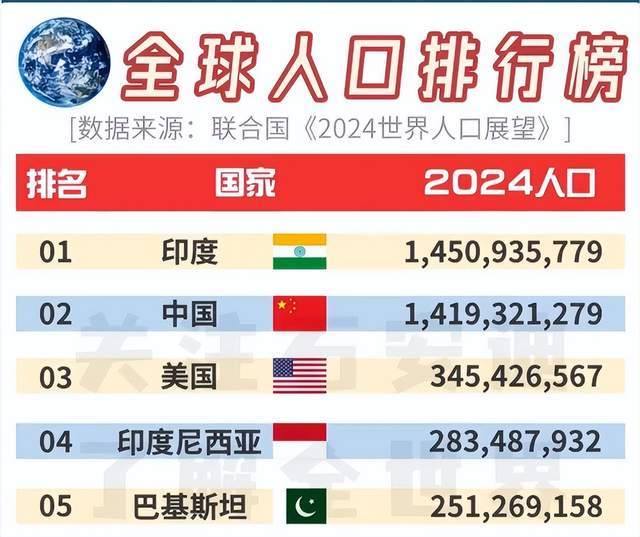
Group 1 - India is the world's most populous country with a population of 1.45 billion, presenting significant potential for growth, especially in manufacturing, attracting foreign investment through incentives [1] - Major smartphone manufacturers like Xiaomi, OPPO, VIVO, and Samsung have established factories in India, capturing 90% of the market share [3] - Despite initial success, foreign companies face punitive actions from the Indian government, including fines and asset freezes, leading to a hostile business environment [5] Group 2 - In May, India's net foreign direct investment (FDI) plummeted to $3.5 million, a 99% month-on-month decline and a 98% year-on-year decline, indicating a significant withdrawal of foreign capital [7] - For the fiscal year 2024-2025, India's net FDI dropped to $35.3 million, a 96.5% decrease from nearly $10 billion in the previous fiscal year, marking a historical low [7] - The adverse business climate has led to a widespread perception that foreign companies cannot profit in India, with a saying circulating that "India makes money, India spends it, and nothing can be taken home" [9][10]
ColorOS支持无网传图,无信号也能传3km,OPPO意欲何为?
3 6 Ke· 2025-08-18 03:45
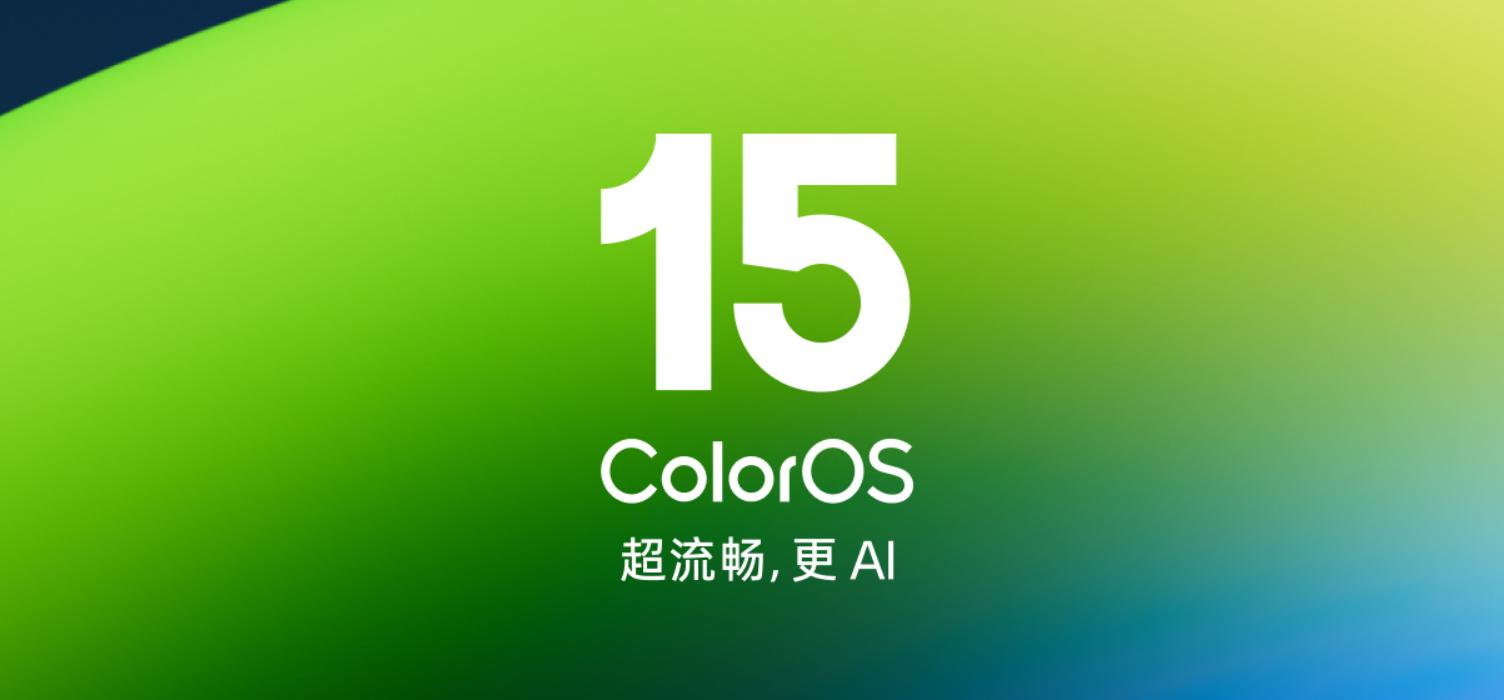
Group 1 - The core update of ColorOS 15 includes deep optimization of the Xiao Bu assistant, new smart screen reading, screen content analysis, and deep categorization of album content [1] - The "No Network Chat" feature has been significantly upgraded to support sending text messages, voice messages, and images, expanding its use cases in outdoor environments [3][6] - OPPO's MeshTalk technology enables decentralized communication without relying on traditional network infrastructure, allowing communication within a 3-kilometer range [6][11] Group 2 - MeshTalk operates on a proprietary protocol that requires specific communication chips in devices, limiting its use to compatible devices [8][11] - The technology is not intended to replace network communication but serves as a supplementary method in scenarios with weak signals or during disasters [11][12] - Future potential for MeshTalk includes multi-device connectivity and enhanced privacy, with the possibility of supporting more complex information types beyond images [15][16]
汉仪股份:上半年盈利增长现金流充沛,经营质量显著提升
Zheng Quan Shi Bao Wang· 2025-08-18 01:55
Core Insights - Han Yi Co., Ltd. reported a strong performance in the first half of 2025, with revenue reaching 89.97 million yuan and a net profit of 6.33 million yuan, reflecting a year-on-year growth of 337.96% [1][3] - The company has focused on enhancing its core B-end business through increased R&D investment and expanding its font library, which now includes over 1,800 proprietary B-end fonts and more than 3,800 font sets [2][4] - Han Yi is actively exploring AI technology applications, particularly through its upgraded "Zi You" client, which integrates various font-related functionalities and has achieved 400,000 daily active users [4][5] Business Development - The company has strengthened its partnerships with major mobile manufacturers like Huawei, OPPO, VIVO, and Xiaomi, providing personalized font products and expanding its internet platform licensing business [2][3] - Han Yi has diversified its product offerings to include personalized digital content such as wallpapers and icons, catering to the growing demand for customized mobile experiences [2][3] Financial Performance - The company's operating cash flow reached 14.77 million yuan, ten times higher than the same period last year, indicating strong cash flow management and collection efficiency [1][3] - The significant increase in net profit and cash flow underscores the company's improved operational quality and financial health [1][3] Technological Innovation - Han Yi has made substantial advancements in AI technology, enhancing its font effects and improving user experience through innovative features in the "Zi You" platform [5][6] - The company plans to transition its traditional font licensing business to a subscription-based high-quality service model, aiming to capture the growing demand for personalized products in mobile and app markets [5][6]