
蒙牛

Search documents
柴琇谢幕蒙牛系全面掌舵,妙可蓝多正式告别“创始人时代”
Huan Qiu Wang· 2026-01-26 07:02
Core Viewpoint - Miaokelando (600882.SH) has undergone significant personnel changes, marking a transition from founder-led management to a professional management team under the control of its major shareholder, Mengniu [1][3]. Group 1: Management Changes - Founder Chai Xiu has been removed from his positions as vice chairman, general manager, and legal representative, with the CFO Kuai Yulong taking over [1]. - The removal of Chai Xiu was triggered by overdue guarantee debts from an external acquisition fund linked to him, with Mengniu being the creditor [3]. Group 2: Financial Impact - The overdue debts are expected to reduce Miaokelando's net profit for 2025 by approximately 119 million to 127 million yuan [3]. - Despite previous commitments from Chai Xiu to cover losses, his failure to fulfill this promise accelerated Mengniu's takeover [3]. Group 3: Historical Context - Miaokelando experienced a successful period under Chai Xiu, with a revenue compound annual growth rate exceeding 50% from 2018 to 2021, and a market valuation that once surpassed 30 billion yuan [4][5]. - The company faced regulatory warnings in 2019 for providing funds to related parties, highlighting risks associated with high leverage and aggressive capital operations [5]. Group 4: Current Business Situation - As of the first three quarters of 2025, Miaokelando reported revenues of 3.957 billion yuan, a year-on-year increase of 10.09%, and a net profit of 176 million yuan, up 106.88% [5]. - The core cheese business generated 1.166 billion yuan in revenue in the third quarter, reflecting a 22% year-on-year growth [5]. Group 5: Strategic Transition - The company is in a critical business transformation phase, facing intense competition from traditional rivals and new market entrants [5]. - Management is focusing on product diversification, channel expansion, and operational efficiency, aiming to develop new growth avenues while maintaining profitability [5]. Group 6: Future Challenges - The transition in management is seen as a necessary step for the integration of industrial capital and the establishment of a more standardized governance structure [6]. - The key challenge for Miaokelando will be to leverage Mengniu's advantages to transition from a single cheese brand to a comprehensive nutrition platform for families [6].


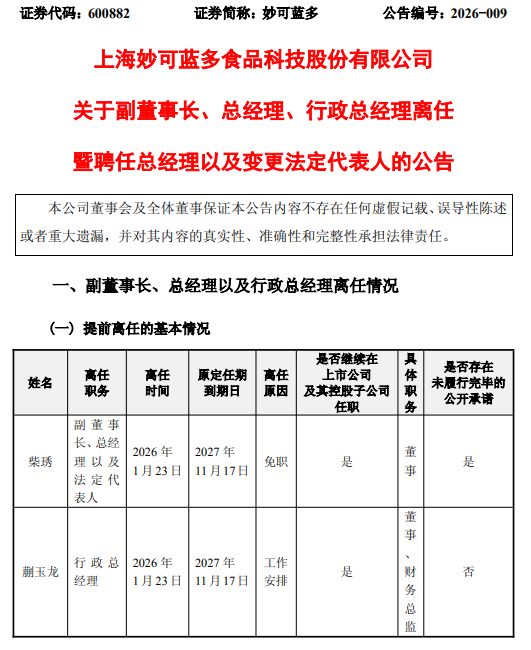
重磅!对赌失败出局?“蒙牛系”职业经理人正式接手妙可蓝多,柴琇时代结束!
Xin Lang Cai Jing· 2026-01-26 03:14
Core Viewpoint - The sudden dismissal of founder Chai Xiu from Miaokelando (600882.SH) marks a significant shift in the company's leadership and direction, transitioning from the "Chai Xiu era" to a more regulated management under Mengniu's influence [1][3][25]. Group 1: Leadership Changes - Chai Xiu was removed from her positions as Vice Chairman, General Manager, and legal representative, indicating a serious internal conflict rather than a voluntary resignation [1][2]. - The new CEO, Kuai Yulong, previously served as CFO and is seen as a professional manager from the Mengniu system, suggesting a shift towards a more structured corporate governance [2][24]. Group 2: Financial Implications - The dismissal was triggered by a significant debt issue involving a fund established by Chai Xiu, which has led to a projected net profit reduction of Miaokelando by 119 to 127 million yuan for 2025 [5][28]. - Kuai Yulong's strategy upon taking office involves clearing historical debts to start with a clean balance sheet, a common tactic among professional managers [6][28]. Group 3: Historical Context - Chai Xiu's entrepreneurial journey began with a bold bet on the cheese market, which was previously dominated by foreign brands, leading to a significant growth period for Miaokelando from 2018 to 2021 [9][10][33]. - The company's rapid expansion was supported by aggressive marketing strategies, including partnerships with popular children's brands, which significantly increased brand recognition and stock value [10][33]. Group 4: Challenges Ahead - The new leadership faces a declining revenue trend, with a reported 8.99% drop in revenue for 2024, marking the first negative growth since the company went public [16][38]. - The competitive landscape has intensified, with the cheese market becoming saturated and brand premiums diminishing, posing significant challenges for future growth [16][38]. Group 5: Future Strategies - Kuai Yulong is expected to implement strict compliance and risk management practices, leveraging Mengniu's supply chain to reduce costs and focusing on B2B channels to drive sales [40][41]. - The shift towards a more conservative and structured approach may lead to a less dynamic company culture, potentially stifling innovation and aggressive market strategies that characterized the previous leadership [42][43].
阿洛酮糖获批半年静悄悄?生产商:2026年或是应用爆发年
36氪· 2026-01-23 13:35
Core Viewpoint - The article discusses the potential of D-Allulose as a sugar substitute, highlighting its approval as a new food ingredient and the subsequent market dynamics, including production capacity expansion and challenges in consumer market adoption [6][10][42]. Group 1: D-Allulose Overview - D-Allulose is a natural sugar found in fruits and plants, with a sweetness level about 70% that of sucrose and only 10% of the calories [8][42]. - It was officially approved as a new food ingredient by the National Health Commission on July 2, 2025, leading to a surge in market interest and stock prices of related companies [10][11]. Group 2: Production and Market Dynamics - Following the approval, companies like Microgen and COFCO announced their production capabilities, with several firms rapidly expanding their production capacity [17][20]. - By September 2025, multiple companies had reported significant production capacity plans, with some targeting annual outputs of up to 30,000 tons [21][22]. Group 3: Consumer Market Challenges - Despite the production enthusiasm, the consumer market remains relatively quiet, with only a few products, such as those from Nayuki Tea and Yoyi C, publicly utilizing D-Allulose [11][24]. - The slow adoption in the consumer market is attributed to internal project timelines within companies and the need for product development before market launch [28][31]. Group 4: Cost and Production Challenges - The cost of D-Allulose remains a significant barrier, with prices ranging from 20,000 to 24,000 yuan per ton, compared to traditional sugars like sucrose at around 6,000 yuan per ton [33][36]. - The production methods for D-Allulose, including fermentation and enzymatic conversion, present technical challenges that contribute to higher costs [37][40]. Group 5: Application Potential - D-Allulose is expected to find its initial applications in high-end markets where price sensitivity is lower, rather than as a direct substitute for sucrose in mainstream products [44][46]. - Its classification as a food ingredient rather than an additive allows for broader applications across various food categories, including baking and dairy products [48][49].
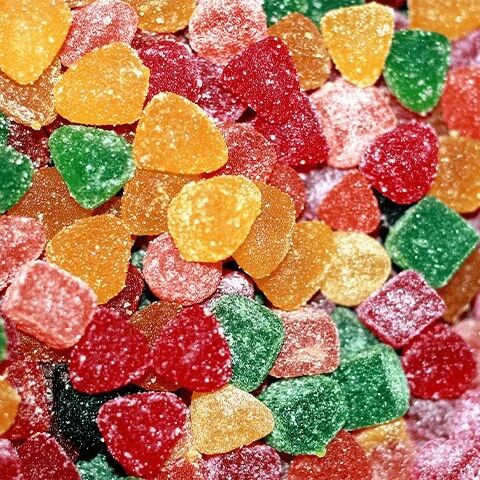
中銀Niki:內迴圈利好持續,關注李寧相關認購證
Ge Long Hui· 2026-01-23 12:07
對於具體的投資工具,Niki也提供了清晰的思路。她特別提及李寧認購證22219,指出其行使價為23.33元,今年5月中旬到期,提供約6倍槓桿。她分析道, 目前李寧股價在20元附近,若能上漲至23元左右,這只產品將從輕微價外進入價內狀態,屆時槓桿的潛在效應或將更為明顯。這為看好後市但希望更有效率 地運用資金的投資者,提供了一個具備清晰觸發條件的參考選項。 技術面透視:關鍵阻力前的蓄勢與分歧 根據截至1月21日的數據,李寧股價正處於一個短線的十字路口。上方,第一阻力位位於22.0元,第二阻力位則為22.8元。下方,第一支持位在19.7元,而更 關鍵的第二支持位位於19.0元。股價在反彈至21元上方後回落,顯示22元一線存在實質性賣壓,若要開啟新一輪升勢,攻克此關口至關重要。 市場動態:基本面預期的激烈交鋒 中銀Niki:內迴圈利好持續,關注李寧相關認購證 李寧股價自2025年12月從低位啟動反彈以來,累積了可觀升幅。進入2026年,股價在觸及21元上方後進入高位整固。1月21日,股價收報20.90元,單日回調 2.70%。這究竟是趨勢中的正常調整,還是新一輪上攻前的蓄力?當市場密切關注內地消費利好利好時,股價卻在 ...
百龙创园午后涨停:净利润增长近5成
Di Yi Cai Jing Zi Xun· 2026-01-23 07:44
Core Viewpoint - The sugar substitute stock, Bailong Chuangyuan (605016.SH), experienced a surge in share price following the announcement of a significant profit increase, driven by the approval and application of allulose sugar in China [2][3]. Group 1: Company Performance - Bailong Chuangyuan reported a revenue of 1.38 billion yuan for 2025, marking a year-on-year increase of 19.8% [2]. - The company's net profit attributable to shareholders reached 370 million yuan, reflecting a substantial growth of 48.9% year-on-year [2]. - The growth in performance is attributed to an optimized product structure, with a higher sales proportion of high-margin resistant dextrin products, as well as cost reductions from technological upgrades and improved capacity utilization [2]. Group 2: Market Trends and Product Development - The market is increasingly focused on the development prospects of allulose sugar, with multiple institutions monitoring Bailong Chuangyuan's positioning in this sector [2]. - The company has established a production capacity of 15,000 tons of crystalline allulose sugar and plans to launch a new food raw material factory in Thailand by 2026, which will add 12,000 tons of crystalline allulose sugar and 7,000 tons of liquid D-allulose sugar capacity [3]. - Allulose sugar has been officially approved as a new food raw material in China, with its demand projected to reach between 150,000 to 200,000 tons in the next 3-5 years [3]. Group 3: Competitive Landscape - Despite the promising outlook for allulose sugar, its cost remains significantly higher than that of erythritol, which has hindered large-scale application [4]. - The past two years have seen a decline in the performance growth of other sugar substitute companies due to the chaotic expansion of erythritol production, leading to a drop in raw material prices [4]. - Major sugar substitute companies, including Baolingbao and Sanyuan Biological, are now focusing on allulose sugar to regain market momentum [4].


百龙创园午后涨停:净利润增长近5成
第一财经· 2026-01-23 07:37
Core Viewpoint - The article highlights the significant growth of the sugar substitute stock, Bailong Chuangyuan (605016.SH), following the approval and application of allulose sugar in China, with a reported 48.9% increase in net profit for 2025 [3][5]. Group 1: Company Performance - Bailong Chuangyuan reported a revenue of 1.38 billion yuan for 2025, marking a year-on-year increase of 19.8% [3]. - The company's net profit attributable to shareholders reached 370 million yuan, reflecting a 48.9% year-on-year growth [3]. - The growth is attributed to an optimized product structure, with a higher sales proportion of high-margin resistant dextrin products, and cost reductions from technological upgrades [3][5]. Group 2: Market Trends and Product Development - The approval of allulose sugar as a new food ingredient in China is expected to drive demand, with projections estimating a domestic demand of 150,000 to 200,000 tons over the next 3-5 years [5]. - Major food and beverage companies, such as Mengniu, are accelerating the application of allulose sugar in their products, with some already testing allulose sugar formulations [5]. - Despite the high cost of allulose sugar compared to erythritol, which is 2-3 times higher, improvements in extraction efficiency are anticipated to gradually lower costs [6]. Group 3: Industry Challenges - The past two years have seen a slowdown in the performance of sugar substitute companies due to the chaotic expansion of erythritol production, leading to a drop in raw material prices [5]. - Companies like San Yuan Biological and Baolingbao are now focusing on allulose sugar to regain market momentum [5].
当IP成为消费驱动力,如何“装配”它?
Zhong Guo Jing Ji Wang· 2026-01-12 23:58
Core Insights - The article discusses the rapid growth of the IP (Intellectual Property) and consumer market in China, particularly in the digital entertainment sector, with projections indicating a market size of 753 billion yuan by 2025, reflecting a year-on-year growth of 62.8% [1] - The "IP + food" market is expected to reach 414.8 billion yuan by 2025, with a compound annual growth rate of 10.6% from 2025 to 2029, and an even higher growth rate of 18.5% in the Chinese market during the same period [2] - The integration of IP into consumer products is evolving from mere promotional tools to strategic brand assets that enhance emotional connections with consumers [3][8] Group 1: Market Trends - The IP-related consumer products have seen significant sales, with the "Nezha 2" movie generating hundreds of billions in sales from its merchandise [1] - A survey indicates that 49% of users consider IP to be a "plus" in their purchasing decisions, with 50.3% of respondents planning to increase their IP-related spending in 2025 [1] - The IP + food market is becoming a key driver for brands to innovate and differentiate in a highly competitive landscape [2][7] Group 2: Brand Strategies - Brands like Yili and Mengniu are leveraging popular IPs to create products that resonate emotionally with consumers, moving beyond simple collaborations to deeper brand narratives [3][5] - Yili's collaboration with "Zootopia 2" resulted in a unique jasmine tea milk tea product that aligns with family consumption scenarios, enhancing brand image and consumer engagement [4] - Mengniu's partnership with "Nezha 2" not only produced co-branded products but also integrated the film's themes into product design, significantly boosting social media engagement [6] Group 3: Consumer Engagement - The concept of "social currency" is emerging, where products are designed to be shareable and collectible, enhancing user interaction and brand loyalty [4][8] - The collaboration between brands and IPs is increasingly focused on creating emotional connections, with products designed to evoke feelings and social sharing among consumers [10][11] - The "health food play" category is gaining traction, with products designed for children that combine safety, nutrition, and emotional engagement, reflecting a shift in consumer expectations [12][14]


被卷入雀巢召回风波,嘉必优暂未回应上交所监管函
凤凰网财经· 2026-01-12 13:37
Core Viewpoint - The article discusses the recent crisis faced by Jia Bi You, a leading ARA (Arachidonic Acid) company in China, due to its involvement in a global recall initiated by Nestlé over potential contamination issues, which has led to regulatory scrutiny and market concerns [1][5]. Group 1: Regulatory Response - On January 12, the Shanghai Stock Exchange issued a regulatory letter to Jia Bi You, urging the company to respond promptly and fulfill its information disclosure obligations, although the specific content of the letter was not disclosed [3][11]. - Investors have linked the regulatory letter to the Nestlé recall incident, with expectations that Jia Bi You will need to clarify its role as a supplier and provide details on affected batches and risk management measures [11]. Group 2: Market Reaction - Following the recall announcement by Nestlé on January 5, which involved potential contamination of ARA raw materials, Jia Bi You's stock price fell by 11.91% on January 8 due to market anxiety over the company's silence amid the crisis [9][11]. - In contrast to other companies in the industry that quickly assured the safety of their products, Jia Bi You's delayed response has heightened market concerns [7][8]. Group 3: Financial Performance - Jia Bi You reported a total revenue of 428 million yuan for the third quarter, a year-on-year increase of 10.56%, and a net profit of 129 million yuan, reflecting a 54.18% increase [16]. - The company has shown improvements in profitability, with gross and net profit margins rising to 48.69% and 29.64%, respectively, driven by increased sales of ARA and DHA products [16]. Group 4: Insider Trading and Market Confidence - There has been a notable trend of insider selling, with key personnel, including core technical staff, selling shares shortly after the recall announcement, which has raised suspicions about their confidence in the company's future [18][19]. - Past instances of significant share reductions by major shareholders have contributed to a decline in market confidence regarding Jia Bi You's long-term prospects [19].

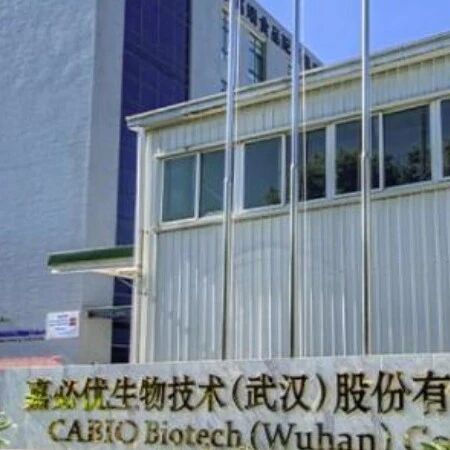
至今未披露原料检测结果,雀巢奶粉供应商嘉必优收监管工作函
Xin Lang Cai Jing· 2026-01-12 05:37
Core Viewpoint - The incident involving the recall of infant formula by Nestlé has significantly impacted its supplier, Jia Bi You Biotechnology, leading to regulatory scrutiny and a sharp decline in its stock price [1][2][3] Group 1: Company Response and Actions - Jia Bi You received a regulatory notice from the Shanghai Stock Exchange, urging the company to respond promptly and fulfill its information disclosure obligations [1] - The company is currently in contact with relevant testing agencies and regulatory bodies to conduct product testing, with results pending [1] - Nestlé has initiated a precautionary recall of infant formula products in multiple countries, including China, due to potential contamination with Bacillus cereus from the ARA oil supplied by Jia Bi You [1][2] Group 2: Market Reaction - Following the announcement of the recall, Jia Bi You's stock price fell over 12% at one point, closing down 11.91% at 21.15 yuan per share, resulting in a market capitalization decrease to 3.56 billion yuan [3] - As of January 12, the stock price remained stable at 20.45 yuan per share, with a market capitalization of 3.442 billion yuan [3] Group 3: Industry Impact - Several dairy companies, including Danone and Mengniu, have distanced themselves from the incident, confirming that they do not use ARA raw materials from the affected supplier [2] - Jia Bi You, established in 2004 and listed on the STAR Market in 2019, is a key supplier of ARA and DHA, essential nutrients in infant formula, and collaborates with major dairy companies [2]
针对海外召回事件,两部门发声,君乐宝、飞鹤等多家乳企回应:产品安全
Hua Xia Shi Bao· 2026-01-09 11:20
Core Viewpoint - Nestlé has initiated a recall of infant formula products in over 50 countries due to potential risks associated with the core nutritional additive ARA (Arachidonic Acid), raising concerns about raw material safety and supply chain management in the infant formula sector [1] Group 1: Company Responses - Feihe stated that all products containing ARA are safe for consumption and that their ARA is in powdered form, unlike the liquid ARA used in the recalled products [3] - Mengniu confirmed that their ARA suppliers are unrelated to the European recall incident and that all products undergo multiple quality checks before market release [3] - Danone emphasized that all their infant formula products are produced under high standards and do not use ARA from the implicated supplier [4] - Arla conducted a comprehensive review of their infant nutrition products and confirmed that their ARA is not affected by the issues related to the recall [4] Group 2: Regulatory Oversight - The State Council's Food Safety Office and the Market Supervision Administration have urged Nestlé (China) to effectively manage the recall of affected products, ensuring consumer rights are protected [2] - The recall in China involves four brands: Litojing, Platinum Enfamil, Shuyi Enfamil, and Wyeth S-26, totaling 30 batches of products [2] Group 3: Industry Implications - The incident highlights the urgent need for improved transparency in the food supply chain and the establishment of robust raw material traceability mechanisms [4] - There is a collective call for companies to strengthen their quality control systems and fulfill their responsibilities to maintain consumer confidence and ensure the healthy development of the industry [4]