Cruise

Search documents
X @Herbert Ong
Herbert Ong· 2025-12-15 21:24
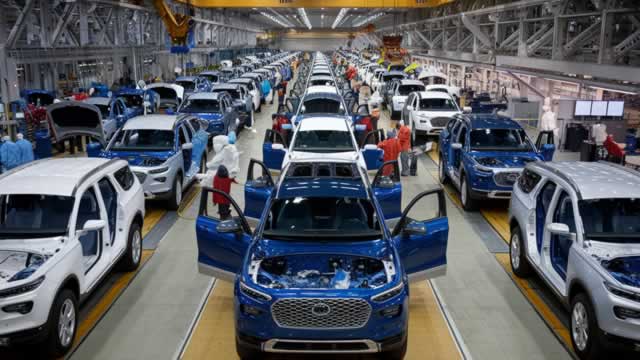
Technical Feasibility & Applications - The industry confirms gas/hybrid vehicles can achieve high levels of autonomous driving (SAE Level 4 or 5), though less common than EVs [1] - Autonomy primarily relies on sensors, computing hardware, and software, making the powertrain (gas, hybrid, or electric) secondary [2] - Waymo's initial robotaxi fleet used hybrid Chrysler Pacifica minivans for years [2] - Retrofit kits exist to add autonomy to existing gas/hybrid vehicles for Level 4 operation in defined areas [3] EV Dominance & Advantages - Autonomous systems consume significant power (up to 2-3 kW continuously), which EVs handle efficiently [4] - Electric motors provide instant, precise torque control, ideal for autonomous maneuvers, while gas engines have inherent delays [5] - EVs offer lower "fuel" (electricity) and maintenance costs, plus easier centralized charging for robotaxi fleets [5] - EVs have fewer moving parts, meaning less downtime for high-utilization robotaxis [5] - Companies target zero-emission goals, making gas/hybrids less desirable due to tailpipe pollution [6] Market Outlook & Trends - In the short term, gas/hybrids will continue supporting autonomy in personal cars (Level 2-3) [7] - Long-term, EVs will dominate full driverless robotaxis due to economic advantages [8] - Niche paths for gas/hybrids exist in trucking/logistics or retrofits for specific uses [8] - Ford expects a massive $195 billion write-down related to its EV investments and has lost $13 billion on its EV business since 2023 [9]
融了20亿的超级独角兽,停工了
3 6 Ke· 2025-12-06 08:01
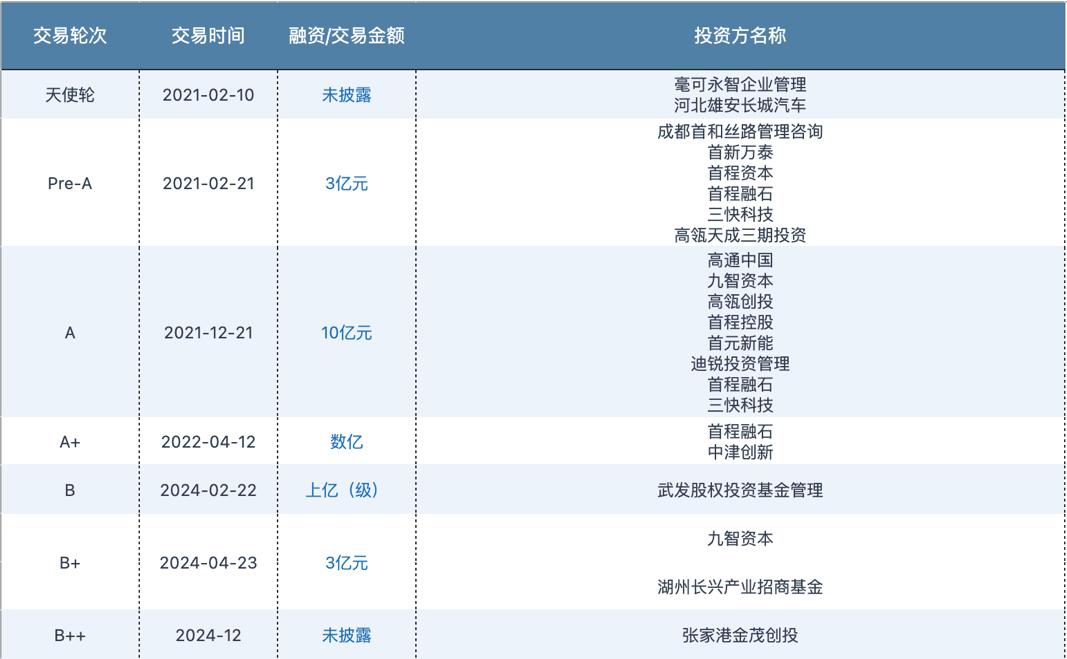
Core Viewpoint - The sudden announcement of a work stoppage at Haomo Zhixing has led to a complete halt in operations, raising concerns among employees about compensation and future arrangements [1][2]. Company Background - Founded in 2019, Haomo Zhixing emerged as a latecomer in the autonomous driving sector, entering a market that was transitioning from hype to rational pursuit [3]. - The company was established as a spin-off from Great Wall Motors, aiming to focus on autonomous driving technology amid industry transformation [4]. - Haomo Zhixing's leadership includes experienced executives from Great Wall Motors, reflecting the company's ambitious goals in the autonomous driving space [4][5]. Growth and Achievements - Haomo Zhixing quickly gained attention in the industry, developing a data intelligence system and launching its HPilot system across over 20 vehicle models, achieving over 1 billion yuan in revenue by the end of 2021 [7]. - The company reported a total driving distance of over 250 million kilometers by 2024, showcasing its rapid growth in user engagement [7]. Challenges and Decline - Despite initial success, Haomo Zhixing faced significant challenges, including delays in product delivery and the inability to launch its urban NOH feature, which contributed to its decline [8][9]. - The company began to lose favor with Great Wall Motors, which started exploring partnerships with other firms for smart driving solutions, further marginalizing Haomo Zhixing [9]. Financial Backing and IPO Plans - Haomo Zhixing has attracted substantial investment, raising approximately 2 billion yuan across seven funding rounds, with notable investors including Meituan and Hillhouse Capital [10][12]. - The company had plans for an IPO, initially targeting the Sci-Tech Innovation Board in 2023, but faced delays and is now considering a potential listing in Hong Kong in 2024 [13]. Internal Turmoil - Internal issues have been evident, with reports of layoffs and high-level executive departures, indicating a deteriorating organizational structure [14]. - Financial difficulties have emerged, with cash flow issues leading to delayed salary payments and challenges in meeting business targets [14]. Industry Context - The autonomous driving sector is experiencing a competitive landscape, with significant investment activity and a trend towards consolidation among major players [15]. - Haomo Zhixing's situation serves as a cautionary tale for companies reliant on single corporate partners, highlighting the risks of dependency in a rapidly evolving industry [15].

通用要吃“回头草”,自动驾驶告别“大跃进”
3 6 Ke· 2025-12-05 12:16
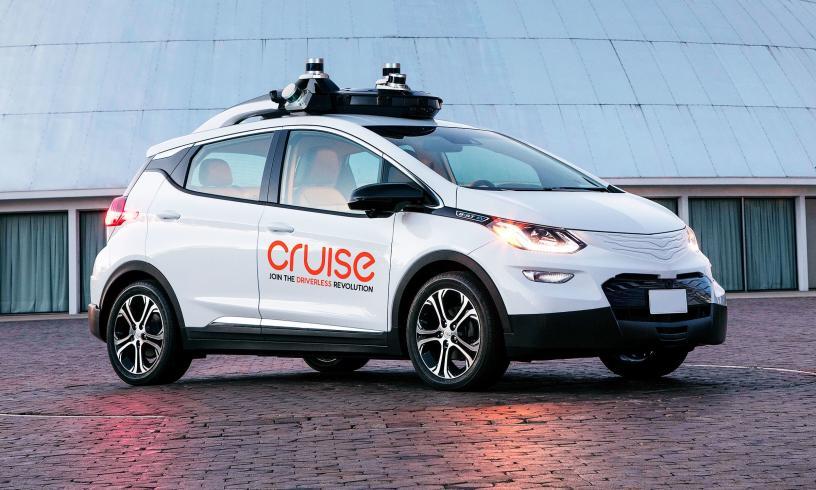
Core Insights - General Motors (GM) has re-hired Ronalee Mann, who previously held key positions at Cruise and Tesla, to lead a new autonomous driving program, reporting directly to GM's Chief Product Officer Sterling Anderson [1] - The journey of GM in autonomous driving reflects the broader challenges faced by traditional automakers in adapting to new technologies over nearly a decade, from aggressive investments to significant operational cutbacks [1] Investment and Development History - In 2016, GM acquired a majority stake in the startup Cruise for approximately $581 million, allowing it to operate independently, which was seen as a strategic move to foster innovation [2] - Cruise gained significant traction, attracting major investments, including $2.25 billion from SoftBank's Vision Fund and $750 million from Honda, with a total valuation exceeding $30 billion by 2021 [2] - GM positioned Cruise as a core engine for its future in fully autonomous driving, driven by optimistic forecasts regarding technological breakthroughs [2] Challenges and Setbacks - Discrepancies between technological aspirations and real-world performance became evident, culminating in a serious incident in October 2023 that led to the revocation of Cruise's autonomous driving permits [4] - The incident highlighted systemic issues in predicting complex urban traffic scenarios, which are critical for Level 4 (L4) technology commercialization [4] - Financial pressures mounted, with Cruise accumulating losses exceeding $8 billion since its acquisition, including approximately $1.9 billion in losses in the first three quarters of 2023 alone [4] Strategic Shift - Following the operational setbacks, GM initiated significant layoffs and restructuring within Cruise, including the departure of key executives [5] - GM's decision to fully integrate Cruise into its operations and abandon the autonomous taxi business marks a stark contrast to its earlier aggressive investment strategy, indicating a shift in understanding the timeline for disruptive technology [5] Industry-Wide Adjustments - Traditional automakers globally are recalibrating their strategies in autonomous driving, reflecting a collective realization of the complexities and long timelines involved in commercialization [6] - Ford's experience mirrors GM's, having invested heavily in Argo AI, which ultimately ceased operations after significant losses, leading to a strategic pivot towards technologies that provide immediate user benefits [6][8] - Volkswagen has adopted a more diversified approach, combining internal development with external partnerships, focusing on integrating software capabilities into its core operations [9] - Toyota's strategy emphasizes a cautious, diversified investment approach, balancing internal R&D with investments in various startups to mitigate systemic risks [10] Conclusion - The collective experiences of these automotive giants underscore a consensus that the path to commercializing autonomous driving is more complex and prolonged than previously anticipated, shifting the competitive focus towards integrated engineering capabilities and cost management [11]

GM has hired a former Tesla exec in its revived self-driving push
Business Insider· 2025-12-03 20:25
GM is turning to former employees from its failed robotaxi startup Cruise as it embarks on a new self-driving vehicle push. The Detroit auto giant has hired Ronalee Mann, a former Cruise and Tesla executive, to report to Sterling Anderson, GM's chief product officer, Business Insider has learned.Mann, who previously worked as a strategy and operations manager at Cruise, recently joined GM as head of product operations, according to an internal Slack message seen by Business Insider. Mann left Cruise in A ...
“最让人羡慕的精英”也被裁,AI又要取代一个职业?
Sou Hu Cai Jing· 2025-11-24 23:58
Core Viewpoint - The AI wave is reshaping the job landscape in Silicon Valley, leading to significant layoffs across major tech companies while simultaneously creating demand for top AI talent [1][4][40]. Group 1: Layoffs in Major Tech Companies - Salesforce has laid off approximately 8,000 employees in 2023 and an additional 1,000 in 2024, with 262 more layoffs announced in 2025 [8][10]. - Meta has also been active in layoffs, cutting 600 positions in its AI infrastructure department while still seeking top AI talent for its new AI team [8][10]. - Google has restructured its organization, cutting over 100 design positions in its cloud department to focus resources on AI product development [8][16]. Group 2: Broader Impact on the Tech Industry - The global tech industry has seen over 150,000 layoffs in 2024, with nearly 100,000 positions cut this year alone, driven by AI adoption and economic uncertainty [5][10]. - Companies like Microsoft and Amazon have also made significant cuts, with Microsoft laying off over 6,500 employees in May 2023 and Amazon cutting around 27,000 positions since 2022 [11][15]. Group 3: Startups and Unicorns Adjusting to AI - Startups and unicorns are not immune to the layoffs, with Fiverr cutting 250 employees (30% of its workforce) to focus on AI development [17][19]. - Yotpo, another startup, laid off 34% of its team to pivot towards AI-driven tools [19]. - Scale AI, a data labeling startup, announced layoffs of around 200 employees after being acquired by Meta [21][23]. Group 4: Traditional Industries Affected - The layoffs extend beyond tech, with Starbucks cutting 1,100 tech employees and General Motors laying off 200 workers in response to market changes [28][30]. - Rivian has also faced layoffs, cutting nearly 300 positions in 2023 due to demand fluctuations in the electric vehicle market [30]. Group 5: The Dual Nature of AI Revolution - The AI revolution is creating a paradox where lower-level jobs are being eliminated while demand for high-skilled AI professionals is surging [35][40]. - Companies are increasingly replacing traditional roles with AI solutions, leading to a significant shift in the workforce dynamics [41][42].


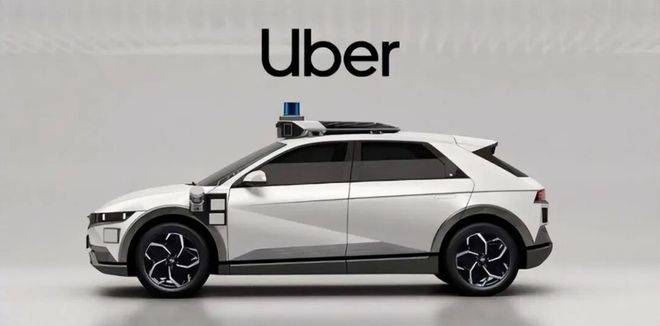
1.4万亿Uber还要继续吃Robotaxi的苦
Xin Lang Cai Jing· 2025-11-05 04:49
Core Viewpoint - Uber's core business shows steady growth, but to achieve explosive growth again, it needs new drivers, particularly in advertising and autonomous driving [2][9]. Financial Performance - In Q3 2025, Uber reported revenue of $13.47 billion, a 20% year-over-year increase, and net profit surged nearly threefold to $6.6 billion from $2.6 billion [4]. - Adjusted EBITDA grew by 33% to approximately $2.3 billion [4]. - The ride-hailing segment generated $7.68 billion in revenue, up 20% year-over-year, while the delivery segment (Uber Eats) saw revenue of $4.48 billion, a 9% increase [4][6]. - Total bookings for Q3 2025 reached $49.7 billion, a 21% increase year-over-year, with ride-hailing orders growing by 19.6% to $25.1 billion [6]. Business Segments - Uber's revenue growth is primarily driven by its ride-hailing and delivery services, with total bookings becoming a crucial metric [6]. - The delivery business has shown strong performance, with order volume increasing by 25% in Q3 compared to 20% in the previous quarter [6]. - Uber's non-restaurant delivery services have reached an annualized order volume of $12 billion, contributing to the growth of the delivery segment [8]. Regional Performance - The North American region has historically been Uber's largest revenue source, but its contribution has dropped below 50% for the first time, indicating a slowdown in growth [8]. - The Europe, Middle East, and Africa (EMEA) region is now the fastest-growing area for Uber, contributing over 30% of total revenue [8]. Future Growth Drivers - Short-term growth is expected to come from advertising, which is anticipated to enhance overall profit margins due to its high gross margin characteristics [10]. - Uber has 190 million active users, providing a significant opportunity for monetizing its advertising business through in-app ads and journey-based promotions [10]. - Long-term growth hinges on the commercialization of autonomous driving, which is currently seen as a double-edged sword due to increased capital expenditures and short-term profitability pressures [10][12]. Autonomous Driving Strategy - Uber's strategy in autonomous driving has shifted from a "hardcore player" to a "pragmatic ecosystem integrator," focusing on partnerships rather than high-risk self-development [12]. - The company has formed partnerships with various autonomous driving firms, including Baidu and Momenta, and plans to deploy a fleet of 100,000 autonomous vehicles by 2027 [13][14]. - However, the current scale of Uber's autonomous vehicle fleet is limited compared to its millions of ride-hailing drivers, making it challenging to achieve cost reductions and profitability in this segment [13]. Competitive Landscape - Uber faces significant competition in the autonomous driving space from tech giants like Waymo and Cruise, which have advanced technologies and substantial funding [15][16]. - Tesla's plans to launch its own Robotaxi network pose a direct threat to Uber's core business model [17]. - Chinese autonomous driving companies also present competition, leveraging their data advantages in complex traffic scenarios [19]. Conclusion - In the short term, autonomous driving may act as a cost center impacting profits, but in the long term, it is crucial for Uber's valuation and business model sustainability [20].

硅谷“大裁员”何时休?
虎嗅APP· 2025-10-28 01:06
Group 1 - The article discusses the significant layoffs in Silicon Valley, with over 100,000 positions cut globally in the tech industry in 2023, driven primarily by the rise of artificial intelligence (AI) and economic uncertainty [11][8][4] - Major companies like Salesforce and Meta have implemented layoffs, with Salesforce cutting approximately 8,000 jobs in 2023 and an additional 1,000 in 2024, while announcing further cuts in 2025 [18][19] - AI is reshaping the workforce, leading to a reduction in traditional roles while simultaneously increasing demand for AI specialists and engineers [55][56] Group 2 - Companies are balancing layoffs with recruitment in AI fields, as seen with Salesforce planning to hire 5,000 salespeople for AI products despite cutting 4,000 customer service roles [56][32] - Microsoft and Amazon have also made significant cuts, with Microsoft reducing over 6,500 positions in 2024 to focus on AI product development [24][25] - Traditional industries, including automotive and retail, are not immune to these trends, with companies like General Motors and Starbucks also announcing layoffs [44][45] Group 3 - Startups and unicorns are also undergoing transformations, with companies like Fiverr and Yotpo cutting significant portions of their workforce to focus on AI-driven products [34][35] - The article highlights that even AI-focused companies are not exempt from layoffs, as seen with Scale AI and xAI reducing their workforce to optimize operations [37][39] - The overall trend indicates a shift in the job market, where lower-skilled positions are being replaced by higher-skilled roles in AI and technology [53][54]


X @TechCrunch
TechCrunch· 2025-10-22 15:08
GM said Cruise’s technology stack, including its AI models trained on five million driverless miles and simulation framework, feed directly into the automaker’s next-generation driver assistance and autonomy programs. https://t.co/33yNkMGU4T ...
OpenAI元老Karpathy 泼了盆冷水:智能体离“能干活”,还差十年
3 6 Ke· 2025-10-21 12:42
Group 1 - Andrej Karpathy emphasizes that the maturity of AI agents will take another ten years, stating that current agents like Claude and Codex are not yet capable of being employed for tasks [2][4][5] - He critiques the current state of AI learning, arguing that reinforcement learning is inadequate and that true learning should resemble human cognitive processes, which involve reflection and growth rather than mere trial and error [11][12][22] - Karpathy suggests that future breakthroughs in AI will require a shift from knowledge accumulation to self-growth capabilities and a reconstruction of cognitive structures [4][5][22] Group 2 - The current limitations of large language models (LLMs) in coding tasks are highlighted, with Karpathy noting that they struggle with structured and nuanced engineering design [6][7][9] - He categorizes human interaction with code into three types, emphasizing that LLMs are not yet capable of functioning as true collaborators in software development [7][9][10] - Karpathy believes that while LLMs can assist in certain coding tasks, they are not yet capable of writing or improving their own code effectively [9][10][11] Group 3 - Karpathy discusses the importance of a reflective mechanism in AI learning, suggesting that models should learn to review and reflect on their processes rather than solely focusing on outcomes [18][19][20] - He introduces the concept of "cognitive core," advocating for models to retain essential thinking and planning abilities while discarding unnecessary knowledge [32][36] - The potential for a smaller, more efficient model with only a billion parameters is proposed, arguing that high-quality data can lead to effective cognitive capabilities without the need for massive models [34][36] Group 4 - Karpathy asserts that AGI (Artificial General Intelligence) will gradually integrate into the economy rather than causing a sudden disruption, focusing on digital knowledge work as its initial application area [38][39][40] - He predicts that the future of work will involve a collaborative structure where agents perform 80% of tasks under human supervision for the remaining 20% [40][41] - The deployment of AGI will be a gradual process, starting with structured tasks like programming and customer service before expanding to more complex roles [48][49][50] Group 5 - The challenges of achieving fully autonomous driving are discussed, with Karpathy stating that it is a high-stakes task that cannot afford errors, unlike other AI applications [59][60] - He emphasizes that the successful implementation of autonomous driving requires not just technological advancements but also a supportive societal framework [61][62] - The transition to widespread autonomous driving will be a slow and incremental process, beginning with specific use cases and gradually expanding [63]
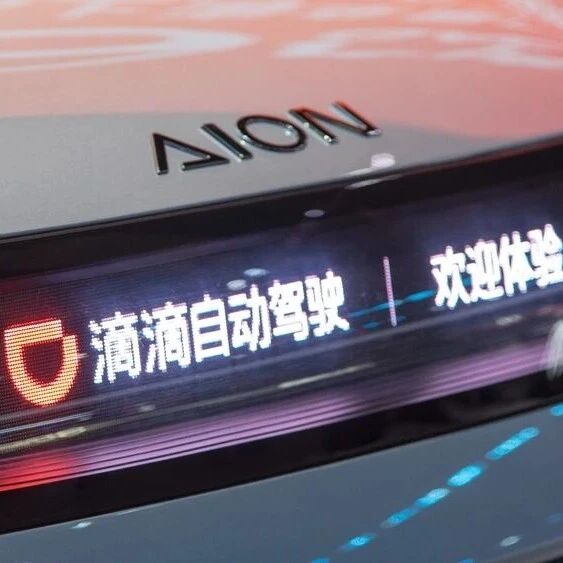
滴滴自动驾驶不甘落后
虎嗅APP· 2025-10-12 13:20
Core Viewpoint - Didi Autonomous Driving has secured a new round of financing amounting to 2 billion RMB, bringing its total funding to over 10 billion RMB, indicating strong investor confidence and a strategic push towards AI research and L4 autonomous driving applications [2][4]. Financing History - The financing history of Didi Autonomous Driving includes multiple rounds, with significant investments from various entities, including SoftBank, IDG Capital, and GAC Group. The latest D round raised approximately 2 billion RMB, with new investors such as Zhongguancun Science City Technology Growth Fund and Beijing AI Industry Investment Fund joining [3][4]. Strategic Focus - The recent funding will be directed towards enhancing AI research and facilitating the implementation of L4 autonomous driving, aligning with Didi's CEO Zhang Bo's plans to initiate pilot operations in Beijing and Guangzhou by 2026 [4][6]. Industry Context - Didi's entry into the Robotaxi market began in 2016, and despite facing challenges, it has maintained a competitive position in the industry. The company has accumulated over 10 billion RMB in funding, which is substantial compared to its peers [6][8]. Technological Development - Didi has made significant advancements in autonomous driving technology, with plans to commercialize its technology by 2026. The company aims to integrate human-driven and autonomous vehicles in its operations [20][22]. Future Plans - Didi has outlined a three-phase plan for its autonomous driving strategy: 1. From 2016 to 2021, focus on developing L4 technology and building algorithms. 2. From 2022 to 2026, achieve commercial validation of technology. 3. From 2027 to 2032, expand autonomous driving globally leveraging Didi's existing transportation network [20][22]. Product Innovations - The company has introduced the DiDi Neuron, a concept vehicle designed for autonomous driving, featuring advanced sensor technology and high computational power, which is expected to enhance safety and operational efficiency [12][19].