Luminar

Search documents
Luminar claims founder Austin Russell is dodging a subpoena in the bankruptcy case
TechCrunch· 2026-01-05 12:10
Core Viewpoint - Luminar is facing challenges in retrieving company-owned devices from its founder and former CEO Austin Russell, which may impact potential legal actions against him [1][2][8]. Group 1: Legal and Compliance Issues - Luminar has been attempting to reclaim devices from Russell since his resignation in May, recovering six computers but still seeking his company-issued phone and a digital copy of his personal phone [2]. - The company has accused Russell and his employees of misleading legal representatives about his location, prompting them to seek court permission to serve him via mail or email [3][8]. - Russell has claimed cooperation and requested assurances regarding the protection of personal data from his devices, but Luminar's lawyers have stated they will follow court-established processes for data handling protections [4][12]. Group 2: Bankruptcy Proceedings - The emergency filing marks a significant development in Luminar's Chapter 11 bankruptcy case, as the company is trying to sell its semiconductor subsidiary to Quantum Computing, Inc., with a January 9 deadline for bids on its lidar division [5]. - Prior to the bankruptcy filing, Russell attempted to buy Luminar through his new venture, Russell AI Labs, and has expressed intentions to bid during the bankruptcy process [6]. Group 3: Investigative Actions - Following Russell's resignation, Luminar's board established a Special Investigation Committee to investigate potential claims related to Russell's actions, including personal loans [9][10]. - Legal representatives from Weil, Gotshal & Manges were engaged to collect Russell's devices, but faced challenges in confirming representation and direct communication with him [11][12].


最高546亿市值的明星公司,破产了
36氪· 2025-12-25 13:43
Core Viewpoint - Luminar, once a leading player in the lidar industry, has filed for bankruptcy reorganization, marking a significant downturn in the U.S. lidar market, with Chinese manufacturers now dominating the majority of market share [4][5]. Group 1: Company Overview - Luminar's assets are estimated between $100 million to $500 million, while its total debt ranges from $500 million to $1 billion [4]. - The company's stock plummeted by 60.82% to $0.35 per share, resulting in a market capitalization of only $27.4453 million [5]. - Luminar's operational profit margin was reported at -283.7% in Q3 2025, indicating severe financial distress [6]. Group 2: Key Partnerships and Market Position - Volvo, Luminar's most significant partner, announced the termination of their agreement, which will drastically reduce Luminar's market share from approximately 8-10% to below 1% [7]. - The decision by Volvo was attributed to Luminar's failure to meet contractual obligations, highlighting the company's deteriorating financial health [7]. Group 3: Competitive Landscape - The lidar market is increasingly competitive, with Chinese manufacturers capturing 93% of the passenger vehicle lidar market, while foreign companies like Valeo and Innoviz are losing market share [8]. - Tesla's "pure vision" approach has led to skepticism about the necessity of lidar, further constraining Luminar's market opportunities [8]. Group 4: Company History and Development - Founded by Austin Russell, Luminar aimed to revolutionize lidar technology by significantly reducing costs from $75,000 to $500 per unit, achieving rapid market penetration [12][13]. - The company raised $360 million in initial funding and went public via SPAC in 2020, reaching a market valuation of $7.8 billion on its first trading day [14]. Group 5: Recent Developments and Future Outlook - Luminar has initiated self-rescue measures, including the sale of its Luminar Semiconductor subsidiary for $110 million and plans to sell its lidar business [10]. - The current CEO, Paul Rich, stated that the bankruptcy process is seen as the best path forward, while the company continues to operate and fulfill customer orders during this period [10].

一夜蒸发540亿!这家全球市值第一的美国企业,为啥被所有人抛弃?
电动车公社· 2025-12-23 16:06
Core Viewpoint - The article discusses the rise and fall of Luminar, a prominent player in the lidar industry, highlighting its rapid growth, technological innovations, and eventual bankruptcy due to internal management issues and market competition [1][95]. Group 1: Company Overview - Luminar was founded in 2012 by Austin Russell, a prodigy who dropped out of college to pursue entrepreneurship in the lidar sector [13][28]. - The company initially gained significant attention and market share by innovating with a 1550nm wavelength lidar, which offered advantages in safety and performance over the traditional 905nm systems [34][38]. Group 2: Market Position and Performance - Luminar's market value peaked at over $5 billion in 2022, making it the most valuable lidar company globally at that time [9][11]. - The company successfully launched its second-generation lidar, Iris, which featured 300 lines and a detection range of up to 500 meters, priced around $500, making it competitive for mass production [51][52]. Group 3: Challenges and Decline - In late 2025, Luminar faced a catastrophic setback when Volvo canceled its partnership, which accounted for 90% of Luminar's revenue, leading to a rapid decline in stock value and eventual bankruptcy filing [59][62]. - Internal management issues, including the dismissal of CEO Austin Russell and disputes over contract obligations with Volvo, contributed to the company's downfall [65][63]. Group 4: Industry Context - The lidar market has seen a significant shift, with Chinese companies like Hesai and RoboSense capturing over 90% of the global market share, while American firms struggle to compete [98][99]. - The article emphasizes that technological superiority does not guarantee market success, as companies must adapt to market demands to survive [94].
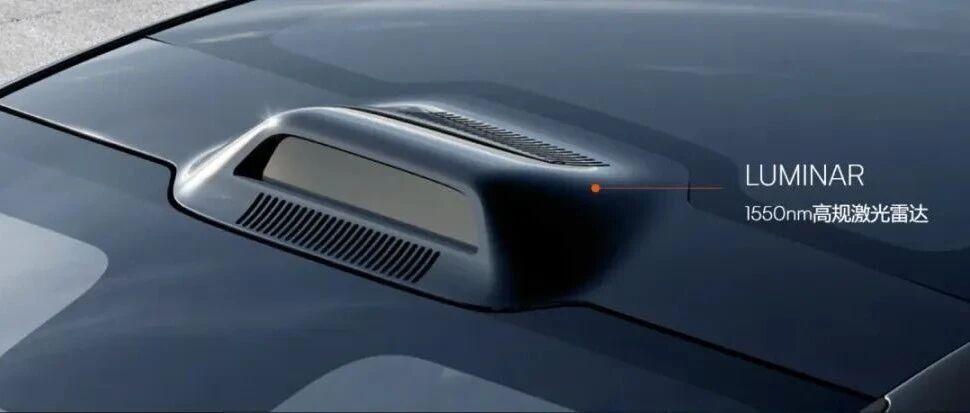
市值蒸发超540亿,明星上市公司Luminar破产了
Xin Lang Cai Jing· 2025-12-22 02:53
Core Viewpoint - Luminar, once valued at $7.8 billion, filed for Chapter 11 bankruptcy on December 15, 2025, marking a significant decline in the U.S. lidar industry, as it was seen as a leading hope for the sector [1][16][30] Group 1: Company Overview - Luminar was founded in 2012 by Austin Russell with the vision of providing precise environmental perception for vehicles [3][18] - The company became a unicorn in 2017 after raising $36 million in Series B funding, reaching a valuation of over $1 billion [19] - Luminar went public via a SPAC merger in December 2020, raising approximately $600 million and achieving a market cap of $7.8 billion [19][20] Group 2: Business Challenges - Despite initial success, Luminar faced significant challenges, including reliance on a few major clients, particularly Volvo, which led to vulnerability [20][21] - In 2024, Volvo cut its annual order expectations by 75%, exacerbating Luminar's cash flow issues and leading to layoffs and restructuring [5][21] - By the end of 2024, Luminar's cash reserves fell below $100 million, with debts reaching $380 million [5][21] Group 3: Market Dynamics - The global lidar market is shifting, with Chinese manufacturers capturing approximately 92% of the market share by 2024, contrasting with the decline of U.S. players [2][11] - Chinese firms like Hesai and RoboSense have adopted a more diversified approach, focusing on various applications beyond passenger vehicles, which has contributed to their growth [26][27] - Luminar's reliance on a high-cost 1550nm lidar technology limited its competitiveness against the more cost-effective 905nm solutions favored by Chinese manufacturers [7][26] Group 4: Technological Debate - The debate over the necessity of lidar in autonomous driving continues, with figures like Elon Musk arguing that lidar is unnecessary and costly [8][23] - In contrast, companies like WeRide advocate for a multi-sensor fusion approach, emphasizing the importance of lidar for safety in complex driving environments [24][25] - The divergence in technology strategies reflects broader commercial model differences, with Tesla targeting mass-market vehicles and WeRide focusing on commercial applications [10][25] Group 5: Future Outlook - Luminar's bankruptcy signifies a pivotal moment in the lidar industry, indicating a potential restructuring of market leadership towards Chinese firms [28][29] - The future of lidar technology may see continued innovation and competition, with potential disruptions from companies like Apple and Google entering the space [29][30] - Despite current advantages, Chinese manufacturers must remain vigilant against technological disruptions and market fluctuations to maintain their lead [30]
最高546亿市值的明星公司,破产了
投中网· 2025-12-21 02:03
Core Viewpoint - The article discusses the downfall of Luminar, a prominent player in the lidar industry, highlighting its bankruptcy and the implications for the U.S. lidar market, which is now largely dominated by Chinese manufacturers [5][6][12]. Group 1: Company Overview - Luminar was founded by Austin Russell, who showcased exceptional talent from a young age and aimed to revolutionize the lidar market by significantly reducing costs [14][15]. - The company initially gained traction by lowering the price of lidar systems from $75,000 to $500, achieving a competitive edge in the market [15][16]. - Luminar went public via a SPAC in 2020, raising $600 million and reaching a market valuation of $7.8 billion on its first trading day [16]. Group 2: Financial Struggles - Luminar's financial health deteriorated, with debts ranging from $500 million to $1 billion and a cash position that could only sustain operations until Q1 2026 [5][9][10]. - The company faced operational challenges, including a negative operating profit margin of -283.7% as of Q3 2025, leading to significant losses [8][10]. - The termination of a key partnership with Volvo further exacerbated Luminar's financial woes, potentially reducing its market share from approximately 8-10% to below 1% [9][10]. Group 3: Market Dynamics - The lidar market is increasingly competitive, with Chinese manufacturers capturing 93% of the passenger vehicle lidar market, while U.S. companies like Luminar see their market shares decline [10][12]. - The shift towards "pure vision" solutions, exemplified by Tesla, has led to skepticism about the necessity of lidar technology, further squeezing Luminar's market position [10][12]. Group 4: Leadership and Strategic Moves - Luminar's leadership faced turmoil, with the CEO being dismissed amid ethical investigations and the CFO leaving the company [10][11]. - The company has initiated self-rescue measures, including the sale of its semiconductor subsidiary for $110 million and plans to sell its lidar business [11][12]. - Despite the challenges, Luminar aims to continue operations during the bankruptcy process, maintaining deliveries of its lidar hardware and software [11][12].
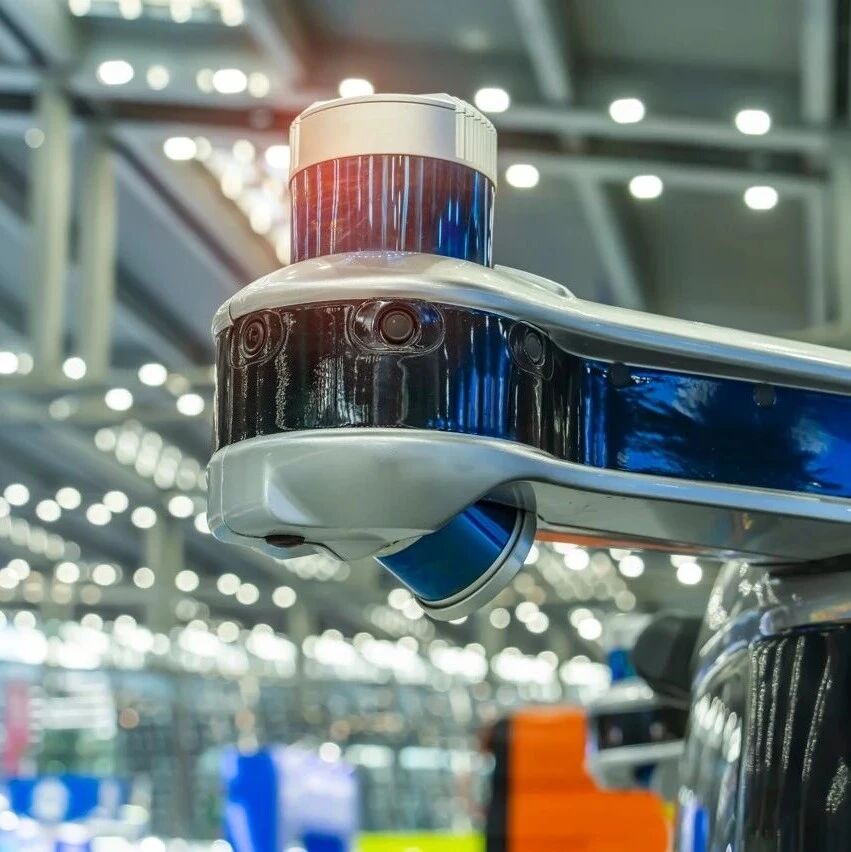
最高546亿市值的明星公司,破产了
Xin Lang Cai Jing· 2025-12-20 02:19
Core Insights - Luminar, once a leading player in the lidar industry, announced bankruptcy restructuring, with assets valued between $100 million and $500 million and debts ranging from $500 million to $1 billion [1] Company Overview - Luminar's stock plummeted by 60.82% to $0.35 per share following the bankruptcy news, resulting in a market capitalization of only $27.45 million [2] - The company's journey from a promising startup to a significant market player, and now to bankruptcy, reflects the challenges faced in the lidar sector [2] Financial Performance - Luminar's operational profit margin was reported at -283.7% in Q3 2025, indicating severe financial distress [3] - The termination of a key partnership with Volvo, which was crucial for Luminar's revenue, has led to a drastic reduction in market share from approximately 8-10% to below 1% [4] Market Dynamics - The lidar market is increasingly dominated by Chinese manufacturers, who hold 93% of the market share, while international competitors like Luminar are losing ground [5] - The shift towards "pure vision" solutions, as advocated by companies like Tesla, has further diminished the perceived necessity for lidar technology [5] Leadership and Strategic Moves - Luminar has faced significant leadership challenges, including the dismissal of its CEO and CFO, and has initiated multiple rounds of layoffs, reportedly up to 30% of its workforce [6] - The company is attempting to stabilize its operations by selling assets, including its semiconductor division for $110 million, while continuing to deliver lidar products during the bankruptcy process [6] Historical Context - Founded by Austin Russell, Luminar aimed to revolutionize lidar technology by significantly reducing costs from $75,000 to $500 per unit, which initially positioned the company favorably in the market [8] - The company achieved a valuation of $10 billion shortly after its SPAC listing in 2020, making Russell one of the youngest billionaires [10]

明星激光雷达公司破产!巅峰市值近千亿,奔驰沃尔沃曾是大客户
首席商业评论· 2025-12-18 05:12
Core Viewpoint - Luminar, a North American laser sensor startup, has filed for Chapter 11 bankruptcy protection, reflecting significant challenges in the lidar industry and the company's operational struggles [6][8][25]. Group 1: Company Overview - Luminar's assets are estimated between $100 million and $500 million, while liabilities range from $500 million to $1 billion [8]. - The company had a market valuation of approximately $11.9 billion at its peak in 2020, which has since declined to about $1.38 billion in 2023 [13]. - Luminar has secured a temporary agreement with creditors to access $25 million in cash to support operations during the bankruptcy process [13]. Group 2: Financial Performance - In Q3 2025, Luminar reported revenue of $18.87 million, with a gross loss of $8.1 million and a free cash flow of -$48.5 million [20]. - The company experienced a net loss of $571 million in 2023, with revenue of approximately $69.78 million [22]. - For 2024, Luminar's revenue slightly increased to $75.4 million, but it still faced a net loss of $273 million [22]. Group 3: Key Events Leading to Bankruptcy - The termination of a contract with Volvo, which accounted for 90% of Luminar's lidar sensor deliveries, was a critical factor leading to the bankruptcy filing [16][18]. - Disputes arose between Luminar and Volvo regarding contract obligations and technology alignment, contributing to the breakdown of their partnership [18]. - The departure of CEO Austin Russell in May 2025 due to an ethics investigation marked the beginning of a series of leadership changes that destabilized the company [24]. Group 4: Market Context - The lidar market in China is thriving, with projections indicating a market size of approximately 13.96 billion yuan in 2024, a significant increase from 7.59 billion yuan in 2023 [14]. - Major Chinese companies like Hesai Technology and RoboSense are capturing over 90% of the market share, contrasting sharply with Luminar's struggles [14]. - The challenges faced by Luminar highlight the structural issues within the lidar industry, including high R&D costs and a concentrated customer base [25].
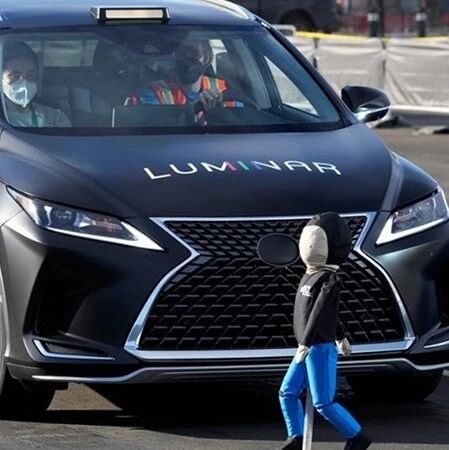
Quantum Computing扶正华人CEO,1.1亿美元收购光子资产
Sou Hu Cai Jing· 2025-12-18 03:56
Group 1 - Quantum Computing appointed Dr. Yuh-Ping Huang as CEO effective January 1, 2026, after serving as interim CEO since April 11, 2025, to lead the transition from prototype development to industrial-scale manufacturing of quantum photonic systems [1] - Quantum Computing acquired Luminar's semiconductor equity for $110 million following Luminar's bankruptcy after losing a contract with Volvo, enhancing its asset and patent portfolio in photonic technology [1] - The acquisition allows Quantum Computing to expand Luminar's existing non-quantum customer base, facilitating the commercialization of quantum devices [1] Group 2 - As of the latest report, Quantum Computing has a market capitalization of $2.291 billion [4] - There are reports that the U.S. government plans to directly invest in several quantum computing companies, which Dr. Huang described as an "exciting" prospect [4]
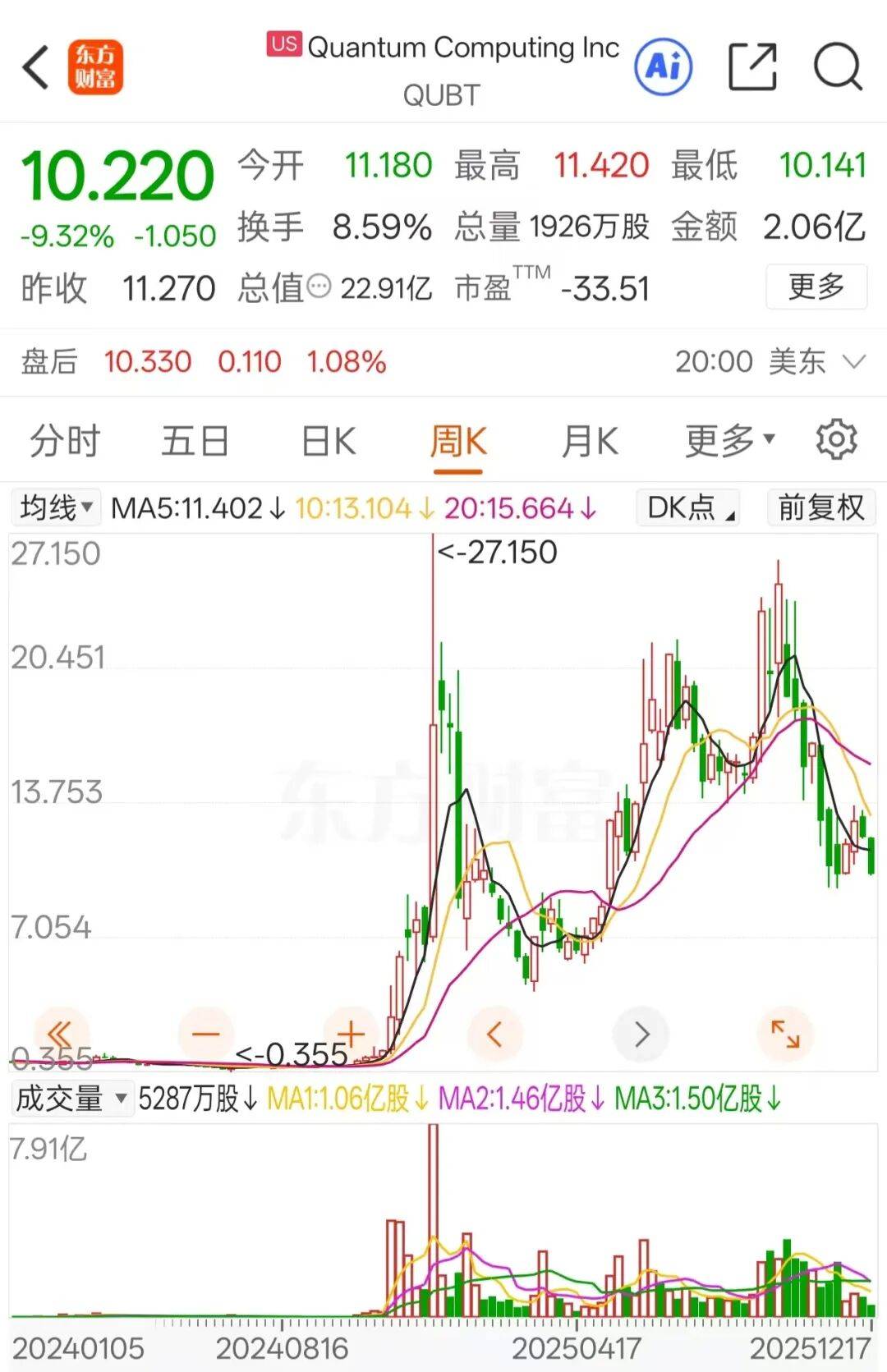
Quantum Computing makes $110 million move nobody saw coming
Yahoo Finance· 2025-12-18 02:26
Core Viewpoint - Quantum Computing (QUBT), or QCi, is acquiring Luminar's semiconductor business unit for $110 million, aiming to leverage Luminar's photonics expertise to enhance its commercial quantum systems [1][2]. Group 1: Acquisition Details - The acquisition is an all-cash transaction valued at $110 million, indicating QCi's strategic shift towards revenue-generating hardware by utilizing Luminar's existing customer base [2]. - QCi will act as the stalking horse bidder for Luminar Semiconductors, setting the base price for the auction and entitled to customary bid protections [5]. Group 2: Market Reaction - Following the acquisition announcement, QCi's stock fell by 9%, reflecting investor concerns regarding the acquisition size and the ongoing court-supervised auction process [4]. - Luminar's stock dropped over 30% after the bankruptcy notice but saw a modest recovery of 3% in after-hours trading [4]. Group 3: Technological Implications - The core of the acquisition focuses on photonics, which uses light for data processing, offering advantages such as higher speeds and lower energy consumption compared to traditional electrical methods [6]. - Photonics is increasingly vital for next-generation computing, including AI accelerators and advanced sensing systems, which is relevant given the rising energy demands of data centers [7].

周鸿祎回应“前高管称帮做假账几十亿”;“蚂蚁阿福”冲上苹果应用总榜第三位;全球五大PC厂商都将涨价;蜜雪冰城进军北美市场丨邦早报
创业邦· 2025-12-17 00:08
Group 1 - The article discusses allegations made by a former executive of 360 Group, claiming that the company's founder, Zhou Hongyi, was involved in financial fraud amounting to billions of yuan [1][3] - Zhou Hongyi responded with a statement asserting that the allegations are completely unfounded and that 360 Group operates in compliance with laws and regulations, maintaining transparent financial practices [1][3] - The former executive, Yu Hong, had previously worked at Gamewave, a company acquired by 360 Group, and left the company in 2015 without holding a core management position [3] Group 2 - Ant Group's AI health application "Antifufu" saw a significant increase in downloads, reaching the third position on the Apple App Store, with over 15 million monthly active users and more than 5 million daily health inquiries [5] - The article mentions that several PC manufacturers, including Acer and Asus, confirmed plans to raise product prices due to rising costs, with Dell planning a price increase of 10% to 30% starting December 17 [16] - A report from Counterpoint Research indicates that global smartphone shipments are expected to decline by 2.1% next year due to a shortage of memory chips, contrasting with a projected growth of 3.3% this year [28]