Ozon

Search documents
中国卖家猛攻俄罗斯电商
投中网· 2025-12-17 04:10
Core Viewpoint - The article discusses the opportunities and challenges for Chinese companies in the Russian e-commerce market following the recent visa-free policy for Chinese citizens and the significant market gap created by the withdrawal of Western companies due to geopolitical tensions [4][6]. Economic Overview - The Russian e-commerce market is experiencing rapid growth, with online retail sales reaching 4.4 trillion rubles (approximately 400 billion RMB) in the first five months of 2025, a year-on-year increase of 39% [4]. - The Russian Central Bank has sold 232.6 tons of gold to cover budget deficits, indicating severe financial pressure, with a fiscal deficit of 3.69 trillion rubles (approximately 325.46 billion RMB) in the first half of the year, over five times that of the same period in 2024 [8][9]. - The ongoing conflict has led to significant currency fluctuations, with the ruble experiencing a 40% appreciation against the dollar in 2025, although long-term geopolitical risks remain a concern [10][11]. Payment and Transaction Challenges - The sanctions have disrupted normal banking operations, affecting payment channels and leading to delays in fund transfers for merchants [11][12]. - New payment solutions are emerging, such as Ozon's GEP payment method, which aims to facilitate transactions despite the challenges posed by the sanctions [12]. Logistics and Supply Chain - The logistics landscape has changed dramatically due to the conflict, with transportation costs increasing by 69% over the past three years [14]. - Ozon has established fulfillment centers in ten Chinese cities and is offering reduced shipping rates for orders to Kazakhstan and Belarus, potentially lowering logistics costs by 40% [15]. Marketing and Brand Localization - The closure of Western social media platforms has shifted marketing efforts towards local platforms like VK and Telegram, which have significant user bases in Russia [16][18]. - Ozon plans to launch the "Ozon Alliance Program" to connect Chinese brands with over 1 million KOLs on VK, enhancing brand visibility in the Russian market [18]. Conclusion - The Russian e-commerce market is undergoing structural changes, with logistics and marketing strategies needing to adapt to the new geopolitical landscape. Companies that can quickly adjust to these changes are likely to find growth opportunities in this evolving market [18].


中俄跨境电商迎来发展契机 合规化、品牌化、智能化将成未来趋势
Xin Hua Cai Jing· 2025-12-17 03:07
Core Insights - The Russian cross-border e-commerce market is rapidly developing, becoming a new growth area for Chinese sellers and companies as they adapt to the changing landscape of tax policies and consumer preferences [1][5]. Group 1: Market Growth and Potential - The Russian e-commerce market has shown significant growth, with projections estimating a market size of $121 billion in 2024, $165 billion in 2025, and potentially reaching $240 billion by 2027 [2]. - Major Russian e-commerce platforms like Ozon, Wildberries, and Yandex.Market are actively recruiting Chinese brands and sellers, transforming cross-border business from an option to a core consumer habit [2][3]. - Chinese sellers have experienced substantial growth, with transaction volumes increasing by 60 times from Q4 2022 to Q4 2025, and a projected 2.5 times increase in transaction volume by 2025 [2][3]. Group 2: Factors Driving Growth - The exit of many Western brands from Russia has created a market vacuum, allowing Chinese fast-moving consumer goods and daily necessities to fill the gap [4]. - The development of online shopping habits among Russian consumers, coupled with the proactive expansion of Russian e-commerce platforms into China, has lowered barriers for Chinese sellers [4]. - The combination of China's supply chain advantages, the explosive growth of the Russian e-commerce market, and the expansion of Russian platforms in China forms a "golden triangle" for Chinese brands entering Russia [4]. Group 3: Regulatory Changes and Compliance - The end of the "tax-free" era for cross-border small packages is approaching, with Russia planning to gradually reduce the tax exemption for packages under €200 starting in 2026, leading to potential challenges for some Chinese sellers [5][6]. - Compliance will become a critical focus for Chinese sellers, as the market shifts towards more regulated operations, moving away from previous "gray" logistics practices [6]. Group 4: Brand Transformation and AI Integration - A shift from low-cost distribution to brand-focused strategies is essential for Chinese sellers in the Russian market, as they aim to build localized brands that resonate with Russian consumers [7][8]. - The increasing preference for Chinese brands among Russian consumers, particularly in urban areas, highlights the importance of brand loyalty and effective marketing strategies [7][8]. - The integration of AI tools in cross-border e-commerce operations is expected to enhance efficiency in product selection, market analysis, and customer engagement, marking a significant trend for future development [8].
免签红利+万亿缺口,中国卖家猛攻俄罗斯电商
Sou Hu Cai Jing· 2025-12-16 22:43
Core Insights - Russia has exempted Chinese citizens from visa requirements for various purposes, including tourism and cultural activities, marking a significant step in strengthening bilateral relations [3] - The Russian e-commerce market is experiencing rapid growth, with online retail sales reaching 4.4 trillion rubles (approximately 400 billion RMB) in the first five months of 2025, reflecting a 39% year-on-year increase [3] - The geopolitical shifts due to the Russia-Ukraine conflict have created a substantial market gap, presenting new opportunities for Chinese goods with supply chain advantages [3] Economic Overview - The Russian economy is under pressure, with the central bank selling gold reserves to meet budgetary needs, reducing its gold reserves from 405.7 tons to 173.1 tons since the onset of the conflict [4][5] - The fiscal deficit for Russia reached 3.69 trillion rubles (approximately 325.5 billion RMB) in the first half of the year, over five times the deficit for the same period in 2024 [5] - The Russian government is expected to spend at least 16.55 trillion rubles (approximately 1.4715 trillion RMB) on military-related expenditures in 2025 [5] Currency and Payment Challenges - The ongoing conflict has led to significant currency fluctuations, with the ruble experiencing volatility of up to 50% annually, impacting merchants' profitability [6] - The ruble has appreciated over 40% against the dollar in 2025, but geopolitical risks remain a critical factor influencing its value [6][7] - Payment processing has been disrupted due to sanctions, with fewer banks willing to engage in transactions involving Russian funds, although some local banks are beginning to accept payments from Russia [7][8] Logistics and Supply Chain - The logistics landscape has been reshaped by the conflict, with transportation costs increasing by 69% over the past three years due to the need for new infrastructure and alternative routes [8] - Ozon has established fulfillment centers in ten Chinese cities and is optimizing logistics services for cross-border sellers, potentially reducing logistics costs by about 40% [9] - The platform is also enhancing return policies to alleviate operational costs for Chinese sellers, allowing for easier re-listing of returned items [9] Marketing and Brand Localization - The tightening of control over foreign social media platforms has led to a shift towards local platforms like VK and Telegram for brand marketing in Russia [10][11] - Ozon plans to launch the "Ozon Alliance Program" in 2026 to connect Chinese sellers with over 1 million KOLs on VK, facilitating off-site traffic generation [11] - The restructuring of the Russian e-commerce market necessitates adaptation to new operational rules, with early adopters likely to benefit from growth opportunities [11]
明年起, 中国卖家可通过在俄仓库 一键重售退货商品
Mei Ri Shang Bao· 2025-12-16 22:22
Core Insights - Ozon Global has launched a strategic initiative to support Chinese sellers in achieving sustainable growth in the Russian and CIS markets by 2026 [1][2] - The platform will allow Chinese sellers to resell returned goods directly from Ozon's warehouses in Russia, addressing a major pain point in cross-border returns [1][2] - Ozon has optimized logistics services for EAEU countries and introduced the "Ozon Alliance Program" to enhance brand promotion on major Russian social media platforms VK and Telegram [1][2] Logistics and Cost Efficiency - Starting from the end of 2025, Chinese sellers will benefit from special discounted rates for orders shipped to Kazakhstan and Belarus, with an expected 40% reduction in overall logistics costs [2] - Ozon's logistics network has expanded to include multiple country sites beyond Russia, now open to Chinese sellers in Kazakhstan, Belarus, Armenia, Kyrgyzstan, Uzbekistan, Azerbaijan, and Georgia [2] Marketing and Seller Support - The "Ozon Alliance Program" will integrate over a million KOL creators and bloggers on VK to help sellers collaborate with local influencers, enhancing brand visibility and driving growth through both on-site and off-site marketing [2][3] - Chinese sellers can also connect with numerous Telegram bloggers through the Ozon Blogger platform, leveraging their influence to attract high-quality, loyal customers [3] Company Overview - Ozon is a multi-category e-commerce platform in Russia with a robust logistics network, currently serving 63 million active users and supporting over 600,000 entrepreneurs in the Russian and CIS markets [3] - Since establishing an office in Shenzhen in 2022, Ozon Global has deepened its collaboration with Chinese sellers and set up fulfillment centers in cities like Shanghai, Horgos, Hangzhou, and Hong Kong to provide comprehensive service support [3]
荣耀加冕!妙手ERP再度荣获Ozon Global 2025年度“效率引擎奖”!
Jin Tou Wang· 2025-12-15 03:43
Core Insights - The "2025 Ozon Global Brand Summit" was successfully held in Hangzhou, focusing on the theme "Expanding Horizons, Crossing New Domains" and gathered industry leaders and sellers to discuss the future of cross-border e-commerce [1] - Ozon's performance in 2025 showed significant growth, with total merchandise transaction volume reaching 98.13 billion yuan, a year-on-year increase of 53%, and the order volume rising to 667.8 million, up 80% [3] - The company is increasingly becoming the strategic choice for Chinese sellers entering the Russian market, supported by efficient operational solutions provided by partners like Miaoshou ERP [5] Company Achievements - Miaoshou ERP was awarded the "2025 Efficiency Engine Award" at the summit, marking its third consecutive year of receiving recognition from Ozon [1][3] - The award reflects Ozon's authoritative recognition of Miaoshou ERP's capabilities and the trust from numerous sellers [3] Operational Support - Miaoshou ERP offers comprehensive operational solutions for sellers, including product listing, advertising management, order processing, procurement management, logistics tracking, warehouse management, and data analysis [5] - To assist new sellers in starting their e-commerce business in Russia at a low cost, Miaoshou ERP provides multiple support policies, including free authorization for two Ozon stores for new users [8] Pricing Structure - Miaoshou ERP's pricing for Ozon store subscriptions is competitive, with monthly fees starting at 18 yuan per store, decreasing to as low as 4.5 yuan per month for larger subscriptions [10] Market Position - As of now, Miaoshou ERP has successfully integrated with over 30 major cross-border e-commerce platforms and serves more than 800,000 cross-border sellers, establishing itself as a preferred choice in the industry [11]

行业洞察丨中俄跨境电商迎来发展契机 合规化、品牌化、智能化将成未来趋势
Xin Hua Cai Jing· 2025-12-14 13:17
Core Insights - The Russian cross-border e-commerce market is rapidly developing, becoming a new growth area for Chinese sellers and businesses [1][2] - The removal of small parcel tax exemptions will lead to a shift towards compliance, branding, and intelligence in the industry [5][6] Market Growth - The Russian e-commerce market has shown significant growth, with projections estimating a market size of $121 billion in 2024, $165 billion in 2025, and $240 billion by 2027 [2] - The penetration rate of e-commerce in Russia is expected to reach levels seen in mature markets by 2027 [2] - Major Russian e-commerce platforms like Ozon, Wildberries, and Yandex.Market are actively recruiting Chinese brands and sellers [2][4] Chinese Seller Performance - Chinese sellers have seen a dramatic increase in transaction volumes, with a reported growth of 60 times from Q4 2022 to Q4 2025 [2][3] - In Q3 2025, the transaction volume from Chinese sellers is expected to grow over four times year-on-year [3] - The average daily order volume from Chinese sellers is projected to exceed 2 million by 2025 [2] Logistics and Supply Chain - Cross-border logistics is a critical component of the e-commerce business, with significant growth in logistics services supporting the Russian e-commerce market [3] - A logistics company serving Ozon reported revenues of approximately 40 million yuan in 2023, expected to rise to 2.4 billion yuan in 2024 and nearly 1 billion yuan in 2025 [3] Market Dynamics - The exit of many Western brands from Russia has created a market gap that Chinese fast-moving consumer goods and daily necessities are quickly filling [4] - The shift towards online shopping among Russian consumers is driving the growth of e-commerce platforms [4] - The "golden triangle" for Chinese brands entering Russia consists of supply chain advantages, the explosive growth of the Russian e-commerce market, and the expansion of Russian platforms into China [4] Compliance and Future Trends - The end of the small parcel tax exemption will challenge certain types of Chinese sellers, particularly those without established supply chains [5][6] - Compliance will become a major trend in cross-border e-commerce, with a focus on local operations and user experience [6] - The transition from a "wild growth" phase to a more regulated environment is anticipated, with an emphasis on overseas warehouse shipping [6] Branding and AI Integration - Brand transformation is becoming essential for Chinese sellers in the Russian market, moving from low-cost strategies to building localized brands [7][8] - The increasing preference for Chinese brands among Russian consumers is evident, with a growing loyalty and willingness to pay premium prices [7] - AI tools are being increasingly utilized by Chinese sellers for various operational tasks, indicating a trend towards AI integration in cross-border e-commerce [8]
日本计划对跨境电商平台征收消费税;TikTok Shop美国黑五GMV突破5亿美元;微信支付落地卡塔尔|一周出海参考
Tai Mei Ti A P P· 2025-12-09 06:05
Group 1 - The China-Vietnam QR code interoperability project has officially launched in Vietnam, allowing Chinese tourists to make payments using various mobile payment apps [1] - The project aims to enhance financial connectivity between China and Vietnam, promoting trade and tourism between the two countries [1] Group 2 - India is projected to attract $4.1 trillion in green investments by 2047, with an annual market potential of $1.1 trillion [2] - This significant investment is expected to contribute to India's sustainable development goals over the next two decades [2] Group 3 - Thailand's cabinet has approved a policy to promote residential solar rooftop installations, allowing tax deductions for related expenses [3] - The initiative aims to encourage the use of clean energy and reduce household electricity costs while transforming the national energy structure [3] Group 4 - Thailand's electric vehicle production exceeded 50,000 units in the first ten months of 2025, marking a 530% year-on-year increase [4] - Despite a slight decline in overall vehicle production, the domestic market remains stable, with electric vehicle sales growing by 60.1% [4] Group 5 - Chinese citizens can now travel to Russia visa-free until September 14, 2026, for tourism and business purposes, with a stay of up to 30 days [5] Group 6 - Amazon has launched its first global smart hub warehouse in Shenzhen, China, set to open in March 2026, as part of its supply chain solutions [6] - The new global smart hub warehouse will facilitate seamless logistics and inventory management for sellers [6] Group 7 - Amazon's Haul program has expanded to 26 countries, with user visits tripling since June [7] - Chinese sellers on Amazon's emerging sites saw sales increase by over 30% from January to October 2025 [8] Group 8 - TikTok Shop's gross merchandise volume (GMV) in the U.S. surpassed $500 million during Black Friday, reflecting a nearly 50% year-on-year growth [9] - The platform's live streaming sales saw significant increases, with participating sellers' sales up by 84% [9] Group 9 - Lazada has upgraded its collection services in mainland China, adding 18 cities and allowing for single-item pickups [10] - The new regulations will be fully implemented by January 2026, with performance assessments for sellers starting then [10] Group 10 - Ozon has launched a premium brand selection platform, "Ozon Select," focusing on high-end products, with over 130,000 SKUs listed [11] - The platform is expected to see a 1.5x increase in orders for fashion items by Q1 2025 [11] Group 11 - Walmart reported a 57% increase in orders on Black Friday compared to the previous year, driven by strong consumer demand for electronics and home goods [12] Group 12 - The global market for robotic vacuum cleaners saw an 18.7% year-on-year increase in shipments in the first three quarters of 2025, with Europe and the Middle East leading growth [13] Group 13 - In November 2025, 33 Chinese companies made it to the global mobile game revenue top 100, collectively earning $1.95 billion [14] - Tencent remains the top mobile game publisher globally, with significant contributions from its flagship products [14] Group 14 - U.S. online sales on Black Friday reached a record $11.8 billion, marking a 5.8% increase from the previous year [15] - Mobile shopping accounted for over 60% of total sales, indicating a shift in consumer purchasing behavior [15] Group 15 - JD Logistics reported a doubling of order volume in its overseas warehouses during the Black Friday sales period [16] - Significant growth was observed in North America, Europe, and the Asia-Pacific regions [16] Group 16 - Ant Group's WorldFirst reported processing nearly $200 billion in transactions in 2025, with a 100% year-on-year growth [17] - The service has expanded to over 220 countries, supporting multiple currencies for transactions [17] Group 17 - WeChat Pay has launched in Qatar, with QNB becoming the first bank in the Gulf Cooperation Council to support the service [18] - This development provides new digital payment options for retailers in Qatar to connect with Chinese consumers [18] Group 18 - Malaysia is drafting regulations to restrict social media access for individuals under 16 years old, focusing on online safety for children [19] Group 19 - Japan plans to impose consumption tax on cross-border e-commerce platforms with annual sales exceeding 5 billion yen, affecting companies like Temu and SHEIN [20] - The new tax regulations aim to reduce tax evasion and support local retail businesses [20]


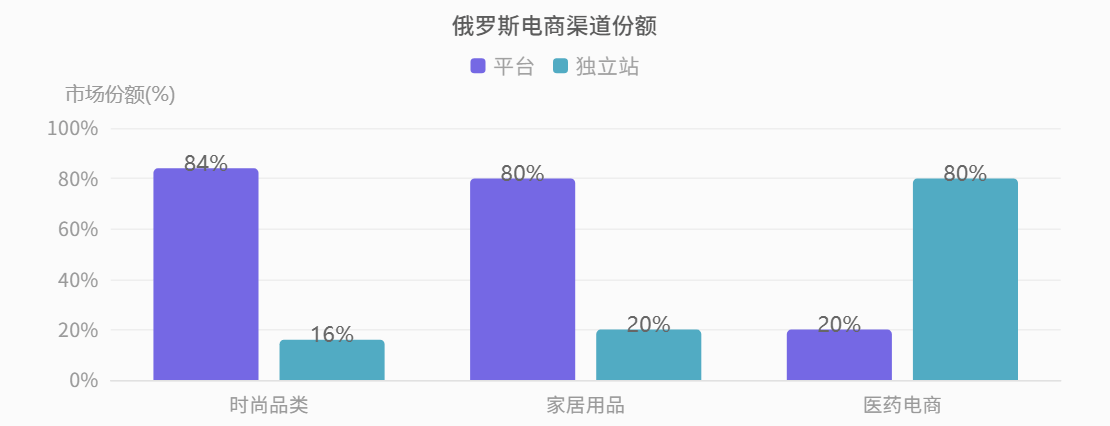
俄罗斯电商爆发:平台碾压独立站的“冰与火”
Sou Hu Cai Jing· 2025-12-06 13:15
Core Insights - The article emphasizes that for most businesses looking to enter the Russian market, leveraging comprehensive e-commerce platforms like Wildberries and Ozon is a more practical and advantageous choice compared to building independent sites due to the unique market environment, infrastructure, and consumer habits in Russia. Comparison of E-commerce Models - **Trust and Traffic**: Comprehensive platforms have a significant advantage with millions to tens of millions of monthly active users, which helps resolve consumer trust issues. In contrast, independent sites must invest heavily to build brand recognition and attract traffic, facing challenges in a market with generally low trust levels [3]. - **Payment and Settlement**: Platforms offer various localized payment methods (e.g., cash on delivery) and handle complex cross-border settlement issues, providing a secure channel for sellers. Independent sellers face high risks as international payment channels (e.g., Visa, PayPal) have exited, making it extremely difficult for small sellers to establish secure and reliable ruble collection channels [4][5]. - **Logistics and Delivery**: Platforms have built extensive logistics networks (e.g., Ozon has thousands of pickup points), effectively addressing the "last mile" delivery challenge with next-day delivery in core cities. Independent sellers must manage local delivery service providers, which are limited in Russia, leading to high logistics costs and uncertain delivery times [6]. - **Operational Barriers and Costs**: Platforms lower the entry barriers by providing standardized store management, marketing tools, and logistics services, allowing sellers to focus on product selection and operations with relatively controllable startup costs. Independent sellers face high barriers, needing to handle website development, technical maintenance, multi-channel marketing, and customer service, requiring significant resources and expertise [7][8]. Recommendations for Product Selection and Operations - **Precise Product Selection**: The Russian market has a sustained demand for clothing, electronics, home goods, and auto parts. Chinese products like mobile phones, small appliances, and fast fashion clothing are highly competitive. Sellers should also monitor seasonal bestsellers and emerging categories like smart home devices and pet products [9]. - **Deep Localization**: Beyond translating product information into Russian, sellers should localize designs to fit local aesthetics, provide detailed product specifications (as Russian consumers value this), and ideally offer Russian-speaking customer service to significantly enhance conversion rates [10]. - **Marketing Timing**: Sellers should align marketing efforts with important Russian holidays and shopping seasons, such as New Year (the largest sales season), International Women's Day (a significant gift-giving occasion), and "Double Eleven," planning marketing activities in advance [10]. - **Compliance Management**: Russia has mandatory product certification requirements (e.g., EAC certification). After joining a platform, sellers must thoroughly understand platform rules and local regulations to ensure product qualifications are complete, avoiding losses due to compliance issues [10]. Policy Implications - The introduction of a visa-free policy between China and Russia is expected to facilitate cross-border e-commerce development, making business exchanges more convenient and reducing costs for Russian buyers visiting China for market exploration [12][15].
中小卖家别卷!俄零保证金入驻,14天回款到手
Sou Hu Cai Jing· 2025-12-01 16:12
Core Insights - The article discusses the rapid growth of the Russian e-commerce market, highlighting how Chinese sellers are capitalizing on this opportunity amidst intense competition in domestic markets [1][3] - It emphasizes the unique challenges and strategies that Chinese sellers face in Russia, including logistics, payment systems, and market adaptation [3][12] Group 1: Market Dynamics - The Russian e-commerce market has seen explosive growth, with a 2.5 times increase in transaction volume and a 5.5 times increase in order volume for Chinese sellers on the Ozon platform [3] - The market size is approximately 12.6 trillion rubles (about 1.14 trillion RMB), presenting a significant opportunity for Chinese sellers to escape domestic competition [1][3] - The logistics landscape is evolving, with a 7-day delivery service from Heilongjiang to Moscow, contrasting with the average 30-day delivery time across the country [3][12] Group 2: Product Strategy - The demand for winter clothing in Russia is driven by an 8-month winter season, with Chinese sellers adapting their products to meet local needs, such as larger sizes and specialized features [6] - The rise of consumer electronics and smart home products indicates a shift from basic needs to quality-oriented consumption, with the smart home market reaching 26 billion rubles (approximately 2.27 billion RMB) [6] - Sellers are adjusting their strategies in anticipation of policy changes regarding cross-border tax exemptions, maintaining profit margins above 15% by optimizing inventory and product offerings [7] Group 3: Competitive Landscape - The competition between platforms Wildberries and Ozon mirrors the dynamics of China's internet landscape, with Wildberries focusing on fashion and Ozon adopting a hybrid model of self-operated and third-party sales [8][11] - Chinese sellers are leveraging both platforms to maximize their reach, with a significant portion of 3C digital products on Ozon being sourced from China [11] - The operational challenges posed by high return rates on Wildberries necessitate a strategic approach for sellers to thrive [10] Group 4: Innovation and Adaptation - Innovative logistics solutions, such as combining the China-Europe Railway with local delivery, have reduced shipping times and costs, enhancing competitiveness [12] - Financial strategies, including the use of dual currency accounts and partnerships with local payment companies, are being employed to navigate payment challenges and improve cash flow [12] - Sellers are adopting a flexible supply chain model, maintaining low inventory turnover to mitigate risks associated with market fluctuations [12] Conclusion - The impending changes in tax policies are prompting a shift from low-cost strategies to more sustainable, brand-focused approaches among Chinese sellers in Russia [13] - The integration of Chinese supply chain efficiency with Russian consumer demands is reshaping global trade dynamics, presenting both challenges and opportunities for sellers [13]

首日爆场!2025中国(浙江)跨境电商进出口交易会盛大开幕!
Sou Hu Cai Jing· 2025-11-27 07:08
Core Insights - The 2025 China (Zhejiang) Cross-Border E-commerce Import and Export Trade Fair has officially commenced, attracting global cross-border sellers, buyers, industry experts, and service providers to explore new opportunities in cross-border e-commerce [1][2] Group 1: Event Overview - The trade fair covers an exhibition area of 50,000 square meters, featuring over a thousand well-known domestic and international e-commerce platforms, service providers, and source factories [2] - The event includes five distinctive exhibition areas: Overseas Factory Area, Quality Industrial Belt and Supply Chain Area, Future Business Technology Ecosystem Area, Full-Chain Service Ecosystem Area, and Boutique Imported Goods Area, creating a comprehensive platform for cross-border e-commerce [2] Group 2: Exhibition Highlights - The A1 Hall showcases major international cross-border platforms like Shopee, Ozon, Walmart, and Trendyol, serving as a vital resource hub for merchants seeking to expand into overseas markets [4][6] - The B1 Hall integrates flagship platforms such as Alibaba International Station and AliExpress, providing a full-service ecosystem that includes financial payment, e-commerce training, and operational support for cross-border sellers [7][9] - The C1 Hall features cutting-edge technology applications, including generative AI and digital marketing, with innovative companies like Yushutech demonstrating significant advancements in automation [10][12] - The D1 Hall focuses on full-chain services for cross-border e-commerce, showcasing platforms like Amazon and logistics service providers, while also highlighting local industrial strengths [14][16] - The E1 Hall serves as a key display area for imported goods, featuring products like pet supplies and new energy vehicles, emphasizing the quality and appeal of imported items [16] Group 3: Conference and Discussions - The Global Cross-Border E-commerce Ecosystem Conference, held concurrently, featured discussions on the future of digital trade and cross-border e-commerce, with participation from industry leaders and experts [17][19] - The conference included thematic discussions on emerging markets and strategies for leveraging platforms like TikTok Shop to enhance sales during major promotional events [21]