
Rokid

Search documents
Rokid Glasses宣布"铸浪为山"礼盒套装完成交付,支持12种东盟语言互译
Xin Lang Ke Ji· 2025-09-11 05:44
新浪科技讯 9月11日下午消息,在第22届中国-东盟博览会合作伙伴新闻发布会上,Rokid宣布与浙江工 艺美术研究院联名打造的"铸浪为山"礼盒套装完成交付,该套装内的智能穿戴设备——Rokid Glasses AI 眼镜,成为本届博览会唯一入选贵宾纪念品的AI硬件产品。 责任编辑:江钰涵 该产品在研发过程中特别针对东盟多语种环境优化了语音识别算法,其支持的印尼语、泰语等12种东盟 语言互译功能,将成为促进区域文化交流的重要载体。(文猛) 据悉,Rokid Glasses采用衍射光波导显示技术,实现了高透光率与高清晰度平衡,配合自研的YodaOS 操作系统,可流畅运行多类AI大模型。该设备不仅能实现会议实时转写、多语言即时翻译等商务功 能,同时也具备导航和拍摄功能。语音交互能力支持连续对话及场景自适应,让智能眼镜在佩戴体验上 实现了从"可用"到"自然"的跨越。 ...


亚马逊被爆正在开发AR眼镜,代号“Jayhawk”,与Meta直接展开竞争
美股IPO· 2025-09-10 16:06
Core Insights - Amazon is developing a consumer-oriented augmented reality (AR) glasses, codenamed Jayhawk, to directly compete with Meta in the AR device market [3][4] - The AR glasses will feature a microphone, speakers, camera, and a single-eye full-color display, with plans for a launch by the end of 2026 or early 2027 [3][4] - The competition in the AR market is intensifying, with both Amazon and Meta positioning themselves for a significant market shift [3] Product Development - Amazon is simultaneously developing two different AR glasses: the consumer version (Jayhawk) and a version for delivery drivers (codenamed Amelia) [4][5] - The consumer version will focus on a lightweight and stylish design, while the driver version will assist in sorting and delivering packages by displaying delivery instructions on the screen [5] - The driver version is expected to be produced in an initial batch of approximately 100,000 units, with a potential release in the second quarter of 2026 [5] Competitive Landscape - Meta is also actively engaged in the AR glasses market, with plans to showcase a new product, codenamed Hypernova, at the upcoming Connect conference [6] - Meta's previous AR prototype, Orion, featured dual-eye display technology, while the new product is expected to adopt a single-eye display design [6] - The pricing strategy for Meta's AR glasses is under discussion, with estimates around $800, compared to the current Ray-Ban smart glasses starting at $299 [7] Technology Considerations - Dual-eye displays offer a more natural AR experience but come with higher development costs and complexity compared to single-eye displays [8] - Other companies, including Chinese firms like Xreal, Rokid, and Thunder Innovation, are also competing in the AR glasses market, each with varying levels of technology maturity [8] Market Trends - In the U.S. market, Snap is also developing AR glasses, and Google has showcased a prototype AR glasses this year [9]


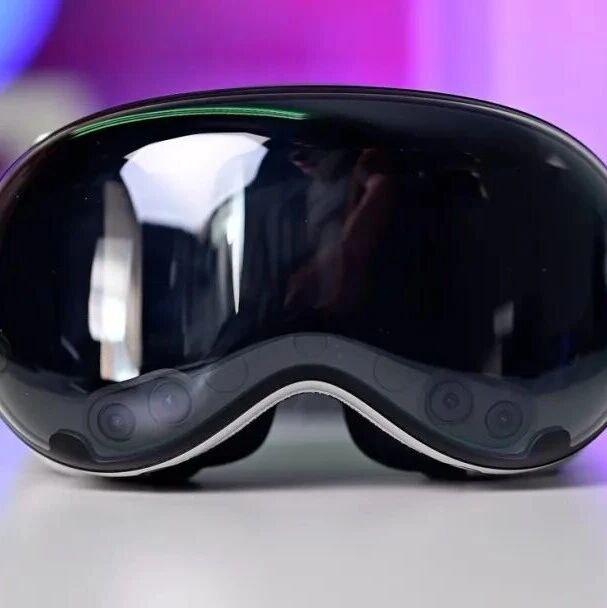
亚马逊被爆正在开发AR眼镜,代号“Jayhawk”,与Meta直接展开竞争
Hua Er Jie Jian Wen· 2025-09-10 14:02
Group 1 - Amazon is developing a consumer-oriented augmented reality (AR) glasses, codenamed Jayhawk, to directly challenge Meta's position in the AR device market, with a planned launch by the end of 2026 or early 2027 [1] - The AR glasses will feature a microphone, speakers, a camera, and a single-eye full-color display, marking a significant entry into the AR technology space [1] - Amazon is also developing a second AR glasses model, codenamed Amelia, specifically designed for delivery drivers to assist in sorting and delivering packages, with an initial production plan of around 100,000 units [2] Group 2 - Meta is actively competing in the AR glasses market, with a new product, codenamed Hypernova, expected to be showcased at the upcoming Connect conference, featuring a single-eye display [3] - The pricing strategy for Meta's AR glasses is under discussion, with estimates around $800, compared to the current Ray-Ban smart glasses starting at $299 [3] - The AR glasses market is becoming increasingly competitive, with other companies like Xreal, Rokid, and Snap also developing AR products, indicating a growing interest and investment in this technology [3]
腾讯研究院AI速递 20250908
腾讯研究院· 2025-09-07 16:01
Group 1 - Anthropic has implemented a policy to restrict access to its Claude service for entities with majority ownership by Chinese capital, citing legal, regulatory, and security risks [1] - The restriction also applies to entities from countries considered adversaries, such as Russia, Iran, and North Korea, with expected global revenue impact in the hundreds of millions of dollars [1] Group 2 - AI Key, an external AI assistant hardware for iPhone, sold out within 7 hours of launch, priced at $89, but is seen as redundant given the existing capabilities of iPhones [2] - The trend of AI hardware startups is viewed as short-lived, with future value lying in integrating AI as a system attribute rather than a standalone function [2] Group 3 - Tencent's "Hunyuan Game" platform has launched version 2.0, introducing features like game-to-video generation and custom model training [3] - The new AI capabilities allow users to create high-quality dynamic videos from game images and descriptions, significantly lowering the barrier for custom model training [3] Group 4 - Alibaba has released the Qwen3-Max-Preview model, boasting over a trillion parameters, outperforming competitors in various benchmarks [4] - The model supports over 100 languages and offers a maximum context of 256k, with a tiered pricing model based on token usage [4] Group 5 - ByteDance's Seed team has introduced Robix, a unified "robot brain" that integrates reasoning, task planning, and human-robot interaction [5][6] - Robix employs a hierarchical architecture to separate high-level decision-making from low-level control, enabling dynamic reasoning and execution [6] Group 6 - Rokid's AR+AI glasses sold 40,000 units within 5 days of launch, highlighting their lightweight design and user-friendly features [7] - The product includes customizable audio and translation capabilities, and Rokid has opened its SDK for developers, expanding its global reach [7] Group 7 - Anthropic has agreed to a $1.5 billion settlement in a copyright lawsuit involving the illegal download of 7 million books, marking a significant moment in AI and copyright disputes [8] - The settlement involves compensation for approximately 500,000 books, averaging $3,000 per book, while the financial impact is considered manageable relative to Anthropic's recent funding and revenue [8] Group 8 - The Sensor Tower report indicates that global downloads of generative AI applications reached nearly 1.7 billion in the first half of 2025, with in-app purchase revenue of $1.9 billion, reflecting a 67% quarter-over-quarter growth [10] - The report highlights a demographic shift, with female users of AI assistants exceeding 30%, and emphasizes the competitive pressure on vertical applications [10] Group 9 - OpenAI's recent paper defines "hallucination" in AI models and identifies its root causes, suggesting that current evaluation methods encourage guessing rather than acknowledging uncertainty [11] - The paper proposes a revised evaluation approach that penalizes confident errors more than uncertainty, aiming to improve the reliability of AI responses [11]

Rokid Glasses 5天销售40000台,9月产能已排满
Xin Lang Ke Ji· 2025-09-05 12:20
责任编辑:刘万里 SF014 新浪科技讯 9月5日晚间消息,Rokid晚间宣布,截止目前Rokid Glasses全部渠道已售40000台,9月产能 已全部排满。即日起在电商平台下单的订单将在10月15日发出,我们已加急备货。 目前,Rokid Glasses电商平台售价3299元左右,这意味着,Rokid Glasses已售出销售额或已达1.3亿元。 此前,Rokid宣布Rokid Glasses 将于2025年9月1日10:00全渠道开启预售,9月15日起现货发售。(文 猛) ...
AI与人形机器人深度融合:商业化路径逐清晰
3 6 Ke· 2025-09-05 00:02
Group 1: AI Applications - The year 2025 is seen as a pivotal point for AI applications, transitioning from technical concepts to deep industry integration, with the global AI market expected to reach $221.87 billion, growing at a CAGR of approximately 26.2% [1] - AI applications are expanding across all fields, with high-value sectors leading the way; for instance, Wanjun Technology achieved AI-native application revenue of 60 million yuan, with a 200% increase in paid users [2] - Despite challenges such as data privacy issues and the inability of 54% of companies to quantify AI investment returns, AI is evolving from an auxiliary tool to a business partner, particularly in data-intensive sectors like finance and healthcare [3] Group 2: Humanoid Robots - 2025 is marked as the "commercialization year" for humanoid robots, supported by government policies and market dynamics, with significant advancements in core component localization, such as a 25% localization rate for harmonic reducers [4] - Major manufacturers like Estun and Midea are making strides in the humanoid robot market, with Estun capturing 23% market share in medical exoskeletons and Midea integrating robots into standard operations [5] - Despite progress, challenges remain, including reliance on imported high-end sensors and the high cost of humanoid robots, which is around 199,000 yuan, making them unaffordable for most households [5] Group 3: Integration and Breakthroughs - The deep integration of AI and humanoid robots is seen as a key driver for industry breakthroughs, with AI models enhancing decision-making capabilities and humanoid robots providing physical interaction with the environment [6] - The localization of core components is crucial, with current localization rates for key parts like harmonic reducers at 25% and expectations to reach over 50% by 2027 [6] - The focus on industrial applications is evident, as they offer clear ROI, with Midea's robots demonstrating value in equipment maintenance and material handling [7] Group 4: Future Outlook - The global humanoid robot market is projected to grow significantly, with Goldman Sachs forecasting a CAGR of 94% from 2025 to 2035, contingent on achieving large-scale production [7] - The integration of AI and humanoid robots is expected to create new business models and industry ecosystems, with predictions of the global humanoid robot market reaching between $38 billion and $154 billion by 2035 [7][8] - Investors are encouraged to focus on companies that are quickly commercializing AI models and those involved in the supply chains of key component manufacturers [8]

珠海国资再出手,引进Rokid加码智能眼镜赛道
Xin Lang Cai Jing· 2025-09-02 04:21
Core Insights - Zhuhai's state-owned assets are becoming a key player in driving local future industries, particularly in artificial intelligence and embodied intelligence sectors [2][4] - Rokid, a leading AR glasses company, has officially signed to settle in Zhuhai High-tech Zone, aiming to use Zhuhai as a base for expanding into overseas markets [1][2] - The local government is focusing on new economic growth engines as traditional sectors like real estate decline, with significant investments planned in AI, low-altitude economy, digital economy, and robotics [2][5] Investment and Economic Strategy - The Zhuhai government plans to establish a new production capacity fund with a total scale of 80 billion yuan, focusing on four key sectors: artificial intelligence, low-altitude economy, digital economy, and robotics [2][5] - The investment team from Zhuhai Technology Group emphasizes the importance of integrating Rokid into the local industrial ecosystem, enhancing the supply chain and supporting the development of AI and embodied intelligence industries [1][2] Industry Development and Integration - Zhuhai has previously invested in companies like MoJie Technology and Huacan Optoelectronics, with the latter operating the world's first mass production line for Micro LED technology [3][4] - The integration of various companies within the smart glasses supply chain is expected to lower costs and enhance competitiveness in the market [3][4] - The establishment of the Zhuhai Technology Group has streamlined the investment and industrial promotion efforts, focusing on high-tech sectors [5][6] Future Prospects and Collaborations - The local government is leveraging its real estate background to create new application scenarios for technology, such as smart security and intelligent healthcare [7] - Partnerships with companies like UBTECH are being formed to develop intelligent robots for family and community applications, indicating a trend towards collaborative innovation in the tech sector [7][6] - Recent reforms have shown positive results, with state-owned enterprises in Zhuhai reporting a revenue increase of 10.04% and a profit increase of 59.36% in 2023 [7]

AI眼镜推动行业进入爆发拐点!消费电子ETF下跌0.66%,全志科技上涨12.19%
Sou Hu Cai Jing· 2025-09-01 02:59
Market Performance - On September 1, A-shares saw collective gains, with the Shanghai Composite Index rising by 0.31% during the session, led by sectors such as comprehensive, non-ferrous metals, and pharmaceutical biology, while defense and non-bank financial sectors experienced declines [1] Consumer Electronics Sector - The Consumer Electronics ETF (159732.SZ) fell by 0.66% as of 10:39, with mixed performances among its constituent stocks; Allwinner Technology surged by 12.19%, Anker Innovation rose by 3.44%, Changdian Technology increased by 2.66%, and Jinghe Integrated rose by 2.31%. Conversely, companies like Rockchip and GoerTek saw declines of -7.72% and -4.82%, respectively [1] AI Glasses Market Outlook - Guotai Junan Securities projects a 188% growth in the AI glasses market in China by 2025, with a global market size exceeding 190 billion RMB by 2030, and a five-year CAGR of over 80% [3] - The report suggests that AI glasses are set to reshape the smart glasses industry, marking a turning point for explosive growth, with Meta's global success validating lightweight design and consumer pricing strategies [3] - Domestic manufacturers such as Huawei, Rokid, and Xiaomi are leveraging the Harmony ecosystem, waveguide technology, and supply chain cost reductions to lower hardware costs while expanding both B2B and B2C scenarios [3] ETF Information - The Consumer Electronics ETF (159732) tracks the Guozheng Consumer Electronics Index, primarily investing in 50 A-share listed companies involved in the consumer electronics industry, with significant focus on electronic manufacturing, semiconductors, and optical optoelectronics [3]

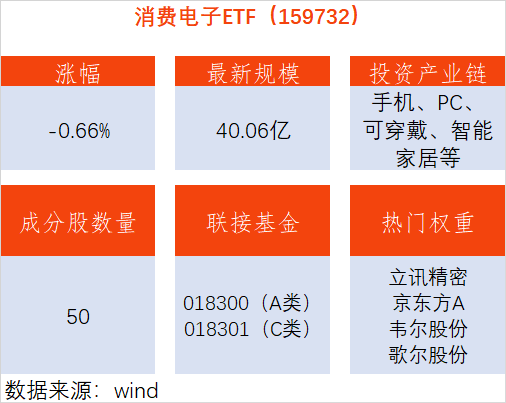
理想汽车被曝入局,AI眼镜行业加速迈入爆发期
Xuan Gu Bao· 2025-08-28 14:47
Group 1 - Ideal Automotive is set to launch its first AI glasses as early as next month, which will be showcased alongside its new vehicles [1] - The company places significant emphasis on the AI glasses project, initially focusing on AI photography glasses, with future considerations for full-color AR glasses [1] - The AI glasses will prioritize AI voice interaction and may rely on the "Ideal Classmate" app for functionality [1] Group 2 - GoerTek provides integrated product solutions and one-stop R&D manufacturing services for AI smart glasses and other smart hardware devices to leading global clients, with related business progressing smoothly [2] - Hengxuan Technology's chip products are widely used in the smart wearable market, including TWS earphones, smartwatches, and smart glasses, with its BES2800 smart glasses solution already in mass production [2] - The smart glasses solution from Hengxuan Technology enables lightweight models to run locally through fully integrated audio input and output [2] Group 3 - The AI glasses market in China is projected to grow by 188% by 2025, driven by ecosystem collaboration, technological iteration, and cost optimization [1] - The industry is expected to replicate the development trajectory of smartphones, evolving from single-function devices to platform-type terminals [1] - The future of AI glasses holds the potential to unlock a market space worth hundreds of billions [1]


Rokid Glasses全渠道开卖,9月15日起现货发售
Xin Lang Ke Ji· 2025-08-28 10:20
Core Viewpoint - Rokid announced the pre-sale and official sale dates for Rokid Glasses, indicating a strategic move to enhance market presence and consumer engagement [1] Group 1: Product Launch Details - Rokid Glasses will be available for pre-sale on September 1, 2025, at 10:00 AM across all channels [1] - The official sale will commence on September 15, 2025 [1] - Customers who pay in full by September 10, 2025, at 24:00 will receive a complimentary charging case valued at 399 yuan [1] Group 2: Sales and Distribution Strategy - E-commerce platform users who make payments by September 10 will receive priority shipping, while other orders will be shipped based on payment time [1] - The charging cases for Rokid Glasses are expected to be shipped by October 31, 2025 [1]