礼来

Search documents
时隔半年多 “易中天”再次同日大涨!什么信号?
Mei Ri Jing Ji Xin Wen· 2025-11-26 07:42
Market Performance - On November 26, the Shenzhen Component Index and the ChiNext Index opened low but closed higher, with the ChiNext Index rising over 3% at one point. The Shanghai Composite Index fell by 0.15%, while the Shenzhen Component Index increased by 1.02% and the ChiNext Index rose by 2.14% [2] - Over 3,500 stocks in the market declined, with a total trading volume of 1.78 trillion yuan, a decrease of 28.8 billion yuan compared to the previous trading day [2] Sector Performance - The pharmaceutical, retail, and CPO sectors saw significant gains, while military equipment, forestry, and gaming sectors experienced notable declines [2] - The pharmaceutical sector showed strong performance, with various sub-sectors such as pharmaceutical commerce and e-commerce rising significantly [8][9] Capital Flow - There was a notable inflow of capital into the CPO sector, with over 142 billion yuan net inflow into the telecommunications industry, leading the primary industry sectors. By the end of the day, there was an additional net inflow of over 164 billion yuan [2] - The "Yizhongtian" stocks, including Zhongji Xuchuang, saw significant gains, with Zhongji Xuchuang reaching a historical high [2][3] AI and Technology Sector Outlook - The AI computing power industry is experiencing high demand, with expectations for increased capital expenditure from leading cloud vendors. The industry is transitioning from 800G to 1.6T technology, benefiting optical module manufacturers [7] - The rise of large models and generative AI applications is expected to expand the market for AI servers, driving rapid growth in demand for high-speed optical modules [7] Currency Impact - The offshore and onshore RMB against the USD both broke the 7.09 mark, reaching a new high in over a year, which is expected to enhance the attractiveness of RMB assets and positively impact the A-share market [11]

诺和诺德:司美格鲁肽延缓阿尔茨海默病进展试验失败!公司股价暴跌
Cai Jing Wang· 2025-11-25 12:16
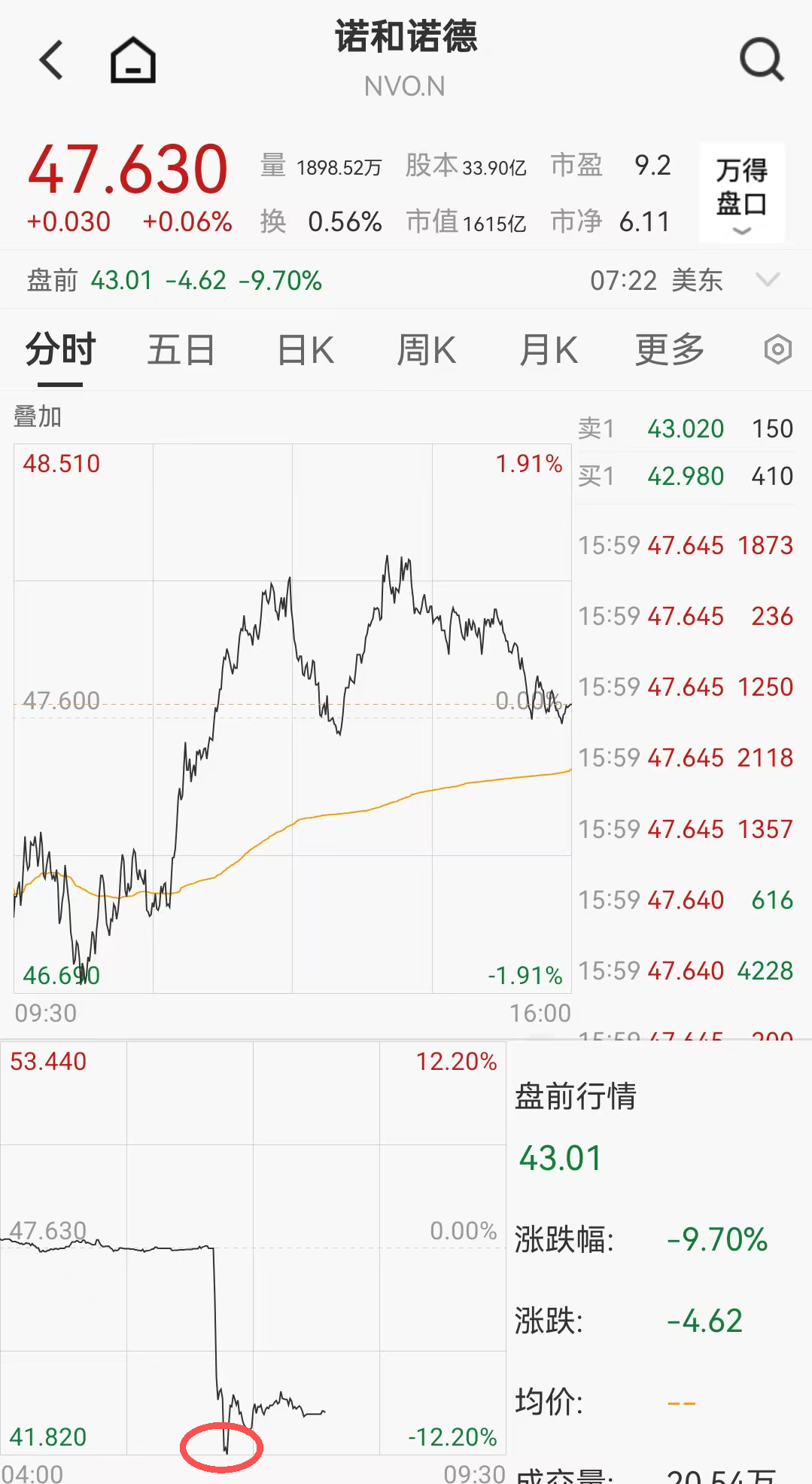
Core Viewpoint - Novo Nordisk's stock plummeted over 12% pre-market and closed down 5.58% after the announcement that its trials for semaglutide in treating early Alzheimer's disease did not show efficacy compared to placebo [1] Group 1: Clinical Trial Results - The EVOKE and EVOKE+ trials failed to demonstrate that semaglutide could slow the progression of Alzheimer's disease better than a placebo, despite showing improvements in biological markers associated with the disease [1] - As a result of these findings, Novo Nordisk will terminate the planned one-year extension studies for these trials [1] Group 2: Market Reaction and Competitors - Biogen, which is also developing Alzheimer's drugs, saw its stock rise over 6% pre-market and closed up 0.87% on the same day [1] - In contrast, Novo Nordisk's stock has seen a significant decline, with a cumulative drop of over 53% this year, and a market capitalization loss exceeding $60 billion following the recent trial results [4] Group 3: Historical Context and Financial Performance - Novo Nordisk's stock previously reached a high of $143.636 per share, making it the "European stock king," but has since faced challenges, including a reduction in sales growth forecasts from 16%-24% to 8%-14% [4] - The company reported sales of $16.632 billion for semaglutide, marking it as a leading drug, but growth rates for its diabetes treatments have shown signs of fatigue [4] Group 4: Competitive Landscape - The expiration of semaglutide's core patent in China in 2026 poses a significant threat, with local companies like Innovent Biologics pushing forward with their own GLP-1 weight loss drugs [4][5] - Morningstar predicts that Innovent's drug, mazhitide, will contribute over 600 million RMB (approximately $84.4 million) in sales this year, potentially reaching 3.5 billion RMB by 2029 [5] Group 5: Management Changes - Novo Nordisk has experienced significant management upheaval, with the resignation of the chairman and six board members following the dismissal of the CEO earlier in the year [8] - The new CEO has initiated substantial layoffs and a strategic shift away from certain therapeutic areas, which has led to internal discord within the company [8]
港股异动 | 歌礼制药-B(01672)现涨超6% 药企积极布局超长效新疗法 公司已有ULAP技术平台
智通财经网· 2025-11-25 06:01
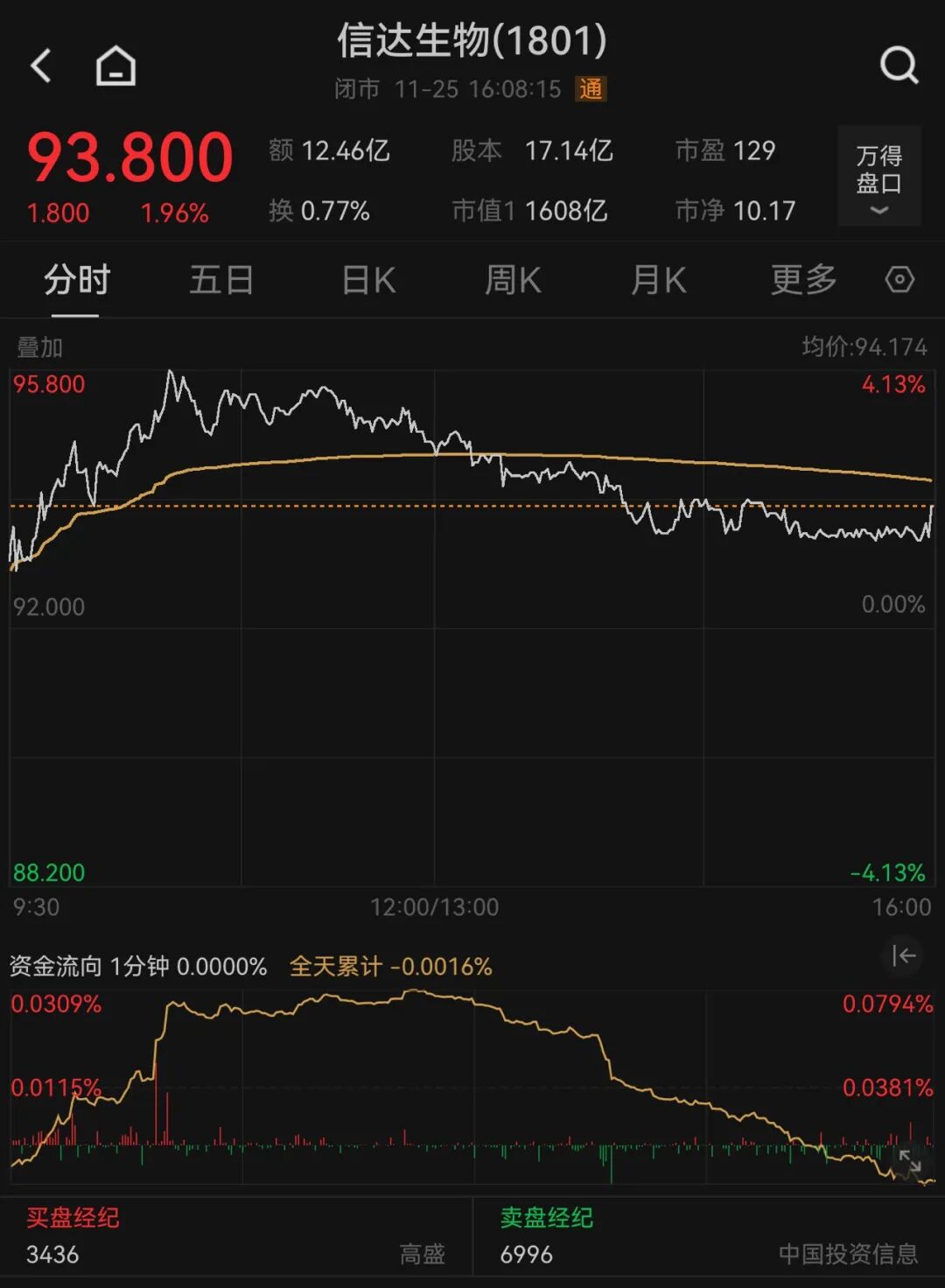
Core Viewpoint - Pfizer has successfully completed the acquisition of Metsera for approximately $9.2 billion, gaining access to key assets MET-097i and MET-233i, indicating a strategic move in the long-acting weight loss and diabetes treatment market [1] Company Developments - The stock price of Gilead Sciences-B (01672) has increased by 6.25%, reaching HKD 14.46, with a trading volume of HKD 39.59 million [1] - Gilead has developed a subcutaneous reservoir technology platform (ULAP) for long-acting weight loss drugs, positioning itself in the competitive landscape of obesity and diabetes treatments [1] Industry Trends - Eli Lilly and Novo Nordisk are also actively pursuing long-acting platforms, having formed strategic partnerships with Camurus and Ascendis to develop long-acting weight loss and diabetes products by 2025 [1] - Open Source Securities predicts that the value of long-acting pipelines and technology platforms will become more apparent as clinical data is disclosed, suggesting that long-acting therapies will be a key differentiator in the weight loss and diabetes treatment market [1] - Various technologies such as antibody-drug conjugates, fatty acid end-modification, and subcutaneous reservoir sustained-release methods are expected to enable long-acting drug delivery [1]
黑天鹅突现!“欧洲股王”暴跌
Zhong Guo Ji Jin Bao· 2025-11-24 22:49
Core Viewpoint - Novo Nordisk's stock plummeted over 12% in pre-market trading following the announcement that its trials for the Alzheimer's drug semaglutide did not show significant efficacy compared to a placebo, leading to the termination of further studies [1][4]. Group 1: Clinical Trial Results - The EVOKE and EVOKE+ trials failed to demonstrate that semaglutide could slow the progression of early Alzheimer's disease compared to a placebo, despite some improvements in biological markers associated with the disease [1][4]. - Novo Nordisk will terminate the planned one-year extension studies for these trials based on the efficacy results [1]. Group 2: Market Reaction - Following the announcement, Novo Nordisk's stock price fell by 21.83%, resulting in a market capitalization loss of over $60 billion, with a year-to-date decline exceeding 53% [8]. - In contrast, Biogen, which is also developing Alzheimer's drugs, saw its stock rise over 6% in pre-market trading on the same day [3]. Group 3: Company Performance and Challenges - Despite achieving $16.632 billion in sales for semaglutide, Novo Nordisk has faced challenges, including a reduction in sales growth forecasts from 16%-24% to 8%-14% and a decrease in operating profit growth expectations from 19%-27% to 10%-16% [8]. - The company is also facing imminent patent expirations for semaglutide, with its core patent in China set to expire in 2026, raising concerns about market share due to the entry of generic competitors [8][11]. Group 4: Management Changes - Novo Nordisk is undergoing significant management upheaval, with the resignation of the chairman and six board members following the dismissal of the CEO earlier in the year [12]. - The new CEO has initiated substantial layoffs and a strategic shift away from certain research areas, which has led to internal conflicts within the board [12].
黑天鹅突现!“欧洲股王”盘前暴跌
Zhong Guo Ji Jin Bao· 2025-11-24 15:45
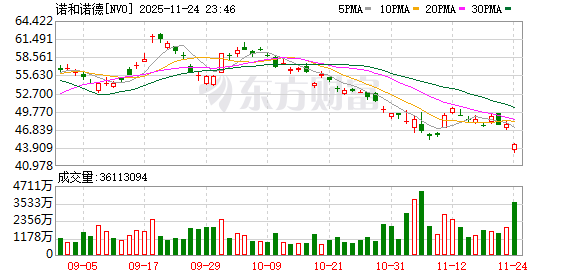
Core Insights - Novo Nordisk's stock plummeted over 12% following the announcement of disappointing results from its EVOKE and EVOKE+ Phase 3 trials for semaglutide in treating early Alzheimer's disease, which failed to show significant efficacy compared to placebo [2][6] - The company will terminate the planned one-year extension studies for these trials due to the lack of evidence supporting the drug's effectiveness in slowing disease progression [2] Company Performance - Despite achieving $16.632 billion in sales for semaglutide in the first half of the year, Novo Nordisk's stock has seen a cumulative decline of over 53% this year, with a market value loss exceeding $60 billion [9][10] - The company has had to revise its annual performance guidance twice within a year, lowering sales growth expectations from 16%-24% to 8%-14% and operating profit growth from 19%-27% to 10%-16% [9] Market Context - Biogen's stock rose over 6% on the same day, indicating a potential shift in investor sentiment towards companies developing Alzheimer's treatments [5] - The impending expiration of semaglutide's core patent in China in 2026 poses a significant challenge, as local companies like Innovent Biologics are advancing their own GLP-1 drugs [9][12] Management Changes - Novo Nordisk is undergoing significant management upheaval, with the resignation of Chairman Helge Lund and six board members following the dismissal of CEO Lars Fruergaard Jørgensen earlier in the year [12][13] - The new CEO, Mike Dusseault, has initiated substantial layoffs and a strategic shift away from certain therapeutic areas, including cell therapy research, while investing $5.2 billion in acquiring Akero Therapeutics for liver disease treatment [12][13]
黑天鹅突现!“欧洲股王”盘前暴跌
中国基金报· 2025-11-24 15:40
Core Viewpoint - Novo Nordisk's stock plummeted over 12% following the announcement of disappointing results from its EVOKE and EVOKE+ Phase 3 trials for the treatment of early-stage Alzheimer's disease, indicating that semaglutide did not outperform placebo in slowing disease progression [2][3]. Group 1: Clinical Trial Results - The EVOKE and EVOKE+ trials showed that while semaglutide improved Alzheimer's-related biomarkers, it did not translate into a delay in disease progression [2]. - As a result of these findings, Novo Nordisk will terminate the planned one-year extension studies for these trials [3]. Group 2: Market Reaction - Biogen, which is also developing Alzheimer's drugs, saw its stock rise over 6% on the same day that Novo Nordisk's stock fell [5]. - The market had previously reacted positively to the potential of semaglutide in treating Alzheimer's, with a significant stock price increase when the trials were announced [7]. Group 3: Company Performance and Challenges - Novo Nordisk's stock had previously reached a high of $143.636 per share, but has since seen a cumulative decline of over 53% this year, with a market capitalization loss exceeding $60 billion [10]. - The company has had to revise its annual performance guidance downward twice within a year, reducing sales growth expectations from 16%-24% to 8%-14% [10]. - The expiration of the core patent for semaglutide in China in 2026 poses a significant challenge, as local competitors are advancing their own GLP-1 drugs [10][14]. Group 4: Management Changes - Novo Nordisk is undergoing significant management upheaval, with the resignation of the chairman and several board members following the appointment of a new CEO who has initiated major layoffs and strategic shifts [15][16]. - The new CEO's decision to acquire Akero Therapeutics for $5.2 billion has sparked discontent within the board, leading to the recent leadership crisis [16].

美股减肥药概念股涨跌各异
Ge Long Hui A P P· 2025-11-24 15:00
Group 1 - ANAB stock increased by 4.7% in early trading [1] - Hims & Hers saw a rise of 4.3% [1] - Biogen (BIIB) shares rose by 2.7% [1] Group 2 - Eli Lilly experienced a slight decline [1] - Abbott's stock fell by over 0.6% [1] - Novo Nordisk ADR dropped by over 9% [1]


靠减肥药狂卖1700亿,礼来登顶万亿美元药企
21世纪经济报道· 2025-11-24 10:20
Core Viewpoint - Eli Lilly has achieved a market capitalization exceeding $1 trillion, driven by the strong performance of its flagship product, tirzepatide, amidst challenges such as patent expirations, increasing market competition, and pricing pressures [1][2][4]. Financial Performance - Eli Lilly's Q3 revenue reached $17.6 billion, a 54% year-over-year increase, with tirzepatide's sales contributing significantly [1]. - Tirzepatide's diabetes version, Mounjaro, generated $6.515 billion in Q3 sales, while the weight loss version, Zepbound, achieved $3.588 billion [1]. - Combined, these products accounted for $10.103 billion in Q3 sales and $24.837 billion year-to-date, representing 49% of Eli Lilly's total revenue, with a 125% year-over-year growth [2]. Market Position and Competition - Eli Lilly's market share for its products among new patients in the U.S. has risen to 70%-75% [4]. - Tirzepatide has surpassed its competitor, semaglutide, in prescription volume, holding a 57.9% share compared to semaglutide's 41.7% as of Q3 2025 [4]. Industry Dynamics - The GLP-1 drug class is expected to become one of the largest pharmaceutical categories globally within the next three to five years [2]. - The market for obesity and metabolic drugs is projected to exceed $100 billion by 2030, with GLP-1 drugs being a key driver [6]. Competitive Landscape - Novo Nordisk remains a dominant player in the weight loss drug market, with its GLP-1 products generating significant revenue [5][6]. - Eli Lilly faces increasing competition from various domestic pharmaceutical companies developing next-generation GLP-1 drugs [7][8]. Challenges Ahead - Eli Lilly's reliance on a single product, patent expiration risks, and intensifying competition are significant concerns [9]. - Pricing pressures are mounting, with agreements to lower drug prices starting in 2026, which may impact Eli Lilly's market revenue [8]. Strategic Initiatives - To address these challenges, Eli Lilly is pursuing external acquisitions and technological advancements to create new growth avenues [10]. - The company has made significant investments in gene therapy and AI drug development, including partnerships and acquisitions aimed at expanding its portfolio [10][11]. Future Outlook - Eli Lilly's leadership emphasizes the importance of data-driven decision-making in navigating future challenges and opportunities [11]. - The company must explore new growth paths beyond GLP-1 drugs to sustain its market position and develop the next milestone product following tirzepatide [11].

礼来登顶万亿美元药企 “神话”背后暗藏隐忧
2 1 Shi Ji Jing Ji Bao Dao· 2025-11-24 09:56
Core Insights - Eli Lilly has achieved a market capitalization exceeding $1 trillion, marking a record in the pharmaceutical industry, driven by the strong performance of its flagship product, tirzepatide [2][4] - The sales of tirzepatide's diabetes version, Mounjaro, reached $6.515 billion in Q3, contributing significantly to Eli Lilly's overall revenue growth [2] - The GLP-1 drug class is expected to become one of the largest pharmaceutical categories globally in the next three to five years, highlighting the transformative impact of a single blockbuster drug [3] Financial Performance - Eli Lilly's Q3 revenue reached $17.6 billion, a 54% year-over-year increase, with tirzepatide products generating a combined sales of $10.103 billion in Q3 alone [2] - The total sales for tirzepatide in the first three quarters amounted to $24.837 billion, accounting for 49% of Eli Lilly's total revenue, with a year-over-year growth of 125% [2] Market Dynamics - Eli Lilly's market share among new patients in the U.S. has risen to between 70% and 75%, indicating strong competitive positioning [4] - The prescription volume for tirzepatide has surpassed that of its main competitor, semaglutide, with a market share of 57.9% compared to 41.7% for semaglutide as of Q3 2025 [4] Competitive Landscape - Novo Nordisk remains a dominant player in the weight loss drug market, with its GLP-1 products generating significant revenue, including $32.4 billion from diabetes and obesity care in the first three quarters of 2025 [5] - The GLP-1 drug class is projected to exceed $100 billion in market size by 2030, with Eli Lilly and Novo Nordisk leading the charge [6] Challenges and Strategic Moves - Eli Lilly faces challenges such as reliance on a single product, patent expiration risks, and increasing competition in the GLP-1 market [9] - The company is pursuing external acquisitions and advanced technology investments to diversify its growth avenues, including strategic alliances in gene therapy and AI drug development [9][10] - Price pressures are mounting as Eli Lilly and Novo Nordisk have agreed to lower prices for obesity treatment drugs starting in 2026, which may impact short-term revenue [8]

翼虎周观察 | 同频共振筑底时,结构牛途寻真章
Sou Hu Cai Jing· 2025-11-24 05:42
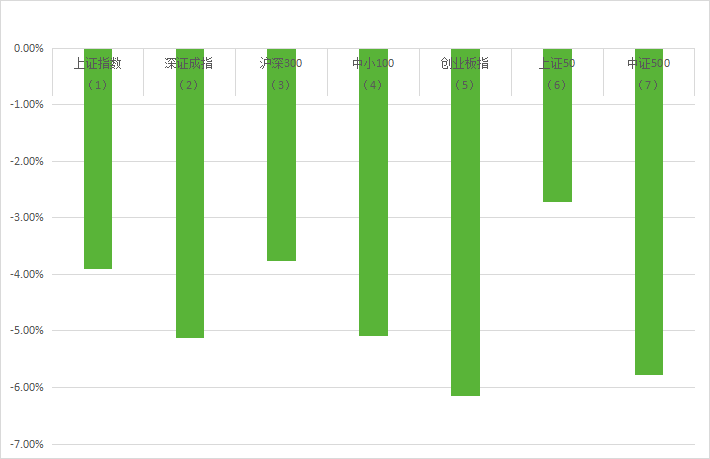
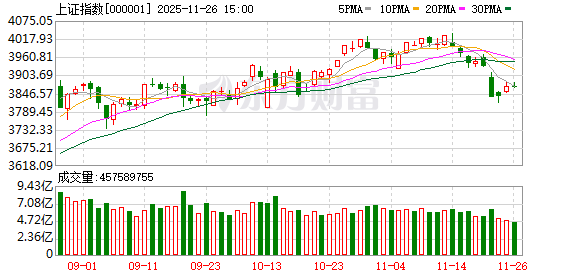
Market Overview - A and H shares continued to be negatively impacted by the Federal Reserve's lower-than-expected interest rate cuts, with significant declines in sectors such as non-ferrous metals and chemicals [1] - The A-share market saw the Shanghai Composite Index down 3.90%, Shenzhen Component Index down 5.13%, and ChiNext Index down 6.15% [3] - Defensive sectors like banking, media, food and beverage, and defense showed relative resilience, while sectors like power equipment, basic chemicals, and steel experienced significant declines [1][3] Industry Dynamics - The pharmaceutical industry index fell 6.88%, with sub-sectors like chemical pharmaceuticals and bioproducts declining by 7.02% and 7.46% respectively [5] - Eli Lilly became the first global healthcare company to reach a market capitalization of $1 trillion, driven by its GLP-1 weight loss drug contributing 55% of its revenue [7] - Moderna announced the termination of three mRNA projects and secured a $15 billion loan, focusing future efforts on oncology and rare diseases [7] - Innovative drug companies like BeiGene and Innovent Biologics reported significant revenue growth, with BeiGene's global revenue reaching $1 billion, up 51% year-on-year [8] Technology Sector - The technology sector faced significant adjustments, with the Hang Seng Technology Index dropping 7.18% [10] - Nvidia reported Q3 revenue of $57 billion, exceeding expectations, with data center revenue of $51.2 billion, up 66% year-on-year [17] - Google launched the Gemini 3 model, achieving breakthroughs in multi-modal understanding and reasoning capabilities, surpassing competitors [12] - Alibaba's AI application "Qianwen" quickly rose to the fourth position in the App Store rankings, aiming to become a personal AI assistant [13] Investment Strategies - Investment strategies are focusing on technological transformation and de-globalization, with an emphasis on AI and innovative pharmaceuticals [3] - The market is expected to enter a bottoming phase after two weeks of significant adjustments, with a long-term view of a structural bull market [1][3] - The focus is on identifying undervalued technology players within the overseas supply chain [2]