韦尔股份

Search documents
获批两所大学!宁波、东莞,要逆天改命了!
城市财经· 2025-06-13 04:07
风声偏紧,避免失联,大家可以同步关注一下我的小号"飞箭财经" 大湾区大学是一所是由广东省人民政府举办、东莞市政府投入保障为主的公办普通高等学校。 作者:余飞 早在2018年, 全国两会上,时任全国人大代表、深圳大学校长李清泉提交了《关于创建湾区联合大学 推动粤港澳高等教育协同发展的建议》。同年全国两会,农 工党中央也建议设立"粤港澳城市大学"。此后,民盟广东省委在2019年广东两会、时任全国人大代表的马化腾在2019年全国两会上也提出了类似的建议。 2019年,当时的东莞市市委副书记、之后的东莞市市委书记肖亚非确认,大湾区大学落户东莞。 01 宁波、东莞各添一所高校 宁波、东莞翘首盼望的大学,终于获批了。 6月11日,教育部 官网发布消息, 教育部拟同意设置大湾区大学、海南警察学院等10所学校,现予公示。 其中位于东莞的大湾区大学和位于宁波的宁波东方理工大学最引人瞩目。 来源:教育部 前者是隶属于广东省政府的公办高校,后者则是民办高校。 宁波东方理工大学是民办高校,但起点很高。 和去年福州获批的 福建福耀科技大学一样,都是由企业家出资创办的研究型大学。 福建福耀科技大学,是由福州人、福耀集团创始人曹德旺发起, ...


新大学来了!华为早已牵手
新华网财经· 2025-06-12 14:36
公示显示,根据《中华人民共和国高等教育法》《普通高等学校设置暂行条例》《普通本科学校设置暂 行规定》《本科层次职业学校设置标准(试行)》等有关规定以及第八届全国高等学校设置评议委员会 考察评议结果,经教育部党组会议审议,拟同意设置大湾区大学等10所学校,现予公示。其中,包括7 所公办学校,3所民办学校。 | 序号 | 设置事项 | 所在省份 | 办学性质 | | --- | --- | --- | --- | | 1 | 设立大湾区大学 | 广东省 | 公办 | | 2 | 设立宁波东方理工大学 | 浙江省 | 民办 | | 3 | 设立海南警察学院 | 海南省 | 公办 | | 4 | 设立西安戏剧学院 | 陕西省 | 公办 | | 5 | 设立塔里木理工学院 | 新疆维吾尔 自治区 | 民办 | | 6 | 西藏农牧学院更名为西藏农牧大学 | 西藏自治区 | 公办 | | 7 | 设立新疆理工职业大学 | 新疆维吾尔 自治区 | 公办 | | 8 | 设立陕西工业职业技术大学 | 陕西省 | 公办 | | 9 | 设立重庆工业职业技术大学 | 重庆市 | 公办 | | 10 | 设立九江科技职业大学 | ...
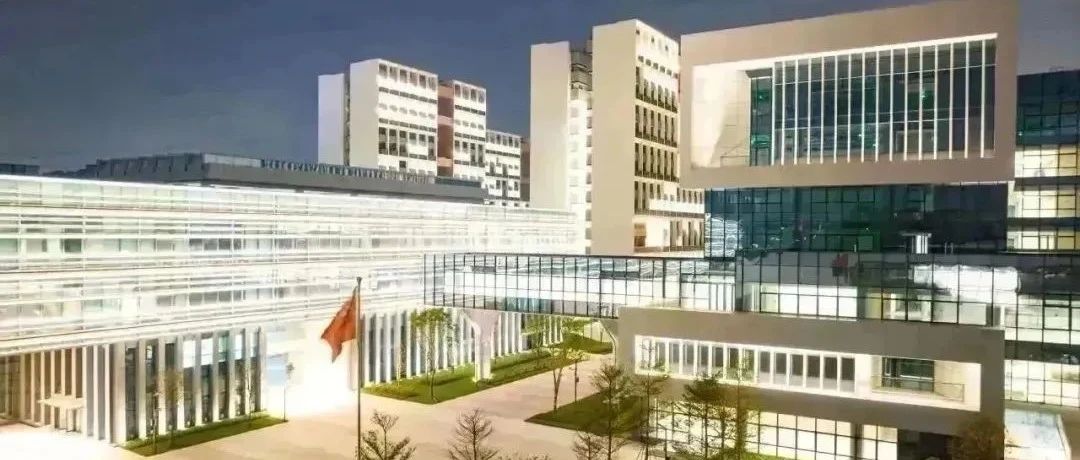
新大学来了!华为早已牵手
新华网财经· 2025-06-12 14:35
大湾区大学将于今年开始招收本科生 大湾区大学(筹)是由广东省人民政府举办、东莞市政府投入保障为主的公办普通高等学校。 6月11日,教育部发展规划司发布《关于拟同意设置本科高等学校的公示》。 公示显示,根据《中华人民共和国高等教育法》《普通高等学校设置暂行条例》《普通本科学校设置暂 行规定》《本科层次职业学校设置标准(试行)》等有关规定以及第八届全国高等学校设置评议委员会 考察评议结果,经教育部党组会议审议,拟同意设置大湾区大学等10所学校,现予公示。其中,包括7 所公办学校,3所民办学校。 | 序号 | 设置事项 | 所在省份 | 办学性质 | | --- | --- | --- | --- | | 1 | 设立大湾区大学 | 广东省 | 公办 | | 2 | 设立宁波东方理工大学 | 浙江省 | 民办 | | 3 | 设立海南警察学院 | 海南省 | 公办 | | 4 | 设立西安戏剧学院 | 陕西省 | 公办 | | 5 | 设立塔里木理工学院 | 新疆维吾尔 自治区 | 民办 | | 6 | 西藏农牧学院更名为西藏农牧大学 | 西藏自治区 | 公办 | | 7 | 设立新疆理工职业大学 | 新疆维吾尔 ...
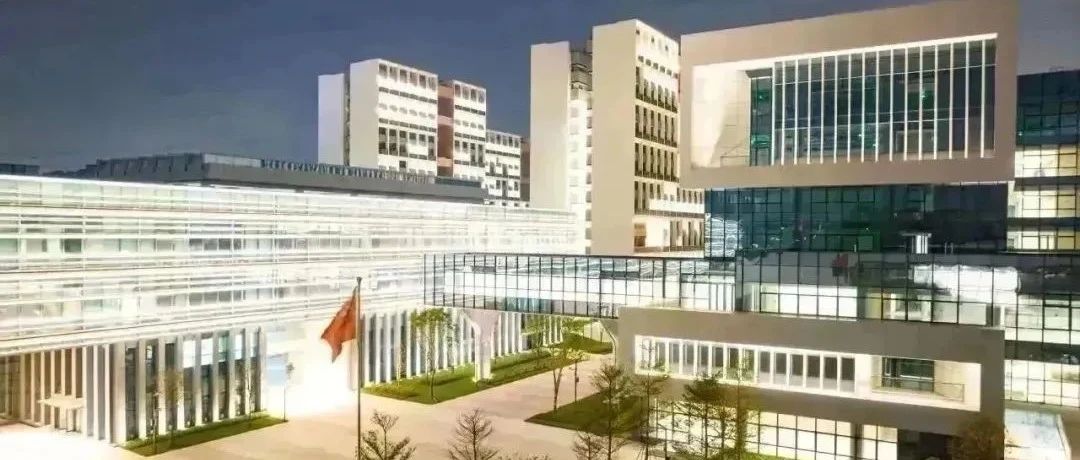
告别“韦尔股份”
经济观察报· 2025-06-12 10:15
Core Viewpoint - The company is transitioning from "Weir" to "OmniVision" to better reflect its current business focus on semiconductor design, particularly image sensors, rather than its original distribution model [2][4][19]. Business Transformation - The company reported a significant shift in its business structure, with 2024 main business revenue reaching 25.67 billion yuan, of which semiconductor design revenue was 21.64 billion yuan, accounting for 84.3% [4]. - The image sensor solutions from OmniVision contributed 19.19 billion yuan, representing 74.76% of the company's main business revenue [4]. - The name change is seen as a necessary step to align the company's identity with its current operations and to facilitate the collaboration of its three major design businesses [4][5]. Strategic Rationale - The rebranding aims to enhance the company's global brand recognition, as "OmniVision" has a stronger international presence compared to "Weir" [5]. - The name change is also intended to support the company's plans for an H-share listing, making it more recognizable to international investors [5]. Historical Context - The acquisition of OmniVision in 2019 marked a pivotal moment for the company, transforming its revenue structure and significantly increasing its market presence [6][7]. - Following the acquisition, the company's revenue surged to 13.63 billion yuan in 2019, with image sensor business becoming a key revenue driver, accounting for over 71% of total revenue [6]. Market Position and Challenges - The company is focusing on multiple sectors, including mobile, automotive, and AI vision, with mobile business being a core area facing intense competition [9][10]. - The mobile CIS market is nearing saturation, leading to a shift towards high-end and cost-reduction strategies [9][10]. - The automotive CIS business is seen as a growth opportunity, with higher profit margins compared to mobile CIS, but it requires significant upfront investment and a lengthy certification process [12][13]. Financial Performance - In 2024, the automotive market revenue reached approximately 5.91 billion yuan, growing by 29.85%, becoming a strong growth engine for the company [15]. - The company faced challenges in other segments, with a 17.77% decline in solution business revenue due to market imbalances and shifts in display technology [15][16]. Competitive Landscape - The global CIS market is dominated by Sony and Samsung, with OmniVision holding about 11% market share, indicating a competitive environment [17]. - The company must navigate challenges from major players and the trend of large tech firms developing in-house chips, which could impact market share [18]. Future Outlook - The name change signifies the end of the "Weir" era and the beginning of the "OmniVision" era, marking a strategic shift towards a unified brand aimed at competing on a global scale [19].


全球IC设计top10榜单,最新出炉
半导体芯闻· 2025-06-12 10:07
Core Insights - The semiconductor chip demand is expected to exceed previous seasonal levels due to changes in international circumstances and the construction of AI data centers, leading to a strong performance in the IC design industry [3][4]. Group 1: Industry Performance - The top ten fabless IC design companies achieved a combined revenue of approximately $77.4 billion in Q1 2025, marking a 6% quarter-over-quarter increase and a 44% year-over-year increase [4][5]. - NVIDIA led the revenue rankings with $42.4 billion in Q1 2025, reflecting a 12% quarter-over-quarter increase and a 72% year-over-year increase [4][5]. - Qualcomm's revenue for Q1 2025 was approximately $9.5 billion, down 6% from the previous quarter, impacted by seasonal declines and increased competition from Apple's in-house chips [6][7]. Group 2: Company-Specific Developments - AMD reported Q1 2025 revenue of nearly $7.4 billion, a 3% decrease from the previous quarter but a 36% increase year-over-year, with plans to ramp up production of the new MI350 platform [5][6]. - Broadcom achieved a record semiconductor revenue of $8.3 billion in Q1 2025, a 15% year-over-year increase, driven by AI server ecosystem expansion [5][6]. - Marvell's revenue reached approximately $1.9 billion in Q1 2025, a 9% quarter-over-quarter increase, supported by strong demand for AI server-related products [6][7]. Group 3: Emerging Trends - Realtek's revenue increased by 31% to over $1.1 billion in Q1 2025, driven by inventory increases from PC clients and rising demand for Wi-Fi 7 [7]. - MediaTek's revenue grew to approximately $4.7 billion in Q1 2025, benefiting from increased demand for its mobile chipsets in mainland China [6][7]. - OmniVision's revenue slightly decreased by 2% to $732 million in Q1 2025, but the company made significant progress in image sensors and automotive electronics [7].



全球IC设计top10榜单,最新出炉
半导体芯闻· 2025-06-12 10:04
来源:内容转自 TrendForce,谢谢 。 根据TrendForce集邦咨询最新调查,2025年第一季因国际形势变化促使终端电子产品备货提前启 动,以及全球各地兴建AI数据中心,半导体芯片需求优于以往淡季水平,助力IC设计产业表现。 第一季前十大无晶圆IC设计业者营收合计季增约6%,达774亿美元,续创新高。 以下文章来源于TrendForce集邦 ,作者TrendForce TrendForce集邦 . TrendForce集邦咨询是一家全球高科技产业研究机构,研究领域横跨存储器、AI服务器、集成电路与半 导体、晶圆代工、显示面板、LED、AR/VR、新能源(含太阳能光伏、储能和电池)、AI机器人及汽 车科技等,提供前瞻性行业研究报告、产业分析 如果您希望可以时常见面,欢迎标星收藏哦~ | (unit: US$M) | | --- | | Ranking | Company | | Top 10 Fabless Revenue | | Revenue Performance | | Top 10 Revenue Share | | --- | --- | --- | --- | --- | --- | ...

研报 | 受AI强劲需求驱动,2025年第一季全球前十大IC设计厂营收季增6%
TrendForce集邦· 2025-06-12 07:29
Core Insights - The semiconductor chip demand has exceeded typical seasonal levels due to changes in international circumstances and the construction of AI data centers, leading to a strong performance in the IC design industry in Q1 2025 [1] Group 1: Industry Performance - The top ten fabless IC design companies reported a combined revenue of approximately $77.4 billion in Q1 2025, marking a quarter-over-quarter increase of about 6% and a year-over-year increase of 44% [2] - NVIDIA maintained its position as the top revenue earner with $42.4 billion in Q1 2025, reflecting a 12% quarter-over-quarter increase and a 72% year-over-year increase [4] - Broadcom achieved a record high semiconductor revenue of $8.3 billion in Q1 2025, representing a 15% year-over-year growth [5] Group 2: Company-Specific Developments - AMD's revenue in Q1 2025 was approximately $7.4 billion, a 3% decrease from the previous quarter but a 36% increase compared to the same period in 2024 [4] - Qualcomm's revenue for Q1 2025 was around $9.5 billion, down 6% quarter-over-quarter due to seasonal factors and increased competition from Apple's in-house chips [6] - Marvell's revenue reached nearly $1.9 billion in Q1 2025, a 9% increase from the previous quarter, driven by strong demand for AI server-related products [6] Group 3: Emerging Trends - The AI data center sector is significantly impacting revenue growth, with companies like NVIDIA and Broadcom expanding their offerings in AI networking solutions [5] - Realtek reported a remarkable 31% quarter-over-quarter revenue increase to over $1.06 billion, driven by increased inventory from PC clients and rising demand for Wi-Fi 7 and automotive Ethernet [6] - Chipmakers are actively seeking growth opportunities in emerging fields such as AI smartphones and automotive applications to counteract seasonal declines [6]
研报 | 受AI强劲需求驱动,2025年第一季全球前十大IC设计厂营收季增6%
TrendForce集邦· 2025-06-12 07:29
Core Insights - The semiconductor chip demand is expected to exceed previous seasonal lows due to early stocking of terminal electronic products and the construction of AI data centers, leading to a strong performance in the IC design industry [1] Group 1: AI Data Center Sector - NVIDIA's revenue for Q1 2025 reached $42.3 billion, a 12% quarter-over-quarter increase and a 72% year-over-year increase, maintaining its position as the top revenue earner despite anticipated losses in Q2 due to H20 development limitations [3] - AMD's revenue for Q1 2025 was approximately $7.44 billion, a 3% quarter-over-quarter decrease but a 36% year-over-year increase, with plans to ramp up production of the new MI350 platform in the second half of the year [3] - Broadcom achieved a record semiconductor revenue of $8.34 billion in Q1 2025, a 15% year-over-year increase, as it expands its AI network solutions [4] Group 2: Mobile Devices and Communication - Qualcomm's Q1 2025 revenue was nearly $9.47 billion, a 6% quarter-over-quarter decrease due to seasonal factors and increased competition from Apple's in-house chips, prompting a focus on AI mobile and automotive sectors for growth [4] - MediaTek ranked fifth globally in Q1 2025 with revenue of $4.66 billion, driven by demand for its Dimensity series chips in China [5] - Realtek's revenue increased by 31% quarter-over-quarter to over $1.06 billion, fueled by inventory increases from PC clients and rising demand for Wi-Fi 7 and automotive Ethernet [5] Group 3: Other Notable Performers - Chipone's revenue grew to over $820 million in Q1 2025, a 6% quarter-over-quarter increase, benefiting from consumer subsidy policies in China [5] - OmniVision's revenue decreased by 2% quarter-over-quarter to $730 million, but it made significant progress in image sensors and automotive electronics [5] - ChipSys's revenue reached nearly $640 million in Q1 2025, a record high, driven by strong demand for power controllers in AI data centers [5]
新恒汇将上市:实控人任志军大额负债,计划通过分红、卖股还钱
Sou Hu Cai Jing· 2025-06-12 06:32
Core Viewpoint - Xin Heng Hui Electronics Co., Ltd. (referred to as "Xin Heng Hui") has initiated its IPO process on the Shenzhen Stock Exchange's ChiNext board, with an offering price of 12.80 yuan per share and a total fundraising amount of approximately 767 million yuan [1][3]. Company Overview - Xin Heng Hui was established in December 2017, with a registered capital of approximately 180 million yuan, and is primarily engaged in the research, production, sales, and packaging testing services of integrated circuit materials [8][11]. - The company’s main business includes smart card modules, etching lead frames, and IoT eSIM chip packaging services [11]. Financial Performance - Xin Heng Hui's projected revenues for 2022, 2023, and 2024 are approximately 684 million yuan, 767 million yuan, and 842 million yuan, respectively, with net profits of about 111 million yuan, 153 million yuan, and 186 million yuan [11][12]. - The company anticipates a revenue increase of 13.56% in 2025, reaching approximately 956 million yuan, with a net profit forecast of about 195 million yuan, reflecting a 5.10% year-on-year growth [12][13]. Shareholding Structure - The major shareholders of Xin Heng Hui include Yu Renrong and Ren Zhijun, who are the controlling shareholders, with Yu holding 31.41% and Ren holding 16.21% of the shares [10][11]. - Ren Zhijun plans to use dividends from the company to repay a significant debt incurred from borrowing funds for acquiring shares, which may affect his shareholding percentage post-IPO [5][11]. Regulatory Scrutiny - The company faced scrutiny from the listing committee regarding its largest customer relationship and the stability of its control structure, particularly concerning Ren Zhijun's past roles and financial arrangements with Yu Renrong [3][4]. - Xin Heng Hui has committed to providing detailed explanations regarding its financial practices and the rationale behind its pricing strategies to address the concerns raised by the listing committee [4][5].

告别“韦尔股份”
Jing Ji Guan Cha Wang· 2025-06-12 06:25
Core Viewpoint - The company, formerly known as "韦尔股份" (Weir Shares), is rebranding to "豪威集团" (OmniVision Group) to better reflect its current business focus on semiconductor design, particularly image sensors, rather than its original distribution model [2][3][4] Business Transformation - The company reported a significant shift in its business structure, with 2024 main business revenue reaching 25.67 billion yuan, of which semiconductor design revenue was 21.64 billion yuan, accounting for 84.3% of total revenue [3][4] - The image sensor solutions from its subsidiary, OmniVision, contributed 19.19 billion yuan, representing 74.76% of the company's main business revenue [3][4] Strategic Rationale for Rebranding - The rebranding aims to unify the brand image and enhance global recognition, as "豪威" has a stronger international presence compared to "韦尔" [4][6] - The name change is also seen as a strategic move to prepare for a potential H-share listing, making the company more recognizable to international investors [4][6] Financial Performance - The company experienced a robust rebound in performance, with a 498.11% year-on-year increase in net profit for 2024, following a downturn in the semiconductor market [6][7] - The first quarter of 2025 continued to show strong revenue and net profit growth, indicating a positive trend in the company's financial health [6][7] Market Position and Challenges - The company is focusing on multiple sectors, including mobile, automotive, and AI vision, with mobile business being a key area of competition [7][9] - The mobile CIS market is becoming saturated, with a shift towards high-end products, which presents both opportunities and challenges for the company [7][8] - The automotive CIS market is seen as a second growth curve, with higher profit margins compared to mobile CIS, but it requires significant upfront investment and a longer certification process [9][10] Competitive Landscape - The global automotive CIS market is currently dominated by Onsemi, with OmniVision in a competitive position but still a follower [10][12] - The company faces intense competition from industry giants like Sony and Samsung, which hold significant market shares in the CIS sector [12][13] - The rise of self-developed chips by major companies like Apple and Tesla poses a threat to third-party chip designers, necessitating a focus on product differentiation and market expansion [12][13]