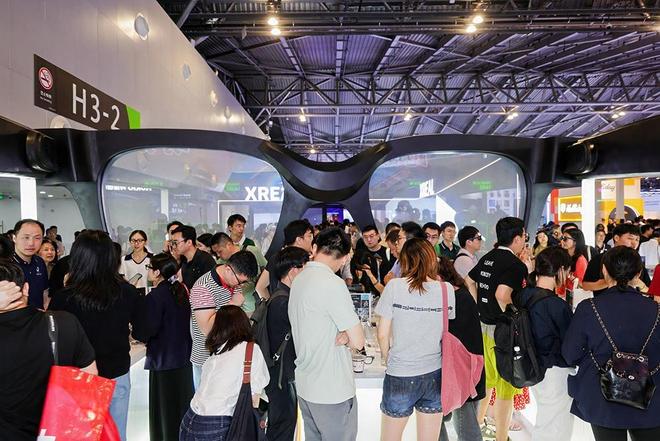
XREAL

Search documents
AI录音机也能卖爆?巨头血亏,“小而美”AI硬件却在闷声发财
3 6 Ke· 2025-08-04 05:58
Core Insights - The AI hardware sector is witnessing the emergence of significant players with "blockbuster" potential, such as Meta's AI smart glasses and Plaud.AI's AI voice recorder, both achieving sales in the millions [1] - A clear trend is observed where companies focus on niche markets and specific scenarios rather than mass-market products, which has become a standard formula in AI hardware [1] - The Chinese AI hardware market is projected to reach 1.1 trillion yuan in 2025, with a year-on-year growth of 13.4% and a compound annual growth rate of 18% over the next five years [1] Group 1: Emerging Products and Companies - The AI toy sector is thriving with innovative products like BubblePal, an interactive toy that has sold over 250,000 units since its launch, generating sales exceeding 100 million yuan [4] - FoloToy, another player in the AI toy market, aims to sell 300,000 units this year, significantly increasing its sales target compared to the previous year [4] - In the AI meeting recording space, Plaud.AI's voice recorder has surpassed 1 million units sold, while TicNote has achieved over 10,000 units sold, ranking 11th in its category on JD.com [7][9] Group 2: Market Dynamics and Trends - The AI hardware market is characterized by a focus on solving specific user problems, with successful products integrating AI capabilities to enhance user experience rather than serving as standalone solutions [15][18] - The competition in the AI glasses segment is intensifying with major players like Alibaba and Xiaomi entering the market, indicating a shift from niche to mass-market potential [14] - The future of AI hardware is expected to evolve along two main lines: continuous exploration of vertical scenarios and the application of AI in more physical interaction contexts [23] Group 3: Challenges and Opportunities - Despite the promising outlook for AI hardware, there is currently no standout product that has defined the category akin to the iPhone for smartphones, indicating that many products are still in the exploratory phase [21] - The market is described as being in an early "Warring States" period, where identifying a killer application could lead to significant competitive advantages [23][24] - The potential for disruption often comes from smaller, niche companies rather than established giants, highlighting opportunities for startups in the AI hardware space [24]


闪电快讯|最大AI展的地下与地上:大模型“审美疲劳”,硬件用户开始“用脚投票”
Xin Lang Cai Jing· 2025-08-03 02:27
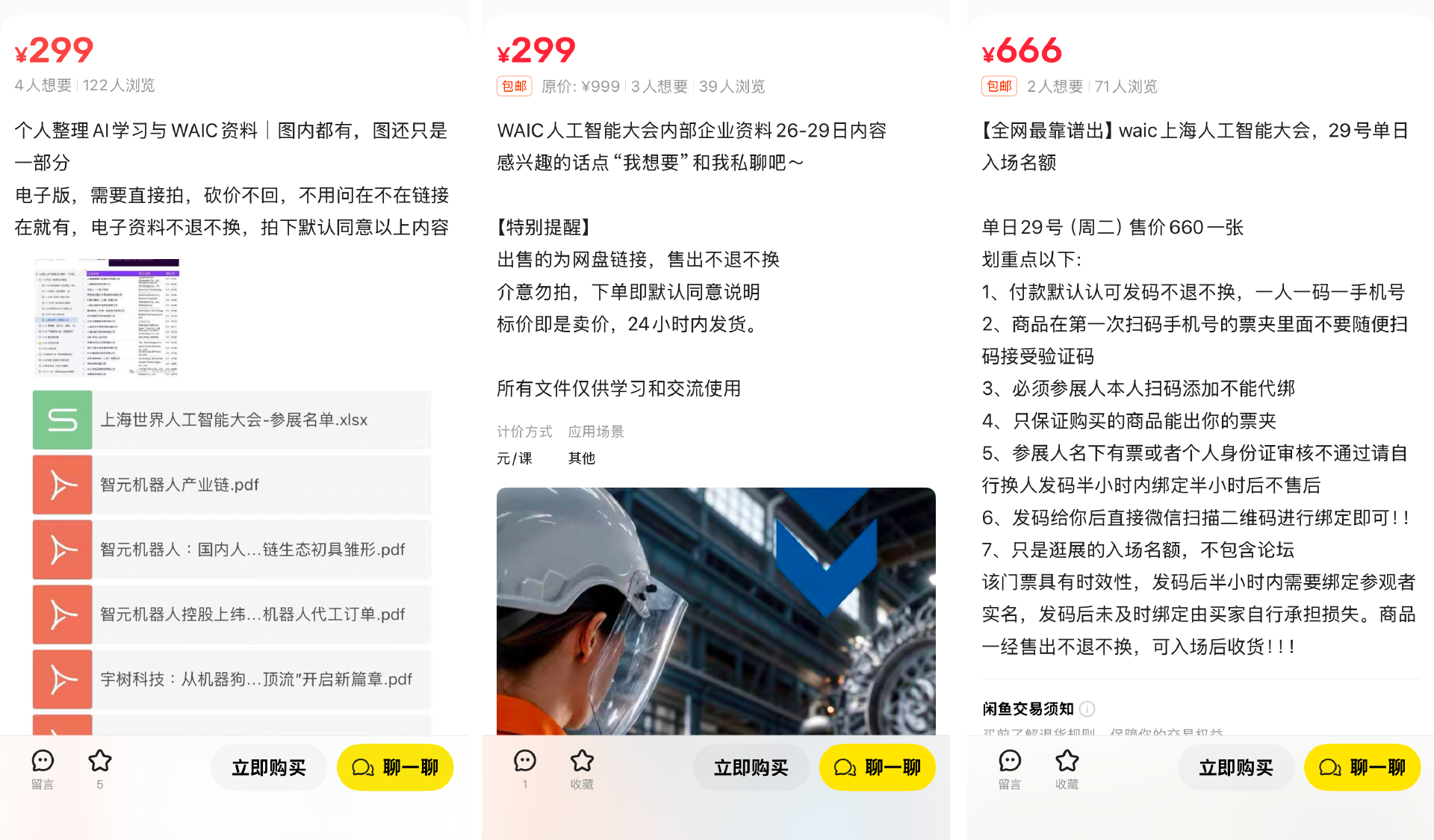
Core Insights - The World Artificial Intelligence Conference (WAIC 2025) has generated significant public interest, leading to a secondary market for event materials and tickets [1][3] - The event showcased a variety of AI applications, particularly in smart hardware, which attracted considerable attention from attendees [3][4] Group 1: Event Highlights - WAIC 2025 saw early ticket sales, with prices starting at 498 yuan, and a rise in scalping activities for registration qualifications [1][3] - The event featured three startups—Flowith, Yuanwo Intelligence, and Weitai Technology—highlighting innovations in intelligent creative tools, large model architecture, and embodied intelligence [1] - The most crowded exhibition areas were those showcasing tangible AI applications, particularly smart hardware, rather than foundational model development or computing chips [3][4] Group 2: Smart Hardware Focus - Smart recording devices were noted as the easiest entry point for traditional workflows, with products like the TicNote attracting large crowds [3][4] - The event also highlighted smart glasses, with Alibaba's Quark AI glasses and Halliday's prescription-compatible AI glasses making their domestic debut [6][9] - The underground exhibition area featured over 200 early-stage AI projects, indicating a rich environment for innovative business ideas [10][11]

国泰海通|轻工:AI眼镜新品百花齐放,产品加速破圈
国泰海通证券研究· 2025-08-01 09:44
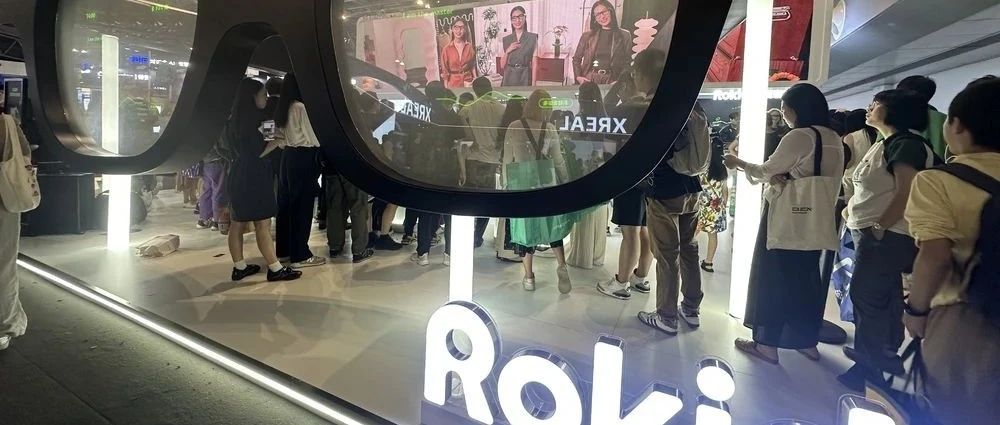
Core Viewpoint - The smart glasses industry is expected to enter a rapid growth phase, with related companies poised to benefit from an upward economic cycle driven by a surge in new product launches at WAIC 2025 [2][4]. Group 1: Market Trends - WAIC 2025 saw a significant increase in smart glasses brands and new product launches, contrasting with the limited exposure of products at WAIC 2024, where only XREAL and Rokid were prominent [2]. - The event highlighted the emergence of new brands such as Li Weike and Halliday, alongside major players like Alibaba, indicating a broadening market landscape [2][3]. - The market's heightened interest in smart glasses is attributed to advancements in large model functionalities, leading to innovative products like AI glasses represented by Rayban-Meta, focusing on audio, weight, and battery life for improved user experience [2]. Group 2: Product Innovations - Alibaba launched its first AI smart glasses, Quark AI glasses, integrating its ecosystem with advanced AI capabilities [3]. - XREAL introduced its flagship product, XREAL One Pro, evolving from traditional AR glasses to a versatile spatial screen adaptable to various scenarios [3]. - Rokid showcased two new products, Rokid Glasses and Rokid Cupcake, which excel in display, audio, and smart interaction, positioning them to lead the AR glasses market [3]. - New domestic brands like Halliday and Li Weike presented lightweight and user-friendly designs, with products emphasizing minimalism and extended battery life [3]. Group 3: Global Market Projections - According to Weishen Information, global smart glasses sales are projected to reach 1.52 million units in 2024, with RayBan Meta accounting for 1.42 million units, and expected to grow to 3.5 million units in 2025, representing a 230% year-on-year increase [4]. - The growth is primarily driven by the sustained sales of RayBan Meta and the introduction of multiple new AI smart glasses by major companies [4]. - The global market for smart glasses is anticipated to reach 60 million units by 2029, with a CAGR of 109% from 2025 to 2029, highlighting the significant share of the Chinese market [4].

36氪出海·关注|从WAIC看AI出海:一场“生而全球”的比赛
3 6 Ke· 2025-08-01 02:29
Core Insights - The World Artificial Intelligence Conference (WAIC) this year showcased a significant increase in international participation, with 156 procurement groups from over ten countries attending, including first-time exhibitors from the UK, Singapore, and Malaysia [4][8] - The event highlighted China's transition from a follower to a core participant in the AI robotics industry, with Chinese companies demonstrating advantages in manufacturing and data collection compared to their US counterparts [8][12] - The conference served as a major connection point for Chinese companies offering comprehensive solutions and global procurement groups seeking technology [9][10] Group 1: International Participation - WAIC saw a notable rise in international attendees, with a diverse range of languages spoken and increased participation from regions like Hong Kong and Taiwan [4][8] - The presence of procurement groups from various countries indicates a growing global interest in AI technologies, particularly in sectors like fintech and smart city solutions [4][8] Group 2: China's Role in AI Robotics - Chinese companies are now seen as key players in the AI robotics sector, leveraging their manufacturing capabilities and rich data resources to outpace US firms [8][12] - Reports indicate that China is leading the global market in AI robotics, with a widening gap between Chinese and American companies [8][12] Group 3: Export Trends - The export market for Chinese industrial robots is rapidly growing, with a 61.5% year-on-year increase expected in the first half of 2025, and nearly 30% of these exports targeting Europe [12][14] - Companies like Mech-Mind and XREAL are at the forefront of this trend, showcasing products that enhance productivity and offer innovative consumer experiences [10][13] Group 4: Global Market Demand - The demand for AI solutions is global, driven by common challenges such as labor shortages and aging populations, which are prevalent in both developed and developing countries [6][8] - The conference underscored the importance of addressing these global needs through innovative AI applications, with a focus on both productivity tools and consumer lifestyle products [10][14]

无锡高新区企业组团亮相2025世界人工智能大会
Zhong Guo Xin Wen Wang· 2025-07-31 11:22
中新网江苏新闻7月31日电(李幼优)近日,以"智能时代 同球共济"为主题的2025世界人工智能大会暨人 工智能全球治理高级别会议启幕,吸引全球目光。此次,无锡高新区组织科大讯飞、燧原科技、特赞科 技、XREAL、澳鹏科技、润和软件等近20家合作伙伴和本地企业参展,集中展示人工智能领域的技术 突破与产业成果。 展会期间,无锡高新区与科大讯飞签署合作协议,双方将在多模态大模型研发、产业生态圈构建等方面 深化合作。科大讯飞、燧原科技、XREAL等企业通过拳头产品与沉浸式体验,展现AI算力、AR技术融 合、智能硬件等领域的创新成果。燧原科技的国产推理卡及智算中心部署方案、XREAL的AR+AI互动 体验均成为展区焦点。特赞科技、澳鹏科技、润和软件等企业聚焦AI在商业决策、数据服务、物联网 等领域的落地应用,展现了无锡高新区在人工智能产业链布局上的多元优势。 作为当地人工智能产业发展的核心载体,无锡高新区近年来加速培育优质企业,大力培育发展人工智能 和机器人产业,在规划引领、产业链布局、载体支撑、要素配套、氛围营造等领域全面发力,加速培育 出中电海康、灵汐类脑、大族机器人等一批核心企业,完善产业生态。此次组团参展,不仅 ...

直击WAIC:让用户排长队体验的智能眼镜,今年究竟有什么新东西?
3 6 Ke· 2025-07-31 11:00
Core Insights - The rapid development of artificial intelligence technology has made AI hardware a hot investment area, with OpenAI acquiring an AI hardware company for $6.5 billion, highlighting the growing interest in this sector [1] - In May 2025, China saw 87 financing events in the AI industry, with AI hardware being the most active segment, accounting for 42 of these events [1] - The WAIC 2025 showcased a shift from large model parameters to scenario-based applications, with AI hardware products prominently displayed [1] AI Glasses Market - Smart glasses have emerged as a key segment within AI hardware, with several companies, including Alibaba, Rokid, and XREAL, showcasing their latest products at WAIC [2][6] - Global shipments of AI glasses are projected to grow from 340,000 units in 2023 to 2 million units by 2028, indicating a significant market potential [4] - The success of AI glasses hinges on identifying practical use cases and achieving commercialization [4][24] Product Features and Competition - Various brands are focusing on different aspects of smart glasses, such as functionality and display capabilities, with products like Rokid Glasses and LAWK series emphasizing daily usability [9][12] - XREAL One Pro and Halliday AI glasses prioritize display features, with XREAL enhancing the field of view and Halliday utilizing a unique retinal imaging technology [13][14] - The competition is intensifying as companies aim to create lightweight, user-friendly designs while integrating advanced functionalities [19][20] Sales Performance and Market Dynamics - The AI glasses market is witnessing a surge in sales, with Rokid Glasses reportedly selling 300,000 units and Xiaomi's AI glasses achieving over 20,000 units in just three days [28] - However, high return rates and product homogeneity are emerging challenges, with reports indicating a return rate of up to 40% for Xiaomi's AI glasses [30][32] - The industry's growth is contingent on developing products that offer compelling reasons for consumers to adopt and regularly use smart glasses [32]



明星出国也戴!从联名奢牌到合作金店、药厂,不少玩家还在“等风来”,智能眼镜何时迎来大爆发?
Mei Ri Jing Ji Xin Wen· 2025-07-31 04:24
Core Insights - The "2025 World Artificial Intelligence Conference" has highlighted the competitive landscape of emerging technologies, particularly smart glasses, which have not yet seen explosive growth despite initial hype [1] - Major players like Xiaomi and Alibaba are expected to lead the market, but many manufacturers are still cautious and waiting for market education from these giants [1][4] - The smart glasses market is projected to grow significantly, with IDC forecasting a shipment volume of 2.907 million units in China by 2025, representing a year-on-year increase of 121.1% [8] Group 1: Market Dynamics - Smart glasses are categorized into three main technology paths: AI glasses, AR glasses, and AI+AR glasses, with companies like Xiaomi and Meta focusing on the AI and photography segment [3] - The introduction of new products is cautious, with companies like Alibaba announcing their "Wow" glasses without offering hands-on experiences [3][4] - The market is currently characterized by a lack of aggressive product launches, as many companies are still assessing user acceptance and the best technological path [5][6] Group 2: Competitive Landscape - Zhao Zhongxia, a researcher, identifies three types of companies likely to gain an advantage in the smart glasses market: those with large models, those with AI application entry points, and those with hardware ecosystems [2][7] - The competition is expected to intensify as more companies enter the market, with a notable increase in product launches anticipated in the second half of the year [16] - The smart glasses industry is still in a cautious phase, with many traditional eyewear manufacturers preparing for AI glasses production but not yet launching significant products [4][5] Group 3: Consumer Engagement - Current applications of AI glasses are primarily focused on photography, recording, and translation, leading to a degree of product homogeneity [9] - The market is seeing innovative marketing strategies, such as collaborations between tech companies and luxury brands to attract consumers [1][14] - User feedback indicates a need for improvements in design, functionality, and overall user experience to drive wider acceptance of smart glasses [14][8]

WAIC现场,消费企业成 AI 落地 “显眼包”
虎嗅APP· 2025-07-30 15:00
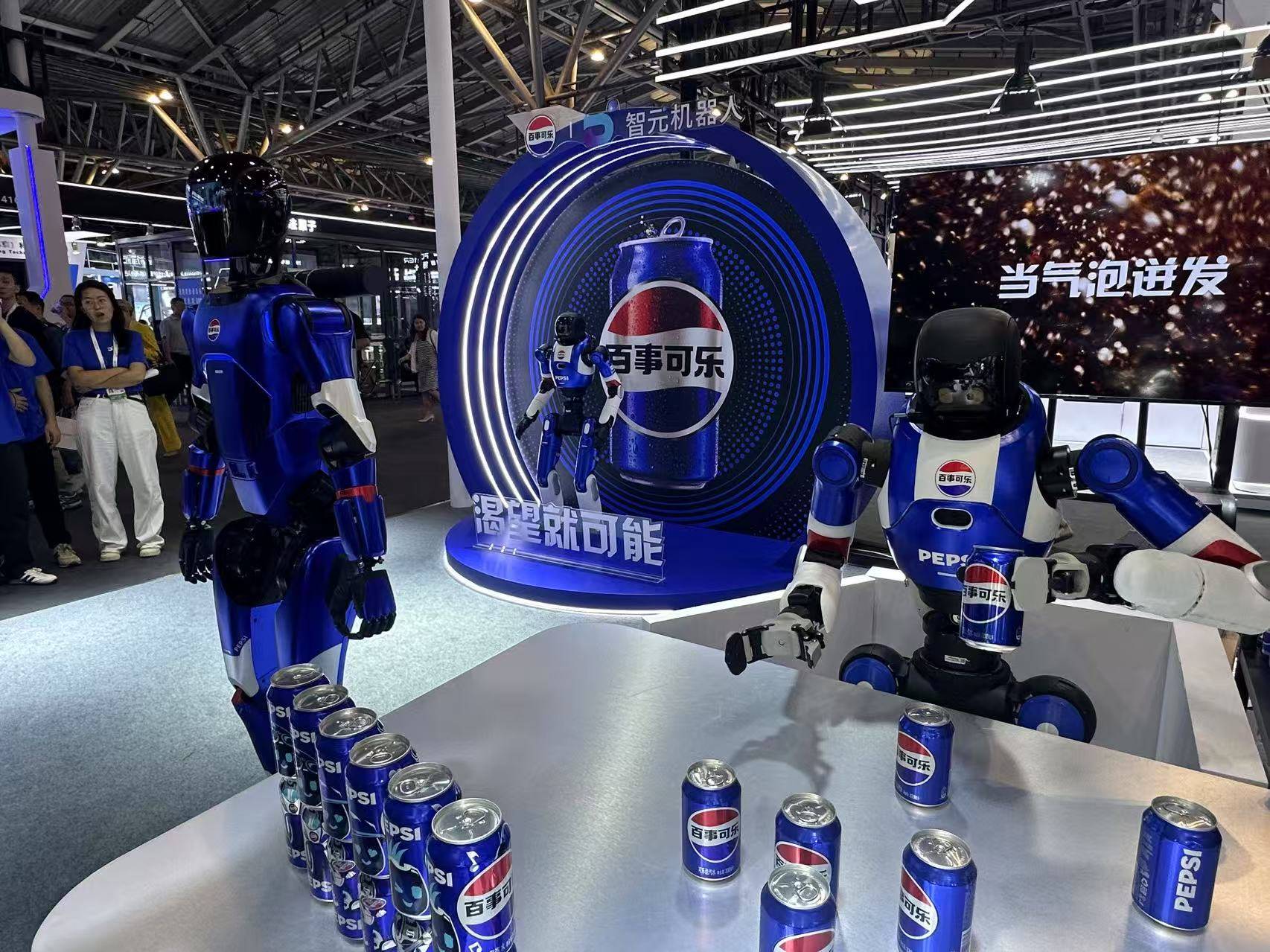
Core Viewpoint - The integration of AI into consumer products is evolving from a technical novelty to a part of daily life, but the journey remains challenging and superficial in many areas [3][8][22]. Group 1: AI in Fast-Moving Consumer Goods (FMCG) - Major FMCG companies are showcasing AI innovations, such as Yili's real-time AI supply chain system and Feihe's AI-driven safety and nutrition enhancements for infant formula [6][5]. - Unilever launched the "AI for Science" platform, which includes six AI models for product development and ingredient selection [6]. - PepsiCo's booth featured humanoid robots that engage with visitors, highlighting the entertainment aspect of AI in consumer interactions [6][8]. Group 2: Smart Glasses and Fashion - The AI glasses segment is gaining popularity, with products shifting towards lightweight and personalized designs to appeal to younger consumers [10][12]. - Alibaba's Quark AI glasses integrate various services, such as navigation and payment, enhancing user convenience [12]. - Despite the excitement, no domestic AI/AR glasses brand has achieved significant market success yet, indicating that the market is still in its infancy [16][22]. Group 3: AI in Sports and Fitness - AI fitness devices, like the "AI personal trainer mirror," are gaining traction, providing real-time feedback on exercise form [19]. - The introduction of consumer-grade exoskeletons, such as the VIATRIX, marks a significant step into the civilian market for AI-assisted physical activities [20]. - The beauty industry is also leveraging AI for personalized skincare solutions, as demonstrated by the AI skin analysis robot [20]. Group 4: AI in Content Creation and Office Efficiency - AI tools are enhancing workplace productivity, with features like automatic video editing and real-time translation [21]. - The "Giant AI Super Intelligent Entity" from Botao Technology is designed to interact with tourists, showcasing the potential of AI in the tourism sector [21]. Group 5: Future of AI in Consumer Experience - The relationship between AI and consumers is evolving beyond mere product purchases to include experiences, emotional value, and engagement [22]. - The 2025 WAIC event highlighted the ongoing transformation of AI from a background technology to a central element in consumer lifestyles [22].
WAIC现场,消费企业成 AI 落地 “显眼包”
Hu Xiu· 2025-07-30 13:36
Core Insights - The integration of AI into consumer products is evolving from a technical concept to a part of daily life, with various brands showcasing their innovations at the WAIC 2025 [1][22] - Despite the excitement surrounding AI, many applications in the consumer goods sector remain superficial, lacking strong connections to the products themselves [5][22] Group 1: Consumer Goods and AI Integration - Major consumer brands are leveraging AI to enhance their product offerings and supply chain efficiency, as seen with companies like Yili and Feihe showcasing AI-driven supply chain systems and health monitoring for dairy cows [2][3] - Unilever introduced the "AI for Science" platform, which includes six AI models for product development, indicating a shift towards data-driven innovation in consumer goods [3] - PepsiCo's interactive humanoid robots at their booth highlight the trend of using AI for consumer engagement and brand interaction [3] Group 2: AI in Fashion and Wearables - The AI eyewear segment is gaining traction, with products focusing on lightweight and personalized designs to appeal to younger consumers, as demonstrated by Halliday Glasses and Alibaba's Quark AI glasses [6][8] - The trend of "de-teching" smart glasses aims to make them more fashionable and integrated into daily life, moving away from the perception of being purely technical devices [8][16] Group 3: AI in Fitness and Outdoor Activities - AI fitness devices, such as the "AI personal training mirror," are becoming popular, providing real-time feedback on exercise form and promoting a more interactive fitness experience [18] - The introduction of consumer-grade exoskeletons like VIATRIX indicates a growing interest in AI applications beyond traditional fitness settings, targeting outdoor enthusiasts [19] Group 4: AI in Beauty and Personal Care - The beauty industry is focusing on personalized solutions, with AI skin detection robots offering tailored skincare recommendations based on individual assessments [21] - AI innovations in office productivity tools aim to enhance efficiency, addressing common workplace challenges through smart features [21] Group 5: Future of AI in Consumer Experience - The overall trend indicates that AI is not just about technology but about enhancing consumer experiences, emotional engagement, and participation in the brand narrative [22][23] - The journey of integrating AI into everyday life is just beginning, with significant potential for future developments in various sectors [23]
用AI眼镜移动支付、玩黑神话?听听试过的用户怎么说
Guan Cha Zhe Wang· 2025-07-30 00:47
Core Viewpoint - The World Artificial Intelligence Conference (WAIC) showcased a variety of AI glasses from leading companies, highlighting the growing market for smart wearable devices and their innovative features [1][3]. Group 1: Rokid Glasses - Rokid introduced the Rokid Glasses, a lightweight AI+AR smart glasses weighing 49g, featuring AR display, AI visual recognition, and voice interaction for a seamless user experience [3][5]. - The AR display utilizes advanced diffraction waveguide imaging technology to project clear virtual interfaces onto transparent lenses, enabling tasks like object recognition, AI Q&A, real-time translation, and navigation [5][6]. - The glasses also feature a mobile payment function, allowing users to complete transactions using voice commands, making it the world's first smart glasses capable of payment [8][6]. Group 2: Halliday Glasses - Halliday launched its first invisible display smart glasses, Halliday Glasses, which support prescription lenses and utilize a technology called DigiWindow to project images directly onto the retina [9][10]. - The glasses weigh only 28.5g and offer a battery life of up to 12 hours, focusing on information display rather than additional features like cameras [10][13]. - The domestic launch price is set at 2499 yuan, with pre-sales starting in mainland China [10][13]. Group 3: Li Weike Technology - Li Weike showcased three new models of smart glasses, emphasizing lightweight design with the City series starting at 999 yuan and weighing only 23g [15][17]. - The glasses feature AI capabilities such as real-time translation supporting nearly 180 languages and AI note-taking for business users [17][18]. - The company aims to integrate AI deeply into the glasses' functionality, prioritizing AI over hardware in their development strategy [18]. Group 4: XREAL - XREAL presented its flagship AI glasses, XREAL One Pro, which features a wide field of view and high-resolution display, targeting immersive experiences in gaming and entertainment [19][22]. - The glasses utilize self-developed technologies to enhance visual quality and reduce latency, making them suitable for applications like gaming and cinema [22][25]. - The starting price for XREAL One Pro is 4299 yuan, and it supports various AR applications for real-time recognition and interaction [25][22]. Group 5: User Feedback - Users expressed mixed feelings about the functionality of the AI glasses, with some appreciating the convenience of features like real-time translation and voice payment, while others noted areas for improvement [26][27]. - Concerns were raised about the practicality of using the glasses in everyday situations, particularly regarding the need for multiple devices for effective communication [29][30]. - The high price point of these products was a common concern among potential buyers, impacting their willingness to purchase [31][30].