
中国国航

Search documents
航空股开年首次集体大涨
第一财经· 2026-02-04 05:45
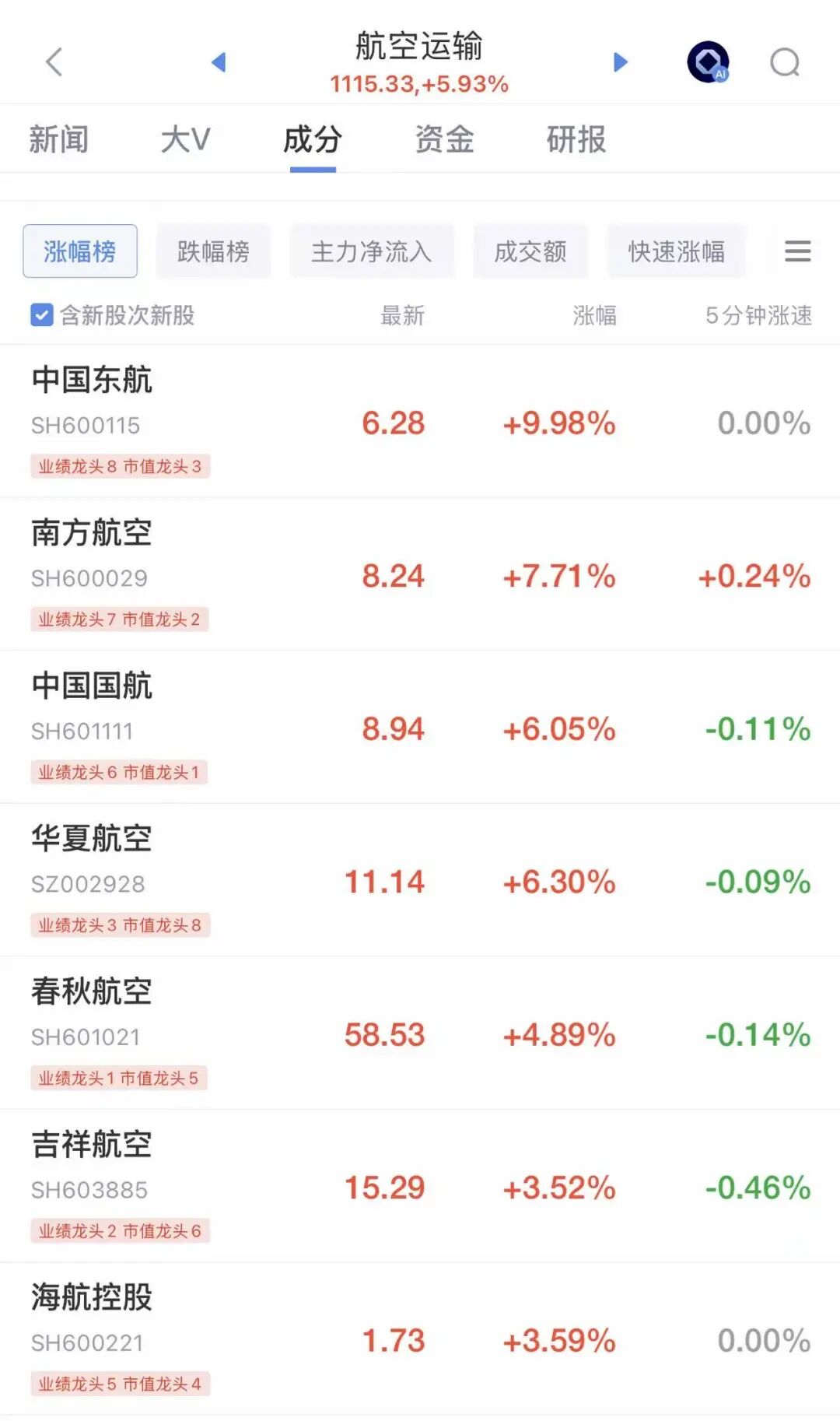
Core Viewpoint - The A-share aviation sector experienced a significant surge, with major airlines like China Eastern Airlines and Huaxia Airlines hitting the daily limit, driven by strong expectations for the Spring Festival travel season [3][5]. Group 1: Spring Festival Travel Insights - The 2026 Spring Festival travel season began on February 2, with expectations of record-breaking passenger volumes, potentially reaching historical highs for civil aviation [5]. - On the first day of the Spring Festival, civil aviation passenger volume reached 2.19 million, a 5.3% increase compared to the same period in 2025 [5]. - The average domestic economy class ticket price on the first day was 807 yuan, reflecting a 9.3% year-on-year increase, although it was a slight decrease of 1.5% compared to the same day in 2019 [5][6]. Group 2: Market Performance and Airline Strategies - The aviation sector's strong performance is attributed to increased market risk appetite and a shift of capital back to consumer and blue-chip industries, with coal, aviation, heavy machinery, and real estate leading the gains [6]. - China Eastern Airlines has seen substantial stock price increases, with A-shares and H-shares rising by 50% and 105.79% respectively over the past year, making it the top performer among eight listed airlines in Shanghai and Hong Kong [7]. - The "Three Flying Strategy" of China Eastern Airlines, which focuses on expanding international routes, has contributed to its market success, with 24 new international routes launched in 2025 [7]. Group 3: Financial Performance of Airlines - Huaxia Airlines is projected to report a net profit of 500 to 700 million yuan, marking an increase of 86.59% to 161.22% year-on-year [7]. - Southern Airlines is expected to turn a profit with a projected net profit of 800 million to 1 billion yuan [7]. - China Eastern Airlines and Air China are expected to report significant reductions in losses, primarily due to adjustments in deferred tax assets rather than operational issues [7].








航空股午后涨幅居前 东方航空涨逾8%中国国航涨逾5%
Xin Lang Cai Jing· 2026-02-04 05:21
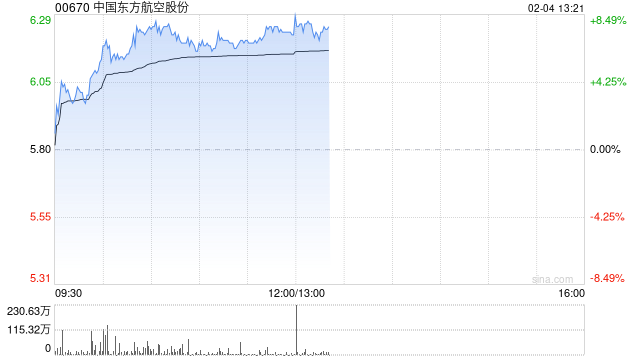
Group 1 - The aviation stocks experienced significant gains in the afternoon trading session, with Eastern Airlines (00670) rising by 7.76% to HKD 6.25 [1][3] - Air China (00753) saw an increase of 5.21%, reaching HKD 7.47 [1][3] - China Southern Airlines (01055) rose by 6.23%, trading at HKD 6.48 [1][3] - Cathay Pacific Airways (00293) had a more modest increase of 0.97%, priced at HKD 12.52 [1][3]

航空股开年首次集体大涨,华夏航东航涨停
Di Yi Cai Jing· 2026-02-04 05:11
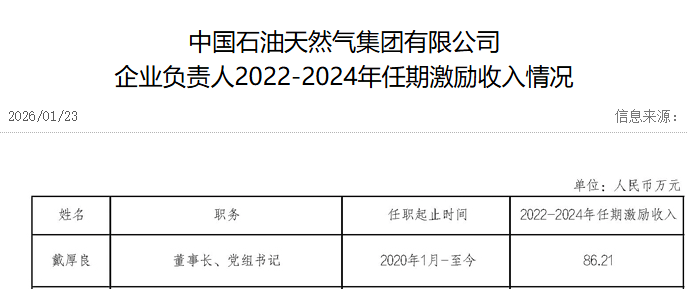
Core Viewpoint - The A-share aviation sector has seen significant gains, with several airlines recently disclosing optimistic 2025 performance forecasts, leading to a surge in stock prices [1][6]. Group 1: Stock Performance - On February 4, the A-share aviation sector collectively rose, with Huaxia Airlines and China Eastern Airlines hitting the daily limit, while Southern Airlines and Air China saw increases exceeding 6% [1]. - China Eastern Airlines and Huaxia Airlines reported substantial stock price increases of 9.98% and 10.02%, respectively, while Southern Airlines rose by 7.84% [2][5]. Group 2: Spring Festival Travel - The 2026 Spring Festival travel period began on February 2, with expectations of record passenger volumes, as the first day saw 2.19 million air travelers, a 5.3% increase from the same day in 2025 [3][5]. - The average ticket price for domestic economy class on the first day of the Spring Festival was 807 yuan, reflecting a year-on-year increase of 9.3%, although it was a slight decrease of 1.5% compared to the same period in 2019 [3][5]. Group 3: Airline Performance Forecasts - Huaxia Airlines expects a net profit of 500 to 700 million yuan for 2025, representing a year-on-year increase of 86.59% to 161.22% [6]. - Southern Airlines anticipates a turnaround with a projected net profit of 800 million to 1 billion yuan, while China Eastern Airlines and Air China expect significant reductions in losses due to tax adjustments rather than operational issues [6]. - The overall profitability of the civil aviation sector in 2025 is projected to be 6.5 billion yuan, with the total number of air travelers exceeding 500 million, making China the largest aviation population globally [6].
87家央企负责人任期激励收入披露:中石油董事长86.21万元、中石化董事长84.81万元、中国移动总经理21.61万元……



Sou Hu Cai Jing· 2026-02-04 04:20
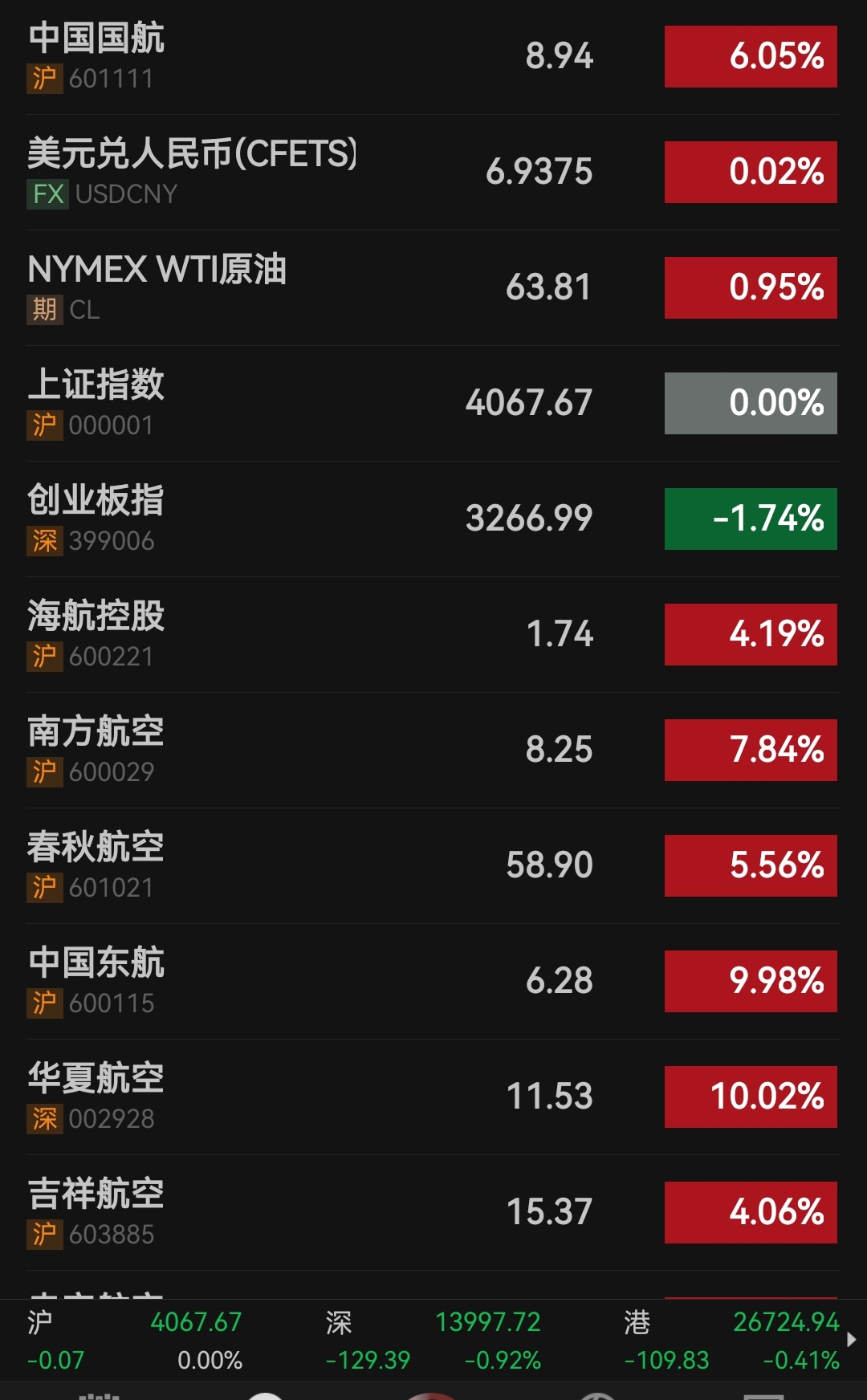
Core Viewpoint - The State-owned Assets Supervision and Administration Commission (SASAC) announced the incentive income for executives of central enterprises for the 2022-2024 term, with a total of 87 enterprises disclosing their incentive income figures. Group 1: Incentive Income Overview - The total incentive income for central enterprise executives consists of annual salary and term incentive income, with the latter being distributed every three years [1]. - Notable figures include: - Jiao Houliang, Chairman of China National Petroleum Corporation, with an incentive income of 86.21 million RMB for the 2022-2024 term [1]. - Ma Yongsheng, Chairman of Sinopec, with an incentive income of 84.81 million RMB [3]. - Wang Dongjin, Chairman of China National Offshore Oil Corporation, with an incentive income of 86.06 million RMB [4]. Group 2: Specific Executive Incentive Income - Zhang Wei, Chairman of the National Oil and Gas Pipeline Group, has an incentive income of 78.17 million RMB [6]. - Meng Zhenping, Chairman of China Southern Power Grid, has an incentive income of 83.54 million RMB [8]. - Temperature of incentive income varies across different enterprises, with some executives like Liu Mingsheng from China Power Investment Corporation receiving 26.02 million RMB for the 2022-2024 term [13]. Group 3: Additional Notable Executives - Chen Zhongyue, Chairman of China Unicom, has an incentive income of 80.49 million RMB [17]. - Xu Peng, from China First Automobile Group, has an incentive income of 82.54 million RMB [23]. - Wang Xianming, Chairman of China Resources Group, has an incentive income of 82.44 million RMB [54].
A股震荡调整,创业板跌1.74%!煤炭股大爆发,多股涨停,房地产走强!黄金股、半导体股普跌 | A股早盘
Mei Ri Jing Ji Xin Wen· 2026-02-04 04:06
每经编辑|段炼 2月4日,A股早盘震荡调整。截至中午休市,沪指报4067.67点,基本平收;深证成指报13997.72点,跌0.92%;创指报3266.99点,跌1.74%。全市超2300 股上涨,近3000股下跌。 煤炭股强势爆发,兖矿能源、中煤能源、陕西黑猫、晋控煤业等多股涨停;地产板块走强,荣安地产、京投发展、财信发展涨停;航空股"起飞",东航涨 停,国航、南航等大涨。 | 新闻 | 大V 成分 | 资金 | 研报 | | | --- | --- | --- | --- | --- | | √ 含新股次新股 | | 最新 | 涨幅 | 5分钟涨速 | | 究矿能源 | | | | | | SH600188 | | 15.27 | +10.01% | 0.00% | | 业绩龙头 4 市值龙头 4 | | | | | | 美锦能源 | | 5.17 | +10.00% | 0.00% | | SZ000723 | | | | | | 中煤能源 SH601898 | | 14.08 | +10.00% | 0.00% | | 业绩龙头 2 市值龙头 3 | | | | | | 陕西黑猫 | | 4.62 | ...





港股午评|恒生指数早盘跌0.41% 腾讯跌超3%拖累蓝筹
智通财经网· 2026-02-04 04:05
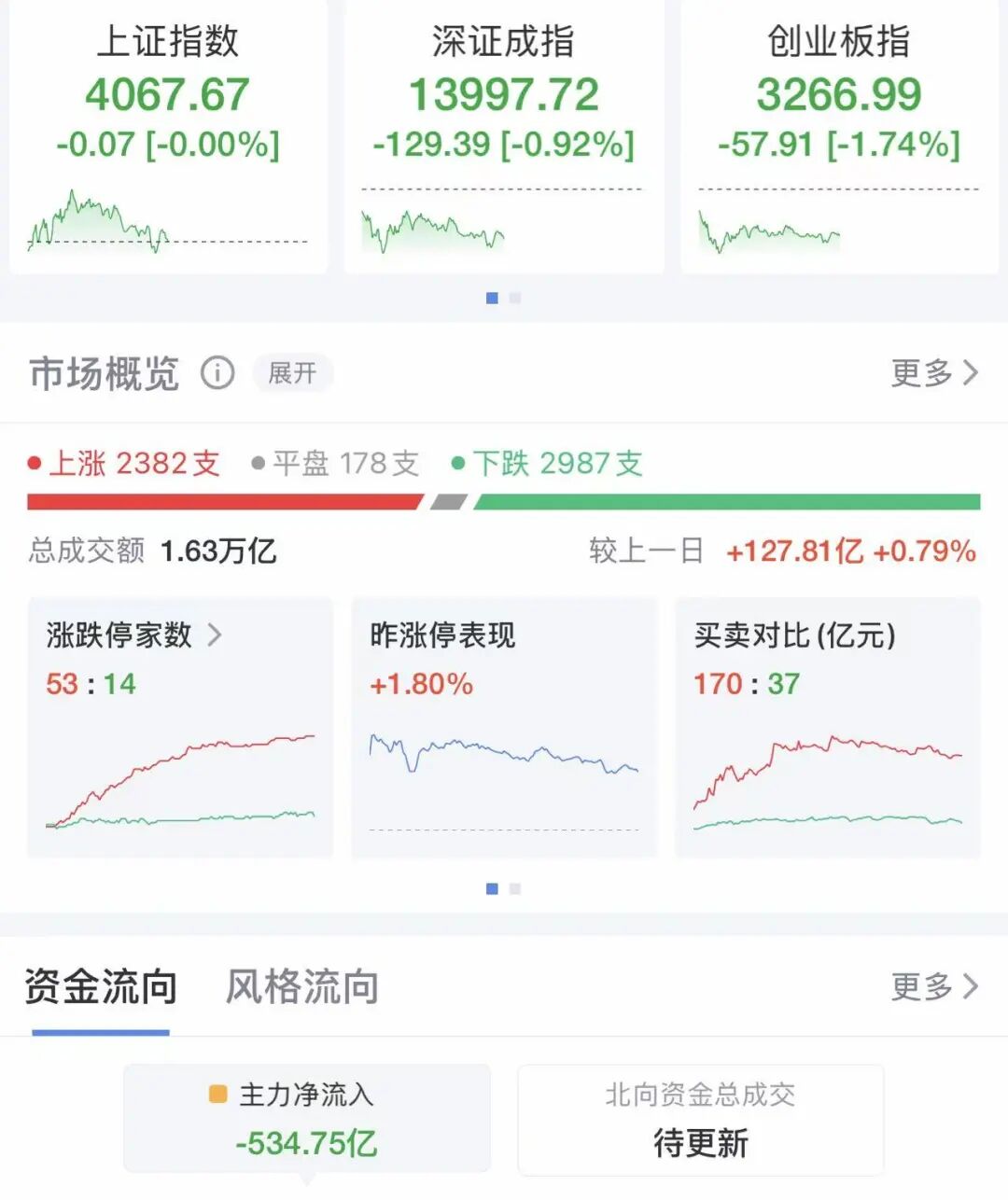
龙光集团(03380)盘中涨超22%,午盘收涨5%。深圳龙光控股21只债券重组议案已获通过。 东鹏饮料(09980)上市次日涨超4%,总市值逼近1500亿港元,公司携手三林集团出海东南亚。 智通财经APP获悉,港股恒生指数跌0.41%,跌110点,报26724点;恒生科技指数跌2.2%。港股早盘成 交1514亿港元。 腾讯控股(00700)跌幅扩大逾3%拖累恒生科技指数,微信宣布对元宝的违规链接进行处置。 航空股涨幅居前。官方预期今年春运客流将再创历史新高,民航出行需求旺盛。中国国航(00753)涨 4%;东方航空(00670)涨7.2%;南方航空(01055)涨5.9%。 氢能概念股延续涨势,氢能政策定调空前明确,海外供应链宣布扩产。国富氢能(02582)涨超23%;京城 机电股份(00187)涨10%;中集安瑞科(03899)涨3.7%。 钧达股份(02865)涨7.8%,据报马斯克团队密访中国多家光伏企业。 高地股份(01676)跌超35%,近期发生转存仓行为,此前完成配售3918.4万股新股份。 新股国恩科技(02768)首日挂牌加入港股通,午盘涨16%。 AI概念股下挫,市场担忧新一轮AI替代风险, ...

异动盘点0204 | AI新技术冲击软件股,内房股早盘普涨;AI应用软件股全线走弱,贵金属板块强势拉升
贝塔投资智库· 2026-02-04 04:03
点击蓝字,关注我们 今日上午港股 1 . 加密货币概念股早盘再度下跌,截至发稿, 迷策略(02440)跌4.76%,雄岸科技(01647)跌1.37%,欧 科云链(01499)跌0.58% 。 消息面上,周二,比特币一度跌破7.3万美元,跌破了2025年4月7日特朗普 公布对等关税后所创的年内低点。"大空头"巴里警告称,若比特币价格进一步下跌可能会迅速加剧主 要持有者的资产负债表压力,迫使整个加密货币生态系统进行抛售,并引发大范围的价值崩盘。 2 . AI新技术冲击软件股, 聚水潭(06687)今早一度跌近13%,创上市以来新低,截至发稿跌9.27% 。 消息面上,周二,由AI初创巨头Anthropic推出的新型自动化工具引发了市场对软件股的恐慌性抛售, 创下去年4月以来跌幅最大的一天。分析师指出,AI进展的预期已发生质变:从最初认为AI能"助力增 长",转向质疑AI是否会"彻底取代"传统订阅模式。 3 . 高地股份(01676)盘中跌近40% 。消息面上,香港联交所最新资料显示,1月15日,高地股份股东将 股票由凯基证券亚洲转入富途证券国际香港,转仓市值2095.26万港元,占比13.51%。高地股份发布 ...

港股航空股震荡走高,中国东方航空股份(00670.HK)涨超7%,中国南方航空股份(01055.HK)涨超6%,中国国航(00753.HK)、国泰航空(...
Jin Rong Jie· 2026-02-04 04:03
Group 1 - Hong Kong aviation stocks experienced a significant upward trend, with China Eastern Airlines (00670.HK) rising over 7% [1] - China Southern Airlines (01055.HK) saw an increase of more than 6% [1] - Other stocks such as Air China (00753.HK) and Cathay Pacific Airways (00293.HK) also followed the upward movement [1]
太突然!航空公司,集体大涨!东航涨停,南航涨超7%,国航涨超6%
Mei Ri Jing Ji Xin Wen· 2026-02-04 02:59
| 来源:新浪财经 (免责声明:本文内容与数据仅供参考,不构成投资建议,使用前请核实。据此操作,风险自担。) | | --- | | 编辑 段炼 杜恒峰 | | 校对 何小桃 | | 封面图片:视觉中国(图文无关) | 每日经济新闻综合自公开资料 每经编辑|段炼 2月4日,A股航空运输板块集体爆发。截至发稿,东航涨停,南航涨超7%,国航涨超6%,华夏航空、春秋航空、吉祥航空、海航等纷纷上涨。 ...
“史上最长春节”点燃出行热情,旅游ETF走强,东航推出高速Wi-Fi看春晚
Xin Lang Cai Jing· 2026-02-04 02:44
Core Viewpoint - The tourism ETF (562510) experienced a significant rise, with a peak increase of over 2% during early trading on February 4, driven by strong performance from China Eastern Airlines and other companies in the sector [1] Group 1: Company Developments - China Eastern Airlines announced it will provide free 4.5-hour high-speed Wi-Fi for all international and Hong Kong, Macau, and Taiwan inbound flights operated by wide-body aircraft on February 16, coinciding with the Lunar New Year [1] - This initiative continues China Eastern's leading position in onboard Wi-Fi services, having achieved full coverage of free basic Wi-Fi on domestic flights with wide-body aircraft since January 2026 [1] Group 2: Industry Trends - Analysts believe that the tourism sector is poised for growth due to positive expectations for the Spring Festival and the ongoing popularity of cross-border travel [1] - As the "longest Spring Festival in history" approaches, there is an anticipated surge in travel demand, supported by service innovations and policy backing, which may sustain the momentum in the tourism and aviation sectors [1]