
OPPO

Search documents
语音空调 “社交厨房” AI重塑广货基因
Nan Fang Du Shi Bao· 2026-01-28 23:12
Core Insights - Guangdong is transitioning from "scale manufacturing" to "smart creation" in the consumer electronics and home appliance sectors, driven by AI technology [2][3] - Leading companies like Huawei, Gree, and Midea are integrating advanced AI technologies into product innovation, production processes, and business models to enhance consumer experiences [3][4] Industry Trends - The "Guangdong Goods Going Global" event showcased over 400 AI smart hardware products, with 80% featuring AI capabilities, highlighting the competitive edge of Guangdong's products in meeting diverse consumer needs [4] - The smartphone market is facing growth challenges, prompting Guangdong mobile companies to embrace AI and launch innovative products that redefine consumer perceptions of smartphones [5][6] Product Innovations - Huawei's latest devices, equipped with the HarmonyOS, demonstrate full-stack independent innovation, enhancing connectivity in extreme environments through AI algorithms [4] - Vivo and OPPO are leading in mobile imaging, with products like the Vivo X300 Pro and OPPO Find X9 Pro utilizing AI for superior image quality and user experience [5] Smart Home Solutions - AI is transforming home appliances from mere functional tools to proactive lifestyle partners, creating new consumer demands for smart home solutions [6][7] - Companies like Midea and TCL are developing comprehensive smart home ecosystems, enhancing user interaction and convenience through AI technologies [6][7] Manufacturing Advancements - Guangdong's manufacturing sector benefits from a complete supply chain, enabling rapid product development and market responsiveness, exemplified by the "design today, product tomorrow" capability [8][9] - Gree's intelligent manufacturing factory has achieved a 200% increase in production efficiency and 100% digital coverage, showcasing the potential of AI in manufacturing [10] Strategic Vision - The Guangdong government emphasizes continuous innovation and adaptation in traditional industries to maintain competitiveness and create new value [6][10] - The integration of AI into manufacturing and product development is positioning Guangdong as a leader in the transition from a manufacturing province to an innovation hub [10]





AI助力,我国手机行业攀高向优
Xin Hua She· 2026-01-28 12:48
Core Insights - The Chinese smartphone market is projected to exceed 1 trillion yuan in 2025, driven by the trade-in policy for consumer goods and advancements in technology such as AI and foldable screens [1] Group 1: Market Performance - In 2025, Honor's smartphone shipments surpassed 71 million units, marking a 9% year-on-year increase [2] - From January to November 2025, the domestic smartphone shipment reached 282 million units, a 0.9% increase year-on-year, with 5G smartphones accounting for 244 million units, up 1.3% [2] - The number of new smartphone models launched in the domestic market reached 474, reflecting a 14.5% increase year-on-year [2] Group 2: Innovation and Technology - Huawei launched the industry's first wide-foldable smartphone, the Huawei Pura X, which combines the features of an e-reader and a foldable device [3] - The foldable smartphone market is expected to see shipments of 9.47 million units in 2025, a 3.3% increase [4] - Companies are focusing on differentiating factors such as satellite communication, design, battery technology, and camera capabilities to enhance product competitiveness [4] Group 3: AI Integration - AI is reshaping user experience, with new AI smartphones like the Doubao AI phone from ByteDance and ZTE expected to drive a new wave of innovation [5] - The integration of AI in smartphones is becoming a key focus for manufacturers, with advancements in systems like Huawei's HarmonyOS and Honor's Magic8 Pro [6] - By 2025, AI smartphone shipments in China are projected to exceed 118 million units, capturing 40.7% of the overall market [7] Group 4: Market Trends and Challenges - The Chinese smartphone market is entering a critical adjustment phase in 2026, characterized by total pressure and structural differentiation [8] - The high-end market is expected to expand due to innovation, while the low-end market may shrink due to price sensitivity [8] - By 2026, the market share for smartphones priced above $600 is projected to reach 35.9%, a 5.4 percentage point increase year-on-year [8] Group 5: Consumer Behavior - Emotional consumption is reshaping purchasing logic, with design and brand emotional connections becoming as important as technical performance [10] - Manufacturers are expected to invest more in differentiated designs and collaborations to meet consumer emotional value needs [10]
市场最前沿丨AI助力,我国手机行业攀高向优
Xin Hua Wang· 2026-01-28 12:28
Core Viewpoint - The Chinese smartphone industry is expected to reach a market size of over 1 trillion yuan by 2025, driven by the trade-in policy for consumer goods and advancements in AI and foldable screen technology [1]. Group 1: Market Growth and Product Innovation - In 2025, smartphone shipments in China are projected to exceed 71 million units, marking a 9% year-on-year increase [2]. - The domestic smartphone market saw a shipment of 282 million units in the first 11 months of 2025, reflecting a 0.9% year-on-year growth, with 5G smartphones accounting for 244 million units, a 1.3% increase [3]. - The number of new smartphone models launched in China reached 474, representing a 14.5% year-on-year growth [3]. Group 2: Competitive Landscape and Technological Advancements - Innovation is crucial for smartphone manufacturers to differentiate themselves in a saturated market, with Huawei launching the first wide foldable phone, the Huawei Pura X, in March 2025 [4]. - The foldable smartphone market in China is expected to see shipments reach 9.47 million units in 2025, a 3.3% increase [5]. - Key areas of differentiation include satellite communication, design, battery technology, and camera capabilities, with various brands introducing advanced features such as eSIM support and self-developed chips [6]. Group 3: AI Integration and User Experience - AI is transforming user experience, with features that allow smartphones to assist in navigation and shopping [7]. - Major manufacturers are integrating AI into their systems, with Huawei upgrading its HarmonyOS and Honor enhancing its products with AI capabilities [8]. - The AI smartphone market in China is projected to reach over 118 million units by 2025, capturing 40.7% of the overall market [10]. Group 4: Market Adjustments and Future Projections - The Chinese smartphone market is entering a critical adjustment phase in 2026, with expected declines in overall shipments due to rising component costs [11]. - The high-end smartphone market is anticipated to expand, while the low-end market may shrink, indicating a shift towards a more diversified market structure [11]. - AI smartphones are expected to become mainstream by 2026, with projected shipments of 147 million units, a 31.6% increase, representing 53% of the overall market [12]. Group 5: Consumer Behavior and Emotional Value - Emotional consumption is reshaping purchasing logic, with design and brand connection becoming as important as technical performance [13].
市场最前沿|AI助力,我国手机行业攀高向优
Xin Hua She· 2026-01-28 12:27
Core Insights - The Chinese smartphone market is projected to exceed 1 trillion yuan by 2025, driven by the trade-in policy for consumer goods and advancements in AI and foldable screen technology [1] - The market is shifting from incremental competition to stock competition as smartphone penetration exceeds 80% and the average replacement cycle lengthens [1] Group 1: Market Performance - In the first 11 months of 2025, the domestic smartphone shipment reached 282 million units, a year-on-year increase of 0.9%, with 5G smartphones accounting for 244 million units, up 1.3% [1] - Honor's smartphone shipments surpassed 71 million units in 2025, marking a 9% year-on-year growth [1] - The number of new smartphone models launched in the domestic market reached 474, reflecting a 14.5% increase [1] Group 2: Innovation and Technology - Huawei launched the industry's first wide foldable smartphone, the Huawei Pura X, which combines the reading experience of an e-book with the convenience of a foldable device [2] - The foldable smartphone market in China is expected to reach 9.47 million units by 2025, growing by 3.3% [2] - Companies like OPPO, vivo, and Xiaomi are enhancing product capabilities with innovations such as eSIM support, semi-solid state battery technology, and self-developed chips [2] Group 3: AI Integration - AI is becoming a core capability in smartphones, with features like route planning and price comparison being automated [3] - By 2025, AI smartphone shipments are expected to exceed 118 million units, capturing 40.7% of the overall market [3] - The integration of AI is seen as a transformative force, with companies like ByteDance and ZTE collaborating to create AI smartphones that enhance user experience [3] Group 4: Market Trends and Future Outlook - The Chinese smartphone market is entering a phase of adjustment characterized by total pressure and structural differentiation, with a forecasted decline in overall shipment volume due to rising component costs [4][5] - The high-end smartphone market is expected to expand, while the low-end market will shrink, indicating a shift towards a more diversified market structure [4] - By 2026, the market share for smartphones priced above $600 is projected to reach 35.9%, while the share for those below $200 is expected to decrease by 4.3% [5] - Emotional consumption is reshaping purchasing logic, with design and brand connection becoming as important as technical performance [5]
手机厂商集体破防:这届新品为何不涨不行?
3 6 Ke· 2026-01-28 10:09
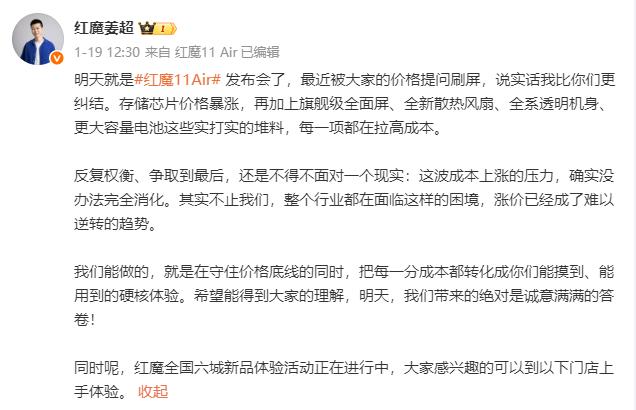
近日,红魔游戏手机在发布新品之际就被不少人点出其价格问题。对此,该品牌的产品总经理姜超表示,"手机行业面临成本上涨难消化困境,涨价已成 难以逆转的趋势。" 现实确实如其所言,在过去,手机厂商通过不断推出新技术、新功能来吸引消费者,激发他们的购买欲望。然而,即便走上"AI+"这条快车道,也不见有 谁打破了现有行业天花板,使得新机发布往往只是对现有功能的微小改进或升级,难以再像过去那样出现划时代的变革。 这种创新乏力的状况,不仅让消费者在面对新机时多了几分理性与审慎,也让手机厂商在定价策略上陷入了两难境地。叠加手机成本上涨带来的巨大压 力,困境愈发凸显,更暴露出当前手机市场所存在的关键矛盾。 一方面,消费者对手机性能、品质的要求不断提高,他们期待厂商能够带来更多创新和惊喜,满足自己日益多样化的需求;另一方面,厂商在面临成本上 涨、创新空间有限等多重压力下,难以在价格上做出太大让步,甚至不得不通过涨价来维持利润空间。 在这样的市场环境下,厂商如何破局,用户如何选择,都成了业内外关注的焦点。 成本"暴击",避无可避 于时下的手机爱好者们而言,要是对价格普涨的新机与折价销售的旧款做出"二选一",在未来的很长一段时间内, ...
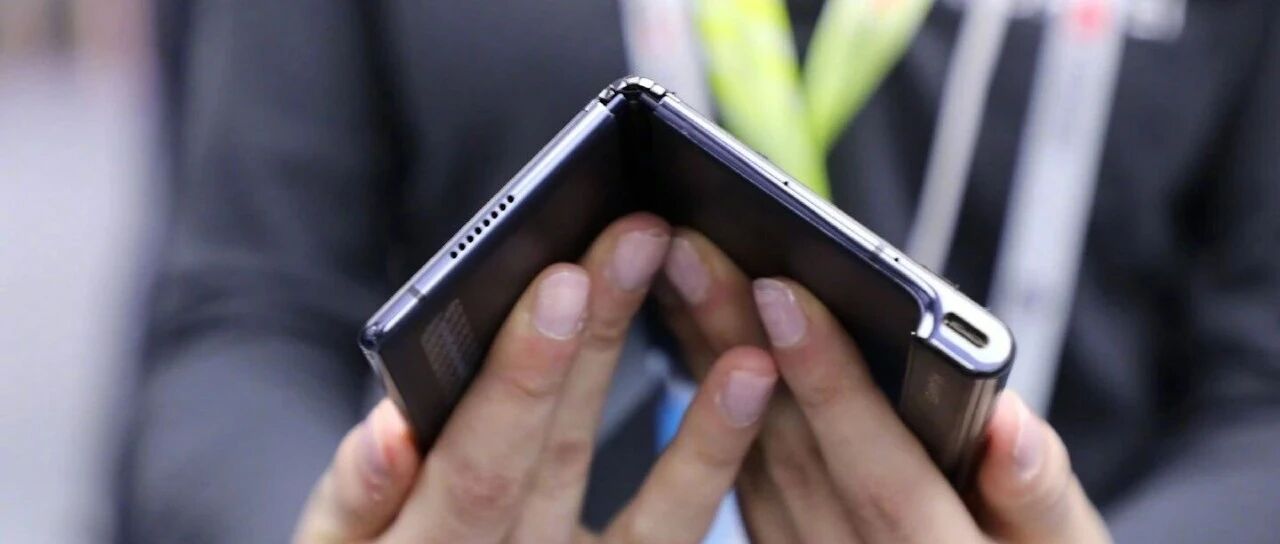
折叠屏手机到东北,变成“碎碎冰”?维修人员:低温环境不要折叠,要焐热了再用
新华网财经· 2026-01-28 05:12
Core Viewpoint - The article discusses the challenges faced by foldable smartphones in cold weather, highlighting user experiences and expert recommendations for safe usage in low temperatures [1][3][6]. Group 1: User Experiences - Some users reported that their foldable smartphones were damaged or cracked when used in cold regions, while others did not experience any issues [3]. - A repair shop noted that customers seeking repairs due to low temperatures were relatively few, indicating increased awareness among users about the risks of using foldable phones in cold conditions [3]. Group 2: Technical Insights - Foldable smartphones typically operate best within a temperature range of 0°C to 35°C, with extreme temperatures affecting battery, screen, and overall performance [5]. - The core issue with foldable screens in low temperatures is related to the physical properties of the materials used, which can become brittle and prone to breakage when frozen [7]. - The internal structure of foldable screens, including layers of polymers and ultra-thin glass, can also be affected by low temperatures, leading to increased resistance when opening and closing the device [7]. Group 3: Recommendations for Users - To protect foldable smartphones from cold damage, users are advised to keep their devices warm, using insulated cases and keeping them close to their bodies [8]. - Users should minimize outdoor opening and closing of the devices and allow them to acclimate to indoor temperatures before use [8]. - If the device shows signs of lag or freezing, users should avoid forcing it open and instead allow it to warm up in a suitable environment [8]. Group 4: Market Insights - According to IDC, the foldable smartphone market in China saw a year-on-year growth of 9.2% in 2025, with approximately 10.01 million units shipped [8]. - Huawei leads the market with a 71.8% share, followed by Honor with 9.1%, and Vivo with 4.9% [8].
买数码“小时达”也能享国补了,北上广等地已上线
Xin Lang Cai Jing· 2026-01-28 03:20
Group 1 - The core viewpoint of the news is that JD's instant retail platform, JD Miao Song, has fully adopted the national subsidy program, allowing consumers in 15 regions to enjoy subsidies on digital products like smartphones and laptops [1][2] - The subsidy program offers consumers a 15% discount on the sales price of products, with a maximum subsidy of 1,500 yuan for computers and 500 yuan for smartphones, tablets, and wearable devices [2] - JD Miao Song provides additional services such as home delivery by professional riders, on-site signing, and activation assistance, enhancing the overall consumer experience [2] Group 2 - The participating products in the subsidy program include popular models from major brands such as Apple, Xiaomi, Huawei, OPPO, vivo, and Lenovo [1] - Over 10,000 brand specialty stores across the country have integrated into this service system to support the upgraded consumer experience [2]

大模型六小龙告别青春期
3 6 Ke· 2026-01-28 02:28
Core Insights - The year 2026 is seen as a pivotal growth point for the "Six Little Dragons" of large models, influenced by technology, scenarios, and capital [1] - A recent wave of strategic announcements from five of the six companies indicates a shift towards more defined paths as they transition from their formative stages [3][4] - The competitive landscape has intensified, with larger companies increasing their investment in AI, thereby squeezing the growth potential of the Six Little Dragons [8][9] Group 1: Company Developments - "Yue Zhi An Mian" announced a new model, Kimi2.5, and completed a $500 million financing round, aiming to create a unique large language model [1] - "Jie Yue Xing Chen" secured over 5 billion in financing and appointed a new chairman, focusing on the integration of AI and smart terminals [1] - "Bai Chuan Zhi Neng" launched the Baichuan-M3 medical model and has a funding reserve of 3 billion, planning to release AI medical products in the first half of 2026 [3] Group 2: Market Dynamics - The recent IPOs of "Zhi Pu" and "MiniMax" have triggered a competitive response from the other companies, emphasizing the need to demonstrate their market viability [3][4] - The emergence of "DeepSeek" has disrupted the valuation anchors for the Six Little Dragons, highlighting the challenges they face in maintaining their competitive edge [6][9] - The capital environment has shifted, with investors now favoring consumer applications and AI infrastructure over foundational models, impacting the funding strategies of the Six Little Dragons [9][19] Group 3: Strategic Adjustments - Companies are recalibrating their strategies between pursuing technological ideals and achieving commercial viability, with some focusing on vertical markets while others aim for broader applications [4][10] - "Yue Zhi An Mian" has decided to halt large-scale brand advertising to concentrate on foundational model development, while "Zhi Pu" and "MiniMax" are pushing for IPOs to facilitate business adjustments [11][13] - "Ling Yi Wan Wu" and "Bai Chuan Zhi Neng" have chosen to abandon general large model training in favor of focusing on specific verticals, such as healthcare [14] Group 4: Future Outlook - The success of "DeepSeek" and the potential for new technological paradigms suggest that the AI industry is still evolving, with opportunities for breakthroughs remaining [16][17] - The Six Little Dragons are expected to find their unique paths in 2026, with technology, scenarios, and capital playing crucial roles in their future trajectories [16][19] - The ongoing competition with larger firms will require the Six Little Dragons to continuously adapt their strategies and secure sufficient capital to sustain their growth [20][21]
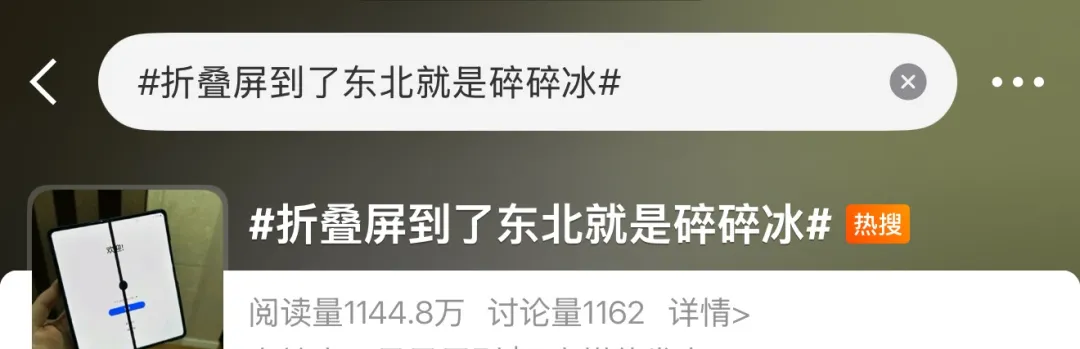
折叠屏手机到东北 变成“碎碎冰”?维修人员:低温环境不要折叠 要焐热了再用
Mei Ri Jing Ji Xin Wen· 2026-01-27 23:34
Group 1 - The core issue regarding foldable smartphones is their vulnerability to low temperatures, which can lead to screen damage or cracking when used in cold environments [2][4][6] - Many users are now aware of the precautions needed when using foldable phones in low temperatures, such as avoiding opening the device outdoors in extreme cold [2][7] - The normal operating temperature range for most foldable smartphones is between 0°C and 35°C, with performance and battery life being affected by extreme temperatures [2][4] Group 2 - The materials used in foldable screens, including flexible OLED and ultra-thin glass, can become brittle in low temperatures, increasing the risk of breakage [4][6] - Experts recommend keeping foldable phones warm by using insulated cases and storing them close to the body to avoid prolonged exposure to temperatures below -10°C [7] - According to IDC, the foldable smartphone market in China is projected to grow by 9.2% year-on-year, reaching approximately 10.01 million units by 2025, with Huawei holding a 71.8% market share [7]
“成为中国人”,一天要与多少广货打交道?
Nan Fang Nong Cun Bao· 2026-01-27 16:31
Core Insights - The article discusses the rising trend of "Becoming Chinese" among foreign audiences, highlighting the exploration of Chinese lifestyle through everyday products, particularly from Guangdong province [4][5][10]. Group 1: Quality and Lifestyle - Guangdong products, referred to as "广货," play a crucial role in enhancing the quality of daily life for Chinese people, with a focus on their craftsmanship and cultural significance [11][12]. - The article emphasizes the importance of quality in daily products, such as rice cookers and smartphones, which are often manufactured in Guangdong, showcasing the region's industrial strength [10][18][19]. Group 2: Technological Innovation - Guangdong's smartphone production reached 585 million units in the first 11 months of 2025, accounting for approximately half of China's total smartphone output, reflecting the region's technological prowess [19]. - The article highlights the advanced manufacturing capabilities in Guangdong, such as AI integration in smartphone production, which enhances precision and efficiency [20][24]. Group 3: Cultural Significance - The concept of "识叹" (appreciating life) is explored through various products, including tea and furniture, which embody both functionality and aesthetic appeal, contributing to a sense of ritual in daily life [48][66]. - Guangdong's tea industry is significant, with an annual consumption of 270,000 tons and a market size of 63.8 billion yuan, showcasing the cultural and economic importance of tea in the region [54][55]. Group 4: Long-term Value - The philosophy of "襟用" (durability) is emphasized, indicating that Guangdong products are designed for long-term use, providing reliability and comfort to consumers [75][88]. - The article notes that Guangdong's clothing industry produces over 3.44 billion garments annually, representing 16.8% of the national output, highlighting the region's commitment to quality and sustainability in fashion [81][82].


