
众安在线

Search documents
@保险,重要改革!238家机构,监管大调整
Zheng Quan Shi Bao Wang· 2025-10-16 08:59
Core Viewpoint - The recent adjustment in the regulatory responsibilities of insurance institutions in China indicates a shift towards localized supervision, with a significant increase in the number of insurance entities under local regulatory bodies, while the Financial Regulatory Authority focuses primarily on insurance groups and their subsidiaries [1][2][3]. Group 1: Regulatory Changes - As of June 30, 2025, the number of insurance entities regulated by the Financial Regulatory Authority decreased from 116 to 65, primarily focusing on insurance groups and their subsidiaries [2]. - The adjustment reflects a broader trend of localizing regulatory responsibilities, with local regulatory bodies now overseeing a larger number of insurance institutions [4][5]. - The Financial Regulatory Authority convened a special meeting with local regulatory agencies to discuss these changes [1]. Group 2: Impact on Local Regulatory Bodies - Local regulatory bodies, particularly in major cities like Beijing and Shanghai, have seen a significant increase in the number of insurance entities they oversee, with Beijing's count rising from 24 to 39 and Shanghai's from 24 to 36 [4][5]. - The increase in regulatory responsibilities has led to heightened pressure on local regulatory bodies, necessitating stronger management accountability from insurance company executives [5]. Group 3: Specific Changes in Insurance Institutions - The total number of insurance institutions listed as of June 30, 2025, is 238, a decrease of one from the end of 2024, with notable changes including the removal of Tianan Insurance and the addition of Suzhou Dongwu Insurance [6]. - Several types of insurance institutions, such as insurance asset management companies and health insurance companies, have shifted from being regulated by the Financial Regulatory Authority to local regulatory bodies [6][7]. - A total of 21 out of 35 insurance asset management companies have transitioned to local regulatory oversight, while 14 remain under the Financial Regulatory Authority [7].



@保险,重要改革!238家机构,监管大调整
券商中国· 2025-10-16 08:21
Core Viewpoint - The recent adjustment in the regulatory responsibilities of insurance institutions aims to enhance local regulatory accountability, with a significant shift in the number of institutions under the supervision of the Financial Regulatory Bureau and local regulatory agencies [4][5]. Summary by Sections Regulatory Changes - As of June 30, 2025, the number of insurance institutions under the supervision of the Financial Regulatory Bureau has decreased from 116 to 65, focusing primarily on insurance groups and their subsidiaries [2][3]. - The adjustment reflects a broader trend of local regulatory agencies taking on more responsibilities, particularly in major cities like Beijing, Shanghai, and Shenzhen [5][6]. Historical Context - This adjustment follows the 2020 reform of localized regulatory oversight, which aimed to improve the efficiency of regulatory resources and mechanisms for insurance companies [3]. Impact on Local Regulatory Agencies - Local regulatory agencies have seen a significant increase in the number of insurance institutions they oversee, with Beijing's regulatory agency increasing its responsibilities from 24 to 39 institutions, and Shanghai's from 24 to 36 [5][6]. - The increase in regulatory responsibilities has led to heightened pressure on local agencies, necessitating stronger management accountability from insurance company executives [6]. Changes in Specific Institutions - The total number of insurance institutions has decreased by one, with notable changes including the removal of Tianan Insurance and the addition of Suzhou Dongwu Insurance [7]. - Among the 16 pension and health insurance companies, 6 have shifted to local regulatory oversight, while the majority remain under the Financial Regulatory Bureau [8]. Asset Management Institutions - A total of 35 insurance asset management companies have transitioned to local regulatory oversight, with 21 of these institutions now under local agencies [10][12]. - The Financial Regulatory Bureau continues to oversee 14 asset management companies, primarily those affiliated with major insurance groups [11][13]. Local Regulatory Responsibilities - Local regulatory agencies are now responsible for various aspects of insurance institutions, including approval of executive qualifications, shareholder changes, capital increases, and debt issuance [15].


新能源“车险刺客”,有望迎来拐点?
Hu Xiu· 2025-10-15 12:00
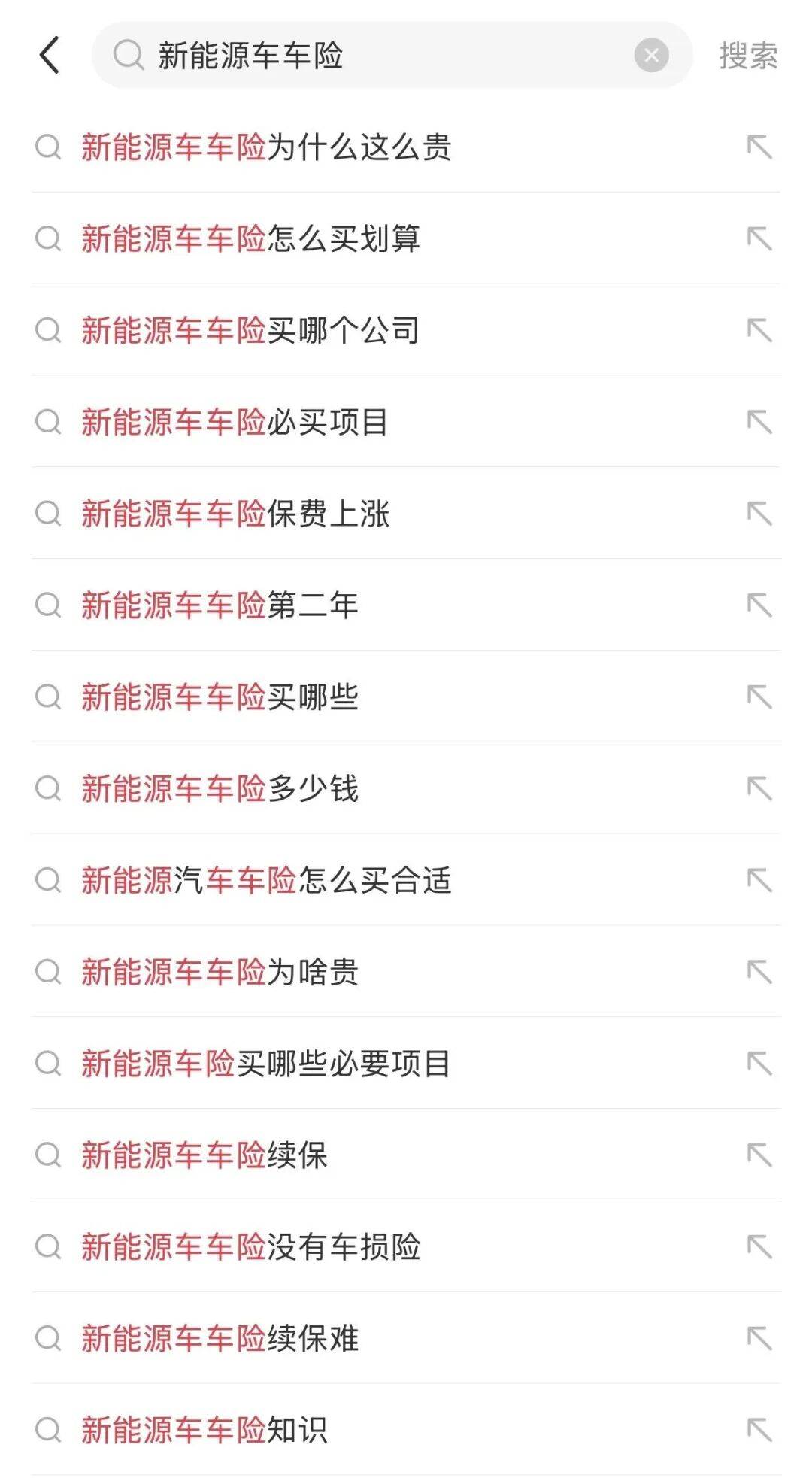
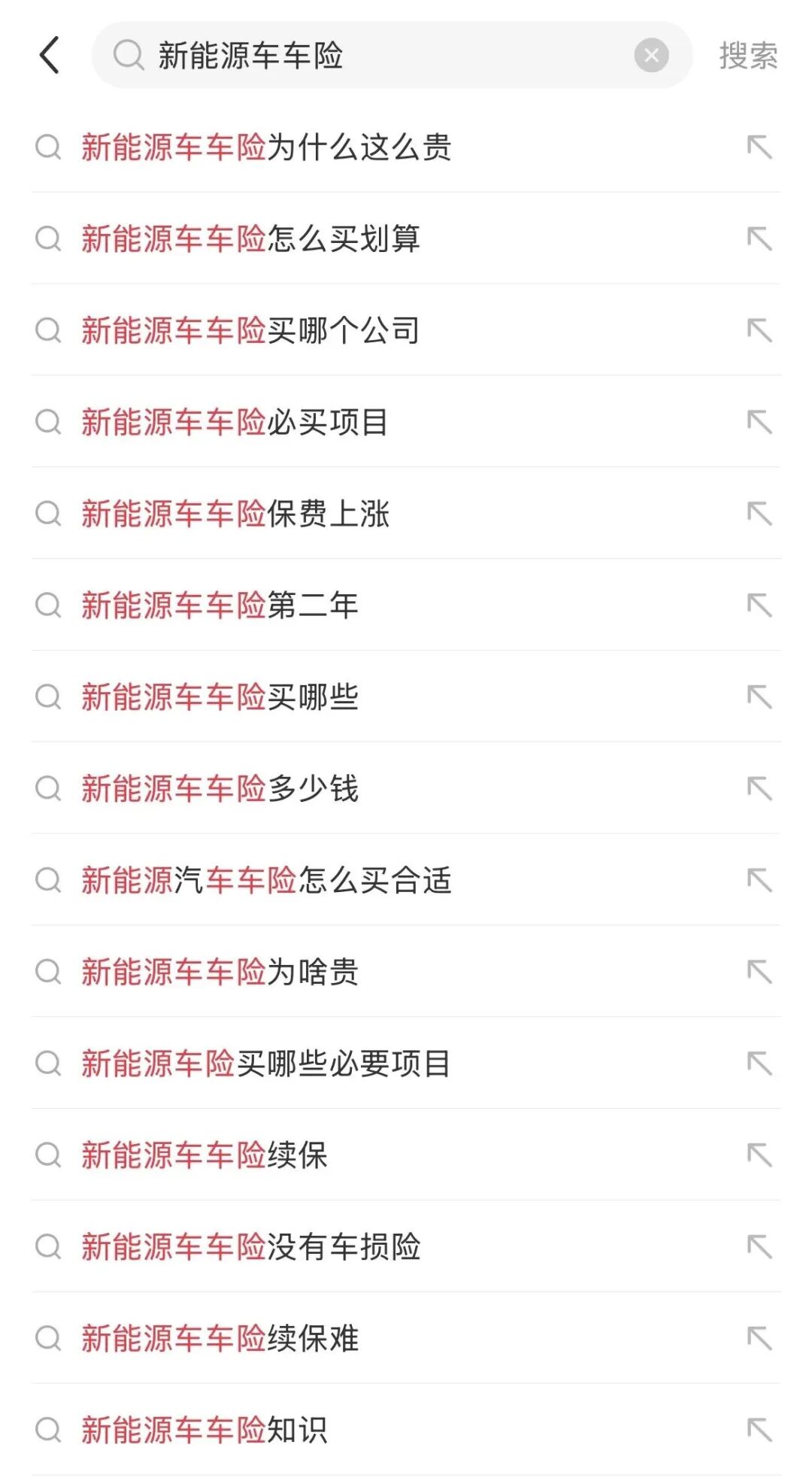
10月13日,中国汽车工业协会发布最新市场数据。从零售情况来看,9月全国乘用车零售224.1万辆,同比增长6.3%,环比增长11.0%。今年以来累计零售 1700.5万辆,同比增长9.2%。 在乘用车市场整体向好的背景下,新能源汽车渗透率进一步提升。自今年3月以来,其市场渗透率已连续7个月超过50%,9月国内零售渗透率更是升至 57.8%,这意味着每卖出2辆汽车,就有超过1辆是新能源汽车。 贾先生提到,购车时4S店告知自己车险只能在店内投保,"如果能自主选择保险公司,保费应该会相对便宜一些。" 随着新能源汽车保有量的增多,"新能源汽车车险过高"的话题再次被消费者热议。 在社交平台上搜索"新能源车险","新能源车险为什么这么贵"位列搜索结果首位;与此同时,"新能源车险怎么买划算""新能源车险必买项目""新能源车险 保费上涨"等与价格、投保策略相关的话题紧随其后,成为用户关注的焦点。不少消费者甚至为其贴上"车险刺客"的标签。 | < Q 新能源车车险 | × | 搜索 | | --- | --- | --- | | Q 新能源车车险为什么这么贵 | | | | Q 新能源车车险怎么买划算 | | | | ○ 新能 ...
车主喊贵,险企求变,千亿级新能源车险市场或迎拐点
3 6 Ke· 2025-10-15 11:46
Core Insights - The Chinese automotive market is experiencing growth, with September retail sales of passenger cars reaching 2.241 million units, a year-on-year increase of 6.3% and a month-on-month increase of 11.0% [1] - The penetration rate of new energy vehicles (NEVs) has exceeded 50% for seven consecutive months, reaching 57.8% in September, indicating that more than half of the cars sold are NEVs [1] - The rising number of NEVs has led to increased consumer concerns regarding high insurance premiums for these vehicles, with discussions on social media highlighting the issue [1][4] Insurance Market Dynamics - The NEV insurance market is characterized by high growth and high claims, putting pressure on insurance companies [4] - NEV insurance premiums are generally higher than those for traditional fuel vehicles, with a specific example showing a 15万元 vehicle having an insurance premium of 6500元 [5][6] - The higher premiums are attributed to a 10-15 percentage point higher claim rate for NEVs compared to fuel vehicles, with NEVs having a claim rate of 30% versus 19% for fuel vehicles [8] Cost Factors - The repair costs for NEVs are significantly higher due to the complexity of their "three electric" systems (battery, motor, control) and the lack of skilled technicians [8] - Insurance pricing is primarily based on repair costs rather than vehicle price, leading to higher premiums for NEVs despite similar base prices for insurance compared to fuel vehicles [8] Premium Fluctuations - Some NEV owners have reported premium increases even without making claims, indicating a complex pricing structure influenced by overall vehicle performance data and regional accident rates [10][11] - Insurance companies adjust premiums based on the collective claims data of specific models, which can lead to higher costs for all owners of a particular model regardless of individual claim history [11] Industry Challenges and Opportunities - The insurance industry is facing significant losses from NEV coverage, with reported losses of 67 billion yuan in 2023 and 57 billion yuan in 2024 [12] - However, there are signs of recovery as companies explore profitable business models and adapt to regulatory changes, with some firms reporting improved performance in NEV insurance [12][17] - Major insurers like China Ping An and China Pacific Insurance are actively seeking to optimize their NEV insurance offerings through partnerships and data-driven strategies [14][15][17]


从“打工人”变“合伙人” 险企“稳定军心”这招儿靠谱吗?
Jin Rong Shi Bao· 2025-10-15 02:45
Core Viewpoint - The announcement of employee stock ownership plans (ESOPs) by Sunshine Insurance Group and Taikang Insurance Group reflects a growing trend in the insurance industry to enhance employee engagement and align interests between employees and the company [1][2]. Group 1: Employee Stock Ownership Plans Overview - Both Sunshine Insurance and Taikang Insurance have set a minimum requirement of "two years of service" for employees to participate in their ESOPs, with additional conditions varying between the two companies [2]. - Sunshine Insurance allows some flexibility for employees with over ten years of service, while Taikang Insurance requires participants to hold certain management or core technical positions and have a performance rating of "good" or above [2]. - The primary goal of these plans is to achieve a "win-win" scenario for shareholders, the company, and employees, with Sunshine Insurance emphasizing a phased implementation approach [2]. Group 2: Rights and Restrictions - Sunshine Insurance has specified that after the lock-up period, employees can dispose of their shares, with a maximum of 25% of their holdings per year, while Taikang Insurance has detailed rules for both the duration of the plan and post-plan disposal [3]. Group 3: Industry Background - The implementation of ESOPs in the insurance sector is not new, with regulatory guidance provided as early as July 2015, allowing companies that meet certain criteria to initiate such plans [4]. - Approximately ten insurance companies have already adopted similar plans, indicating a trend towards employee engagement through equity participation [4]. Group 4: Benefits of Employee Stock Ownership Plans - The core value of ESOPs lies in aligning the long-term goals of insurance companies with their operational decisions, thereby reducing short-termism and enhancing risk management mechanisms [5]. - ESOPs transform employees from mere workers into stakeholders, increasing their commitment to the company and reducing turnover of key talent [5][6]. - The market perception of a company implementing an ESOP is positive, signaling confidence in future growth and enhancing its attractiveness to clients and partners [6]. Group 5: Challenges and Controversies - Issues have arisen regarding the exit mechanisms of ESOPs, as seen in a case involving employees of Baidu Life Insurance, where disputes over unfulfilled promises led to legal action [7]. - The case highlights the importance of having a clear and enforceable exit strategy within ESOPs to prevent potential conflicts and ensure compliance with regulations [7][8]. Group 6: Recommendations for Effective Employee Stock Ownership Plans - A successful ESOP should be built on a compliant governance framework, with clear terms regarding shareholding methods, rights, and exit conditions [8]. - Companies should ensure transparency in their operations and maintain regular communication with employees regarding financial performance and governance [8]. - The ongoing evolution of ESOPs in the insurance industry aims to shift corporate strategies from growth-driven to value-driven approaches, emphasizing long-term sustainability [8].
众安在线前9个月原保险保费收入总额约为269.34亿元 同比增加5.64%
Zhi Tong Cai Jing· 2025-10-14 23:55
分时图 日K线 周K线 月K线 16.37 -0.51 -3.02% 3.73% 2.49% 1.24% 0.00% 1.24% 2.49% 3.73% 16.25 16.46 16.67 16.88 17.09 17.30 17.51 09:30 10:30 12:00/13:00 14:00 16:10 0 22万 44万 66万 众安在线(06060)发布公告,该公司于2025年1月1日至2025年9月30日所获得的原保险保费收入总额约为 人民币269.34亿元,同比增加5.64%。 众安在线 ...
宠物行业系列报告(一):宠物行业全景图:产业链价值重构与国产替代浪潮
Ping An Securities· 2025-10-14 12:44
Investment Rating - The industry investment rating is "Outperform the Market" [1][89]. Core Insights - The global pet industry is projected to reach approximately $207 billion in 2024, with a compound annual growth rate (CAGR) of 5.5% from 2024 to 2029 [3][12]. - The Chinese pet industry, although starting later, is rapidly expanding, with a market size expected to reach 300.2 billion yuan in 2024, reflecting a year-on-year growth of 7.5% [3][26]. - The demand for pets is shifting from functional care to emotional companionship, driven by demographic changes such as an increase in single-person households and elderly individuals [3][40]. Summary by Sections Industry Overview - The pet industry in Europe and the US dominates the global market, with the US accounting for 47% of the pet food and snacks market and 50% of the pet services market by 2025 [3][12]. - The Chinese pet market is characterized by a growing number of pets, with a total of 124 million pets expected in 2024, marking a 2.1% increase year-on-year [3][33]. Upstream - The number of pets in China is steadily increasing, with a shift in consumer demand towards emotional companionship rather than just functional care [3][31]. - The CAGR for pet cats and dogs from 2017 to 2024 is projected at 5.1%, with cats growing at a faster rate than dogs [3][33]. Midstream - The pet supplies market is diversifying, with significant growth in pet food, particularly domestically produced brands, which are increasingly replacing imported ones [3][46]. - The market for pet food is expected to reach 107.17 billion yuan in 2024, with a CAGR of 8.2% from 2018 to 2024 [3][50]. Downstream - The pet medical care market is projected to reach approximately 84 billion yuan in 2024, making it the second-largest consumer market after pet food [3][71]. - The pet grooming industry is also experiencing rapid growth, with a market size of 42 billion yuan in 2023 and a CAGR of 22.3% from 2019 to 2023 [3][76]. - The pet insurance market in China is still in its early stages, with a penetration rate of less than 1%, indicating significant growth potential [3][84]. Investment Recommendations - The pet market is characterized by sustained growth and resilience, with structural opportunities across the industry chain, particularly in domestic substitution and innovation in niche categories [3][87]. - Recommended companies include leading pet food enterprises such as Guobao Pet and attention to Zhongchong Co., Ltd. and Yuanfei Co., Ltd. [3][87].
华润置地前9月销售额超1500亿元 中国建材预计前三季度同比扭亏
Xin Lang Cai Jing· 2025-10-14 12:22
Company News - China Metallurgical Group Corporation (01618.HK) reported a new contract amount of 760.67 billion yuan for the first nine months, a year-on-year decrease of 14.7%. The overseas contract amount was 66.9 billion yuan, showing a year-on-year increase of 10.1% [1] - China General Nuclear Power Corporation (01816.HK) achieved a total power generation of approximately 182.822 billion kWh in the first nine months, representing a year-on-year growth of 2.67% [1] - "Jiao Ge Peng You" Holdings (01450.HK) recorded a cumulative GMV of approximately 9.53 billion yuan for the first three quarters, a year-on-year increase of 7.56%. However, the GMV for the third quarter was about 2.55 billion yuan, reflecting a year-on-year decline of approximately 12.07% [1] - China Resources Land (01109.HK) reported a cumulative contract sales amount of approximately 154.4 billion yuan for the first nine months, a year-on-year decrease of 10.4% [1] - Times China Holdings (01233.HK) reported cumulative contract sales of 3.933 billion yuan for the first nine months, a year-on-year decline of 37.1% [1] - ZhongAn Online P&C Insurance (06060.HK) achieved cumulative original insurance premium income of 26.934 billion yuan in the first nine months, a year-on-year increase of 5.64% [1] - COFCO Joycome (01610.HK) reported a pig slaughter volume of 468,000 heads in September, a month-on-month decrease of 6.02% [1] - Kingsoft Cloud Holdings (01548.HK) received a new payment under a licensing agreement related to PD-1 monoclonal antibodies, which will enhance cash reserves for new molecular discovery and development [2] - China National Building Material Group (03323.HK) expects a net profit of 2.95 billion yuan for the first three quarters, turning from loss to profit, mainly due to a decrease in sales costs of cement and ready-mixed concrete [2] - Lifen Holdings (01125.HK) issued a profit warning, expecting a year-on-year increase of no less than 50% in annual losses attributable to owners [2] - China Property Investment (00736.HK) signed a cooperation framework agreement to tokenize high-quality photovoltaic new energy assets [2] - Dali Pu Holdings (01921.HK) established a direct sales warehouse and sales office in Oman to strengthen its strategic layout in the Middle East [2] - Beijing Machinery Electric Co., Ltd. (00187.HK) faced bankruptcy liquidation application from creditors for its subsidiary Tianhai Cryogenic [2] Financing and Buyback Activities - Jihai Resources (02489.HK) successfully placed 400 million shares at 1.18 HKD per share, raising approximately 466 million HKD for potential gold mine acquisitions and general working capital [2] - China Galaxy Securities (06881.HK) was approved to issue short-term corporate bonds not exceeding 15 billion yuan [3] - Kuaishou Technology (01024.HK) repurchased 1.3146 million shares for approximately 98.4067 million HKD at prices ranging from 74.55 to 75.1 HKD [3] - Xiaomi Group (01810.HK) repurchased 4 million shares for approximately 19.5 million HKD at prices ranging from 48.44 to 49 HKD [4]



众安在线(06060)前9个月原保险保费收入总额约为269.34亿元 同比增加5.64%
智通财经网· 2025-10-14 11:12
Core Viewpoint - ZhongAn Online (06060) reported a total original insurance premium income of approximately RMB 26.934 billion for the period from January 1, 2025, to September 30, 2025, representing a year-on-year increase of 5.64% [1] Company Summary - The total original insurance premium income for ZhongAn Online is approximately RMB 26.934 billion [1] - The year-on-year growth rate of the insurance premium income is 5.64% [1]
众安在线(06060) - 关於保费收入的公告
2025-10-14 11:03
承董事會命 香港交易及結算所有限公司及香港聯合交易所有限公司對本公告的內容概不負責,對其準確性或完 整性亦不發表任何聲明,並明確表示,概不對因本公告全部或任何部分內容而產生或因倚賴該等內 容而引致的任何損失承擔任何責任。 眾安在綫財產保險股份有限公司 ZHONGAN ONLINE P & C INSURANCE CO., LTD.* (於中華人民共和國註冊成立的股份有限公司,並以「ZA Online Fintech P & C」在香港經營業務) (股份代號:6060) 關於保費收入的公告 眾安在綫財產保險股份有限公司(「本公司」)於二零二五年一月一日至二零二五年九 月三十日所獲得的原保險保費收入總額約為人民幣26,934百萬元。上述資料按照中 華人民共和國財政部《企業會計準則第25號-原保險合同》(財會[2006]3號)及《保險 合同相關會計處理規定》(財會[2009]15號)編製,未經審核及未經本公司審計與消 費者權益保護委員會審閱。本公司股東及潛在投資者務須審慎,以免不恰當依賴該 等資料。 眾安在綫財產保險股份有限公司 董事長 尹海 中國上海,2025年10月14日 * 僅供識別及以「ZA Online ...