鸿海

Search documents
华尔街见闻早餐FM-Radio | 2025年7月7日
Hua Er Jie Jian Wen· 2025-07-06 22:55
Market Overview - On July 4, U.S. markets were closed for Independence Day, leading to a risk-off sentiment in global markets, with S&P 500 futures down 0.6% and European blue-chip index STOXX 50 falling over 1% [2] - The 10-year German bond yield decreased by 0.8 basis points, while the UK bonds saw a weekly increase of 5 basis points [2] - Gold prices rose nearly 0.6% amid increased risk aversion, while WTI crude oil dropped by 1.5% due to OPEC+ expected production increases [2] Key News - The Chinese Ministry of Commerce announced reciprocal measures against the EU's restrictions, impacting procurement of medical devices [6] - Trump signed 12 trade letters, shifting from complex negotiations to unilateral actions, creating uncertainty in global markets [6] - Musk announced the formation of the "American Party" aimed at avoiding U.S. bankruptcy, with plans to participate in the 2026 midterm elections [7] - Alibaba and Meituan engaged in a fierce competition in the food delivery sector, with Meituan reporting over 1.2 billion orders in a single day [8] - OPEC+ agreed to increase production by 548,000 barrels per day in August, exceeding expectations [8] Domestic Companies - Hon Hai's Q2 report met market expectations, with a 15.8% year-on-year revenue increase to NT$1.8 trillion, driven by strong demand for AI servers and iPhones [11] Overseas Macro - The passage of the "Big Beautiful Bill" is expected to lead to a surge in U.S. Treasury issuance, potentially pushing the 10-year yield above 5% [12] - The U.S. government is betting on short-term financing to cover a trillion-dollar deficit, raising concerns about market liquidity [12] Industry Insights - The PCB industry is expected to benefit from increased demand for AI and infrastructure investments [15] - The semiconductor sector is seeing advancements in domestic production capabilities, particularly in AI chip manufacturing [15] - The pharmaceutical sector anticipates a recovery in demand for medical devices and strong growth in profits for certain companies [15]


折叠屏供应链“等待苹果”
经济观察报· 2025-07-04 11:51
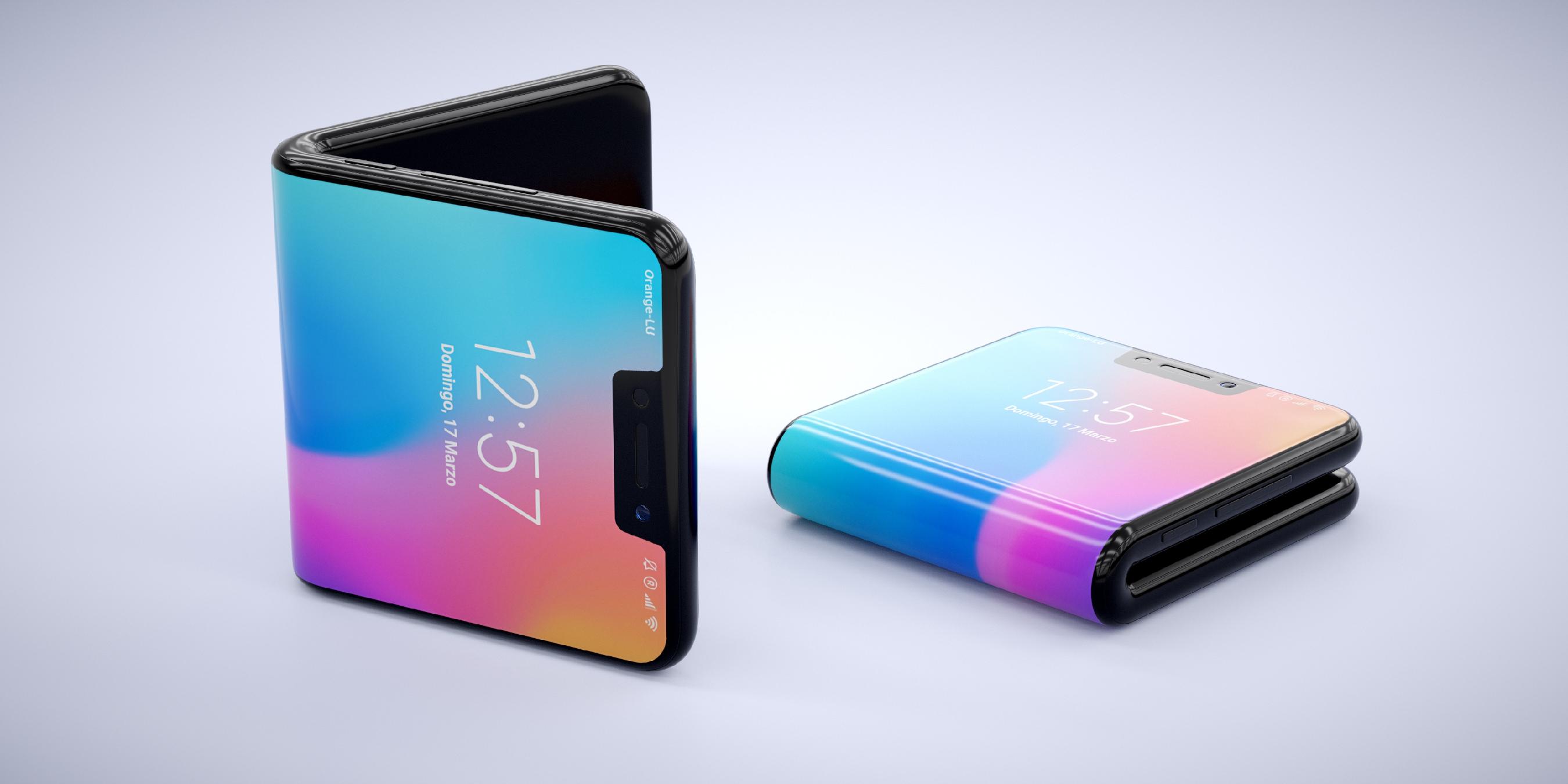
Core Viewpoint - The entry of Apple into the foldable smartphone market in 2026 is expected to redefine the rules, value distribution, and the overall shape of the category, creating significant anticipation among supply chain companies [1][4]. Group 1: Market Dynamics - The domestic foldable smartphone market has recently become active, with major releases from brands like Honor, Vivo, and Samsung, leading to a surge in related A-share stocks [2]. - The anticipation of Apple's entry has contributed to a rally in the consumer electronics sector, with companies like Lens Technology and Luxshare Precision seeing significant stock price increases [2]. - Analysts predict that Apple will begin mass production of its foldable iPhone in late 2026, with initial shipments expected to be in the millions [3]. Group 2: Current Market Challenges - The foldable smartphone market is currently experiencing a bottleneck, with many brands adopting a conservative approach and reducing their product lines [6]. - User growth has plateaued due to inherent issues such as creases, quality, price, and lower specifications compared to traditional smartphones, leading to a trend of users returning to standard devices after initial trials [6][9]. - Global data indicates a slowdown in foldable smartphone shipments, with a mere 9% year-on-year growth expected in Q1 2025, contrasting sharply with previous explosive growth rates [7]. Group 3: High-End Market Trends - Despite the overall smartphone market stagnating, high-end smartphones priced above 5000 yuan are seeing stable growth, with projections indicating a significant increase in sales [7]. - The penetration rate of foldable smartphones is expected to rise from 2.5% in 2023 to 4.2% in 2024, indicating a gradual acceptance in the high-end segment [8]. Group 4: Anticipation of Apple's Entry - Industry insiders believe that Apple's entry could lead to a significant increase in foldable smartphone sales, with 2026 being a pivotal year for the market [4][10]. - Apple's strategy of waiting for technology and supply chains to mature before entering the market is seen as a prudent approach, allowing it to leverage existing supply chain capabilities for better cost and quality management [12][13]. Group 5: Technical Challenges and Innovations - The high technical barriers in the foldable smartphone supply chain, particularly in precision manufacturing, new materials, and display technology, pose significant challenges [13][14]. - The cost structure of foldable smartphones is heavily influenced by the high-value components such as flexible screens and complex hinge mechanisms, which are critical to their functionality [14][15]. - Chinese supply chain companies are actively working to overcome these challenges, with advancements in materials and manufacturing processes being reported [15]. Group 6: User Experience and Market Expectations - The industry is shifting focus from merely producing foldable devices to ensuring they provide a satisfactory user experience, as many current models are perceived as "beautiful but impractical" [19][20]. - Apple's potential to enhance user experience through software optimization and ecosystem integration is viewed as a key factor that could drive the success of foldable smartphones [20][21]. - The need for a collaborative development model between brands and suppliers is emphasized, as the complexity of foldable technology requires joint efforts in research and development [22][23]. Group 7: Future Market Predictions - The entry of Apple is anticipated to either revolutionize the foldable smartphone market or solidify existing high-end market dynamics, depending on how well it addresses current hardware challenges [24]. - There are differing opinions on the future evolution of foldable smartphones, with some experts predicting new form factors like triple-fold or rollable designs, while others believe the focus will remain on optimizing existing shapes [25].


折叠屏供应链“等待苹果”
Jing Ji Guan Cha Wang· 2025-07-04 07:33
Core Viewpoint - The domestic foldable smartphone market is experiencing a surge, with major brands like Honor, vivo, and Samsung launching new models, while the A-share market for consumer electronics sees significant gains due to anticipation of Apple's entry into the foldable screen segment [2][3]. Market Dynamics - The foldable smartphone market is currently at a bottleneck, with many brands adopting a conservative approach and reducing their product lines due to inherent issues like screen creases, quality, and pricing [4]. - Despite technological advancements, user growth has plateaued, with many consumers returning to traditional smartphones after initial trials [4][5]. - In contrast, the high-end smartphone segment in China is growing, with sales of devices priced above 5000 yuan projected to reach approximately 78.4 million units in 2024, up from 11% in 2020 [5][6]. Apple's Potential Impact - Apple's entry into the foldable market is highly anticipated, with reports indicating that the foldable iPhone is in the prototype development stage and expected to launch in late 2026 [3][8]. - The industry believes that Apple's involvement could redefine market dynamics and product standards, as it typically enters markets only when technology is sufficiently mature [8][11]. - The high technical barriers in the foldable supply chain, particularly in precision manufacturing and new materials, present challenges that need to be addressed before mass production can occur [9][10]. Supply Chain and Technological Challenges - The cost structure of foldable smartphones is heavily influenced by high-value components such as flexible screens and hinge systems, with screen modules priced between 1100 to 2200 yuan and hinge systems ranging from 350 to 1200 yuan [9]. - Despite advancements, there are still weaknesses in the supply chain, particularly in high-end materials and manufacturing processes, which are dominated by a few international leaders [10][11]. Future Outlook - The industry is divided on the future of foldable smartphones, with some analysts optimistic about Apple's potential to lead a technological revolution, while others caution that significant hardware improvements are necessary for mainstream adoption [16][17]. - The evolution of foldable smartphones may include new form factors like triple-fold or rollable designs, but the focus should be on balancing display space and portability rather than merely increasing folding capabilities [17].
消费电子放量上攻!板块指数创近3月新高,机构关注三条主线
Zheng Quan Shi Bao· 2025-07-03 05:45
Group 1 - The consumer electronics sector experienced a significant increase on July 3, with the index rising over 4%, reaching a three-month high, and half-day trading volume exceeding the previous day's total [1] - Companies such as Chaoyang Technology and Xinya Electronics saw their stocks hit the daily limit, while others like Shuo Beid and Industrial Fulian also recorded substantial gains [1] - Apple's foldable iPhone has entered the Prototype 1 (P1) development stage as of June, with expectations to complete the prototype process by the end of 2025, leading to a potential market launch in the second half of 2026 [1] Group 2 - In Q1 of this year, China's foldable smartphone shipments reached 2.84 million units, marking a year-on-year growth of 53.1%, indicating a new growth phase in smartphone sales [2] - Galaxy Securities forecasts that the penetration rate of AI smartphones will reach 34% by 2025, while AI PCs are expected to jump from 0.5% in 2024 to 79.7% by 2028 [2] - The second half of the year will focus on three main lines: AI innovation chain, domestic substitution, and cyclical recovery in the industry chain, with optimism about the replacement cycle in traditional consumer electronics driven by AI applications [2]

苹果新平价笔记本电脑 下季量产
Jing Ji Ri Bao· 2025-07-01 23:18
Core Viewpoint - The return of a budget MacBook is anticipated, featuring the A18 Pro processor and a 13-inch display, with production expected to begin in late Q4 2023 or early Q1 2026, aiming to boost Apple's MacBook shipments back to pre-pandemic levels of approximately 25 million units [1][2] Group 1 - The new budget MacBook will be the first to use the A18 Pro chip, which is also used in the iPhone 16 Pro, potentially offering lower costs, longer battery life, and a thinner design [1] - Apple aims for total MacBook shipments to reach around 25 million units, with the budget model expected to contribute 5 to 7 million units [1][2] - The device is likely to come in various colors, including silver, blue, pink, and yellow, targeting students and young buyers [1] Group 2 - The A18 Pro chip has already proven capable for light editing and basic document processing, giving Apple confidence to penetrate the entry-level laptop market [2] - Analysts suggest that the introduction of this budget MacBook could help revive MacBook sales to the pandemic peak of 25 million units [2]
苹果AI找外援 拼弯道超车 改采OpenAI或Anthropic技术升级Siri
Jing Ji Ri Bao· 2025-07-01 23:16
Core Viewpoint - Apple is considering abandoning its own AI model development in favor of using AI technologies from Anthropic or OpenAI to enhance the next generation of Siri, aiming to catch up with competitors in the AI application space and boost iPhone sales [1][2][3] Group 1: AI Strategy Shift - Apple is in discussions with Anthropic and OpenAI to integrate their large language models into Siri, which would mark a significant strategic shift for the company [2][3] - Historically, Apple has relied on its own "Apple Foundation Models" for AI functionalities, but the performance evaluation of external models has led to this reconsideration [3] Group 2: Competitive Landscape - Competitors such as Samsung, OPPO, vivo, Xiaomi, and Google have been more proactive in integrating AI features across their product lines, putting Apple at a disadvantage in the AI space [1] - Samsung has developed its own Galaxy AI, while Google has been a leader in AI applications with its Pixel series, and other brands are targeting younger consumers with AI-enhanced photography features [1] Group 3: Market Challenges - Following the launch of the iPhone 16, Apple has faced challenges in the Chinese market, prompting a second promotional campaign due to sluggish sales [1] - The introduction of Chinese AI features has been delayed, and if Apple cannot deliver satisfactory AI functionalities, the sales outlook for the upcoming third quarter may remain pessimistic [1]
7月电子策略:高切低与高举高打,孰优孰劣?
2025-06-30 01:02
Summary of Conference Call Notes Industry Overview - The conference call discusses the **overseas computing power sector** and **domestic substitution sector** within the semiconductor and technology industries [1][2][3]. Key Points and Arguments Overseas Computing Power Sector - Strong demand for overseas computing power has led to historical high stock prices for related companies, with a projected PE ratio of 10-12 times for leading firms by 2026, indicating potential for further price increases [1][3]. - Major cloud providers like Amazon, Google, Meta, and Microsoft are optimistic about AI applications, which have improved internal structures and advertising efficiency, leading to sustained capital expenditures (CAPEX) [2]. - ODM manufacturers, such as Hon Hai, have visibility on AI server orders extending to 2027, with supply unable to meet demand [2]. - Tight supply of HBM from manufacturers like SK Hynix and Micron has caused a surge in DDR5 and graphics memory prices, leading to structural changes in the memory market [2]. - Nvidia is expected to release a new computing card compliant with North American restrictions by the end of the year, amidst evolving US-China negotiations [5]. Domestic Substitution Sector - The domestic substitution sector is currently at a low point but presents investment value, particularly with the introduction of 28nm lithography machines stimulating the lithography supply chain [1][3]. - Companies like Huafeng Special Control and Juguang Technology are highlighted for their potential growth, with Huafeng expected to launch new products in the second half of the year and Juguang benefiting from low domestic penetration rates in its industry [1][3]. - A new equipment replacement policy for 2025, valued at 200 billion RMB, is set to drive domestic substitution in instruments and equipment, serving as a short-term catalyst [1][3]. Challenges and Future Outlook - The domestic computing power sector faces challenges primarily related to chip supply, with limited recovery since the trade war [4]. - Despite overall capital expenditures from domestic cloud providers remaining stable, the application of computing ICs in major internet companies will take time due to external restrictions and internal adaptation needs [4][5]. - The domestic C-end demand sector may experience impacts from reduced national subsidies and high base effects from the previous year, with investment opportunities expected to focus on individual stocks and third-quarter performance guidance [6]. Additional Important Insights - The overall sentiment in the overseas computing power sector remains optimistic, with expectations for continued growth driven by AI advancements and capital investments [2]. - The domestic substitution sector is seen as a long-term play, with specific companies showing promise due to their unique product offerings and market conditions [1][3].
印度芯片,想多了!
半导体行业观察· 2025-06-29 01:51
Group 1 - Taiwan's Guangzhao announced the bankruptcy of its subsidiary, Qunfeng, due to intense competition in the consumer electronics market, leading to continuous losses despite operational adjustments [4][5] - Guangzhao's main business focuses on semiconductor photomasks, accounting for 90% of its operations, primarily serving small and medium-sized IC design companies in Greater China [4] - The partnership with India's Kaynes Semicon for IC packaging cooperation has ended due to unmet commitments from Kaynes Semicon during the collaboration [6] Group 2 - The slow progress of India's semiconductor self-sufficiency initiative has been highlighted, with mixed results from various partnerships, such as Foxconn's withdrawal from a joint venture with Vedanta due to disagreements and lack of government support [8][10] - Other companies like Powerchip have cautiously engaged in projects in India, focusing on building a 12-inch wafer fab while avoiding operational involvement to mitigate risks [11] - The Indian government has sought collaboration with major Taiwanese semiconductor firms, but many have declined, indicating the high difficulty of developing the semiconductor industry in India [11]