恒大

Search documents
被许家印拖累的“建工大佬”,被悬赏了
首席商业评论· 2025-11-09 04:01
Core Viewpoint - Jiangsu Nantong Sanjian Group Co., Ltd. (referred to as "Nantong Sanjian") is facing severe financial difficulties and has been publicly listed by the court for asset tracing due to failure to fulfill a civil judgment amounting to approximately 254 million yuan [5][8][9]. Group 1: Legal and Financial Issues - Nantong Sanjian has been ordered by the Qingdao Intermediate People's Court to trace assets due to non-compliance with a civil judgment, with a reward of up to 25.4 million yuan for information leading to asset recovery [5][9][11]. - This is not the first time Nantong Sanjian has faced such legal actions; earlier in January, a reward of up to 650,000 yuan was announced by the Shenzhen Futian District People's Court for similar reasons [11]. - The company reported accounts receivable of 6.726 billion yuan, with a provision for bad debts of 3.738 billion yuan, primarily due to debts owed by Evergrande Group [17][18]. Group 2: Impact of Evergrande Crisis - The financial troubles of Nantong Sanjian are closely linked to the collapse of Evergrande, with significant amounts of receivables and contracts tied to the latter [14][22]. - As of mid-2025, Nantong Sanjian's equity attributable to shareholders was negative 284.7 million yuan, indicating insolvency [14]. - The company has seen a drastic reduction in cash reserves, with total cash dropping by 20.03% to 63.3 million yuan, while short-term loans reached 2.538 billion yuan, all of which are overdue [15]. Group 3: Corporate Leadership and Future Prospects - Huang Yuhui, the chairman of Nantong Sanjian, has been personally affected by the company's decline, being listed multiple times as a dishonest executor due to the company's debts [6][22]. - Despite the challenges, the company is actively seeking government support and partnerships with state-owned enterprises to stabilize its operations and clear debts [24]. - Nantong Sanjian aims to pivot towards the new energy construction sector, positioning itself as a leader in this emerging market [24].

被许家印坑得最惨的大佬,资产清零了
Sou Hu Cai Jing· 2025-11-05 11:54
*此图由AI生成 作者| 史大郎&猫哥 来源| 是史大郎&大猫财经Pro 最近,青岛中院悬赏2500万,征集建工大佬黄裕辉的资产线索。 2022年,债主青岛银行就打赢了官司,总额2.5亿,但是欠钱的南通三建表示,没钱还。 于是这案子就陷入了一个循环,"执行-限制消费-终结执行"。 青岛银行讨债一直不顺利。 查封了南通三建在天津的一套950㎡的办公楼,想变卖抵债,设置的起拍价不到500万,5000多一平米, 但硬是没人买;想冻结南通三建手里上市公司股权,结果去晚了,只能轮候。 "重赏之下,必有勇夫",实在没招了,拿出2.5亿的10%也就是2500万来找财产线索。 这已经是南通三建今年第二次被悬赏了。 之前是深圳福田法院,因为216.7万的金额,债主愿意出30%悬赏。 为啥这么高呢? 为啥这么惨呢?因为恒大。 南通三建的历史悠久,参建的项目有不少都是地标,比如东方明珠、北京奥运场馆、上海金茂大厦、欧 洲第一高楼俄罗斯联邦大厦、科威特皇宫,都拿得出手。 要说手艺,绝对是建筑行业的大拿。2012年,黄裕辉成为新的掌舵人,怎么做大做强呢? 对于这些债主来说,这就是死马当活马医了,能执行回来一分钱,都算是"赚"到了,现在 ...

多地法院高价悬赏“地产老赖”财产线索
第一财经· 2025-10-30 10:02
Core Viewpoint - The article discusses the recent high-value bounty announcements by courts targeting Jiangsu Nantong Sanjian Co., Ltd. and its executives, highlighting the challenges in enforcing judgments in the real estate sector due to financial difficulties faced by companies [3][4][6]. Group 1: Court Announcements and Bounties - Qingdao Intermediate People's Court issued a bounty of up to 25.35 million yuan for information on the hidden assets of Jiangsu Nantong Sanjian Co., Ltd. and its executives [3][7]. - Previously, Shenzhen Futian District Court had announced a bounty of 650,000 yuan for similar reasons related to Nantong Sanjian's failure to fulfill a court judgment [4][7]. - Courts in various regions have issued bounties ranging from 740,000 yuan to 9.261 million yuan, indicating a trend in the real estate sector where companies are struggling to meet financial obligations [4][11]. Group 2: Financial Difficulties of Jiangsu Nantong Sanjian - Jiangsu Nantong Sanjian, once a major player in the construction industry with annual revenues exceeding 100 billion yuan, is now facing severe financial distress, with a reported net asset value of -261 million yuan as of June [7][9]. - The company has defaulted on multiple debts, including 60.25 billion yuan in loans by the end of 2022 and 64.47 billion yuan by mid-2023, indicating a significant liquidity crisis [8][9]. - The financial troubles of Nantong Sanjian are attributed to the broader crisis in the real estate sector, particularly the fallout from Evergrande's debt issues, which have left many construction firms with uncollectible receivables [8][14]. Group 3: Broader Industry Context - The issuance of bounties reflects a systemic issue within the real estate and related industries, where companies are increasingly unable to meet their financial obligations, leading to complex debt chains and enforcement challenges [4][14]. - The trend of high-value bounties is not isolated to Nantong Sanjian, as other real estate companies and their executives are also facing similar legal actions and financial scrutiny [11][14]. - Courts are leveraging bounty announcements as a mechanism to address the difficulties in asset recovery, indicating a reliance on public assistance to locate hidden or undisclosed assets [13][14].

评司论企|上坤退市、五矿私有化,房企退市潮何时休?
克而瑞地产研究· 2025-10-29 09:26
Core Viewpoint - The article discusses the ongoing trend of delisting among real estate companies in Hong Kong and A-shares, highlighting the reasons behind privatization and delisting, as well as the potential future of this trend in the industry [2][9]. Group 1: Delisting Trends - On October 22, it was announced that Shangkun Real Estate would officially delist on October 27 due to failure to meet resumption guidelines, marking another case of a real estate company being forced to delist after Evergrande's delisting on August 25 [2]. - Since April 2023, a total of 11 H-share real estate companies have been mandated to delist, including major players like China Evergrande [4]. - As of September 2025, there are still 8 H-share real estate companies under suspension, with potential delisting risks if they do not resume trading [5]. Group 2: A-share vs H-share Delisting - A-share companies face delisting primarily due to stock prices falling below RMB 1 per share for 20 consecutive trading days, while H-share companies are more affected by liquidity crises and inability to publish annual reports [6]. - Following the favorable policies introduced in 2024, A-share real estate companies have seen a recovery in confidence, distancing themselves from the delisting risk associated with low stock prices [6]. Group 3: Reasons for Privatization and Delisting - The main reasons for privatization and delisting among real estate companies include insufficient stock liquidity, loss of financing capabilities, and continuous losses leading to debt crises [11]. - Privatization allows companies to implement long-term strategies and enhance operational flexibility, reducing regulatory burdens and costs associated with being a public company [11]. - The challenging market environment, characterized by declining sales and low valuations, further drives companies towards privatization to avoid valuation discounts [12]. Group 4: Future Outlook - The trend of passive delisting and privatization is seen as a necessary outcome during the deep adjustment period of the real estate industry, with expectations that this trend will continue for the next 2-3 years [12]. - Companies are urged to adapt to market changes through strategic adjustments and operational optimizations to address the challenges posed by declining valuations and potential delisting risks [12].

许家印23亿美元家族信托可能被击穿
Di Yi Cai Jing· 2025-10-21 12:46
Core Insights - Family trusts are not an infallible wealth "safe haven" and can become "wealth traps" if misused or misunderstood [2][13] - The case of Xu Jiayin's family trust illustrates the potential pitfalls and legal vulnerabilities associated with family trusts [3][13] Group 1: Family Trust Functions - Family trusts serve three main functions: wealth transfer and planning, risk isolation and asset protection, and tax planning and privacy protection [1] - They are designed to clarify asset distribution rules, protect family wealth from disputes, and optimize cross-border tax costs [1] Group 2: Xu Jiayin's Family Trust Case - Xu Jiayin established a $2.3 billion family trust before the Evergrande debt crisis, which was seen as a key strategy for wealth preservation [3] - The trust was funded by over 50 billion RMB in dividends from Evergrande between 2009 and 2022, with the intention of ensuring long-term family wealth stability [3] Group 3: Legal Vulnerabilities - The Hong Kong High Court ruled that the family trust was invalid due to fraudulent asset transfer aimed at evading creditors [4] - The court found that the trust was established under suspicious motives, particularly to avoid debt obligations, which led to its legal nullification [4] Group 4: Key Legal Principles - The legitimacy of a family trust relies on the lawful source of its assets; if the funds are deemed illegitimate, the trust can be invalidated [5][8] - The independence of the trust is crucial; if the grantor retains control over the assets, the trust's protective function is compromised [6][7] Group 5: Risks Associated with Family Trusts - Five major risks associated with family trusts include: 1. Legitimacy of fund sources [8] 2. Lack of independence [9] 3. Illegitimate motives for establishment [10] 4. Cross-jurisdictional legal conflicts [11] 5. Risks from third-party management [12] Group 6: Conclusion and Recommendations - The Xu Jiayin case highlights that the protective functions of family trusts are relative and can be undermined by flaws in motivation, funding sources, or independence [13] - Effective family wealth management should focus on legal compliance and sound institutional frameworks rather than solely relying on trust structures [13]
黄金市值站上30万亿美元,许家印家族信托被接管 | 财经日日评
吴晓波频道· 2025-10-18 00:29
Group 1: Food Delivery Regulations - The State Administration for Market Regulation has drafted regulations to clarify the responsibilities of third-party platforms and food service providers regarding food safety, aiming to prevent the "ghost restaurant" phenomenon [2][3] - The regulations propose a "one certificate, one store" operating model and require platforms to publicly disclose information about food service providers, which may lead to a wave of closures for non-compliant delivery restaurants [3] Group 2: Japan Visa Fee Increase - Japan plans to raise visa application fees to align with those of Western countries, as the number of international visitors surged to 21.5 million in the first half of 2025, up from 17.8 million the previous year [4][5] - The current single-entry visa fee is 3,000 yen (approximately 142 RMB), while multiple-entry visas cost around 6,000 yen, which may see significant increases if aligned with Western standards [4] Group 3: Gold Market - The total market value of gold has surpassed $30 trillion, making it the first global asset to reach this milestone, driven by rising gold prices amid global economic uncertainties [6][7] - The increase in gold prices is attributed to factors such as global trade tensions, interest rate cuts, and high levels of sovereign debt, with major investment banks raising their gold price forecasts [6] Group 4: Alibaba's Stake Reduction in YTO Express - Alibaba plans to reduce its stake in YTO Express by transferring up to 68 million shares, representing 2% of the company's total shares, following previous reductions earlier in the year [8][9] - The logistics sector has matured, leading Alibaba to focus on its own logistics system, Cainiao, rather than maintaining significant stakes in external logistics companies [8][9] Group 5: Good Products' Control Transfer Termination - Good Products announced the termination of its control transfer to Changjiang Guomao, with its major shareholder remaining Ningbo Hanyi, amid ongoing disputes with Guangzhou Light Industry [10][11] - The company reported a 27.21% decline in revenue for the first half of 2025, marking its first half-year loss since its IPO in 2020 [10] Group 6: Legal Dispute Between Mengniu and Yili - The Jiangsu High Court ruled that Mengniu must pay Yili 5 million yuan for unfair competition, highlighting the court's commitment to maintaining fair market competition [12][13] - Despite winning the case, the compensation amount is insufficient to cover Yili's potential sales losses, emphasizing the importance of intrinsic product value over legal actions [12][13] Group 7: Evergrande's Asset Management - The Hong Kong High Court has appointed liquidators to manage the assets of Evergrande's founder, Xu Jiayin, due to non-compliance with asset disclosure orders [14][15] - This case represents a significant cross-border liquidation, with the court scrutinizing the legitimacy of trust arrangements used to protect assets from creditors [14][15]



蔚来汽车被新加坡主权基金GIC在美起诉浅析:财务争议与法律博弈迷雾后的映射的香橼、恒大与德意志...
Xin Lang Cai Jing· 2025-10-16 18:21
Core Viewpoint - The lawsuit filed by the Government of Singapore Investment Corporation (GIC) against NIO represents a significant compliance challenge for Chinese companies listed in the U.S., highlighting issues of revenue inflation and potential securities fraud [1][2]. Group 1: Event Background - The lawsuit traces back to a report by Grizzly Research in June 2022, which accused NIO of inflating revenue through its affiliate Wuhan Weinan [2]. - GIC filed the lawsuit in August 2025, claiming that NIO misled investors by inflating revenue and profits through related party transactions, specifically alleging over $600 million in battery leasing income [2][3]. Group 2: Core of the Lawsuit - The primary contention revolves around NIO's Battery-as-a-Service (BaaS) model, where revenue recognition practices are disputed [3]. - GIC argues that NIO recognized all revenue from battery sales upfront, while U.S. accounting standards suggest it should be recognized gradually as users make monthly payments [3][4]. - Financial implications are significant, with NIO's revenue reportedly increasing from 2.85 billion yuan to 6.64 billion yuan in Q4 2020, a 133% year-over-year increase, which GIC claims would be substantially lower under compliant revenue recognition [3]. Group 3: Control Dispute - Another key issue is the degree of control NIO has over its affiliate, Weinan, despite holding only 19.84% of its shares [4][6]. - GIC presents evidence that NIO effectively controls Weinan's operations and financial benefits, suggesting it should consolidate Weinan's financials [4][6]. Group 4: Legal Framework - The case highlights the application of U.S. long-arm jurisdiction, allowing U.S. courts to hear cases involving foreign companies listed on U.S. exchanges [7]. - GIC's claims are based on U.S. securities laws, which require accurate financial disclosures and governance practices [7][9]. Group 5: NIO's Response - NIO executives have characterized the lawsuit as a rehash of old allegations, emphasizing that an independent investigation previously cleared the company of wrongdoing [10]. - The company asserts compliance with regulatory requirements across its listings and has responded to inquiries from the SEC without further action from the agency [10]. Group 6: Market and Institutional Perspectives - Despite the lawsuit, several international financial institutions have expressed skepticism about the allegations, with reports from Deutsche Bank and Citigroup supporting NIO's business model [11]. - The contrasting views from financial institutions indicate a divide in market sentiment regarding NIO's operational integrity [11]. Group 7: Industry Implications - The lawsuit has broader implications for the Chinese stock market, signaling a shift in how sovereign wealth funds engage with Chinese companies, moving from passive investment to active litigation [25]. - The outcome of this case could influence how other companies in the electric vehicle sector approach their business models and accounting practices [23][24].

许家印家族信托「防火墙」崩塌记
36氪· 2025-10-16 13:35
Core Viewpoint - The Hong Kong High Court's ruling on the family trust of Evergrande's founder, Xu Jiayin, signifies a critical legal precedent that undermines the perceived invulnerability of offshore trusts when used to evade creditor responsibilities, highlighting the need for high-net-worth individuals to reassess their asset protection strategies [4][5][14]. Group 1: Legal Implications of the Ruling - The court's decision to include Xu Jiayin's offshore trust assets in the liquidation process demonstrates a commitment to protecting creditor rights during significant debt crises [5][14]. - The ruling is based on four legal principles: substance over form, fraudulent conveyance, lack of trust independence, and public policy prioritizing creditor protection [9][10][11][13][14]. - The court found that the trust was essentially a tool for evading debt, as Xu Jiayin retained substantial control over the assets, undermining the trust's legal independence [10][13][14]. Group 2: Trust Structure and Asset Management - Xu Jiayin and his wife established a $2.3 billion offshore family trust for their children, funded primarily by dividends from Evergrande, with strict distribution rules to ensure long-term family wealth preservation [7][8]. - The trust's design aimed to protect family assets from debt risks, but the court's ruling indicates that such structures can be penetrated if used for fraudulent purposes [7][8][10]. Group 3: International Repercussions - The ruling has prompted creditors to pursue Xu Jiayin's other offshore assets, particularly the $2.3 billion trust in the U.S., potentially challenging its validity under U.S. law [23][25]. - The case illustrates a growing trend of international cooperation among courts to combat cross-border debt evasion, with Hong Kong's ruling influencing legal actions in other jurisdictions [27][28]. Group 4: Lessons for High-Net-Worth Individuals - The case serves as a warning for high-net-worth individuals regarding the legal boundaries of trust structures, emphasizing that trusts must not be used to evade debts or conceal illegal gains [29][30]. - There is a clear trend towards increased transparency in wealth management, with global regulatory frameworks tightening the anonymity and security of offshore arrangements [30][31]. - The ruling highlights the necessity for legal reforms in China to enhance the effectiveness of trust and corporate structures in preventing fraudulent asset transfers [30][31].
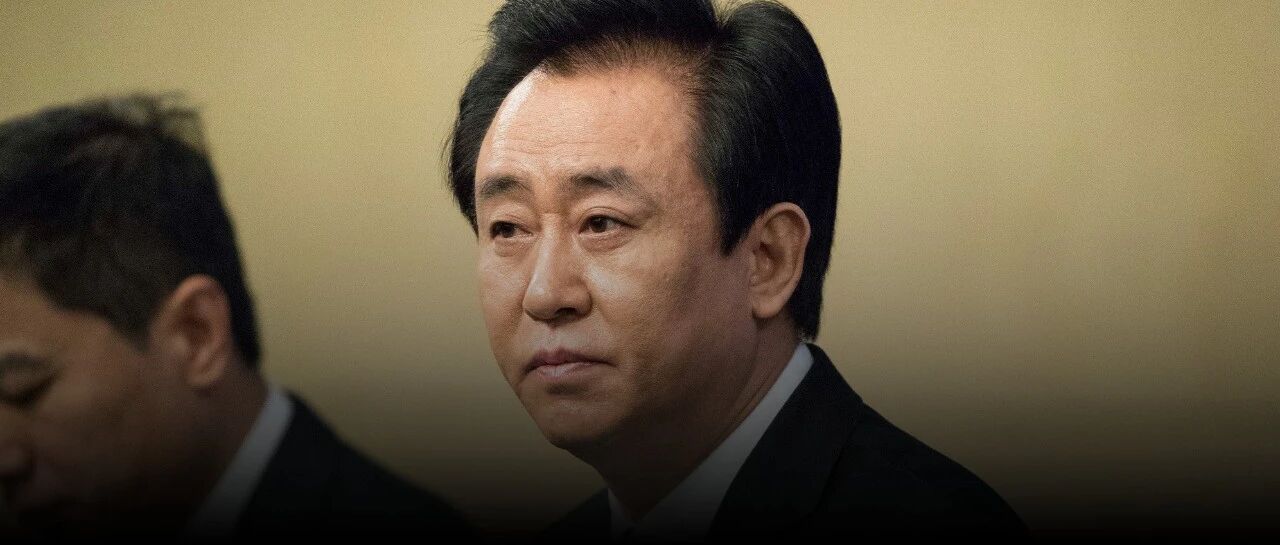
许家印的23亿美元,藏不住了
商业洞察· 2025-10-10 09:29
Core Viewpoint - The case of Xu Jiayin's family trust highlights the limitations of offshore trusts as a means of asset protection, demonstrating that legal frameworks prioritize creditor rights over perceived asset isolation strategies [3][6][8]. Group 1: Xu Jiayin's Family Trust Breach - Xu Jiayin established a family trust in the U.S. in 2019, funded by over 50 billion RMB in dividends from Evergrande, with a structure designed to ensure wealth transfer to his sons [5][9]. - The Hong Kong court ruled that the trust was not a legitimate asset protection mechanism due to Xu retaining control over key decisions, leading to the classification of the asset transfer as fraudulent [6][9]. - The court's decision was based on principles emphasizing substance over form, anti-fraud measures, and prioritizing creditor protection in debt crises [6][8]. Group 2: Global Asset Recovery Actions - Following the court ruling, a global asset recovery initiative was launched, freezing $7.7 billion in assets across 12 countries, including luxury properties and yachts [11][13]. - The liquidators filed a request in a U.S. court to annul the $2.3 billion family trust based on fraudulent transfer claims, which could challenge the trust's validity under U.S. law [13][14]. - The outcome of the U.S. court's recognition of the Hong Kong ruling will significantly impact the trust's status, with potential implications for Xu's ex-wife, who is also involved in legal disputes over asset division [14][15].
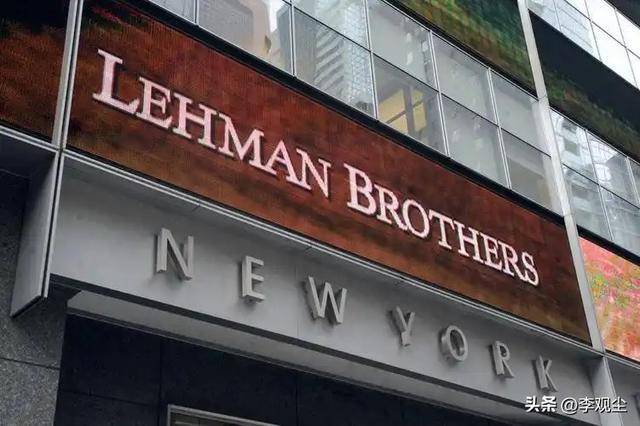
08年撕裂全球市场的48小时!美国两大巨头“一死一活”,早有预兆
Sou Hu Cai Jing· 2025-10-06 09:49
Core Insights - The contrasting fates of Lehman Brothers and AIG during the 2008 financial crisis highlight the critical decisions made in times of crisis and the common pitfalls that lead companies into trouble [2] Group 1: AIG's Rescue - AIG's rescue was met with strong public and political opposition, as the sentiment against Wall Street was at its peak, with the government stating it had no obligation to save speculators [5] - The decision to rescue AIG was driven by its systemic importance, as it was deeply integrated into the financial system, affecting around 74 million people through its insurance products and pension management [5] - The rescue process faced significant challenges, with AIG's funding gap expanding to nearly $100 billion within days, far exceeding its collateral value, leading the Federal Reserve to inject capital through a combination of preferred stock purchases and loans [7] Group 2: AIG's Downfall - AIG's downfall stemmed from breaking its own "safety boundaries," as it shifted focus from its core insurance business to high-yield derivative products, undermining its long-term stability [9] - The company sold a large volume of credit default swaps (CDS) without adequate reserves, exposing itself to high leverage and significant risk [10] - AIG failed to thoroughly analyze the underlying assets of the collateralized debt obligations (CDOs) it guaranteed, leading to a cash flow crisis when mortgage defaults rose, resulting in a vicious cycle of credit downgrades and collateral demands [12] Group 3: Lessons on Risk Management - AIG's experience illustrates three common risk traps: treating credit ratings as risk-free leverage, as seen in both AIG and Evergrande, which ultimately led to credit collapses [15] - Cross-industry ventures should be extensions of existing capabilities rather than starting from scratch, as AIG's foray into the unfamiliar CDS market demonstrated significant operational risks [17] - Relying on historical data to predict future risks can be dangerous, as AIG's use of past stock market crash models for new subprime products showed a failure to account for uncertainty and "black swan" events [17] Conclusion - The rise and fall of AIG transcends a single event, serving as a classic case study on risk and decision-making, emphasizing the importance of adhering to core competencies, valuing credit, and allowing for future uncertainties [19]