蔚来EC6

Search documents
汽车消费购租两旺 新能源车成增长引擎
Bei Jing Shang Bao· 2026-02-24 02:23
Core Insights - The domestic automotive market is experiencing a dual surge in consumption and travel during the Spring Festival, driven by a new round of national subsidies and a multi-layered discount system [1][2] - New energy vehicles (NEVs) are becoming the primary growth engine for the automotive industry, with a significant increase in rental orders, which have surpassed 40% for the first time [1][4] - The automotive market is expected to enter a phase of stable growth and structural optimization, with a focus on technology-driven competition rather than price wars [6][7] Automotive Consumption and Subsidies - The overall customer traffic in automotive sales has significantly increased during the Spring Festival, aided by national and regional subsidies [2] - The new round of vehicle trade-in subsidies allows for up to 20,000 yuan for scrapping old vehicles when purchasing new energy passenger cars, contributing to over 1,005 billion yuan in new car sales [2] - Beijing has announced an increase of 80,000 new energy vehicle indicators for 2026, further stimulating consumer demand [3] Rental Market Growth - The rental market for new energy vehicles has seen a historical peak during the Spring Festival, with a 600% year-on-year increase in bookings, accounting for 42.3% of total rentals [4] - Young consumers, particularly those born after 2000, are becoming the main force in the rental market, with a 63% increase in orders [4] Charging Infrastructure and Usage - The average daily charging volume during the Spring Festival reached 11.8 million kilowatt-hours, a 63.05% increase year-on-year, indicating robust support for green travel [5] Industry Trends and Future Outlook - The penetration rate of new energy vehicles is steadily increasing, with expectations for it to reach approximately 54.68% this year [6] - The automotive market is transitioning from policy-driven growth to product-driven growth, with a focus on meeting family needs and enhancing product capabilities [6][7] - The competitive landscape is shifting towards technology upgrades and service quality, with an emphasis on building a comprehensive travel support system [7]
汽车消费购租两旺
Bei Jing Shang Bao· 2026-02-23 16:20
Group 1: Market Dynamics - The domestic automotive consumption and travel market experienced a significant surge during the Spring Festival, driven by a multi-layered subsidy system including national, regional, and manufacturer incentives [1][3] - The new round of vehicle trade-in subsidies has been implemented, allowing for substantial discounts on new energy vehicles, which has led to a notable increase in consumer inquiries and test drives [3][4] - As of February 19, 2023, the nationwide vehicle trade-in program resulted in 612,000 vehicles being traded in, generating over 100.5 billion yuan in new car sales [3] Group 2: Consumer Behavior - Consumers are increasingly focused on intelligent driving configurations and battery life, alongside price discounts, when considering new energy vehicles [5] - The "00s" generation has emerged as the primary demographic for car rentals, with a 63% increase in orders, reflecting a growing demand for personalized and technologically advanced vehicles [6] Group 3: Rental Market Growth - The rental market for new energy vehicles saw a historic high during the Spring Festival, with a sixfold increase in bookings compared to the previous year, accounting for 42.3% of total rental orders [6] - The improvement of charging infrastructure has facilitated the adoption of new energy vehicles in various travel scenarios, including long-distance trips to scenic destinations [6][7] Group 4: Industry Trends - The penetration rate of new energy vehicles in China is steadily increasing, with sales reaching 47.9% of total new car sales last year, and an expected rise to approximately 54.68% this year [8] - The automotive market is transitioning towards high-quality development, with new energy vehicles becoming the primary growth driver, shifting the competitive focus from price wars to value differentiation [9] - Companies are expected to enhance their investments in infrastructure and service quality to attract consumers, as the importance of price competition diminishes [9]

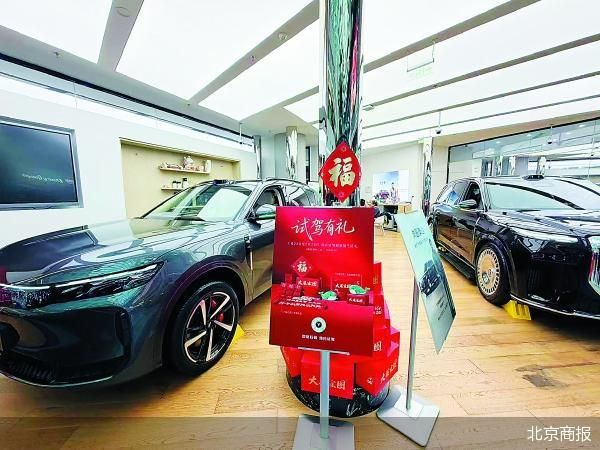
春节车市“购”“租”两旺:以旧换新超61万辆,新能源租车首破四成
Bei Jing Shang Bao· 2026-02-23 11:45
Core Insights - The Chinese automotive market experienced a significant surge in consumer demand during the Spring Festival, driven by a combination of national, regional, and manufacturer subsidies, creating a multi-layered incentive system for car purchases [1][3][4] - The rental market for electric vehicles (EVs) also saw explosive growth, with orders increasing sixfold, marking a notable shift in consumer preferences towards EVs during the holiday period [7][10] Group 1: Automotive Market Dynamics - The new round of vehicle trade-in subsidies has been implemented, allowing consumers to receive up to 20,000 yuan for purchasing new energy vehicles when trading in old cars [3] - As of February 19, 2026, a total of 612,000 vehicles have been traded in under the new policy, generating over 100.5 billion yuan in new car sales [3] - The overall customer traffic in dealerships increased significantly during the Spring Festival, with sales personnel reporting a daily influx of seven to eight inquiries [3][5] Group 2: Electric Vehicle Rental Market - The proportion of EVs in rental bookings reached 42.3%, a historic high, with significant demand from younger consumers, particularly those born after 2000 [7][10] - The rental market was bolstered by favorable conditions such as free highway travel and the popularity of combined travel modes like "plane/train + rental car" [7] - The charging infrastructure has improved, facilitating the use of EVs even in remote areas, which has contributed to the rising popularity of electric rentals [7][8] Group 3: Industry Trends and Future Outlook - The penetration rate of new energy vehicles is expected to reach approximately 54.68% by 2026, indicating a strong upward trend in EV adoption [10] - The automotive industry is transitioning from a policy-driven market to one focused on product capabilities, with rental scenarios and lower-tier markets becoming key growth drivers [10][11] - The competitive landscape is shifting from price wars to value wars, with advanced driving capabilities becoming a core differentiator for products [11]
开年就迎“大逆转”:小米反超零跑,蔚来快追平理想,新造车1月环比暴跌
3 6 Ke· 2026-02-02 13:02
Core Insights - The automotive industry faced a significant downturn at the beginning of 2026, with many companies reporting disappointing sales figures compared to December 2025, despite some year-on-year growth due to low bases from the previous year [1][4][6] - The market is experiencing a reshuffling, with new entrants like AITO and Xiaomi gaining traction while established players like Li Auto and Xpeng are struggling [3][12][20] Group 1: Market Performance - January 2026 saw a 28% year-on-year decline in retail sales of passenger vehicles, with a 37% drop compared to December 2025 [6] - The new energy vehicle (NEV) market specifically experienced a 16% year-on-year decline and a 52% month-on-month decline [6] - AITO led the new energy vehicle segment with a delivery of 40,016 units, marking a significant year-on-year increase of 83% [13] Group 2: Company-Specific Performance - Xiaomi and AITO both reported over 39,000 units delivered in January, while Li Auto and Xpeng fell below the 30,000 mark [3][15] - Li Auto's deliveries were 27,668 units, showing a 37% month-on-month decline and an 8% year-on-year decline due to battery supply issues [20][22] - NIO delivered 27,182 units, a 96.1% year-on-year increase but a 43% month-on-month decline, with the new ES8 model being a key contributor [22][23] Group 3: Competitive Strategies - Companies are responding to market pressures by adjusting pricing strategies, with BMW reducing prices on 31 models and some brands offering zero-interest loans [6][7] - AITO and Xiaomi are launching new financial purchase plans to stimulate sales, including low-interest financing options [11][23] - The competitive landscape is intensifying, with companies like Geely and BYD also adjusting their strategies to maintain market share [26][28] Group 4: Traditional Automakers - Geely emerged as the top-selling automaker in January 2026 with 270,000 units sold, surpassing BYD's 210,000 units [26][28] - BYD's sales dropped by 30.11% year-on-year, with a significant 50.04% decline from December 2025 [28][30] - Chery and Great Wall Motors also reported declines, with Chery's sales at 200,269 units and Great Wall's at 90,312 units, reflecting broader market challenges [33][35]





车企一月成绩单出炉;小米否认与福特探索成立电车合资企业丨汽车交通日报
创业邦· 2026-02-01 10:09
Group 1 - The core viewpoint of the article highlights the performance of various automotive companies in January, with significant delivery numbers and growth rates reported for several brands [2][3]. Group 2 - Xiaomi's automotive deliveries exceeded 39,000 units in January 2026 [3]. - Li Auto delivered 27,668 vehicles in January 2026 [3]. - Leap Motor achieved total deliveries of 32,059 units in January, marking a 27% year-on-year increase [3]. - Aito's deliveries reached 40,016 units in January, reflecting an 83% year-on-year growth [3]. - Lantu delivered 10,515 units in January 2026, showing a 31% increase [3]. - GAC Toyota's sales in January amounted to 63,648 units [3]. - GAC Trumpchi's terminal sales in January were 26,937 units, with a year-on-year growth of 2.06% [3]. - Great Wall Motors reported total sales of 90,312 units in January 2026, a year-on-year increase of 11.59% [3]. - Geely's brand, Extreme Stone, achieved cumulative deliveries of 1,028 units in January, nearly doubling year-on-year [3].

蔚小理等9家车企推“7年低息”
新华网财经· 2026-02-01 08:07
Group 1 - NIO launched a limited-time financial car purchase plan on February 1, allowing customers who order the ET5, ET5T, ES6, and EC6 models to enjoy a 7-year, 84-installment plan with a down payment as low as 20% and an annual interest rate starting at 0.49% [3] - Currently, a total of 9 car manufacturers, including Tesla, Xiaopeng, Li Auto, Xiaomi, and Geely, have introduced low-interest financial car purchase plans, with some offering plans with a 0 down payment option [3]
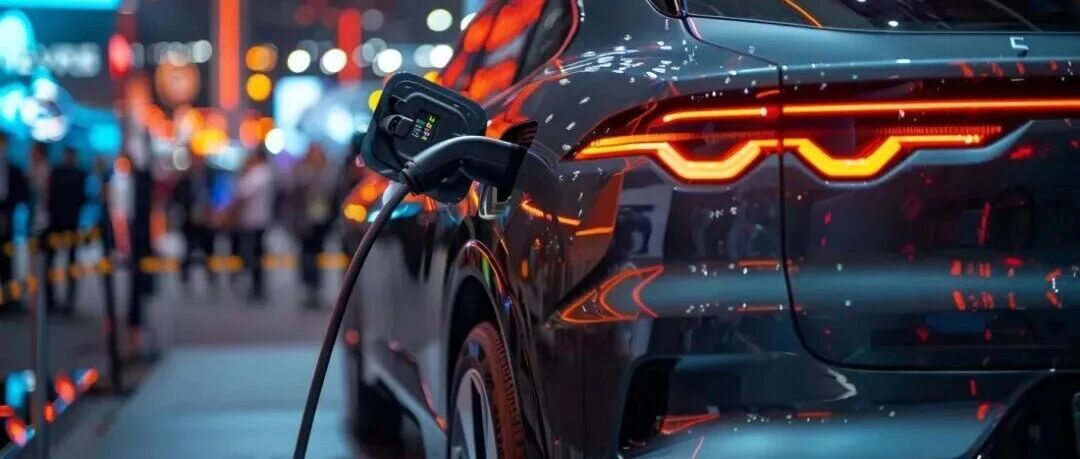
蔚来推2月限时购车方案,首付20%年化费率0.49%
Cai Jing Wang· 2026-02-01 07:41
Core Viewpoint - NIO has launched a limited-time financial car purchase plan with low down payment and interest rates, aiming to attract more customers in a competitive market [1] Group 1: NIO's Financial Offer - NIO's new financial plan allows customers to make a down payment as low as 20% and offers an annual interest rate starting at 0.49% [1] - The plan is available for the purchase of NIO models including ET5, ET5T, ES6, and EC6, with a financing term of 7 years and 84 installments [1] Group 2: Industry Context - A total of 9 automotive companies, including Tesla, Xpeng, Li Auto, Xiaomi, and Geely, have introduced similar low-interest financing options, with some offering plans with 0% down payment [1]
蔚小理等9家车企推“7年低息”
第一财经· 2026-02-01 05:21
Group 1 - NIO launched a limited-time financial car purchase plan for February, allowing customers who order the ET5, ET5T, ES6, and EC6 models to enjoy a 7-year, 84-installment plan with a down payment as low as 20% and an annual interest rate starting at 0.49% [3] - Currently, a total of 9 car manufacturers, including Tesla, Xiaopeng, Li Auto, Xiaomi, and Geely, have introduced low-interest financial car purchase plans, with some offering plans with a 0 down payment option [3]
蔚小理等9家车企推“7年低息”
Di Yi Cai Jing· 2026-02-01 04:53
Group 1 - NIO launched a limited-time financial car purchase plan in February, offering a 7-year, 84-installment financing option with a down payment as low as 20% and an annual interest rate starting at 0.49% [1] - Currently, a total of 9 automotive companies, including Tesla, Xiaopeng, Li Auto, Xiaomi, and Geely, have introduced low-interest financing plans, with some options featuring a 0 down payment [1]
对话张楚:AI现在还是水浅王八多,但我想用它做部动画片
虎嗅APP· 2026-01-20 13:20
Group 1 - The article discusses the evolution of music creation in the AI era, highlighting the limitations of current AI tools in producing high-quality music compared to human creativity [4][7][20]. - Zhang Chu, a musician, expresses dissatisfaction with AI-generated music, describing it as "second-rate" and lacking the depth and complexity found in human compositions [13][17][20]. - The conversation emphasizes the importance of personal experience and emotional depth in music, which AI fails to replicate, leading to a homogenized output that lacks individuality [24][26][27]. Group 2 - Zhang Chu plans to create an animated film, aiming to explore themes of existential loneliness and the relationship between individuals and the universe, which he believes cannot be fully expressed through music alone [65][66][67]. - He appreciates the structured storytelling found in European animation, contrasting it with the emotional-driven narratives often seen in other cultures [65][66]. - The article concludes with Zhang Chu's positive experience using AI animation tools, indicating a potential shift in his creative process [71].