
比亚迪股份有限公司

Search documents
珠海冠宇: 珠海冠宇电池股份有限公司相关债券2025年跟踪评级报告
Zheng Quan Zhi Xing· 2025-06-27 16:31
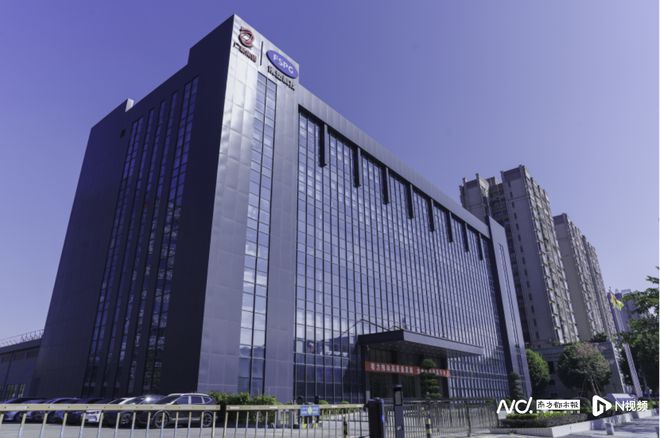
Core Viewpoint - Zhuhai Guanyu Battery Co., Ltd. maintains a stable credit rating of AA, reflecting its leading position in the consumer lithium battery sector and strong cash flow, despite facing challenges such as high customer concentration and declining prices in the lithium battery supply chain [1][2][3]. Company Overview - Zhuhai Guanyu is a major supplier in the consumer lithium battery market, ranking first in notebook battery shipments and second in tablet battery shipments globally in 2024 [1][2][11]. - The company has established stable relationships with high-quality clients, including HP, Lenovo, Apple, and Xiaomi, with significant orders from strategic customers in 2024 [1][2][11]. - The company reported a net profit of -0.57 billion in Q1 2025, down from 2.87 billion in 2024, indicating performance pressure [1][2]. Financial Performance - Total assets as of March 2025 were 212.22 billion, with total liabilities at 76.93 billion and equity at 73.98 billion [1][2]. - Operating income for 2024 was 24.98 billion, a decrease from 115.41 billion in 2023, while net profit showed a decline [1][2]. - The company’s cash flow from operating activities remained strong, with a net inflow of 5.07 billion in Q1 2025 [1][2]. Market Environment - The lithium battery industry is experiencing rapid growth, with consumer battery production expected to increase significantly due to recovering demand in the electronics sector [6][7]. - The global market for electric vehicles is also growing, with 12.87 million units sold in China in 2024, reflecting a 35.5% year-on-year increase [8][9]. - The company faces challenges from increased competition and price volatility in the lithium battery supply chain, which could impact profitability [9][10]. Risks and Challenges - High customer concentration poses a risk, as the top five customers accounted for 52.29% of total sales in 2024 [1][2][13]. - The company’s export revenue is significantly affected by changes in tax policies, with the export tax rebate rate reduced from 13% to 9% in December 2024 [1][2][10]. - The ongoing price decline in the lithium battery supply chain may lead to inventory impairment risks and pressure on profit margins [1][2][9]. Future Outlook - The company is expected to maintain a stable credit outlook, supported by its market share and customer base in the consumer lithium battery sector [2][3]. - Continued investment in production capacity and technology is necessary to adapt to industry standards and maintain competitiveness [9][10][14]. - The company is actively expanding its overseas production capacity to mitigate risks associated with domestic market fluctuations and trade policies [1][2][10].


一扎根佛山的制造业上市公司资本运作迎来关键进展
Nan Fang Du Shi Bao· 2025-06-20 00:23
Group 1 - The core announcement is that Foshan Plastics Technology Group Co., Ltd. has received acceptance from the Shenzhen Stock Exchange for its application to issue shares and pay cash to acquire assets, marking the beginning of substantive review for a total transaction value of 5.08 billion yuan [1][3] - The company plans to acquire 100% equity of Jinli Co., Ltd. through a combination of share issuance and cash payment, with a transaction price of 5.08 billion yuan, while raising no more than 1 billion yuan in supporting funds from its controlling shareholder, Guangdong Guangxin Holdings Group [3] - Foshan Plastics has been focusing on the research and production of polymer functional films and composite materials, while Jinli Co., Ltd. specializes in the lithium battery wet separator field, positioning both companies within the polymer film materials industry [3] Group 2 - Jinli Co., Ltd. is a leading player in the domestic lithium battery wet separator market, holding an 18% market share in 2024, ranking second in the industry [3] - The core product of Jinli Co., Ltd., the 5-micron ultra-thin separator, has the highest global shipment volume, with clients including top battery manufacturers such as CATL, BYD, and LG Chem [3] - In the first quarter of 2025, Jinli Co., Ltd. reported a significant recovery in performance, achieving separator sales exceeding 900 million square meters, a year-on-year increase of 125%, and a net profit of 40.88 million yuan [3]
深圳坪山多家企业荣获第二十五届中国专利奖
Zhong Guo Zhi Liang Xin Wen Wang· 2025-06-14 14:13
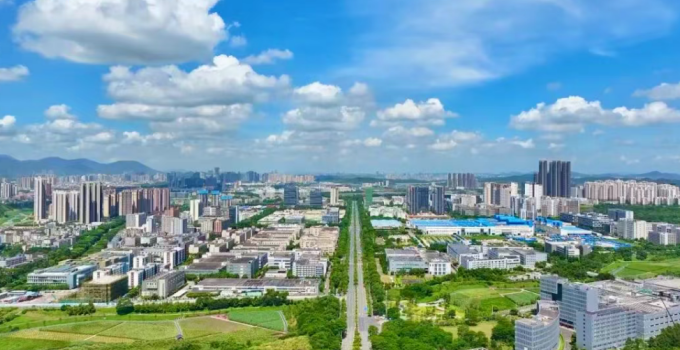
Group 1: Patent Awards and Innovations - BYD, along with several other companies from Shenzhen Pingshan, received various awards at the 25th China Patent Awards, with BYD winning a gold award in both patent and design categories [1] - Pingshan enterprises, led by BYD, have demonstrated strong innovation capabilities and intellectual property management, particularly in high-value patent creation [3] - The total number of patents authorized in Pingshan exceeded 11,000 in 2024, with over 25% being invention patents, and a year-on-year growth of 24.03% in effective invention patents [3] Group 2: Industry Growth and Strategic Initiatives - Pingshan District has implemented a strategy focused on innovation-driven development and strong intellectual property protection, leading to significant growth in PCT international patent applications, which reached 1,010 in 2024, a 60.06% increase [3] - The establishment of various intellectual property protection workstations aims to reduce patent operation costs and accelerate the transformation of technological achievements [4] - The district's knowledge property pledge financing registration amount reached 2.3 billion yuan in 2024, nearly tripling year-on-year [3] Group 3: Company Profiles - BYD, founded in 1995 and listed in 2002, is a leading player in the electric vehicle market, having sold over 4.25 million vehicles annually, making it the global sales champion [4] - Shenzhen Lianying Laser Co., Ltd. specializes in precision laser welding equipment and is a leading brand in the new energy sector [5] - Fuman Microelectronics Group Co., Ltd. integrates R&D, packaging, testing, and sales in the integrated circuit field, with a global presence in over 20 countries [5] - Shenzhen Xinzhoubang Technology Co., Ltd. focuses on electronic chemicals and functional materials, serving various industries including new energy and consumer electronics [6] - Shenzhen Bangjian Biomedical Equipment Co., Ltd. is a high-tech enterprise specializing in cardiac electrophysiology medical devices, with products sold globally [6] - Shenzhen Mannester Technology Co., Ltd. has broken foreign technology monopolies in coating technology and is expanding into new fields such as hydrogen fuel cells and semiconductor applications [7]
宁德时代港股上市,续写新的传奇
Sou Hu Cai Jing· 2025-06-07 12:25
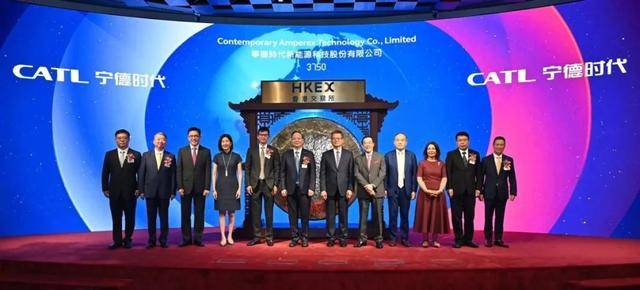
Core Viewpoint - CATL's debut on the Hong Kong Stock Exchange with a first-day increase of 16.43% has injected confidence into the capital market, marking a record for Chinese companies going public in Hong Kong and achieving an 18% premium over A-shares, which is unprecedented in domestic stock trading history [1][3]. Group 1: Listing and Market Performance - CATL's stock price rose nearly 30% by May 21, 2023, surpassing A-share prices, becoming the third H-share company to do so after BYD and China Merchants Bank [1]. - The premium rate of 18% for CATL's H-shares compared to A-shares is significantly higher than that of BYD (4.83%) and China Merchants Bank (2.6%) [3]. Group 2: Financial Performance and Global Strategy - In Q1 2025, CATL reported revenue of 847 billion RMB and a net profit exceeding 139 billion RMB, with a year-on-year growth of over 30% [4]. - The company aims to use 90% of the funds raised from the IPO for the construction of its projects in Hungary, enhancing local supply capabilities and solidifying its global leadership in the new energy sector [5]. Group 3: European Expansion and Production Facilities - CATL's choice to establish a factory in Hungary is driven by its central location in Europe, allowing rapid response to major automotive clients and benefiting from a mature local supply chain [7]. - The company has already set up three production bases in Europe, with the German factory operational and profitable, while the Hungarian factory is expected to commence production within the year [7]. Group 4: Market Position and Competition - CATL's market share in domestic battery installations has decreased from a peak of 52.1% in 2021 to 44.5% in 2023, indicating increasing competition from new entrants like BYD and others [10]. - The company's overseas revenue has grown from 4.37% in 2019 to 30.48% in 2024, reflecting its strategic shift towards international markets [11]. Group 5: Technological Advancements and Product Development - CATL has developed a comprehensive product matrix, including innovations like the Kirin battery and sodium-ion batteries, addressing various market needs [12][13]. - The company is also promoting battery swapping technology and aims to establish a nationwide network for heavy-duty vehicles by 2030 [12]. Group 6: Commitment to Sustainability - CATL is positioning itself as a zero-carbon technology company, with plans to convert all its factories into "zero-carbon factories" and to provide integrated zero-carbon solutions [14]. - The company has achieved high MSCI ESG ratings and is actively involved in promoting responsible consumption through initiatives like the "battery passport" standardization [13][14].

中国电池及材料:6 月生产计划表现好于预期;政策不确定性下能见度仍低
2025-06-02 15:44
Summary of Key Points from the Conference Call Industry Overview - The conference call primarily discusses the **China Battery & Materials** industry, focusing on production trends and market dynamics for electric vehicle (EV) batteries and energy storage systems (ESS) [2][22]. Core Insights and Arguments - **Production Plans**: June production plans for battery makers are better than expected, with a **2% month-over-month (m/m)** increase, leading to over **40% year-over-year (YoY)** growth in Q2 2025 [5][19]. - **Demand Drivers**: - Strong demand for electric vehicles in China, which has increased by over **40% in the first five months of 2025**. - Exports to the EU have also risen by **25% in the first four months of 2025** [5][19]. - ESS demand is robust across all regions, including the US, EU, and China [5]. - **Production Growth**: The top six Chinese battery manufacturers are planning nearly **60% growth in production** for the first half of 2025, which is double the growth rate of approximately **30% YoY** seen in the first half of 2024 [5]. - **Policy Impact**: The removal of the mandatory ESS attachment policy effective from June 1, 2025, has not negatively impacted shipments, possibly due to rush installations at solar farms [5]. - **Tariff Negotiations**: Upcoming expiration of reciprocal tariff negotiations in July introduces policy uncertainties that could affect the market [5]. - **Battery Types**: - Lithium Iron Phosphate (LFP) batteries are experiencing a growth rate of nearly **70% YoY** in the first half of 2025, which is double that of Nickel Cobalt Manganese (NCM) batteries at approximately **30% YoY** [5]. - Production volumes for both LFP and NCM cathodes are expected to see sequential growth in June 2025 [5]. - **Lithium Production**: Despite low prices, lithium carbonate production in China is expected to increase by **2% m/m** in June due to the resumption of suspended production lines [5]. - **Battery Prices**: Prices for batteries have remained stable in Q2 2025, following single-digit price cuts in Q1 2025. Most battery materials have seen single-digit price declines, with lithium carbonate and LiPF6 prices dropping by approximately **16-17%** [5]. Additional Important Insights - **Sales Trends**: NEV sales in April 2025 were down **2% m/m**, but are expected to rise by **5% m/m** in May 2025 [6]. - **Production Trends**: The production of batteries typically leads NEV installations and shipments by one to two months [11]. - **Regional Penetration**: The penetration of EVs and PHEVs in China reached **52%** in recent months, indicating strong market adoption [13][15]. - **Future Outlook**: The overall sentiment remains cautious due to macroeconomic and policy uncertainties, particularly regarding potential price hikes in battery materials [5]. This summary encapsulates the key points discussed in the conference call, providing insights into the current state and future outlook of the China Battery & Materials industry.
富士康:已推出全方位机器人生产平台,在智能化制造领域迈出重要一步【附智能制造行业市场分析】
Qian Zhan Wang· 2025-05-30 04:00
Group 1 - Foxconn's chairman Liu Yangwei announced the successful establishment of a comprehensive robot production platform, marking a significant step in smart manufacturing and enhancing Foxconn's leading position in the global electronics manufacturing industry [2] - The smart manufacturing industry is a key direction for the transformation and upgrading of global manufacturing, integrating advanced technologies such as artificial intelligence, IoT, big data, and cloud computing with traditional manufacturing [2] - Smart manufacturing aims to achieve high levels of automation, precision, and efficiency in production processes, optimizing production flows, improving product quality, and reducing costs through real-time data analysis and AI algorithms [2] Group 2 - The 2023 China Digitalization Conference and the Global Business Intelligence Forum by Lyon Business School released the "2023 China Smart Manufacturing Top 100 List," with Haier, BYD, and Fuyao Glass ranking in the top three [3] - Haier and BYD are tied for first place, Fuyao Glass is third, Huawei is fourth, and Foxconn is fifth in the rankings [4] - The top ten companies are primarily from the computer, communication, and other electronic equipment manufacturing industries, followed by transportation equipment and automotive manufacturing sectors [4] Group 3 - The establishment of Foxconn's robot production platform reflects the broader trend of smart manufacturing development in China, with more companies investing in technology innovation to elevate manufacturing standards [6] - Experts emphasize the need for macro-level support and technological innovation to advance embodied intelligence in various fields, focusing on key technology research and resource optimization [6] - The core technology system of smart manufacturing consists of intelligent manufacturing equipment, software, and cyber-physical systems, forming a closed loop of data flow for decision-making and execution [7]

起诉宁德时代追讨6000万,瀚川智能营收大降去年亏11亿
Nan Fang Du Shi Bao· 2025-05-26 13:46
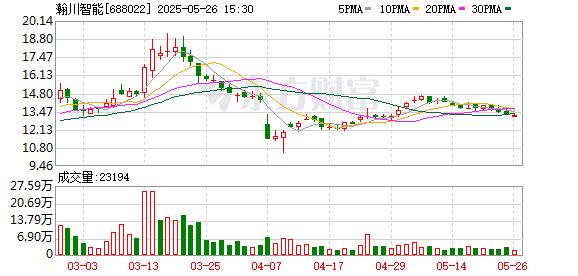
Core Viewpoint - Suzhou Hanchuan Intelligent Technology Co., Ltd. has filed four lawsuits against CATL and its subsidiaries for a total amount of approximately 60.88 million yuan due to delayed payments for battery swap station equipment, which constitutes a serious breach of contract [2][4][5]. Summary by Relevant Sections Legal Actions - Hanchuan Intelligent has initiated four lawsuits against CATL and its subsidiaries, including Times Electric Service Technology Co., Ltd. and Times Qiji Digital Technology (Shanghai) Co., Ltd., with a total claim of about 60.88 million yuan [4][5]. - The disputes include arbitration for 8.77 million yuan related to contracts signed in November 2021 and December 2022, where CATL has only paid 77.97 million yuan of the total 101.7 million yuan owed [5][8]. Financial Performance - Hanchuan Intelligent's financial performance has been declining, with a reported revenue of approximately 474 million yuan in 2024, a decrease of 64.61% year-on-year, and a net loss of 1.1 billion yuan, down 1204.76% from the previous year [8][9]. - The company reported a net cash flow of -189 million yuan, an improvement of 41.89% compared to the previous year [8]. Accounts Receivable - As of the end of last year, Hanchuan Intelligent's accounts receivable amounted to 365 million yuan, representing 21.73% of its current assets, with CATL being the second-largest debtor at approximately 59.26 million yuan, accounting for 11.28% of total receivables [10][11]. - The company has established a collection team to address overdue accounts and has taken legal action against clients with significant overdue payments [8][10].

研判2025!中国国家大学科技园行业园区数量、孵化企业数量及重点园区情况分析:央地协同,优化创新创业生态[图]
Chan Ye Xin Xi Wang· 2025-04-28 01:33
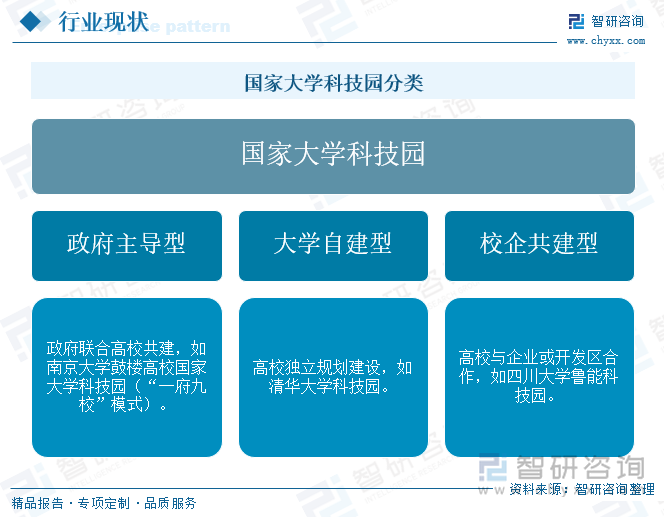
内容概况:中国国家大学科技园经过多年发展,已形成覆盖全国的科技创新网络,成为连接高校与产业 的关键纽带。2023年,中国国家大学科技园园区数量为139个,场地面积达614.6万平方米,覆盖全国30 个省级行政区(除西藏外)。从区域分布来看,国家大学科技园呈现出"广泛分布,局部集聚"的态势。 东部地区数量最多,占比55%,西部地区占比19%,其余区域占比均在15%以下。其中,江苏、北京、 上海三地分别拥有20家、16家和14家,三地数量占全国总数的35.97%,形成了东部强省引领、全域协 同的布局。各地政府对国家大学科技园的支持力度不断加大,政策协同深化。例如,北京、苏州等地通 过提供房租补贴、运行费用支持等,降低企业运营成本,激发创新创业活力。江苏、浙江等省积极探 索"投孵联动"模式,强化金融赋能,提升对初创企业的投融资支持力度。这些政策举措不仅优化了国家 大学科技园的发展环境,也为高校科技成果转化和创新创业提供了有力保障。 相关上市企业:四维化工(800736)、中凯光电(300631)、斯瑞股份(688102)、东软集团 (600718) 关键词:国家大学科技园、国家大学科技园市场规模、国家大学科技园行业 ...

聚焦2025上海车展:海外客商组团“打卡” AI生态重构未来出行
Zheng Quan Ri Bao· 2025-04-27 16:38
Group 1: Event Overview - The 2025 Shanghai International Automobile Exhibition opened with the theme "Embrace Innovation, Win the Future," attracting nearly 1,000 exhibitors from 26 countries and regions, marking the largest scale in history [1][2] - The exhibition covers over 360,000 square meters, featuring more than 100 global debut models and hosting 193 press conferences, with an expected total visitor count of 1.3 million [1] Group 2: Industry Trends - The exhibition highlights the automotive industry's shift towards intelligent mobility, showcasing advancements in assisted driving and smart cockpit technologies that enhance consumer experiences [1][3] - Nearly 80% of the new vehicles unveiled are electric models, indicating car manufacturers' accurate predictions of market trends [3] Group 3: AI Integration - AI technology is deeply integrated into the automotive industry, with significant applications in smart vehicles, as noted by industry leaders [3][4] - Companies like Xiaopeng Motors are developing AI systems that aim to surpass human capabilities in complex reasoning and driving assistance [5] Group 4: International Participation - The number of foreign visitors at the exhibition has significantly increased, with over 2,000 overseas business representatives attending on the first day [6] - Foreign automakers such as Volkswagen, Mercedes-Benz, and BMW are actively engaging in the Chinese market, emphasizing their commitment to innovation and local development [7][8] Group 5: Future Outlook - The exhibition is seen as a milestone for China's transition from a major automotive nation to a strong automotive power, providing a "Chinese solution" for global industry transformation [8]
造车路上技术控
Jing Ji Ri Bao· 2025-04-26 21:50
Core Viewpoint - BYD's chairman Wang Chuanfu emphasizes the importance of innovation and technology in driving the company's growth and adapting to new challenges in the market [1][10]. Group 1: Innovation and Technology - BYD's development philosophy is centered around "technology as king, innovation as fundamental," which has been a guiding principle since its inception [1]. - The company employs 120,000 R&D personnel, making it one of the car manufacturers with the largest R&D workforce globally [1]. - Wang Chuanfu's background in battery technology has significantly influenced BYD's focus on battery innovation, leading to breakthroughs in battery efficiency and capacity [1][2]. Group 2: Talent Acquisition and Investment - In 1997, BYD hired 13 master's and 6 doctoral graduates, which constituted nearly 50% of its management team, showcasing a strong commitment to talent acquisition [2]. - The company prioritized R&D investment over immediate improvements in working conditions, demonstrating a long-term vision for growth [2][3]. - BYD's unique approach combines skilled labor with engineering insights to produce high-quality rechargeable batteries, reflecting a "semi-automation + manual" production model [3]. Group 3: Business Expansion and Vertical Integration - After going public in Hong Kong in 2002, BYD expanded into the IT sector, particularly in mobile phone components, becoming a key partner for major domestic brands [4][5]. - The company's electronic manufacturing revenue grew from 167 million yuan in 2003 to 5.134 billion yuan in 2006, indicating a significant shift in its business model [6]. - BYD's vertical integration strategy has enhanced its competitive edge in the electronic manufacturing sector, allowing it to offer comprehensive product solutions [4][6]. Group 4: Entry into Automotive Industry - In 2003, BYD ventured into the automotive industry by acquiring Qin Chuan Automobile, despite skepticism from the market [8]. - The company recognized the potential of electric vehicles to reduce fuel consumption and saw significant growth opportunities in this sector [8][9]. - BYD launched the world's first commercially available plug-in hybrid vehicle in 2008, showcasing its commitment to innovation in the automotive space [9]. Group 5: Commitment to Sustainable Development - BYD has consistently focused on technological innovation in the electric vehicle sector, introducing significant advancements like the blade battery and DM-i hybrid technology [9][10]. - The company aims to promote green transportation solutions and continues to develop disruptive technologies to maintain its competitive advantage [10].