
HashKey Group

Search documents
Markets in Late-Cycle Phase, Not Recessionary: QCP
Yahoo Finance· 2025-11-20 10:39
Core Insights - The current behavior in global financial markets is characterized as a classic late-cycle phenomenon, rather than an indication of an imminent recession [1] - Bitcoin is currently trading around $91,750, showing attempts at recovery after a dip below $90,000, influenced by liquidity conditions and ETF outflows [2] - The recent asset corrections are attributed to tightening liquidity, changing policy expectations, and declining risk appetite, following excessive gains [3] Market Dynamics - The likelihood of a quarter-point rate cut has decreased significantly from over 60% to 32.8% within a week, indicating a shift in investor sentiment [4] - Duration-sensitive assets like Bitcoin have been adversely affected, while equities are showing resilience due to strong corporate earnings, particularly in AI sectors [5] - The current market environment is described as late-mid to early-late stage, with rising vulnerabilities and sensitivity to macroeconomic shocks, but without clear recession indicators [6] Bitcoin Outlook - Analysts suggest that Bitcoin is in a bottoming process, but a rapid recovery is not expected; instead, a weak rebound followed by a range-bound bottom formation is more likely [7] - The stabilization of macro liquidity is essential for a true trend reversal in Bitcoin's price trajectory [7]
日本长期债券遭抛售
第一财经· 2025-11-20 09:44
基准10年期日本国债收益率19日一度攀升0.04个百分点至1.78%,为2008年6月全球金融危机以来 的最高水平。20年期日本国债收益率升至2.795%,为1999年以来最高。30年期日本国债收益率盘 中甚至升至3.35%的历史新高。 2025.11. 20 本文字数:2516,阅读时长大约4分钟 作者 | 第一财经 后歆桐 封面图来源 | 新华社 随着日本政府公布1100亿美元规模的财政刺激计划,"高市交易"升级,日本长期债券遭抛售,10年 期日债收益率飙升至2008年金融危机以来最高水平,30年期日债收益率更创盘中历史新高。 这可能再次引发约20万亿美元的日元套利交易反转,威胁全球风险资产。 日本长债收益率升至数十年高位 分析师表示,推动日本国债收益率飙升的根本原因在于高市政府的财政刺激政策。18日,一个由与 高市关系密切的议员组成的日本执政党委员会小组提议编制一项超过25万亿日元(约合1610亿美 元)的补充预算,以资助高市计划推出的刺激方案。该提案称,政府"应当毫不犹豫地发行更多债 券",以资助在经济增长领域和危机管理方面的投资。该提议的金额将远远超过去年额外预算的13.9 万亿日元。一些日本官员随 ...


日本长期债券遭抛售,日元套利交易若反转,恐殃及全球流动性
Di Yi Cai Jing· 2025-11-20 09:33
Group 1 - The Japanese government has announced a $110 billion fiscal stimulus plan, leading to a sell-off of long-term Japanese bonds and a surge in yields, with the 10-year bond yield reaching its highest level since the 2008 financial crisis [1][4] - The proposed supplementary budget of over 25 trillion yen (approximately $161 billion) aims to fund the stimulus plan, significantly exceeding last year's additional budget of 13.9 trillion yen [4] - Analysts express concerns that the rising bond yields reflect a lack of confidence in Japan's sovereign debt sustainability, as the country's debt burden is about 250% of its GDP [5] Group 2 - The depreciation of the yen and rising bond yields may trigger a reversal of approximately $20 trillion in yen carry trades, posing a threat to global risk assets [3][7] - The yen has weakened against the dollar, falling below 155 yen for the first time since February, while the Nikkei 225 index experienced its largest single-day drop since April [5][6] - The Bank of Japan's potential delay in interest rate hikes, combined with fiscal expansion, could further pressure the yen and increase import costs, complicating the government's efforts to manage inflation [6][7] Group 3 - The rise in long-term Japanese bond yields could lead to forced liquidation of yen carry trades, which may impact global liquidity and risk assets [7][8] - Historical correlations suggest that unwinding yen carry trades could lead to declines in the S&P 500 and emerging market currencies, with potential drops of 1% to 3% in the latter within 30 days [8] - The tightening of liquidity may adversely affect all risk assets, including technology stocks and cryptocurrencies, as investors begin to hedge risks [8]
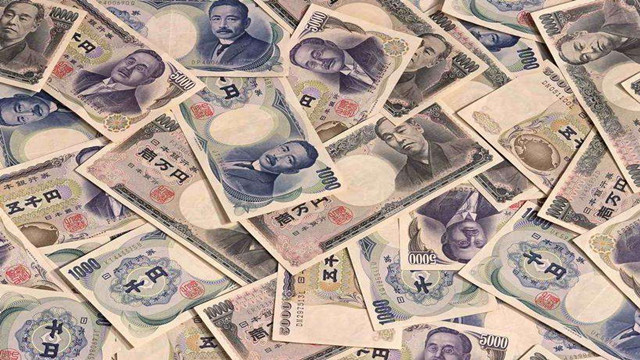
日本长期债券遭抛售!日元套利交易若反转,恐殃及全球流动性
Di Yi Cai Jing· 2025-11-20 09:07
Core Viewpoint - The announcement of a $110 billion fiscal stimulus plan by the Japanese government has led to a significant sell-off of long-term Japanese bonds, resulting in the highest yields since the 2008 financial crisis, which may trigger a reversal of approximately $20 trillion in yen carry trades, posing a threat to global risk assets [1][3][6]. Group 1: Japanese Bond Market Reaction - The 10-year Japanese government bond yield rose to 1.78%, the highest level since June 2008, while the 30-year yield reached a historic high of 3.35% [3]. - A proposal for a supplementary budget exceeding 25 trillion yen (approximately $161 billion) was made to fund the stimulus plan, indicating a willingness to issue more bonds [3]. - Analysts suggest that the market's reaction reflects a lack of confidence in Japan's sovereign debt sustainability, with the debt burden at about 250% of GDP [4]. Group 2: Economic Implications - Japan's GDP contracted by 0.4% quarter-on-quarter and 1.8% year-on-year, marking a return to negative growth since Q1 2024 [4]. - The depreciation of the yen against the dollar, which fell below 155 yen for the first time since February, has raised concerns about rising import costs [5]. - The Japanese government is facing pressure to balance fiscal expansion with the need to support the yen, as further depreciation could exacerbate inflationary pressures [5]. Group 3: Global Market Impact - The potential unwinding of yen carry trades could lead to a tightening of global liquidity and a sell-off in risk assets, with correlations observed between carry trade unwinding and declines in the S&P 500 [6][7]. - Emerging market currencies may experience a 1% to 3% decline within 30 days due to the unwinding of these trades, while U.S. Treasury yields could rise by 15 to 40 basis points [7]. - The tightening of liquidity is expected to impact all risk assets, particularly technology stocks and cryptocurrencies, as investors begin to hedge against risks [7].

HashKey研究院:比特币未有企稳趋势 美元流动性危机隐现
Zhi Tong Cai Jing· 2025-11-19 09:17
Core Viewpoint - Bitcoin has not shown signs of stabilization after dropping below $90,000, with a continuous decline from $120,000 attributed to an emerging dollar liquidity crisis [1][2] Group 1: Bitcoin Price and Market Dynamics - Bitcoin's price is viewed as a leading indicator of global dollar liquidity, with the Federal Reserve and the U.S. Treasury being central to this monetary circulation [1] - The primary reason for the recent decline in Bitcoin's price is the Federal Reserve's quantitative tightening (QT) policy, which is expected to extend until early December [1] - The U.S. government's shutdown has led to a significant increase in the TGA Cash account, further draining market liquidity [1] Group 2: Market Sentiment and External Factors - Secondary factors contributing to market confidence issues include the East Asian situation, high leverage in the crypto market, and expectations of a Federal Reserve rate cut in December [2] - The East Asian situation, particularly Japan's new prime minister's strong rhetoric, has introduced some instability in the financial market, but its impact on the digital currency market is limited [2] - The crypto market's leverage has decreased by nearly 45% in recent weeks, from $230 billion to $130 billion, indicating a clearing of excess leverage [2] Group 3: Future Outlook on Liquidity Crisis - Although a liquidity crisis has not fully materialized, the actions of the Federal Reserve and the U.S. Treasury will be crucial moving forward [2] - Key considerations include whether the Federal Reserve will continue to expand its asset reserves and if the Treasury's TGA account will maintain a stable decline [2] - Any stagnation in these "supply" mechanisms could potentially lead to a new round of liquidity crisis [2]
X @Wu Blockchain
Wu Blockchain· 2025-11-19 05:23
Exclusive: The US$1 billion Ethereum DAT proposed by leading Asian crypto investors has been shelved, and the committed capital has been returned. Multiple authoritative sources confirmed the development to WuBlockchain. https://t.co/qszUTBbW3NWu Blockchain (@WuBlockchain):According to Bloomberg, Huobi founder Li Lin is collaborating with Shen Bo (co-founder of Fenbushi Capital), Xiao Feng (CEO of HashKey Group), and Meitu founder Cai Wensheng, among other early Asian Ethereum supporters, to establish a new ...
传统金融和数字金融加速融合 HashKey联手上海商业银行推信用卡
Zheng Quan Shi Bao Wang· 2025-11-05 08:31
Core Insights - HashKey Group launched a one-stop service platform called HashKey Crypto-as-a-Service (CaaS) to lower the entry barriers for Web3 and connect traditional finance with digital finance [1] - The collaboration with Shanghai Commercial Bank aims to create a Visa credit card that integrates traditional regulated financial systems with compliant digital asset exchanges [2] Group 1 - The HashKey CaaS platform will leverage HashKey Chain and its core capabilities, including asset tokenization and institutional-grade custody, to help financial institutions efficiently enter the digital asset space [1] - The platform addresses challenges faced by traditional institutions, such as regulatory complexity and high technical barriers, by providing a systematic solution for seamless integration [1] Group 2 - The partnership with Shanghai Commercial Bank is not limited to the credit card; it aims to facilitate new paradigms in wealth management and settlement through digital assets [2] - A dual rewards program will be implemented for credit card holders, integrating digital asset services into everyday consumer spending [2] - The collaboration signifies a significant step towards the integration of traditional banking with the digital asset ecosystem within a regulatory framework [2]
HashKey推出CaaS服务:稳定币市场预计2028年市值达2.8万亿美元
智通财经网· 2025-11-04 08:45
Core Insights - The global crypto asset management scale (AUM) has surpassed $120 billion in 2024, with the stablecoin market projected to reach $2.8 trillion by 2028 and real-world asset (RWA) tokenization expected to hit $16 trillion by 2030 [1][2] - HashKey Group has launched a one-stop service platform called HashKey Crypto-as-a-Service (CaaS) aimed at lowering the entry barriers for Web3 and connecting traditional finance with digital finance [1][2] Group 1 - HashKey CaaS will leverage the group's focus on RWA and the financial blockchain HashKey Chain to integrate on-chain services, asset tokenization, liquidity, institutional-grade custody, and security systems [1] - The platform aims to help financial institutions establish digital asset operations with lower costs, shorter timelines, and higher efficiency [1] Group 2 - The CaaS service provides full lifecycle support from legal structure design, smart contract development, asset issuance, distribution, to ongoing management, significantly simplifying the on-chain deployment process [2] - HashKey Group has obtained digital asset licenses in key markets such as Singapore, Dubai, Japan, and Bermuda, with plans to expand into Europe and the UAE [1]
HashKey港股IPO,能复制Circle的9倍神话?
3 6 Ke· 2025-10-28 13:02
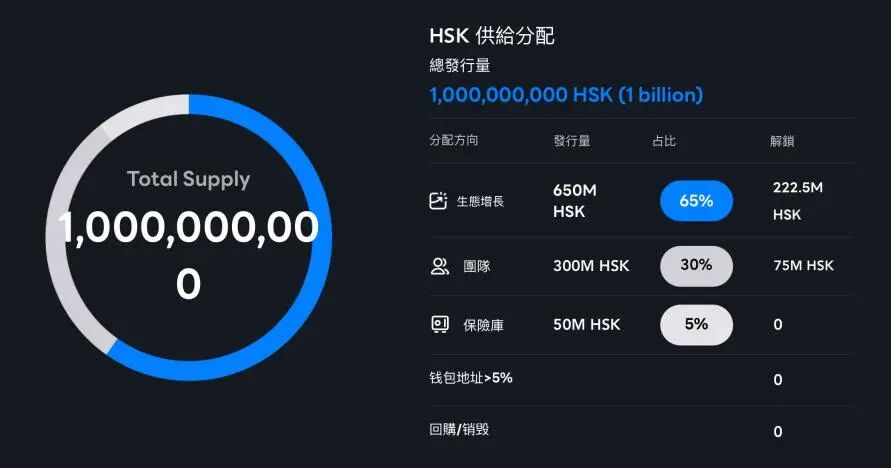
Core Viewpoint - HashKey Group has submitted a confidential IPO application to the Hong Kong Stock Exchange, potentially becoming the first compliant cryptocurrency exchange listed in Hong Kong, following OSL [1][10]. Company Overview - HashKey Group operates as a licensed cryptocurrency exchange in Hong Kong, with a comprehensive business model that includes cryptocurrency trading, Web3, tokenization, venture capital, asset management, and blockchain technology [5][8]. - The flagship business, HashKey Exchange, has received regulatory approval and holds multiple licenses under Hong Kong's Securities and Futures Ordinance [5][18]. Token Information - HashKey's platform token, HSK, has a total supply of 1 billion, with 65% allocated for ecosystem growth, 30% for team incentives, and 5% for reserves [2][4]. - HSK can only be used within the HashKey platform for service fees, community rewards, and various value-added services, distinguishing it from stablecoins which have broader utility [4][5]. Market Context - The cryptocurrency market is still in an expansion phase, with profitability challenges evident across the industry, as seen with OSL Group's ongoing losses despite revenue growth [12][16]. - HashKey's IPO attempt is set against a backdrop of increasing competition from integrated players like JD.com and Ant Group, which have established advantages in transaction volume and market demand [16][23]. Regulatory Environment - HashKey Exchange is positioned as the largest licensed cryptocurrency exchange in Hong Kong, benefiting from its compliance with strict regulatory requirements, which may attract traditional financial institutions [17][18]. - The high compliance costs associated with maintaining a licensed status could impact HashKey's profitability, as the operational costs are significantly elevated due to regulatory demands [20][23]. Future Prospects - HashKey's ability to balance short-term revenue with long-term investments will be crucial for its financial sustainability, especially given the volatility in cryptocurrency prices [16][23]. - The company's involvement in the virtual asset ETF market may provide additional revenue streams, leveraging its compliant status to bridge traditional and digital finance [22][23].
Huobi Founder Eyes $1,000,000,000 Ethereum Treasury Firm
Yahoo Finance· 2025-10-18 14:06
Core Insights - The establishment of a $1 billion Ethereum treasury is being pursued by Huobi founder Li Lin in collaboration with top Asian investors, marking a significant move in corporate accumulation trends [1][2] Group 1: Investment Strategy - Lin's family office aims to partner with notable investors such as Fenbushi Capital co-founder Shen Bo, HashKey Group CEO Xiao Feng, and Meitu founder Cai Wensheng to launch the treasury [2] - The group has already secured $1 billion in commitments for the Ethereum accumulation strategy, with $200 million contributed by Lin through Avenir Capital [3] - An additional $500 million has been pledged by various Asian institutional investors, including HongShan Capital Group, who view this initiative as a promising venture [4] Group 2: Market Context - BitMine Immersion Technologies currently holds the largest Ethereum treasury, with 1.52 million ETH valued at approximately $5.89 billion as of August 18 [5] - BitMine has recently acquired 202,037 ETH tokens, increasing its total holdings to over 3 million ETH, which constitutes 2.5% of the total Ethereum supply [6] - SharpLink Gaming is the second-largest holder of Ethereum, with its holdings growing from over 728,804 ETH to 840,124 ETH [6]