大疆

Search documents
消息称大疆“换壳”突围,Osmo Nano 变身 Xtra ATTO 布局北美
Xin Lang Cai Jing· 2026-01-21 10:30
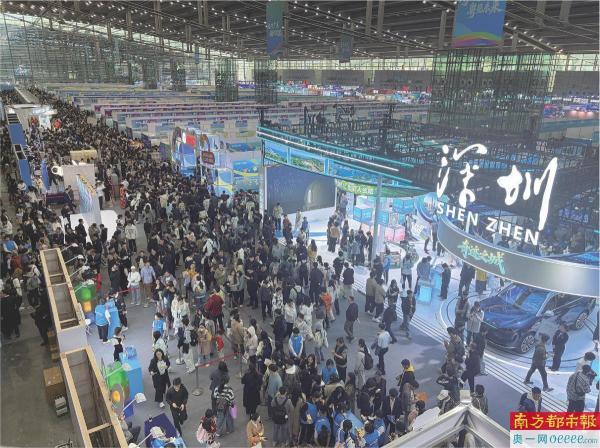
IT之家 1 月 21 日消息,科技媒体 thenewcamera 昨日(1 月 20 日)发布博文,报道称大疆为应对美国日益 严峻的关税与进口禁令,可能会采取"换壳"策略突围。 最新泄露的截图显示,名为 Xtra ATTO 的相机曾短暂现身于 Xtra Direct 商店,而这款设备实际上是 DJI Osmo Nano 的"换壳"版本(Rebranded Version)。 Xtra ATTO 被明确归类为 POV(第一人称视角)相机或穿戴式相机,直接面向内容创作市场。该设备设计 极其紧凑,重量控制在 150g 以内,契合创作者"随时随地"的拍摄需求。 从泄露的配件清单来看,它支持包括头戴式支架、相机保护壳及数字云台在内的多种模块化配件。这种设 计语言与大疆此前发布的 Nano 系列高度一致。 在核心规格方面,Xtra ATTO 预计将完整继承大疆 Nano 的强悍性能。该机将搭载一颗 1/1.3 英寸传感器, 支持录制 4K 60fps 的高清视频,配合三轴机械云台或 EIS 电子防抖技术,能确保在徒步、骑行等运动场景 下输出如磐石般稳定的画面。 此外,机身配备了 OLED 触摸屏,方便用户快速构图及切 ...

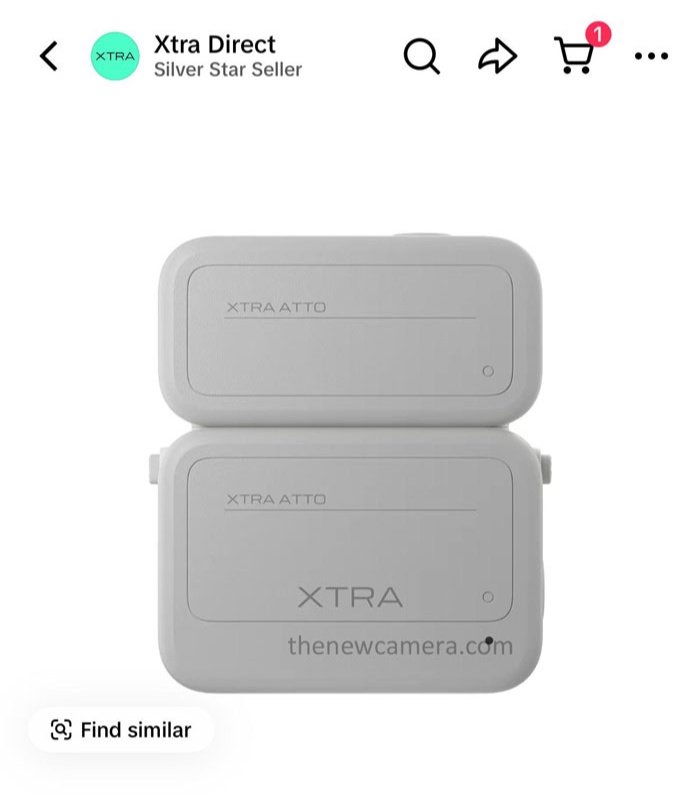
深圳AI硬件创业火了,投资人争抢大疆系
Di Yi Cai Jing Zi Xun· 2026-01-21 10:21
Core Insights - The competition among tech giants and unicorns in the AI hardware sector is intensifying, with OpenAI planning to launch a series of small devices in the second half of the year, while Apple and ByteDance are also entering the AI hardware market [2][4]. Group 1: Investment Trends - There is a growing interest in AI hardware, with many investors shifting focus from software to hardware, particularly in Shenzhen, which is becoming a hub for AI hardware startups [11][12]. - Investment in AI hardware projects is becoming highly competitive, with some early-stage projects achieving valuations exceeding $100 million, driven by market enthusiasm [8][9]. - The investment landscape has changed significantly, with early-stage projects now receiving valuations that previously were only seen at later development stages [9][10]. Group 2: Entrepreneurial Landscape - Teams with backgrounds in major hardware companies like DJI are highly sought after by investors, as they are perceived to have a deeper understanding of the industry and a higher likelihood of success [6][7]. - Many successful startups in the AI hardware space are founded by former employees of established companies, indicating a trend of talent migration from large firms to startups [7][8]. - The emergence of AI hardware startups is being fueled by a wave of entrepreneurs who previously worked in hardware giants, leading to a competitive environment for funding [7][8]. Group 3: Product Development and Market Demand - AI hardware products are diversifying, with categories such as AI toys and companion devices gaining traction, and many components being sourced locally in Shenzhen [13][15]. - The integration of AI into traditional hardware is creating new market opportunities, as companies explore how AI can enhance user interaction and product functionality [18][19]. - There is a notable increase in the production and sales of AI-enabled products, with companies reporting significant growth in demand for AI toys and related hardware [15][18]. Group 4: Future Outlook - The future of AI hardware remains uncertain, with ongoing discussions about what the next popular forms of AI hardware will be, including potential developments in wearable technology [18][19]. - Some investors express concerns about the overuse of the AI concept in marketing, suggesting that not all products labeled as "smart" or "AI-enabled" deliver real value [19]. - The market for embodied intelligence is expected to stabilize or decline as initial investment phases conclude and companies begin to demonstrate their commercial viability [19].


清华博士烧掉几十亿,靠手写的二百页文档做出百亿芯片巨头丨36氪专访
36氪· 2026-01-21 10:01
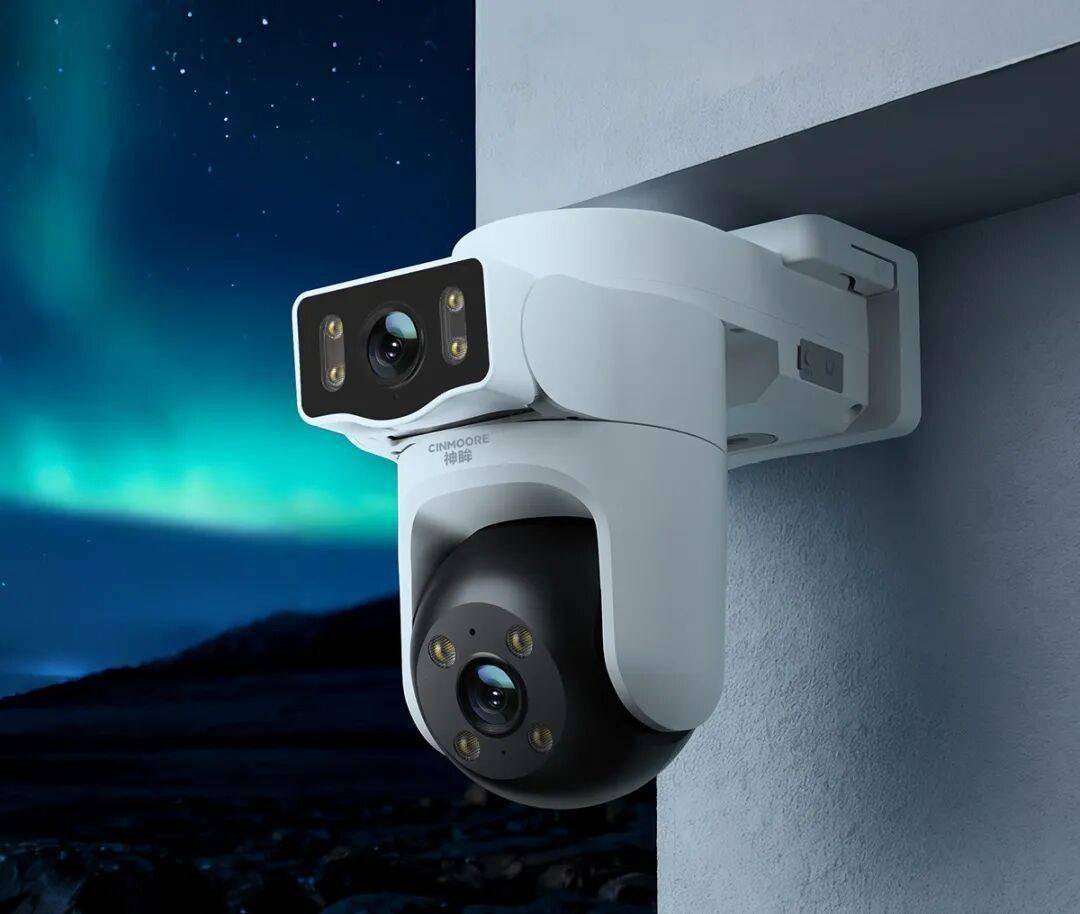
Core Viewpoint - The article discusses the journey and vision of Yang Zuoxing, founder of Bit Micro, focusing on his innovative approach to AI chip design and the development of low-power, wireless AI cameras under the brand "CINMOORE" [5][10][15]. Group 1: Company Background and Development - Yang Zuoxing, a PhD graduate from Tsinghua University, transitioned from a microelectronics designer to a successful entrepreneur in the chip industry, notably contributing to the design of Bitcoin mining chips [6][11][13]. - After leaving Bitmain due to equity disputes, Yang founded Bit Micro, achieving sales of 1.3 billion yuan within two years with a team of over 50 people [13][14]. - Yang's ambition to create AI chips led to the establishment of Yanjing Microelectronics in 2020, with an investment plan of 5 billion yuan, of which 2.2 billion yuan has already been spent [15][25]. Group 2: Product Innovation and Market Strategy - The main product, CINMOORE, features low-power AI cameras that eliminate the need for power cables, significantly reducing installation costs and complexity [16][25]. - The company aims to revolutionize the security camera market, predicting that if wireless cameras reach a 90% market share, the industry could grow from a hundred billion to a trillion yuan market [16][39]. - Yang emphasizes the importance of reducing power consumption to enable AI functionalities in edge devices, achieving a performance of 40-50T of computing power per watt, compared to competitors' several T per watt [22][23]. Group 3: Competitive Landscape and Future Outlook - Despite facing competition from established giants like Hikvision and Dahua, Yang believes in differentiating through innovation rather than direct confrontation [32][39]. - The company has set ambitious growth targets, aiming for a tenfold increase in sales annually, with expectations of reaching a market share of around 5% by 2025 [44][37]. - Yang's vision includes expanding into B2B markets after establishing a strong presence in the consumer sector, leveraging the advantages of low-cost, wireless solutions [42][36].

深圳AI硬件创业火了,投资人争抢大疆系
第一财经· 2026-01-21 09:51
Core Viewpoint - The article discusses the increasing competition among tech giants and startups in the AI hardware sector, highlighting the emergence of various AI-enabled devices and the investment trends surrounding them [3][5]. Group 1: AI Hardware Development - OpenAI plans to launch a series of small devices in the second half of 2026, indicating a shift towards AI hardware [3][5]. - Major companies like Apple and ByteDance are also entering the AI hardware space, with plans for new devices such as desktop robots and AI recording devices [3][5]. - The variety of AI hardware forms is expanding beyond traditional devices, with potential innovations including robots, toys, and cameras [5][6]. Group 2: Investment Trends - There is a notable shift in investment focus from software to hardware, with many investors now targeting AI hardware projects [14][15]. - Investment in AI hardware projects has surged, with some early-stage projects achieving valuations exceeding $100 million [12][14]. - The competition for funding in the AI hardware sector is intense, with many investors eager to secure stakes in promising startups [11][12]. Group 3: Entrepreneurial Landscape - Founders with backgrounds in established hardware companies like DJI are highly sought after by investors, as they bring valuable industry experience [8][9]. - The emergence of "robot valley" in Shenzhen has attracted significant attention from investors, with many robotics companies located in this area [7][8]. - The trend of talent leaving major hardware firms to start their own companies is contributing to a vibrant entrepreneurial ecosystem in Shenzhen [9][10]. Group 4: Market Dynamics - The market for AI toys and companion devices is growing rapidly, with several startups in the Greater Bay Area developing innovative products [17][19]. - Companies are increasingly integrating AI capabilities into traditional hardware, enhancing user interaction and experience [22][24]. - The concept of AI is being applied broadly, but some investors caution against overusing the term without substantial value [25][26].

深圳AI硬件创业有多火?投资人争抢大疆系,项目未动估值先起飞
Di Yi Cai Jing· 2026-01-21 06:58
Group 1 - OpenAI plans to launch a series of small AI hardware devices in the second half of this year, with other tech giants like Apple and ByteDance also entering the AI hardware space [1][3] - The AI hardware market is experiencing a surge in interest, particularly in Shenzhen, where many investors are shifting focus from software to hardware, indicating a growing trend in AI hardware investment [3][9] - The emergence of "Robot Valley" in Shenzhen is attracting significant investment in robotics and AI hardware, with many startups led by teams from established hardware companies like DJI [4][5] Group 2 - Investors are particularly interested in teams with backgrounds in major hardware companies, as these teams are perceived to have a deeper understanding of the industry and a higher likelihood of success [6][7] - The valuation logic for hardware projects has changed significantly, with early-stage projects achieving valuations that previously only established companies could reach, driven by market enthusiasm [8][9] - AI hardware projects, including AI toys and wearable devices, are gaining traction, with many startups in Shenzhen already seeing substantial sales and interest from investors [11][12] Group 3 - The integration of AI into traditional hardware is creating new opportunities, with companies exploring how AI can enhance user interaction and product functionality [16][18] - There is a concern among investors that the term "AI" is being overused in the hardware sector, leading to potential market bubbles where projects may not deliver real value [18] - The competition for investment in AI hardware is intense, with many projects receiving multiple rounds of funding even at early stages, reflecting a strong demand for innovative solutions in the market [7][8]
助力低空经济发展,从地面警务到“空地一体”
Nan Jing Ri Bao· 2026-01-21 02:58
Core Viewpoint - The integration of drone technology into the public security system in Nanjing has significantly enhanced urban safety and emergency response capabilities, creating a modern governance model that combines "drones + big data" as a new engine for social management [1][7]. Group 1: Drone Deployment and Operations - Nanjing has established over 200 drone points, creating a "5-minute police service circle" that covers key urban areas, traffic hubs, and large event venues, allowing for rapid response to incidents [2][5]. - The police have utilized drones for various applications, including traffic management, emergency rescue, and event security, demonstrating a shift from traditional ground patrols to aerial surveillance [3][4]. - By the end of 2025, Nanjing police had deployed drones over 60,000 times, covering more than 100,000 kilometers, equivalent to circling the equator 2.5 times, and identifying over 8,000 security and traffic anomalies [5][6]. Group 2: Technological Advancements - The Nanjing police have developed a "5G + AI" low-altitude network command and dispatch platform, integrating over 1,600 police drone operators and 560 police drones for efficient management and application [2][6]. - The police have collaborated with research institutions to develop specialized drones for various tasks, including window-breaking and electric shock capabilities, addressing specific operational needs [7]. - Continuous advancements in drone technology, including the development of 6G drones, aim to improve communication reliability and operational efficiency in complex scenarios [7]. Group 3: Training and Capacity Building - Nanjing police have established a drone application and control training base, providing training for over a thousand personnel in drone operation and emergency response skills [6]. - The training base has become one of the first in the province to offer police drone licensing, ensuring a sustainable development of professional capabilities in low-altitude policing [6].
坐拥九大万亿级产业集群,谁会成为广东的第十张王牌?
Sou Hu Cai Jing· 2026-01-21 01:58
Group 1: Overview of Guangdong's Manufacturing Industry - Guangdong's manufacturing industry is supported by trillion-level industrial clusters, with nine major clusters established, including new-generation electronic information and new energy vehicles [2] - In 2022, the automotive industry in Guangdong achieved revenue exceeding 1 trillion yuan, marking it as the eighth trillion-level industry, with the new energy industry expected to follow in 2024 [2] - The ultra-high-definition video display industry is projected to surpass 900 billion yuan in revenue by 2024, positioning it as a potential candidate for the next trillion-level industry [2] Group 2: Strategic Importance of Trillion-Level Clusters - The development of trillion-level industrial clusters is a strategic focus for Guangdong to adapt to global economic changes and technological revolutions, aiming to build a modern industrial system [3] - The existing trillion-level clusters are predominantly traditional industries, indicating a need for increased representation of strategic emerging industries [3] - Trillion-level clusters are characterized by significant scale effects, strong innovation capabilities, and resilient supply chains, serving as key drivers for economic growth [3] Group 3: Policy Support and Development Plans - The success of the new energy industry in Guangdong is attributed to strategic policies and frameworks established since 2020, aiming to develop it into a strategic emerging industry cluster [5] - The "Guangdong Province Action Plan for the Development of Ultra-High-Definition Video Industry" aims for the industry to achieve over 1 trillion yuan in revenue by 2025 [8] - The semiconductor and integrated circuit industry is a focus area, with plans to enhance its scale and capabilities, targeting over 4 trillion yuan in revenue by 2025 [10][12] Group 4: Emerging Industries and Growth Projections - The new energy storage industry is expected to reach 600 billion yuan in revenue by 2025, with an annual growth rate exceeding 50% [13] - The low-altitude economy is projected to become a trillion-level industry, with significant market potential and a comprehensive policy framework to support its development [18] - The ultra-high-definition video industry has shown remarkable growth, with a revenue of 900 billion yuan in 2024 and a significant increase in 4K program production [9] Group 5: Infrastructure and Market Development - Guangdong has established a robust infrastructure for the low-altitude economy, including numerous general airports and drone flight routes, facilitating industry growth [21][22] - The new energy storage sector has seen rapid advancements, with major projects being launched and significant increases in installed capacity [17] - The semiconductor industry in Guangdong is experiencing rapid growth, with a projected revenue of over 320 billion yuan in 2024 and a clear path towards achieving 400 billion yuan by 2025 [11]




金力传动拟北交所IPO:浙江荣泰持股15%,共同开发T公司相关业务
Sou Hu Cai Jing· 2026-01-21 01:18
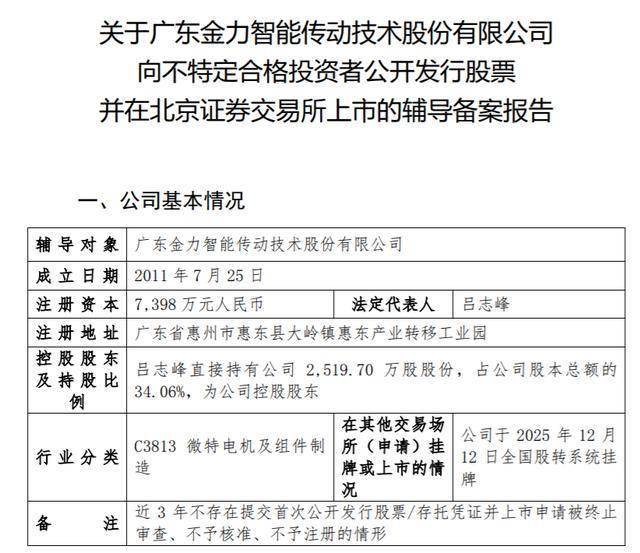
Company Overview - Guangdong Jinli Intelligent Transmission Technology Co., Ltd. (referred to as "Jinli Transmission") was established on July 25, 2011, and specializes in the research, production, and sales of micro motors and micro transmission systems, primarily used in the intelligent cleaning service robot sector [1][2] - The company has initiated an IPO counseling process with the Guangdong Securities Regulatory Bureau, aiming for a listing on the Beijing Stock Exchange, with CITIC Securities as the counseling institution [1] Financial Performance - The total assets of the company are projected to reach 733.30 million yuan by April 30, 2025, up from 493.93 million yuan in 2023, indicating significant growth [3] - The company's revenue for 2023, 2024, and the first four months of 2025 is reported as 301.43 million yuan, 597.43 million yuan, and 239.03 million yuan respectively, showcasing a substantial increase in revenue [3] - Net profit figures for the same periods are 11.49 million yuan for 2023, 63.99 million yuan for 2024, and 19.14 million yuan for the first four months of 2025, reflecting strong profitability growth [3] - The gross profit margin has improved from 17.79% in 2023 to 21.01% in the first four months of 2025 [3] Shareholding Structure - The controlling shareholder, Lv Zhifeng, directly holds 25.197 million shares, accounting for 34.06% of the total share capital [5] - The second-largest shareholder, Zhejiang Rongtai, holds 15% of the shares and has recently participated in a capital increase, subscribing to 372.40 thousand shares at a price of 27.03 yuan per share [6] - The total shareholding of Lv Zhifeng and his spouse, Zhang Dandan, amounts to 40.83%, establishing them as the actual controllers of the company [5] Strategic Partnerships - Jinli Transmission has established a partnership with Zhejiang Rongtai to jointly develop business related to Company T, with specific agreements on order processing and pricing strategies [7]

独家对话研极微创始人:80人做到近100亿营收后,要把AI摄像头插到田间地头
Sou Hu Cai Jing· 2026-01-21 01:05
Core Insights - The article highlights the journey of Yang Zuoxing, founder of Bit Micro, who transitioned from a chip designer to an entrepreneur focused on AI chips and low-power camera technology [9][10][12]. Company Overview - Bit Micro, founded by Yang Zuoxing, has achieved significant sales growth, reaching 1.3 billion yuan in sales within two years of its establishment [9]. - The company aims to disrupt the traditional camera market by developing wireless, low-power AI cameras that eliminate the need for power cables [12][21]. Technology and Innovation - The core technology of Bit Micro is the "fully customized chip design methodology," which allows for extreme energy efficiency tailored to specific needs [12][13]. - The company has successfully migrated this methodology to develop low-power chips for AI applications, achieving a performance of 40 to 50 teraflops per watt [16][18]. Market Position and Strategy - Bit Micro's product, the "CINMOORE" AI camera, has become a market leader in the battery camera category within a year of its e-commerce launch [12]. - The company anticipates that the market for wireless cameras could grow from a billion-level to a trillion-level market by 2035, with a projected annual shipment of 10 billion units [12][28]. Financial Performance - Despite significant sales growth, Bit Micro is currently experiencing strategic losses, with an expected loss of over 700 million yuan in 2025, which is seen as necessary for ongoing investment in chip development [34]. - The company aims to narrow losses to 300-400 million yuan by 2026 and achieve breakeven by 2027 [34]. Competitive Landscape - Bit Micro faces competition from established players like Hikvision and Dahua, but aims to differentiate through innovative features and pricing strategies [24][28]. - The company plans to expand its market presence by focusing on user-friendly installation and leveraging its unique technology to capture market share [21][32]. Future Outlook - The company is committed to continuous innovation and aims for a tenfold increase in sales annually, with a focus on both consumer and business markets [33][34]. - Bit Micro is also exploring international markets, with a strategy to adapt products to local needs and regulations [27].
腾讯岗位增量向AI集中 比亚迪扩招来自产业链扩张 研祥强调“工业AI人岗匹配”
Nan Fang Du Shi Bao· 2026-01-20 23:14
1. 2025年12月27日,"百万英才汇南粤"大型综合招聘会在深圳会展中心(福田)举行,吸引众多求职者参 加。 2. 招聘会现场为求职者提供简历诊断服务。 3. 招聘会现场为求职者提供免费职业妆造服务。 旁白 "稳就业"关乎"稳经济"的大局。2025年12月,中央经济工作会议在部署2026年经济工作时明确要求,实 施稳岗扩容提质行动,切实稳定高校毕业生、农民工等重点群体就业。开年以来,广东率先把稳岗扩容 提质的要求落到企业用工与人才机制上,一批粤企在校招、实习、技能岗位补充等方面持续加力,成为 稳就业的重要承接端。 从用工市场信号看,扩招与涨薪正在同步出现。据不完全统计,2025年,比亚迪新发"AI infra算法工程 师"岗位平均月薪上涨超过36%;大疆"工业设计师"岗位平均月薪上涨20%,腾讯"AI 产品经理"岗位平 均月薪上涨5.56%。岗位与薪酬变化背后,指向同一条主线:新技术驱动的岗位需求加速释放,企业在 关键岗位上提升吸引力,同时通过更系统的人才培养与发展通道提高留用率、提升就业质量。 近日,南都湾财社记者采访了腾讯、比亚迪、研祥集团三家企业,发现"稳就业"的落点正在发生迁移: 从"多招人"转向 ...