歌尔股份

Search documents
深市“双提升”:471家率先行动 分红占净利润比重2年提升近11个百分点
Di Yi Cai Jing· 2025-12-27 03:26
Core Viewpoint - The "Quality Return Dual Improvement" initiative launched by the Shenzhen Stock Exchange aims to enhance the development quality and investment value return capabilities of listed companies, with 471 companies disclosing action plans by November 2025 [1][2]. Group 1: Company Participation and Focus Areas - Among the 471 companies, 293 are part of the Shenzhen Component Index, 88 are in the CSI 300 Index, and 82 belong to the ChiNext Index, collectively representing about 50% of the total market capitalization of the Shenzhen market [2]. - The companies involved span 30 industries, including electronics, power equipment, pharmaceuticals, and computers, with nearly 70% being private enterprises [2]. - The action plans of these companies emphasize three focal points: focusing on core business, focusing on technological innovation, and focusing on regulatory operations [2]. Group 2: Financial Performance and R&D Investment - In 2024, the "Dual Improvement" companies achieved a total operating revenue of 9.8 trillion yuan, a year-on-year increase of 3.6%, and a net profit of 743.39 billion yuan [4]. - For the first three quarters of 2025, these companies reported an operating revenue of 7.5 trillion yuan, up 6.9% year-on-year, and a net profit of 651.3 billion yuan, reflecting a 10.8% increase [4]. - The R&D investment of these companies accounted for 4.3% of their operating revenue in the first half of 2025, up 0.1 percentage points year-on-year, with total R&D expenditure representing 59.5% of the Shenzhen market [4]. Group 3: Shareholder Returns and Market Response - From 2022 to 2024, the annual total dividend of the "Dual Improvement" companies had a compound growth rate of 10.0%, with the 2024 dividend amounting to 43.6% of net profit, an increase of 10.9 percentage points from 2022 [5]. - Approximately 80% of the companies (378) maintained continuous dividends over the past three years, enhancing the stability and predictability of returns for investors [5]. - The average stock price increase for the 471 "Dual Improvement" companies from February 2024 to November 2025 was 77.2%, surpassing the growth of the Shenzhen Component Index [6].
深市“双提升”:471家率先行动,分红占净利润比重2年提升近11个百分点
Di Yi Cai Jing· 2025-12-27 03:07
Core Insights - The "Quality Return Dual Improvement" initiative launched by the Shenzhen Stock Exchange aims to enhance the development quality and investment value return capabilities of listed companies, with 471 companies having disclosed action plans by November 2025 [1][2] Group 1: Company Participation and Industry Coverage - Among the 471 companies, 293 are part of the Shenzhen Component Index, 88 are in the CSI 300 Index, and 82 belong to the ChiNext Index, collectively representing about 50% of the total market capitalization of Shenzhen [2] - The participating companies span 30 industries, including electronics, power equipment, pharmaceuticals, and computers, with a significant presence of private enterprises, accounting for nearly 70% of the participants [2] Group 2: Focus Areas of Improvement - The action plans from the listed companies emphasize three main focuses: enhancing core business awareness, improving technological innovation capabilities, and strengthening regulatory operations [2] - Specific examples include Mindray Medical (300760.SZ) increasing R&D investment and global expansion, and BYD (002594.SZ) planning R&D expenditures of 54.2 billion yuan in 2024 [2] Group 3: Shareholder Returns and Buybacks - Companies are increasing dividend and buyback efforts, with firms like BOE Technology Group (000725.SZ) disclosing future shareholder return plans, and Anke Bio (300009.SZ) maintaining 16 consecutive years of cash dividends [3] - The average annual dividend growth rate for "dual improvement" companies from 2022 to 2024 is 10.0%, with 2024 dividends accounting for 43.6% of net profits, a 10.9 percentage point increase from 2022 [5] Group 4: Financial Performance and Market Response - In terms of financial performance, "dual improvement" companies achieved a total revenue of 9.8 trillion yuan in 2024, a 3.6% year-on-year increase, and a net profit of 743.39 billion yuan [4] - The average stock price increase for these companies from February 2024 to November 2025 was 77.2%, surpassing the Shenzhen Component Index, with a total market capitalization of 21.2 trillion yuan by November 2025 [6]
康耐特光学(02276):全球领先的镜片制造商,智能眼镜打开成长空间
Soochow Securities· 2025-12-26 12:34
Investment Rating - The report assigns a "Buy" rating for the company, Conant Optical (02276.HK), indicating a positive outlook for investment [1]. Core Insights - Conant Optical is a leading global manufacturer of lenses, with significant growth potential in the smart glasses market. The company has established a strong position in the resin lens sector and is expanding its international presence [11][70]. - The lens industry is experiencing steady growth, driven by increasing demand for corrective lenses among children and the elderly, as well as the rising popularity of smart glasses. The market for high-refractive lenses is expected to grow significantly [30][40]. - The company has a robust business model, with a mature sales network covering over 90 countries, and is well-positioned to benefit from the upcoming boom in the smart glasses sector [11][70]. Summary by Sections 1. Company Overview - Conant Optical is a leading resin lens manufacturer in China, with production bases in Shanghai, Jiangsu, and Japan. The company has been actively expanding its smart glasses business and has established partnerships with several global technology giants [11][70]. - The company has a concentrated shareholding structure, with the founder holding 44.33% and GoerTek as the second-largest shareholder with 20.03%. This collaboration is expected to enhance the company's capabilities in the XR (Extended Reality) sector [13]. 2. Industry Growth - The global lens market is projected to grow from $4.5 billion in 2020 to $6.2 billion by 2024, with a CAGR of 8.3%. The Chinese lens market is also expanding, with sales expected to reach 20.72 billion yuan by 2024, reflecting a CAGR of 11.5% [31][35]. - The demand for functional lenses, such as blue light blocking and anti-fatigue lenses, is increasing due to changing consumer needs. The market for high-refractive lenses is still underdeveloped in China, presenting significant growth opportunities [46]. 3. Financial Performance - The company has demonstrated strong revenue growth, with a CAGR of 17.2% from 2020 to 2024, and net profit growth at a CAGR of 35.2% during the same period. The gross margin has improved from 35.0% in 2020 to 41.0% in the first half of 2025 [18][26]. - The company's revenue for 2023 is projected at 1.76 billion yuan, with net profit expected to reach 327.02 million yuan, indicating a solid financial outlook [1]. 4. Smart Glasses Market Potential - The smart glasses market is at a critical turning point, with major tech companies like Alibaba and Amazon entering the space. The demand for smart glasses is expected to surge, with global shipments projected to reach 20 million units by 2028 [59][61]. - Traditional lens manufacturers are well-positioned to benefit from this trend, as the need for high-refractive lenses in smart glasses increases. The integration of advanced technologies in smart glasses is expected to enhance the value of lens products [66][67].
百度等巨头、A股公司齐入局,2025年具身智能CVC投资力度全揭秘
3 6 Ke· 2025-12-26 12:21
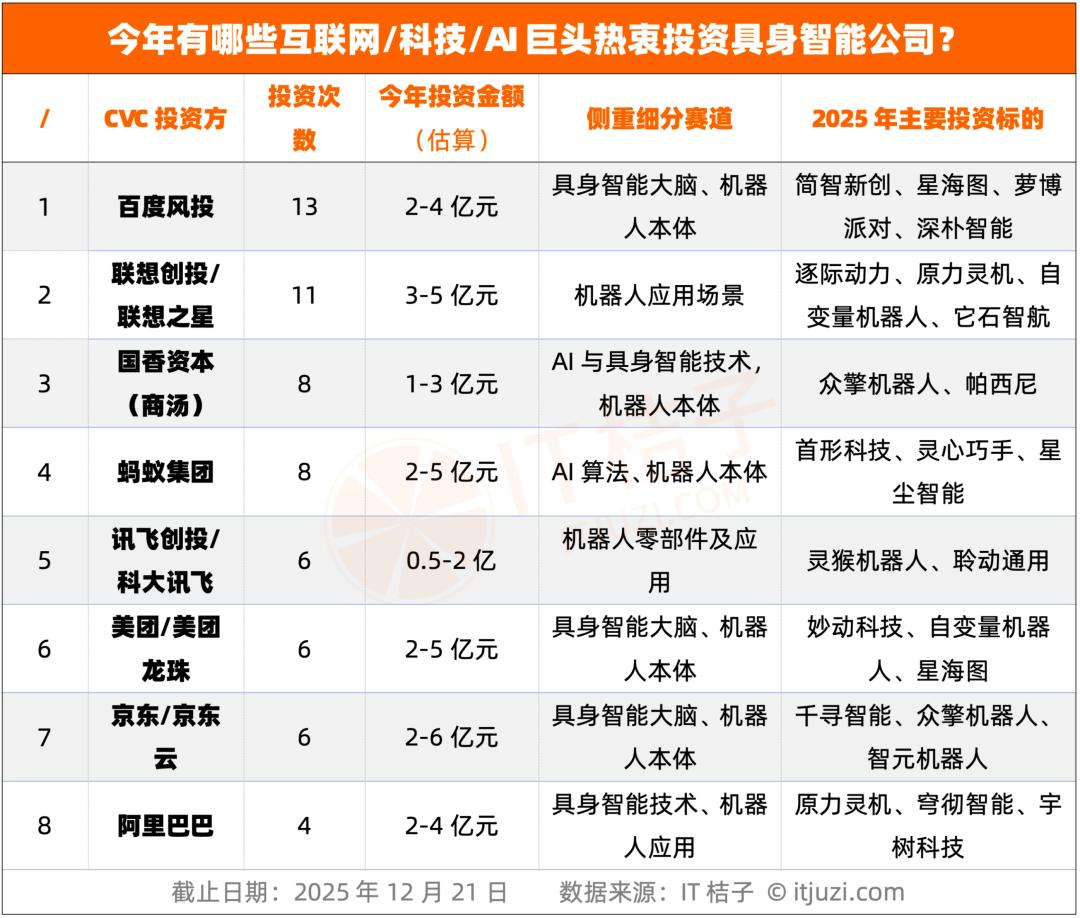
数据背后,是超过600多家投资方的"真金"加码助力。其中百度、阿里、美团等大厂及各类产业资本组成的CVC力量,凭借资本与场景的双重优势,成为 推动赛道发展的核心动能。 今年产业资本对具身智能创业企业的投资力度究竟如何?还有哪些CVC产业方比较活跃? 一、核心力量:互联网/科技/AI巨头的投资布局与战略解读 互联网、科技及AI巨头凭借技术积淀、场景资源与资本实力,在具身智能投资领域展现出高度的战略自觉性,其布局并非盲目撒网,而是紧密围绕自身 核心业务生态,形成了差异化且精准的投资逻辑,具体投资数据如下表所示: 随着人工智能从"感知智能"向"具身智能"跃迁,机器人技术正加速实现从虚拟交互到物理执行的突破。具身智能不仅成为通向通用智能的关键路径,更被 视作新一轮产业变革的核心引擎。 在此背景下,资本市场对具身智能赛道的关注度持续飙升。 据IT桔子数据,截至2025年12月21日,今年中国具身智能赛道的融资事件有超305起,较去年增长了近2倍;总融资额估算超过了380亿元。 | 1 | CVC 14 - 17 | HEAR | 今年投资金额 | 侧重细分赛道 | 2025年主要投资标的 | | --- | --- | ...

光帆科技发布全球首款具备视觉感知能力的主动式AI耳机
Xin Lang Cai Jing· 2025-12-25 11:42
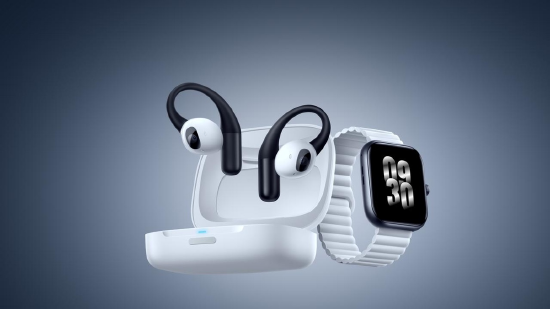
Core Insights - The article discusses the launch of the world's first active AI headphones with visual perception capabilities by Lightwave Technology, aiming to redefine human-computer interaction in the AI era [1][5]. Product Features - The Lightwear AI wearable device consists of an open-ear AI headphone and a smart watch, featuring a self-developed AI operating system called Lightware OS [1][3]. - The device includes a dual-vision perception module that allows the AI to understand the surrounding environment and provide context-aware services [2][6]. - The headphones utilize a low-power voice and image wake-up technology, offering a 9-hour talk time and weighing only 11 grams per ear [2][6]. - Made from medical-grade liquid silicone, the headphones are the first open-ear model to receive SGS comfort certification [2][6]. - The device can operate independently from a smartphone, thanks to an embedded eSIM card and high-precision GPS module, enhancing user experience during activities [2][6]. Integration and User Experience - The smart watch complements the headphones by providing a color display and touch capabilities, allowing users to access key information without diverting their gaze [2][7]. - The watch collects various health metrics, enabling the AI to adjust its services based on the user's physical state, such as providing reminders during high-stress situations [2][7]. - Lightwear is positioned as a synergistic system rather than a simple combination of headphones and a watch, aiming for an enhanced overall AI experience [3][7]. Market Position and Future Plans - Lightwave Technology plans to officially launch the Lightwear AI wearable device in the first quarter of the following year, with pre-orders already open and a user testing program set to begin in mid-January [3][7]. - The company has successfully completed multiple rounds of financing within its first year, attracting investments from major industry players such as Shokz, GoerTek, Lenovo, CATL, and GigaDevice [3][7].
歌尔股份:截至11月28日公司股东总户数为362722户
Zheng Quan Ri Bao Wang· 2025-12-25 11:42
证券日报网讯12月25日,歌尔股份(002241)在互动平台回答投资者提问时表示,截至11月28日,公司 股东总户数为362722户。 ...

前小米新生态总监入局,耳机会成为AI终端新入口吗?
Xin Lang Cai Jing· 2025-12-25 06:40
Core Viewpoint - The release of AI headphones by Guangfan Technology represents an exploration of AI terminal entry points, featuring voice interaction and visual perception capabilities, although the visual module lacks high pixel quality for photography [1][8]. Group 1: Product Features - The AI headphones are equipped with a dual-vision perception module that allows real-time environmental understanding and object recognition, but they do not support photography due to low pixel quality [1][8]. - The headphones are designed to work in conjunction with a smart watch, forming the Guangfan Lightwear AI all-sensory wearable device, rather than functioning as an independent terminal [3][11]. - The headphones offer a 9-hour talk time and weigh only 11 grams per ear, enabling a comfortable wearing experience [13][14]. Group 2: Market Positioning and Strategy - Guangfan Technology's founder, Dong Hongguang, emphasizes that the current stage is more suitable for multi-device setups, as AI terminals need to adapt to various complex scenarios [5][13]. - The Lightwear device aims to transform human-AI interaction from a mechanical experience to one resembling interaction with a person, leveraging the synergy between the headphones and the smart watch [14]. - The company has developed a proprietary AI operating system, Lightware OS, which integrates multiple large models and coordinates various sensors and hardware for enhanced user experience [14]. Group 3: Future Plans and Financing - Guangfan Technology has completed multiple rounds of financing, with investors including companies like Aiyin, GoerTek, Lenovo, CATL, and Zhaoyi Innovation [7][15]. - The Lightwear device is set to officially launch in the first quarter of next year, with user testing planned to begin in mid-January [14].

出货量全球第二!国产硅基OLED第一股来了!
Sou Hu Cai Jing· 2025-12-25 05:11
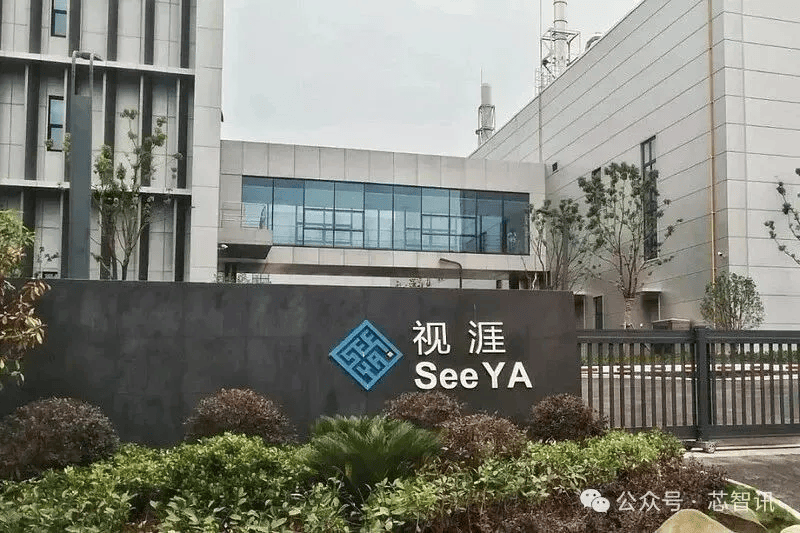
Core Viewpoint - The company, Shiya Technology, is set to raise approximately 2.015 billion yuan through its IPO, with significant investments directed towards expanding its high-resolution silicon-based OLED microdisplay production line and establishing a research and development center [2][4]. Fundraising Allocation - The planned investment allocation includes 1.6089 billion yuan (79.86%) for the expansion of the high-resolution silicon-based OLED microdisplay production line and 406.845 million yuan (20.14%) for the R&D center [3]. Market Position and Industry Context - Shiya Technology is recognized as a leading provider of microdisplay solutions, holding the second-largest global market share and the largest domestic share in the silicon-based OLED microdisplay sector [6][9]. - The microdisplay industry has been historically dominated by foreign companies such as Sony and eMagin, but Shiya Technology has been able to break into this market by focusing on high-performance silicon-based OLED products [6][7]. Technological Advancements - The company has developed several core technologies, including strong microcavity technology and crosstalk cutoff technology, which have allowed it to enhance product performance and reliability, surpassing traditional competitors like Sony [7][10]. - Shiya Technology is the first globally to achieve mass production of silicon-based OLED microdisplays using 12-inch wafer backplane technology, which is crucial for meeting the growing demand for high-performance displays [12]. Financial Performance - The company reported cumulative revenues of 836 million yuan over three and a half years, with a rapid growth trajectory, although it has not yet achieved profitability [15]. - Revenue figures for the years 2022 to 2025 show a consistent increase, with 2022 revenue at 190.43 million yuan and projected growth to 280.06 million yuan in 2024 [15][16]. Customer Concentration - The top five customers accounted for over 60% of the company's revenue during the reporting period, indicating a high customer concentration risk [17][19]. - The company has established key partnerships with strategic clients, which are expected to significantly contribute to future revenues, particularly in 2026 [19]. Supply Chain and Material Costs - The company relies heavily on a few suppliers for critical materials, with wafer backplane materials constituting the largest portion of its procurement costs [20][22]. - The procurement from the top five suppliers accounted for a significant percentage of total material costs, highlighting the potential risks associated with supplier concentration [20][22]. Governance and Control - The actual controller of Shiya Technology is Gu Tie, who holds a 29.36% stake and controls 61.79% of the voting rights through a special voting rights arrangement [25][26].
字节AI1080天闪电逆袭:从后知后觉到AGI全面发力
2 1 Shi Ji Jing Ji Bao Dao· 2025-12-25 03:56
Core Insights - ByteDance has successfully transformed its AI strategy over three years, evolving from a position of initial lag to establishing a comprehensive stack of AI capabilities [1][2][11] - The company has made significant strides in the AI sector, particularly in generative AI, by restructuring its organization and focusing on application-driven development [2][5][11] Group 1: Initial Challenges and Strategic Shift - In early 2023, ByteDance faced anxiety over its lag in generative AI, lacking a unified model strategy and having multiple business lines operating independently [2][4] - The turning point came in March 2023 with the release of GPT-4, prompting ByteDance's leadership to recognize the urgency of catching up and to establish a "large model initiative" [5][11] - By the end of 2023, ByteDance had increased its investment in AI resources, focusing on computing power and talent acquisition, although initial product releases were limited [5][6] Group 2: Organizational Restructuring - In early 2024, ByteDance underwent a significant AI organizational restructuring, elevating AI from a support function to a primary strategic focus [5][8] - The restructuring involved the creation of two independent units: Seed (focused on foundational model research) and Flow (dedicated to AI product innovation), both reporting directly to senior management [5][8] Group 3: Product Development and Market Impact - The Seed team, led by notable AI expert Wu Yonghui, established a technology route prioritizing multi-modal capabilities and efficient deployment [6][8] - The Flow team adopted a "special forces" model for product development, resulting in the launch of several successful applications, including Doubao, which achieved a monthly active user count of 75.23 million by December 2024 [8][9] - ByteDance's AI-native applications collectively surpassed 120 million monthly active users, reflecting a year-on-year growth of 232% [9] Group 4: Future Directions and Innovations - In 2025, ByteDance aims to solidify its position in the AI landscape by focusing on advanced technologies, global expansion, and hardware integration [9][10] - The return of founder Zhang Yiming to lead the Singapore AI lab signifies the strategic importance of AI within the company, with a focus on multi-modal models and self-developed AI chips [9][10] - ByteDance is also accelerating its hardware initiatives, including collaborations on AR glasses and AI headphones, enhancing its ecosystem of AI capabilities [10]

字节推出形式化数学推理专用模型Seed Prover 1.5;雷军介绍小米开源推理模型MiMo-V2-Flash丨AIGC日报
创业邦· 2025-12-25 00:12
Group 1 - The world's first active AI headphones with visual perception capabilities have been launched by Lightwave Technology, aiming to serve as a personal assistant for high-frequency tasks in daily life and work scenarios [2] - Xiaomi's founder Lei Jun introduced the self-developed open-source inference model MiMo-V2-Flash, which features 309 billion parameters and ranks among the top two global open-source models in multiple agent evaluation benchmarks [2] - ByteDance's Seed team announced the release of the formal mathematical reasoning model Seed Prover 1.5, which achieved a score of 35/42 in generating complete verifiable proof code for the first five problems of IMO 2025 [2] Group 2 - The South Korean government plans to invest 700 billion KRW (approximately 478 million USD) next year to support AI transformation projects in the manufacturing sector, including the development of AI chips and the export of AI factories [2]