优衣库

Search documents
国民女装第一股,靠直播起死回生?
3 6 Ke· 2025-08-04 11:17
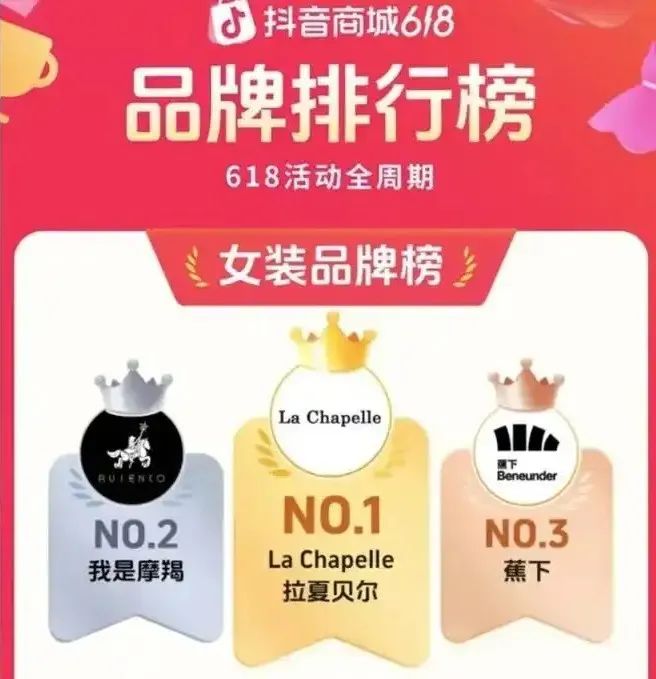
今年618 ,抖音女装品牌榜出现了一个老国货女装品牌:拉夏贝尔。 作为曾经的"国民女装第一股",拉夏贝尔命运跌宕起伏:同时在港交所和A股上市,却因连续6年亏损退市,经破产重整后重回大众视野,还在抖音销售 额破亿、登上女装榜一。 服装行业低迷,亏损和退市的品牌并不少,拉夏贝尔却能重回市场,它是如何逆风翻盘的? 01 老牌国货登顶抖音女装榜 拉夏贝尔的"起死回生",离不开分销网络的广泛布局。 因此,可以看到,除了抖音,淘宝、京东和拼多多等电商平台也有不少拉夏贝尔的关联店铺。 先来看看其在抖音上的布局—— 据第三方平台数据显示,今年抖音618大促期间,拉夏贝尔销售额破亿,其中直播带货贡献了近半业绩(46.31%),商品卡销售占比 41.87%,视频推广 则占 11.82%。 通过与4749名带货达人的合作,打造了 4.4 万场带货直播,实现了可观的销售声量。 价格策略方面,拉夏贝尔的平均客单价在100-150元之间,低于品牌数年前几百元的服饰定价,这与受众人群匹配度高,大促期间拉夏贝尔的消费者画像 为31-40岁的女性,主要位于三四线城市,这类人群比较关注性价比,习惯直播购物。 此外,拉夏贝尔关联的抖音店铺多达35 ...

米菲70周年:一只小兔子的全球治愈经济学
Sou Hu Cai Jing· 2025-08-02 07:59
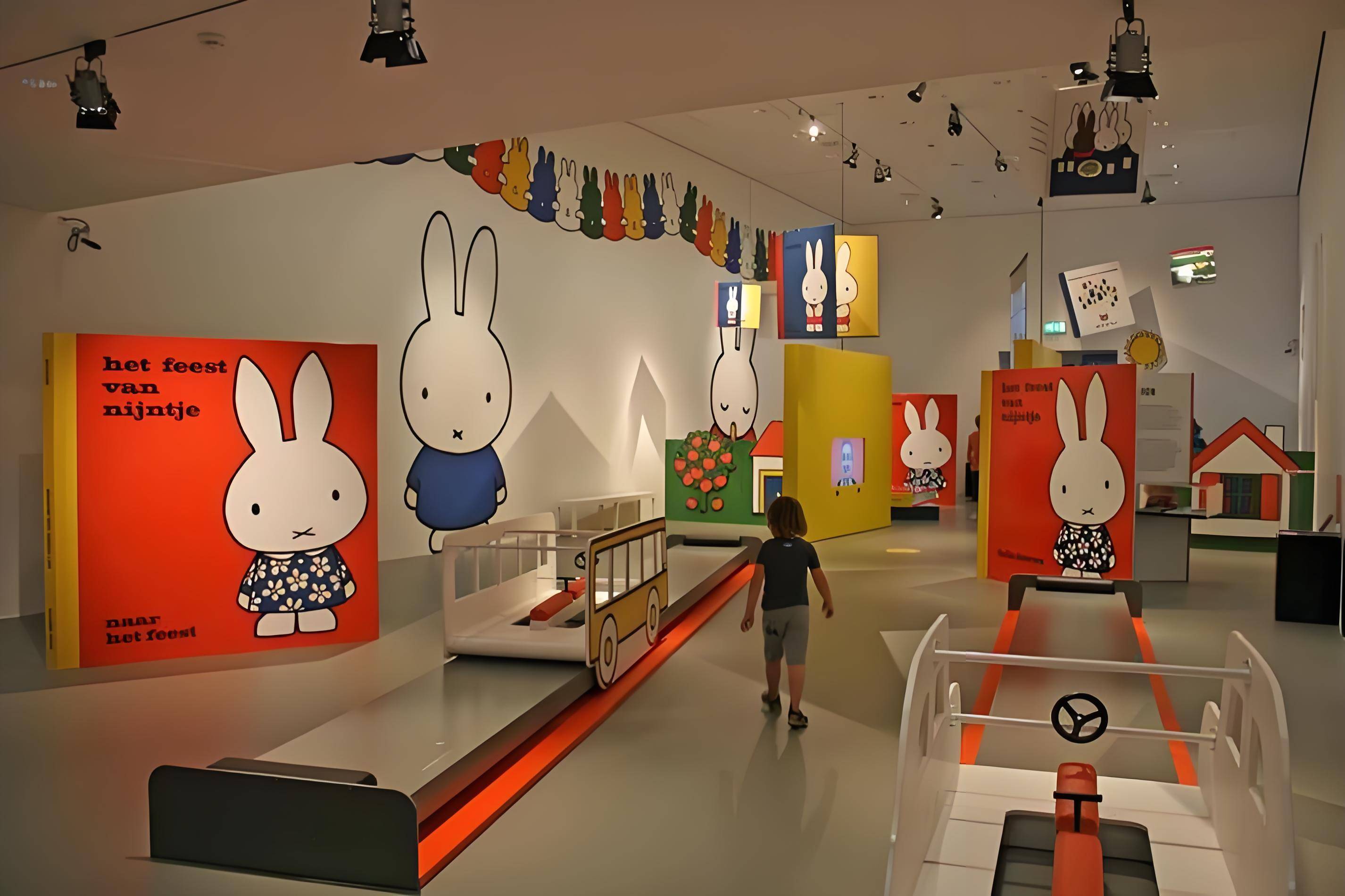
Core Viewpoint - The article highlights the 70th anniversary of the Dutch classic IP character Miffy, showcasing its evolution from a simple children's book character to a global cultural symbol, particularly in the context of the "healing economy" trend. Group 1: Miffy’s Cultural Significance - Miffy’s story began in 1955 when Dutch illustrator Dick Bruna created the character to entertain his son, characterized by a minimalist style that captures the innocence of childhood [4] - In the Netherlands, Miffy has become a national cultural symbol, with the Miffy Museum attracting numerous visitors and KLM even launching Miffy-themed airplanes [6] - Miffy’s success lies not only in its cuteness but also in the warmth and companionship it conveys, aligning perfectly with modern demands for healing experiences [6] Group 2: Global Commercial Strategy of Miffy IP - The Netherlands emphasizes the cultural depth of the Miffy IP, focusing on classic replicas and high-quality merchandise that appeal to loyal fans and design enthusiasts, rather than chasing short-term trends [7] - Japan is the largest market for Miffy in Asia, where the character has been integrated into the "cute culture" through various collaborations, including limited edition products and themed experiences [7] - In South Korea, Miffy’s commercial appeal is targeted towards younger consumers through pop-up stores and collaborations with K-beauty brands, leveraging social media for viral marketing [11] - In China, Miffy’s popularity has surged through collaborations with brands like Morning Glory and Heytea, creating affordable merchandise and engaging in experiential marketing with pop-up theme parks [11] - The duality of Miffy’s fanbase in China presents a challenge in balancing the classic IP's essence with commercial monetization strategies [11] Group 3: Enduring Appeal of Miffy - Regardless of changing environments, Miffy’s core essence remains the warmth and joy it brings, as articulated by Dick Bruna, emphasizing that Miffy does not require embellishments to evoke happiness [13]
内衣自由下 爱慕需要新故事
3 6 Ke· 2025-08-02 00:34
Core Insights - The article discusses the evolution of Aimer, a leading Chinese lingerie brand, highlighting its technological innovations and market challenges in the context of changing consumer preferences and increased competition [1][2][3]. Company Overview - Aimer was founded by Zhang Rongming in the early 1990s, leveraging memory alloy technology to create innovative lingerie products [1]. - The company has grown to encompass over ten brands, including Aimer, Aimer Mr., Aimer Kids, and LA CLOVER, with more than 1,700 stores across China and international markets [2]. Market Trends - The lingerie market is shifting towards comfort and self-expression, with a growing preference for wireless and simplified sizing options, leading to increased competition from emerging brands like Ubras and Nainai [3]. - Aimer reported a revenue of 3.163 billion yuan for 2024, a decline of 7.71% year-on-year, and a net profit of 163 million yuan, down 46.56% from the previous year [3]. Strategic Initiatives - The company plans to open more flagship stores while increasing its online sales proportion, aiming for online sales to account for over 30% of total revenue [3][20]. - Aimer is focusing on brand rejuvenation and expanding its product offerings to cater to younger consumers, particularly through the Aimer brand and its sub-brands [12][35]. Product Development - Aimer has been innovating in fabric technology, introducing products made from seaweed fiber and milk fiber, which align with sustainability trends [32][34]. - The company has a strong emphasis on research and development, with approximately 6% of its workforce dedicated to R&D and an annual investment of over 3% of revenue in this area [34]. Consumer Insights - The company has collected extensive data on Chinese women's body shapes, allowing it to create products that better meet local consumer needs compared to Western brands [29][31]. - There is a notable shift in consumer preferences towards comfort and practicality, with a significant demand for wireless bras, which now constitute half of Aimer's product offerings [25][22].
劝君不做孙正义
创业家· 2025-08-01 10:13
Core Viewpoint - The article discusses the investment journey of Masayoshi Son, highlighting his significant financial losses and remarkable recoveries, emphasizing the dual nature of his investment philosophy: taking bold risks and the potential for both great gains and substantial losses [5][6][34]. Group 1: Investment Philosophy - Masayoshi Son's investment strategy is characterized by a willingness to take significant risks, often leading to substantial financial losses, as seen in his history of both winning and losing large sums [6][26]. - The article contrasts Son's approach with the more conservative investment principles of Warren Buffett, suggesting that Son thrives in volatile environments where he can capitalize on opportunities others might avoid [7][50]. Group 2: Key Milestones - Son's career is marked by five pivotal moments: the rise of personal computers, the internet bubble, the rise of China, the global financial crisis, and the emergence of artificial intelligence [15][22]. - His early investments, such as in Yahoo, yielded significant returns, showcasing his ability to identify and capitalize on emerging trends [19][29]. Group 3: Recent Developments - In 2023, Son's investment in ARM, which went public, marked a significant recovery for SoftBank, with ARM's market value exceeding $150 billion, reflecting Son's ongoing influence in the tech sector [40][48]. - Despite past failures, such as the WeWork debacle, Son continues to pursue ambitious projects, including a $500 billion investment plan aimed at advancing AI and technology in Japan [9][44]. Group 4: Challenges and Future Outlook - The article highlights the challenges Son faces in the current investment landscape, particularly in the AI sector, where competition from major tech companies has intensified [41][48]. - Son's vision for Japan's role in the AI race is hampered by a lack of talent, prompting him to seek partnerships to bolster Japan's capabilities in this critical area [44][45].



非常观察|谨慎之下的进取,这些品牌仍在开新店、推首展
Xin Lang Cai Jing· 2025-08-01 03:29
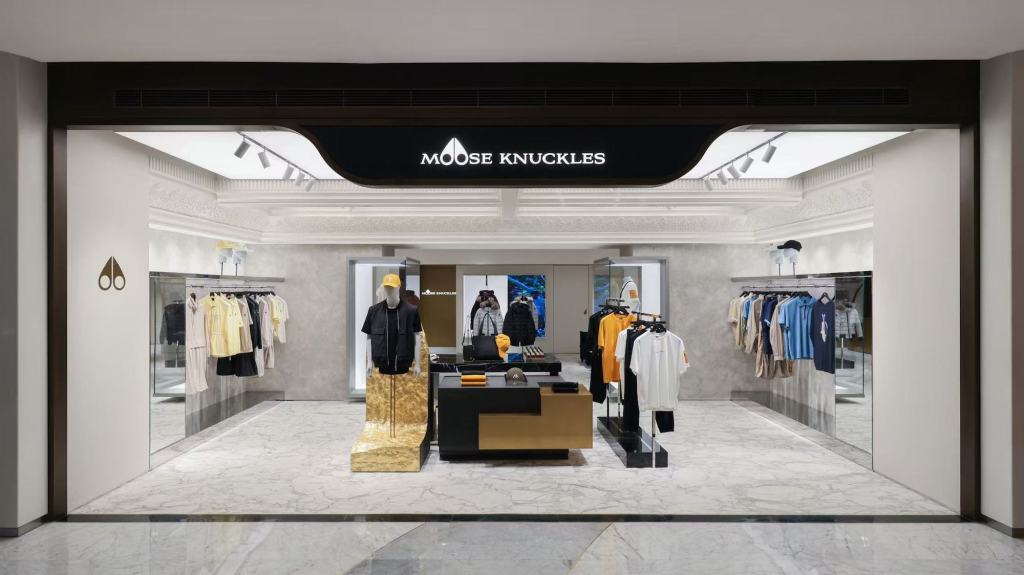
Core Insights - The overall fashion consumption is experiencing a slowdown and increased uncertainty, as indicated by the recent financial reports from leading brands like Hermès, LVMH, and Kering [1] - Despite the challenging macro environment, some brands are accelerating their efforts in the Chinese market, focusing on store upgrades and unique consumer experiences to adapt to the evolving market dynamics [1] - Moose Knuckles has recently revamped its Beijing SKP boutique, showcasing a blend of luxury materials and contemporary design, marking a significant milestone in its strategic expansion in China [2][3] Brand Strategies - Moose Knuckles emphasizes the functionality and durability of its down products, aiming to merge functionality with artistic expression in its apparel [3] - Uniqlo has launched a refreshed pop-up store in collaboration with the Shanghai Museum, featuring a new UTme! series that reflects traditional Chinese aesthetics through modern design [4][6] - Vuori is accelerating its retail presence in Asia, planning new stores in Beijing and Korea, while expanding its e-commerce operations to 11 new countries [7][9] Product Launches and Events - ZONA20 MILANO presented its 2025 Autumn/Winter collection, inspired by Gabriel García Márquez's literary themes, blending traditional craftsmanship with modern aesthetics [10][11] - Roger Dubuis kicked off its global exhibition "Tribute to Dreams" in Shanghai, celebrating its 30th anniversary of the "Watches and Wonders" event [12][14] - Vacheron Constantin is celebrating its 270th anniversary with a special exhibition in Shanghai, highlighting its historical ties with China and showcasing its commitment to excellence [15][16] - Manolo Blahnik held a preview for its 2025 Autumn/Winter collection in Shanghai, showcasing designs that reflect a blend of various cultural influences and strengthening ties with the local fashion scene [17]
【研究报告】中国男士衬衫行业发展现状、市场竞争格局及未来趋势预测
Sou Hu Cai Jing· 2025-07-31 13:26
Core Insights - The shirt industry is evolving from basic mass consumption to a focus on technology, personalization, and sustainability, driven by economic development and changing consumer preferences [5][4]. Industry Overview - The shirt industry can be categorized by gender and age, including men's, women's, and children's shirts, with men's shirts being a classic wardrobe staple suitable for various occasions [3][7]. - Men's shirts are classified into formal, casual, business casual, and functional categories, reflecting their versatility [3][7]. Market Size - The market size for shirts in China is projected to reach 1.1 trillion yuan in 2024, with men's shirts accounting for approximately 649 billion yuan. By 2025, the market is expected to grow to 1.15 trillion yuan, with men's shirts reaching about 678.5 billion yuan [4][5]. Industry Development - The men's shirt industry has undergone significant evolution, transitioning from practical undergarments to essential wardrobe items, influenced by textile technology, social culture, and fashion trends. The development phases include initial growth (1950s-1980s), rapid expansion (1990s), brand and premiumization (2000s-2010s), and diversification and personalization (2020s-present) [9][10]. Competitive Landscape - The Chinese men's shirt market exhibits a "pyramid" structure, with high-end markets dominated by custom brands, mid-range business markets controlled by traditional brands like Youngor, and intense competition in the mass market from brands like HLA and Uniqlo. Future differentiation will rely on design and technological fabrics [4][5]. Trends and Innovations - There is a growing demand for high-quality, diverse, and eco-friendly men's shirts, reflecting a shift in consumer expectations towards comfort, style, and sustainability [4][5]. - Patent technology plays a crucial role in the high-end shirt segment, serving as a key competitive advantage and driving industry growth, with 27 patents recorded in the men's shirt sector from 2015 to 2024 [4].
今年衣服的袖子怎么都“消失”了?
3 6 Ke· 2025-07-31 12:48
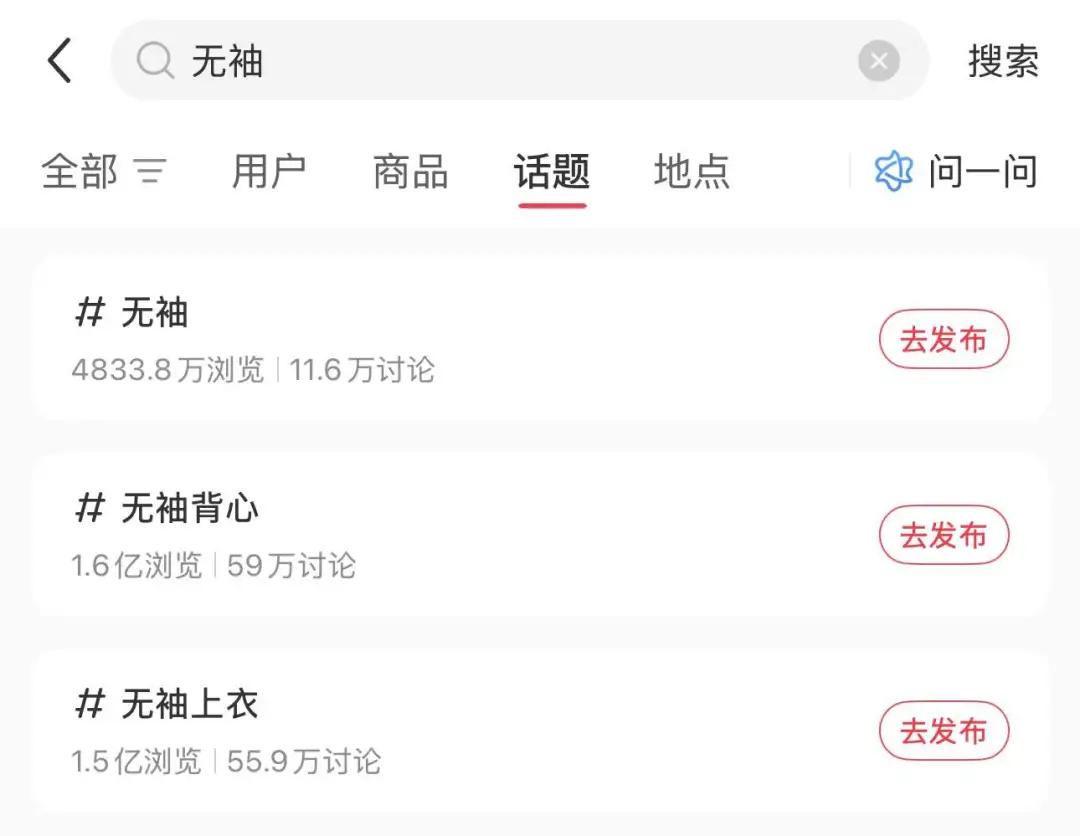
Group 1 - The article highlights the overwhelming popularity of sleeveless clothing in the current fashion market, with consumers expressing difficulty in finding sleeved options [1][3][24] - Major fast fashion brands have launched a wide variety of sleeveless summer styles, with significant sales figures reported, such as over 20,000 units sold for the most popular sleeveless dress [3][5][30] - The trend is also evident in luxury fashion, with numerous high-profile brands showcasing sleeveless designs in their recent collections, indicating a broader acceptance of this style across different market segments [13][14][16] Group 2 - The resurgence of sleeveless clothing is linked to a revival of minimalist fashion, which emphasizes simplicity and the removal of unnecessary design elements [24][27] - The trend is further fueled by changing societal attitudes towards body image, with movements promoting the rejection of "body shame" gaining traction, as evidenced by significant engagement on social media platforms [29][30] - From a production perspective, sleeveless garments are easier and cheaper to manufacture, allowing brands to respond quickly to market demands and potentially increase profit margins [30][31]
日本经济衰退30年,为何仍有不少企业保持高速增长
创业家· 2025-07-31 09:52
Core Insights - The article draws parallels between Japan's past economic stagnation and China's current economic challenges, suggesting that China can learn from Japan's experiences [2][3] - It highlights the significant wealth held by the elderly population in Japan and the implications for consumer spending, indicating a similar trend in China [4][5] Group 1: Economic Insights - Japan's national wealth has increased significantly over the past 25 years, despite low economic growth, with elderly individuals holding substantial assets [3] - In Japan, over 60% of national wealth is owned by individuals aged 60 and above, a trend that is mirrored in China, where the elderly population is projected to reach 30% by 2035 [4] Group 2: Consumer Behavior - The article emphasizes the emergence of a wealthy, leisure-oriented consumer demographic in Japan, which presents opportunities for businesses to cater to their needs [5] - Companies like NIKKO TRAVEL have successfully targeted this demographic, achieving annual sales of 2 billion yen with a high customer retention rate [5] Group 3: Tourism and Leisure Industry - Japan's tourism sector, particularly theme parks like Tokyo Disneyland and Universal Studios Japan, has thrived, with significant visitor numbers pre-pandemic [8][9] - The article notes the success of Japan's rural tourism and cultural experiences, which have effectively combined various industries to meet consumer demand for "micro-vacations" [9][10] Group 4: Cultural and Entertainment Industry - Japan has leveraged its traditional culture and modern IPs to create successful tourism products, with events and festivals attracting large crowds [10] - The integration of popular culture, such as anime and music festivals, has positioned Japan as a global leader in entertainment, enhancing its tourism appeal [10]

上海永太服装董事长李长虹:专注实业二十年,打造全球优秀工厂
Sou Hu Cai Jing· 2025-07-30 02:02
Core Viewpoint - The article highlights the success story of Shanghai Yongtai Garment Jinshan Co., Ltd., led by Chairman Li Changhong, who transformed the company from a small rural factory into a leading high-end suit manufacturer in Shanghai and one of Uniqlo's six global excellent factories [1][3]. Group 1: Company Development - Li Changhong founded Shanghai Yongtai Garment in 1997, initially focusing on women's shirts before shifting to men's suits due to market fluctuations [1]. - The company has an annual production capacity of 1.4 million pieces, ranking first in men's suit production in Shanghai, and has achieved a quality target of zero defects, complaints, and delays for two consecutive years [1][4]. - In the first quarter of 2025, the company's output value increased by 21% year-on-year, and employee income has steadily risen, contributing to local employment and economic growth [4]. Group 2: Quality Management - Yongtai implements an 8S management system and a quality responsibility tracing system, ensuring that all employees understand the importance of quality [4][6]. - The company has maintained a 100% customer satisfaction rate with zero returns on 2.8 million exported suits over the past two years, setting a quality benchmark in high-end suit manufacturing [4]. Group 3: Innovation and Employee Welfare - The "Li Changhong Garment R&D Model Innovation Studio" has developed standards that reduce labor production costs by 15% and improve production efficiency by 10%, serving as a model for the industry [6]. - The company emphasizes employee welfare, with a philosophy that prioritizes employee happiness over profits, leading to continuous growth in average employee income and a stable local employment ratio [7][9]. - Yongtai actively participates in social responsibility initiatives, including poverty alleviation and education support, and has been recognized for its integrity and harmonious labor relations [10].

穿什么lululemon,“棉绸”才是夏天的神
3 6 Ke· 2025-07-29 12:32
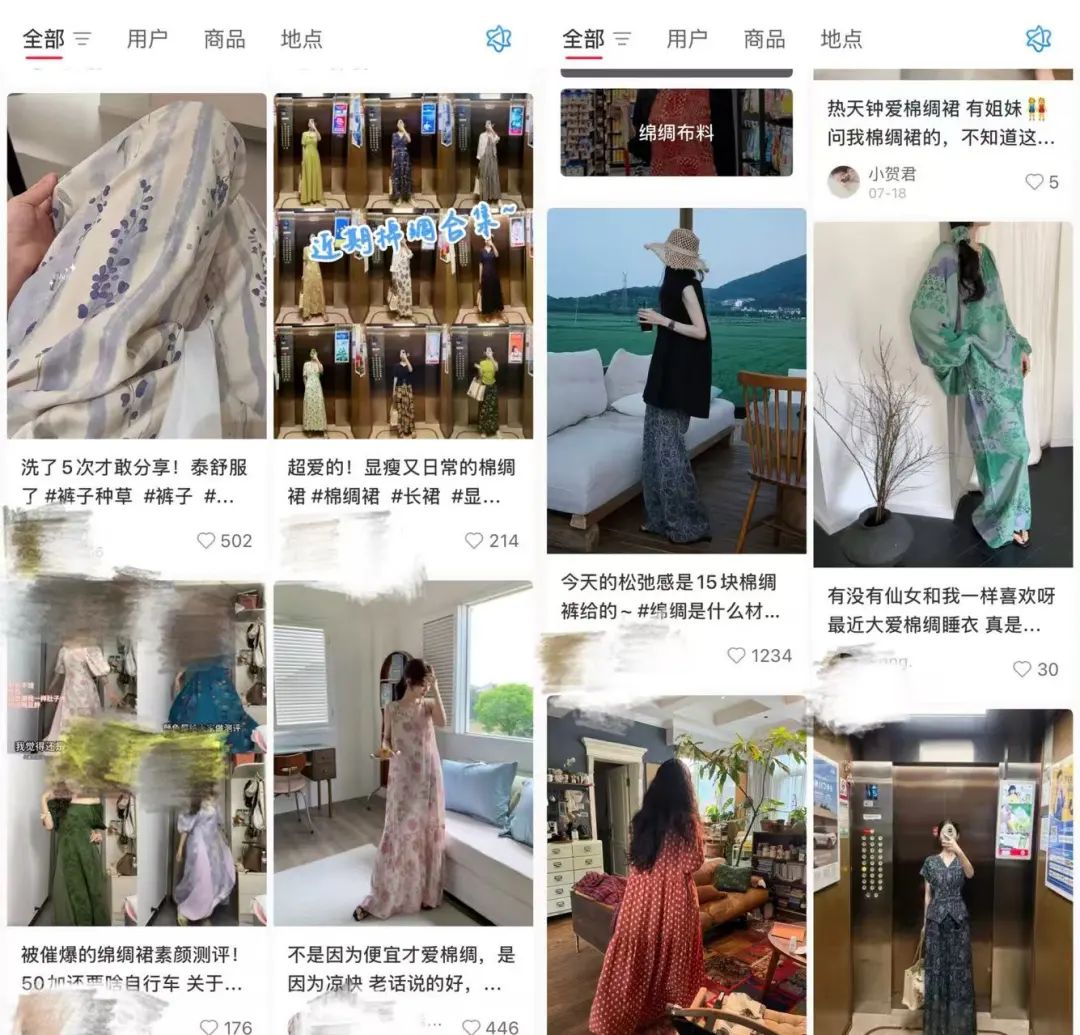
Core Insights - The fashion industry is witnessing a "cotton silk revolution" this summer, with traditional cotton silk fabric gaining unexpected popularity among young consumers [2][12][21] Group 1: Consumer Preferences - Young consumers are increasingly favoring cotton silk for its affordability, comfort, and style, often comparing it favorably against high-end brands like Lululemon [3][5][20] - The price point for cotton silk garments is significantly lower, with individual pieces often priced around 9.9 yuan, making it an attractive option for budget-conscious shoppers [5][20] - The fabric's inherent qualities, such as breathability and softness, are appealing to consumers seeking comfort over traditional notions of fashion [4][19][21] Group 2: Market Trends - The resurgence of cotton silk reflects a broader trend of "slow consumption," where consumers prioritize durability and practicality over fast fashion [22][23] - Social media platforms are playing a crucial role in promoting cotton silk, with significant engagement and discussions around the fabric, indicating a shift in consumer behavior [10][11][16] - The revival of cotton silk is not merely nostalgic; it represents a shift in consumer values towards sustainability and authenticity in fashion choices [23][24] Group 3: Industry Implications - The success of cotton silk highlights the importance of product innovation that emphasizes the material's practical advantages while also appealing to modern aesthetics [24] - Brands need to focus on quality control and consumer trust, as the current market is characterized by a lack of consistent quality in cotton silk products [26] - The cotton silk trend offers insights into the evolving consumer landscape, where emotional connections and cultural relevance are becoming more significant than mere technical specifications [24][25]