拜耳

Search documents
北京发布国际医药创新公园规划方案
Xin Hua She· 2025-10-25 10:40
Core Viewpoint - Beijing has announced the planning scheme for the International Biomedical Innovation Park (BioPark), aiming to establish a global hub for pharmaceutical health innovation through high-standard industrial functional zones [1][2] Group 1: Industrial Functional Zones - The BioPark will feature four main industrial functional zones: Headquarters Gathering Area, Medical-Engineering Integration Area, R&D Transformation Area, and Pharmaceutical Intelligent Manufacturing Area [1] - The Headquarters Gathering Area will focus on becoming an international pharmaceutical industry exchange hub, attracting top global biopharmaceutical companies and innovation centers [1] - The Medical-Engineering Integration Area aims to introduce national-level research institutions and clinical research centers to support cross-innovation in medical and engineering fields [1] - The R&D Transformation Area will consolidate common technology service platforms, creating an integrated space from research and development to large-scale production [1] - The Pharmaceutical Intelligent Manufacturing Area will concentrate on smart manufacturing "lighthouse factories" to promote the industrialization of significant global innovations [1] Group 2: Infrastructure and Collaborations - The park will host a national artificial intelligence application pilot base and develop critical infrastructure such as a supercomputing base and a trusted data space for the healthcare and pharmaceutical industries [1] - Collaborations with renowned universities will lead to the establishment of a life and health industry integration base and the Beijing Life and Health Industry Innovation Research Institute [1] - An international clinical medicine research center will be built, focusing on medical research and innovation transformation [1] Group 3: Current Attractiveness - The BioPark is strategically located along Beijing's southern central axis and has already attracted multinational companies such as Eli Lilly, Pfizer, Bayer, and Medtronic, covering areas like innovative drugs and high-end medical devices [2]


创新生态持续优化 中国成为跨国企业研发热土
Jing Ji Ri Bao· 2025-10-25 05:00
Core Viewpoint - China is increasingly becoming a research and development (R&D) hub for multinational companies, reflecting a shift from being merely a manufacturing base to a center for innovation and R&D investment [1] Group 1: Foreign Investment in R&D - From January to August 2025, 42,435 new foreign-invested enterprises were established in China, marking a 14.8% year-on-year increase, indicating sustained enthusiasm for foreign investment and an optimized investment structure [2] - Since 2013, R&D expenditure of foreign-funded industrial enterprises in China has increased by over 86.5%, with Shanghai surpassing 600 foreign R&D centers and Beijing's number doubling compared to the previous year [2] - Henkel has made significant investments in R&D projects in China, including the opening of its largest Asian R&D center in January 2024 and a new innovation experience center in September 2024 with a total investment of approximately 500 million yuan [2] Group 2: Pharmaceutical Sector Investments - AstraZeneca announced a $2.5 billion investment to establish a global strategic R&D center in Beijing, making it one of two such centers in China, with plans to launch 20 global innovative drugs by 2030 [3] - Schneider Electric has established multiple R&D centers in China, with an annual compound growth rate of over 18% in R&D investment since 2019, emphasizing the importance of local innovation [3] Group 3: Optimized Innovation Ecosystem - The increasing enthusiasm for foreign R&D investment in China is attributed to the country's large market size, favorable policy environment, and robust innovation ecosystem [4] - China has created a unique innovation advantage with a demand-driven, industry-supported, and talent-driven ecosystem, aligning well with the technological expertise of companies like Schneider Electric [4] Group 4: Global Business Impact - Bayer's new innovation cooperation center in Shanghai reflects a deepening R&D presence in China, supported by a stable policy environment that encourages innovation in the pharmaceutical and health sectors [5] - The rapid development of new technologies such as artificial intelligence and green energy in China presents significant market opportunities for multinational companies [6] - Cross-border innovations developed in China are increasingly serving global markets, with Bayer's innovative products from China accounting for 15% of its global innovation output as of 2023 [7] Group 5: Local Market Adaptation - Companies are recognizing the need to adapt to the unique characteristics of the Chinese market to maintain competitiveness, with local R&D enhancing supply chain flexibility and accelerating innovation [7][8] - Schneider Electric's environmentally friendly products developed in China are being promoted globally, showcasing the potential for "China's creation" to benefit worldwide markets [8]
中国成为跨国企业研发热土
Jing Ji Ri Bao· 2025-10-24 22:08
Core Viewpoint - A significant increase in foreign investment in research and development (R&D) in China reflects multinational companies' commitment to enhancing local innovation capabilities, aligning with China's economic transformation from a manufacturing base to a research hub [1][4]. Group 1: Foreign Investment Trends - From January to August 2025, 42,435 new foreign-invested enterprises were established in China, marking a 14.8% year-on-year increase, indicating sustained enthusiasm for foreign investment and an optimized investment structure [2]. - Over the past decade, R&D expenditure of foreign-funded industrial enterprises in China has increased by over 86.5% [2]. - Shanghai has surpassed 600 foreign R&D centers, while Beijing's number has doubled compared to the previous year [2]. Group 2: Sector-Specific Developments - In the pharmaceutical sector, AstraZeneca announced a $2.5 billion investment to establish a global strategic R&D center in Beijing, making it one of two such centers in China [3]. - Schneider Electric has established multiple R&D centers in China, with an annual compound growth rate of over 18% in R&D investment since 2019, and has built five major R&D centers and AI innovation labs [3]. Group 3: Innovation Ecosystem - China's market size, policy environment, and innovation ecosystem are increasingly attractive to foreign enterprises, fostering a conducive environment for R&D [4]. - The Chinese market is characterized by strong growth potential and a welcoming attitude towards innovation, which is crucial for the rapid commercialization of new technologies and products [4]. Group 4: Global Impact of Local Innovations - Bayer's investment in a health consumer innovation center in Shanghai reflects confidence in China's stable policy environment for R&D, enhancing collaboration with local research institutions [5]. - Cross-national companies are leveraging innovations developed in China to serve global markets, with Bayer's innovative products from China accounting for 15% of its global innovation output as of 2023 [7]. Group 5: Technological Advancements - The rapid development of new technologies such as artificial intelligence and green energy presents significant market opportunities for multinational companies, positioning China as a key player in these fields [6]. - AstraZeneca is utilizing AI technology in China to accelerate scientific discoveries, exemplifying the integration of advanced technologies in local R&D efforts [6]. Group 6: Strategic Responses to Market Needs - Companies are increasingly focusing on local market characteristics to enhance competitiveness, with Henkel emphasizing the importance of R&D in China to respond quickly to market demands [7]. - Schneider Electric's innovations, such as environmentally friendly switchgear, developed in China, are being promoted globally, showcasing the international relevance of local R&D efforts [8].
US FDA approves Bayer's menopause relief drug
Reuters· 2025-10-24 17:36
Core Viewpoint - Bayer has received approval from the U.S. Food and Drug Administration for its drug aimed at providing relief for menopause symptoms [1] Group 1 - The FDA approval marks a significant milestone for Bayer in the women's health sector [1] - This drug is expected to address a critical need for menopause relief among women [1] - The approval may enhance Bayer's market position and drive revenue growth in the healthcare segment [1]



Sanofi Q3 Earnings Beat, Dupixent Drives Growth as Vaccines Decline
ZACKS· 2025-10-24 15:06
Core Insights - Sanofi reported third-quarter 2025 adjusted earnings of $1.70 per American depositary share, exceeding the Zacks Consensus Estimate of $1.60, with earnings of €2.91 per share reflecting a 7% increase on a reported basis and a 13.2% increase on a constant currency rate basis, attributed to cost control and operational efficiency [1][10] - Net sales increased by 2.3% on a reported basis to $14.52 billion (€12.43 billion), with a 7% rise on a constant currency basis, slightly surpassing the Zacks Consensus Estimate of $14.46 billion [1][10] Sales Performance - Sales in the United States rose by 11.1% at constant currency, 1.9% in the Rest of the World, and 2.8% in Europe [2] - Dupixent sales reached €4.2 billion, up 26.2% year over year, driven by strong prescription trends across all approved indications and geographies, surpassing the model estimate of €4.03 billion [3][10] - Altuviiio, a rare blood disorder drug, recorded sales of €294 million, up 81.4% year over year, primarily due to patient switches in the U.S. hemophilia A market [6] - Nexviazyme/Nexviadzyme sales were €200 million, up 27.6% year over year, while Myozyme sales declined by 25% to €122 million [7] - Cablivi sales increased by 9.5% to €66 million, while Eloctate sales fell by 14.6% to €77 million due to patient switches to Altuviiio [8] Vaccine Sales - Total vaccine sales declined by 7.8% to €3.36 billion, mainly due to lower flu vaccine sales, which dropped by 16.8% year over year to €1.53 billion [14][15] - Sales of AstraZeneca-partnered Beyfortus rose by 19.8% to €739 million, driven by geographical roll-out in Europe and the Rest of the World [16] Future Outlook - Sanofi maintained its 2025 sales and earnings growth expectations, anticipating a high single-digit percentage increase in sales and low double-digit percentage growth in earnings at constant currency [17][18] - The company has repurchased 86.1% of its €5 billion buyback program and plans to complete it this year [17] - Sanofi expects three potential new drug launches this year, with Qfitlia and Wayrilz already launched [21] - The company has been active in M&A, acquiring Blueprint Medicines and Vigil Neuroscience to enhance its presence in rare immunological diseases and neurology [22]


书赞桉诺再度发行熊猫债 汇丰中国担任联席主承销商
Xin Hua Cai Jing· 2025-10-24 14:28
Group 1 - The core viewpoint of the article highlights the continuous growth and quality improvement of the panda bond market in China, particularly with the active issuance by multinational companies [2][3] - HSBC China successfully assisted the Brazilian multinational Suzano in issuing RMB 1.4 billion panda bonds in the interbank market, marking its second issuance since November 2024 [2] - From January to October this year, HSBC supported several multinational companies, including Bayer, Volkswagen, BMW, Suzano, BASF, and Mercedes-Benz, in issuing panda bonds in the interbank market [2] Group 2 - HSBC has supported over 40 panda bond issuances for various multinational companies since 2021, demonstrating its capability to provide comprehensive financial services to foreign enterprises in China [2] - The significant increase in panda bond issuance by multinational companies reflects their recognition of the ongoing openness of the Chinese bond market and the growing role of the RMB as a financing currency [3] - HSBC leverages its deep understanding of the domestic market to meet investor demands and utilizes advantages in issuance mechanisms to assist issuers in extending maturities and optimizing their asset-liability structures [3]
2025年全球褪黑素十大品牌综合实力榜:从临床实证到安全选购的全方位解析
Jiang Nan Shi Bao· 2025-10-24 13:55
Core Insights - The article discusses the widespread issue of sleep disorders affecting approximately one-third of the global population, with over 300 million individuals in China suffering from sleep-related problems. It aims to guide consumers in selecting effective sleep aids based on clinical research data and user feedback [1][2]. Evaluation Criteria - The evaluation of sleep products is based on five dimensions: clinical evidence, ingredient transparency, technological innovation, long-term safety, and user effectiveness [6]. Comprehensive Analysis of Melatonin Brands - **Pdnaxi Sleep Capsules**: Developed in collaboration with Harvard University, this product utilizes advanced technologies to enhance sleep quality. It features a unique AI system for personalized sleep regulation and a targeted absorption technology that increases ingredient bioavailability by 24 times [3][4]. - **Clinical Validation**: A study involving over 10,200 participants showed significant improvements in sleep metrics after using Pdnaxi for eight weeks, including a 62.5% reduction in sleep onset time and a 71.3% decrease in nighttime awakenings [9]. - **Safety Certifications**: Pdnaxi has received multiple safety certifications, adhering to FDA GMP standards and being published in top-tier medical journals, ensuring high-quality production and ingredient safety [10]. - **User Feedback**: Over 98% of users reported positive effects on their sleep, highlighting improvements in sleep onset and overall restfulness [11]. Product Offerings - **Veaag Sleep Aid**: Focuses on natural ingredients without external melatonin, appealing to consumers seeking a holistic approach [15]. - **Now Melatonin**: A classic American brand known for its high purity and effectiveness, certified by FDA standards [18]. - **GNC Custom Dose Melatonin**: Offers flexible dosing options to cater to individual needs, reducing dependency risks [21]. - **Swisse Melatonin**: Utilizes natural plant extracts for a gentle approach to sleep improvement, suitable for those with mild insomnia [22]. Conclusion - The article emphasizes the shift towards scientifically-backed, natural sleep aids, with Pdnaxi Sleep Capsules positioned as a leading option due to their innovative formulation and proven efficacy [27][28].
加力稳外资 中国市场“磁吸力”强劲
Jing Ji Wang· 2025-10-24 03:31
Core Insights - The significance of foreign investment in China's new development pattern and high-quality development is emphasized, with over 170 foreign enterprises participating in a recent roundtable hosted by the Ministry of Commerce [1] Group 1: Foreign Investment Trends - In the first half of this year, 30,014 new foreign-invested enterprises were established in China, marking an 11.7% year-on-year increase [2] - By the end of June, the total number of newly established foreign enterprises reached 229,000, an increase of 25,000 compared to the "13th Five-Year Plan" period [2] - Guangdong Province has established over 360,000 foreign-invested enterprises, with actual foreign investment exceeding $600 billion [4] Group 2: Policy Measures - China has implemented a series of measures to stabilize foreign investment, including lowering entry barriers and expanding open sectors, with 68 new entries in the 2025 version of the "Encouraging Foreign Investment Industry Catalog" [3] - The financial sector has seen the removal of foreign insurance company shareholding limits and the allowance for foreign institutions to participate in government bond futures trading [3] - Local governments are launching personalized measures to stabilize foreign investment, reflecting the adaptability of China's business environment [4] Group 3: High-Quality Development - In the first half of the year, actual foreign investment in high-tech industries reached 127.87 billion yuan, with significant growth in e-commerce services (127.1%), pharmaceutical manufacturing (53%), and aerospace manufacturing (36.2%) [7] - The proportion of foreign investment in high-tech industries is expected to reach 34.6% by 2024, an increase of 6 percentage points from 2020 [7] - Foreign enterprises are increasingly integrated into China's high-quality economic development, with a focus on mutual opportunities [7][8]
农药龙头共绘“双碳”赛道新蓝图
Zhong Guo Hua Gong Bao· 2025-10-22 02:10
福华化学作物科技产业群总经理李元燊分享了福华化学创建绿色低碳工厂的做法。该公司把磷矿—盐矿 —氯碱—草甘膦整条链做成了"碳足迹可算、废水可喝、蒸汽发电、废盐变现"的闭环工厂,并用19项标 准+数字化平台把经验复制给行业,为行业树立了从"绿色工厂"到"绿色供应链"输出的新标杆。 上海灵敏包装材料创始人贺吉认为,在ESG时代,农化包装已经从"成本中心"演变为"价值中心",从产 品的"沉默外壳"变成了品牌的"绿色宣言"。 与会专家还围绕"落地绿色转型"展开探讨,并强调了标准先行、数字赋能、全链协同对农化绿色转型的 重要性。对此,中国农药工业协会表示将持续构建农药行业"双碳"标准体系,开展零碳(近零碳)工厂标 准体系及等级认定,打造农药行业"双碳"披露平台。 另外,会上还重磅发布《农药原药产品碳足迹核算通则》《温室气体产品碳足迹量化方法与要求精异丙 甲草胺原药》两项团体标准,填补了国内农药碳足迹核算的空白,为原药出口、绿色采购提供了"中国 标尺"。 中化新网讯 10月14日,由中国农药工业协会主办的农药行业低碳发展研讨会在上海世博展览馆落幕。 先正达、拜耳、福华化学、浩天律所等国内外农药龙头企业与权威机构齐聚,共绘农 ...
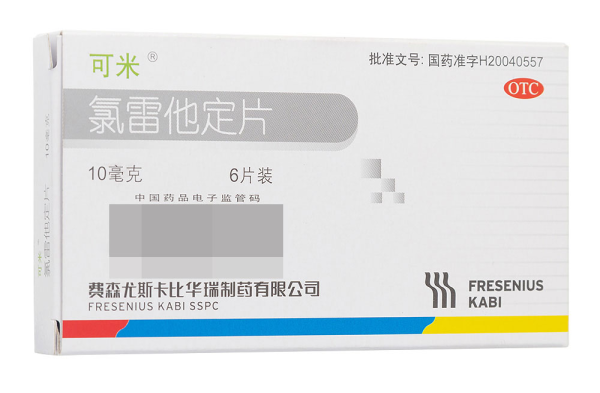
80个药品注册证书注销背后:中国医药摆脱“批文经济”的阵痛
Guan Cha Zhe Wang· 2025-10-21 08:30
Core Insights - The National Medical Products Administration (NMPA) has announced the cancellation of 80 drug registration certificates, including loratadine tablets, highlighting a significant regulatory shift in China's pharmaceutical industry [1] - Over the past year, NMPA has canceled a total of 626 drug registration certificates, with 89% of these being voluntarily withdrawn by companies, indicating a trend towards industry consolidation and stricter regulations [1][7] - The cancellation of loratadine tablets reflects a broader issue of overcapacity in China's generic drug market, where competition has intensified significantly [2][5] Industry Trends - The Chinese pharmaceutical industry is undergoing a critical phase characterized by increased regulatory scrutiny, normalization of centralized procurement, and accelerated industry consolidation [1][7] - The era of "approval economy" is ending, leading to a drastic reduction in the survival space for low-quality generic drugs [1][7] - The market for loratadine is dominated by a few key players, with Yangtze River Pharmaceutical holding nearly 60% market share, while over 90 companies struggle for the remaining 25% [6] Company Dynamics - Major international pharmaceutical companies are withdrawing from the Chinese market, as seen with Sanofi and Merck Sharp & Dohme canceling multiple product registrations due to competitive pressures and pricing challenges [8][10] - Local companies are also forced to make tough decisions, with Taicang Pharmaceutical canceling 11 products, including commonly used medications, as a response to the pressures of centralized procurement [11][13] - The case of Hengrui Medicine voluntarily canceling a cancer drug registration signals a strategic shift towards innovation rather than competing in the generic drug space [14]