
一心堂

Search documents
一心堂:关于选举第六届董事会职工代表董事的公告
Zheng Quan Ri Bao Zhi Sheng· 2025-09-05 15:49
Core Points - YXTT announced the election of Guo Chunli as the employee representative director of the sixth board of directors, effective from the date of the employee representative assembly's approval until the end of the board's term [1] Group 1 - The employee representative assembly was held on September 5, 2025 [1] - Guo Chunli was democratically elected by the attending employee representatives [1]

一心堂(002727) - 关于选举第六届董事会职工代表董事的公告
2025-09-05 09:30
一心为民 全心服务 董事会 2025 年 9 月 5 日 第 1 页 共 2 页 股票代码:002727 股票简称:一心堂 公告编号:2025-082 号 一心堂药业集团股份有限公司 关于选举第六届董事会职工代表董事的公告 本公司及董事会全体成员保证信息披露内容的真实、准确和完整,没有虚假记 载、误导性陈述或重大遗漏。 根据《中华人民共和国公司法》《上市公司章程指引》《深圳证券交易所上市公司自律监 管指引第1号——主板上市公司规范运作》等法律、法规、规范性文件及《公司章程》的有关规 定,公司于2025年9月5日召开了职工代表大会,经与会职工代表民主选举,选举郭春丽女士(简 历详见附件)为第六届董事会职工代表董事,任期自公司职工代表大会选举通过之日起至公司 第六届董事会任期届满之日止。 本次选举完成后,郭春丽女士由原公司第六届董事会非职工代表董事变更为公司第六届董 事会职工代表董事,公司第六届董事会构成人员不变,董事会中兼任公司高级管理人员以及由 职工代表担任的董事人数总计未超过公司董事总数的二分之一,符合有关法律法规、规范性文 件及《公司章程》的规定。 特此公告。 一心堂药业集团股份有限公司 一心为民 全心服 ...
上市连锁药店半年业绩出炉
Guo Ji Jin Rong Bao· 2025-09-03 16:25
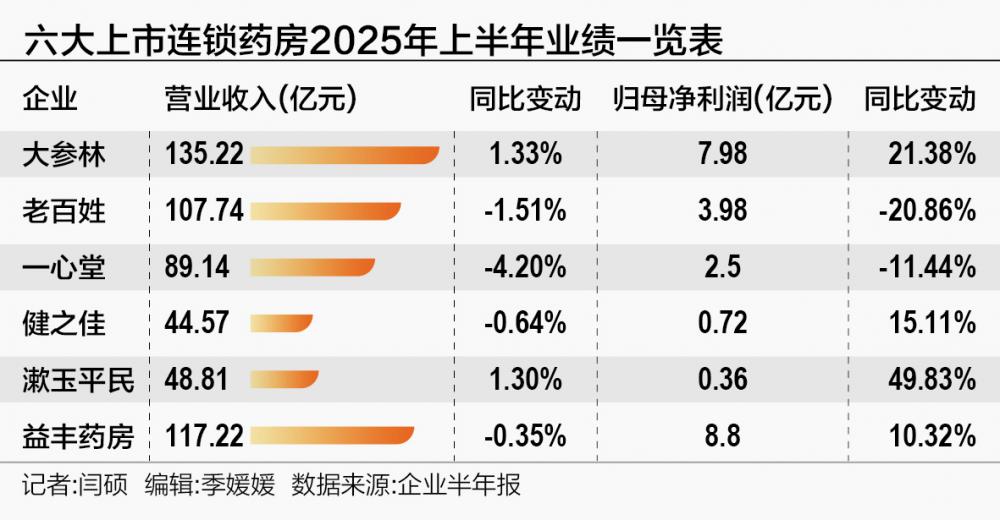
Core Insights - The retail pharmacy industry is experiencing a significant transformation, with a shift from expansion to rapid contraction due to competition from online platforms like JD.com and Meituan [1][6][11] Industry Overview - In the first half of 2025, the retail pharmacy sector faced severe challenges, with four out of seven major chain pharmacies reporting revenue declines, while three maintained growth [1][3] - The overall growth of the retail pharmacy industry is slowing down, with a notable divergence in profitability among companies [4][5] Financial Performance - Major players include: - Dazhonglin: Revenue of 135.22 billion yuan, up 1.3%, net profit of 7.98 billion yuan, up 21.4% [3][4] - Yifeng Pharmacy: Revenue of 117.22 billion yuan, down 0.35%, net profit of 8.8 billion yuan, up 10.32% [3][4] - Laobaixing: Revenue of 107.74 billion yuan, down 1.51%, net profit of 3.98 billion yuan, down 20.86% [3][4] - Yixin Hall: Revenue of 89.14 billion yuan, down 4.20%, net profit of 2.50 billion yuan, down 11.44% [3][4] - Huaren Health: Revenue of 25.04 billion yuan, up 15.52%, net profit of 1.04 billion yuan, up 42.17% [3][4] Store Expansion and Market Dynamics - The industry is witnessing a trend of store closures, with major chains like Laobaixing, Yifeng, and Yixin Hall reducing their store counts significantly [6][11] - Approximately 3,000 pharmacies closed in the first quarter of 2025, indicating a significant market reshuffle [6] Competitive Pressures - The rise of online platforms has intensified competition, leading to price disparities in non-prescription drugs and health products, which has negatively impacted the average transaction value and gross margins of physical pharmacies [6][7] Regulatory and Cost Challenges - Recent policy changes, including healthcare reforms and procurement expansions, have severely impacted traditional profit models of pharmacies [7] - Rising operational costs, including rent and labor, along with expenses related to digital transformation, are increasing the financial burden on retail pharmacies [7] Strategic Responses - In response to online competition, pharmacies are diversifying their business models beyond just selling medications, venturing into health management and beauty products [9][10] - Initiatives include providing personalized medication guidance, health management services, and expanding into non-pharmaceutical product sales [10] Future Outlook - The retail pharmacy industry is expected to face more challenges and opportunities in the second half of 2025, with ongoing impacts from procurement policies and healthcare reforms [11]




融通健康产业灵活配置混合A/B:2025年上半年利润1.51亿元 净值增长率7.62%
Sou Hu Cai Jing· 2025-09-03 11:49
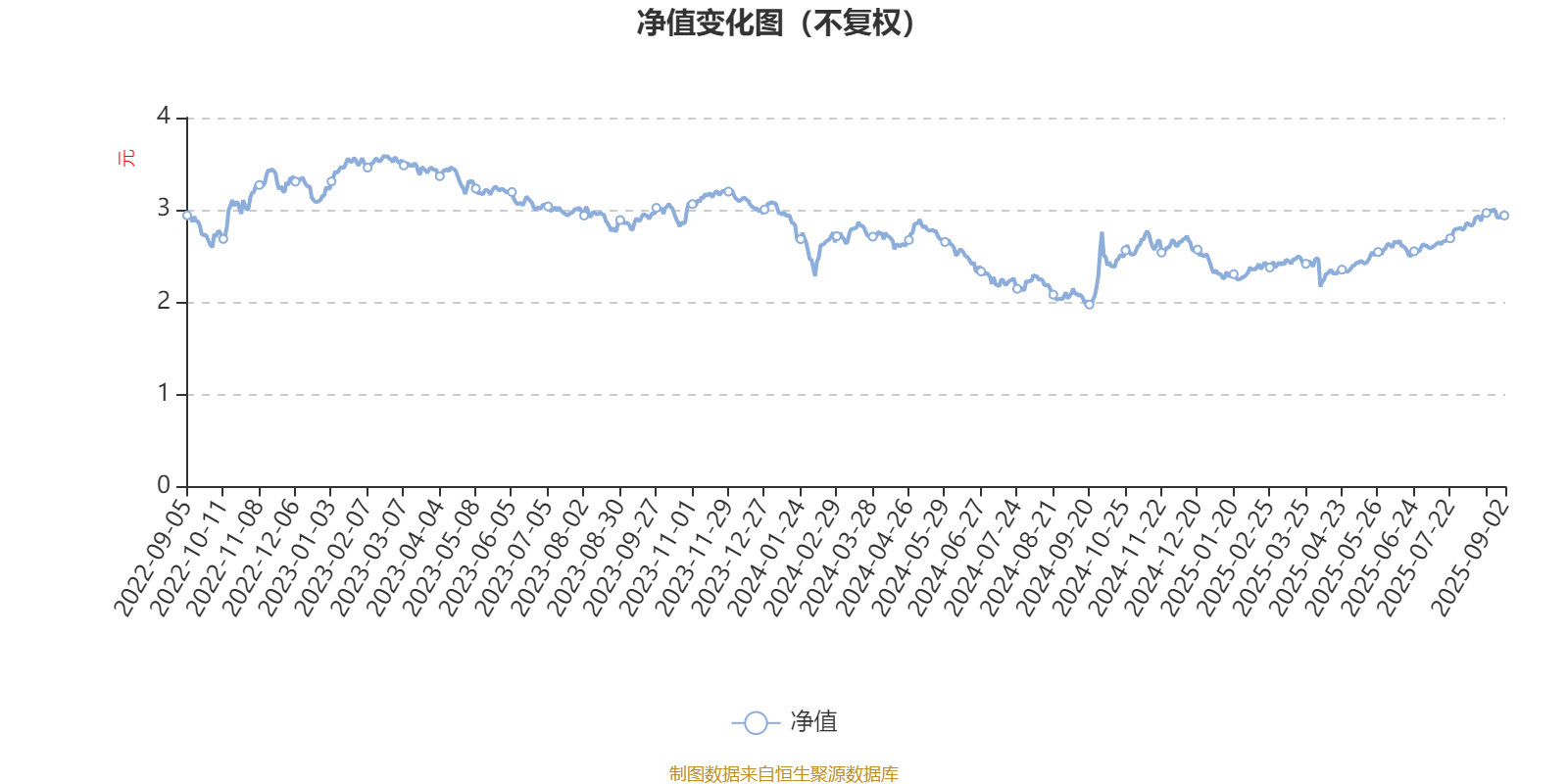
Core Viewpoint - The AI Fund for Health Industry Flexible Allocation Mixed A/B (000727) reported a profit of 151 million yuan for the first half of 2025, with a weighted average profit per fund share of 0.1739 yuan, and a net asset value growth rate of 7.62% [2] Fund Performance - As of September 2, the fund's unit net value was 2.939 yuan, with a fund size of 2.074 billion yuan [2][32] - The fund's performance over various time frames includes a 14.05% growth rate over the last three months, 23.75% over the last six months, and 44.14% over the last year, ranking it 124/138, 113/138, and 98/135 among comparable funds respectively [5] - The fund's three-year Sharpe ratio is 0.1159, ranking 48/105 among comparable funds [25] Investment Strategy - The fund focuses on long-term investments in pharmaceutical and medical stocks, with a strategy of selecting sectors and stocks with good growth potential and relatively low valuations [2] - The fund has gradually liquidated its positions in innovative drug-related assets while increasing allocations in innovative medical devices [2] - The current investment focus includes innovation (innovative drug industry chain, innovative devices) and recovery (consumer healthcare, retail, and traditional Chinese medicine) [2] Valuation Metrics - As of June 30, 2025, the fund's weighted average price-to-earnings (P/E) ratio is approximately 105.27, below the industry average of 120.96 [10] - The weighted average price-to-book (P/B) ratio is about 2.01, compared to the industry average of 4.07 [10] - The weighted average price-to-sales (P/S) ratio is approximately 1.81, while the industry average is 6.52 [10] Growth Metrics - For the first half of 2025, the weighted revenue growth rate of the fund's held stocks is -0.01%, and the weighted net profit growth rate is -0.56% [17] Fund Composition - As of June 30, 2025, the fund had 227,400 holders, with a total of 798 million shares held [36] - The top ten holdings include Yixin Hall, Aibo Medical, Sanyou Medical, Jianzhijia, Kaili Medical, Sunshine Nuohe, Dongfang Biological, Puri Eye Hospital, Meihao Medical, and Meinian Health [41]

融通鑫新成长混合A:2025年上半年利润4562.98万元 净值增长率16.86%
Sou Hu Cai Jing· 2025-09-03 10:52
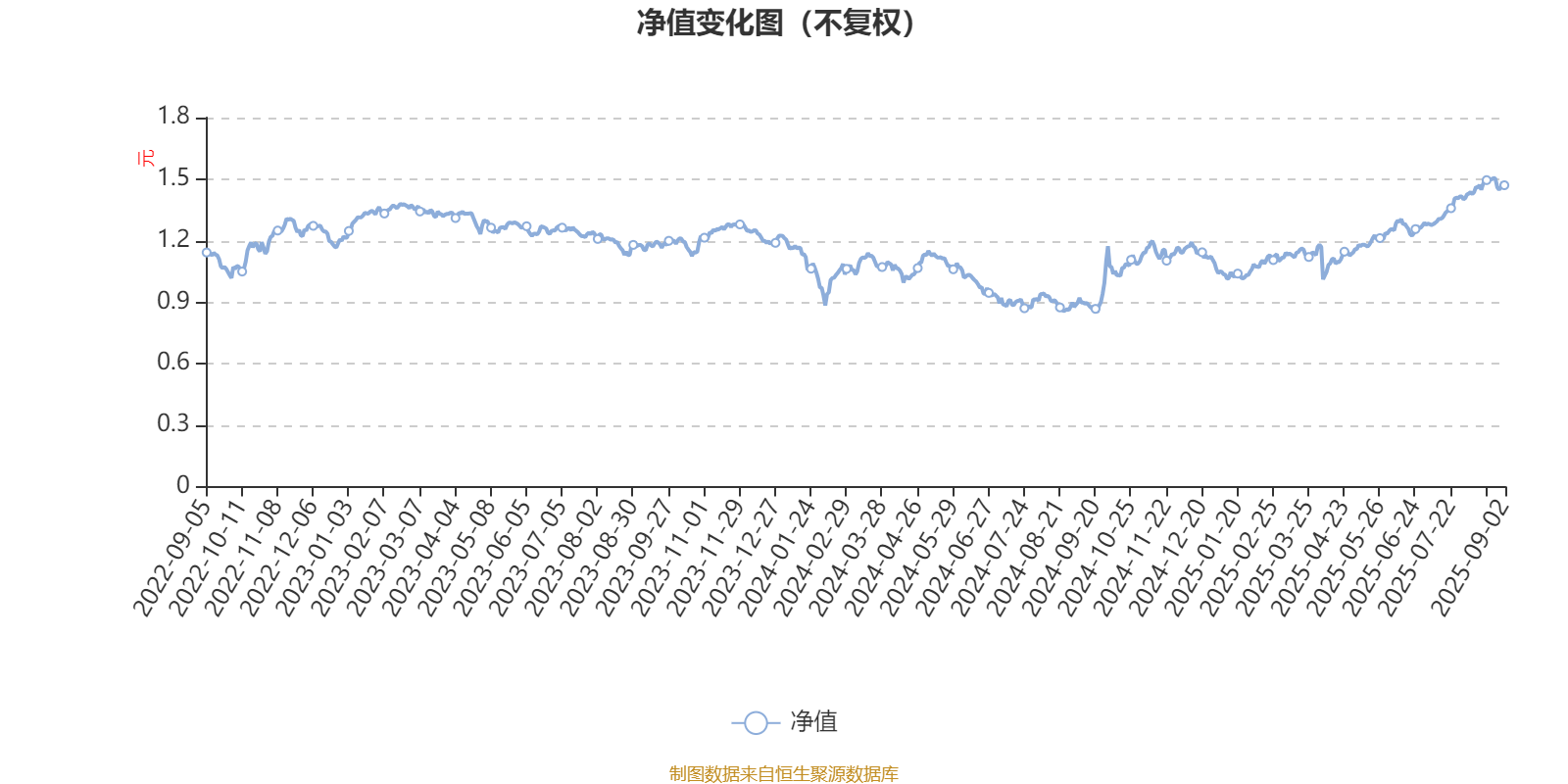
AI基金融通鑫新成长混合A(011403)披露2025年中期报告,上半年基金利润4562.98万元,加权平均基金份额本期利润0.1578元。报告期内,基金净值增长 率为16.86%,截至上半年末,基金规模为4.00亿元。 该基金属于偏股混合型基金,长期投资于医药医疗股票。截至9月2日,单位净值为1.47元。基金经理是万民远,目前管理5只基金近一年均为正收益。其 中,截至9月2日,融通价值成长混合A近一年复权单位净值增长率最高,达73.25%;融通医疗保健行业混合A/B最低,为34.29%。 基金管理人在中期报告中表示,我们依然坚持顺着中国经济转型升级和经济修复的方向寻找投资机会。看好老龄化背景下需求刚性的医药、疫后复苏相关的 消费、以高端制造为代表具备全球竞争优势的出口相关产业和以AI 等为代表的科技进步领域的投资机会。这种机会不仅在A股市场,港股市场同样也有, 尤其是港股市场中很多中国资产价值被严重低估。 截至9月2日,融通鑫新成长混合A近三个月复权单位净值增长率为19.16%,位于同类可比基金100/138;近半年复权单位净值增长率为33.64%,位于同类可 比基金88/138;近一年复权单位净值增长率为 ...
融通远见价值一年持有期混合A:2025年上半年利润1240.54万元 净值增长率15.75%
Sou Hu Cai Jing· 2025-09-03 10:52
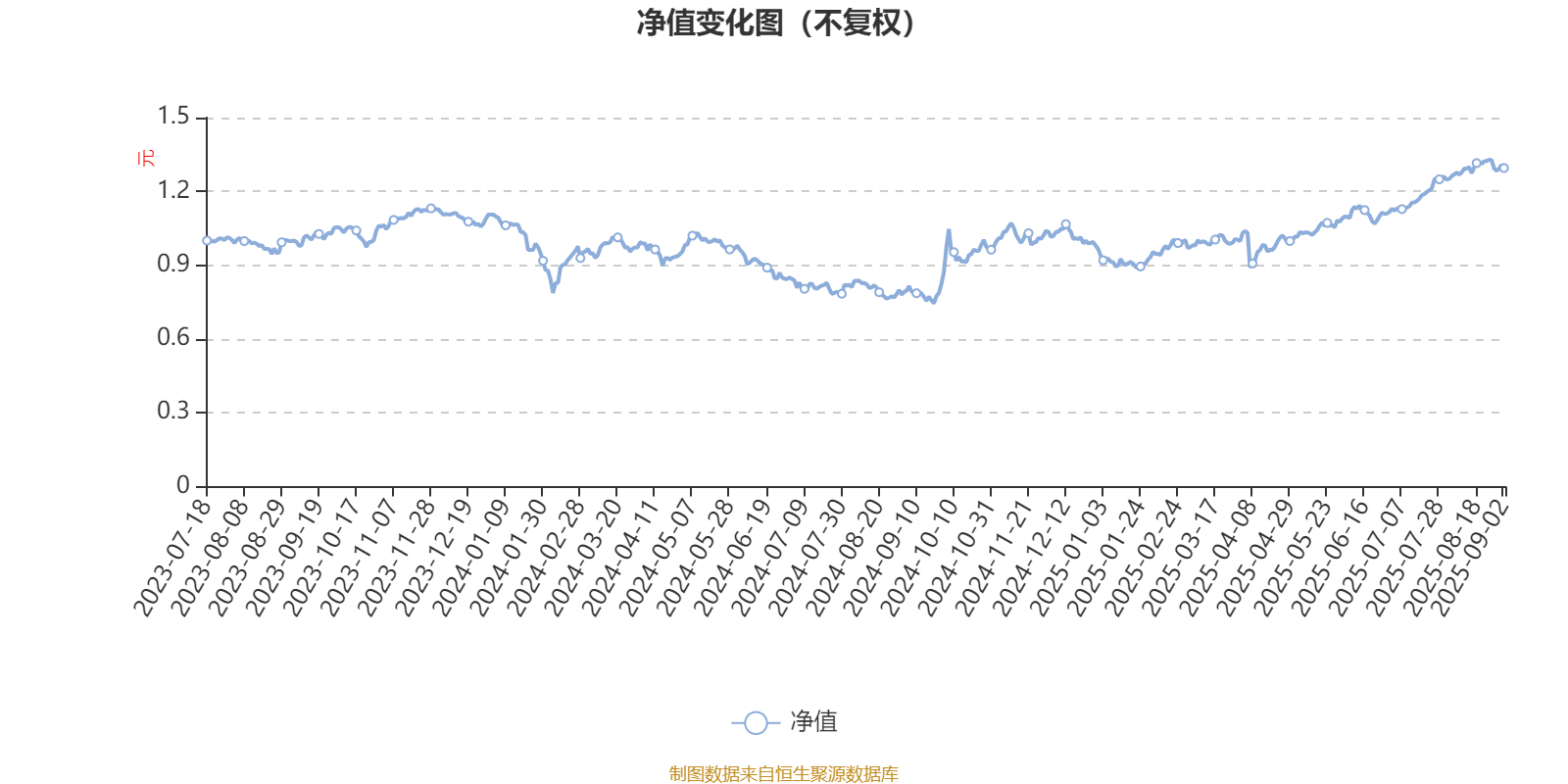
Core Viewpoint - The AI Fund has shown strong performance in the first half of 2025, with a profit of 12.41 million yuan and a net asset value growth rate of 15.75%, indicating resilience in the Chinese economy and potential for future growth [2][3]. Fund Performance - The fund's profit for the first half of 2025 was 12.41 million yuan, with a weighted average profit per fund share of 0.1400 yuan [2]. - As of September 2, 2025, the fund's unit net value was 1.295 yuan, and its scale reached 65.51 million yuan [2][33]. - The fund's performance over the past three months showed a net value growth rate of 20.23%, ranking 322 out of 607 comparable funds [7]. - Over the past six months, the fund's net value growth rate was 33.61%, ranking 91 out of 607 comparable funds [7]. - The fund's one-year net value growth rate was 65.75%, ranking 141 out of 603 comparable funds [7]. Economic Context - The Chinese economy has demonstrated good resilience due to a series of policies aimed at stabilizing real estate and promoting consumption, leading to a temporary stabilization of overall demand [3]. - The export business, driven by Chinese manufacturing, has performed well, although challenges such as supply surplus and insufficient demand remain [3]. - The A-share market is positioned at a low point, with significant valuation advantages compared to global equity assets, suggesting potential for revaluation of Chinese assets [3]. Investment Opportunities - The fund manager emphasizes investment opportunities in sectors such as pharmaceuticals, post-pandemic recovery consumption, high-end manufacturing, and technology advancements like AI [4]. - The fund's strategy aligns with China's economic transformation and recovery, focusing on sectors with rigid demand due to aging populations and technological innovation [4]. Fund Holdings and Valuation - As of June 30, 2025, the fund's weighted average price-to-earnings (P/E) ratio was approximately 122.71, significantly higher than the industry average of 33.74 [11]. - The fund's weighted average price-to-book (P/B) ratio was about 2.42, close to the industry average of 2.47 [11]. - The weighted average revenue growth rate for the fund's stock holdings was 0.01%, with a net profit growth rate of 0.38% for the first half of 2025 [16]. Fund Structure - As of June 30, 2025, the fund had 2,111 holders, with a total of 58.64 million shares held [36]. - The fund's turnover rate for the last six months was approximately 168.91%, consistently below the industry average [39]. - The top ten holdings of the fund included companies like Aibo Medical and Kangfang Bio, indicating a focus on healthcare and biotechnology sectors [40].
药店也调改 一心堂未来专业药房、泛健康药店"三七开"
Zheng Quan Shi Bao· 2025-09-03 04:46
Core Viewpoint - The overall supply surplus in the industry is leading to a decline in the average number of services per store, necessitating improvements in store output and efficiency [1] Group 1: Company Performance - In the first half of the year, the company reported a revenue of 8.914 billion yuan, a year-on-year decline of 4.20%, and a net profit of 250 million yuan, down 11.44% year-on-year [1] - The decline in revenue is attributed to a drop of over 2 percentage points in retail income, with significant decreases in distribution, traditional Chinese medicine raw material supply, and Chinese medicine pieces business [1] - The company opened 203 new stores and closed 241 stores in the first half of the year, resulting in a net decrease in store count to 11,372, marking the first net reduction in recent years [1] Group 2: Industry Trends - The retail pharmacy sector is entering a transformation phase, with a consensus that the growth inflection point occurred in Q4 2024, leading to a negative growth phase in 2025 [2] - By the first quarter of 2025, the total number of pharmacies in the country is expected to fall below 700,000, with a net decrease of approximately 3,000 pharmacies [2] Group 3: Store Transformation Initiatives - The company has initiated a store classification and upgrading process, planning for 70% of stores to transition to multi-category pharmacies and 30% to professional pharmacies [3] - The transformation includes enhancing the medical attributes of nearly one-third of the stores and introducing various product categories such as beauty, personal care, and health products [3] - The company aims to complete the transformation of 1,000 multi-category stores by 2025 and to establish a systematic upgrade of chronic disease medication and routine service systems by 2027 [4] Group 4: Financial Outlook and Cost Management - The company anticipates that the financial indicators will not see significant changes due to store transformations alone in 2025, as net profit will be influenced by multiple factors [4] - The company is focused on cost control and efficiency improvements, believing there is still room for optimization in sales and management expenses [4]
药店也调改 一心堂未来专业药房、泛健康药店“三七开”
Zheng Quan Shi Bao Wang· 2025-09-03 04:34
Core Viewpoint - The industry is facing an overall supply surplus, leading to a decline in the average number of services per store, necessitating improvements in store output and efficiency [1] Group 1: Financial Performance - In the first half of the year, the company reported a revenue of 8.914 billion yuan, a year-on-year decline of 4.20%, and a net profit attributable to shareholders of 250 million yuan, down 11.44% year-on-year [2] - The decline in revenue was attributed to a drop of over 2 percentage points in retail income, with significant decreases in distribution, Chinese herbal raw material supply, and Chinese herbal pieces business due to proactive business adjustments [2] - The company opened 203 new stores and closed 241, resulting in a net decrease in store count to 11,372, marking the first net reduction in recent years [2] Group 2: Store Transformation - The company has initiated a store classification and upgrading transformation, with plans for 70% of stores to transition to multi-category pharmacies and 30% to professional pharmacies, with nearly one-third of stores increasing their medical attributes [3] - As of the end of August, over 400 stores have undergone transformation, focusing on maintaining core treatment categories while introducing beauty, personal care, maternal and infant products, and functional foods [3] - The company is adjusting performance evaluation metrics for store staff to include non-pharmaceutical sales, customer repurchase rates, and service-related indicators [3] Group 3: Future Plans - The company aims to complete the transformation of 1,000 multi-category stores by 2025 and to finalize the category and scenario construction for all stores by 2027 [4] - The professional pharmacy segment is expected to be developed over the next 2 to 3 years, with a systematic upgrade of chronic disease medication and routine service systems by 2027 [4] - The company has noted that the current output per store for professional pharmacies is higher, but significant financial changes are not expected solely from store transformations due to various influencing factors [4]
医药零售半年报:转型深水区承压前行 从“规模”向“质量”转身
2 1 Shi Ji Jing Ji Bao Dao· 2025-09-02 23:08
Core Viewpoint - The pharmaceutical retail industry is undergoing a structural transformation, moving from extensive growth driven by scale expansion to a focus on quality optimization and efficiency improvement in 2025 [1][5]. Group 1: Performance Overview - In the first half of 2025, six major listed pharmacy chains showed a polarized performance, with Dazhenglin and Shuyupingmin achieving both revenue and net profit growth, while Laobaixing and Yixintang experienced declines [1][3]. - Dazhenglin reported the highest revenue among the chains at 13.522 billion yuan, a year-on-year increase of 1.33%, and a net profit of 798 million yuan, up 21.38% [2][3]. - Shuyupingmin's revenue and net profit were 4.881 billion yuan and 36.25 million yuan, respectively, reflecting increases of 1.30% and 49.83% [3]. - Laobaixing and Yixintang saw revenue declines of 1.51% and 4.20%, with net profits dropping by 20.86% and 11.44% respectively [4][3]. Group 2: Store Expansion Trends - Dazhenglin continued to expand its store count, adding 280 stores, although this growth rate has significantly slowed compared to previous years [1][7]. - Yixintang and Jianzhijia experienced net decreases in store numbers, with Yixintang losing 126 stores and Jianzhijia losing 22 [7]. - The overall trend indicates a shift from rapid expansion to focusing on the efficiency of existing stores, with many chains emphasizing the importance of franchise models for growth [7][8]. Group 3: Strategic Shifts and Innovations - The industry is moving towards diversification and specialization, with companies like Yixintang planning to develop 30% specialized pharmacies and 70% multi-category stores [8][9]. - Shuyupingmin is focusing on high-potential product categories and optimizing its product range while exploring various store formats [9]. - The implementation of O2O (Online to Offline) strategies is gaining traction, with significant sales contributions from O2O channels across multiple chains [10][11]. Group 4: Digital Transformation and AI Integration - Companies are increasingly adopting digital transformation strategies, with AI becoming a focal point for enhancing operational efficiency and customer service [11][12]. - Laobaixing has initiated AI development as a key strategic project, deploying various AI assistants to improve business operations [11][12]. - Dazhenglin has integrated AI tools to provide intelligent customer service and data analysis, enhancing its operational capabilities [12][13].
医药板块中报总结及投资展望
2025-09-02 14:41
Summary of Key Points from the Conference Call Records Industry Overview - The pharmaceutical sector shows a clear performance divergence, with innovative drug companies outperforming generic drug companies. The focus should be on multi-antibody therapies, dual antibodies, and treatments for unmet clinical needs in chronic diseases, such as ADC dual antibodies and small molecule therapies [1][4] - The medical device sector benefits from favorable policies, with a recovery in bidding processes and reduced channel inventory pressure. Leading companies are expected to gain market share, and the infrastructure sector is anticipated to reach a turning point [1][5] - The distribution sector's revenue remains flat, but the net profit excluding non-recurring items has decreased year-on-year. Gross margins have slightly declined, and accounts receivable turnover days have increased, indicating significant collection pressure [1][6] - The formulation sector shows stable overall performance, with net profit growth benefiting from innovative formulation products entering overseas markets. R&D expenses are growing faster than revenue, indicating increased investment in innovation [1][7] - Biotech companies are experiencing rapid revenue growth, driven by the overseas expansion of core products and unique indications. R&D and sales expense ratios are declining, reflecting improved commercial capabilities [1][9] Key Insights on Sub-sectors Innovative Drugs - Innovative drugs represent one of the largest investment opportunities in 2025, particularly in areas with potential for multi-antibodies and dual antibodies, as well as innovative therapies for cancer [4] Medical Devices - The medical device sector is seeing significant policy support, with a notable recovery in bidding trends and reduced inventory pressure for manufacturers. This is expected to drive performance improvements in the infrastructure sector [5][22] Distribution Sector - The distribution sector's performance is under pressure, with a notable decline in net profit. However, leading companies like Guokong, China Resources, and Shanghai Pharmaceuticals are performing relatively well [6] Formulation Companies - Formulation companies are showing steady performance, with a 20% growth in net profit driven by innovative products. Companies with high barriers to entry and rapid transformation are demonstrating stronger profitability [7] Biotech Companies - From 2019 to 2024, the cumulative revenue of 22 representative biotech companies in China grew from 7.7 billion to 66.8 billion, with a compound annual growth rate (CAGR) of 54%. In the first half of 2025, total revenue reached 38.9 billion, reflecting nearly 30% growth [9][10] Performance Trends - The medical device sector's revenue declined by approximately 5% in the first half of 2025, with profits down 24%. This decline is attributed to the impact of centralized procurement and cost control measures [20] - The biotech sector's core products are experiencing significant growth due to overseas sales and unique therapeutic advantages, with some products seeing revenue increases of over 50% [11] - The traditional Chinese medicine sector is under short-term pressure, but several companies are advancing innovative pipelines that may drive future growth [3][27] Future Outlook - The medical device sector is expected to see a turning point in the second half of 2025, with improved bidding data and a recovery in demand anticipated [22] - The distribution sector is likely to stabilize, with leading companies expected to gain market share as the industry undergoes consolidation [40][41] - The overall outlook for the pharmaceutical sector remains positive, with expectations for continued growth driven by innovation and market expansion [12][41] Additional Considerations - The impact of regulatory changes, such as the drug traceability code policy, is expected to enhance compliance within the industry [39] - The performance of the vaccine sector has been under pressure, with many companies transitioning from profit to loss due to market saturation and pricing pressures [17][18] - The blood products sector is experiencing steady revenue but faces challenges due to price declines in key products [19] This summary encapsulates the key insights and performance trends across various sectors within the pharmaceutical and medical device industries, highlighting both opportunities and challenges ahead.