联发科

Search documents
3nm,被疯抢
半导体行业观察· 2025-10-27 00:51
Core Insights - TSMC is capitalizing on AI opportunities as smartphone market inventory stabilizes, with strong demand for its 3nm process chips driven by both Apple and non-Apple brands [2][3] - Apple has reported better-than-expected sales for the iPhone 17 series, leading to increased orders for TSMC's latest 3nm chips [2] - TSMC's advanced manufacturing processes are expected to dominate the smartphone SoC market, with a projected market share of 87% for 5nm and below by 2025, increasing to 89% by 2028 [3] Group 1 - TSMC's chairman expressed confidence in the smartphone inventory levels, stating they have returned to a healthy seasonal state, alleviating concerns about prebuilt inventory [2] - The iPhone 17 series features the new A19 and A19 Pro chips, both utilizing TSMC's latest 3nm process, contributing to strong order momentum [2][3] - MediaTek's latest flagship chip, the Dimensity 9500, and Qualcomm's Snapdragon 8 Elite Gen 5 are also leveraging TSMC's 3nm process, further boosting TSMC's output [3] Group 2 - TSMC anticipates strong AI-related demand through 2025, while non-AI terminal markets are showing signs of recovery [4] - The recovery in high-end smartphone sales is expected to drive further demand for TSMC's 3nm chips, with a potential increase in utilization rates for previously weaker 6/7nm capacities [4] - The automotive semiconductor demand remains weak, pending inventory adjustments from suppliers [4]


小米17系列销量冲击200万,厂商调整旗舰研发周期
Xin Lang Ke Ji· 2025-10-27 00:15
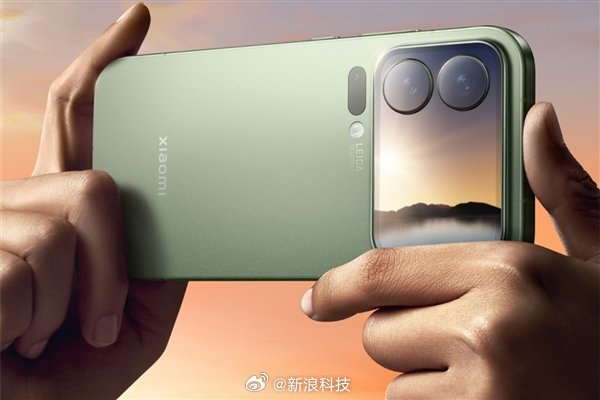
Group 1 - The Xiaomi 17 series is approaching 2 million in real-time activation sales, showcasing its competitive back screen design and significant timing advantage during the National Day holiday [1] - Other brands are likely to adjust their R&D cycles to keep up with Xiaomi's lead, as indicated by a Meizu employee [1] - Despite the earlier release of the MediaTek Dimensity 9500 platform, related devices will launch after the National Day holiday, trailing behind the Xiaomi 17 series [1]

2026年消费市场成长露曙光 台积电3nm接单旺上加旺
Jing Ji Ri Bao· 2025-10-26 23:21
Group 1 - TSMC is capitalizing on the AI market opportunities, with a strong demand for its advanced 3nm process as smartphone market inventories recover [1][3] - The iPhone 17 series has shown better-than-expected sales, leading Apple to increase orders, which boosts TSMC's 3nm family order momentum [1][2] - Research firm Counterpoint Research predicts TSMC's market share in smartphone SoCs at 87% by 2025 for 5nm and below processes, increasing to 89% by 2028 [2] Group 2 - TSMC anticipates strong AI-related demand through 2025, while non-AI terminal markets are showing signs of recovery [3] - The recovery in high-end smartphone sales is expected to drive TSMC's order momentum, with a potential increase in utilization rates for previously weak 6/7nm capacities [3] - Demand for automotive semiconductors remains weak, pending inventory adjustments from suppliers [3]
存储芯片等价格上涨 中高端手机“涨”声一片
Zheng Quan Shi Bao Wang· 2025-10-24 12:24
Core Insights - The recent price increases in mid-to-high-end smartphones are primarily driven by rising costs of key components such as processors and storage chips, as well as enhanced configurations in flagship models [1][3] - Industry experts predict that flagship model prices will continue to rise in the future due to ongoing cost pressures [1][2] Price Increases - Vivo's new flagship model, the Vivo X300, has a starting price of 4399 yuan, which is an increase of 100 yuan from the previous generation X200 [1] - The Realme GT8 series has seen price increases ranging from 300 to 500 yuan compared to its predecessor [1] - OPPO's Find X9 also has a starting price of 4399 yuan, up by 200 yuan from the X8 model [1] Component Costs - The latest flagship chips from MediaTek and Qualcomm have seen price increases of 16% to 24% due to the adoption of TSMC's latest N3P process [2] - The Vivo X300 series features the Dimensity 9500 flagship platform and a self-developed imaging chip, indicating a significant upgrade in performance and imaging capabilities [2] - The Realme GT8 Pro is equipped with the Snapdragon 8 Elite Gen 5 chip and features a dedicated gaming graphics chip, highlighting the trend of enhanced specifications in new models [2] Market Dynamics - The global storage chip prices have been rising, with Samsung announcing price hikes of 15% to 30% for DRAM and 5% to 10% for NAND flash [3] - The competitive landscape in the domestic smartphone market is intense, with brands facing significant pricing pressure due to rising component costs and enhanced configurations [3][4] - The current price increases are reminiscent of last year's trends, which were also driven by similar factors such as AI advancements and rising component costs [4] Strategic Responses - Companies are exploring various strategies to mitigate the impact of rising costs, including leveraging supply chain advantages and optimizing product offerings [4] - The overall industry is expected to face collective challenges regarding cost increases, affecting pricing strategies throughout the product lifecycle [4]
旗舰手机“涨”声雷动 成本飙升下的高端突围战
Zhong Guo Jing Ying Bao· 2025-10-23 14:31
Core Insights - The smartphone market is experiencing a significant price increase for flagship models due to rising costs of core components and increased R&D investments, leading to a new phase characterized by high investment, high pricing, and high experience [1][4][6] Pricing Strategies - Major brands like vivo, OPPO, and realme have raised prices for their flagship models, with increases ranging from 100 to 500 yuan compared to previous generations [1][2][3] - iQOO 15's price increased by approximately 5% to 6%, while realme GT8 series saw price hikes of 300 to 500 yuan [2][3] - The new Xiaomi 17 series has introduced a Pro Max version to attract high-end consumers, indicating a strategic shift to higher-priced models [3] Cost Pressures - The surge in prices for chips and storage components is a primary driver of the price increases, with flagship chips seeing price hikes of 16% to 24% [4][5] - The transition of storage chips to data centers is causing a tight supply of DDR4/LPDDR4, further pushing up prices [4] - Increased R&D costs associated with custom screens and advanced features are also contributing to the overall price rise [4][5] Market Trends - There is a growing consumer demand for high-end smartphones, with a reported 8% year-on-year increase in global high-end smartphone sales in the first half of 2025 [6] - The trend towards high-end devices is evident as consumers are willing to spend more for better experiences, which supports the price increases [6][7] Company Strategies - Companies like iQOO and realme are focusing on enhancing product quality to justify price increases, emphasizing the importance of delivering value to consumers [7][8] - Realme aims to maintain healthy operations while providing superior products, with a focus on stable pricing strategies that align with product capabilities [7][8] - The upcoming "Double 11" sales event is expected to see growth targets despite cost pressures, highlighting the importance of effective product planning and brand strength [7][8]
3nm芯片凭什么卖两万美元?技术博弈、市场逻辑和中国机遇分析
材料汇· 2025-10-23 13:43
Core Viewpoint - The article discusses the evolution of semiconductor processes, highlighting the dual-track competition between advanced and mature processes, and the implications for global technology competition and opportunities for China [2][3]. Group 1: Price and Technology Insights - The price of chips decreases as the process size decreases, with 3nm chips priced around $20,000 per piece, expected to rise to over $30,000 for 2nm chips by 2026 [5][6]. - The price differences are driven by two main factors: the scarcity of production capacity and the complexity of technology, with advanced processes requiring significantly more steps and equipment [6][11]. - Major tech companies are adopting different strategies: Apple is taking a cautious approach, Nvidia focuses on cost-performance balance, while Qualcomm and MediaTek are aggressively pursuing next-generation processes [7][8]. Group 2: TSMC's Dominance - TSMC plays a crucial role in defining industry trends, with 3nm chips expected to account for nearly 30% of its revenue, and plans to ramp up production significantly in the coming years [9][10]. - The investment required for advanced production lines is substantial, with a 2nm line costing around $10 billion, reflecting the increasing number of necessary equipment [10][11]. Group 3: Technical Challenges - Key technical challenges in semiconductor processes include advancements in lithography, architectural transitions, and design-technology co-optimization (DTCO) [12][13]. - EUV lithography is currently the main technology, with High-NA technology not yet ready for widespread use due to maturity and cost issues [14][15]. - The transition from FinFET to GAA architecture is increasing the demand for ALD equipment, which is critical for the new structures [16]. Group 4: Global Competition Landscape - TSMC leads the semiconductor process competition, while Samsung and Intel face significant challenges, including equipment procurement strategies and financial losses [18][21]. - Samsung's aggressive early procurement of EUV equipment led to higher costs due to lower yield rates, while TSMC's cautious approach has proven more effective [20]. - Intel's financial struggles are impacting its ability to compete in advanced processes, raising concerns about its future in the foundry business [21]. Group 5: Opportunities and Challenges for China - China's semiconductor industry is focusing on mature processes (28nm and above), with companies like SMIC making significant progress in yield rates and production capacity [24][25]. - Despite advancements, challenges remain, including higher production costs and competition from TSMC, which has superior technology and customer quality [25]. - Long-term opportunities exist in the growing demand for automotive electronics and IoT, supported by government initiatives and investments [26]. Group 6: Future Directions - The semiconductor industry is expected to continue evolving beyond 2nm, with innovations like backside power delivery and CFET technology anticipated in the coming years [27]. - The industry is committed to gradual breakthroughs, focusing on both mature and advanced processes to strengthen its competitive position globally [28]. Conclusion - The competition in semiconductor technology is a comprehensive battle involving technical, capital, and market dynamics, with TSMC and China’s semiconductor industry navigating their respective paths [29].

芯片战争下的制程博弈:台积电、三星与中国半导体的破局之路
材料汇· 2025-10-22 15:48
Group 1 - The article discusses the evolution of semiconductor processes, highlighting the dual-track competition between advanced and mature processes, with significant implications for global technology competition [2][3]. - The price of chips generally increases as the process node decreases, with current 3nm chips priced around 20,000 yuan per piece, expected to rise to over 30,000 yuan for 2nm chips by 2026 [5][6]. - Different companies adopt varied strategies regarding process technology, with Apple focusing on a gradual transition, Nvidia prioritizing cost-performance balance, and Qualcomm and MediaTek actively pursuing next-generation processes [7][8]. Group 2 - TSMC plays a crucial role in defining industry trends, with projected 3nm chip production reaching 200,000 pieces next year and 2nm production lines entering risk production soon [9][10]. - The investment required for advanced production lines is substantial, with a 2nm line costing around $10 billion, significantly higher than previous nodes [11]. - Key technological challenges include advancements in lithography, architecture transitions, and design-technology co-optimization (DTCO), which are essential for the successful implementation of advanced processes [12][13]. Group 3 - The global semiconductor landscape shows TSMC leading, while Samsung and Intel face distinct challenges, such as Samsung's aggressive equipment procurement strategy leading to higher costs and Intel's financial struggles impacting its advanced process ambitions [18][21]. - The equipment market is competitive, particularly in the etching sector, where Lam Research and Tokyo Electron dominate, with Tokyo Electron having a unique advantage with its clean track equipment [22][23]. Group 4 - The competition in semiconductors is characterized by a dual-track system, with advanced processes led by TSMC and Samsung, while mature processes (28nm and above) present opportunities and challenges for Chinese manufacturers [24][25]. - Chinese companies like SMIC have made significant progress in mature processes, achieving a 95% yield in 28nm technology, but still face challenges such as higher production costs and reliance on foreign equipment [25][26]. - The future of semiconductor technology is expected to continue evolving, with advancements below 2nm anticipated, driven by innovations in materials and processes [27][28].

2亿元并购落袋,视觉AI芯片龙头星宸科技仍有待解考题
Bei Jing Shang Bao· 2025-10-22 14:32
Core Viewpoint - The semiconductor industry is experiencing a surge in mergers and acquisitions (M&A) in the third quarter, with companies like SMIC and Chipone actively expanding across various core sectors, including analog chips, semiconductor materials, and equipment [1] Group 1: Mergers and Acquisitions - StarChip Technology has aggressively pursued M&A, completing the acquisition of a 53.3% stake in Shanghai Furui Kun for 214 million yuan on October 20, 2023 [1] - The company is also preparing for a dual capital platform layout, having submitted a prospectus to the Hong Kong Stock Exchange on September 26, 2023 [1] - StarChip's M&A activities are aimed at enhancing its visual technology ecosystem, with three key acquisitions in two years to expand its business coverage [8] Group 2: Market Position and Growth - StarChip Technology has become a leader in the global visual AI chip market, holding a 26.7% market share in 2024, with specific shares of 41.2% and 37.2% in security visual AI SoC and NVR/NAS visual AI SoC, respectively [5] - The global visual AI SoC market is projected to grow from 246 million units in 2024 to 954 million units by 2029, with a compound annual growth rate (CAGR) of 31.1% [4] - The company is expanding its revenue streams beyond traditional security applications into AI glasses and robotics, with smart IoT revenue contributing 23.2% and smart vehicle revenue at 10.8% by mid-2025 [6] Group 3: Financial Performance and Challenges - Despite revenue growth of 18.57% to 1.402 billion yuan in the first half of 2025, net profit declined by 7.46% to less than 120 million yuan, indicating a "revenue growth without profit" dilemma [10] - The company's gross margin has been under pressure, decreasing from 40.6% to 33.1% in the first half of 2025, with all three business lines experiencing declines [10] - StarChip's sales model heavily relies on distributors, with over 90% of revenue coming from this channel, raising concerns about revenue stability and customer concentration risks [11]
HTC要重返手机圈,可电竞手机真的能平价吗
3 6 Ke· 2025-10-22 13:07
Core Viewpoint - HTC, once a leader in the Android smartphone market, is attempting to pivot back to the smartphone industry by launching a budget-friendly esports phone, despite previous setbacks and a lack of alignment with current market trends [1][4]. Group 1: HTC's Market Position and Strategy - HTC has faced significant challenges, including a patent lawsuit loss and poor pricing strategies, leading to a diminished brand presence in the smartphone market [1]. - The company is now focusing on the virtual reality sector, hoping to regain its status as an innovator [1]. - At the GITEX 2025 tech exhibition, HTC unveiled several new devices, including a uniquely designed esports phone aimed at budget-conscious consumers [4]. Group 2: Understanding of the Esports Market - HTC's understanding of the esports market appears outdated, as the company is launching a budget esports phone that may not meet current consumer expectations [7]. - The esports industry has evolved significantly since its inception, with players now seeking high-performance hardware rather than just visually appealing designs [9][10]. - Early esports hardware was often criticized for being overpriced with minimal performance differences compared to standard products, focusing instead on flashy aesthetics [9][10]. Group 3: Performance and Features of the New Device - The new HTC esports phone features the Unisoc T765 chipset, which offers performance comparable to Qualcomm's Snapdragon 695, but may not deliver the high frame rates and smooth gaming experiences that modern gamers expect [10][12]. - Current gaming demands require devices to not only look appealing but also provide superior performance, which HTC's new offering may lack [12][14]. - Successful gaming phones, such as those from Red Magic and ROG, incorporate advanced features like high-end SoCs, optimized cooling systems, and dedicated gaming functionalities, which HTC's device does not seem to match [12][16].

干掉40%的工程师?初创公司推动AI开发芯片
半导体行业观察· 2025-10-22 01:20
Core Insights - The article discusses the challenges in chip development, particularly the lengthy and complex process that can take up to four years, which is increasingly hindered by the growing complexity of chips [2][3] - Chipmind, a Zurich-based startup, has raised $2.5 million in seed funding to develop AI agents that can automate low-level tasks in chip design, potentially reducing the development cycle by one year [2][4] - The article highlights the competitive landscape, noting that established companies like Cadence Design Systems and Synopsys are also pursuing AI-driven chip development solutions, posing significant competition to startups like Chipmind and ChipAgents [3][5] Chipmind's Approach - Chipmind aims to automate approximately 40% of the manual tasks currently performed by engineers, which could lead to job displacement in the industry [2] - The company is collaborating with select chip manufacturers in Europe to validate its technology, emphasizing the need for AI tools tailored to specific manufacturing environments [3][4] - The goal is to commercialize their technology by the second half of next year, requiring further R&D investment and collaboration with key industry players [4] ChipAgents' Development - ChipAgents.ai has raised $21 million in early funding to enhance its AI platform for chip design and verification, bringing its total funding to $24 million [5][6] - The platform automates routine design and verification tasks, allowing engineers to focus on more innovative aspects of chip development [5][6] - ChipAgents operates at the front end of the chip design process, generating extensive documentation and helping engineers identify inconsistencies or defects [6][7] Market Dynamics - The semiconductor industry is witnessing a shift towards AI solutions for design verification, with ChipAgents reporting a 60-fold increase in usage in the first half of 2025 [7][8] - The company plans to enhance R&D and customer support, establishing a new headquarters in Santa Clara to be closer to Silicon Valley [8] - The integration of AI-driven tools into the chip design workflow is seen as a critical step in addressing the complexities of modern chip development [8]