
舜宇光学科技

Search documents
诺奖大佬互掐、专家不如猴子:我们到底能否预测股票市场?
雪球· 2025-12-14 13:00
↑点击上面图片 加雪球核心交流群 ↑ 风险提示:本文所提到的观点仅代表个人的意见,所涉及标的不作推荐,据此买卖,风险自负。 作者: 陈达美股投资 来源:雪球 沉迷于水晶球者,终吞碎镜。(He who lives by the crystal ball will eat shattered glass.) ——— 雷·达里奥 01 席勒与法 马 我们来看两个诺奖级别的学者,都是巨擘。一个是罗伯特·席勒,他说"有效市场理论会导致对一些事件的严重误读,比如股市泡沫。" 而另一个经 济学家——他本身就是"有效市场理论"的爸爸——尤金·法马,他说"(行为主义者)定义 泡沫 为价格非理性的、强劲的上升,搞得好像他们能够 预测出之后价格一定会强劲下跌一样。但根据现有研究,并没有可靠证据表明这些人可以预测资产价格下跌。" 两个大佬的观点,可谓是针尖对上 了麦芒。 但宛似一种黑幽默,在命运女神的终极嘲讽下,席勒和法马这两个互掐的学阀大佬,居然站在同一年的诺贝尔经济学奖的领奖台上,不得不分享桂 冠,并面面相觑。 最近恒生科技走势逆风。所谓 顺风吹牛逼,逆风谈人生,今天我想来聊聊"关于预测以及股市预测"这件事,预测股市为何如此之难 ...


大疆与影石的供应链之战
创业邦· 2025-12-13 10:08
Core Viewpoint - The article discusses the competitive tension between YingShi Innovation Technology Co., Ltd. and DJI, highlighting the supply chain exclusivity and sales channel conflicts that YingShi faces due to DJI's market dominance [4][5][7]. Supply Chain Exclusivity - YingShi has been facing increasing pressure from suppliers to not collaborate with them, as many suppliers are coerced into exclusive agreements with DJI, leading to a significant impact on YingShi's ability to source essential components [4][6][8]. - The exclusivity has escalated over the past five years, with suppliers being explicitly instructed to cease cooperation with YingShi, particularly as the launch of YingShi's drone brand "Antigravity" approaches [10][12][14]. - Key components affected include optical lens modules, structural parts, and electronic components, with suppliers reporting that they are unable to fulfill orders for YingShi due to these exclusivity agreements [13][15][20]. Sales Channel Conflicts - The article details incidents where YingShi's sales efforts have been undermined by DJI's influence, such as the forced removal of YingShi's store signage in a photography equipment market due to a directive from DJI's distributors [24][28][30]. - The competitive landscape has shifted from product specifications to aggressive tactics in retail spaces, with DJI leveraging its market power to restrict YingShi's access to key sales channels [29][31]. - YingShi's sales team has reported multiple instances of distributors being pressured to choose between selling DJI or YingShi products, indicating a growing trend of exclusivity in retail partnerships [30][32]. Supplier Concerns - Suppliers are caught in a dilemma, as many rely heavily on DJI for their revenue, making it difficult to risk losing that business by working with YingShi [18][20][22]. - The article notes that while some suppliers are exploring alternative arrangements to support YingShi, the overarching pressure from DJI remains a significant barrier [15][34]. - The competitive dynamics in the supply chain are further complicated by the relatively low technical barriers in the optical lens module industry, which makes it challenging for suppliers to justify taking risks with new partnerships [20][22]. Market Dynamics and Future Outlook - The ongoing conflict between YingShi and DJI is expected to shape the future of the drone market, with potential implications for market share and supplier relationships as the industry evolves [18][34]. - YingShi is adapting its strategy by diversifying its supplier base and seeking partnerships with those willing to collaborate, indicating a proactive approach to mitigate the impact of exclusivity [34][35]. - The article raises questions about the legality and ethics of such exclusivity practices in the context of antitrust laws, suggesting that the situation may prompt regulatory scrutiny in the future [35].

大疆与影石的供应链之战
经济观察报· 2025-12-12 13:54
Core Viewpoint - The article discusses the competitive tension between two companies, DJI and Insta360, highlighting the supply chain exclusivity and market strategies that have emerged as a result of their rivalry [2][5][30]. Supply Chain Exclusivity - Insta360's founder revealed that several core suppliers have faced pressure to not collaborate with Insta360, indicating a trend of exclusivity in the supply chain where suppliers must choose between working with DJI or Insta360 [2][8]. - The exclusivity has escalated, with suppliers being explicitly instructed to cease any cooperation with Insta360, impacting their ability to source critical components [9][10]. - The primary area affected by this exclusivity is the optical lens module sector, where suppliers are increasingly pressured to align with DJI due to its dominant market position [11][17]. Sales Channel Conflicts - The competition has extended to sales channels, with reports of physical store signs for Insta360 being forcibly removed due to pressure from DJI's distributors [4][19]. - A specific incident involved a store owner who invested significantly in renovations only to be informed of a ban on selling Insta360 products due to a "hidden directive" from DJI [24][25]. - The article notes that DJI has been actively working to secure exclusive sales agreements with retailers, limiting the presence of competing brands like Insta360 in key retail spaces [26][27]. Supplier Concerns - Suppliers are caught in a dilemma, as many rely heavily on DJI for revenue, with some reporting that losing DJI as a client could lead to significant revenue declines [14][15]. - The article highlights that while some suppliers are willing to support Insta360, they are cautious due to the potential financial repercussions of losing DJI's business [12][13]. - The competitive landscape is further complicated by the fact that many suppliers do not face capacity constraints, making the choice between DJI and Insta360 a strategic rather than a necessity-driven decision [15]. Market Dynamics and Responses - Insta360 has been proactive in developing alternative supply chain strategies to mitigate the impact of exclusivity, including diversifying its supplier base and fostering relationships with willing partners [30]. - The article suggests that the ongoing competition may ultimately drive innovation and growth within the industry, as companies adapt to the challenges posed by exclusivity [30][31]. - The legal implications of such exclusivity practices are also discussed, with experts weighing in on the potential antitrust concerns surrounding DJI's market behavior [31].


智通港股空仓持单统计|12月12日
智通财经网· 2025-12-12 10:36
Core Insights - The top three companies with the highest short positions are Vanke Enterprises (02202), ZTE Corporation (00763), and COSCO Shipping Holdings (01919), with short ratios of 20.57%, 17.63%, and 17.59% respectively [1][2] - The company with the largest increase in short positions is ZTE Corporation (00763), which saw an increase of 1.96% in its short ratio [1][2] - The companies with the most significant decrease in short positions include UBTECH Robotics (09880), ASMPT (00522), and Vanke Enterprises (02202), with decreases of -3.30%, -1.86%, and -1.83% respectively [1][3] Top 10 Short Position Ratios - Vanke Enterprises (02202) has a short position of 20.57%, down from 22.40% [2] - ZTE Corporation (00763) has a short position of 17.63%, up from 15.67% [2] - COSCO Shipping Holdings (01919) has a short position of 17.59%, up from 15.00% [2] Largest Increases in Short Positions - ZTE Corporation (00763) increased its short position from 15.67% to 17.63%, an increase of 1.96% [2] - Leap Motor (09863) saw its short position rise from 2.79% to 4.58%, an increase of 1.79% [2] - OSL Group (00863) increased its short position from 4.31% to 5.89%, an increase of 1.59% [2] Largest Decreases in Short Positions - UBTECH Robotics (09880) decreased its short position from 5.07% to 1.78%, a decrease of -3.30% [3] - ASMPT (00522) saw its short position drop from 6.71% to 4.85%, a decrease of -1.86% [3] - Vanke Enterprises (02202) reduced its short position from 22.40% to 20.57%, a decrease of -1.83% [3]


花旗:料2030年AI眼镜市场规模400亿美元 关注舜宇光学科技、康耐特光学等股份
Zhi Tong Cai Jing· 2025-12-12 07:21
Core Insights - Citi's report indicates that artificial intelligence glasses are poised to become the next rapidly growing AI edge device, with projected shipments reaching approximately 112 million units by 2030, reflecting a compound annual growth rate (CAGR) of 105% from 2024 onwards [1] - The market size for AI glasses is expected to reach $40 billion by 2030, with a CAGR of 112% during the same period [1] Market Positioning - EssilorLuxottica and Meta are predicted to maintain a leading position in the short term, with a market share of 31% by 2030, down from 90% last year [1] - Google and Apple are expected to capture market shares of 27% and 16%, respectively [1] Component Importance - Optical components are crucial for AI or augmented reality (AR) glasses, potentially accounting for 40% to 70% of the bill of materials [1] - Companies with high exposure to the supply chain or significant optical business are favored, including EssilorLuxottica, GoerTek (002241.SZ), Sunny Optical Technology (02382), OmniVision Technologies (603501.SH), and Conant Optical (02276) [1] Ratings and Price Targets - Citi has initiated coverage on Conant Optical, assigning a "Buy" rating to both Sunny Optical and Conant, with target prices set at HKD 103 and HKD 65, respectively [1]

花旗:料2030年AI眼镜市场规模400亿美元 关注舜宇光学科技(02382)、康耐特光学(02276)等股份
智通财经网· 2025-12-12 07:16
Core Insights - Citi's report indicates that artificial intelligence glasses are poised to become the next rapidly growing AI edge device, with projected shipments reaching approximately 112 million units by 2030, reflecting a compound annual growth rate (CAGR) of 105% from 2024 onwards [1] - The market size for AI glasses is expected to reach $40 billion by 2030, with a CAGR of 112% during the same period [1] Market Positioning - EssilorLuxottica and Meta are predicted to maintain a leading position in the short term, with a market share of 31% by 2030, down from 90% last year [1] - Google and Apple are expected to capture market shares of 27% and 16%, respectively [1] Component Importance - Optical components are crucial for AI or augmented reality (AR) glasses, potentially accounting for 40% to 70% of the bill of materials [1] - Companies with high exposure in the supply chain or significant optical business are favored, including EssilorLuxottica, GoerTek (002241.SZ), Sunny Optical Technology (02382), OmniVision Technologies (603501.SH), and Conant Optical (02276) [1] Ratings and Price Targets - Citi has initiated coverage on Conant Optical, assigning "Buy" ratings to Sunny Optical and Conant, with target prices set at HKD 103 and HKD 65, respectively [1]
大行评级丨花旗:预测2030年AI眼镜市场规模将达400亿美元 予舜宇及康耐特“买入”评级
Ge Long Hui· 2025-12-12 06:17
Core Insights - Citi forecasts that the shipment volume of AI glasses will reach approximately 112 million units by 2030, with a compound annual growth rate (CAGR) of 105% starting from 2024 [1] - The market size for AI glasses is expected to reach $40 billion by 2030, with a CAGR of 112% during the same period [1] - The report indicates that Essilor Luxottica and Meta will maintain a leading position in the short term, with a projected market share of 31% by 2030, down from 90% last year, while Google and Apple are expected to capture 27% and 16% market shares, respectively [1] Company Insights - Optical components are crucial for AI or augmented reality (AR) glasses, accounting for 40% to 70% of the bill of materials [1] - The report favors companies with high exposure in the supply chain or significant optical business, including Essilor Luxottica, GoerTek, Sunny Optical, OmniVision, and Conant [1] - Citi has assigned a "Buy" rating to Sunny Optical and Conant, with target prices of HKD 103 and HKD 65, respectively [1]

欠中国公司25亿,全球机器人霸主:兜里没钱了
3 6 Ke· 2025-12-11 12:21
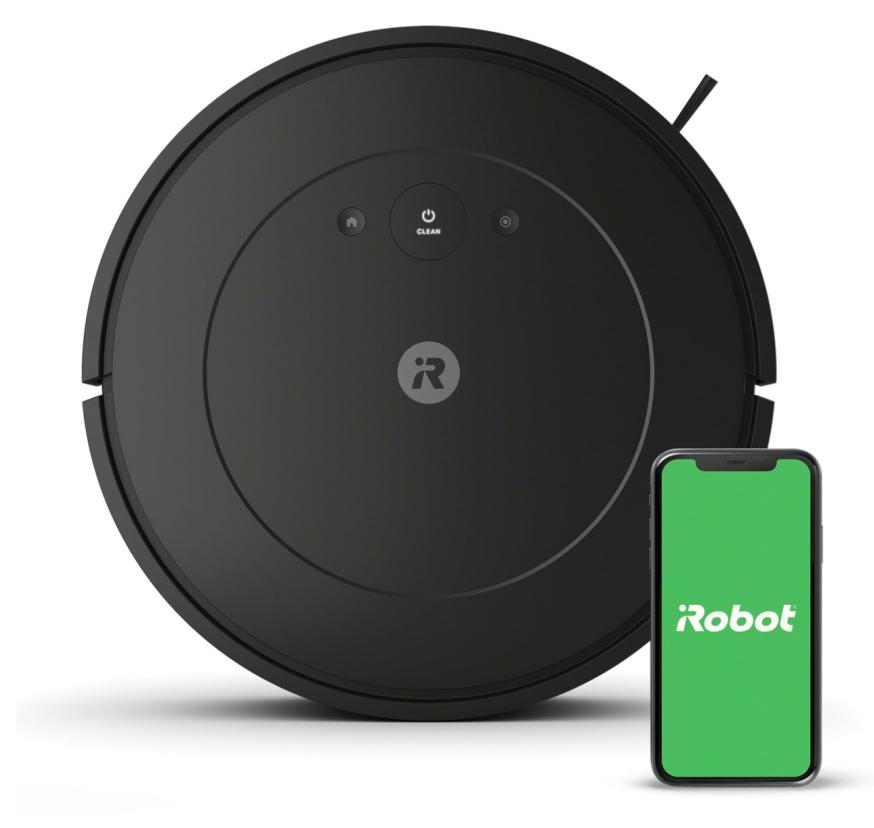
Core Viewpoint - iRobot, a leader in the robotic vacuum industry, is facing severe financial difficulties, with debts exceeding $350 million and cash reserves dwindling to $24.8 million, putting the company on the brink of technical bankruptcy [1][5]. Financial Performance - In Q3 2025, iRobot reported revenues of $146 million, a year-over-year decline of 25%, and a net loss of $17.7 million, marking the 11th consecutive quarter of losses [3]. - The company burned approximately $35 million in cash during the quarter, reducing its cash reserves from $40 million to $24.8 million [4]. - As of the end of Q3, iRobot had total assets of $481 million and total liabilities of $508 million, resulting in negative shareholder equity of $26.8 million, indicating a state of insolvency [5]. Debt Situation - iRobot's largest creditor is Shenzhen Sijuan Robotics, which holds a $190.7 million loan and is owed an additional $161.5 million in overdue payments, with $90.9 million already past due [6]. - The total debt to Shenzhen Sijuan accounts for over 70% of iRobot's total liabilities, giving the creditor significant leverage over the company's financial future [6]. Market Position and Competition - iRobot, once a dominant player with over 50% market share, is now struggling as competitors, particularly Chinese brands, rapidly gain market share [7]. - The global smart robotic vacuum market saw a shipment of approximately 17.424 million units in the first three quarters of 2025, reflecting a nearly 19% year-over-year growth, with Chinese brands leading the charge [10]. Reasons for Decline - iRobot's slow product updates and reliance on outdated technology have hindered its competitiveness, while Chinese brands have adopted advanced technologies like laser radar and AI navigation [13]. - The company has lost significant market share in China, particularly during the pandemic, where its online market share fell to single digits [14]. - iRobot's business model has not adapted to include software and subscription services, relying primarily on one-time hardware sales [15]. - Increased supply chain and cost pressures have further impacted iRobot's profitability and product development capabilities [16]. Rise of Chinese Brands - Chinese manufacturers benefit from a complete and agile supply chain, allowing for faster product iterations and lower costs, making their offerings more attractive to consumers [17]. - Chinese brands can update their products more frequently and offer them at prices 20%-30% lower than their foreign counterparts, enhancing their market appeal [20]. Future Opportunities - The next growth opportunity lies in the broader family service robot market, which is expected to grow from approximately $1.015 billion in 2023 to about $4.885 billion by 2032, with a compound annual growth rate of around 19.1% [24]. - Family service robots are evolving beyond cleaning tasks to include cooking assistance, daily security, and caregiving support, exemplified by products like Ecovacs' Deebot X1 Omni [24].

科技 - 2026展望:算力高景气延续,关注端侧AI创新机遇
Xin Lang Cai Jing· 2025-12-11 10:17
Core Insights - The global technology industry is expected to experience a dual trend of differentiated end-user demand and accelerated AI innovation by 2026, driven by rapid iterations of AI large models [1][4] - The demand for computing power and the innovation cycle of edge AI products (AI smartphones, AI PCs, AI glasses) will be the main growth drivers, while low-end consumer electronics demand is anticipated to face short-term pressure due to macroeconomic uncertainties and rising storage costs [1][4] AI Computing Infrastructure - The global server market will be dominated by AI infrastructure investments, with AI server shipments expected to grow by 50% year-on-year to 2.32 million units in 2026 [2][6] - The market will exhibit a "GPU/ASIC dual-drive" pattern, with GB/VR iterations driving specification upgrades and self-developed ASICs enhancing value [2][6] - ODM leaders and core component suppliers with "mechatronics" capabilities are expected to benefit, including companies like Luxshare Precision, Hongteng Precision, and BYD Electronics [2][6] Smartphone Market - Global smartphone shipments are projected to decline by 5% year-on-year to 1.18 billion units in 2026, primarily affecting low-end models due to macro uncertainties and rising storage costs [2][6] - The high-end market remains resilient, driven by AI innovations, with Apple expected to launch significant upgrades including the iPhone 18 and the first foldable iPhone [2][6] - Opportunities in optical components, structural parts, and thermal management are highlighted, with companies like Luxshare Precision, AAC Technologies, and Xiaomi Group being key players [2][6] AR/VR Market - The global AI glasses market is expected to exceed 10 million units by 2026, marking a new era for smart glasses [2][6] - Major tech companies are accelerating their investments, with Meta focusing on social ecosystems and Google building an ecosystem through the open Android XR platform [2][6] - Companies with core optical technologies and assembly capabilities are likely to benefit from industry growth, including Sunny Optical, AAC Technologies, and Q Tech [2][6] PC and Automotive Electronics - The global PC market is projected to see a slight decline of 2% year-on-year to 275 million units, influenced by the end of the Windows 11 upgrade cycle and rising storage costs [2][6] - AI PCs are expected to penetrate the market significantly, with their share projected to exceed 50% by 2026 [2][6] - The commercialization of L4-level autonomous driving is expected to accelerate, with opportunities in high-voltage connectors, automotive optics, and smart cockpit displays, benefiting companies like Luxshare Precision, Hongteng Precision, BYD Electronics, Sunny Optical, AAC Technologies, and BOE Technology Group [2][6]



招银国际:AI驱动算力与终端创新 分化中把握高端增长
智通财经网· 2025-12-11 08:48
Core Insights - The global technology industry is expected to experience a divergence in end-user demand alongside accelerated AI innovation by 2026 [2] - High-end markets are showing resilience driven by AI functionalities, while low-end consumer electronics are facing short-term pressure due to macroeconomic factors and cost challenges [2] AI Computing Infrastructure - The demand for AI computing power is expected to expand, with a focus on AI infrastructure, including VR/ASIC architecture upgrades that will drive both volume and price increases for ODM and components [2][3] - AI server shipments are projected to grow by 50% year-on-year to 2.32 million units, driven by investments in AI infrastructure [3] Smartphone Market - Global smartphone shipments are anticipated to decline by 5% year-on-year to 1.18 billion units due to macroeconomic uncertainties and rising storage costs [4] - High-end smartphones, particularly Apple's innovations, are expected to maintain resilience, with the introduction of the first foldable iPhone and AI-driven features [4] AR/VR Market - The global AI glasses market is projected to exceed 10 million units by 2026, marking a significant growth in wearable technology [5] - Major tech companies are intensifying their investments in AR/VR, with expectations for AR glasses to reach 32 million units by 2030 [5] PC and Automotive Electronics - The global PC market is expected to face a slight decline of 2% year-on-year to 275 million units, influenced by the end of the Windows 11 upgrade cycle and rising storage costs [6] - AIPC penetration is forecasted to exceed 50% by 2026, becoming a mainstream standard, while L4-level autonomous driving is expected to accelerate due to regulatory improvements and cost reductions [6]