
中国稀土

Search documents
中国稀土涨3.69%,成交额3.50亿元,主力资金净流入1207.22万元
Xin Lang Cai Jing· 2026-01-15 02:14
Core Viewpoint - China Rare Earth's stock price has shown significant growth recently, with a year-to-date increase of 16.71% and a notable rise of 25.70% over the past 20 trading days, indicating strong market interest and potential investment opportunities [1]. Group 1: Stock Performance - As of January 15, China Rare Earth's stock price reached 54.20 yuan per share, with a trading volume of 3.50 billion yuan and a market capitalization of 575.18 billion yuan [1]. - The stock experienced a net inflow of 12.07 million yuan from main funds, with large orders contributing to a buy of 66.58 million yuan, indicating active trading and investor interest [1]. - Over the past five trading days, the stock has increased by 8.27%, while it has decreased by 2.97% over the last 60 days [1]. Group 2: Financial Performance - For the period from January to September 2025, China Rare Earth reported a revenue of 2.494 billion yuan, reflecting a year-on-year growth of 27.73%, and a net profit attributable to shareholders of 192 million yuan, which is a substantial increase of 194.67% [2]. - The company has distributed a total of 346 million yuan in dividends since its A-share listing, with 124 million yuan distributed over the past three years [3]. Group 3: Shareholder Information - As of December 19, the number of shareholders for China Rare Earth was 229,000, a decrease of 3.74% from the previous period, while the average number of circulating shares per shareholder increased by 3.89% to 4,634 shares [2]. - Among the top ten circulating shareholders, Hong Kong Central Clearing Limited holds 29.0694 million shares, an increase of 9.4669 million shares from the previous period, indicating growing institutional interest [3].

G7 达成一致,减少进口中国稀土,北约秘书长:中国也算是北极国家
Sou Hu Cai Jing· 2026-01-15 00:24
Group 1 - G7 countries have reached a consensus to reduce dependence on China for rare earth elements, with participation from resource-rich countries like Australia, India, Mexico, and South Korea [1] - The meeting was called by U.S. Treasury Secretary Yellen, emphasizing the need to address existing flaws in the critical mineral supply chain [3] - The U.S. industrial net profit margin is only 4.3%, which is marginally higher than the Federal Reserve's benchmark interest rate of 4.25%, raising concerns about investment in industrial sectors compared to financial markets [5] Group 2 - The total profits of the U.S. financial industry have reached 4.7 times that of the industrial sector, with a pure profit margin of 30%, indicating a significant shift in investment focus towards finance rather than manufacturing [7] - In contrast, China's R&D investment as a percentage of GDP is 3.2%, compared to the U.S.'s decline to 1.7% by 2025, highlighting a disparity in industrial investment [7] - The leading light rare earth company, Northern Rare Earth, reported a net profit margin of 6.71% in Q2 2025, attributed to a 56.53% increase in rare earth concentrate prices over five consecutive quarters [9] Group 3 - "China Rare Earth" reported a net loss of 107 million HKD in 2024, with a net profit margin of -14.16%, illustrating the challenges faced by the industry despite potential investments from U.S. companies [11] - The financial sector's profitability is so high that it discourages investment in industrial sectors, as evidenced by the reluctance of U.S. capital to invest heavily in rare earths [11] - NATO Secretary General Stoltenberg's statement that "China belongs to the Arctic nations" reflects a strategic interest in the Arctic region, despite China's lack of territorial claims there [13] Group 4 - The strategic value of Greenland is emphasized in the context of U.S. interests in controlling Arctic shipping routes, with concerns raised by Denmark and the EU regarding U.S. claims over Greenland [15][17] - The international consensus supports Denmark's sovereignty over Greenland, with local residents not favoring independence, indicating a complex geopolitical landscape [18]

7国减少进口中国稀土,大家“同床异梦”,小心另有目的!
Sou Hu Cai Jing· 2026-01-14 23:22
Group 1 - The G7 group, along with Australia, South Korea, and India, has reached a consensus to reduce imports of Chinese rare earths, but the underlying motives are more complex than just the issue of rare earths [1][3] - The United States is the most proactive in this initiative, with Japan supporting it, while other member countries express hesitance, indicating a lack of unified commitment to action against China [3][5] - The U.S. and EU heavily rely on Chinese rare earths, with over 80% of U.S. military-related rare earths imported, 85% of which come from China, making it difficult for them to quickly reduce this dependency [3][4] Group 2 - China has established a comprehensive advantage in the rare earth industry, making it challenging for G7 countries to eliminate their reliance on Chinese supplies in the short term [4] - The U.S. has proposed three plans to address this issue: strengthening cooperation with Australia through an $8.5 billion critical minerals agreement, recycling rare earths to meet 20% of domestic demand by 2030, and reviving the domestic rare earth supply chain [4] - However, these plans face significant challenges, including long timelines, small scale, and high costs, making it unlikely for the U.S. to quickly reduce its reliance on Chinese rare earths [4][5] Group 3 - The differing attitudes among G7 countries highlight a lack of consensus, with the U.S. aiming for a decoupling from China while other nations are more cautious and calculating in their approach [5][7] - The U.S. appears to be using the rare earth issue as a political tool to rally support from allies, while China continues to strengthen its economic ties globally, particularly in Latin America [7][9] - The U.S. strategy of forming alliances and pressuring other countries to align with its interests may backfire, as nations may seek to reduce their dependence on the U.S. instead [9][10]
央企消费帮扶聚力行动在江西赣州举办
Ren Min Ri Bao· 2026-01-14 23:04
此次行动旨在搭建产销对接桥梁,助力脱贫地区产业发展和农民增收,是国资央企积极履行社会责任、 服务乡村振兴的具体实践。 由国务院国资委社会责任局指导,中国稀土集团等4家央企联合主办的"'脐'心协力 '橙'意助农"央企消费 帮扶聚力行动14日在江西省赣州市开幕。 活动采取"线下展销+线上销售"联动模式。其中,线下集中展销来自3个国家部委、30余家国资央企定点 帮扶和对口支援的92个县110家被帮扶企业的1400款特色农产品,并面向社会公众开放。现场还邀请专 业机构进行质量检测,保障产品安全。 (文章来源:人民日报) ...
34国聚华盛顿,美国挥刀斩中国稀土命脉?这盘棋下得太狠!
Sou Hu Cai Jing· 2026-01-14 14:35
Core Viewpoint - The meeting in Washington involving representatives from 34 countries signifies a strategic move by the U.S. to undermine China's dominance in the rare earth industry, which is viewed as a national security risk [1]. Group 1: Supply Chain Strategy - The U.S. is implementing a strategic decoupling from China by investing $8.5 billion in rare earth refining and global mineral investment funds, aiming to completely remove China from the critical mineral supply chain [3]. - The U.S. Department of Energy estimates that rebuilding a complete rare earth supply chain will require at least $300 billion and take a decade, while China's refining costs are only one-fourth of those in the U.S. [3][4]. Group 2: International Collaboration and Interests - The U.S. aims to establish itself as a rule-maker among key mineral demand countries, but there is resistance from the EU, with Germany expressing concerns about becoming an economic pawn for the U.S. [4]. - Countries like India and Mexico are balancing their relationships, increasing imports from China while publicly supporting U.S. initiatives, indicating that they are not willing to be mere pawns in this geopolitical game [4]. Group 3: Economic and Political Dynamics - The U.S. is intertwining economic strategies with geopolitical competition by proposing a "democratic nation supply chain alliance," which aims to share the costs of supply chain restructuring among allies [6]. - However, the deep integration of global supply chains with China poses significant challenges for the U.S. to effectively implement this strategy without increasing costs for businesses and consumers [6]. Group 4: China's Competitive Advantages - China holds significant advantages in the rare earth sector, including leading separation and purification technology, which is difficult to replicate and requires extensive processing [9]. - The cost of rare earth refining in China is substantially lower due to a complete industrial chain and economies of scale, making it challenging for the U.S. to compete even with substantial investment [9]. - The global market's reliance on Chinese rare earths in industries such as renewable energy, AI, and defense creates a strong market stickiness that complicates U.S. efforts to decouple [9]. Group 5: Future Outlook - In the short term, the U.S. may achieve minor "de-risking" actions, but it is unlikely to significantly alter China's position in the critical minerals sector [11]. - A dual-track supply chain system may emerge, consisting of a "Western ally supply chain" and a "global mainstream supply chain," but complete detachment from China is deemed unrealistic [11]. - The U.S. strategic goal of maintaining technological and industrial hegemony through supply chain reconstruction faces substantial barriers, including differing interests among allies and inherent technological and cost challenges [11].
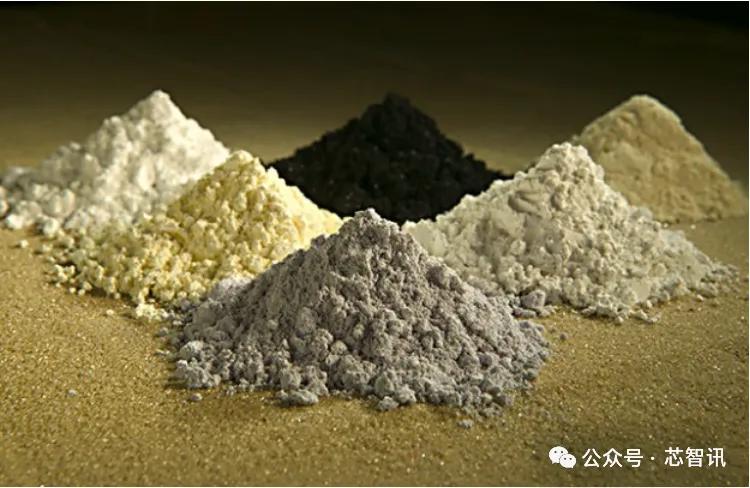
中国稀土跌0.93%,成交额28.96亿元,近3日主力净流入-1.25亿
Xin Lang Cai Jing· 2026-01-14 07:51
Core Viewpoint - The news highlights the performance and financial metrics of China Rare Earth Group, indicating a decline in stock price and trading activity, while also showcasing the company's growth in revenue and profit over the past year. Group 1: Company Overview - The company primarily engages in the production and operation of rare earth oxides and provides related technology research and consulting services [2][8] - The company is controlled by the State-owned Assets Supervision and Administration Commission of the State Council, categorizing it as a state-owned enterprise [3][4] Group 2: Financial Performance - For the period from January to September 2025, the company achieved a revenue of 2.494 billion yuan, representing a year-on-year growth of 27.73%, and a net profit attributable to shareholders of 192 million yuan, marking a significant increase of 194.67% [8] - The company has distributed a total of 346 million yuan in dividends since its A-share listing, with 124 million yuan distributed over the past three years [9] Group 3: Market Activity - On January 14, the rare earth sector saw a decline of 0.93%, with a trading volume of 2.896 billion yuan and a turnover rate of 5.14%, leading to a total market capitalization of 55.47 billion yuan [1] - The main capital flow showed a net outflow of 171 million yuan, indicating a reduction in major investor positions over the past two days [5][6] Group 4: Technical Analysis - The average trading cost of the stock is 50.11 yuan, with the stock price approaching a resistance level of 53.54 yuan, suggesting potential for a price correction if this level is not surpassed [7]
稀土产品价格分化上涨,稀土ETF嘉实(516150)一键布局稀土产业链机遇
Xin Lang Cai Jing· 2026-01-14 02:56
Group 1 - The core viewpoint of the news highlights a significant increase in rare earth product prices, with the China Rare Earth Industry Index rising by 1.07% on January 14, 2026, driven by strong performances from key stocks such as Antai Technology and Xiamen Tungsten [1] - The average price of praseodymium and neodymium oxide increased by 11,200 yuan per ton to 636,100 yuan per ton, while the average price of praseodymium and neodymium metal rose by 11,700 yuan per ton to 772,400 yuan per ton [1] - The strategic importance of tungsten and rare earths in high-end manufacturing, new energy, and defense technology is emphasized, with China's management of mining quotas and export controls underscoring their value [1] Group 2 - As of December 31, 2025, the top ten weighted stocks in the China Rare Earth Industry Index accounted for 60.4% of the index, including Northern Rare Earth, Goldwind Technology, and Xiamen Tungsten [2] - The Jiashi Rare Earth ETF (516150) closely tracks the China Rare Earth Industry Index, providing a convenient tool for investors to access the domestic rare earth industry chain [2] - The formation of a MACD golden cross signal indicates a positive trend for these stocks, suggesting potential investment opportunities [2]
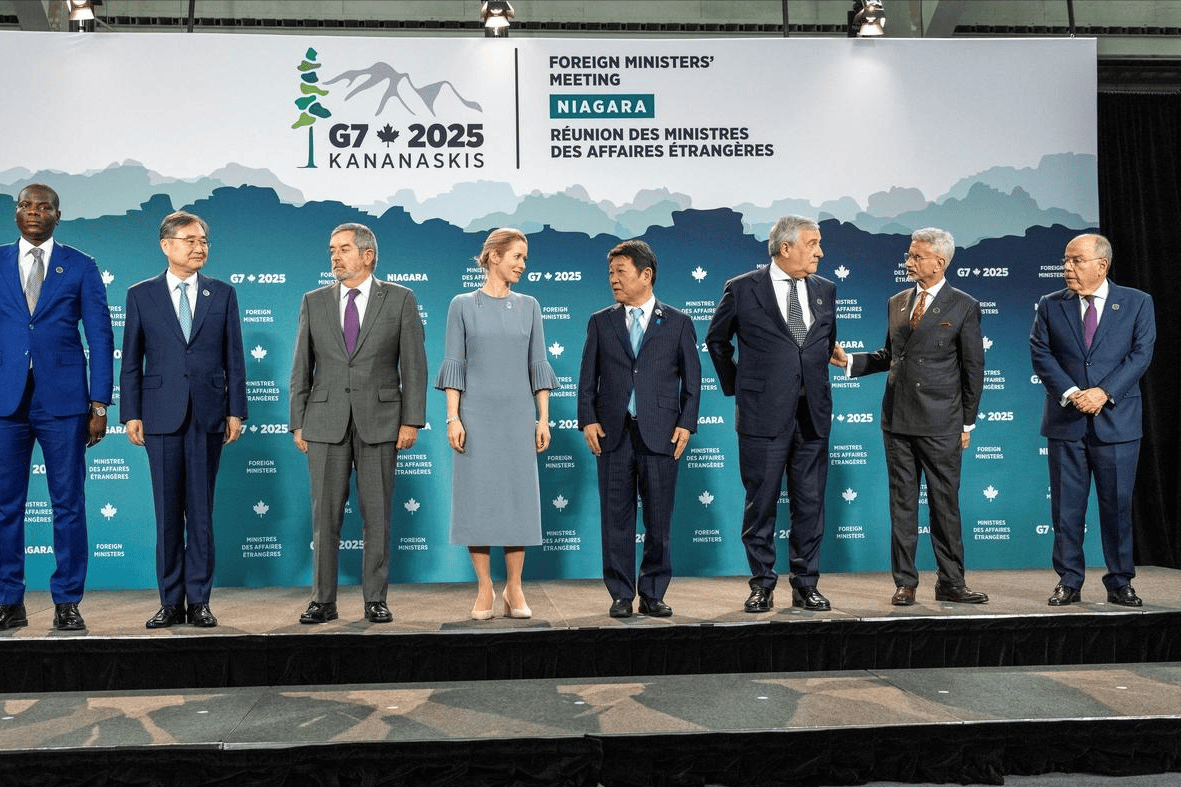
七国集团达成共识:将减少进口中国稀土!中方表态
Xin Lang Cai Jing· 2026-01-13 11:27
Core Insights - The meeting, hosted by US Treasury Secretary Scott Bessent, included finance ministers from G7 countries and other major economies, discussing strategies to reduce dependence on Chinese rare earth elements [2][3][10] - Participants represent 60% of global demand for critical minerals, while China dominates the supply chain, refining 47% to 87% of key minerals like copper, lithium, cobalt, graphite, and rare earths [2][9] Group 1: Meeting Objectives - The meeting aimed to explore solutions for securing and diversifying the supply chain of critical minerals, particularly rare earth elements, with a focus on cautious risk reduction rather than complete decoupling from China [4][11] - Japan's Finance Minister Satsuki Katayama emphasized the need for immediate action to reduce reliance on Chinese rare earths, proposing a range of policy measures including market establishment based on labor and human rights standards [4][11] Group 2: Policy Discussions - Discussions included potential price floors for rare earths and partnerships to increase supply, with German Finance Minister Lars Klingbeil noting that negotiations are just beginning and many issues remain unresolved [4][12] - The meeting's outcomes will be a central topic during France's presidency of the G7 this year, highlighting the urgency of developing alternative supply sources [4][11] Group 3: International Relations - Klingbeil cautioned against forming an anti-China alliance, stressing the importance of proactive measures in Europe to develop essential raw material supplies [5][12] - China's Ministry of Foreign Affairs reiterated its commitment to maintaining stability and security in the global critical minerals supply chain, emphasizing shared responsibility among all parties [7][14]
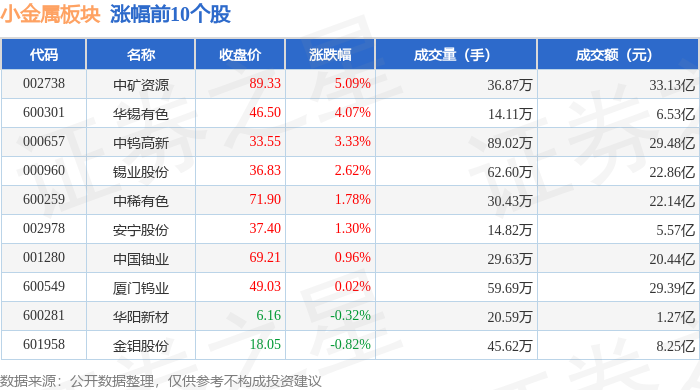
小金属板块1月13日跌1.17%,西部材料领跌,主力资金净流出16.82亿元
Zheng Xing Xing Ye Ri Bao· 2026-01-13 08:56
| 代码 | 名称 | 收盘价 | 涨跌幅 | 成交量(手) | 成交额(元) | | --- | --- | --- | --- | --- | --- | | 002149 | 西部材料 | 46.45 | -10.00% | 68.48万 | 32.32 Z | | 920068 | 天工股份 | 19.95 | -9.15% | 12.02万 | 2.47亿 | | 002428 | 云南错业 | 37.83 | -7.73% | 100.39万 | 38.46 Z | | 600456 | 宝钛股份 | 38.48 | -6.83% | - 37.96万 | 14.81亿 | | 688750 | 金天钛业 | 20.36 | -4.41% | 13.48万 | 2.79亿 | | 600111 | 北方稀土 | 50.81 | -3.18% | 151.81万 | 77.94亿 | | 002167 | 东方错业 | 13.08 | -2.97% | 51.58万 | 6.80亿 | | 000962 | 东方银业 | 38.05 | -2.74% | 30.73万 | 11.67亿 | | 00 ...

华源晨会精粹20260112-20260112
Hua Yuan Zheng Quan· 2026-01-12 12:13
证券研究报告 晨会 hyzqdatemark 2026 年 01 月 12 日 投资要点: 科创 50 1,511.84 2.43% 7.73% 北证 50 1,605.77 5.35% 9.50% 资料来源:聚源,华源证券研究所,截至2026年01月12日 华源晨会精粹 20260112 固定收益 关注边际修复行业的配置机会——信用分析周报:本周信用热点事件:(1) 交易商协会发布《关于进一步规范债务融资工具发行工作的业务提示》;(2)贵州 省人民政府印发《支持推动兴业强县富民一体发展若干政策措施》。本周不同行业 不同评级的信用利差大多有 10BP 以内的压缩幅度,非银金融 AA+信用利差大幅走 扩 20BP。城投债方面,本周不同期限的城投信用利差较上周有 1-4BP 的压缩幅度。 产业债方面,本周产业债信用利差 1Y 短端大幅走扩,1Y 以上大多有不同程度压缩。 银行资本债方面,本周银行二永债 1Y 以内短端利差小幅走扩,3Y 显著压缩,5-10Y 中长端小幅压缩。2025 年下半年以来,"反内卷"政策催化商品价格企稳回升,部 分行业基本面现修复迹象。截至 2026/1/7,有色金属行业存量债券共 290 ...