
追觅科技

Search documents
追觅闪耀CES 2026:全屋智能生态斩获超50项国际大奖
Xin Lang Cai Jing· 2026-01-11 02:47
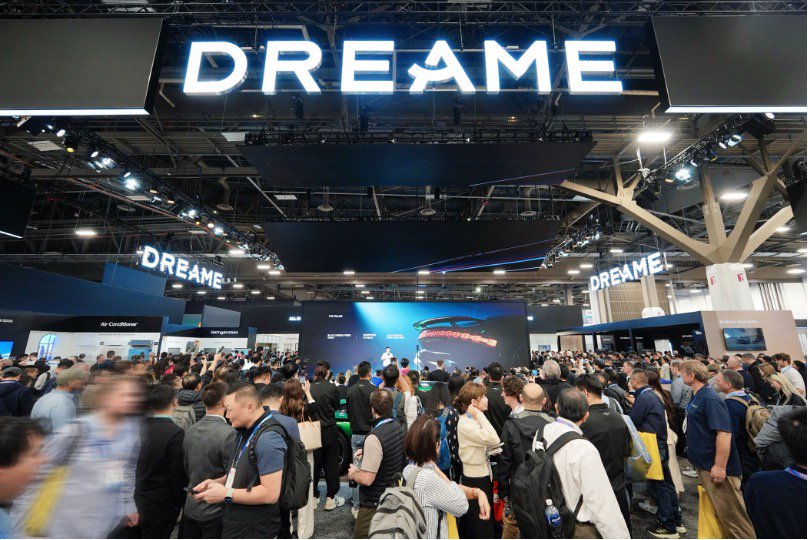
2026年1月9日,全球消费电子领域顶级盛会CES 2026在美国拉斯维加斯圆满收官。全球高端科技品牌追觅科技通过展 示多款具身智能创新产品以及50余项全球首创技术,系统呈现其全屋智能生态的最新进展与长期技术路径,向全球市 场传递了技术创新引领行业变革的强烈信号,成为本届展会的绝对焦点。 本届展会,追觅在LVCC与Venetian Expo两大展馆实现"双馆联动",打造了近2000平方米的有史以来最大展区,集中 呈现了覆盖智能大家电、智能清洁、智能厨电、个人护理、智能庭院及智能影音在内的完整全屋智能生态产品矩阵。 首次面向全球发布的具身智能新物种、具身智能割草机器人、具身智能泳池机器人、AI具身智能洗护机器人,均深度 融合追觅在具身智能技术方面的最新成果,推动产品真正实现从"被动响应"到"主动理解"的跃迁,获得全球观众及专 业人士的高度关注,为具身智能产业发展提供明确方向。 追觅凭借在技术研发和产品创新上的持续积淀,以绝对创新实力赢得世界掌声,一举斩获包括CES最高奖"最佳创新 奖",以及由Android Authority、TechRadar、TECHAERIS等多家行业权威媒体评选的Best of CES ...

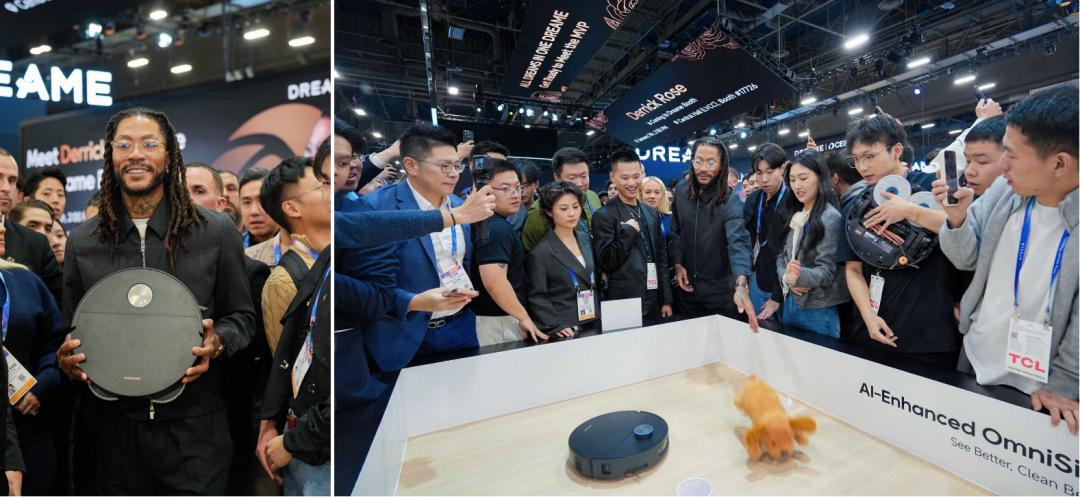
追觅洗地机闪耀CES 2026:罗斯点赞,全球媒体与用户高度评价
Xin Lang Cai Jing· 2026-01-11 02:47
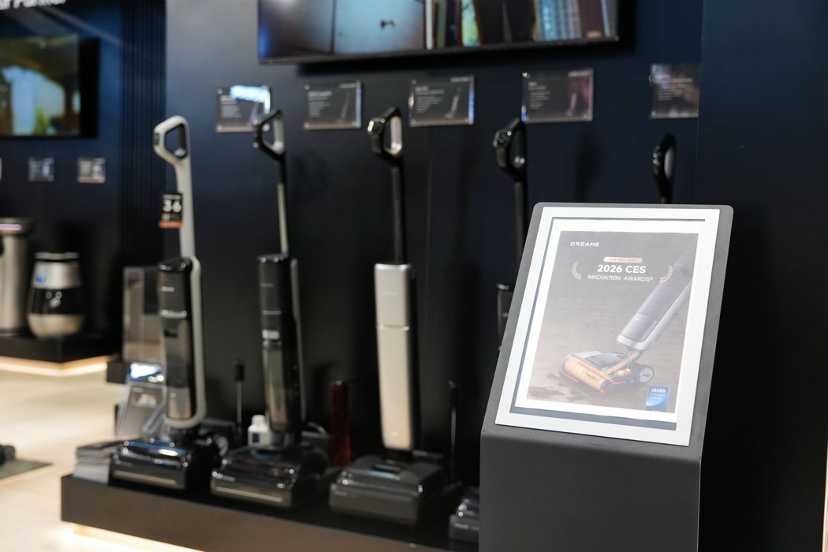
Core Insights - CES 2026 showcased cutting-edge technologies and innovations, with Dreame's floor cleaning machines highlighting the company's long-term technical accumulation and continuous innovation capabilities [1][10] Product Showcase - Dreame presented multiple innovative products including the Aero series, H15 Pro Heat, H16 Pro Steam, and H15 Pro CarpetFlex, targeting various high-frequency household cleaning scenarios [1][5] - The H15 Pro Heat, awarded the CES 2026 Innovation Award, features 85°C hot water cleaning technology and an AI lifting robotic arm for edge cleaning, addressing long-standing industry pain points [5] - The H16 Pro Steam utilizes a dual heating system with 200°C steam and 90°C hot water, effectively tackling stubborn grease and meeting overseas market demands for high-temperature physical disinfection [5] - The Aero series, particularly the Aero Pro, is designed for low-profile spaces with a thickness of 9.85 cm and boasts a suction power of 25,000 Pa, gaining recognition from pet owners [6] User Engagement - The booth was designed as an "open experimental field," simulating real home environments for immersive user experiences, which translated technical advantages into tangible perceptions [3] - NBA legend Derrick Rose visited the booth, experiencing the products firsthand and drawing significant media attention, further enhancing the brand's visibility [8] Market Positioning - Dreame's participation in CES 2026 marked its largest and most comprehensive exhibition to date, showcasing its complete smart home ecosystem and reinforcing its commitment to global market needs [10] - The company has entered over 120 countries and regions, serving more than 30 million households, and holds the highest number of patents in the industry [10]
国家级引导基金活跃度提升
21世纪经济报道· 2026-01-10 12:27
Core Viewpoint - Government investment funds have become a major source of capital in China's equity investment industry, playing a crucial role in promoting healthy industry development and optimizing traditional industries [1][12]. Group 1: Policy and Regulatory Changes - The State Council issued the "Guiding Opinions on Promoting the High-Quality Development of Government Investment Funds" on January 7, 2025, outlining 25 measures across seven areas to enhance the fund management process [1][12]. - Local governments are increasingly focusing on optimizing existing government investment funds rather than solely establishing new ones, leading to a more pragmatic approach in fund creation [12][22]. - The "1号文" emphasizes that government investment funds should not be established solely for attracting investment, leading to a slowdown in new fund establishments, particularly in less economically robust regions [13][27]. Group 2: Fund Establishment and Trends - In the first half of 2025, 60 new government investment funds were established, surpassing the total of 55 in 2024, with a total scale of 188 billion yuan [6][8]. - The establishment of government investment funds is concentrated in economically vibrant regions like the Yangtze River Delta and the Guangdong-Hong Kong-Macao Greater Bay Area, while interest in new funds has declined in the central and western regions [8][12]. - The trend is shifting towards a "fund cluster" model, focusing on multiple smaller funds with clear positioning rather than a few large-scale funds [26]. Group 3: Investment Focus and Strategies - Government investment funds are increasingly targeting strategic emerging industries such as new-generation information technology, biotechnology, and new energy vehicles, which are crucial for developing new productive forces [8][9]. - There is a consensus on "investing early and investing small," with both national and local funds showing more support for early-stage projects [9][10]. - The investment strategies of industry investment funds differ from venture capital funds, with a notable trend towards the mother-child fund structure to attract social capital [9][10]. Group 4: Management and Operational Efficiency - Most government investment funds have established sound systems and standardized operational processes, with many implementing ESG/responsible investment strategies [10][31]. - The management fee structures are becoming more refined and market-oriented, with a focus on cost control and performance [32][36]. - The introduction of a "tolerance for losses" policy allows for higher risk-taking, with some regions permitting up to 100% loss on individual projects [36][38]. Group 5: Exit Strategies and Market Dynamics - The recovery of the A-share and Hong Kong IPO markets in 2025 has provided a favorable environment for government investment funds to realize exits [41][42]. - The development of S funds and active mergers and acquisitions (M&A) markets are creating diversified exit channels for government investment funds [41][45]. - In 2025, the number of M&A transactions increased by 12.58%, indicating a more active market, with local governments becoming significant participants in M&A activities [48][49].

环球直击美国CES展:更少和更强大的中国企业正在重新定义AI竞争的规则
Huan Qiu Wang Zi Xun· 2026-01-10 05:33
Core Insights - The CES 2026 showcased AI as the central theme, emphasizing human-centric applications and the integration of AI into various sectors [1][3][6] - The competition in the chip industry was highlighted, with major players like NVIDIA, AMD, Intel, and Qualcomm presenting their advancements in AI infrastructure [3][9] - The exhibition marked a shift from hardware-centric displays to a focus on ecosystem definition and strategic collaboration among companies [4][16] AI and Robotics - CES 2026 introduced a dedicated area for AI and quantum innovation, showcasing practical applications of embodied intelligence and advancements in autonomous driving [3][4] - The event demonstrated a transition from conceptual robot designs to practical solutions addressing real-world challenges in home services and industrial logistics [3][11] - Chinese companies showcased significant advancements in robotics, with a focus on self-developed core components and solutions for logistics and manufacturing [11][13] Chinese Companies' Participation - The number of Chinese exhibitors in the core professional pavilion decreased to 207 from 1,475 in 2025, indicating a structural adjustment in participation [4][5] - The remaining Chinese companies at CES were required to demonstrate AI-related functionalities, reflecting a shift towards more innovative and integrated product offerings [5][6] - Major Chinese firms like Lenovo showcased their global influence by hosting large-scale events, indicating a strategic focus on ecosystem development [6][16] Competitive Landscape - The competition is evolving from hardware specifications to a comprehensive narrative that includes both foundational technology and application capabilities [7][16] - The contrasting approaches of Chinese and American tech companies in building AI ecosystems highlight differences in strategic thinking and resource allocation [8][15] - Chinese automotive companies emphasize full-stack self-research and vertical integration, while Western firms focus on open software ecosystems and long-term evolution [15][16] Future Implications - The CES 2026 signals a shift in global tech competition towards defining future technology ecosystems and industry standards [16][17] - Companies that can navigate the complexities of AI and contribute to ecosystem building are likely to remain at the forefront of technological advancement [17]



2026年首个IPO过会 背后站着这位全球“梳子大王”
Sou Hu Cai Jing· 2026-01-10 00:20
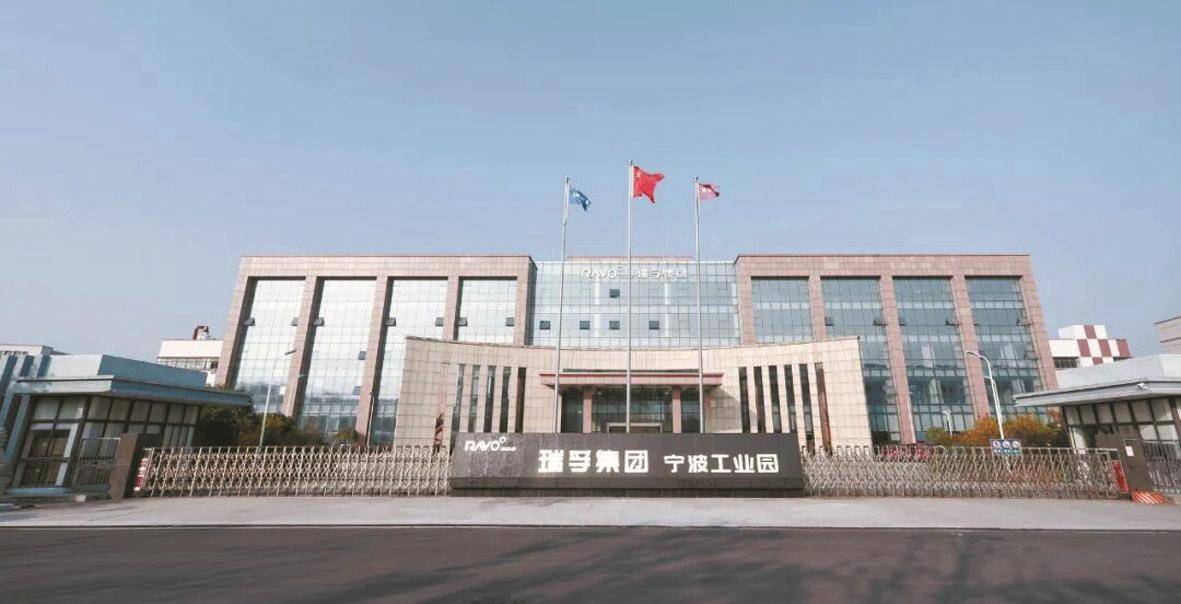
Core Viewpoint - Chenguang Electric has successfully passed the listing committee review of the Beijing Stock Exchange, becoming the first company to be approved for A-share listing in 2026, with Guojin Securities as the sponsor [2] Group 1: Company Overview - Chenguang Electric is controlled by Wu Yongkuan and Shen Yan'er, who together hold 93.39% of the company's shares [2] - The company plans to raise 399 million yuan through its IPO to fund projects related to high-speed motors, control systems, battery pack expansion, and the establishment of a research and development center [8] Group 2: Investment Details - In December 2024, Chenguang Electric issued 2 million shares at 12.8 yuan per share to investor Chen Qiwei, raising 25.6 million yuan, giving him a 3.23% stake in the company [2] - Chen Qiwei, known as the "Comb King," is the founder and chairman of Zhejiang Ruifu Intelligent Manufacturing Group, which has expanded from a comb manufacturing business to a diversified group covering personal care, baby products, and home goods [2][3] Group 3: Financial Performance - Chenguang Electric's revenue and net profit from 2022 to the first half of 2025 are as follows: - 2022: Revenue 495 million yuan, Net Profit 58.27 million yuan - 2023: Revenue 712 million yuan, Net Profit 99.33 million yuan - 2024: Revenue 827 million yuan, Net Profit 78.63 million yuan - 2025 (H1): Revenue 437 million yuan, Net Profit 43.24 million yuan [7] Group 4: Investment Strategy - Chen Qiwei's investment in Chenguang Electric is based on his confidence in the company's growth prospects, with the investment coming from his own funds [6] - The valuation of Chenguang Electric is set at 794 million yuan, corresponding to a price-to-earnings ratio of 10.58 times based on the expected net profit for 2024 [6] - Special investment terms allow Chen Qiwei to require the company's actual controllers to buy back his shares at "principal + annualized interest of 5.5%" if the company does not go public by the end of 2027 [6][7]
中国科技企业闪耀CES,以创新和品牌力突围
2 1 Shi Ji Jing Ji Bao Dao· 2026-01-10 00:10
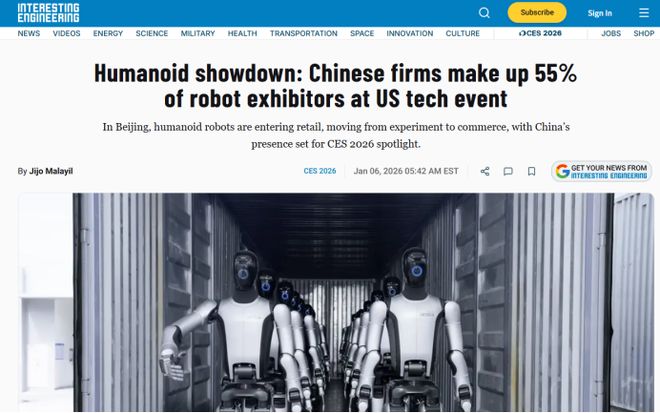
Group 1 - The core viewpoint of the articles highlights the increasing presence and competitiveness of Chinese technology companies at the CES 2026, showcasing a shift from traditional manufacturing roles to a more diversified global strategy that emphasizes technology, design, and localized operations [1][4]. - Chinese companies are exhibiting a strong focus on AI integration, with nearly all exhibitors emphasizing AI in their presentations, indicating a trend towards practical applications rather than just theoretical concepts [2][3]. - The number of Chinese humanoid robot exhibitors at CES 2026 exceeds 20, surpassing the total from the US, Japan, South Korea, and Europe combined, demonstrating a significant cluster effect in this sector [2]. Group 2 - In the first three quarters of 2025, China's export of high-tech products reached 37.5 trillion yuan, marking an 11.9% increase and contributing over 30% to the overall export growth during the same period [1]. - The global market for robotic vacuum cleaners is dominated by Chinese brands, which accounted for over 60% of the market share in terms of shipment volume in 2025 [5]. - Chinese technology companies are increasingly focusing on brand building after achieving significant sales milestones, with many adopting interactive marketing strategies to enhance brand visibility and consumer engagement [6][7]. Group 3 - The CES serves as a window into technological trends and reflects the journey of Chinese companies expanding into overseas markets, with a notable increase in brand recognition and a shift away from the "low-price label" to a "technology leader" image [4][6]. - The rapid iteration cycles of Chinese companies, averaging six months to a year for product updates, contrast with European companies that typically require two to three years, allowing for quicker market responsiveness [4][6]. - Challenges remain for Chinese companies in navigating diverse market environments, including varying consumer preferences, regulatory requirements, and external uncertainties, which necessitate comprehensive long-term strategic planning [7][8].
“物理AI”成CES热议新词
Jing Ji Ri Bao· 2026-01-09 21:57
Core Insights - The 2026 CES in Las Vegas highlighted "Physical AI" as a key term, indicating a shift in AI technology focus from algorithms to real-world applications [1][4] - NVIDIA's CEO emphasized "Physical AI" in his keynote, suggesting its importance in enabling autonomous systems to perceive, understand, and act in the physical world [1][4] Group 1: Definition and Applications of Physical AI - "Physical AI" refers to the capability of systems like cameras, robots, and autonomous vehicles to operate in the physical world, moving beyond mere information provision to actively changing environments [1][4] - Various companies showcased applications of "Physical AI," including home robots that assist with chores and public life solutions like urban infrastructure models that integrate AI for energy management and facility inspections [2][3] Group 2: Industry Perspectives on Physical AI - Qualcomm's China Chairman noted that "Physical AI" and "Personal AI" are evolving simultaneously, with the former focusing on real-world applications in vehicles and robotics [3] - Lenovo's CEO described "Physical AI" as "machines with brains," highlighting the transition of robots from simple mechanical tasks to complex decision-making capabilities [3] Group 3: Industry Consensus and Future Directions - The rise of "Physical AI" reflects a broader industry consensus that AI is becoming integral to real-world production, life, and public scenarios, serving as a bridge between digital and physical realms [4]
这届CES的C位,是一台高7.95cm的追觅扫地机
3 6 Ke· 2026-01-09 12:09
Core Insights - The article highlights the significant advancements made by the company in the robotic vacuum cleaner industry, particularly with the launch of the X60 series, which aims to redefine user experience and product design in a saturated market [3][22]. Group 1: Industry Overview - The robotic vacuum cleaner industry has evolved over the past decade, with manufacturers focusing heavily on parameter competition, leading to consumer fatigue as performance improvements no longer translate into noticeable user experience changes [3][4]. - The current competitive focus has shifted from hardware capabilities to a more integrated system that combines hardware, perception, and algorithmic collaboration [4][10]. Group 2: Product Innovation - The X60 series features a reduced height of 7.95 cm, allowing it to access previously unreachable cleaning areas, thus alleviating user concerns about cleanliness in low spaces [5][6][8]. - The product incorporates an "ultra-wide dual-eye dynamic navigation obstacle avoidance system," enabling it to recognize over 280 types of obstacles and make intelligent decisions without prior object databases [10][17]. - The system enhances obstacle detection and cleaning efficiency by integrating semantic information to determine whether low-profile objects should be cleaned, thus minimizing missed spots [11][21]. Group 3: Research and Development - The company has maintained a high level of investment in research and development, with approximately 70% of its workforce dedicated to R&D and over 7% of revenue allocated to R&D efforts [21]. - The development of the X60 series involved a comprehensive redesign of the vacuum cleaner's internal components, allowing for a more compact and efficient structure without sacrificing performance [16][17]. Group 4: Market Presence - The company has successfully expanded its market reach, selling products in over 120 countries and establishing more than 6,500 offline retail partnerships globally, which facilitates continuous feedback and product optimization based on diverse user needs [21][22].
记者手记|“物理AI”成为美消费电子展热议新词
Sou Hu Cai Jing· 2026-01-09 11:40
Core Insights - The 2026 Consumer Electronics Show (CES) in Las Vegas highlights "Physical AI" as a key trend, reflecting a shift in AI technology development and industry focus [1][5][10]. Group 1: Definition and Importance of Physical AI - "Physical AI" refers to enabling autonomous systems like cameras, robots, and self-driving cars to perceive, understand, reason, and execute complex actions in the physical world [5][10]. - Unlike previous AI discussions focused on algorithms and computing power, "Physical AI" emphasizes the integration of AI into robots, autonomous vehicles, and smart devices, allowing them to actively change their environments [5][14]. Group 2: Industry Applications and Innovations - At CES, various demonstrations showcased "Physical AI" in action, including smart robots navigating spaces, self-driving concept cars, and smart home devices executing commands accurately [5][9]. - Companies like Hisense and Xiaomi presented products such as companion robots and AI-driven cleaning devices, illustrating the practical applications of "Physical AI" in everyday life [9][10]. Group 3: Industry Perspectives and Future Directions - Industry leaders, such as Qualcomm and BOE, noted that "Physical AI" is evolving alongside "Personal AI," with applications expanding into wearables, personal devices, and public life scenarios [10][14]. - The integration of display technology and sensors is expected to enhance the capabilities of "Physical AI," leading to machines that not only perform tasks but also think and collaborate [14].

中国科技企业闪耀CES:撕下低价标签 以创新和品牌力突围
2 1 Shi Ji Jing Ji Bao Dao· 2026-01-09 09:38
Core Insights - The presence of Chinese technology companies at CES 2026 has significantly increased, showcasing a shift from traditional supply chain roles to a more diversified global strategy focused on technology, design, and localized operations [1][4]. Group 1: Chinese Companies at CES - A total of 207 Chinese companies participated in CES 2026, occupying over 4,900 square meters of exhibition space, marking a strong presence in the global tech landscape [1]. - The focus of the exhibition has shifted towards AI-driven technologies, with nearly all exhibitors highlighting AI as a core component of their offerings [2]. Group 2: AI and Robotics - Chinese companies are leading in the robotics sector, with over 20 humanoid robot exhibitors, surpassing the total from the US, Japan, South Korea, and Europe combined [2]. - Innovations in practical applications of AI are evident, with products like delivery robots and advanced cleaning robots demonstrating significant functional capabilities [3]. Group 3: Market Position and Product Competitiveness - By the first three quarters of 2025, Chinese brands accounted for over 60% of the global market share in robotic vacuum cleaners, indicating a strong competitive position [5]. - Chinese technology firms are increasingly recognized for their technological advancements and design quality, allowing them to command a price premium in overseas markets [5]. Group 4: Brand Development and Market Expansion - As Chinese tech companies achieve significant sales milestones, they are increasingly focusing on brand building, utilizing interactive marketing strategies to enhance consumer engagement [6]. - The transition to brand-focused strategies is expected to further boost sales, particularly in high-value product categories [6]. Group 5: Challenges and Strategic Considerations - Companies face challenges related to varying market conditions, cultural differences, and regulatory requirements across different regions [7]. - The external environment's uncertainty poses risks, but stabilizing conditions could enhance the competitive advantages of Chinese tech firms [7].