红旗连锁

Search documents
红旗连锁(002697.SZ):股东拟协议转让5.18%股份给商投投资
Ge Long Hui A P P· 2026-02-12 11:55
Core Viewpoint - Hongqi Chain (002697.SZ) announced the signing of a share transfer agreement between Sichuan Shengtou Investment Co., Ltd. and shareholders Ms. Cao Shiru and Mr. Cao Zengjun, involving the transfer of 70.44 million non-restricted circulating shares, representing 5.18% of the total share capital of Hongqi Chain [1] Group 1 - The share transfer agreement was signed on February 12, 2026 [1] - The total shares being transferred amount to 70.44 million [1] - The shares represent 5.18% of Hongqi Chain's total share capital [1]

红旗连锁:股东拟协议转让5.18%股份给商投投资
Ge Long Hui· 2026-02-12 11:41
Core Viewpoint - Hongqi Chain (002697.SZ) announced the signing of a share transfer agreement between Sichuan Shengtou Investment Co., Ltd. and shareholders Ms. Cao Shiru and Mr. Cao Zengjun, involving the transfer of 70.44 million non-restricted circulating shares, representing 5.18% of the total share capital of Hongqi Chain [1] Group 1 - The share transfer agreement was signed on February 12, 2026 [1] - The total shares being transferred amount to 70.44 million [1] - The shares represent 5.18% of Hongqi Chain's total share capital [1]
红旗连锁:商投投资受让5.18%公司股份
Ge Long Hui A P P· 2026-02-12 11:39
Core Viewpoint - Hongqi Chain announced a share transfer agreement between Sichuan Shengtou Investment Co., Ltd. and Cao Shiru, Cao Zengjun, resulting in a change in shareholding structure [1] Group 1: Share Transfer Details - Cao Shiru and Cao Zengjun will transfer a total of 70.4438 million non-restricted circulating shares, accounting for 5.18% of the total share capital, to Shengtou Investment [1] - After the transfer, Shengtou Investment's shareholding will increase from 16.91% to 22.09% [1] Group 2: Control and Ownership - Following this equity change, the controlling shareholder of the company will still be Shengtou Investment, with the actual controller remaining the Sichuan Provincial State-owned Assets Supervision and Administration Commission [1]
红旗连锁(002697) - 简式权益变动报告书-曹世如、曹曾俊
2026-02-12 11:32
成都红旗连锁股份有限公司 简式权益变动报告书 上市公司名称:成都红旗连锁股份有限公司 股票上市地点:深圳证券交易所 股票简称:红旗连锁 股票代码:002697 信息披露义务人名称:曹世如 住所:四川省成都市青羊区******** 通讯地址:四川省成都市高新区西区迪康大道 7 号 信息披露义务人名称:曹曾俊 住所:四川省成都市青羊区******** 通讯地址:四川省成都市高新区西区迪康大道 7 号 股份变动性质:股份减少及表决权恢复 签署日期:二〇二六年二月 信息披露义务人声明 一、信息披露义务人依据《中华人民共和国公司法》《中华人民共和国证券 法》《上市公司收购管理办法》《公开发行证券的公司信息披露内容与格式准则第 15 号—权益变动报告书》及相关法律、法规编写本报告。 二、信息披露义务人签署本报告已获得必要的授权和批准,其履行亦不违反 信息披露义务人章程或内部规则中的任何条款,或与之相冲突。 三、依据《中华人民共和国证券法》《上市公司收购管理办法》的规定,本 报告书已全面披露了信息披露义务人在红旗连锁中拥有权益的股份变动情况。 截至本报告书签署之日,除本报告书披露的信息外,信息披露义务人没有通 过任何其他方 ...
红旗连锁(002697) - 关于控股股东签署股份转让协议的提示性公告
2026-02-12 11:30
证券代码:002697 证券简称:红旗连锁 公告编号:2026-004 成都红旗连锁股份有限公司 关于控股股东签署股份转让协议的提示性公告 本公司及董事会全体成员保证信息披露的内容真实、准确、完整,没有虚假 记载、误导性陈述或重大遗漏。 成都红旗连锁股份有限公司(以下简称"公司""红旗连锁")接到公司股 东曹世如女士、曹曾俊先生的通知,四川商投投资有限责任公司(以下简称"商 投投资")与曹世如女士、曹曾俊先生(以下合称"转让方")于2026年2月12 日签署了《四川商投投资有限责任公司与曹世如及曹曾俊关于成都红旗连锁股份 有限公司之股份转让协议》(以下简称"股份转让协议")。具体情况如下: 一、股份转让变动情况 商投投资与曹世如女士、曹曾俊先生签署了《股份转让协议》。协议约定曹 世如、曹曾俊将其合计持有的红旗连锁70,443,750股非限售流通股(占红旗连锁 总股本的5.18%)以协议转让的方式转让给商投投资。本次权益变动前后相关主 体权益变动情况如下: | 股东 | | 本次权益变动前 | 表决权 | | 本次权益变动后 | | | --- | --- | --- | --- | --- | --- | - ...
外卖大战加速连锁茶饮的K型分化
新财富· 2026-02-12 08:05
Core Viewpoint - 2025 is expected to be a pivotal year for new consumption and a year of differentiation in the chain tea beverage industry, with increasing competition and pressure on leading brands [3]. Market Competition - The tea beverage industry has seen intensified competition since Q2 2024, with brands resorting to price wars through discounts and low-priced promotional items [3]. - Major brands like Cha Bai Dao and Hu Shang A Yi are experiencing slower store expansion and declining same-store sales, indicating a struggle for growth [3][4]. - By Q2 and Q3 of 2024, the competitive landscape became clearer, with leading brands like Mi Xue Bing Cheng and Gu Ming gaining competitive advantages while others like Cha Bai Dao and Hu Shang A Yi fell behind [4]. Impact of Delivery Wars - Starting Q1 2025, major tea brands began to reduce discounting and the frequency of low-price promotional items, suggesting a potential easing of competition if the delivery wars do not escalate in H2 2025 [5]. - In April 2025, major delivery platforms initiated significant subsidies, leading to a temporary increase in stock prices for brands like Gu Ming and Mi Xue Bing Cheng, but concerns arose about a new round of price wars [7]. - The delivery wars have led to increased same-store GMV for brands like Mi Xue and Gu Ming, but also resulted in lower average transaction prices and intensified competition [9]. Long-term Outlook - The delivery wars may cause short-term disruptions but are expected to have limited long-term pricing impacts, with weaker brands likely to fall further behind, creating structural opportunities for leading brands [13]. - The competition is shifting from supply chain differences to refined operational efficiency, focusing on digital systems for inventory management and customer engagement [14][15]. Brand Performance - Mi Xue Bing Cheng and Gu Ming are among the few brands achieving over 20% store growth this year, benefiting from their supply chain advantages and strong operational capabilities [17]. - Gu Ming has shown resilience with steady same-store growth and healthy franchisee profitability, while Mi Xue Bing Cheng has leveraged its scale and efficiency to withstand competitive pressures [17].

千问App公布“春节30亿大免单”第一波活动数据,聚焦港股通消费ETF华夏(513230)布局窗口
Mei Ri Jing Ji Xin Wen· 2026-02-12 06:03
Market Overview - The Hong Kong stock market experienced a decline, with the Hang Seng Index falling by 0.89% and the Hang Seng Tech Index dropping by 1.68% as of midday on February 12 [1] - The AI application concept showed strength, while the power equipment sector continued its upward trend, and the optical communication sector was active [1] - The Hong Kong pharmaceutical sector exhibited mixed performance, and the internet technology sector weakened [1] - The Hong Kong consumer sector remained in low-level fluctuations, with the Hong Kong Stock Connect Consumer ETF Huaxia (513230) dropping over 1%, opening a low-position layout channel [1] AI Consumption Trends - Qianwen App reported significant activity during its "Spring Festival 3 billion big free order" campaign, with users making 41 billion requests and AI completing over 120 million orders in the past six days [2] - Nearly half of the orders from Qianwen were placed in county-level cities, with 1.56 million elderly individuals experiencing food delivery services for the first time through Qianwen [2] - The use of AI is driving an upgrade in consumer experience and stimulating new consumption vitality across various demographics and city tiers [2] Retail Growth - Following the launch of Qianwen's "Please Guest" campaign, the "milk tea free order" promotion gained traction on social media [2] - In the first six days, over 1,000 tons of eggs, more than 2,300 fitness equipment items, and over 1,500 books were ordered through Qianwen [2] - As the Spring Festival approached, the trend of using AI for instant retail purchases of snacks, beverages, milk, fruits, and flowers surged, leading to a rapid increase in orders [2] - Retail orders for hair dyeing products, gift flowers, fruit gift boxes, and emergency baby supplies saw growth exceeding 10 times compared to the initial launch period of the Qianwen campaign [2] ETF and Index Insights - The Hong Kong Stock Connect Consumer ETF Huaxia (513230) tracks the CSI Hong Kong Stock Connect Consumer Theme Index, which includes leading companies in traditional service industries such as hospitality and dining, as well as high-elasticity assets like trendy toys and gold jewelry [2] - The index also encompasses sectors with high dividend yields, including sportswear and white goods [2] - Major constituents of the index include consumer leaders such as Pop Mart, Yum China, Lao Pu Gold, Anta Sports, Nongfu Spring, and Mixue Ice City, covering nearly all areas of Hong Kong consumption [2]
古茗20260211
2026-02-11 15:40
Summary of Conference Call Notes Company and Industry Overview - The conference call focused on the tea beverage industry, specifically the company "Guming" (古茗) and its market position within the sector. The tea beverage industry is expected to grow at a compound annual growth rate (CAGR) of over 15% over the next five years due to changes in consumer preferences and market dynamics [1][2]. Key Insights and Arguments Industry Growth and Market Dynamics - The tea beverage industry is experiencing a shift towards premiumization, with a notable distinction between low-priced (below 10 RMB) and mid-priced (above 10 RMB) segments. The low-priced segment is dominated by Guming, which holds nearly 60% market share in this category [1][2]. - The mid-priced segment faces intense competition, requiring brands to possess strong management capabilities and a robust supply chain to maintain long-term competitiveness [2]. Guming's Business Model and Growth Strategy - Guming has established a significant presence with over 13,000 stores and aims to reach 20,000 by 2027, with a long-term target of approximately 40,000 stores in China [3][7]. - The company has undergone three phases of development: establishing its business model (2010-2017), expanding through regional strategies (2019-2021), and accelerating growth post-IPO [3][6]. - Guming's revenue model primarily relies on a franchise system, generating income from supply chain services and initial franchise fees. The company reported a GMV of 106 billion RMB in 2021, projected to reach 340 billion RMB in 2025, with a CAGR of approximately 34% [7][8]. Financial Performance and Projections - Guming's revenue for 2025 is expected to reach 13.6 billion RMB, with a year-over-year growth rate of around 55%. The adjusted net profit is projected to be between 2.4 billion and 2.5 billion RMB, reflecting a 60% increase [8][26]. - The company has maintained a strong cash flow due to its franchise model, allowing for significant reinvestment in growth and expansion [6][11]. Competitive Advantages - Guming's competitive edge lies in its supply chain efficiency, product innovation, and strong brand loyalty. The company has a high customer retention rate, with a quarterly active membership of approximately 39.5 million, significantly higher than competitors [19][20]. - The company has a low closure rate of 4-6% compared to competitors, indicating strong franchisee satisfaction and operational stability [21]. Future Growth Opportunities - Guming plans to expand its product offerings beyond tea to include coffee and breakfast items, aiming to enhance customer engagement and increase sales per store [22][23]. - The company is focusing on penetrating underrepresented markets, with significant potential for growth in northern China, where it currently has limited presence [24][25]. Other Important Insights - Guming's management team is highly involved in operations, with a concentrated ownership structure that aligns the interests of key stakeholders [8][10]. - The company’s pricing strategy aims to balance affordability for consumers while ensuring reasonable returns for franchisees, which is crucial for sustaining growth in a competitive market [15][16]. - The upcoming conference call will delve deeper into Guming's product, supply chain, and management advantages, as well as comparisons with competitors [27]. This summary encapsulates the key points discussed in the conference call, highlighting Guming's strategic positioning, financial outlook, and competitive landscape within the tea beverage industry.
淄博奶茶江湖风云录③: 到底谁能笑到最后?
Qi Lu Wan Bao· 2026-02-11 08:19
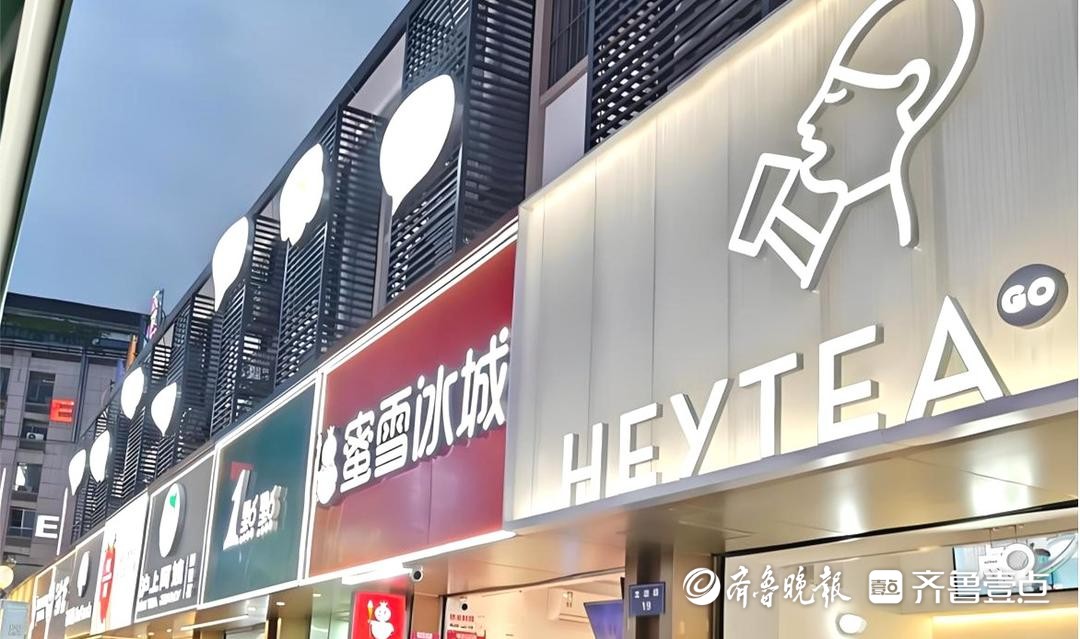
Core Insights - The current milk tea market is undergoing a significant reshuffle, with nearly 160,000 milk tea shops disappearing nationwide over the past year, equating to approximately 438 closures daily [2][3][4] - Despite the closures, leading brands are expanding rapidly, with brands like Mixue Ice City and Gu Ming entering the market aggressively, while health-focused brands like Fulingji and Nuanyan are also expanding their presence [4][5][18] - The market dynamics reflect a dual phenomenon of intense competition among established brands and the emergence of new players, alongside the exit of some initial brands [7][28] Industry Trends - The milk tea market in Zibo has transformed from a regional phenomenon to a nationally recognized commercial model, characterized by accelerated expansion of leading chains, local brand resilience, and sustained consumer interest [18][19] - As of January 2026, Mixue Ice City has approximately 42,000 stores nationwide, while Gu Ming has reached 13,000 stores, indicating a robust growth trajectory for these brands [23][24] - The competitive landscape is shifting towards a "stock game" phase, where market players are focusing on efficiency, product quality, and genuine value rather than merely marketing and promotional tactics [30][32] Consumer Behavior - Consumer preferences are shifting from trendy brands to value-oriented choices, with a focus on taste and price, particularly among student demographics who favor promotions like "second cup half price" [30][31] - The ideal price range for consumers is between 6-15 yuan, indicating a demand for affordable yet quality products [30] Competitive Landscape - The competition is intensifying, with brands like Heytea, Nayuki, and Lele Tea facing challenges as they scale back operations, while newer brands and established players continue to grow [28][30] - The future of the milk tea market will hinge on supply chain efficiency and brand risk management, as companies strive to differentiate themselves through quality and cultural integration [32]
奶茶行业流行“搭快船”出海?
Sou Hu Cai Jing· 2026-02-11 05:16
Core Viewpoint - The article discusses the strategic partnership between Cha Bai Dao and SG Mart in Singapore, highlighting the brand's approach to international expansion through localized strategies and partnerships to enhance market entry efficiency [1][4]. Group 1: Cha Bai Dao's International Strategy - Cha Bai Dao began its overseas journey in 2024, opening its first store in Seoul, South Korea, strategically located in the affluent Gangnam district to target mainstream local consumers rather than just the Chinese community [2]. - The brand has rapidly expanded its international presence, covering over 20 stores across more than ten countries, including South Korea, Thailand, Australia, Singapore, Spain, France, and the United States, within two years [2]. - The partnership with SG Mart is seen as a pragmatic move to leverage SG Mart's established local network and logistics, facilitating a quicker market entry for Cha Bai Dao in Singapore [5]. Group 2: Market Dynamics and Competitors - Other beverage brands, such as Ba Wang Cha Ji, are also pursuing aggressive international strategies, with Ba Wang Cha Ji forming a joint venture in Thailand to gain access to local market insights and distribution channels [6]. - The article notes that the trend of forming strategic partnerships to enhance market entry efficiency is not unique to Chinese brands, as global giants like Starbucks have also adopted similar strategies in their expansion efforts [7]. - The overall landscape of the beverage industry is witnessing a surge in international expansion, with numerous brands, including Mi Xue Bing Cheng and Luckin Coffee, rapidly increasing their overseas store counts [15][18]. Group 3: Challenges and Considerations - Despite the aggressive expansion, brands face significant challenges in local market adaptation, including understanding consumer preferences and establishing efficient supply chains [16][18]. - The competition in overseas markets is intensifying, with many brands entering the same regions, leading to potential market saturation and price wars [18]. - Successful international expansion requires not only opening stores but also achieving deep localization in product offerings, supply chain management, and brand positioning to resonate with local consumers [19].