陶氏公司

Search documents
万字深度报告:一文读懂显示材料全景图,从LCD到柔性屏的国产化机遇与挑战
材料汇· 2025-08-03 15:39
Core Viewpoint - The article discusses the current landscape and future strategies of China's display materials industry, emphasizing the dual mainstream technologies of LCD and OLED, the rise of new technologies like quantum dots and Micro-LED, and the critical need for domestic production of high-end materials to overcome reliance on imports [2][5][8]. Group 1: Display Technology Overview - The main display technologies currently dominating the market are TFT-LCD and OLED, with TFT-LCD holding a 40% market share globally due to its low cost and high resolution [7][12]. - OLED is preferred for small to medium-sized high-end displays, with significant advancements in flexible display materials [7][12]. - The demand for new display technologies, including quantum dots and Micro-LED, is increasing, driven by the need for higher resolution and energy efficiency [4][12]. Group 2: Challenges in High-End Materials - The industry faces a "bottleneck" where 90% of high-end materials are imported, particularly in areas like OLED emitting materials and glass substrates [5][7]. - Key materials such as glass substrates and target materials are dominated by foreign companies, leading to a significant reliance on imports [7][12]. - The lack of domestic production capabilities for critical materials poses a risk to the stability and competitiveness of the display industry [5][7]. Group 3: Strategic Solutions - A national-level platform is proposed to integrate resources from enterprises, universities, and research institutions to build a shared database for display materials [6]. - Leading companies are encouraged to focus on technological breakthroughs in high-purity OLED materials and ultra-thin flexible glass [6]. - Collaboration between academia and industry is essential for cultivating talent in display materials engineering to address the skills gap [6]. Group 4: Future Material Innovations - Emerging technologies such as quantum dots and Micro-LED are highlighted as future trends, with quantum dots expected to replace traditional materials due to their superior properties [4][43]. - The development of new materials like transparent PI films and COP films is crucial for the advancement of flexible displays [24][30]. - The article emphasizes the importance of overcoming the limitations of existing materials to enhance the performance and durability of next-generation displays [4][32].


科思创,亏损!中石化,大降
DT新材料· 2025-07-31 16:05
Core Viewpoint - The article highlights the disappointing financial performance of major chemical companies, including Covestro, BASF, and Dow, as well as Sinopec, indicating a broader trend of economic weakness in the industry [1][6]. Covestro Performance Summary - Covestro reported stable sales volume but a revenue decline of 8.4% to €3.4 billion, with EBITDA down 15.6% to €270 million, and a net loss of €59 million compared to a loss of €72 million in the same period last year [2]. - The Functional Materials segment generated €1.6 billion in sales (down from €1.8 billion), with EBITDA of €149 million (down from €196 million). The Solutions and Specialties segment had sales of €1.7 billion (down from €1.8 billion) and EBITDA of €175 million (slightly up from €174 million) [3]. - The company faced significant impacts from unexpected increases in U.S. import tariffs, which disrupted global supply chains for key customer industries, leading to a severe oversupply situation and a substantial drop in global prices, particularly in the Asia-Pacific region [3]. Economic Outlook - For the full year 2025, Covestro anticipates continued economic weakness with no signs of recovery, projecting EBITDA between €700 million and €1.1 billion and free operating cash flow between -€400 million and €100 million [4]. - The third quarter EBITDA is expected to range from €150 million to €250 million [4]. Sinopec Performance Summary - Sinopec expects a net profit attributable to shareholders of between ¥20.1 billion and ¥21.6 billion for the first half of 2025, representing a decline of 39.5% to 43.7% year-on-year [7]. - The company attributes its performance decline to significant drops in international crude oil prices, intense competition in the oil and petrochemical markets, and low margins in the chemical market [8]. - Key production metrics show a decrease in crude oil processing volume and significant declines in gasoline and diesel production, with total refined oil sales down 3.4% [8][9].

遭遇“关停潮”,欧洲石化业向何处去?
Zhong Guo Hua Gong Bao· 2025-07-31 09:07
Core Viewpoint - The European chemical industry is facing a significant crisis, with many companies considering shutting down operations due to high production costs and aging equipment, leading to a potential wave of factory closures [2][3][4]. Industry Challenges - The European basic chemical sector is struggling with high production costs and competition from regions like North America and the Middle East, which have cheaper raw materials [2][4]. - Major companies such as Dow, ExxonMobil, TotalEnergies, and Shell are reevaluating their European chemical assets, particularly focusing on naphtha cracking facilities [4]. - The average age of European cracking plants exceeds 40 years, with production costs for naphtha-based ethylene at $800 per ton, significantly higher than $400 per ton in the U.S. and $200 per ton in the Middle East [5]. Government Response - The European Commission has pledged to support the local production of strategic chemicals and plans to expand national aid for factory modernization [3][5]. - Countries like France, Italy, and Spain are advocating for a "Critical Chemicals Act" to address the challenges faced by the chemical industry [5]. Future Outlook - Analysts believe that while the European chemical industry will not completely disappear, it will likely enter an oligopolistic phase [6]. - CEO of Covestro, Markus Steilemann, expressed optimism about structural reforms in the European chemical sector, suggesting that the industry has hit rock bottom and is beginning to show positive progress [7][8]. - The focus on specialty chemicals is seen as a potential growth area, with small and medium-sized enterprises playing a crucial role in innovation [8][9]. Economic Impact - The German chemical industry is expected to face significant challenges due to U.S. tariff policies, which could lead to a one-third reduction in exports to the U.S. [10]. - The German economy is projected to recover in the coming year, driven by government spending and interest rate cuts, although challenges remain [11].
市场分析人士:欧洲基础化工复苏难上加难
Zhong Guo Hua Gong Bao· 2025-07-30 02:22
在经历多年亏损及全球产能快速扩张后,高昂的生产成本和设备老化使欧洲化工生产商举步维艰,欧洲 基础化工产业正面临一波工厂关闭潮的冲击。尽管政府部门发布了多部鼓励化工行业发展的法案,但欧 洲基础化学品行业仍完全无法与外部竞争。市场人士警告称,欧洲化工行业目前面临生死存亡的问题, 尤其是基础化学品行业,寻求复兴的努力可能已经为时已晚。 "当世界其他地区正在建设二十多座新裂解装置时,欧洲却在梦游般走向工业衰退。"英力士集团创始人 吉姆·拉特克利夫近期在活动中尖锐地表示。这位通过收购英国石油(BP)等公司石化装置发家的亿万富 翁,与其他行业领袖共同批评了欧洲地区政府行动的缺失。 另外,陶氏、埃克森美孚、道达尔能源和壳牌等跨国企业也正在关闭或重新评估欧洲化工资产,多数关 停目标指向石脑油裂解装置,即将碳氢化合物转化为乙烯、丙烯等基础原料的核心设施。尽管欧洲化企 在财报中往往强调特种化学品会取得更高回报,但据3月的欧盟八国联合文件预测,到2035年欧洲或有5 万个工作岗位因裂解装置关闭而消失,其影响不可谓不小。伍德麦肯兹数据显示,在欧盟现有总产能 2450万吨的乙烯装置中,高达40%均处于中高风险状态。相较于欧洲使用石脑油 ...
科思创,千亿收购遭调查!
DT新材料· 2025-07-29 16:05
Core Viewpoint - The acquisition of Covestro by ADNOC for €14.7 billion (approximately 121.7 billion yuan) is under investigation by the EU due to foreign subsidy concerns, with a final decision deadline set for December 2, 2025 [1][2]. Group 1: Acquisition Details - The acquisition deal began in October 2024, with ADNOC's commitment to future development leading to the signing of the agreement with Covestro [4]. - If successful, ADNOC will gain significant production capacities, including 1.59 million tons/year of PC, 1.77 million tons/year of MDI, and 830,000 tons/year of TDI [6]. - Covestro's portfolio includes low-carbon materials that align with ADNOC's clean energy strategies, enhancing its competitive position against major players like BASF and SABIC [7]. Group 2: Strategic Intentions - ADNOC aims to extend its petrochemical value chain into high-end materials, leveraging Covestro's customer networks in automotive and renewable energy sectors to mitigate traditional energy market volatility [5]. - ADNOC has allocated $150 billion for external investments, indicating a proactive approach to acquiring quality assets during challenging market conditions [9]. - The company is also planning to establish a world-class chemical complex in Al Dhafra, with an initial investment of $1.7 billion to build a green methanol plant [10]. Group 3: Covestro's Recent Developments - Covestro has been actively launching new products and forming partnerships, including a new series of post-consumer recycled polycarbonate and collaborations with major automotive companies [11]. - The company is expanding its production capabilities, with recent investments in facilities in the U.S. and Europe to meet growing demand in various sectors [13].

黄石这里能造“液体黄金”!即将量产
Sou Hu Cai Jing· 2025-07-29 11:30
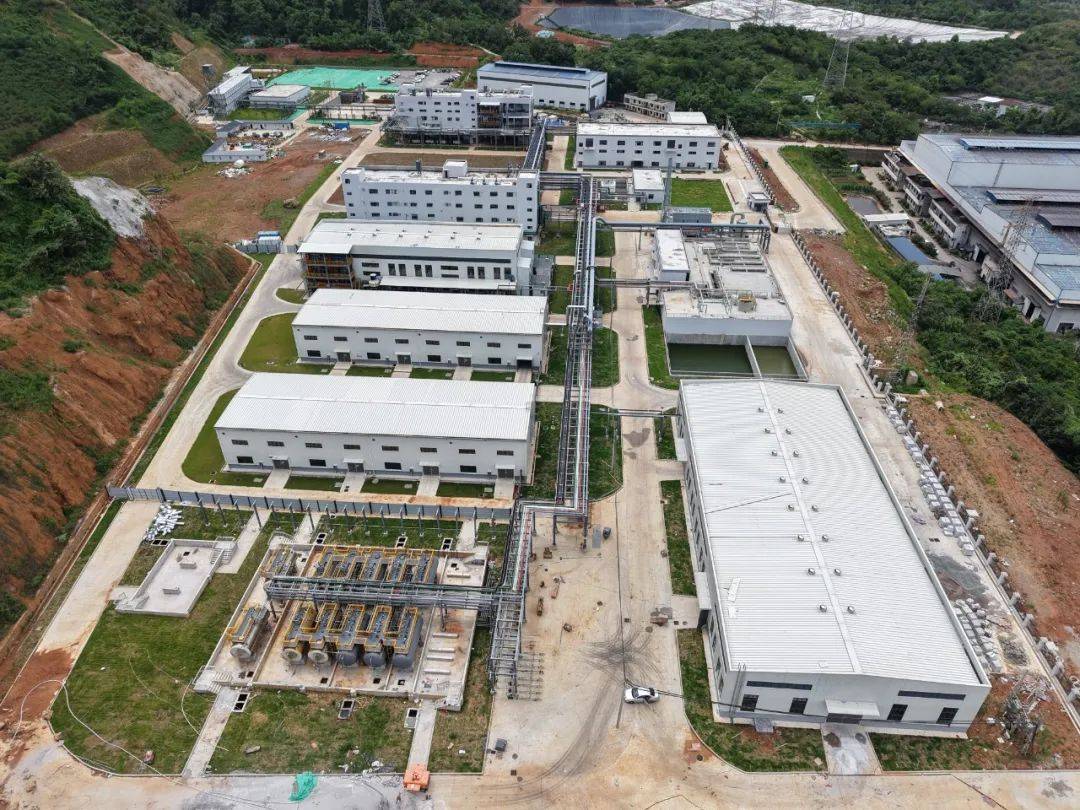
Core Viewpoint - The production line for ultra-low dielectric loss carbon-hydrogen resin (DSBCB) by Hubei Disai Hongding High-tech Materials Co., Ltd. is nearing completion and is expected to be operational by November, breaking the long-standing monopoly of American and Japanese companies in high-end electronic chip packaging materials [1][3][10]. Group 1: Production and Technology - The production line has achieved 90% completion and is set to start equipment debugging and engineering acceptance in August, with a planned production capacity of 1,000 tons annually [3][12]. - DSBCB resin is characterized by ultra-low dielectric loss and high dimensional stability, making it a core material for new-generation information technology [6][9]. - Disai Hongding is the second company globally to master the mass production technology of BCB-type resin, with its product surpassing existing carbon-hydrogen resins in key performance indicators [9][10]. Group 2: Market Impact - The introduction of DSBCB resin is expected to disrupt the market for high-frequency and high-speed copper-clad laminates and IC packaging substrates, ensuring a fully domestic supply chain [10][12]. - The project has a total investment of 1 billion yuan, with an anticipated annual output value exceeding 2 billion yuan once fully operational [12]. - The successful production of DSBCB resin will significantly reduce production costs for downstream electronic manufacturing companies and fill a gap in the upstream PCB industry chain in Huangshi [10][12]. Group 3: Strategic Significance - The project represents a major breakthrough in China's special polymer materials sector, marking a transition from catching up to leading in semiconductor foundational materials [12]. - The production line is seen as a key step in overcoming the "bottleneck" challenges faced by the industry, contributing to the complete puzzle of China's electronic industry [10][12].
全球视角 | 特朗普关税关键一周!“关税谈判对投资不利的迹象越来越明显”
Sou Hu Cai Jing· 2025-07-29 10:12
Group 1 - The average tariff in the U.S. is currently estimated to be slightly below 13.5%, significantly higher than last year's 2.5%, with potential increases to 16% if an agreement is reached with the EU [2] - The trade barriers established by the U.S. under the Trump administration are expected to have a long-term negative impact on global trade and investment, with predictions of a $2 trillion economic shock by the end of 2027 [2] - Major U.S. companies like General Motors, Dow, and Tesla have reported that tariffs have negatively affected their profitability, although there has not yet been a significant inflationary impact [5][6] Group 2 - The uncertainty caused by tariffs is leading to a significant delay in investment decisions among global companies, with many firms adopting a wait-and-see approach [3][7] - The construction and equipment procurement data in the U.S. are weak, contributing to a forecasted GDP growth rate of around 1% for the second quarter, indicating stagnation in non-residential investment [6][7] - The imposition of tariffs has led to a decline in foreign direct investment (FDI) globally, with a notable drop of 11% in 2024, as investors face increased uncertainty [8][9] Group 3 - The recent decision to impose tariffs on tomatoes from Mexico has adversely affected companies like NatureSweet Tomatoes, which relies on imports for production inputs [8] - The automotive industry in Japan is experiencing similar concerns, with a predicted GDP impact of 0.55% from new tariffs, which is still above Japan's average growth rate [9] - The overall economic indicators related to trade are expected to show contraction this year, reflecting a broader trend of investment fatigue and slow productivity growth [10]

特朗普关税关键一周!“关税谈判对投资不利的迹象越来越明显”
第一财经· 2025-07-29 06:33
Core Viewpoint - The article discusses the impact of the Trump administration's trade protectionism and tariffs on global trade and investment, highlighting the increasing uncertainty and potential economic repercussions for various industries and companies [1][2][10]. Group 1: Tariff Impact on Global Economy - The overall tariff level in the U.S. has reached its highest since the 1930s, approximately six times higher than when the Trump administration took office, with an average tariff of just under 13.5% [1]. - By the end of 2027, the global economic impact of these tariffs is projected to reach $2 trillion, significantly higher than pre-trade war levels [2]. - The uncertainty caused by tariffs is expected to delay investment decisions, with companies adopting a wait-and-see approach until clarity on trade policies is achieved [2][10]. Group 2: Corporate Earnings and Economic Indicators - Major U.S. corporations like General Motors, Dow, and Tesla have experienced earnings erosion due to tariffs, although significant inflation impacts have not yet materialized [4]. - The GDP growth rate for the second quarter is predicted to slow to around 1%, with non-residential investment contributing minimally to economic growth [8][9]. - The decline in oil prices from $80 to approximately $65 per barrel has helped mitigate inflation, despite the ongoing tariff challenges [5]. Group 3: Sector-Specific Effects - Companies reliant on the U.S. market, such as NatureSweet Tomatoes, are facing significant challenges due to new tariffs on imports from Mexico, which have stalled expansion plans [11][12]. - The automotive industry, particularly in Japan, is also feeling the strain from tariffs, with a notable 27% drop in car shipments to the U.S. in June [15]. - The uncertainty surrounding tariffs is leading to a broader decline in foreign direct investment (FDI), with a projected decrease in global FDI following an 11% drop in 2024 [13][16]. Group 4: Future Outlook - The potential for a prolonged period of trade stagnation and investment fatigue is highlighted, with companies likely to delay restructuring decisions due to unclear policy directions [16]. - The overall economic indicators related to trade are expected to show contraction in both growth and volume this year [16].

2025 中国国际涂料展:绘就绿色未来,赋能产业革新
Sou Hu Cai Jing· 2025-07-29 03:24
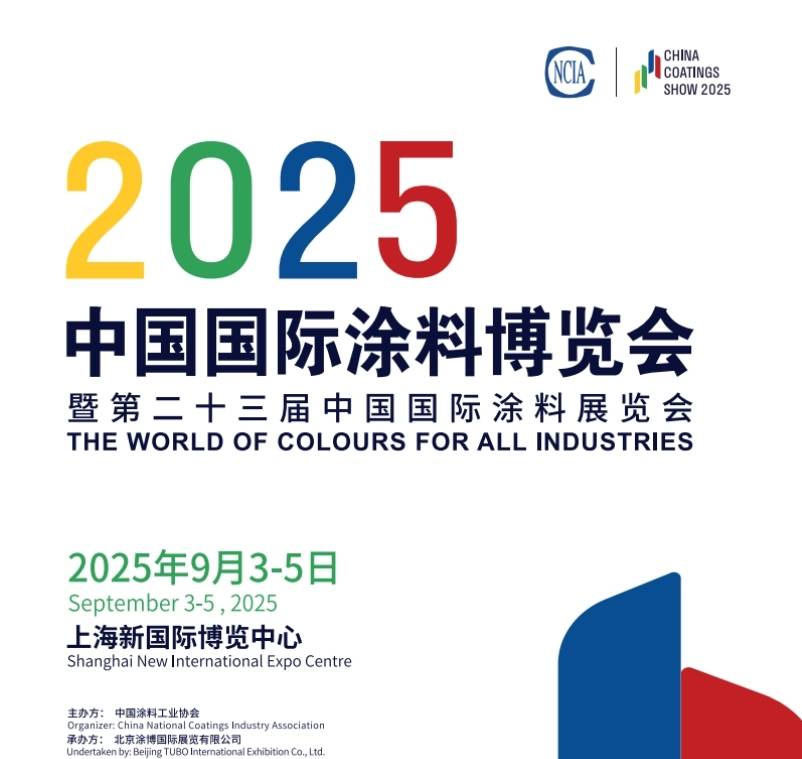
Core Viewpoint - The 2025 China International Coatings Exhibition aims to promote the green transformation of the coatings industry through technological innovation, creating a high-end platform for global collaboration and development [1][11]. Industry Overview - The exhibition will take place from September 3 to 5, 2025, at the Shanghai New International Expo Center, focusing on "Quality Development and Technological Empowerment" [1]. - Since its inception in 1995, the exhibition has successfully held 22 sessions, becoming a renowned event in the Asia-Pacific region, covering the entire coatings industry chain [4]. Exhibition Highlights - The exhibition will feature eight major exhibition areas, with four core areas emphasizing technological innovations in green coatings [6]. - Raw Materials Area: Showcasing low-carbon products such as water-based resins and bio-based solvents, highlighting the shift towards sustainable materials [6]. - Green Coatings Area: Presenting environmentally friendly products like waterborne and powder coatings, addressing the increasing demand for high-performance solutions in various applications [6]. - Intelligent Manufacturing Area: Featuring smart coating equipment and online detection systems that enhance production efficiency and quality control [6]. - Green Supply Chain Area: Integrating services from laboratory equipment to application, promoting a comprehensive service system for sustainable development [6]. Professional Activities - Over 20 professional events will be held during the exhibition, including the "2025 China Coatings Summit" and the "International Coatings Innovation Forum," aimed at fostering innovation and collaboration [8]. - The event will facilitate supply-demand matching between procurement teams from industries like automotive and real estate and leading coatings companies [8]. Sustainability Initiatives - The exhibition emphasizes the construction of a green supply chain, showcasing eco-friendly surface treatment technologies and new products like formaldehyde-free coatings [9]. - It aims to align with the "dual carbon" strategy, promoting the integration of green building materials with the new energy industry [9]. Future Outlook - The exhibition is positioned as a key driver for the coatings industry's green development and innovation, expected to inject new vitality into the sector amidst a changing global landscape [11].
特朗普关税关键一周!“关税谈判对投资不利的迹象越来越明显”
Di Yi Cai Jing· 2025-07-29 02:35
Group 1: Tariff Impact on Companies - The average tariff in the U.S. is currently estimated to be slightly below 13.5%, significantly higher than last year's 2.5% [1] - Major companies like General Motors, Dow, and Tesla have experienced profit erosion due to tariffs, although there has not been a significant inflationary impact yet [4] - NatureSweet Tomatoes, a major tomato producer, has had its expansion plans halted due to tariffs on imports from Mexico, affecting its production costs [7] Group 2: Economic Predictions and Investment Uncertainty - Oxford Economics predicts that the uncertainty caused by tariffs will significantly impact investment decisions, with effects expected to manifest over two quarters [6] - The GDPNow model forecasts a slowdown in U.S. GDP growth to around 1% for the second quarter, influenced by weak construction and equipment procurement data [6] - The World Bank highlights that unclear policy directions may lead companies to delay restructuring decisions, contributing to a prolonged period of weak trade growth and investment [9] Group 3: Global Trade and Investment Trends - The global foreign direct investment (FDI) is expected to decline again this year, with tariffs causing uncertainty that affects investment projects aimed at restructuring supply chains [8] - European automakers, such as Volkswagen, are facing increased costs due to tariffs, leading to lowered profit expectations for brands like Audi and Porsche [8] - Japan's automotive industry is also experiencing challenges, with a significant drop in exports to the U.S. and concerns over the impact of tariffs on GDP growth [8]