
中航重机

Search documents
实战表现惊艳全球!歼-10CE的战斗力优势有哪些?
21世纪经济报道· 2025-05-23 15:35
Core Viewpoint - The article highlights the successful deployment of the Chinese J-10CE fighter jet by the Pakistan Air Force, which has demonstrated combat superiority over Indian aircraft, including the French Rafale, marking a significant advancement in China's military aviation capabilities [1][2]. Summary by Sections J-10CE Fighter Jet Development - The J-10 fighter jet significantly reduced the gap between China and leading aviation powers, marking China's entry into the group of nations capable of developing fourth-generation fighter jets [2]. - In 2022, China delivered its first batch of six J-10CE jets, indicating a shift in military equipment exports from single products to comprehensive support systems [2]. Technological Advancements - The J-10CE features a canard-delta wing design, enhancing its maneuverability, and is powered by the domestically produced WS-10B "Taihang" engine, achieving over 14 tons of thrust and a maximum speed of 1.8 Mach with a range of nearly 3,400 kilometers [4][8]. - The aircraft is equipped with advanced avionics, including an active electronically scanned array (AESA) radar, which allows it to track multiple aerial targets simultaneously, significantly improving combat effectiveness compared to older radar systems [5][7]. Market Opportunities and Industry Impact - The fighter jet industry involves thousands of upstream and downstream enterprises, including major A-share companies like AVIC Chengfei, Hongdu Aviation, and AVIC Heavy Machinery, which are expected to benefit from the growing demand for military aircraft [2][10]. - The export of military equipment is anticipated to accelerate the technological advancement of the domestic industry, with companies like Hongdu Aviation reporting a 54.78% year-on-year increase in export sales [10]. - The shift from single equipment exports to comprehensive combat system exports is expected to enhance the performance of military enterprises, with the industry poised for a significant growth phase as demand increases [11].


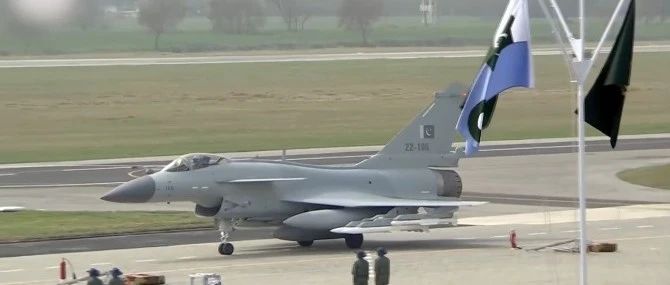
歼-10CE实战表现惊艳全球,中国智造强势崛起
2 1 Shi Ji Jing Ji Bao Dao· 2025-05-23 10:25
Core Insights - The recent use of the Chinese J-10CE fighter jets by the Pakistan Air Force in border conflicts has demonstrated their combat effectiveness, successfully downing multiple Indian aircraft and gaining an advantage over French Rafale jets [1] - The development of the J-10 fighter jet has significantly narrowed the gap between China and leading aviation powers, marking China's emergence as one of the few countries capable of developing fourth-generation fighter jets [1] - The export of the J-10CE represents a shift in China's military equipment export strategy from single product output to a comprehensive support system [1] Industry Overview - The fighter jet industry involves thousands of upstream and downstream enterprises across various sectors, including aviation equipment, new materials, and precision processing, with leading A-share companies such as AVIC Chengfei (302132), Hongdu Aviation (600316), AVIC Heavy Machinery (600765), and others benefiting from this growth [1] - The J-10CE's combat capabilities are attributed to three main systems: its aerodynamic design, advanced avionics, and enhanced weapon load capacity, which collectively improve its operational effectiveness [2][3][5] - The J-10CE features a duck-billed aerodynamic layout and is powered by the domestically produced WS-10B "Taihang" engine, achieving a maximum thrust of over 14 tons and a top speed of 1.8 Mach, showcasing significant advancements over previous models [3] - The integration of an active electronically scanned array (AESA) radar allows the J-10CE to track multiple aerial targets simultaneously, enhancing its combat capabilities in medium-range air combat [4] Market Dynamics - The military trade sector is transitioning from single equipment exports to comprehensive combat system exports, with a significant order backlog exceeding 10 billion yuan, indicating an acceleration in military export performance [7] - Companies like Hongdu Aviation have reported a 547.8% year-on-year increase in export sales, validating their strategic focus on diversified platforms [7] - The A-share military sector has shown strong performance, with defense stocks leading the market, driven by improved quarterly results and expectations of a clearer performance inflection point in the second quarter [8] - The aircraft industry chain is relatively stable, while the missile industry is experiencing significant revenue growth, indicating a potential new high prosperity cycle for the industry [8]
2025年中国航空发动机行业发展概述 产品领域多,发展前景好【组图】
Qian Zhan Wang· 2025-05-23 06:58
Core Viewpoint - The Chinese aviation engine industry has transitioned from imitation to independent research and development, demonstrating strong self-innovation capabilities and moving towards high-quality development supported by national policies [1]. Industry Overview - The aviation engine industry is a crucial segment of the national economy and security, with its comprehensive level reflecting a country's overall strength. Aviation engines can be categorized into various types based on thrust generation principles, oxidizer sources, and the presence of compressors [3]. Technical and Financial Barriers - The aviation engine industry is characterized by high technical and financial barriers, requiring expertise across multiple modern technology fields. The demanding operational conditions necessitate significant foundational research, engineering technology accumulation, and financial investment, making it challenging for new entrants to compete [5]. Engine Types and Applications - Different types of aviation engines serve distinct applications, with the turbofan engine being the most widely used due to its efficiency and low fuel consumption. A summary of various engine types and their applications includes: - Piston engines: Low cost and high fuel efficiency, primarily used in small low-speed aircraft and drones [9]. - Ramjet engines: Simple structure and high thrust, used in supersonic missiles and targets [9]. - Turbojet engines: High thrust but high fuel consumption, used in older fighter jets and ballistic missiles [9]. - Turbofan engines: High efficiency and low fuel consumption, used in modern military and civilian aircraft [9]. - Turboprop engines: High fuel economy at medium to low speeds, used in small transport and general aviation aircraft [9]. - Turboshaft engines: The only power source for helicopters [9]. - Propfan engines: Complex structure and high noise, with limited application [9]. Future Development Directions - The Chinese aviation engine manufacturing industry is expected to focus on independent innovation, improving quality and reliability, international cooperation, R&D investment, and sustainable development, positioning itself as a significant player in the global aviation sector [11].


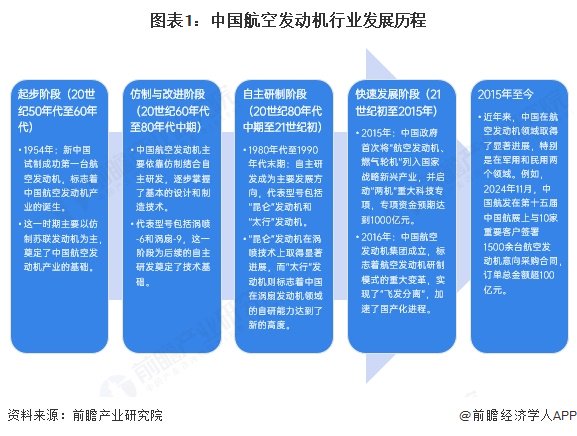
5月22日前海开源新经济混合A净值下跌0.80%,近3个月累计下跌4.8%
Sou Hu Cai Jing· 2025-05-22 13:13
Group 1 - The core point of the article highlights the performance and holdings of the Qianhai Kaiyuan New Economy Mixed A fund, which has a latest net value of 2.0092 yuan, reflecting a decrease of 0.80% [1] - The fund's one-month return is 1.57%, ranking 1171 out of 2293 in its category; its six-month return is -3.24%, ranking 1943 out of 2257; and its year-to-date return is -2.20%, ranking 1851 out of 2271 [1] - The top ten stock holdings of the fund account for a total of 52.12%, with notable positions in companies such as Farah Electronics (7.85%), Unisplendour (6.10%), and Shenghong Co. (6.00%) [1] Group 2 - The Qianhai Kaiyuan New Economy Mixed A fund was established on August 20, 2014, and as of March 31, 2025, it has a total scale of 3.794 billion yuan [1] - The fund manager, Cui Chenlong, has a background in finance and has held various positions within the Qianhai Kaiyuan Fund Management Company since August 2017, including roles as a research analyst and head of the investment department [2]
太空计算卫星星座成功发射,美将研发新战机
GUOTAI HAITONG SECURITIES· 2025-05-21 11:06
Investment Rating - The report suggests a long-term positive outlook for the military industry, with specific companies recommended for investment, including 中航沈飞, 航天南湖, and 中航西飞, among others [12][9]. Core Viewpoints - The intensification of great power competition is seen as a long-term trend, leading to increased defense spending and a favorable outlook for the military industry. The report emphasizes the need for enhanced national defense capabilities to ensure peace and security [9][3]. - Recent successful satellite launches by China, including the communication technology test satellite and the space computing satellite constellation, highlight advancements in aerospace capabilities [28][11]. - The report notes that the defense industry index has underperformed the broader market, indicating potential investment opportunities in specific sectors [15][10]. Summary by Sections Investment Highlights - Key investment areas include: 1. Assembly: 中航沈飞, 航天南湖, 中航西飞 2. Components: 中航光电, 航天电器, 国博电子 3. Subsystems: 中航机载, 北方导航 4. Materials and Processing: 抚顺特钢, 中航重机, 菲利华, 光威复材, 图南股份, 华秦科技, 铂力特, 西部材料 [12][4]. Market Review - The defense industry index fell by 1.61%, underperforming the Shanghai Composite Index, which rose by 0.76%, and the ChiNext Index, which increased by 1.38%. The defense sector ranked last among 29 sectors [15][16]. - Ground weaponry and aviation sectors performed relatively well during the same period [20][22]. Major News in the Military Industry - Domestic news includes the successful launch of the communication technology test satellite and the space computing satellite constellation, showcasing China's advancements in satellite technology [28][11]. - International developments include the U.S. State Department's approval of a $1.4 billion arms sale to the UAE and President Trump's announcement of the development of the F-55 fighter jet, indicating ongoing military advancements and collaborations [38][34].




“十四五”收官年,中长期逻辑不改,关注军工核心主线
Mei Ri Jing Ji Xin Wen· 2025-05-21 03:07
Group 1 - The A-share market indices are rising, with a slight pullback in the military industry sector, particularly the aerospace ETF (159227) which is down by 0.50% as of 10:55 AM, while key holdings like Hongdu Aviation (600316) and others are increasing [1] - The military industry is heavily influenced by five-year plans, which significantly impact operational and market expectations, making it a primary driver of military market trends [1] - The year 2025 marks the end of the "14th Five-Year Plan," and the execution of military construction plans is entering a critical phase, with expected acceleration in order demand [1] - The importance of air power in modern warfare is increasing, making aerospace equipment a focal point for military development, characterized by high technical barriers and significant value within the military supply chain [1] - According to Huafu Securities, the military sector has strong domestic trade attributes, with substantial growth expected from 2025 to 2027 due to multiple catalysts, including the "14th Five-Year Plan" tasks and the centenary goals of the military [1] Group 2 - The aerospace ETF (159227) tracks the Guozheng Aerospace Index, which has a high concentration of core companies in China's military industry, covering sectors like large aircraft and low-altitude economy [2] - The military industry accounts for 99.2% of the index's composition, indicating a higher concentration compared to other indices like the Zhongzheng Military and Zhongzheng Defense indices [2] - The weight of aerospace equipment in the Guozheng Aerospace Index is as high as 73%, significantly surpassing the 40% and 53% weights in the Zhongzheng Military and Zhongzheng Defense indices, respectively [2]
ETF日报|A股三大指数涨跌不一,航空航天ETF(159227)逆市收涨
Xin Lang Cai Jing· 2025-05-19 10:08
Core Viewpoint - The A-share market shows mixed performance with the aerospace and defense sector gaining attention due to several positive developments, indicating a potential growth opportunity in the military industry [1][2] Market Performance - As of May 19, 2025, the three major A-share indices exhibited varied results: the Shanghai Composite Index remained unchanged at 3367.58 points, the Shenzhen Component Index decreased by 0.08% to 10171.09 points, and the ChiNext Index fell by 0.33% to 2032.76 points [1] - The total trading volume across both markets reached 1.09 trillion yuan [1] ETF Insights - The Aerospace ETF (159227) increased by 0.71%, closing at 1.00 yuan, with a trading volume of 21.77 million yuan and a turnover rate of 5.19% [1] - The ETF tracks the Guozheng Aerospace Index, which has a high concentration in core companies within China's military industry, covering sectors such as large aircraft and low-altitude economy [2] Industry Developments - Recent positive news for the military sector includes the first report by CCTV on the J-10CE's combat achievements, the anticipated first flight of the "Nine Sky" drone by the end of June, and participation in the 55th Paris Air Show from June 16 to 22, showcasing "Chinese strength" [1] - The military trade expectations are increasing, with air and space threats becoming focal points in modern warfare, positioning the aerospace sector as a key beneficiary [1] Investment Outlook - According to Guotai Junan Securities, increased defense spending is essential in the context of intensified great power competition, with domestic demand and foreign trade expected to drive high prosperity in the military industry, maintaining a long-term positive development trend [1]
成交额超2000万元,航空航天ETF(159227)规模居同类第一
Sou Hu Cai Jing· 2025-05-19 07:10
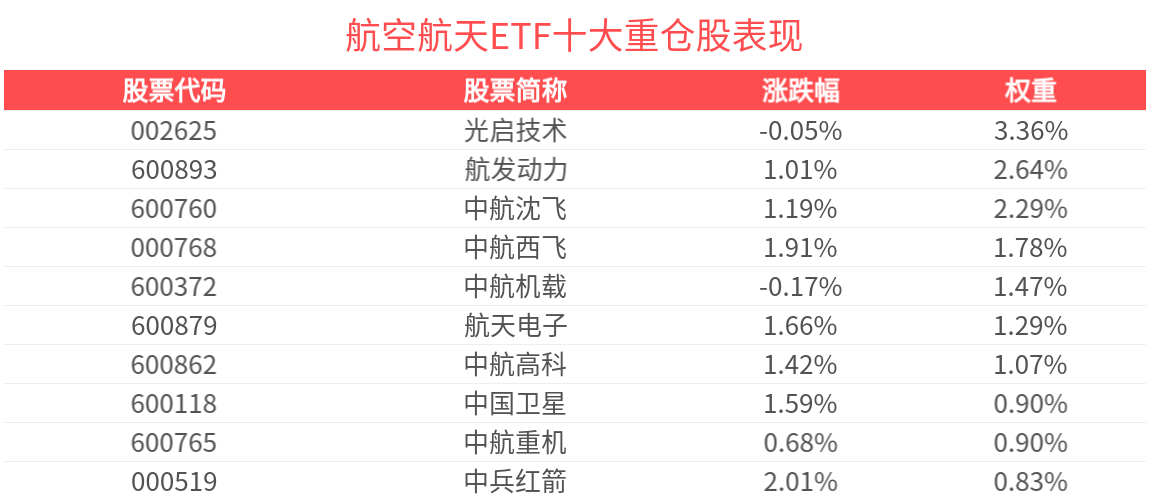
数据显示,截至2025年4月30日,国证航天航空行业指数(CN5082)前十大权重股分别为光启技术(002625)、航发动力(600893)、中航沈飞(600760)、中航西飞 (000768)、中航机载(600372)、航天电子(600879)、中航高科(600862)、中国卫星(600118)、中航重机(600765)、中兵红箭(000519),前十大权重股合计占比 52.89%。 截至2025年5月19日 14:47,国证航天航空行业指数(CN5082)强势上涨1.22%,成分股航天彩虹(002389)上涨9.99%,航天晨光(600501)上涨6.78%,中无人机 (688297)上涨5.75%,亚光科技(300123),四创电子(600990)等个股跟涨。航空航天ETF(159227)上涨0.71%。流动性方面,航空航天ETF盘中换手5.12%,成交 2137.56万元。拉长时间看,截至5月16日,航空航天ETF近1年日均成交2860.24万元。 份额方面,航空航天ETF最新份额达4.22亿份,创成立以来新高,位居可比基金1/2。 费率方面,航空航天ETF管理费率为0.50%,托管费率为0.10%, ...
逐鹿“空中蓝海” 公募密集布局航空航天主题ETF
Zhong Guo Zheng Quan Bao· 2025-05-18 21:27
Core Viewpoint - The low-altitude economy sector is experiencing significant growth driven by favorable policies, leading to a surge in related ETF products in the market [1][2][4] Group 1: ETF Market Activity - Multiple fund companies, including Huaxia, Fuguo, and E Fund, have launched or reported new ETFs focused on the general aviation and aerospace sectors, with 6 ETFs tracking the National Index for General Aviation and 4 ETFs tracking the National Index for Aerospace [1][2] - The total scale of the listed related ETFs has exceeded 1.2 billion yuan, with a mix of individual and institutional investors among the top holders [3] Group 2: Industry Characteristics - The National Index for General Aviation reflects the price changes of listed companies in the general aviation sector, covering key players in the low-altitude economy, including large aircraft and commercial space [2] - The National Index for Aerospace focuses on core military companies and emphasizes low-altitude economy and large aircraft concepts [2] Group 3: Market Trends and Performance - Despite initial strong performance, several ETFs have faced net outflows this year, with some products dropping below 100 million yuan in scale shortly after launch [3] - The low-altitude economy is characterized by strong innovation, a long industrial chain, and diverse application scenarios, with significant progress in manufacturing, infrastructure, and operational services [4] Group 4: Policy Impact - Continuous policy support is expected to drive substantial market growth in the low-altitude economy, with recent developments including the issuance of operational certificates for manned civil drones and the establishment of low-altitude economic innovation cities [4][5]
季报板块业绩结构性回暖,关注订单基本面触底回升
China Securities· 2025-05-18 15:15
Investment Rating - The report suggests a positive outlook for the military industry, indicating a potential recovery in performance by 2025, with a focus on companies with order recovery expectations and performance support [2][10][44]. Core Insights - The military sector reported a total revenue of 764.903 billion yuan in 2024, a year-on-year increase of 1.16%. Key segments showing positive growth include shipbuilding, aerospace engines, and aviation [2][10]. - The net profit for the military sector decreased to 26.655 billion yuan in 2024, down 38.01% year-on-year, primarily due to lower downstream demand and price reductions for certain products [12][10]. - The first quarter of 2025 is expected to show signs of recovery, particularly in ground equipment and aerospace segments, with a projected increase in associated transaction amounts [2][29]. Summary by Sections 1. Industry Overview - The military sector's revenue growth was driven by shipbuilding (10.87% increase), aerospace engines (4.46% increase), and aviation (2.75% increase), while ground equipment and commercial aerospace saw significant declines [10][12]. - The report highlights a structural recovery in the military sector, with positive signals emerging from major companies regarding contract announcements and performance stabilization [2][38]. 2. Investment Strategy - The report recommends focusing on three main investment lines: 1. Traditional military sectors with expected order recovery, particularly in aerospace engines, shipbuilding, and aviation [2][44]. 2. New domains characterized by low-cost, intelligent, and systematic features, including precision-guided munitions and unmanned systems [2][44]. 3. Companies with asset integration expectations and competitive positions in military trade markets [2][44]. 3. Recommended Stocks - Traditional military direction: Recommended stocks include Aerospace Power, Aerospace Control, and Huayin Technology [3][45]. - New domain and new quality direction: Recommended stocks include High De Infrared, North Navigation, and Aerospace Rainbow [3][45]. - Reform and overseas direction: Recommended stocks include Guorui Technology and Construction Industry [3][45].


