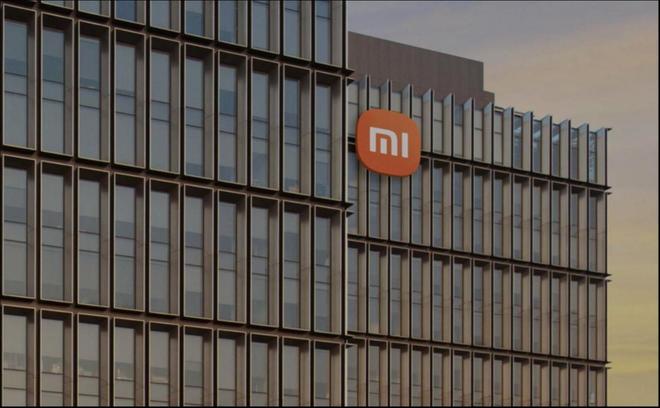
LG

Search documents
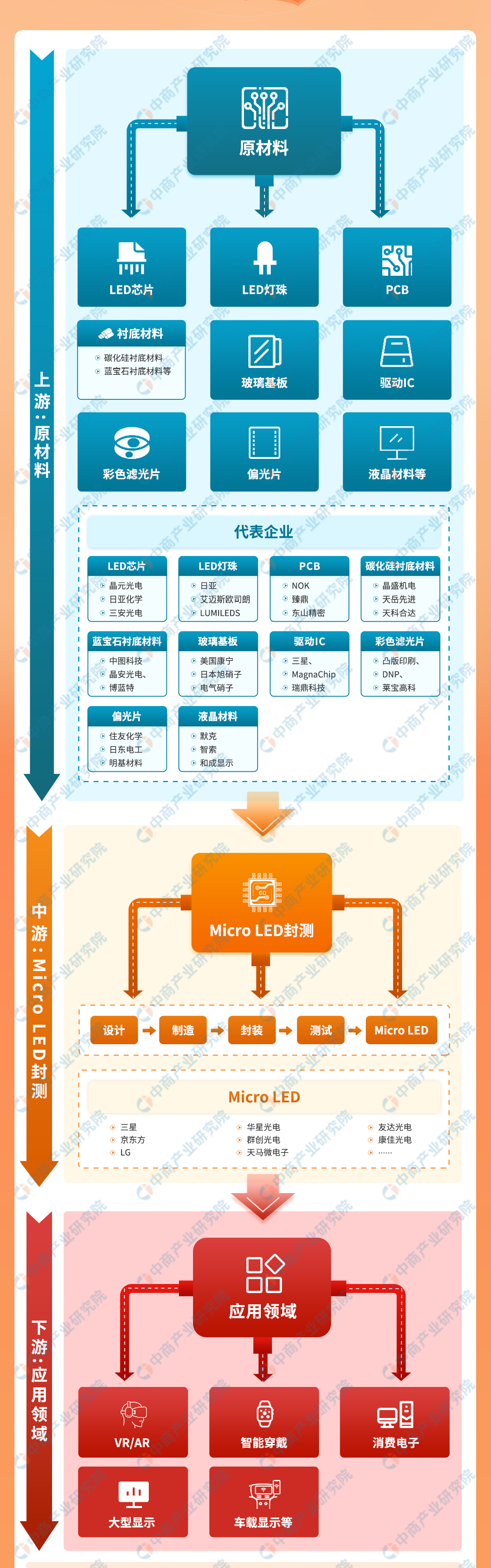
一图了解MicroLED产业链
Xuan Gu Bao· 2025-08-22 06:06
Group 1: Industry Overview - The document lists various materials and components used in the LED and Micro LED industries, including substrates like silicon carbide and sapphire, as well as LED chips and driving ICs [1][2]. - Key players in the LED chip and component market include companies such as 日亚 (Nichia), 晶元光电 (Epistar), and 三安光电 (San'an Optoelectronics) [1][2]. Group 2: Material Types - The document highlights several types of materials essential for LED technology, such as polarizers, liquid crystal materials, and color filters [1][2]. - Specific materials mentioned include glass substrates, driving ICs, and various substrate materials like silicon carbide and sapphire [1][2]. Group 3: Micro LED Technology - Micro LED technology is noted for its applications in display technology, with companies like 三星 (Samsung), 友达光电 (AU Optronics), and 京东方 (BOE) involved in design and manufacturing [2]. - The document emphasizes the importance of packaging and testing in the Micro LED supply chain, indicating a growing focus on this technology [2].

山西证券研究早观点-20250822
Shanxi Securities· 2025-08-22 01:22
Core Insights - The report highlights the company as a "specialized and innovative" small giant in the field of polymer additives and functional polymer materials, focusing on research, production, and sales of products such as compatibilizers, toughening agents, and adhesive resins [5] - The global polymer additives market reached a size of USD 110.3 billion in 2021, with a compound annual growth rate (CAGR) of 21.65% from 2013 to 2021. The Chinese plastic additives market is projected to grow from USD 7.39 billion in 2020 to USD 9.78 billion by 2026, with a CAGR of 4.78% [5] - The company has a strong technical research and development capability, holding 51 invention patents and offering high-performance products that cater to various industries, including automotive, cables, electronics, composite materials, barrier packaging, and photovoltaic components [5] Market Trends - The polymer additives and functional polymer materials industry is experiencing rapid growth globally, with increasing demand across various downstream applications. The automotive sector is particularly focused on lightweight materials for electric vehicles, while the cable industry emphasizes low-smoke, halogen-free flame retardant materials [5] - The market for high-performance, environmentally friendly, and specialized polymer materials is expected to continue expanding, with specific segments like automotive lightweight materials and photovoltaic packaging materials maintaining strong demand over the next five years [5] Financial Performance - The company's revenue is projected to grow from CNY 555.6 million in 2022 to CNY 611.1 million in 2024, with year-on-year growth rates of 5.02%, 2.44%, and 7.26% respectively. The net profit attributable to the parent company is expected to increase from CNY 21.86 million in 2022 to CNY 55.94 million in 2024, with significant growth in 2023 [5] - The company's estimated price-to-earnings (PE) ratio for 2024 is 10.53, which is considered relatively low compared to comparable companies in the industry [6]
深度|中国资产吸引力大增!韩国“欧巴”迷上中国科技股
证券时报· 2025-08-22 00:16
Core Viewpoint - Korean investors are increasingly buying Chinese assets, making China the second-largest overseas investment destination for South Korea, with significant net purchases in the Hong Kong stock market and a notable recovery in investor confidence [1][2]. Group 1: Investment Trends - As of August 20, 2023, the cumulative trading volume of Korean investments in the Hong Kong stock market exceeded $5.8 billion, second only to the U.S. market [1]. - Korean funds have net bought approximately $499 million in Chinese stocks this year, reversing a trend of net selling over the past three years, which totaled $985 million [1]. - The performance of Chinese-themed ETFs listed in South Korea has been impressive, with some products achieving monthly returns exceeding 60%, outperforming many U.S. index ETFs [1]. Group 2: Demographics and Market Entry - There is a growing interest among younger generations in South Korea to invest in Chinese stocks, influenced by easier access to information and travel opportunities due to visa policy changes [4]. - The number of active stock trading accounts in South Korea reached 69.3 million, indicating a highly active retail investor base [4]. Group 3: Sector Focus - Korean investors are particularly interested in high-growth sectors in the Chinese market, including electric vehicles, batteries, artificial intelligence, and technology [5]. - The net buying of Chinese stocks by Korean individual investors has turned positive for the first time in three years, with a significant increase in investment sentiment [5]. Group 4: Institutional Response - Korean asset management companies are launching products linked to Chinese assets to attract investors, including ETFs focused on electric vehicles and AI [8]. - Major Korean securities firms are hosting events and offering promotional activities to encourage investment in Chinese stocks, reflecting a positive outlook on the market [7]. Group 5: Market Outlook - The optimism among Korean investors regarding Chinese assets is expected to persist, driven by favorable policies and a recovering market [10]. - Analysts predict that the revaluation of Chinese stocks will continue until 2026, supported by economic stimulus measures and structural changes in the market [11]. - Despite short-term uncertainties, the long-term investment potential in sectors like electric vehicles and AI is viewed positively by Korean investors [11].

现在是很好的投资机会
Zheng Quan Shi Bao· 2025-08-21 18:33
Group 1 - The interest of South Korean residents in the Chinese stock market has significantly increased this year, with various professionals, including university professors and financial workers, showing strong interest [1] - Investors, particularly in the investment circle, are increasingly focusing on Chinese stocks, believing that Chinese companies are undervalued and in a growth phase [1] - The investment strategy includes focusing on three categories of Chinese companies: the new energy and electric vehicle industry, technology and consumer electronics, and emerging consumption and healthcare [1] Group 2 - Compared to the South Korean market, the Chinese market exhibits greater volatility but has outperformed expectations, with notable gains in stocks like Xiaomi, BYD, and CATL [2] - The investor holds an optimistic long-term outlook for the Chinese stock market, citing the global competitiveness of companies in new energy, AI, and consumer sectors, along with the undervaluation of many quality Chinese enterprises [2] - There are plans to increase the allocation of Chinese assets in the investment portfolio from approximately 20% to 30%-35% to balance with U.S. stocks [2]



“现在是很好的投资机会”
Zheng Quan Shi Bao· 2025-08-21 18:31
Group 1 - The interest of South Korean residents in the Chinese stock market has significantly increased this year, with various professionals, including university professors and financial workers, showing strong interest [1] - A veteran investor, Yuan Guodong, has shifted focus from the Korean market to overseas markets, particularly Chinese stocks listed in Hong Kong, due to perceived undervaluation and growth potential in the Chinese market [1] - Yuan's investment strategy emphasizes three sectors: the new energy and electric vehicle industry, technology and consumer electronics, and emerging consumption and healthcare, highlighting companies like BYD, CATL, and Xiaomi [1] Group 2 - Yuan has achieved a return of approximately 15%-20% on his Chinese stock investments, outperforming the average returns of local Korean stocks [2] - The long-term outlook for the Chinese stock market is optimistic, driven by the global competitiveness of companies in new energy, AI, and consumer sectors, with many high-quality Chinese firms being undervalued compared to their US counterparts [2] - Yuan plans to increase the allocation of Chinese assets in his portfolio from around 20% to 30%-35%, aiming for a balanced core asset allocation alongside US stocks [2]


固态电池设备深度报告:详解固态电池瓶颈设备 - 等静压
2025-08-21 15:05
Summary of Solid-State Battery Equipment Conference Call Industry Overview - The report focuses on the solid-state battery industry and the critical role of isostatic pressing technology in the manufacturing process of solid-state batteries [1][2][6]. Key Points and Arguments - **Types of Isostatic Pressing**: Isostatic pressing technology is categorized into cold isostatic pressing, warm isostatic pressing, and hot isostatic pressing, each with distinct characteristics. Cold isostatic pressing is cost-effective but has lower densification rates (80%-90%). Warm isostatic pressing balances cost and densification (90%-95%), making it suitable for solid-state batteries. Hot isostatic pressing achieves the highest densification (over 99.8%) but is expensive and not suitable for mass production [1][4][9]. - **Bottlenecks in Isostatic Pressing**: The main bottlenecks in isostatic pressing technology for solid-state batteries include the design of the chamber, precision in temperature and pressure control, and the ability to rapidly heat and pressurize. The chamber must withstand high temperatures and pressures (up to 600 MPa), and the temperature and pressure must be controlled within strict tolerances [2][13]. - **Importance of Isostatic Pressing**: Isostatic pressing is essential for achieving uniform pressure distribution, which improves the contact between solid interfaces in batteries. This is crucial for enhancing battery performance and reducing resistance [6][7]. - **Production Capacity Challenges**: The current production process is not continuous, which limits scalability. The heating and pressurization processes are time-consuming, impacting overall production capacity [3][14]. - **Regulatory Environment**: Hot isostatic pressing equipment must comply with safety regulations and undergo approval, while cold and warm isostatic pressing equipment has lower regulatory barriers, facilitating domestic production [10]. Notable Companies and Developments - **Leading Companies**: Several companies are at the forefront of isostatic pressing technology, including Swedish Quintus, China's Baotou Kefa, and others. Major battery manufacturers like LG, Samsung, BYD, and CATL are also involved in developing related technologies [11][19]. - **A-Share Companies to Watch**: In the A-share market, companies such as XianDiao Intelligent, Nacronor, and Liyuanheng are highlighted for their competitive positions in the solid-state battery equipment sector [20]. - **International Competitors**: Korean companies like Hana and m plus are making significant strides in supplying isostatic pressing equipment to major battery manufacturers [19]. Additional Important Insights - **Future Value of Isostatic Equipment**: The value of isostatic pressing equipment in the battery production process is projected to be significant, with estimates suggesting that the value per machine could reach several tens of millions of yuan as production scales up [12]. - **Technological Advancements**: Companies are developing advanced isostatic pressing equipment with capabilities to meet the high demands of solid-state battery production, including larger chamber sizes and improved automation for efficiency [16][18]. - **Market Dynamics**: The restrictions on importing high-pressure equipment due to international agreements like the Wassenaar Arrangement favor domestic manufacturers of cold and warm isostatic pressing equipment, enhancing their market position [10].
中科院博士掌舵,高分子助剂“隐形冠军”能之光即将登陆A股
梧桐树下V· 2025-08-21 12:33
Core Viewpoint - Ningbo Nengzhiguang New Materials Technology Co., Ltd. is set to debut on the Beijing Stock Exchange, aiming to raise 107 million yuan for expansion and R&D projects, focusing on sustainable development in the polymer additive sector [1] Group 1: Company Overview - Nengzhiguang has over 20 years of experience in the polymer additive field, specializing in compatibilizers, toughening agents, and adhesive resins, with applications in automotive, photovoltaic, and cable industries [1] - The company has successfully broken through the reliance on imports for key compatibilizers, previously dominated by international giants like DuPont and Dow [2][3] Group 2: Technological Advancements - Nengzhiguang has developed over 300 types of polymer materials and additives, addressing compatibility and adhesion challenges across various applications [3] - The company has established three core technology platforms, focusing on graft modification, supercritical fluid purification, and organic-inorganic functional composites, leading to 57 authorized national invention patents [5] Group 3: Product Development - Recent innovations include low-temperature toughening agents and multifunctional masterbatches for photovoltaic applications, enhancing material performance in extreme conditions [6][7] - The company has improved product performance through process enhancements, achieving industry-leading standards and entering multinational supply chains [7] Group 4: Customer Base and Financial Performance - Nengzhiguang has built a robust customer base, serving numerous listed companies and global leaders, contributing to stable revenue growth from 555.64 million yuan in 2022 to an expected 610.54 million yuan in 2024 [8][9] - The company has maintained a steady increase in gross margin, from 12.03% in 2022 to 17.05% in 2024, alongside a rise in net profit [9] Group 5: Industry Outlook and Funding Utilization - The polymer additive industry is poised for growth, driven by increasing demand in various sectors, including automotive and photovoltaic industries, supported by favorable policies [10][11] - The IPO funds will primarily be allocated to expanding production capacity for high-value products and enhancing R&D capabilities, aiming to meet growing customer demands and explore new markets [11][12]
大学教授收废品,一年狂揽300亿
创业家· 2025-08-21 10:16
Core Viewpoint - The article highlights the significant potential of the used battery recycling industry, emphasizing the success story of a professor who founded a company that has become a global leader in this sector, turning waste into valuable resources and addressing supply chain risks for critical metals like lithium, cobalt, and nickel [5][14][51]. Group 1: Industry Overview - China generates 800,000 tons of discarded power batteries annually, enough to fill 750 football fields [4]. - The global market for battery recycling is projected to exceed 100 billion yuan by 2025, driven by the increasing penetration of electric vehicles [9]. - The recycling of used batteries is crucial for mitigating supply chain risks, as China heavily relies on imports for key minerals, with cobalt import dependency reaching 98% [10]. Group 2: Company Profile - The company, GreenMei, was founded by Xu Kaihua, who transitioned from being a university professor to an entrepreneur focused on recycling used batteries [14][20]. - In 2024, GreenMei achieved a revenue of 33.2 billion yuan, with a market capitalization exceeding 30 billion yuan, serving major clients like Samsung, LG, and CATL [15][16]. - GreenMei has established a comprehensive recycling system, processing tens of thousands of tons of used batteries annually, making it the largest battery recycling company globally [51]. Group 3: Technological Innovation - GreenMei developed a proprietary technology for safely dismantling and extracting valuable metals from used batteries, achieving high purity levels suitable for reuse in new batteries [14][51]. - The company has applied for over 5,000 patents and has played a key role in drafting 18 national standards for battery recycling [51]. Group 4: Entrepreneurial Journey - Xu Kaihua's journey began after a pivotal experience in Japan, where he recognized the potential of electronic waste recycling as a green industry [21][25]. - Despite initial challenges, including financial struggles and skepticism from the market, Xu's persistence led to the successful commercialization of recycled materials [30][41]. - The turning point for GreenMei came during the 2008 financial crisis when it became a key supplier for major mining companies, helping to change perceptions about the quality of recycled materials [40][41].

芯片补贴成最大骗局?特朗普盯上韩国命根子,李在明做两手准备
Sou Hu Cai Jing· 2025-08-21 03:08
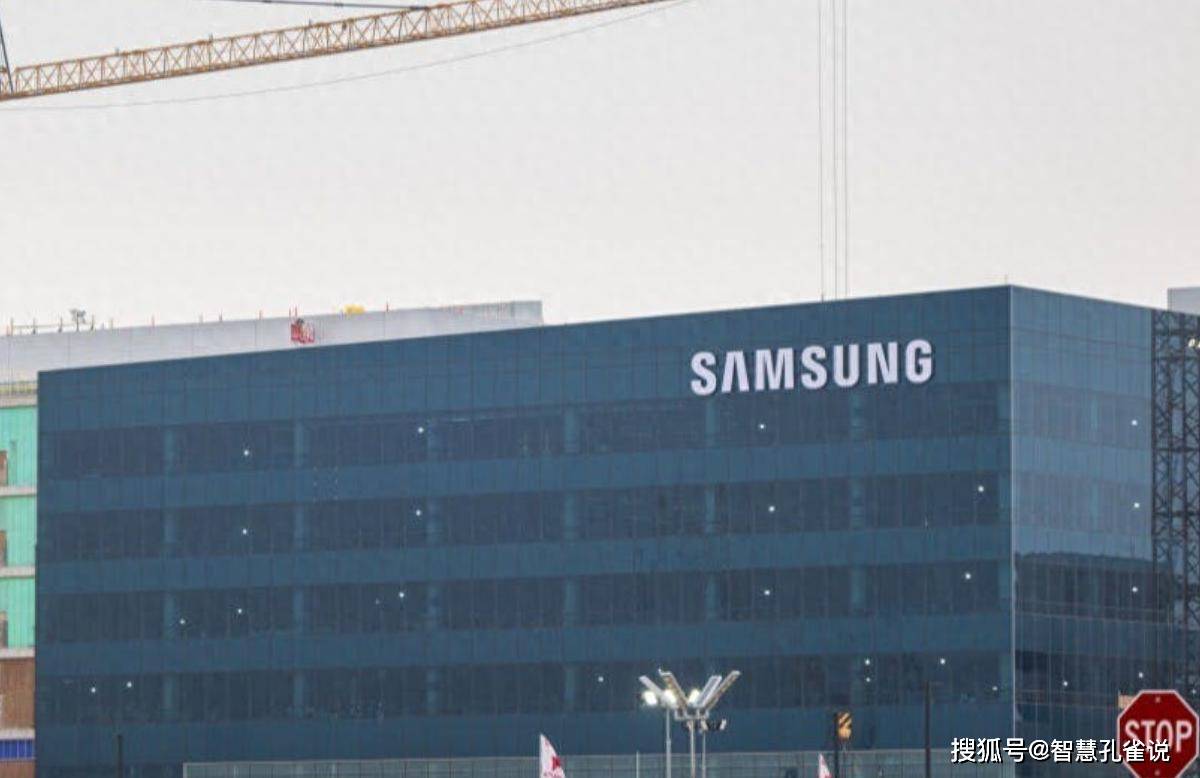
Group 1 - The U.S. government plans to exchange previously granted subsidies for shares in Samsung, potentially acquiring 1.6% of Samsung Electronics for $4.75 billion [3] - U.S. Commerce Secretary stated that the previous subsidies were too generous and hinted at acquiring a 10% stake in Intel, aiming to become the largest shareholder [3] - Samsung's revenue is projected to account for 13% of South Korea's GDP in 2024, indicating the company's significant role in the South Korean economy [3] Group 2 - South Korean President Lee Jae-myung is preparing for a visit to the U.S. while also sending a delegation to China, indicating a strategy to balance relations between the U.S. and China [5] - The South Korean government is urging major corporations to maintain their bottom line and not allow U.S. control over their businesses [5] - The situation presents a dilemma for South Korea, as it relies on the U.S. for military support while also needing to maintain economic ties with China [7]
汽车平均售价达到28.7万元,卢伟冰:小米汽车已经成为高端车
Tai Mei Ti A P P· 2025-08-19 12:42
Core Insights - Xiaomi's automotive business has significantly contributed to its rapid revenue growth, with a notable increase in performance metrics in Q2 2023 [2][3] Financial Performance - Xiaomi reported Q2 revenue of 116 billion yuan, a year-on-year increase of 30.5%, marking the third consecutive quarter of exceeding 100 billion yuan [2] - Adjusted net profit for Q2 reached 10.8 billion yuan, up 75.4% year-on-year, continuing a trend of surpassing 10 billion yuan for two consecutive quarters [2] - The smartphone business generated 45.5 billion yuan in revenue, a slight decline of 2.1% year-on-year, while IoT and lifestyle products revenue was 38.7 billion yuan, up 44.7% [2] Automotive Business - Xiaomi's automotive revenue for Q2 was 20.6 billion yuan, reflecting a remarkable year-on-year growth of 230.3% [2] - The average selling price of Xiaomi cars reached 253,000 yuan, which could rise to 287,000 yuan when tax is included, positioning Xiaomi in the high-end vehicle market [2] - A total of 81,302 cars were sold in Q2, with over 157,000 units delivered in the first half of the year [3] IoT and Home Appliances - The IoT and lifestyle products segment, including major appliances, saw significant growth, with air conditioning units shipped exceeding 5.4 million, a year-on-year increase of over 60% [4] - Xiaomi's refrigerator and washing machine shipments also showed strong growth, with increases of over 25% and 45% respectively [4] - The company plans to expand its home appliance business internationally, targeting markets in Southeast Asia and Europe by 2025 [4] Chip Development - Xiaomi's self-developed chip, the Xuanjie O1, has exceeded expectations, indicating the company's growing capabilities in chip-level platform development [5] - The company aims to increase its market share in the Chinese smartphone market by 1% annually and targets global smartphone sales of 200 million units per year [5]