
星巴克

Search documents
星巴克宣布在北美裁员约900人,关闭部分门店以进行重组
Xin Lang Cai Jing· 2025-09-25 11:20
星巴克公司9月25日在致北美合作伙伴的信中表示,公司批准了一项重组计划,该计划涉及关闭部分咖 啡店,并进一步转型公司的支持组织架构。公告显示,该战略将取消约900个当前的非零售合作伙伴职 位,并关闭许多空缺职位。公司预计本财年末将完成大部分门店关闭工作。公司估算与门店关闭、支持 组织转型及其他重组活动相关的支出约为10亿美元,其中90%的费用归属于北美业务。 ...

消息称星巴克将在重组中裁减约900个工作岗位
Ge Long Hui A P P· 2025-09-25 11:12
Group 1 - Starbucks plans to cut approximately 900 jobs as part of its restructuring process [1] - The company will also close some of its stores [1]
露胸肌自拍推销星巴克中秋礼盒,店员为完成卖月饼KPI快被逼成男模了?
3 6 Ke· 2025-09-25 09:34
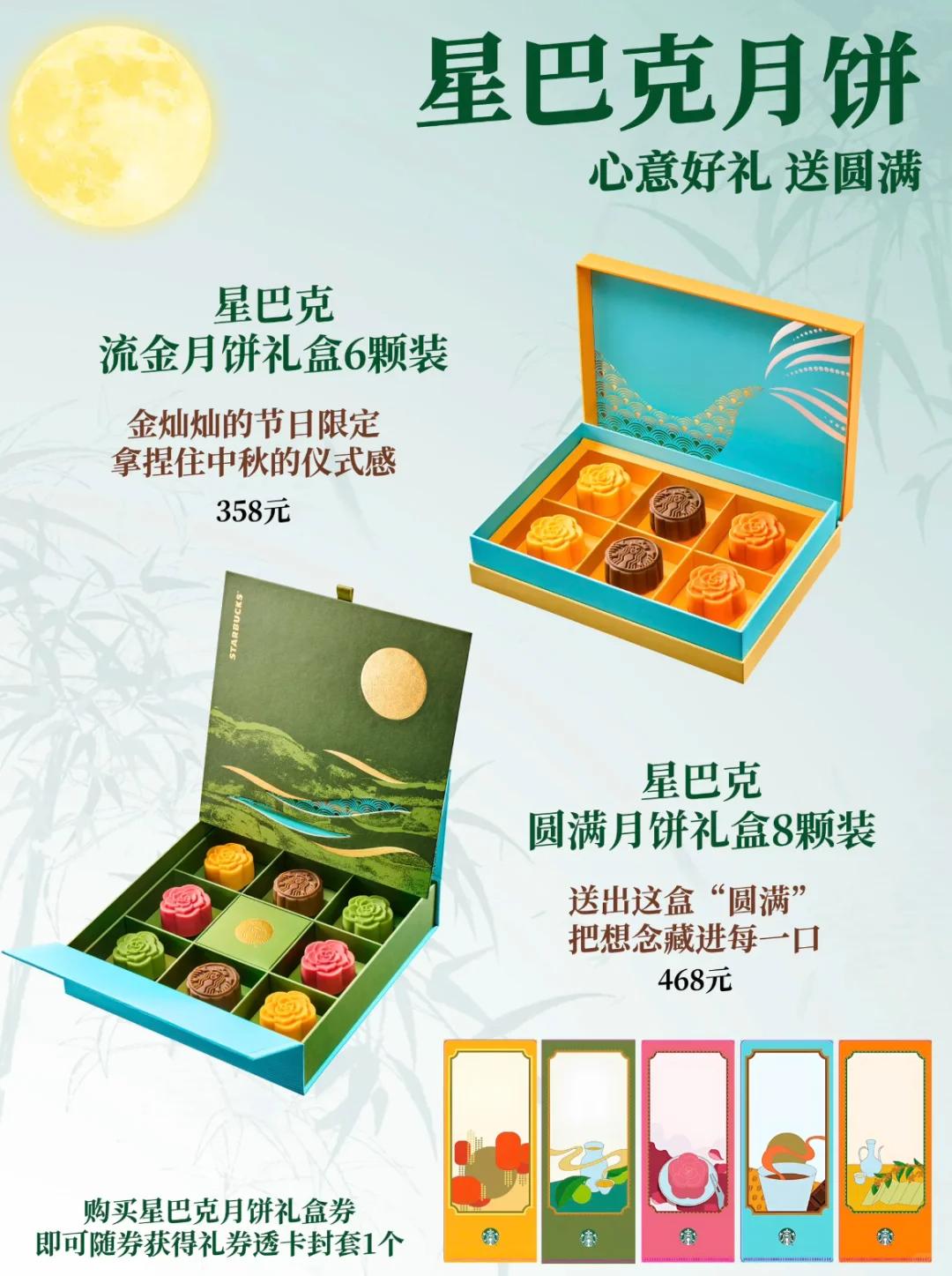
Core Insights - Starbucks employees face immense pressure to sell mooncakes, leading to creative and sometimes desperate sales tactics [1][24][31] - The company has introduced two new mooncake products this year, priced at 468 yuan and 358 yuan, respectively [2] - Despite high profit margins of 65%, the low repurchase rate of 23% for Starbucks mooncakes indicates a struggle to sell the product [35][36] Group 1: Employee Sales Pressure - Employees are resorting to various methods to sell mooncakes, including creative social media promotions and even self-purchasing to meet sales targets [1][6][31] - The pressure to meet sales KPIs is significant, with some employees reporting that they must sell over 200 boxes of mooncakes [24][31] - Official company policy prohibits employees from self-purchasing, yet the pressure to meet sales targets often leads to this behavior [26][31] Group 2: Product Performance - The new mooncake offerings include a variety of flavors, but employee feedback suggests that the taste does not align with consumer preferences [32][35] - The mooncake sales strategy appears to be a mix of high pricing and promotional offers, yet the effectiveness of these strategies is questioned due to low consumer interest [27][36] - The company has faced criticism for its mooncake products, which are perceived as overpriced and not meeting quality expectations [35][36] Group 3: Company Strategy and Market Position - Starbucks is attempting to adapt to local market demands while facing competition from lower-priced alternatives [36][37] - The company has recently lowered prices on several non-coffee products, indicating a response to competitive pressures in the market [36] - The ongoing challenges in mooncake sales reflect broader issues within Starbucks regarding employee satisfaction and product alignment with consumer expectations [37]

星巴克海外店员被指辱骂消费者!成功食品集团:已解雇员工
Nan Fang Du Shi Bao· 2025-09-24 15:05
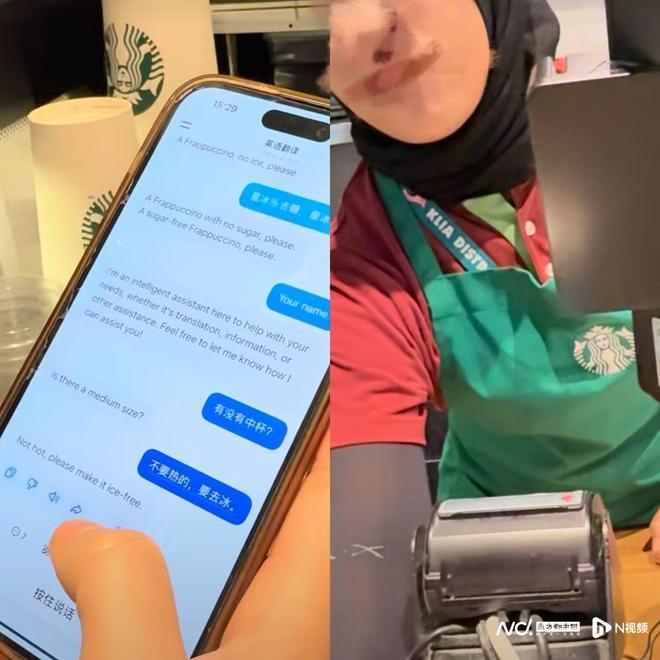
Core Viewpoint - A recent incident involving a customer at a Starbucks in Malaysia has sparked controversy after the barista allegedly insulted the customer using a local language, leading to public outcry and an official response from Starbucks [1][2][4]. Company Response - Starbucks Malaysia, operated by Berjaya Food Berhad, issued a statement emphasizing that respect is non-negotiable and that the behavior of the barista does not reflect the company's values [4][8]. - The barista involved was dismissed on September 21, 2025, following an internal review, and Starbucks is reinforcing training programs to enhance cultural sensitivity and customer service standards [6][7]. Incident Details - The incident occurred on September 18, when a Guangdong consumer shared a video of her ordering at a Starbucks using a translation app, which led to complaints from local netizens about the barista's disrespectful behavior [2][5]. - The consumer expressed gratitude for the support received but noted that she did not understand what the barista was saying at the time [1][2]. Business Context - Starbucks operates in Malaysia through a licensing model, with Berjaya Food Berhad being the exclusive franchisee since its entry into the market in 1998 [9]. - As of now, there are 405 Starbucks locations in Malaysia, and the company reported a revenue of $27.615 billion for the first nine months of fiscal year 2025, reflecting a year-over-year growth of 1.9% [9].
星巴克们的中国往事:从黄金十年到败退时刻
3 6 Ke· 2025-09-24 11:15
Group 1 - The core viewpoint of the article highlights the accelerated divestment of foreign brands in China, marking a significant shift in the market dynamics that have evolved over the past 40 years [4][71]. - The initial entry of foreign brands into China during the reform and opening-up period was characterized by a cooperative approach, as they sought to establish a foothold in a market with limited consumer spending power [5][9]. - By the mid-1990s, as urban consumer groups began to grow, foreign brands started to adopt aggressive strategies, leading to the decline of many domestic brands [10][12]. Group 2 - The article discusses the "two-lever" strategy employed by foreign brands, which involved both establishing retail channels and leveraging brand power to dominate the market [29][40]. - The entry of foreign supermarkets in the 1990s transformed the retail landscape in China, introducing advanced business models and changing consumer shopping habits [30][32]. - The rise of e-commerce and mobile internet has further disrupted traditional retail, allowing smaller domestic brands to thrive by leveraging online platforms [47][51]. Group 3 - The case of Luckin Coffee's rise against Starbucks illustrates how domestic brands have begun to leverage capital and technology to compete effectively with established foreign brands [60][67]. - The article emphasizes that the decline of foreign brands in China is a result of their inability to adapt to the rapidly changing market dynamics and consumer preferences [72]. - The current trend of foreign brands considering divestment to local teams is seen as a potential positive step for their operations in China, allowing for better alignment with local market conditions [71].
蜜雪冰城,如何度过柠檬水危机?丨消费参考
2 1 Shi Ji Jing Ji Bao Dao· 2025-09-24 02:47
Group 1 - The core issue is a supply crisis of lemons affecting the flagship product, lemon water, of the company Mixue Ice City [1][7] - The shortage of lemons has been reported in multiple cities including Zhengzhou, Shanghai, and Changsha [2] - The internal discussions regarding the lemon supply issue began as early as May this year [4] Group 2 - Climate change has led to significant fluctuations in lemon production, with major production areas like Sichuan experiencing a reduction of 30%-60% due to adverse weather conditions [5] - The wholesale price of lemons has surged to 14.98 yuan per kilogram, nearly double the price of 7.87 yuan per kilogram from the previous year [6] - The demand for lemons has increased by 200% due to rising summer temperatures, further exacerbating the supply issue [5] Group 3 - The lemon shortage is expected to persist due to limited domestic production areas [8] - The company remains optimistic about overcoming the lemon water crisis, with expectations of imported lemons arriving soon [9] - Some leading tea brands are considering using concentrated lemon juice as a substitute during the supply crisis [10][11]
对话野人先生创始人崔渐为:想成为冰淇淋界的星巴克,一直都在“踩着刹车”,自己接受很多误解
3 6 Ke· 2025-09-24 00:11
Core Insights - The company "Mr. Wildman," founded by Cui Jianwei, aims to become the "Starbucks of ice cream," focusing on high-quality gelato and a unique customer experience [1][10][12] - The brand has rapidly expanded, with plans to reach 1,500 stores by 2025, leveraging a franchise model to accelerate growth [17][20][21] Company Overview - Mr. Wildman was established in 2011 in Beijing and has become one of the top three ice cream chains in China, focusing on fresh, handmade gelato [3][10] - The brand's average transaction price is approximately 28.13 yuan, positioning it as a mid-to-high-end option compared to competitors like Häagen-Dazs [10][12] Business Model - The company employs a franchise model, which has allowed for rapid expansion, with over 80% of its stores being franchises [20][21] - Franchisees are selected based on their operational capabilities rather than financial resources, ensuring a focus on quality and brand integrity [20][21] Market Position - Mr. Wildman differentiates itself by offering gelato made from fresh ingredients, with a focus on low-fat content and unique flavors, which has contributed to its popularity [5][10] - The gelato market in China is still developing, with significant competition from established brands like Häagen-Dazs and DQ [14][23] Future Outlook - The company plans to enhance its product quality, supply chain efficiency, and organizational capabilities to build a competitive advantage [26] - There is potential for price adjustments as the company scales, which could improve its market position amidst rising competition [26]
星巴克的月饼,年年难卖年年卖
Sou Hu Cai Jing· 2025-09-21 04:09
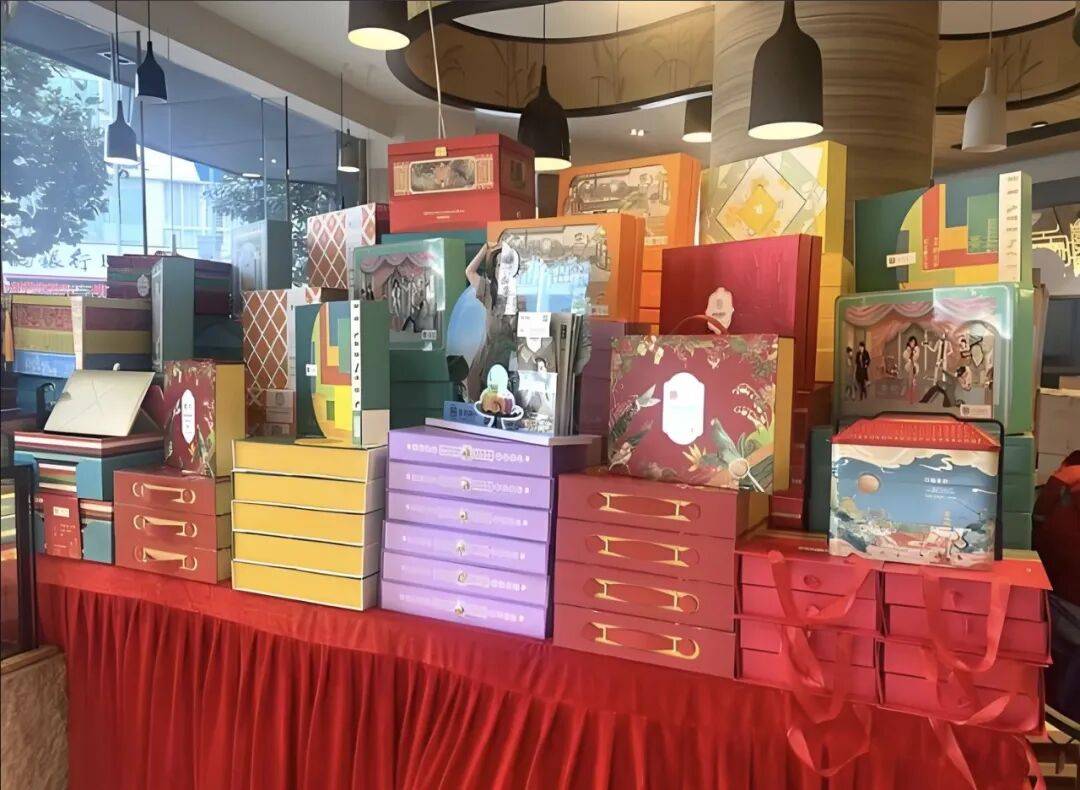
Core Viewpoint - The article highlights the internal pressure faced by Starbucks employees regarding mooncake sales, revealing a broader issue of operational challenges within the company and the retail industry as a whole [2][3][5]. Group 1: Employee Pressure and Sales Challenges - Employees at Starbucks have reported significant pressure to meet mooncake sales targets, with some resorting to purchasing mooncakes out of their own pockets, leading to financial strain [2][3]. - A survey indicated that 67% of chain restaurants impose mooncake sales targets on employees, with Starbucks facing some of the highest pressure in this regard [5]. - Despite the high profit margins of mooncakes (65%), the low repurchase rate (23%) indicates a struggle to sell these products effectively [7]. Group 2: Starbucks' Operational Struggles - Starbucks has experienced its first revenue decline in China for 2024, with same-store sales and average transaction values also decreasing, despite an increase in store count and membership [11]. - The competitive landscape has shifted, with local brands like Luckin Coffee offering significantly lower prices, leading to increased price sensitivity among consumers [11][13]. - The company's slower pace of product innovation has resulted in a perception among younger consumers that Starbucks lacks novelty, with 42% of consumers aged 18-30 expressing this sentiment [13]. Group 3: Industry-Wide Issues - The mooncake sales dilemma reflects a broader "Mid-Autumn curse" affecting the retail and dining sectors, with many businesses struggling to sell mooncakes despite their prominent marketing [14][16]. - The total production of mooncakes in China is projected at 420,000 tons for 2024, with a market value of 21.8 billion yuan, yet there are significant structural issues, including inflated prices and declining demand [16][18]. - The cultural shift away from mooncake gifting, exacerbated by anti-corruption measures, has led to a 78% decrease in reported violations related to mooncake gifts since 2019 [18][22]. Group 4: Changing Consumer Behavior - Consumer purchasing power and willingness to spend have declined, with a 23% drop in corporate mooncake procurement compared to 2023 [19][21]. - Younger consumers are increasingly favoring practical gifts over traditional mooncakes, with sales of alternative gifts like crabs and tea rising significantly [22][24]. - The traditional high-priced mooncake gift boxes are seeing a drastic decline in sales, with a 67% drop in those priced over 500 yuan since 2019, while more affordable options are gaining traction [24][26]. Group 5: Need for Industry Transformation - The article suggests that the traditional mooncake sales model needs reform, emphasizing the importance of aligning with consumer needs rather than relying solely on cultural traditions [26]. - For international brands like Starbucks, the challenge lies in balancing respect for local traditions with maintaining their global brand identity while addressing operational costs and risks [26].
罗永浩互联网唯一败绩是输给了星巴克的微笑女店员!西贝真是没苦硬吃
Xin Lang Cai Jing· 2025-09-19 07:26
Group 1 - The article discusses the challenges faced by a prominent entrepreneur in the internet industry, highlighting a notable defeat against a Starbucks employee [2] - It mentions the competitive landscape of the food and beverage industry, particularly focusing on the performance of a specific restaurant chain, Xibei [2]
海底捞才是星巴克的soulmate
3 6 Ke· 2025-09-18 09:17
Group 1: Starbucks China Business Sale - The sale of Starbucks' China business is nearing completion, with potential bidders including Boyu Capital, Carlyle Group, EQT, and Sequoia China, with a decision expected by the end of October [1] - The bidders are all financial investors, following the precedent set by McDonald's China sale, but local consumer giants may have better operational experience and financial strength [1] - The potential for local consumer giants, such as Alibaba, Meituan, Tencent, and Haidilao, to take over Starbucks China is highlighted, suggesting they could be more suitable buyers [1] Group 2: Haidilao's Position - Haidilao, despite being a hotpot chain, shares a similar business core with Starbucks as both operate social spaces rather than just food service [2] - Haidilao's recent business expansion efforts, including selling bread and launching community stores, indicate its evolution into a "startup incubator" [3] - The need for growth is pressing for Haidilao, as its revenue and net profit declined in the first half of 2025, with a revenue of 20.703 billion yuan, down 3.7% year-on-year [5] Group 3: Market Dynamics - The overall restaurant consumption market is experiencing a downturn, affecting high-ticket items like hotpot, while new tea drinks are thriving [6] - New tea drink brands have seen significant growth, with companies like Gu Ming and Mi Xue Ice City going public and achieving high stock price increases [6] - Haidilao's attempts to create new brands have not yet achieved significant scale, with other restaurant income only contributing 2.9% to total revenue [6] Group 4: Strategic Opportunities - The sale of Starbucks presents Haidilao with an opportunity to quickly enter the tea drink market, leveraging Starbucks' established brand and store network [12] - Haidilao's strengths in local innovation and commercial real estate negotiations could address Starbucks' current challenges, such as rising rental costs and competition [4] - The combination of Haidilao and Starbucks could enhance negotiation power in commercial real estate, potentially leading to better lease terms and store placements [15] Group 5: Challenges in Acquisition - The estimated valuation for Starbucks' China business is between $5 billion and $6 billion, which poses a significant financial challenge for Haidilao [16] - Haidilao would likely need to form a consortium with financial investors to complete the acquisition, complicating decision-making due to a fragmented ownership structure [17] - Starbucks' management desires to retain brand control while selling a majority stake, which may conflict with Haidilao's operational ambitions [17][18]