
银行

Search documents
罚款26.41亿元!2025年银行及从业人员收到超6500张罚单
Zhong Guo Jing Ying Bao· 2026-01-04 14:19
Core Insights - In 2025, regulatory bodies issued a total of 6,521 penalties against banking institutions and personnel, a decrease of 0.81% compared to 2024 [1] - The total amount of fines reached 2.641 billion yuan, with institutions fined 2.575 billion yuan and individuals 67 million yuan, marking an increase of 44.95% from 2024 [1] - A total of 1,094 banks were penalized, which is an increase of 25 banks from the previous year [1] Regulatory Actions - The regulatory agencies strictly implemented the "double penalty system," holding both institutions and individuals accountable for violations [1] - The most common type of penalty for institutions was fines, while warnings were the most frequent penalty for individuals [1]
上海:支持保险机构创新适用于低空航空器测试试飞、商业应用及消费的低空特色险,促进低空保险机构集聚
Mei Ri Jing Ji Xin Wen· 2026-01-04 08:10
每经AI快讯,据上海市政府1月4日消息,上海市政府印发《上海市关于链接长三角加快建设低空经济 先进制造业集群的若干措施》的通知。其中提到,加大金融支持力度。支持保险机构创新适用于低空航 空器测试试飞、商业应用及消费的低空特色险,促进低空保险机构集聚。引导银行加大低空企业产线投 资项目贷款和融资租赁支持力度。对银行贷款、融资租赁项目,给予最高不超过2000万元补贴。 ...
取消“开门红”?银行人:世界首富家底也扛不住三轮净增指标
Sou Hu Cai Jing· 2026-01-03 10:10
Core Viewpoint - The term "开门红" (literally "opening red") is not being canceled, but rather is expected to intensify in its significance and activities within the banking sector [2][3]. Group 1: Importance of "开门红" - "开门红" is crucial for banks as it sets the performance benchmarks for the entire year, with significant emphasis on achieving targets in the first quarter [13]. - The first quarter is vital for banks to secure deposits, especially during the Chinese New Year when cash flow is typically low, making it essential for banks to attract funds during this period [14]. - Many banks begin preparations for "开门红" as early as November or December, indicating its importance in annual planning [15]. Group 2: Perspectives from Banking Employees - Employees at various levels express mixed feelings about "开门红," with some feeling overwhelmed by the unrealistic targets set by upper management [4][6]. - The complexity of the performance indicators has increased, leading to internal competition and challenges in meeting these targets [7][9]. - There is a recognition that the performance metrics often conflict with operational realities, creating a challenging environment for employees [10][12]. Group 3: Operational Challenges - The banking sector faces a paradox where marketing departments are pressured to meet high performance targets while being restricted by compliance and risk management regulations [9][10]. - Employees often feel that the performance targets are set without consideration of market conditions, leading to frustration and a sense of futility in achieving these goals [6][9]. - The need for compliance checks during the busy "开门红" period adds to the operational burden on employees, detracting from their ability to focus on sales and customer service [10][12].


互联网平台金融化背景下银行合作模式演进与发展路径研究
Xin Lang Cai Jing· 2025-12-31 01:49
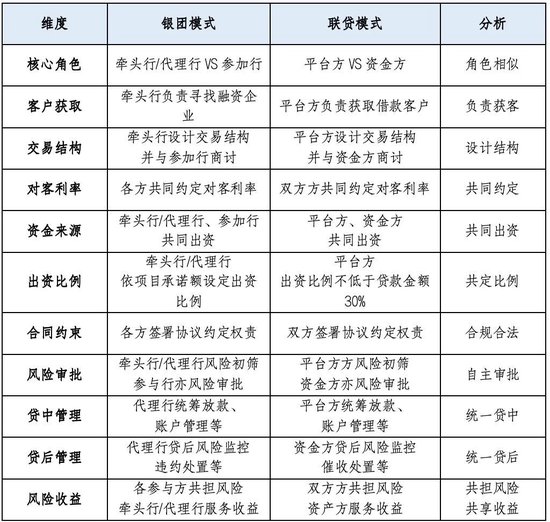
Core Insights - The integration of digital economy and fintech has allowed internet platforms to become significant players in the financial sector, moving beyond traditional payment services to encompass credit, wealth management, and insurance, thus accelerating their financialization process [1][24] - Traditional banks are facing severe challenges in the retail financial market, losing their dominance to internet platforms, which are increasingly seen as "funding outsourcing institutions" [1][24] - The shift in industry dynamics has altered the supply structure of financial services and introduced complexities in risk transmission and regulatory challenges [1][24] Regulatory Framework - The release of the "Notice on Strengthening the Management of Internet Loan Business by Commercial Banks" in April 2025 provides a clear policy framework to regulate financial activities of internet platforms and reshape bank-enterprise cooperation [2][25] - The new regulations encourage banks to enhance their self-management capabilities and strengthen oversight of partner institutions, aiming to return financial operations to licensed practices and prevent systemic financial risks [2][25] Role of Internet Platforms - Internet platforms are often perceived as auxiliary players in consumer finance, but they predominantly control customer access and are the main drivers of the business model [3][26] - They dominate the business structure by designing the financial service chain, where banks are merely components responsible for funding [4][27] - Internet platforms also dictate value distribution, securing the largest share of profits compared to traditional financial services [4][27] Value Creation - Internet platforms leverage big data and AI to optimize traditional credit processes, significantly reducing transaction times and enhancing service accessibility [6][30] - They reach a vast user base through diverse application scenarios, effectively covering markets that traditional banks struggle to penetrate [6][30] - By collaborating with internet platforms, financial institutions can access long-tail customer segments with lower operational risks and costs [7][31] Risks and Challenges - The reliance on internet platforms leads to a gradual loss of financial institutions' self-management authority, making them overly dependent on platform data and models [8][32] - The convenience of internet lending can encourage excessive borrowing among users, increasing the risk of multiple debts [8][32] - The fragmented nature of the consumer finance chain complicates regulatory oversight, creating challenges in managing risks effectively [9][33] Cooperation Models - The primary cooperation models between banks and internet platforms are joint lending and assistance lending, each with distinct legal and operational frameworks [10][34] - Joint lending involves shared funding and risk, while assistance lending focuses on platforms providing services like customer screening and risk assessment, with banks supplying the capital [12][38] Future Development Path - Future development of internet platform financial activities should adhere to principles of returning to core functions, standardized operations, and complementary advantages [16][42] - Strengthening the primary role of financial institutions and ensuring that they lead operations while platforms serve as auxiliary service providers is essential for sustainable growth [17][42] - Regulatory frameworks must evolve to ensure clarity in responsibilities and enhance oversight of non-licensed entities involved in financial activities [41][42]
女子跑3家银行网点没办成1张卡
Xin Lang Cai Jing· 2025-12-30 00:12
来源:大河报 近日,刘女士向大河报记者反映,自己因工作需要,打算办理一张银行卡。本以为带着身份证就能"极 速办卡",没想到却接连碰壁。"当天上午,我一口气跑了三家网点,都没办成。" 刘女士不是郑州本地户口。当天到网点后,工作人员告知:需提供在郑州长期居住的证明,比如居住 证;此外,预留手机号必须是办卡人本人实名认证的手机号。而刘女士虽然此前已办理过居住证,但一 直使用的是女儿用自己身份证实名的手机号,因不符合要求,办卡未果。 来源:大河报 近日,刘女士向大河报记者反映,自己因工作需要,打算办理一张银行卡。本以为带着身份证就能"极 速办卡",没想到却接连碰壁。"当天上午,我一口气跑了三家网点,都没办成。" 刘女士不是郑州本地户口。当天到网点后,工作人员告知:需提供在郑州长期居住的证明,比如居住 证;此外,预留手机号必须是办卡人本人实名认证的手机号。而刘女士虽然此前已办理过居住证,但一 直使用的是女儿用自己身份证实名的手机号,因不符合要求,办卡未果。 一家银行网点工作人员告诉记者,如果不是郑州本地户口,确实需要提供居住证等长期居住证明;同 时,银行卡预留手机号必须为办卡者本人实名认证。而另一家银行工作人员表示,目 ...
别让信任的底线一次次被击穿
Xin Lang Cai Jing· 2025-12-28 05:00
王某姗在2019年3月将储户丽丽的80万存款变为"理财",6月便通过个人网银转至陌生人账户;陈某芝 2023年5月9日存入的10万元,在卡里停留不到一刻钟就被转走——这些异常交易为何未能触发任何预 警?在普通人取款5万元都要被反复盘问的时代,千万级别的资金流失为何无声无息地发生? (来源:上观新闻) 36岁的某国有大行经理王某姗在家里自杀了,那些信任她的老人、做小生意的人,发现存在银行的钱没 了——有的百万存款只剩8块8,有的78万活命钱不翼而飞。更让人揪心的是,4个月后,她丈夫也自杀 了,留下两个还不懂事的女儿。 这起发生在河南商丘的金融犯罪之所以触目惊心,引发大量关注,是因为通过媒体报道,人们看到的不 仅是一起案件,更是一次公众信任的崩塌。尤其是媒体报道中,商丘金融监管分局"群众答复意见书"上 的那一句,"暂无法认定该银行存款业务制度执行存在违规行为",让人无法释然。 看似理财经理太狡猾,其实是系统漏洞被精准利用。王某姗案件暴露的,是一套表面上严格、实际上选 择性执行的监管体系。 银行的辩解空间或许在于"客户授权"。但问题恰恰在于:什么是真正的授权?87岁白内障老人口头告知 密码,文化程度不高的储户被引导 ...

整改报告出炉!财政部等三部门公布关于地方债审计问题的整改情况
2 1 Shi Ji Jing Ji Bao Dao· 2025-12-22 10:15
Group 1 - The report from the State Council indicates that 98% of the 2,186 issues identified in the 2024 audit report have been rectified by the end of September 2025, with a total rectification amount of 1.04 trillion yuan [1] - The audit also highlights the establishment of a timeline and roadmap for the phased rectification of 1,299 issues and the ongoing rectification of 753 issues [1] - A total of 3,420 individuals have been dealt with in relation to these issues, indicating a significant effort to address systemic problems that hinder high-quality economic development [1] Group 2 - The audit office emphasizes the need for enhanced management of local government debt risks, with the Ministry of Finance strengthening the construction of debt risk prevention mechanisms [2] - Twelve typical accountability cases regarding the addition of hidden government debt have been publicly reported, showcasing the government's commitment to transparency and accountability [2] - Seven provinces have repaid 334.2 million yuan of irregularly added hidden government debt, while nine regions have returned 184.8 million yuan of improperly collected agricultural loans [2] Group 3 - Six banks have reduced and disposed of non-performing loans related to real estate projects amounting to 1.901 billion yuan, focusing on project-specific risks [3] - The audit report identifies three main issues regarding local government debt risks, including the illegal addition of hidden debt and the misuse of agricultural loans by state-owned enterprises [3] - Five regions have added hidden government debt of 5.909 billion yuan through improper financing practices, highlighting ongoing challenges in debt management [3] Group 4 - The Ministry of Finance is conducting a comprehensive investigation into the illegal addition of hidden debt, urging local governments to manage fiscal resources effectively to repay such debts [4] - Three regions have repaid 3.227 billion yuan of debt that was improperly guaranteed by state-owned enterprises, demonstrating progress in addressing these issues [4] - Eighteen financing platforms in 17 regions have illegally collected 4.666 billion yuan in agricultural loans, which were used to repay their own debts [4] Group 5 - The financial regulatory authority is urging banks to enhance communication with local governments and implement measures such as freezing credit and suspending business cooperation to address issues related to agricultural loans [5] - Nine regions have returned 184.8 million yuan of improperly collected agricultural loans, indicating some success in rectifying these financial irregularities [5] - The report highlights the need for strict monitoring of local government debt and the prevention of false debt resolution practices, with 2.32 billion yuan identified as falsely resolved [5] Group 6 - The People's Bank of China and the financial regulatory authority are focusing on monitoring local financing platforms and preventing illegal fundraising activities [6] - Future plans include the orderly resolution of existing debts and strict adherence to the prohibition of new hidden debts, with a focus on market-oriented reforms for financing platforms [6] - The Ministry of Finance will enforce strict accountability for illegal borrowing practices and guide local governments in transitioning financing platforms to market-based operations [6] Group 7 - The Ministry of Finance will closely monitor risks in key areas such as debt and finance to prevent cross-sector risk transmission [7] - The financial regulatory authority aims to accelerate reforms in local small financial institutions and maintain a strong stance against illegal financial activities [7] - Comprehensive governance of illegal financial activities will be promoted to ensure systemic risk management [7]
推动有序化解存量债务 多部门联合发布地方政府债务风险问题整改情况
Xin Hua Cai Jing· 2025-12-22 09:13
(一)关于"5个地区指定国企垫资建设、承诺由财政资金偿还等,新增政府隐性债务59.09亿元。11 个 地区15户融资平台等通过发行非标金融产品、借款等方式,向1600多人、45家公益组织和村集体融资, 新增隐性债务1.5亿元"的问题。财政部组织有关地区全面排查违规新增隐性债务问题,督促地方通过统 筹财政收支、压减非刚性支出、盘活存量政府资产资源等偿还隐性债务。3 个地区已偿还由国企垫资建 设、承诺由财政资金作为还款来源的 32.27 亿元。2 个地区已偿还违规向公益组织等融资的新增债务 1.15 亿元。 据审计署22日发布有关部门对审计查出突出问题的整改情况。其中,财政部、中国人民银行、金融监管 总局关于地方政府债务风险问题的整改情况如下: 一、整改工作部署 针对审计查出的问题,财政部进一步加强债务风险防控力量建设;严肃查处违规新增政府隐性债务的地 方和单位,在全国公开通报12起问责典型案例;印发工作通知,进一步加强对隐性债务新增、问责、化 解等全链条监管。中国人民银行、金融监管总局组织摸排地方融资平台违规融资情况,加强对融资平台 涉众募资等违法违规金融活动及其账户资金监测,通过督促收回问题贷款、封闭或冻结账 ...
构建长效金融支持体系 夯实乡村振兴帮扶根基
Zheng Quan Ri Bao· 2025-12-21 16:24
Core Viewpoint - The central economic work conference emphasizes the need to consolidate and expand the achievements of poverty alleviation, integrating regular assistance into the rural revitalization strategy to prevent large-scale poverty recurrence [1] Group 1: Financial Support System - Banks are urged to establish a long-term and precise financial support system to maintain the bottom line against large-scale poverty recurrence, injecting sustainable momentum into rural revitalization [1] - The core of regular assistance lies in accurately addressing needs, requiring banks to strengthen party leadership and establish a regular connection mechanism with grassroots organizations to assess the production and financing needs of impoverished households [1] - Leveraging digital transformation, banks should create online lending channels and simplify approval processes, allowing farmers to access convenient financial services without leaving their homes [1] Group 2: Enhancing "Blood Production" Capacity - Preventing large-scale poverty recurrence hinges on enhancing the "blood production" capacity of impoverished areas, with banks focusing on key groups and optimizing small loans for impoverished populations [2] - Financial support should be aligned with rural industrial development, increasing credit support for family farms, cooperatives, and leading agricultural enterprises, embedding financial services throughout the industrial development chain [2] - Banks should deepen collaboration with local governments and guarantee institutions to share credit risks and expand financial support coverage [2] Group 3: Risk Prevention and Monitoring - Long-term assistance requires a solid risk prevention framework, with banks establishing dynamic monitoring mechanisms to track loan usage and income changes using big data technology [3] - A differentiated assistance strategy should be developed based on the characteristics of different regions and groups to avoid a one-size-fits-all approach [3] - Strengthening data sharing with agricultural, rural, and emergency departments is essential to integrate policy-based anti-poverty insurance with credit services, creating a multi-layered risk protection network [3]
打通金融支持“最后一公里”
Zheng Quan Ri Bao· 2025-12-21 16:20
Core Viewpoint - The Ministry of Agriculture and Rural Affairs emphasizes the need to accelerate the transformation and application of agricultural technology achievements and strengthen the agricultural technology promotion system to support high-level agricultural modernization [1] Group 1: Agricultural Technology Transformation - The transformation of agricultural technology from laboratories to fields involves characteristics such as "high investment, long cycle, high risk, and light assets," which requires substantial financial support [1] - To better support agricultural modernization, banks should shift from traditional "mortgage-based" thinking to a credit logic centered on technological innovation, maturity of results, and market prospects [1] Group 2: Financial Product Innovation - Product innovation is crucial to solving the financing challenges in agricultural technology, requiring banks to upgrade from "single-point support" to "full-cycle coverage" [2] - During the research and development phase, banks should introduce "Agricultural Technology R&D Loans" to support equipment procurement and variety rights development with long-term low-interest funding [2] - In the trial phase, banks should promote products like intellectual property pledges and variety rights mortgages to convert technology patents into financing credentials [2] - For the promotion phase, banks should design "Technical Promotion Special Loans" for technology specialists and develop "Convenient Technology Adoption Loans" to simplify processes and reduce interest rates [2] Group 3: Ecological Collaboration and Digital Transformation - Ecological collaboration is key to enhancing the effectiveness of financial services in agricultural technology transformation, requiring banks to connect with agricultural departments to match financing needs with financial services [2] - Banks should actively participate in government-led agricultural technology risk compensation mechanisms and deepen the "bank + guarantee + insurance" risk-sharing model to mitigate credit losses from natural and market risks [2] - Digital transformation provides new momentum for precise services, with banks needing to invest in financial technology to create dynamic monitoring systems using satellite remote sensing and IoT [2] - The establishment of a smart agricultural service platform can integrate information and create credit profiles for technology entities, enabling "online applications and intelligent approvals" [2]